
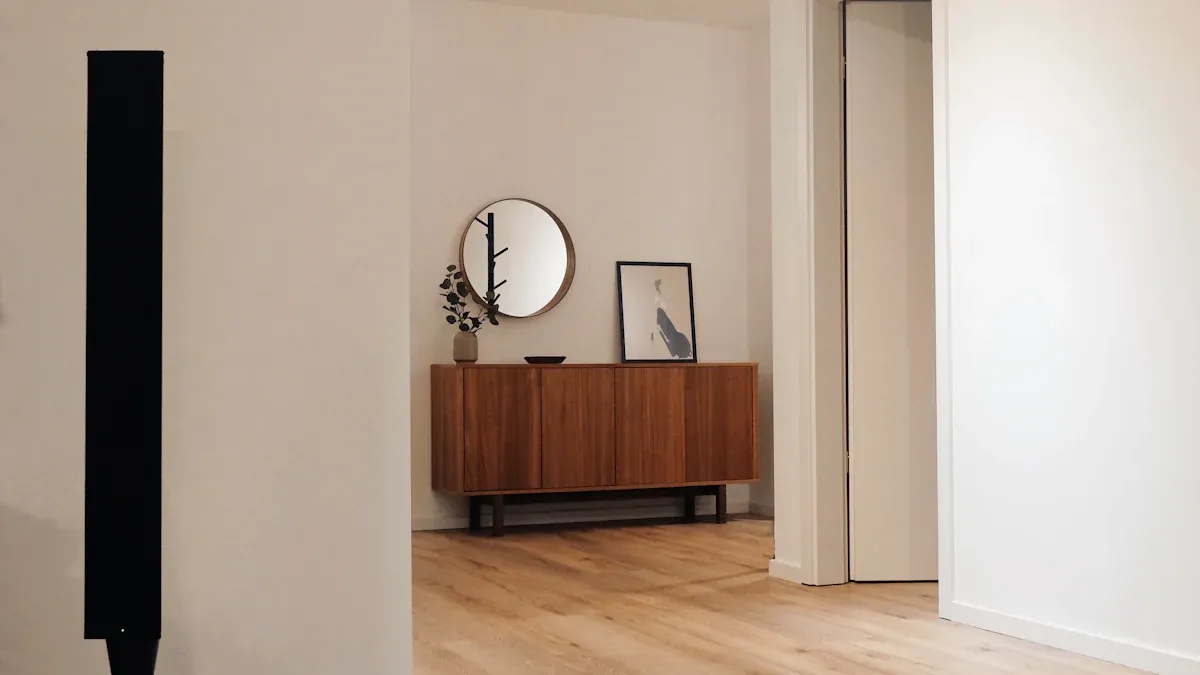
Choosing between LVT flooring vs VCT can shape how your space looks and feels. Most people find LVT flooring fits both commercial and residential needs because it lasts longer, looks better, and needs less care. VCT works best if you want a lower upfront cost, especially in schools or hospitals.
You should always match your flooring to your space, traffic, and design goals.
| Aspect | LVT Flooring | VCT Flooring |
|---|---|---|
| Durability | High | Moderate |
| Maintenance | Low | High |
| Design Range | Wide | Limited |
| Initial Cost | Higher | Lower |
What Is Luxury Vinyl Tile (LVT)?
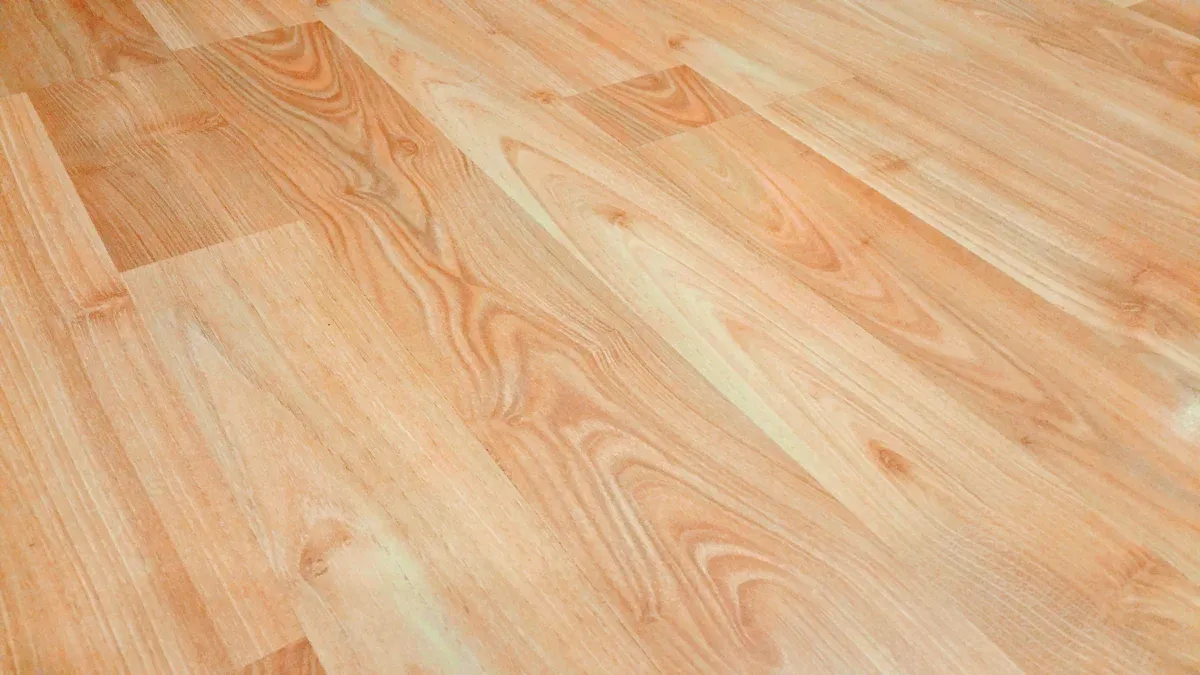
LVT Definition and Materials
When you choose luxury vinyl tile, you get a type of flooring made from several layers. Each layer serves a purpose. The bottom layer, often made from PVC or plastic polymers, gives stability and helps with sound insulation. Above that, you find a print film layer. This layer uses high-resolution images to make lvt look like real wood or stone. The top layer, called the wear layer, uses urethane to protect against scratches and stains. The thickness of this layer can change based on how much foot traffic you expect.
Manufacturers use different core materials in lvt. Some use WPC, which stands for wood-plastic composite. This core feels soft and absorbs sound, making it great for homes. Others use SPC, or stone-plastic composite. This core is dense and rigid, so it works well in busy commercial spaces. Both types of lvt are waterproof. Additives like fillers and stabilizers help the flooring resist heat, light, and cracking. These materials make lvt strong, flexible, and realistic in appearance.
Key Features of LVT
Lvt stands out from other flooring options for many reasons:
- You get realistic designs. The print film and texture embossing make lvt look like real wood or stone.
- Lvt comes in many shapes and sizes, such as large tiles or long planks. This gives you more design choices.
- The wear layer protects your floor from scratches and scuffs. You can use lvt in busy areas at home or work.
- Lvt resists water. You can mop it often without worry.
- You can install lvt in different ways. Choose glue-down, floating, or loose-lay methods. This makes installation flexible.
- If a tile or plank gets damaged, you can replace just that piece.
- Lvt is pet-friendly. It resists scratches and cleans up easily.
- Compared to hardwood or stone, lvt costs less but still looks high-end.
Tip: Lvt offers a mix of beauty, strength, and easy care. You can use it in almost any room, from kitchens to offices.
What Is Vinyl Composition Tile (VCT)?
VCT Definition and Materials
Vinyl composition tile, or VCT, is a popular type of hard flooring you often see in schools, hospitals, and busy stores. Manufacturers make VCT by blending polyvinyl chloride (PVC) with natural limestone, thermoplastic binders, and color pigments. This mix creates a strong and dense tile. The PVC in VCT gives the tile its ability to resist scratches and impacts. Limestone adds weight and strength, so the tile can handle heavy foot traffic. In the past, some makers used asbestos fibers to boost strength, but today’s VCT is asbestos-free for safety.
VCT has a solid structure, but its surface is a bit porous. This means it can soak up stains if you do not seal it well. You need to install VCT on a smooth sub-floor to prevent problems like edge lifting or surface wear. When you choose vinyl composition tile, you get a flooring option that stands up to daily use in both commercial and residential spaces.
Key Features of VCT
VCT stands out for several reasons that make it a smart choice for many environments:
- You get a thicker and more durable tile than standard vinyl flooring. This makes VCT perfect for high-traffic areas like offices, schools, and retail stores.
- A wax coating on the surface protects against scratches, stains, and water damage. This coating also makes cleaning easier.
- VCT is cost-effective. You pay less upfront and spend less on maintenance over time.
- The modular tile format lets you create patterns and designs. If a tile gets damaged, you can replace just that piece.
- Installation is quick, so you can use your space sooner.
- Many VCT tiles use recycled materials, which helps the environment.
- VCT resists chemicals like oil and grease, making it a good fit for kitchens and garages.
Note: VCT’s durability and protective wax layer help it last in places with lots of people and equipment. You can refinish or repair VCT by replacing single tiles, which keeps your flooring looking fresh.
VCT gives you a balance of strength, design flexibility, and value. You can use vinyl composite tile in both commercial and residential settings where you need tough, affordable flooring.
LVT Flooring vs VCT: Side-by-Side Comparison
Durability
When you compare lvt flooring vs vct, you see both types can handle busy spaces. LVT uses a multi-layer design with a tough wear layer. This layer often has ceramic chips that help stop scratches and dents. You do not need to add wax to keep lvt strong. In places like hospitals, offices, and schools, lvt stands up to foot traffic, spills, and daily wear. Many people replace lvt only when they want a new look, not because it wears out.
VCT also lasts a long time, especially if you care for it well. Some hospital floors with vct have lasted nearly twenty years. VCT needs a wax finish to protect it from scratches. If you keep up with waxing and cleaning, vct can last for decades. The main difference is that lvt resists scratches better and does not need extra coatings. Both types work in high-traffic areas, but lvt gives you more flexibility and easier care.
- Vinyl plank and tile flooring, including lvt, usually last 15 to 20 years.
- VCT can last 20 to 30 years with good maintenance.
- The lifespan depends on how thick the wear layer is, how you install it, and how much care you give it.
Tip: If you want a floor that keeps looking good with less work, lvt is often the better choice.
Maintenance
You will notice a big difference in how you care for lvt and vct. LVT needs simple cleaning. You sweep or vacuum, then mop with a pH-neutral cleaner. You do not need to wax lvt. Deep cleaning is only needed once or twice a year. This makes lvt easy to keep clean and looking new.
VCT takes more work. You must sweep and mop it daily, just like lvt. But vct also needs regular waxing and buffing. Every few months, you may need to scrub the floor and add a new coat of wax. Sometimes, you must strip off old wax and start over. This process takes more time and costs more money. If you skip these steps, vct can lose its shine and get damaged.
| Maintenance Aspect | VCT (Vinyl Composition Tile) | LVT (Luxury Vinyl Tile) |
|---|---|---|
| Daily Cleaning | Sweep/vacuum; damp mop with pH-neutral cleaner | Same as VCT; no waxing needed |
| Deep Cleaning Frequency | Every 3-6 months, especially in busy areas | Twice a year or as needed |
| Restorative Maintenance | Scrubbing, waxing, and buffing required | No waxing; gentle cleaning only |
| Time and Labor Intensity | High | Low |
| Cost Implications | Higher due to waxing and labor | Lower; fewer products and less labor |
Routine maintenance for vct includes vacuuming, mopping, and adding polish. You must also strip and reapply polish to keep the floor protected. These steps take more time and effort than lvt. LVT’s simple care helps you save time and money over the years.
Cost: Initial and Long-Term
When you look at lvt flooring vs vct, you see a clear difference in cost. LVT has a higher initial cost. You pay more for the material and installation. For lvt, the total installed cost ranges from $3.25 to $11.70 per square foot. For a 200-square-foot room, you might spend between $1,820 and $3,900.
VCT costs less at first. The total installed cost for vct ranges from $3.90 to $11.70 per square foot. For the same 200-square-foot space, you might pay $780 to $2,340. This makes vct a good choice if you need to cover a large area and want to keep your initial cost low.
But you must also think about long-term costs. VCT needs regular waxing and deep cleaning. These steps add to your costs over time. However, vct can last up to 30 years if you keep up with maintenance. You can restore vct by stripping and waxing, which can make it look new again and save you from replacing the floor.
LVT costs more at first but needs less care. You do not have to pay for waxing or special cleaning. LVT cannot be restored like vct, but it stays looking good for 15 to 20 years with simple cleaning. Over time, the lower maintenance cost of lvt can make it a better value, especially if you want to save on labor and cleaning supplies.
- VCT has a lower upfront cost and can last longer with good care.
- LVT has a higher initial cost but saves you money on maintenance.
- If you want to avoid frequent cleaning and waxing, lvt may be the smarter investment.
Note: Always think about both the initial cost and the long-term cost when choosing your flooring. The right choice depends on your budget, how much work you want to do, and how long you want the floor to last.
Design Options
You want your space to look great. Design options matter when you pick a floor. LVT gives you many choices. You can find LVT that looks like wood, stone, or ceramic. The colors and patterns seem endless. Some LVT even has textures that feel like real wood grain or stone. You can choose planks or tiles in many sizes. This helps you match your style.
VCT offers fewer design choices. Most VCT tiles come in solid colors or simple patterns. You often see VCT in schools or hospitals because it looks clean and simple. You can mix VCT colors to make checkerboards or stripes. Still, you will not get the natural look of wood or stone.
| Feature | LVT | VCT |
|---|---|---|
| Looks like wood/stone | Yes | No |
| Color range | Wide | Limited |
| Texture | Realistic | Smooth |
| Custom patterns | Many | Some |
Tip: If you want your space to stand out, LVT gives you more creative freedom. You can use it in homes, offices, or stores where style matters.
Installation
You need to think about how easy it is to install your new floor. LVT is simple to install. You can use glue-down, click-lock, or loose-lay methods. Many people install LVT themselves. The planks or tiles fit together easily. You can cut LVT with a utility knife. This saves time and labor costs.
VCT needs more steps. You must glue each tile to the floor. The subfloor must be very smooth. If the surface is not flat, VCT tiles may lift or crack. After you install VCT, you must add wax and buff the floor. This takes extra time and skill. Most people hire a professional for VCT installation.
Here is a quick look at the installation process:
-
LVT Installation:
- Can be DIY
- Fast and clean
- No waxing needed after install
-
VCT Installation:
- Needs a pro for best results
- Subfloor prep is important
- Must wax and buff after install
Note: LVT saves you time and money on installation. VCT may cost less for materials, but you pay more for labor and upkeep.
Applications: Commercial vs Residential
You want to pick the right floor for your space. LVT and VCT both work in homes and businesses, but each has strengths.
LVT fits many places. You see it in kitchens, bathrooms, living rooms, and bedrooms. It also works well in offices, shops, and restaurants. LVT resists water and stains. It stands up to pets and kids. You can use LVT in places where you want style and easy care.
VCT is a top choice for commercial vinyl flooring. You find it in schools, hospitals, grocery stores, and factories. VCT handles heavy foot traffic. It resists damage from carts and equipment. You need to keep up with waxing and cleaning to make it last. VCT is not as popular in homes because it looks more basic and needs more care.
Here are some common uses:
-
LVT:
- Homes (all rooms)
- Offices
- Retail stores
- Restaurants
- Healthcare waiting areas
-
VCT:
- Schools
- Hospitals
- Grocery stores
- Warehouses
- Labs
If you want commercial vinyl flooring that looks great and needs little care, LVT is a smart pick. If you need a tough, low-cost floor for a busy business, VCT works well.
You should always match your flooring to your needs. Think about style, cost, and how much work you want to do. LVT flooring vs VCT gives you two strong choices for commercial vinyl flooring.
Pros and Cons of LVT and VCT
LVT Pros and Cons
When you look at lvt flooring, you find many benefits that make it a popular choice. You get a floor that looks like wood or stone but costs less. Lvt works well in homes and light commercial spaces. You do not need to add underlayment if you pick a quality product. This flooring resists mold and moisture, so you can use it in kitchens or bathrooms.
Here are some main advantages of lvt:
- You save money compared to tile or hardwood.
- Lvt lasts longer than carpet.
- The floor needs little care. You only need to sweep and mop with a pH-neutral cleaner.
- You do not need to finish or refinish the surface.
- Lvt resists water and mold when installed with the right underlayment.
However, lvt has some drawbacks:
- The floor can feel cold and hard under your feet.
- Lvt is noisier than carpet and does not absorb sound well.
- Scratches can happen easily, and you cannot repair them.
- The surface gets slippery when wet, which can be a safety risk.
- You must install lvt the right way to avoid problems later.
Tip: Always follow the cleaning and installation instructions for lvt. This helps your floor last longer and look better.
VCT Pros and Cons
Vct flooring also has strengths and weaknesses. Many schools and hospitals use vct because it stands up to heavy foot traffic. You get a floor that is water-resistant and slip-resistant, which helps keep people safe. Vct comes in many colors and patterns, so you can create fun designs.
Here is a table to help you see the pros and cons of vct:
| Pros of VCT Flooring | Cons of VCT Flooring |
|---|---|
| Durable and handles heavy use | Can fade or get brittle in extreme climates |
| Water- and slip-resistant | Needs a smooth, level subfloor |
| Many color and pattern choices | Hard to remove due to strong adhesives |
| Absorbs sound from footsteps | Sensitive to humidity and subfloor moisture |
| Eco-friendly and recyclable | Can be tiring for long periods of standing |
| Easy to clean and maintain | Environmental impact from plastic materials |
You need to prepare the subfloor well before you install vct. If you do not, the tiles may lift or crack. Vct can last up to 20 years, but you must keep up with waxing and cleaning.
Note: Vct works best in busy places where you want a tough, affordable floor. Make sure you plan for regular care to keep it looking good.
Which Is Best for Your Space?
High-Traffic Commercial Spaces
When you choose commercial vinyl flooring for high-traffic areas, you want a surface that stands up to constant use. Both lvt and vct offer strong performance, but each has unique strengths.
- Lvt gives you high durability and resists scratches, dents, and water damage. You can clean it easily with sweeping and damp mopping. The realistic look of lvt fits well in offices and retail stores.
- Vct is a classic choice in the commercial flooring industry. You see it in schools, hospitals, and shops. Vct handles heavy foot traffic and resists abrasions. It is cost-effective commercial vinyl flooring for large spaces.
- Vct needs occasional waxing to keep its shine, but it remains a top pick for high-traffic commercial applications.
For spaces like hospitals, schools, and busy stores, vct is often the go-to option because of its durability and lower cost. Lvt works well if you want a modern look with less maintenance.
Residential Spaces
If you need flooring for your home, lvt stands out as a smart choice. It mimics wood and stone, giving your rooms a stylish look. Lvt is thicker than vct, so it feels softer underfoot and lasts longer. You can use it in kitchens, bathrooms, and basements because it resists water and stains.
| Factor | LVT | VCT |
|---|---|---|
| Aesthetics | Many colors and patterns | Fewer design choices |
| Durability | High, thick wear layer | Moderate, thinner tile |
| Maintenance | Easy, no waxing needed | Needs regular polishing |
| Comfort | Softer, better insulation | Harder, less insulation |
Vct is less common in homes. It costs less upfront but needs more care. You must polish it often to keep it looking good. If you want a floor that is easy to clean and looks great, lvt is the better pick for most residential spaces.
Budget-Conscious Projects
When you need to save money, vct gives you an affordable solution. It covers large areas at a low cost and stands up to heavy use. Vct is easy to maintain with regular sweeping and annual waxing. This makes it a practical choice for schools or budget-focused businesses.
- Vct costs about $1 to $3 per square foot, making it the most cost-effective commercial vinyl flooring for big projects.
- Lvt costs more, around $2 to $5 per square foot, but offers better design options and durability.
- If you want a higher return on investment and a modern look, lvt may be worth the extra cost.
Choose vct if you need to cover a lot of space and keep costs low. Pick lvt if you want a balance of style, durability, and easy care.
Design Flexibility Needs
You may want your floor to match your style or brand. LVT gives you many design options. You can pick tiles that look like wood, stone, or ceramic. Some LVT even has textures you can feel. You can choose from many colors, patterns, and sizes. This helps you create a unique look for your space.
VCT offers fewer choices. Most VCT tiles come in solid colors or simple patterns. You can mix and match colors to make checkerboards or stripes. Many schools use VCT to show school colors in hallways. You can create basic patterns, but you will not get the look of real wood or stone.
| Feature | LVT | VCT |
|---|---|---|
| Wood/Stone Looks | Yes | No |
| Color Range | Wide | Moderate |
| Texture | Realistic | Smooth |
| Custom Patterns | Many | Some |
Tip: If you want your floor to stand out or match a special theme, LVT gives you more creative freedom. VCT works best if you want simple, bold colors or easy-to-clean patterns.
You now see the key differences between LVT and VCT. LVT gives you more design options, better water resistance, and lower maintenance. VCT costs less upfront but needs more care.
| Feature | LVT | VCT |
|---|---|---|
| Maintenance | Low | High |
| Design Choices | Wide | Limited |
| Water Resistance | Yes | No |
Choose LVT for homes or stylish, busy spaces. Pick VCT if you need a budget-friendly floor for large, high-traffic areas. Always match your flooring to your space, use, and design goals for the best results.
FAQ
What is the main difference between LVT and VCT?
You will notice that LVT has a layered structure with a strong wear layer. VCT uses a mix of vinyl and limestone. LVT offers more design choices and needs less care. VCT costs less at first but needs regular waxing.
Can you install LVT or VCT in bathrooms or kitchens?
You can install LVT in bathrooms and kitchens because it resists water. VCT can work in these spaces, but you must seal it well. Water can damage VCT if you do not keep up with maintenance.
How long does each flooring type last?
LVT usually lasts 15 to 20 years with simple cleaning. VCT can last up to 30 years if you wax and maintain it often. The lifespan depends on how much traffic your floor gets and how well you care for it.
Which flooring is easier to repair if damaged?
You can replace single tiles or planks with both LVT and VCT. LVT repairs are quick and easy. VCT repairs may take longer because you need to match the wax finish and color.




