
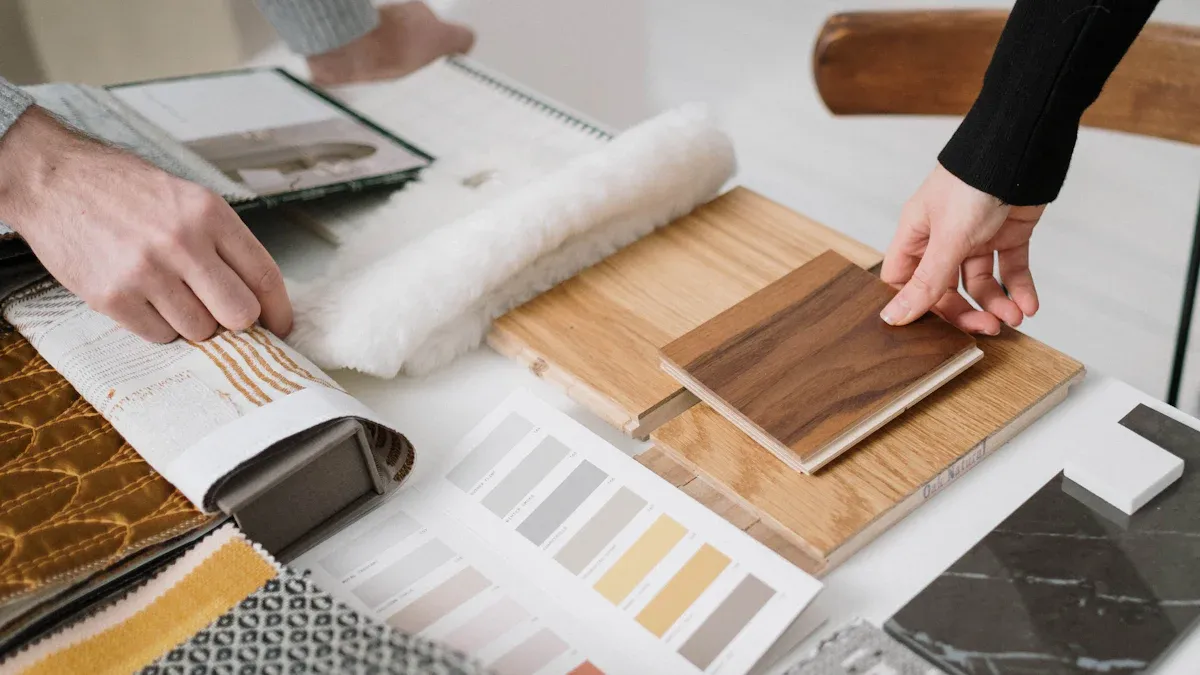
When you compare pvc versus vinyl for your next flooring project, you want the best mix of durability, style, and cost. The main difference between pvc versus vinyl flooring is the core material—pvc flooring, like SPC, uses a rigid core, while vinyl flooring, like LVT, has a flexible core. Check out this table to see how pvc versus vinyl stack up:
| Feature | SPC Flooring (PVC-based) | LVT Flooring (Vinyl) |
|---|---|---|
| Typical Lifespan (years) | 15-25 | 10-15 |
| Durability | Superior | Good |
If you want flooring that lasts longer and resists damage, pvc is the top choice. For those who care more about style or want a budget-friendly option, vinyl flooring gives you many looks at a lower price.
PVC Versus Vinyl: Key Differences Between PVC and Vinyl Flooring
What Is PVC Flooring?
You may see pvc flooring in schools, hospitals, or busy offices. This material uses polyvinyl chloride, or pvc, as its main ingredient. Manufacturers mix pvc resin with stabilizers and plasticizers to create a strong, flexible sheet or tile. The result is a flooring material that stands up to heavy foot traffic and resists water.
PVC flooring comes in two main types: homogeneous and heterogeneous. Homogeneous pvc flooring uses a single layer of material, making it tough and easy to clean. Heterogeneous pvc flooring has several layers, including a printed design and a protective top layer. Some options even include a foamy sublayer for extra comfort. You can also find special types like electrical conductive pvc flooring, which helps prevent static electricity in sensitive areas.
Industry standards help you trust the quality of pvc flooring. Health Product Declarations (HPD) and Environmental Product Declarations (EPD) show you what goes into the material and how it affects the environment. Many pvc flooring products meet ISO9000 and ISO14001 certifications, which means they pass strict tests for safety and quality. In Europe, look for CE certification and EN14904 standards, especially for sports flooring.
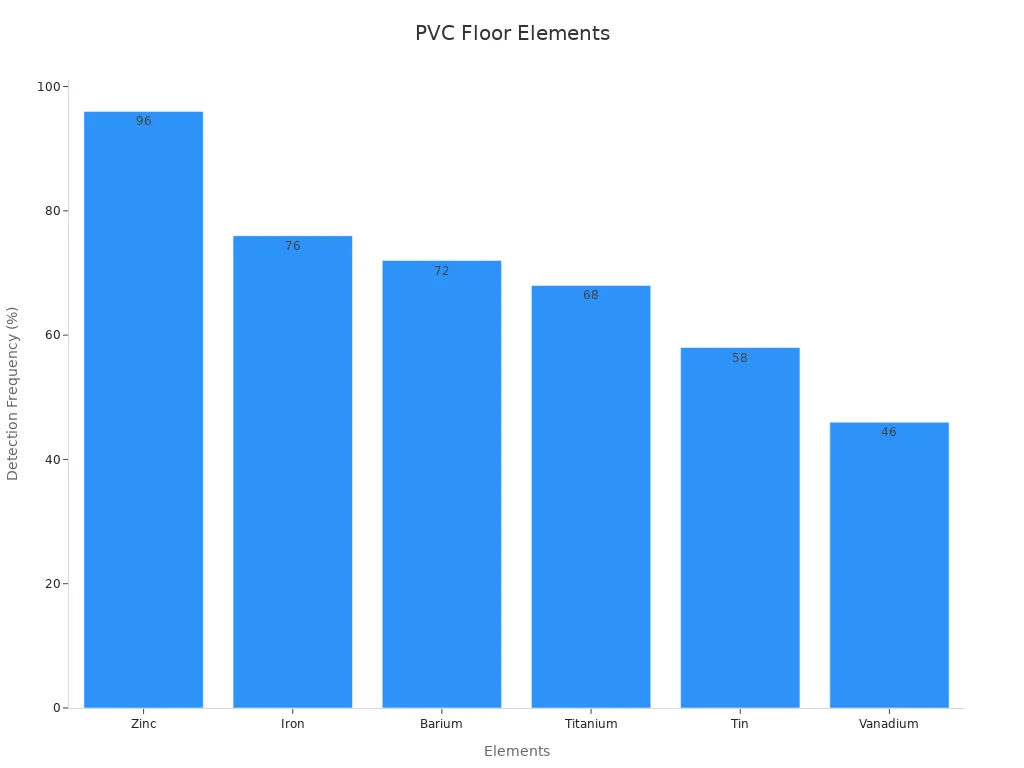
Scientists have studied pvc flooring to learn more about its chemical makeup. They found that pvc contains about 57% chlorine by mass. This high chlorine content gives pvc its unique properties. Tests also show that pvc flooring often contains elements like zinc, iron, barium, and titanium. Some samples even had small amounts of hazardous metals, so always choose certified products for safety.
What Is Vinyl Flooring?
Vinyl flooring is a popular choice for homes and businesses. This material uses a mix of pvc and other vinyl polymers, but it often includes extra layers for style and comfort. You can find vinyl flooring as planks, tiles, or large sheets. Vinyl sheet flooring covers big areas with fewer seams, which helps keep out water.
Luxury vinyl flooring, like LVT (Luxury Vinyl Tile) and LVP (Luxury Vinyl Plank), offers many design options. These products have a printed layer that looks like wood, stone, or ceramic. A clear wear layer on top protects the design from scratches and stains. Some luxury vinyl flooring uses a rigid core for extra strength, while others feel softer and warmer underfoot.
Vinyl flooring stands out for its waterproof nature. All vinyl sheet flooring and luxury vinyl products resist water, but proper installation is key for the best results. Many brands, such as Tarkett, add special surface treatments to protect against scratches and stains. Some vinyl sheet flooring is 100% phthalate-free and has low VOC emissions, making it a healthy choice for your home.
You will find that luxury vinyl flooring is easy to install. Many products use a click-lock system, so you can lay the floor without glue. Maintenance is simple, too. Just sweep, vacuum, or mop with mild cleaners to keep your vinyl flooring looking new.
Here are some features of vinyl flooring:
- Waterproof due to its pvc content
- Available as planks, tiles, or sheets
- Offers realistic wood and stone designs
- Durable and resists scratches and dents
- Easy to clean and maintain
- Some options use recycled materials and low-VOC adhesives
Types of PVC and Vinyl Flooring
You have many options when choosing between pvc versus vinyl flooring. The key differences between pvc and vinyl flooring come from their structure, design, and performance.
PVC flooring types include:
- Homogeneous pvc flooring: One solid layer, great for high-traffic areas
- Heterogeneous pvc flooring: Multiple layers, more design choices, and added comfort
- Electrical conductive pvc flooring: Reduces static, used in hospitals and computer rooms
Vinyl flooring types include:
- Luxury vinyl tile (LVT): Mimics wood or stone, comes in tiles or planks
- Luxury vinyl plank (LVP): Looks like hardwood, easy to install
- Vinyl sheet flooring: Large rolls, fewer seams, best for moisture-prone areas
- Vinyl composite tile (VCT): Durable, often used in schools and stores
Recent market reports show that nearly half of new vinyl tile products feature waterproof technology. Many use rigid cores like SPC (Stone Plastic Composite) or WPC (Wood Plastic Composite) for extra strength. About 35% of new vinyl flooring options use recycled content, and 27% use low-VOC adhesives. Manufacturers like Mohawk Industries and Tarkett lead the way in green flooring solutions.
You can see the technical differences between pvc and vinyl flooring in the table below:
| Aspect | PVC Flooring | Vinyl Flooring (LVT/LVP) |
|---|---|---|
| Composition | Made from PVC resin, stabilizers, and plasticizers | PVC-based with additional layers and additives for texture and appearance |
| Design Options | Simpler designs, often solid colors or basic patterns | Luxury patterns, textures, and realistic imitations of wood, stone, or ceramic |
| Durability & Maintenance | Durable, moisture-resistant, but can scratch or dent over time | Equally durable and moisture-resistant, often with a protective wear layer enhancing scratch and dent resistance |
| Comfort | Firmer and tougher, can be less comfortable underfoot | Softer, more padded, warmer underfoot, better for living spaces |
| Installation | Sheets or tiles, requires careful cutting and fitting | Click-lock planks or tiles, easier and sometimes plug-and-play installation |
| Cost | Generally more affordable | Can be more expensive depending on quality and luxury features |
Comparative studies show that SPC flooring, a type of pvc vinyl flooring, performs better in high-traffic areas than standard luxury vinyl tile. SPC resists pressure, scratches, and dents, making it a smart choice for busy spaces like hospitals or hotels. In contrast, luxury vinyl flooring offers more comfort and style, which suits living rooms and bedrooms.
When you compare pvc versus vinyl, think about where you will use the flooring, how much comfort you want, and your design preferences. Both pvc flooring and vinyl sheet flooring give you durable, waterproof options, but each has unique strengths.
Side-by-Side Comparison: Vinyl Flooring and PVC Flooring
Durability
When you choose flooring for your home or business, durability matters. You want a surface that stands up to daily wear and tear, especially in high-traffic areas. Both vinyl flooring and pvc flooring offer strong performance, but there are key differences.
You will find that luxury vinyl, especially SPC (Stone Plastic Composite), leads in durability. SPC flooring uses a rigid core that resists dents and scratches better than standard pvc flooring. The table below shows how these two types compare in performance tests:
| Flooring Type | Dent Resistance (psi) | Scratch Resistance (Pencil Hardness) | Wear Layer Thickness | Expected Commercial Lifespan | Indentation Recovery Rate |
|---|---|---|---|---|---|
| SPC (Luxury Vinyl) | Higher (around 1500) | Higher (4H) | Thicker (20+ mil) | Longer (15-25 years) | Full recovery (100%) |
| Standard PVC Flooring | Lower (around 800) | Lower (3H) | Thinner (0.2-0.3 mm) | Shorter (10-15 years) | Partial recovery (85-95%) |
Tests like ASTM F1914 and EN 16094 confirm that SPC luxury vinyl flooring lasts longer and handles pressure better than regular pvc flooring. In busy places like hospitals or schools, you will see SPC flooring keep its shape and look for many years. Standard pvc flooring works well, but it may show dents or scratches sooner. If you want a long-lasting choice, luxury vinyl tile or plank with an SPC core gives you the best durability.
Style and Design Options
You have many options when it comes to style and design. Both pvc flooring and vinyl flooring offer a wide range of looks, but luxury vinyl stands out for its realistic designs and textures.
| Product Type | Design Features and Benefits | Applications and Trends |
|---|---|---|
| Heterogeneous PVC | Multi-layer construction, decorative patterns, textures, wear-resistant surfaces; mimics wood, stone, ceramic tiles; improved acoustic and thermal properties | Used in homes and businesses that value style and comfort |
| Luxury Vinyl Tiles (LVT) | High aesthetic value; looks like hardwood and stone; durable, waterproof, easy to install; wide design range | Popular in homes and commercial spaces; growing demand due to luxury interior design trends |
| Vinyl Composite Tiles (VCT) | Affordable, versatile; durable and easy to maintain; available in many colors and styles | Common in commercial/institutional areas with heavy foot traffic; practical for retail, schools, healthcare |
| Homogeneous PVC | Single-layer, uniform, highly durable and wear-resistant | Preferred in high-traffic institutional and commercial areas like hospitals and schools |
Luxury vinyl flooring, including luxury vinyl tile and luxury vinyl planks, gives you the look of real wood, stone, or ceramic. You can match almost any style you want, from modern to classic. Vinyl sheet flooring also comes in many colors and patterns, making it easy to find the right fit for your space.
Manufacturers like Tarkett and Forbo lead the way in offering new designs and eco-friendly options. You can choose from products that use recycled materials or low-VOC adhesives. Vinyl flooring and pvc vinyl flooring now include features like improved sound absorption and better thermal comfort. If you want the latest trends, luxury vinyl flooring gives you more choices for both style and function.
Comfort Underfoot
Comfort underfoot makes a big difference in how you feel about your flooring. Vinyl flooring and pvc flooring both offer good comfort, but luxury vinyl products often provide extra benefits.
You will notice that luxury vinyl tile and vinyl sheet flooring often include padded layers. These layers help reduce pressure on your feet and joints, which is important if you stand or walk for long periods. Some collections, like the Rx Collection, use special technology to absorb impact and return energy with every step. This makes luxury vinyl flooring a smart choice for places like healthcare or retail, where comfort matters most.
Consumer feedback shows that people like the soft, warm feel of vinyl flooring. Many say that the sound-dampening features make rooms quieter and more relaxing. Nature-inspired designs also help you feel calm and comfortable. Vinyl sheet flooring and luxury vinyl planks often include sound insulation layers, which reduce noise and add to the comfort.
You can install vinyl flooring with click-lock or loose-lay methods. These systems create a stable, cushioned surface that feels better underfoot than harder floors like tile or hardwood. If you want a floor that feels soft, warm, and quiet, luxury vinyl flooring and pvc vinyl flooring give you the best options.
Tip: For rooms where you spend a lot of time standing, such as kitchens or playrooms, choose luxury vinyl flooring with extra padding for maximum comfort.
Installation Methods
You can install vinyl flooring and pvc flooring in several ways. The method you choose depends on the type of flooring, the room, and your skill level. Many homeowners like luxury vinyl because you can install it yourself. Most luxury vinyl planks and tiles use a click-lock system. You snap the pieces together without glue. This makes the process fast and easy.
Vinyl sheet flooring and pvc vinyl flooring often need more careful work. Installers recommend using templates made from masonite beadboard or 1/4-inch vinyl-faced MDF. These templates help you cut the flooring to fit your room exactly. You should always measure the sheet goods before cutting. This prevents mistakes and wasted material.
Certified installers use sharp razor knives, putty knives, and steel straight edges to cut vinyl and pvc flooring. They also use rollers to press the flooring down and remove air bubbles. For seams, you may need special seam kits from brands like Armstrong, Mannington, or Congoleum. Each manufacturer has its own instructions for sealing seams. Always follow these guides for the best results.
You should prepare the subfloor before installing any flooring. Clean the surface and make sure it is dry and smooth. Avoid using OSB as an underlayment because it can absorb moisture and has loose fibers. Many installers use Dependable seam patch or felt paper as alternatives.
Some modern vinyl floors only need glue around the edges. This is called perimeter gluing. You can use caulk to seal joints, especially near tubs and showers. Always keep your workspace clean and follow the manufacturer’s instructions. Certified installer guides from companies like Mannington and Armstrong give you step-by-step directions.
Tip: Take your time with measuring and cutting. A careful start leads to a smooth installation and a better-looking floor.
Maintenance and Cleaning
You will find that both vinyl flooring and pvc flooring are easy to maintain. These floors resist stains and water, so you do not need special cleaners. For daily care, sweep or vacuum to remove dust and dirt. Use a damp mop with mild soap for deeper cleaning.
Luxury vinyl stands out for its protective wear layer. This layer helps prevent scratches and scuffs. You can keep your luxury vinyl looking new by placing mats at entryways and using furniture pads. Avoid dragging heavy items across the floor.
Vinyl sheet flooring and pvc vinyl flooring also clean up quickly. If you spill something, wipe it up right away. Do not use harsh chemicals or abrasive scrubbers. These can damage the surface. Most brands recommend pH-neutral cleaners.
You should check the manufacturer’s care guide for your specific flooring. Some luxury vinyl products have extra coatings that need special care. Following these tips will help your flooring last longer and look great.
- Sweep or vacuum regularly
- Mop with mild soap and water
- Wipe up spills quickly
- Use mats and furniture pads
- Avoid harsh chemicals
Note: Regular cleaning not only keeps your floor looking good but also extends its life.
Cost and Value
You want flooring that fits your budget and gives you good value. Vinyl flooring and pvc flooring both offer affordable options. Luxury vinyl tiles and planks usually cost between $2 and $5 per square foot, including installation. This makes them less expensive than hardwood or ceramic tile.
You can save money by installing luxury vinyl yourself. Many products are DIY-friendly, so you do not need to pay for professional labor. This lowers the total cost of your flooring project.
The value of vinyl and pvc flooring comes from more than just the price. These floors last a long time and need little maintenance. You do not have to spend much on cleaning supplies or repairs. The wide range of designs lets you get the look you want without paying for expensive materials.
The table below shows a simple cost and value comparison:
| Flooring Type | Average Cost (per sq. ft., installed) | DIY-Friendly | Durability | Maintenance Needs | Design Options |
|---|---|---|---|---|---|
| Luxury Vinyl Plank | $2 – $5 | Yes | High | Low | Many |
| Vinyl Sheet Flooring | $1.50 – $4 | Yes | Good | Low | Many |
| PVC Flooring | $2 – $4.50 | Sometimes | High | Low | Fewer |
Longer service life means you replace your flooring less often. This saves you money over time. Life cycle assessments show that durable floors like luxury vinyl and pvc vinyl flooring reduce waste and lower your overall costs.
Tip: Choose a floor that matches your needs and budget. You get the best value when you balance cost, durability, and style.
Environmental Impact
When you choose flooring, you also make a choice for the environment. PVC and vinyl flooring both have unique effects on the planet. You should know how these materials are made, used, and disposed of before you decide.
You might wonder how much energy and pollution come from making vinyl and PVC flooring. Reports from groups like the Center for Environmental Health (CEH) and manufacturers such as Polyflor help answer this question.
Key Environmental Concerns
- The CEH report “Flooring’s Dirty Climate Secret” shows that the carbon footprint of PVC flooring can be much higher than what manufacturers claim. Some Environmental Product Declarations (EPDs) underestimate carbon dioxide emissions by up to 180%. This is especially true for PVC flooring made in China, where factories often use coal for energy.
- The report also points out that making PVC can involve toxic chemicals. Some factories use mercury, PFAS (a group of chemicals that do not break down easily), and even asbestos. These substances can harm both the environment and human health.
- The supply chain for PVC flooring is long and complex. In China, there are 26 steps from raw material to finished product. Each step adds more carbon emissions. In the United States, the process has 23 steps, but the impact is still significant.
- Vinyl flooring production has moved to countries with cheaper energy, like China. This shift increases the use of coal and raises carbon emissions.
Note: The CEH report recommends phasing out harmful chemicals like asbestos, mercury, and PFAS in flooring production. Healthier alternatives exist and can lower the risk to people and the planet.
Sustainability Efforts and Improvements
Manufacturers have started to make changes. Polyflor, a major flooring company, shares its own sustainability report. You can see some positive steps:
- Polyflor uses a cradle-to-grave life cycle assessment. This means they look at the environmental impact from raw materials to disposal. Their studies show that vinyl flooring can have a lower energy use and carbon footprint than linoleum or ceramic tiles.
- The company chooses raw materials from suppliers with ISO 14001 certification. This standard means the supplier manages its environmental impact carefully.
- Polyflor’s factories use less energy than those making other types of flooring. They also work to reduce waste during packaging and shipping.
- Indoor air quality matters. Polyflor tests its products for VOCs (volatile organic compounds). Low VOCs mean cleaner air in your home or office.
- Recycling programs help keep old flooring out of landfills. Some vinyl flooring can be recycled into new products, reducing waste.
Comparing Environmental Impact
You can compare the main environmental factors for PVC and vinyl flooring in the table below:
| Factor | PVC/Vinyl Flooring (Conventional) | Improved/Certified Vinyl Flooring |
|---|---|---|
| Carbon Footprint | High (especially from coal use) | Lower with ISO 14001 suppliers |
| Use of Toxic Chemicals | Possible (mercury, PFAS, asbestos) | Reduced or eliminated in certified products |
| VOC Emissions | Varies, can be high | Low, tested and certified |
| Recycling and Waste | Limited recycling, landfill risk | Active recycling programs, less waste |
| Energy Use in Manufacturing | High for some regions | Lower with modern processes |
What You Can Do
You can help the environment by making smart choices:
- Look for flooring with clear Environmental Product Declarations (EPDs).
- Choose products from companies that use ISO 14001 certified suppliers.
- Ask about recycling programs for old flooring.
- Pick low-VOC or phthalate-free options for better indoor air.
Tip: When you select eco-friendly flooring, you protect both your health and the planet. Always check labels and ask questions before you buy.
You play a key role in reducing the environmental impact of your flooring project. By staying informed, you make choices that support a healthier world.
Decision Guide: Choosing Between PVC and Vinyl Flooring
Matching Flooring to Room Usage
You want your flooring decision to fit the way you use each room. Think about how much traffic the area gets and what you need from your floor. If you have a busy hallway or kitchen, you need something that can handle lots of footsteps. PVC flooring works well in these spaces because it stands up to heavy use and resists water. You often see pvc in hospitals and schools for this reason.
Luxury vinyl is a smart choice for living rooms, bedrooms, or playrooms. You get a softer, warmer feel underfoot. Vinyl flooring also gives you many design options, so you can match your style. In bathrooms or laundry rooms, both pvc and vinyl flooring resist moisture, but vinyl sheet flooring covers large areas with fewer seams, which helps keep water out.
Tip: For rooms where comfort matters, choose luxury vinyl. For high-traffic or wet areas, pvc flooring gives you extra strength.
Considering Your Budget
You want to make a smart flooring decision that fits your budget. Start by looking at your past spending and what worked well before. This helps you spot patterns and avoid wasting money. Many experts suggest using data and outcomes to guide your choices, especially when money is tight.
- Reviewing your past financial performance helps you see where you spent too much or saved money.
- Forecasting your income lets you set a realistic budget for your flooring project.
- Estimating costs for both pvc and vinyl flooring helps you plan for all expenses.
You can also involve your family or team in the decision. This makes the process more open and helps everyone feel included. When you focus on results, you make sure your spending matches your goals. Luxury vinyl may cost more upfront, but it can last longer and save you money over time. PVC flooring often costs less and still gives you good durability.
Prioritizing Style or Durability
You need to decide what matters most for your flooring decision: style or durability. If you want a floor that looks like real wood or stone, luxury vinyl gives you the best options. You can choose from many colors and patterns. Vinyl flooring lets you match your home’s look without spending a lot.
If you care more about how long your floor lasts, pvc flooring is the better pick. It handles heavy use and resists scratches and dents. Many people choose pvc for busy spaces because it keeps looking good even after years of use.
Note: Think about your lifestyle. If you have kids or pets, you may want the extra strength of pvc. If you love changing your home’s look, luxury vinyl gives you more design freedom.
Checklist for Choosing
When you decide between PVC and vinyl flooring, you want a clear and simple process. Use this checklist to help you make the best choice for your space:
-
Identify Your Room’s Needs
Think about how you use the room. Is it a high-traffic area, or do you want extra comfort? Write down your main goals. -
Gather Input from Everyone Involved
Talk with family members or coworkers. Ask what they want from the flooring. Different people may have different needs. -
Review Trusted Sources and Guidelines
Look at product reviews, expert advice, and practice guidelines. Use information from flooring professionals and industry reports. -
List Your Must-Have Features
Make a short list of features you cannot live without. For example, you may need waterproofing, easy cleaning, or a certain style. -
Keep the Checklist Short and Clear
Use simple words and short sentences. Avoid confusing terms. This helps everyone understand the checklist. -
Put the Most Important Items First
Start with the most critical needs, such as durability or safety. This keeps your focus on what matters most. -
Test the Checklist in Real Life
Walk through the checklist as you shop or compare samples. See if it helps you make decisions. Change it if you find problems. -
Ask for Feedback
After using the checklist, talk with others about what worked and what did not. Make changes to improve it. -
Check for Clarity and Usability
Make sure every item is easy to understand. If something is not clear, rewrite it. -
Update the Checklist Regularly
As you learn more or as new products come out, update your checklist. This keeps it useful for future projects.
📝 Tip: A good checklist saves you time and helps you avoid mistakes. Use it every time you start a new flooring project.
You have many choices when it comes to flooring. Both pvc and vinyl offer strong benefits. Luxury vinyl stands out for comfort, style, and easy care. Pvc flooring gives you extra strength for busy spaces. You should match your flooring to your room’s needs. Luxury vinyl works well in living rooms and bedrooms. Pvc flooring fits high-traffic areas. Trends show that luxury vinyl is popular for its design and value. When you choose flooring, focus on what matters most to you. Review your options, think about your budget, and pick the best fit. Good flooring makes your space better.
- Summarize your needs before you decide.
- Look for luxury vinyl if you want style and comfort.
- Choose pvc flooring for durability in busy areas.
- Stay updated on new flooring trends and research.
- Make sure your flooring choice matches your lifestyle.
Remember, the right flooring helps you enjoy your home every day.
FAQ
What is the main difference between PVC and vinyl flooring?
You will notice that PVC flooring uses a rigid core, while vinyl flooring often has a flexible core. PVC floors work well in high-traffic areas. Vinyl floors offer more comfort and style choices for your home.
Can you install vinyl or PVC flooring by yourself?
You can install many vinyl floors yourself, especially those with click-lock systems. PVC flooring may need more skill and special tools. Always follow the manufacturer’s instructions for the best results.
Is vinyl flooring safe for homes with kids and pets?
You can choose vinyl flooring with low VOCs and no phthalates. These options help keep your indoor air clean. Many brands test their products for safety, making them a good choice for families.
How do you clean and maintain PVC or vinyl flooring?
You should sweep or vacuum your floor often. Use a damp mop and mild soap for deeper cleaning. Avoid harsh chemicals. Place mats at doors to keep dirt away.
Which flooring lasts longer: PVC or vinyl?
PVC flooring usually lasts longer in busy spaces. It resists dents and scratches better than standard vinyl. You can expect PVC floors to last 15–25 years. Vinyl floors often last 10–15 years.




