
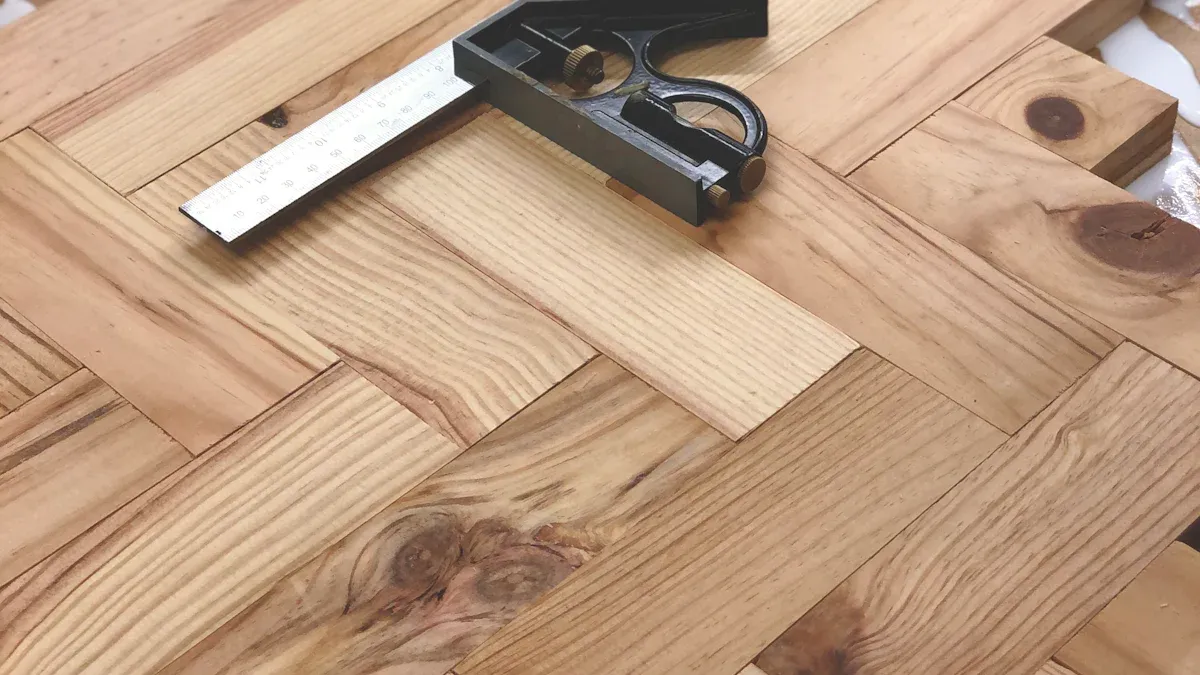
You might think laminate herringbone flooring fits every room, but that is not always true. This flooring type offers enhanced wear resistance and can extend service life by 5 to 8 years compared to some other options. It also allows for 60% more efficient cleaning when you use an electric mop. However, different spaces and lifestyles need different features. Choosing the right flooring helps you avoid problems and makes your home last longer.
| Feature | Laminate Herringbone Flooring | Other Flooring Types |
|---|---|---|
| Wear Resistance | Reduces single-point wear by ~30% | Often concentrated wear |
| Service Life | Extended by 5–8 years on average | Generally shorter lifespan |
| Maintenance Efficiency | 60% more efficient with electric mop | Often less efficient |
When Laminate Herringbone Flooring Falls Short
High-Moisture Areas
You may want to install laminate herringbone flooring in your kitchen or bathroom. These spaces often have high humidity and frequent spills. Laminate herringbone flooring does not handle moisture well. Water can seep into the core and cause the planks to expand or contract. This leads to visible damage. Excess moisture can make the flooring swell and separate the layers. Mold and mildew may grow, which affects the air quality in your home.
- Moisture can penetrate the core, causing expansion and contraction, leading to floor damage.
- Excess moisture can cause the flooring to swell and delaminate, separating the layers.
- Moisture intrusion can encourage mildew and mold growth, impacting indoor air quality.
Vinyl flooring works better in these areas. Vinyl resists water and humidity. Laminate herringbone flooring can warp and swell when exposed to too much moisture. Vinyl stays strong and does not suffer damage from spills or humidity.
Tip: If you need flooring for a bathroom, laundry room, or basement, choose a waterproof option instead of laminate herringbone flooring.
Heavy Foot Traffic
You may have a busy household or a commercial space with many people walking through each day. Laminate herringbone flooring can last a long time if you choose a high-quality product and maintain it well. The average lifespan ranges from 15 to 25 years. Some types last even longer. Lower-end laminate may wear out after 10 to 15 years.
| AC Rating | Usage Type | Average Lifespan |
|---|---|---|
| AC3 | Heavy Residential Use | 20 to 25 years |
| AC4 | Light Commercial Use | 25+ years |
Laminate herringbone flooring comes with different wear resistance ratings. Some have a UV-coated finish that makes cleaning easier and protects the surface. The stable core structure helps the flooring perform well in busy spaces. Still, heavy foot traffic can cause scratches and wear over time. You need to check the rating and choose the right product for your needs.
Note: High-traffic areas need flooring with a strong wear rating. Always check the AC rating before you buy.
Uneven Subfloors
You may want to install laminate herringbone flooring on an old or uneven floor. This can cause problems. Uneven subfloors lead to visible gaps between planks. The planks may become loose and unstable. The floor can look uneven, which affects the beauty of your space. Stress from an uneven surface can cause warping, buckling, or even breaking of the planks over time.
- Uneven subfloors can cause visible gaps between planks.
- Loose planks compromise the stability of the flooring.
- The overall appearance of the flooring can become uneven, affecting its aesthetic quality.
- Stress from an uneven surface can result in warping, buckling, or breaking of the planks over time, which diminishes durability.
You need to prepare the subfloor before installation. Use a long level to check for bumps or dips. Make sure the subfloor is clean and dry before applying adhesive. Regularly check the floor’s level to prevent warping over time.
| Challenge | Solution/Advice |
|---|---|
| Ensuring a level surface | Use a long level to check for bumps or dips. |
| Managing adhesive issues | Ensure the subfloor is clean and dry before applying adhesive. |
| Maintaining precision | Regularly check the floor’s level to prevent warping over time. |
Tip: Always prepare your subfloor carefully. This helps your laminate herringbone flooring last longer and look better.
Budget Constraints
You may want stylish flooring, but your budget can limit your choices. Laminate herringbone flooring often costs less than hardwood or engineered wood. You can find affordable options that look good and last several years. Still, you need to consider more than just the price tag.
When you buy laminate herringbone flooring, you pay for materials, underlayment, and installation. Some brands offer low prices, but you may get lower quality. Cheap laminate can wear out faster and need replacement sooner. You might spend more money in the long run.
Here is a simple table to help you compare costs:
| Flooring Type | Average Cost per sq. ft. | Installation Cost | Maintenance Cost |
|---|---|---|---|
| Laminate Herringbone | $2–$5 | $2–$4 | Low |
| Engineered Wood | $5–$10 | $4–$8 | Medium |
| Luxury Vinyl Plank | $3–$7 | $2–$5 | Low |
Tip: Always check the total cost, not just the price of the flooring. Think about installation, maintenance, and how long the floor will last.
If you have a tight budget, you may choose laminate herringbone flooring. You need to balance cost with quality. Look for products with good reviews and strong warranties. This helps you avoid extra expenses later.
DIY Installation Challenges
You may want to install flooring yourself to save money. Laminate herringbone flooring can be tricky for beginners. The herringbone pattern needs careful planning and precise cuts. You must measure each plank and place them in a zigzag pattern. Small mistakes can make the floor look uneven.
Here are some common challenges you might face:
- Measuring and cutting planks for the herringbone pattern
- Keeping the pattern straight across the room
- Making sure the planks fit tightly together
- Handling tricky corners and edges
If you make mistakes, you may waste materials or need to start over. You might also need special tools, such as a saw or tapping block. Some people find the process frustrating and time-consuming.
Note: If you do not have experience with flooring installation, consider hiring a professional. This can help you avoid costly errors and get a better result.
You can watch online tutorials or read guides before you start. Practice on a small area first. Take your time and check your work often. If you feel unsure, ask for help from an expert.
Key Drawbacks of Laminate Herringbone Flooring
Durability Concerns
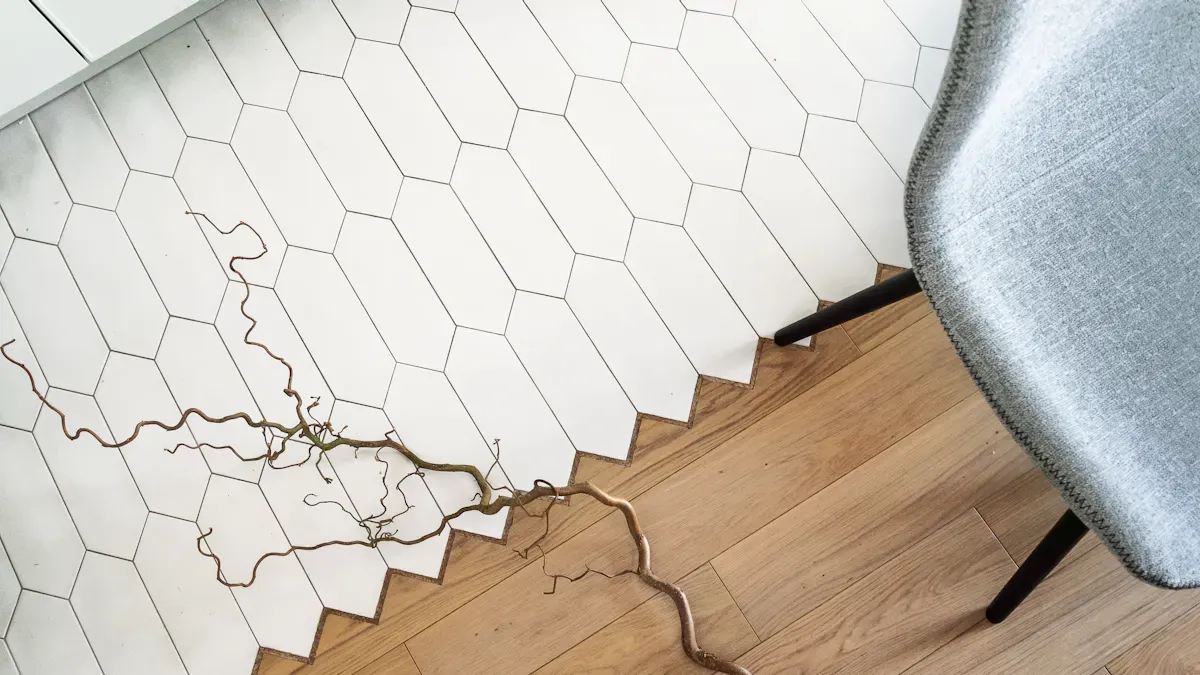
You want your floor to last for years. Laminate herringbone flooring offers scratch resistance, but it does not match the durability of engineered wood or luxury vinyl plank. Engineered wood can handle moisture better and allows sanding and refinishing. Luxury vinyl plank stands out because it is 100% waterproof and works well in kitchens and bathrooms. You can see the differences in durability below:
- Laminate herringbone flooring is less durable than engineered wood and luxury vinyl plank.
- Laminate resists scratches but cannot handle water as well.
- Engineered wood resists moisture and can be refinished.
- Luxury vinyl plank is waterproof and low-maintenance.
You should also consider the factors that affect durability. The table below shows what impacts how long your floor lasts:
| Factor | Description |
|---|---|
| Scratch Resistance | Aluminum oxide wear layer protects against scratches. |
| Impact Resistance | HDF core density helps withstand impacts. |
| Fade Resistance | UV inhibitors prevent color fading from sunlight. |
| Moisture Resistance | Water-repellent resins in premium HDF cores reduce warping. |
Maintenance Issues
You need to clean your floor often to keep it looking good. Laminate herringbone flooring requires more frequent and careful maintenance than other types. You must control moisture, use special cleaning products, and clean up spills right away. If you do not, water can seep in and cause damage. SPC flooring lets you use wet mops without worry, but laminate needs more attention.
You may face several maintenance problems:
| Issue | Description |
|---|---|
| Bubbling | Water in the core layer causes expansion and shortens lifespan. |
| Gaps | Changes in humidity and temperature create gaps and affect appearance. |
| Water Damage | Spills or leaks lead to bulging and deterioration if not cleaned quickly. |
| Squeaky Boards | Improper installation or movement causes noise during use. |
Tip: Clean up spills immediately and use recommended products to avoid damage.
Limited Design Flexibility
You might want a floor that matches your style. Laminate herringbone flooring offers a modern look, but you have fewer choices compared to hardwood or luxury vinyl plank. Hardwood gives you many colors and finishes. Luxury vinyl plank provides realistic textures and patterns. Laminate herringbone flooring can look stylish, but you may not find the exact design you want.
Note: If you want more design options, explore engineered wood or luxury vinyl plank for greater flexibility.
Sound and Feel Underfoot
You notice the difference when you walk on laminate herringbone flooring. The surface feels firm and smooth. You may hear a hollow sound with each step. This happens because the planks sit on top of the subfloor without being glued down. The sound can echo in rooms with little furniture. You might want a floor that feels warmer and softer underfoot. Laminate herringbone flooring does not provide much cushioning. You can add an underlayment to improve comfort and reduce noise, but it will not match the feel of real wood or luxury vinyl.
Tip: Place area rugs in busy spaces to soften the sound and add warmth.
Here is a simple table to help you compare how different flooring types feel and sound:
| Flooring Type | Underfoot Feel | Noise Level |
|---|---|---|
| Laminate Herringbone | Firm, smooth | Moderate to high |
| Engineered Wood | Warm, natural | Low to moderate |
| Luxury Vinyl Plank | Soft, cushioned | Low |
You may prefer a quieter floor in bedrooms or living rooms. If you want less noise, look for flooring with built-in sound insulation.
Resale Value Considerations
You want your home to keep its value. The type of flooring you choose can affect resale value. Laminate herringbone flooring gives your space a modern look. Buyers may like the pattern, but some prefer natural materials. Engineered wood and luxury vinyl plank often attract more buyers. These options offer durability and style. Laminate herringbone flooring may not increase your home’s value as much as other types.
Note: If you plan to sell your home soon, research which flooring types are popular in your area.
Buyers look for floors that last and require little maintenance. They also want floors that match their style. You can ask a real estate agent for advice before making a decision.
What to Consider Instead of Laminate Herringbone Flooring
Engineered Wood Flooring
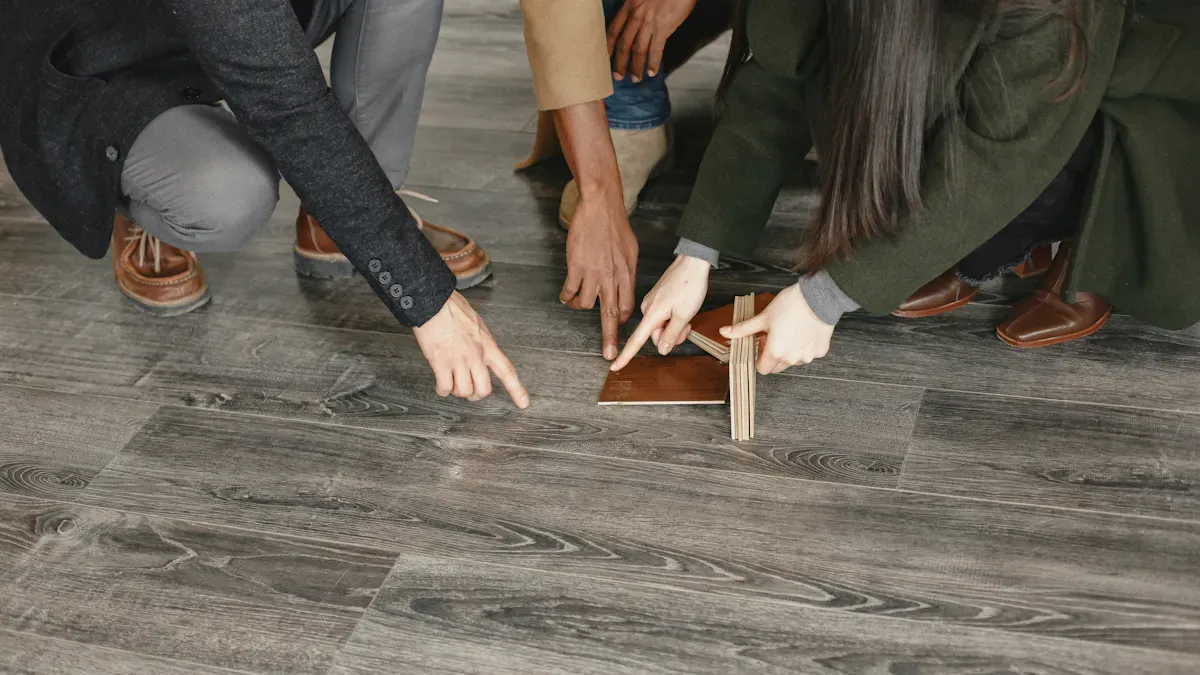
You may want a floor that looks natural and lasts for decades. Engineered wood flooring gives you the beauty of real wood with added strength. This flooring handles moisture better than solid hardwood. You can use it in rooms with controlled humidity, such as living rooms or bedrooms. Engineered wood can be refinished if it gets scratched, so you do not need to replace the whole floor. The table below shows how engineered wood compares to laminate flooring:
| Feature | Engineered Wood Flooring | Laminate Flooring |
|---|---|---|
| Moisture Resistance | Handles moisture well; not waterproof | Water-resistant surface; not fully waterproof |
| Durability | Lasts 20–100 years; can be refinished | Lasts 20–85 years; cannot be refinished |
Tip: Choose engineered wood if you want a long-lasting floor that can handle some moisture and be repaired.
Luxury Vinyl Plank
Luxury vinyl plank (LVP) works well for busy homes. You can install LVP easily with a click-and-lock system. This means you do not need glue or nails. You can place LVP over existing floors, saving time and effort. LVP offers many designs, including realistic wood grains and herringbone patterns. You get more style choices than laminate flooring.
- LVP features a simple installation process.
- You can find many designs, including wood and stone looks.
- LVP handles spills and moisture well.
Note: LVP is a smart choice if you want easy installation and lots of design options.
Porcelain Tile
Porcelain tile stands out in high-moisture areas. You can use it in kitchens, bathrooms, or laundry rooms. Porcelain tile absorbs less than 0.5% water, making it nearly waterproof. Spills stay on the surface, so you do not worry about water damage. The tile resists stains and prevents mold growth. Cleaning is simple—just sweep and mop.
- Porcelain tile is almost waterproof.
- Spills do not cause damage or stains.
- The hard surface keeps out dirt and allergens.
- Maintenance is easy for busy families.
Tip: Pick porcelain tile for rooms with lots of moisture or if you want a floor that is easy to clean.
Matching Flooring to Your Needs
You want flooring that fits your lifestyle and space. Start by thinking about how you use each room. If you have pets or kids, you need a floor that resists scratches and stains. Busy homes benefit from easy-to-clean surfaces. Moisture matters in kitchens and bathrooms. Choose waterproof flooring for these areas.
Consider the look you want. Some floors offer a modern style. Others give a classic or rustic feel. You can match the color and pattern to your furniture and walls. Think about comfort. Soft floors feel good underfoot. Hard floors last longer in busy spaces.
Here is a simple checklist to help you decide:
- 🏠 Room purpose: Is it a bedroom, kitchen, or hallway?
- 🧒 Family needs: Do you have children or pets?
- 💧 Moisture level: Is the area prone to spills or humidity?
- 🎨 Style preference: What colors and patterns do you like?
- 👣 Comfort: Do you want a soft or firm surface?
Tip: Write down your needs for each room. This helps you choose the best flooring.
Cost vs. Value Analysis
You want to spend your money wisely. Look at both the price and the benefits of each flooring type. Cheap floors may save money now, but they might wear out faster. Durable floors cost more but last longer. Maintenance costs add up over time.
Compare the value you get. Some floors increase your home’s resale value. Others make cleaning easier. You can use the table below to see how different flooring types stack up:
| Flooring Type | Upfront Cost | Lifespan | Maintenance | Resale Value |
|---|---|---|---|---|
| Laminate Herringbone | Low | Medium | Medium | Low-Medium |
| Engineered Wood | High | Long | Medium | High |
| Luxury Vinyl Plank | Medium | Long | Low | Medium-High |
| Porcelain Tile | Medium-High | Very Long | Low | High |
Note: Think about the total cost, not just the price tag. Value comes from durability, style, and ease of care.
You make a smart choice when you balance cost and value. Choose flooring that meets your needs and fits your budget.
Decision Checklist for Choosing Flooring
Assess Your Space and Lifestyle
You need to look at each room and think about how you use it. Every space has unique needs. For example, kitchens and bathrooms often face spills and moisture. Living rooms and hallways see heavy foot traffic. Bedrooms benefit from softer, warmer flooring. If you have children or pets, you want surfaces that resist scratches and clean easily. Allergies matter, too. Hard floors help reduce dust and allergens. Eco-friendly materials support a healthy home. Consider these points:
- Room function: Is it a high-traffic area or a quiet space?
- Moisture exposure: Kitchens and bathrooms need water-resistant flooring.
- Comfort: Bedrooms and living rooms benefit from softer, warmer materials.
- Household activity: Children, pets, and elderly need safe, durable surfaces.
- Maintenance: Choose flooring that fits your cleaning routine.
- Style: Match flooring to your home’s color and design.
Tip: Write down your needs for each room before you shop.
Set Your Priorities and Budget
You must decide what matters most. Some people want style, others want durability. Budget plays a big role. Herringbone flooring costs more to install and creates extra material waste. Straight lay flooring saves money and appeals to more buyers. Compare your options in the table below:
| Factor | Herringbone Flooring | Straight Lay Flooring |
|---|---|---|
| Installation Cost | Higher due to complexity | Lower due to simplicity |
| Material Waste | More waste generated | Less waste generated |
| Aesthetic Impact | Bold, unique look | Neutral, classic design |
| Resale Value | May limit appeal | Safer for resale |
Note: Balance your budget with your style and long-term goals.
Compare Pros and Cons of Each Option
You need to weigh the strengths and weaknesses of each flooring type. Laminate herringbone flooring offers a modern look but may not suit every space. Engineered wood gives you natural beauty and durability. Luxury vinyl plank stands out for water resistance and easy care. Porcelain tile works best in wet areas. Consulting a flooring expert helps you match materials to your needs. Professionals can show you how different floors affect room size, comfort, and atmosphere. They help you avoid mistakes and ensure proper installation.
- Laminate herringbone: Stylish, affordable, but less flexible.
- Engineered wood: Durable, repairable, fits many styles.
- Luxury vinyl plank: Waterproof, easy to install, many designs.
- Porcelain tile: Nearly waterproof, easy to clean, long-lasting.
Tip: Ask a flooring expert for advice. You get tailored recommendations and avoid costly errors.
Consult a Professional or skspcflooring Expert
You may feel unsure about which flooring works best for your home. Many choices can make the process confusing. You want your investment to last and look great. This is where a flooring professional or an expert from skspcflooring can help.
A professional can visit your space and check the conditions. They know how to spot problems like uneven subfloors or high moisture. You get advice that matches your needs and budget. Experts can show you samples and explain the pros and cons of each option. You save time and avoid costly mistakes.
Tip: Always ask questions. A good expert will answer clearly and help you understand your choices.
Here are some reasons to consult a flooring expert:
- You get a plan that fits your space and lifestyle.
- You learn about the latest flooring trends and materials.
- You avoid common installation errors.
- You receive tips for long-term care and maintenance.
If you want tailored advice, you can reach out to skspcflooring. The team at skspcflooring has years of experience with SPC flooring and other modern solutions. They help you compare products and find the best fit for your project.
| What You Get from skspcflooring | Why It Matters |
|---|---|
| Free consultation | You make informed decisions |
| Product samples | You see and feel before buying |
| Expert installation tips | You avoid common mistakes |
| After-sales support | You get help when you need it |
You can contact skspcflooring by email, phone, or through their website. You get support at every step, from choosing materials to final installation. This makes your flooring project easier and more successful.
Why Consider skspcflooring for Your Flooring Needs
Wide Range of SPC Flooring Solutions
You want flooring that fits your space and lifestyle. skspcflooring offers a broad selection of SPC flooring products. You can choose from Chevron SPC Flooring, Rigid Core SPC Flooring, SPC Tile Flooring, and EIR SPC Flooring. Each option gives you unique patterns and thicknesses, ranging from 4mm to 6mm. SPC flooring stands out because it is 100% waterproof. You can use it in kitchens, bathrooms, or basements without worrying about water damage. The surface resists scratches and dents, making it ideal for busy homes.
- SPC flooring is completely waterproof, so you avoid swelling and costly repairs.
- You get excellent resistance to dents and impacts, which keeps your floor looking new.
- SPC flooring stays stable in changing temperatures and humidity.
| Feature | SPC Flooring | Laminate Flooring |
|---|---|---|
| Water Resistance | 100% waterproof | Susceptible to water damage |
| Dent and Impact Resistance | Superior | Lower |
| Stability in Temperature | Excellent stability | Less stable |
| Ideal for High-Moisture Areas | Yes | No |
Commitment to Quality and Sustainability
You care about quality and the environment. skspcflooring follows strict international standards, including ISO9001, ISO14001, EN, ASTM, and GB certifications. These standards ensure that you receive safe, durable, and eco-friendly flooring. The factory uses advanced production lines and skilled workers to create high-quality products. You help protect the planet when you choose SPC flooring from skspcflooring. The materials are recyclable and the manufacturing process reduces waste.
Tip: Choosing certified flooring helps you create a healthier home and supports sustainability.
Tailored Advice and Customer Support
You may feel unsure about which flooring fits your needs. skspcflooring provides expert advice and personalized support. You can ask questions and get clear answers from experienced professionals. The team helps you select the right product, explains installation steps, and offers after-sales support. You receive product samples, installation tips, and guidance for long-term care. This support makes your flooring project easier and more successful.
- You get free consultations and product samples.
- Experts help you avoid common mistakes.
- You receive ongoing support for maintenance and care.
Note: skspcflooring’s customer service ensures you feel confident and satisfied with your flooring choice.
You see that laminate herringbone flooring does not fit every space. High-moisture rooms, busy areas, and DIY projects often need other solutions. Think about your needs and goals before you choose. Explore different flooring types. Ask experts at skspcflooring for advice. You make a smart choice when you match your floor to your home.
Tip: Review your options and talk to professionals for the best results.
FAQ
What makes SPC flooring different from laminate herringbone flooring?
SPC flooring uses stone polymer composite for its core. You get better water resistance and durability. Laminate herringbone flooring uses a wood-based core. It works well in dry spaces but does not handle moisture as effectively.
Can I install laminate herringbone flooring myself?
You can try to install it yourself. The herringbone pattern needs careful planning and precise cuts. Many beginners find it challenging. You may want to ask a professional for help if you feel unsure.
Which rooms work best for laminate herringbone flooring?
Laminate herringbone flooring fits well in living rooms, bedrooms, and hallways. You should avoid using it in bathrooms, laundry rooms, or basements. Moisture can damage the flooring in these spaces.
How do I clean laminate herringbone flooring?
You should sweep or vacuum regularly. Use a damp mop with a cleaner made for laminate floors. Avoid soaking the floor with water. Clean up spills right away to prevent damage.




