
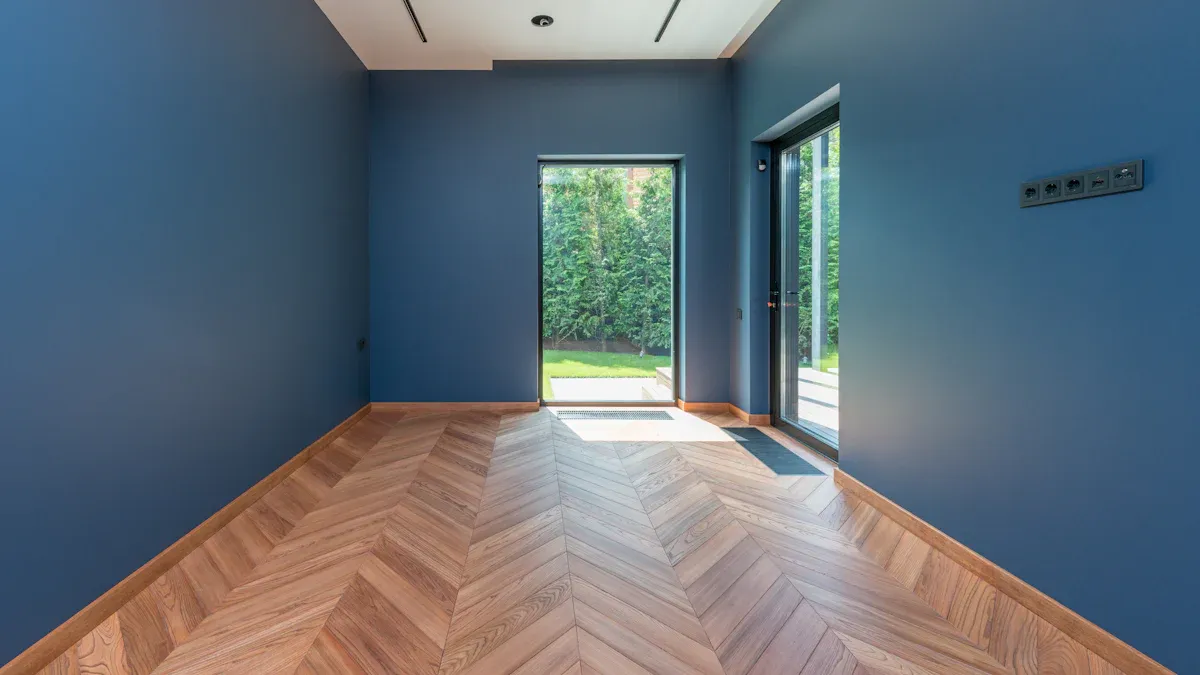
When you choose flooring, you notice differences in feel, durability, and sound. Herringbone laminate floor gives you a firm, wood-like surface underfoot. Laminate flooring has faced competition from luxury vinyl flooring and other options, but it stays popular in homes and offices. Vinyl offers a warmer, softer touch and reduces noise in busy spaces. The global vinyl flooring market keeps growing as more people enjoy modern interiors. You see vinyl as a top choice for water resistance and quiet performance, while laminate stands out for its classic look and scratch resistance.
Feel Underfoot: Laminate vs Vinyl
Herringbone Laminate Floor: Texture and Comfort
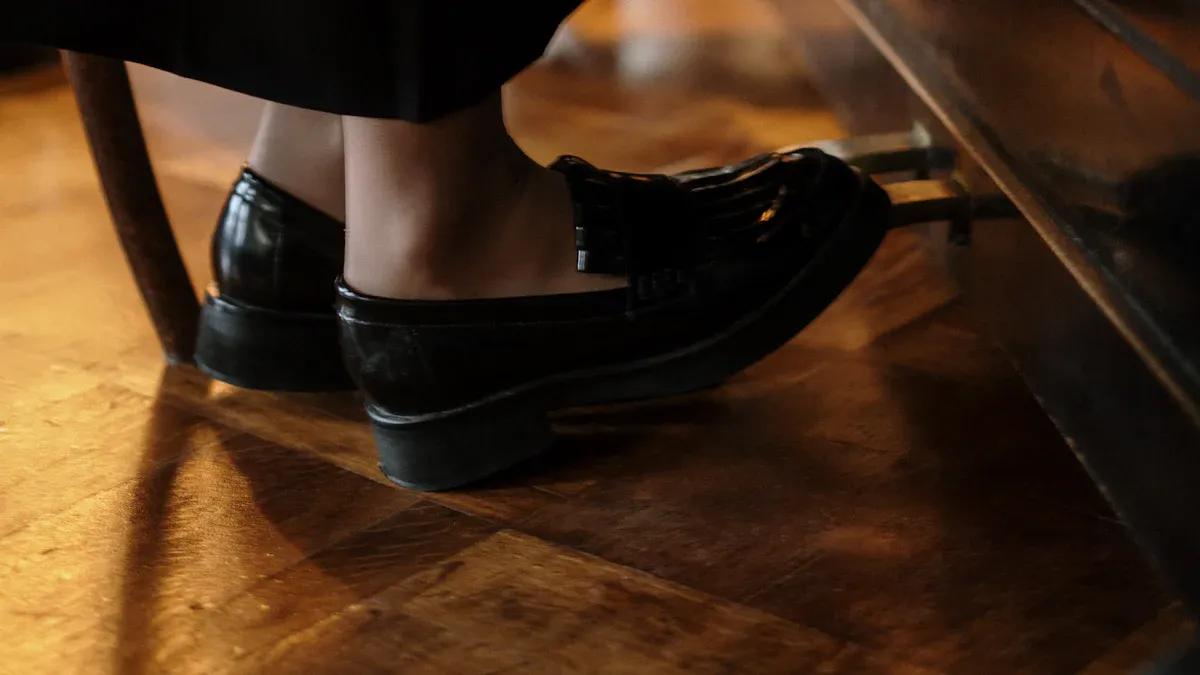
When you walk on a herringbone laminate floor, you notice a firm and stable surface. The texture often feels similar to real wood, especially when the floor has a Silk Matt UV finish. This finish gives you a soft touch that reminds you of naturally oiled wood. You get a classic look and a tactile experience that many people find appealing. Laminate flooring does not have much cushioning, so you feel a solid base under your feet. This makes it a good choice if you want a surface that feels like hardwood but with added durability. The surface resists scratches and dents, which helps keep the floor looking new for a long time.
Vinyl Flooring: Texture and Comfort
Vinyl flooring gives you a different experience. You feel more cushioning and warmth when you step on it. The surface feels soft and non-slip, which adds to your comfort underfoot. Vinyl works well in rooms where you want extra comfort and sound reduction, such as bedrooms or playrooms. Many vinyl floors use advanced core materials like SPC (Stone Plastic Composite) or WPC (Wood Plastic Composite). These cores provide stability and extra softness. Vinyl flooring also works with heated floors, so your feet stay warm in cold weather. You do not need special cleaning products, which makes maintenance simple.
Here is a table that shows how thickness and core materials affect comfort and sound:
| Feature | Vinyl Flooring | Herringbone Laminate Flooring |
|---|---|---|
| Comfort | Offers more cushioning | Firm, wood-like feel |
| Thickness | Ranges from 2mm to 8mm or more | Usually 7mm to 12mm |
| Core Material | SPC (dense, stable) or WPC (softer) | HDF (High-Density Fiberboard) |
| Sound Insulation | Better sound absorption | Moderate sound absorption |
| Thermal Insulation | Better thermal insulation | Moderate thermal insulation |
Vinyl flooring stands out for its water resistance and compatibility with heated floors. You can see more comfort features in the table below:
| Comfort Feature | Description |
|---|---|
| Water Resistance | Vinyl flooring is very resistant to water and humidity, making it ideal for spills and cleaning. |
| Compatibility with Heated Floors | It is compatible with heated floors, enhancing comfort in colder climates. |
| Soft and Quiet Surface | The surface is soft and non-slip, providing comfort underfoot and reducing noise. |
| Easy Installation | Features a click system for easy floating installation, adding convenience. |
| Minimal Maintenance | Requires no special cleaning products, making upkeep simple and hassle-free. |
Key Differences in Feel
You notice key differences when you compare laminate vs vinyl. Herringbone laminate floor gives you a firmer, more traditional wood feel. Vinyl flooring offers more cushioning and warmth. Laminate suits areas where you want a classic look and a solid walking surface. Vinyl works best in spaces where comfort and sound reduction matter most. If you want comfort underfoot and a quiet room, vinyl flooring is a strong choice. If you prefer a wood-like texture and a sturdy base, laminate flooring will meet your needs.
Durability: Vinyl vs Laminate
Herringbone Laminate Floor: Resistance to Wear and Scratches
You want a floor that stands up to daily life. Herringbone laminate floor gives you excellent protection against scratches and stains. The surface uses an aluminum oxide wear layer and a Diamond Core treatment. These features make the floor highly-durable and help it resist abrasion from shoes, pets, and moving furniture. You can trust this type of laminate to keep its beautiful look for many years. Many people choose herringbone laminate floor because it performs well in scratch resistance tests compared to other laminate patterns. You get peace of mind knowing your floor will not show marks easily.
Tip: If you have pets or kids, herringbone laminate floor is a smart choice for busy spaces.
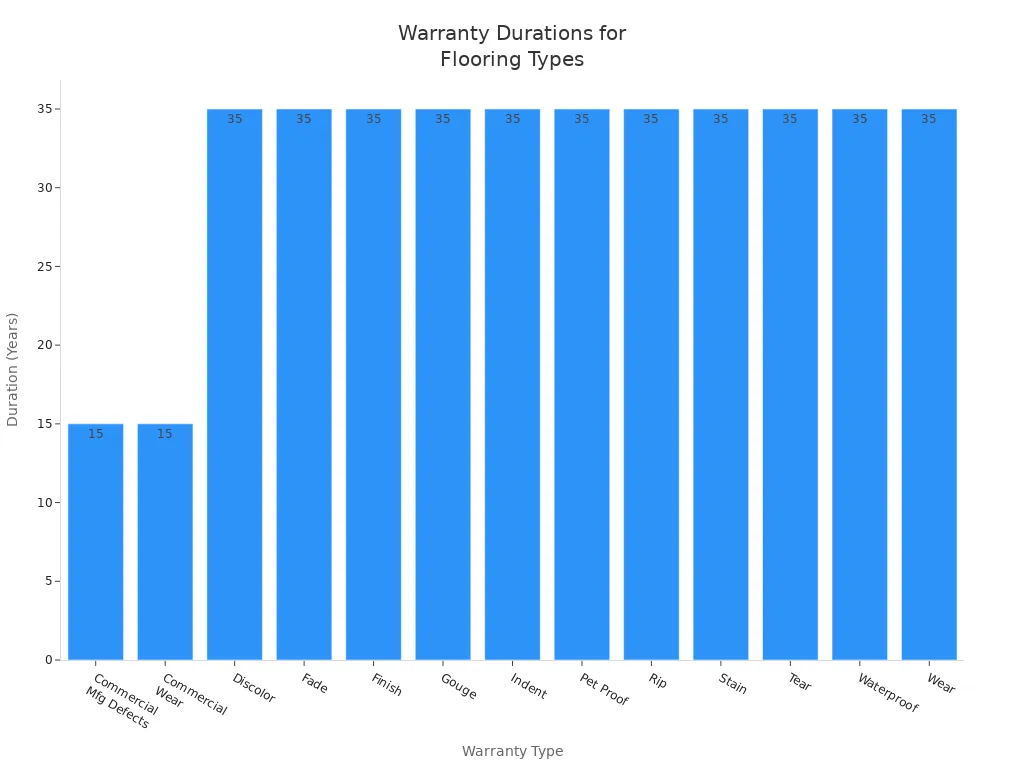
You can see how warranty periods reflect the expected durability and longevity of laminate flooring in the table below:
| Warranty Type | Duration |
|---|---|
| Commercial Mfg Defects | 15 Years |
| Commercial Wear | 15 Years |
| Discolor | 35 Years |
| Fade | 35 Years |
| Finish | 35 Years |
| Gouge | 35 Years |
| Indent | 35 Years |
| Locking System | Life of Floor |
| Manufacturer Defects | Life of Floor |
| Pet Proof | 35 Years |
| Rip | 35 Years |
| Stain | 35 Years |
| Structure | Life of Floor |
| Tear | 35 Years |
| Waterproof | 35 Years |
| Wear | 35 Years |
| The Beautiful Guarantee | 60 Days |
Herringbone Laminate Floor: Moisture and Lifespan
You need to think about moisture when you pick a long-lasting flooring material. Herringbone laminate floor offers strong water resistance. Some products, like Niobe Herringbone laminate, can stay waterproof for up to 300 hours. This helps protect your floor from spills and cleaning. However, you should avoid letting water sit on the surface for too long. Too much moisture can cause problems such as adhesive failure, mold, or bubbling. These issues can affect the floor’s appearance and lifespan. You can prevent damage by cleaning up spills quickly and using proper installation methods.
- Adhesive failure can happen if water gets under the floor.
- Mold and mildew may grow if moisture stays trapped.
- Bubbling or delamination can occur if water seeps below the surface.
You can keep your laminate looking new by following care instructions and checking for signs of moisture.
Vinyl Flooring: Resistance to Wear and Scratches
Vinyl flooring gives you a different set of strengths. You get a softer surface that is more forgiving if you drop something heavy. Vinyl resists dents better than laminate, so you see fewer permanent marks from furniture or shoes. However, the softer urethane layer means vinyl is less resistant to scratches compared to laminate. You may notice more scuffs in high-traffic areas. Vinyl also handles fading differently. It can be more likely to discolor from sunlight, while laminate uses UV inhibitors to help prevent fading.
Here is a table that compares vinyl vs laminate in terms of wear and scratch resistance:
| Flooring Type | Scratch Resistance | Dent Resistance | Fading Resistance |
|---|---|---|---|
| Vinyl | Less resistant due to softer urethane layer | More forgiving, less likely to show permanent dents | More susceptible to discoloration from sunlight |
| Laminate | More resistant due to hard aluminum oxide surface | Can dent or chip under heavy objects | UV-inhibitors help prevent fading, but still susceptible to discoloration |
You should also know about common types of surface damage in high-traffic areas with vinyl:
| Type of Damage | Description |
|---|---|
| Seam Separation Issues | Thermal expansion can cause seams to open, leading to trip hazards. |
| Surface Distortion Problems | Heat above 95°F can create waves or bubbles in the vinyl. |
| Accelerated Wear Patterns | High temperatures can lead to premature fading and brittleness. |
| Immediate Warning Signs | Gaps, lifting tiles, bubbling, and soft areas indicate heat damage. |
| Long-term Damage Indicators | Permanent buckling, fading, and frequent repairs signal ongoing issues. |
When you compare laminate vs vinyl, you see that each type has its own strengths. Laminate gives you better scratch resistance and a firm surface. Vinyl offers more comfort and dent resistance. Both can be a great choice if you want durability and longevity in your home or business.
Vinyl Flooring: Moisture and Lifespan
You want a floor that stands up to water, spills, and daily messes. Vinyl flooring gives you peace of mind because it is waterproof. You can clean up spills without worrying about damage. This makes vinyl a smart choice for kitchens, bathrooms, and laundry rooms. If you have pets or children, you know accidents happen. Vinyl flooring handles these situations well.
You also get a long lifespan with vinyl. Most residential vinyl floors last between 15 to 25 years. In commercial spaces, you can expect vinyl to last around 10 to 20 years. High-quality vinyl options may last even longer. If you choose vinyl plank or tile, you often see a lifespan of 15 to 20 years. With professional installation and regular care, your vinyl floor can last up to 20 years or more.
Here is a quick look at how vinyl performs in wet conditions compared to herringbone laminate:
| Flooring Type | Water Resistance | Maintenance Ease | Foot Traffic Suitability |
|---|---|---|---|
| Vinyl Flooring | Waterproof | Easy to clean | High |
| Herringbone Laminate | Not specified | Not specified | Not specified |
You need to keep your vinyl floor clean to protect its surface. Regular sweeping or dry mopping removes dirt and grit. For deeper cleaning, use a damp mop with a vinyl-safe cleaner. Avoid soaking the floor with water. If you follow these steps, you help your floor stay highly-durable and beautiful for years.
Tip: Vinyl flooring works well in busy homes and commercial spaces because it resists water and is easy to maintain.
Key Differences in Durability
When you compare vinyl vs laminate, you see key differences in durability. Vinyl stands out for its waterproof nature. You can use it in places where water spills are common. Laminate offers a firm, wood-like feel and strong scratch resistance. You need to clean both types regularly, but vinyl requires less maintenance. You do not need to refinish vinyl, while laminate may need refinishing every few years.
Here is a table that shows how maintenance affects the expected lifespan of each flooring type:
| Flooring Type | Maintenance Requirements | Expected Lifespan |
|---|---|---|
| Herringbone Laminate | Regular cleaning with a damp mop, refinishing every few years | 20-30 years |
| Vinyl Flooring | Sweeping, vacuuming, occasional mopping with vinyl-safe cleaner | Longer lifespan with less maintenance |
You get a longer lifespan from laminate if you refinish and clean it well. Vinyl gives you a long-lasting floor with less effort. Both options can be highly-durable if you follow care instructions. Your choice depends on where you want to install the floor and how much time you want to spend on maintenance.
Note: Proper care helps both vinyl and laminate last longer and look their best.
Sound: Key Differences Between Herringbone Laminate and Vinyl

Herringbone Laminate Floor: Noise Levels and Impact Sound
You notice that herringbone laminate floor creates a distinct sound when you walk on it. The surface feels firm, and footsteps can sound louder compared to softer flooring types. If you want to reduce noise, you can choose an underlayment with acoustic properties. Many underlayments act as moisture barriers and also help with sound reduction. The thickness and density of the underlayment matter. Thicker, denser underlayments lower impact sound and make your space quieter. You should look for products with a high Impact Insulation Class (IIC) rating for the best results. Acoustic flooring solutions can also help absorb sound and control noise in your home.
- Underlayments with moisture barriers often provide acoustic benefits.
- Thicker underlayments reduce impact sound more effectively.
- High IIC ratings mean better sound control.
Vinyl Flooring: Noise Absorption and Quietness
Vinyl flooring stands out for its quiet performance. You feel less noise when you walk on luxury vinyl flooring, especially in bedrooms and living rooms. The material absorbs sound well, making it a good choice for busy homes. Laboratory tests show that vinyl with quality underlayment can reach high Sound Transmission Class (STC) and IIC ratings. This means you hear less noise from footsteps and dropped objects.
| Product | Test Structure | STC | IIC | Delta IIC |
|---|---|---|---|---|
| Armstrong Flooring 2.5 mm LVT | 6 in. concrete, no ceiling, with S-1840 Quiet Comfort Luxury Flooring Underlayment | 51 | 53 | 22 |
| Armstrong Flooring 3.2 mm LVT | 6 in. concrete, no ceiling, with S-1840 Quiet Comfort Luxury Flooring Underlayment | 51 | 52 | 22 |
| Armstrong Flooring 2.0 mm LVT | 6 in. concrete, no ceiling, with S-1840 Quiet Comfort Luxury Flooring Underlayment | 52 | 53 | 23 |
You see that thicker vinyl options offer even better sound absorption. For example, 8mm to 12mm vinyl provides the best sound insulation, which is ideal for apartments and crowded spaces.
Direct Comparison: Which Is Quieter?
You may wonder about the key differences in quietness between these two flooring types. Vinyl usually creates a quieter environment than herringbone laminate floor. The soft surface and advanced underlayment options help absorb more sound. In contrast, laminate floors can sound louder unless you use a high-quality underlayment. Flooring professionals recommend checking both IIC and STC ratings before you choose. These ratings show how well the floor controls impact and airborne noise. If you want the quietest space, select vinyl with a thick, dense underlayment.
Tip: Always check technical specifications and performance benchmarks for underlayment to achieve the best sound control in your home.
Practical Considerations: Choosing Between Laminate vs Vinyl
Installation and Subfloor Requirements
You want a floor that is easy to install. Both laminate and vinyl give you this benefit. You can use a click-lock system for each type. This system lets you lay planks without glue or nails. You can finish a room quickly, even if you have little experience. Many homeowners choose these floors because they are easy to install. You can put them over concrete, plywood, or old tiles. Make sure the subfloor is clean and level. If you want a fast project, luxury vinyl flooring is also easy to install. You can cut the planks with a utility knife. This makes the process simple and safe.
Tip: Always check the manufacturer’s guide before you start. This helps you avoid mistakes.
Maintenance and Cleaning
You want a floor that stays beautiful with little effort. Laminate and vinyl both offer easy cleaning. You can sweep or vacuum dust and dirt. For spills, use a damp mop. You do not need special cleaners. Vinyl flooring resists water, so you do not worry about stains. Laminate also cleans up well, but you should wipe spills quickly. This keeps the floor in good shape and protects its durability.
Here is a quick table for cleaning tips:
| Flooring Type | Cleaning Method | Water Resistance |
|---|---|---|
| Laminate | Damp mop, sweep | Moderate |
| Vinyl | Damp mop, sweep | High |
Best Uses for Each Flooring Type
You should think about where you want to use your new floor. Laminate works well in living rooms, bedrooms, and offices. It gives you a wood look and a firm surface. Vinyl fits kitchens, bathrooms, and basements. It handles water and heavy use. Luxury vinyl flooring is a top pick for busy homes. If you compare vinyl vs laminate price, you see both offer value, but vinyl often costs less to install and maintain. You get a floor that is easy to install and fits many spaces.
Note: Choose laminate for style and comfort. Pick vinyl for water resistance and easy care.
skspcflooring: Quality and Durability in Herringbone Laminate Floor
skspcflooring’s Commitment to Durability
You want a floor that lasts for years. skspcflooring focuses on durability and quality in every herringbone laminate floor. The company uses advanced technology and strict testing to make sure each plank meets high standards. You can trust the quality of their products because they use strong core materials and tough wear layers. These features help your floor resist scratches, dents, and daily wear. You get a surface that stays beautiful and strong, even in busy spaces. The team at skspcflooring checks every batch for quality before it leaves the factory. This process gives you peace of mind about your investment.
Tip: When you choose a floor with proven durability, you save money on repairs and replacements.
skspcflooring’s Product Range and Certifications
You can find a wide range of herringbone laminate floors at skspcflooring. The company offers many colors, patterns, and finishes to match your style. Each product goes through strict quality checks. You see the results in the smooth surface and precise fit of every plank. The company holds certifications like ISO9001, ISO14001, EN, ASTM, and GB. These show their commitment to quality and safety. You know you are getting a product that meets international standards. The certifications also mean the floors are safe for your family and the environment.
Here is a table of key certifications:
| Certification | What It Means for You |
|---|---|
| ISO9001 | Consistent quality |
| ISO14001 | Eco-friendly production |
| EN | European safety standards |
| ASTM | American quality standards |
| GB | Chinese quality standards |
Why Choose skspcflooring for Herringbone Laminate Floor
You want the best for your home or business. skspcflooring stands out because of its focus on quality and customer satisfaction. You get floors that look great and last long. The company offers support from selection to installation. You can ask questions and get expert advice. Many customers around the world trust skspcflooring for their flooring needs. You will notice the difference in quality from the first step you take on your new floor.
Note: Visit skspcflooring’s official website to explore more options and see how quality makes a difference.
- You see that herringbone laminate floor gives you a firm feel and strong scratch resistance.
- Vinyl offers a softer surface, quiet sound, and better water protection.
- You can trust skspcflooring for certified flooring that fits your needs.
Think about your daily life and room use before you choose the best floor for your space.
FAQ
What rooms are best for herringbone laminate floor?
You can use herringbone laminate in living rooms, bedrooms, and offices. It works well in spaces where you want a wood look and a firm surface. Avoid using it in bathrooms or laundry rooms with high moisture.
Can you install vinyl flooring over existing tiles?
Yes, you can install vinyl flooring over most existing tiles. Make sure the surface is clean, dry, and level. This helps the new floor last longer and look smooth.
How do you clean and maintain laminate and vinyl floors?
You should sweep or vacuum often. For spills, use a damp mop. Avoid soaking the floor. Here is a quick comparison:
| Flooring Type | Cleaning Method |
|---|---|
| Laminate | Damp mop, sweep |
| Vinyl | Damp mop, sweep |
Which floor is better for pets?
You get strong scratch resistance with herringbone laminate. Vinyl offers better water resistance and a softer surface. Both work well for homes with pets. Choose based on your main concern: scratches or water.
Tip: Trim your pet’s nails often to protect your floor.




