

Busy households require durable flooring. For rigid vinyl plank flooring, the single most important feature is a thick wear layer—ideally 20 mil or more. This vinyl layer is your first defense against scratches and the daily wear from kids and pets. It ensures the long-term durability of your vinyl flooring.
Pro Tip: Use this checklist of key buying considerations. It will help you select a vinyl plank flooring built for maximum durability. This ensures your new flooring is a lasting investment.
1. Prioritize Wear Layer Thickness for Maximum Durability
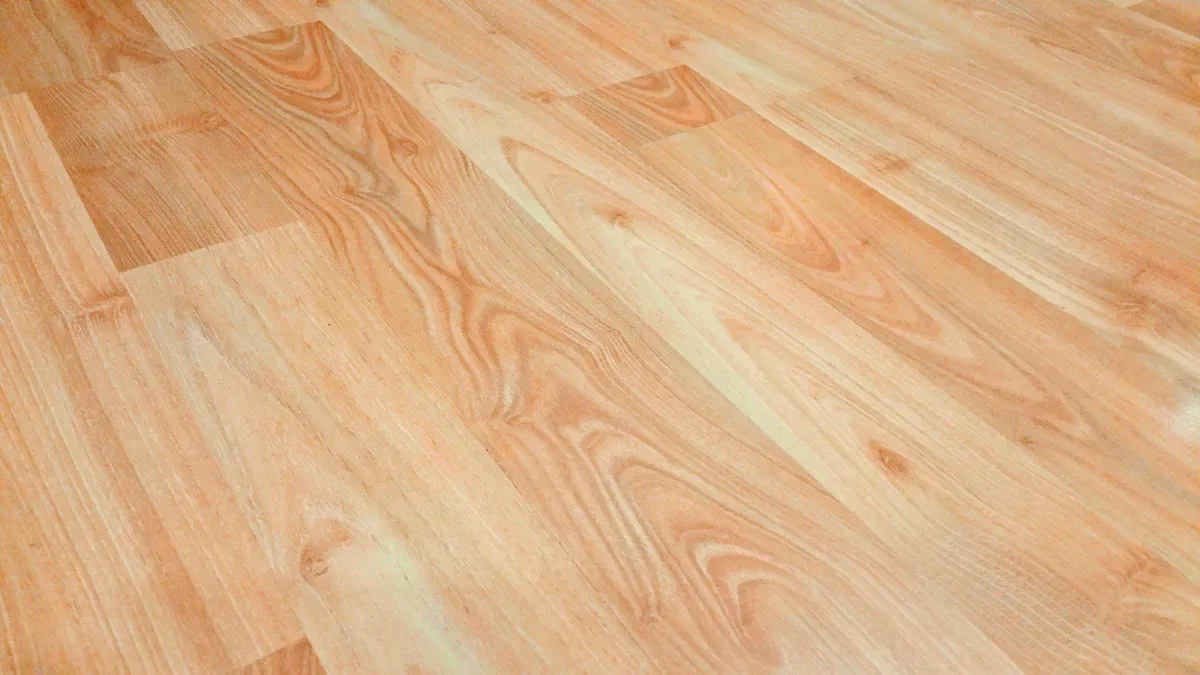
The wear layer is the top surface of your vinyl flooring. It protects the printed design from daily wear and tear. The thickness and wear layer quality directly impact the floor’s lifespan and appearance. A thicker layer provides better protection.
Why 20 Mil is the Gold Standard for High Traffic
You should choose a 20 mil wear layer for busy areas of your home. This thickness is the commercial standard for a reason. It offers superior durability against damage. For a home with heavy foot traffic, kids, or pets, a 20 mil layer is essential.
- Enhanced Durability: It significantly increases the lifespan of your vinyl plank flooring.
- Superior Resistance: It protects your flooring from scratches, scuffs, and stains.
- Ideal for High-Traffic Areas: It handles the constant wear in hallways, kitchens, and living rooms.
This level of protection ensures your new rigid vinyl plank flooring maintains its beauty for years.
Understanding Protective Top Coats
Beyond thickness, you should check the protective top coat. Most quality vinyl flooring has a urethane-based coating. Many top-tier products add aluminum oxide or ceramic beads to this finish. This addition creates an incredibly tough surface. It helps the vinyl resist micro-scratches and abrasions from daily traffic, keeping the floor’s finish looking new. This extra layer of defense is crucial for long-term wear performance.
Note: A strong top coat works with the wear layer to provide maximum durability. This combination is your best defense against everyday wear.
When a 12 Mil Wear Layer is Sufficient
A 20 mil wear layer is not always necessary. For rooms with less traffic, a 12 mil wear layer offers adequate protection. This thickness is a great choice for certain residential spaces.
| Application Scenario | Recommended Wear Layer (mils) |
|---|---|
| Low-traffic residential (bedroom) | 6-8 mil |
| Typical residential (living room) | 12-20 mil |
| High-traffic residential (hallways) | 20 mil or higher |
Consider a 12 mil vinyl for areas like guest rooms or bedrooms. This choice provides good performance where foot traffic is lighter, offering a balance between cost and durability.
2. Choose the Right Rigid-Core Luxury Vinyl Flooring Construction
The core is the heart of your rigid-core luxury vinyl flooring. It determines the plank’s rigidity, stability, and feel underfoot. Understanding the different core types helps you choose the best vinyl flooring options for your home’s needs. The two main types are Stone Plastic Composite (SPC) and Wood Plastic Composite (WPC).
Stone Plastic Composite (SPC) for Ultimate Dent Resistance
SPC vinyl plank flooring has a core made mostly of natural limestone powder, polyvinyl chloride, and stabilizers. This stone-based composition makes the core incredibly dense and strong.
Why Choose SPC? The high limestone content gives this vinyl flooring special resistance to dents and impacts. This makes it a perfect choice for high-traffic areas or rooms with heavy furniture. The rigid core absorbs shocks well, protecting your floor from damage.
Wood Plastic Composite (WPC) for Enhanced Comfort
WPC luxury vinyl flooring has a different composition. Its core contains wood-like materials, PVC, and a foaming agent. This foaming agent creates a lighter, softer structure within the luxury vinyl plank. This construction makes the vinyl feel warmer and more cushioned when you walk on it. The added cushion also helps reduce noise, making WPC a great choice for active homes where comfort and sound insulation are important.
How Core Type Impacts Overall Stability
The core type directly affects the overall performance of your rigid vinyl plank flooring. While both core types are very stable, they react to temperature changes. The PVC resin in an SPC core can cause the flooring to expand in heat and contract in cold. This is a normal physical process. Proper installation with expansion gaps is crucial to prevent issues like buckling. Your choice of core ultimately balances dent resistance with underfoot comfort, defining the character of your new floor.
3. Confirm Your Vinyl Flooring is 100% Waterproof
One of the biggest advantages of rigid vinyl plank flooring is its ability to handle water. You must confirm the product you choose is 100% waterproof, not just water-resistant. This feature is essential for protecting your investment, especially in moisture-prone areas of your home. True waterproof protection starts with the core and extends to how the planks connect.
The Importance of a Waterproof Core
A truly waterproof vinyl flooring has a core that water cannot penetrate or damage. This waterproof core is typically made from a composite of materials that are completely unaffected by moisture.
- Natural limestone powder
- Polyvinyl chloride (PVC)
- Stabilizers
These materials create a dense, solid core. This construction ensures the vinyl planks will not swell, warp, or break down when exposed to water. This makes the flooring perfect for kitchens, bathrooms, and basements where spills and moisture are common.
Inspecting the Plank Locking System
The locking system is just as important as the waterproof core. It creates a tight seal between each plank. This seal prevents water from seeping through the seams and reaching your subfloor. Advanced locking systems, like 4-sided or 5G designs, interlock the planks securely on all sides. This tight connection across the entire flooring surface is crucial for blocking moisture. A strong locking system ensures your moisture-resistant vinyl planks work together as a single, protective barrier.
Why “Water-Resistant” Isn’t Good Enough
You will see the terms “waterproof” and “water-resistant” used often. They do not mean the same thing. Water-resistant options can only handle spills for a limited time before moisture causes damage. A 100% waterproof luxury vinyl flooring is completely impermeable to water.
Key Difference: Waterproof means water will not damage the vinyl floor. Water-resistant means the vinyl floor is safe only if you clean up spills quickly.
| Feature | Water-Resistant Flooring | Waterproof Flooring |
|---|---|---|
| Protection Level | Repels water for a short time | Impermeable to water |
| Exposure Tolerance | Can be damaged by prolonged moisture | Withstands standing water |
| Best For | Low-moisture areas | Kitchens, bathrooms, basements |
Choosing a 100% waterproof vinyl plank flooring gives you peace of mind. Your new vinyl flooring can handle everyday spills and accidents without the risk of damage.
4. Evaluate Plank Thickness and Edge Style
You should consider the plank’s overall thickness and edge style. These features affect the floor’s feel, durability, and final appearance. The total thickness of a vinyl plank is different from its wear layer thickness. It contributes to the structural integrity of the flooring.
How Overall Thickness Affects Feel and Durability
Overall plank thickness influences how the vinyl flooring feels underfoot and its ability to hide subfloor imperfections. A thicker plank generally provides more stability and a more substantial feel.
Think of it like a winter coat. The overall plank thickness is the puffy insulation that provides structure. The wear layer is the tough, clear coat on the outer shell that takes all the abuse.
Thicker vinyl planks offer better performance over uneven subfloors. This quality reduces preparation time and cost.
- Thicker planks (5mm or more) can bridge minor bumps in your subfloor.
- Thin planks (2-4mm) will conform to every imperfection, causing them to show through.
- The plank’s structure adds to the floor’s stability and overall durability.
Choosing Between Beveled and Square Edges
The edge style of your vinyl planks defines the look of your finished floor. You can choose between two main types: beveled and square edges.
- Beveled Edges: These planks have a small, angled cut along the edges. This creates a subtle groove between each plank, defining them individually. This style gives your luxury vinyl flooring a realistic wood-plank appearance.
- Square Edges: These planks fit together flush, creating a smooth and seamless surface. This modern look is perfect if you prefer a uniform, sleek finish for your flooring.
Exploring skspcflooring Thickness Options
skspcflooring provides a versatile range of thickness options to meet your project’s needs. Our products are available in thicknesses from 4mm to 6mm. This range offers an excellent balance of performance and practicality for your home. A 4mm vinyl plank is a great, budget-friendly choice for most residential areas. A 6mm vinyl plank provides enhanced rigidity and sound insulation, making it ideal for any room. This selection ensures you can find the right vinyl for your specific application.
5. Assess Comfort and Sound Absorption Features
The right vinyl flooring can make your home quieter and more comfortable. Many vinyl planks come with an attached underlayment, or padding. This feature adds significant value by improving how the flooring feels and sounds. You should assess these features to create a more peaceful living space.
The Benefit of an Attached Underlayment
An attached underlayment is a layer of material fixed to the bottom of each plank. This built-in padding offers several key advantages for your new flooring. It simplifies the installation process and enhances daily comfort.
- Faster Installation: It saves you time and money because you do not need a separate underlayment.
- Smoother Surface: The padding helps hide minor bumps in your subfloor, preventing creaking sounds.
- Added Comfort: It provides extra cushioning underfoot and helps the vinyl feel warmer.
- Sound Reduction: This layer absorbs sound, which is crucial for reducing noise in multi-level homes.
Comparing Cork and Foam Underlayments
You will find two common underlayment materials: cork and foam. Cork is a superior natural sound absorber. Foam provides basic cushioning but is less effective at blocking noise over time. Foam can lose its compression, limiting its long-term soundproofing ability.
Pro Tip: Check the sound ratings. A higher Impact Insulation Class (IIC) and Sound Transmission Class (STC) mean better sound absorption.
| Underlayment Type | IIC/STC Rating | Sound Absorption Qualities |
|---|---|---|
| Cork Underlayment | Excellent | Absorbs both impact and airborne sound very well. |
| Foam Underlayment | Low to moderate | Offers basic cushioning with limited sound reduction. |
Reducing Noise in a Busy Home
An attached pad on your vinyl plank flooring makes a big difference in a busy home. The padding acts as a sound break. It absorbs the energy from footsteps, dropped objects, and pet claws. This dampens noise before it can travel through the subfloor. This feature is especially helpful in apartments or two-story houses. The attached padding also gets rid of the hollow sound you sometimes hear with hard surface flooring. Your new vinyl will sound solid and substantial, much like traditional hardwood.
6. Check for Key Safety and Air Quality Certifications
Your new floor becomes a part of your home’s environment. You should ensure it contributes to healthy indoor air. Key certifications help you identify flooring products that are safe for your family by limiting harmful chemical emissions.
Prioritizing Low-VOC Vinyl Plank Flooring
Many household products release Volatile Organic Compounds (VOCs) into the air. These chemicals can cause health issues. High-VOC flooring can lead to problems, especially for children and the elderly.
Health Risks of VOCs: Exposure can cause short-term effects like headaches, dizziness, and irritation of the eyes, nose, and throat. Long-term exposure is linked to more serious damage to the liver, kidneys, and nervous system.
Choosing a low-VOC vinyl plank flooring helps create a safer indoor space. This simple choice protects your family’s well-being.
What FloorScore and GREENGUARD Gold Mean
You can easily find low-VOC products by looking for third-party certifications. These labels confirm that a product meets strict standards for chemical emissions.
- FloorScore®: This certification shows that a vinyl flooring product meets the indoor air quality requirements of California Section 01350. It tests for 35 specific VOCs to ensure the flooring is safe for indoor use.
- GREENGUARD Gold: This certification has even stricter limits. It is designed for sensitive environments like schools and healthcare facilities. It sets a very low threshold for formaldehyde and other chemicals, ensuring the highest air quality.
These certifications are your assurance that the vinyl you choose is a healthy option.
Ensuring Your Flooring is Phthalate-Free
Phthalates are chemicals used to make vinyl soft and flexible. However, they are not chemically bonded to the material. This means they can be released from the vinyl over time. Studies have linked certain phthalates to health concerns like asthma and hormone disruption. For this reason, you should look for vinyl flooring that is advertised as “phthalate-free.” Choosing a phthalate-free vinyl is another important step in selecting a safe and healthy flooring for your home.
7. Plan for Installation and Long-Term Maintenance

Proper installation and care will protect your investment for years. You should understand the installation methods and maintenance needs before you buy your new flooring. This planning ensures your floor looks great and lasts a long time.
Floating Floor vs. Glue-Down Installation
You have two main installation methods for vinyl plank flooring: floating or glue-down. A floating floor installation uses planks that click and lock together. This method is popular for DIY projects. A glue-down installation requires you to apply an adhesive to the subfloor. This creates a very stable surface.
Important: Always read the manufacturer’s instructions. Using the wrong adhesive or failing to prepare your subfloor correctly can void your warranty. Your choice of installation method must follow the brand’s specific guidelines.
Following Manufacturer Cleaning Guidelines
You must use the right cleaners to protect your vinyl flooring. Harsh chemicals can damage the wear layer. Most brands recommend using a pH-neutral, low-residue cleaner. These cleaners will not leave a dull film on your vinyl.
- pH-Neutral Formulas: These gentle cleaners protect the floor’s finish.
- Low-Residue Cleaners: Products like Basic Coatings Squeaky Cleaner or COREtec Encore leave no sticky residue that attracts dirt.
- Approved Brands: Look for cleaners specifically made for vinyl, such as those from Mannington or Bona.
Following these guidelines keeps your flooring looking new and maintains your warranty.
Simple Tips for Maintaining Your Vinyl Flooring
Simple habits make a big difference in the life of your vinyl. You should place felt pads under furniture legs to prevent scratches. Clean up spills right away to keep moisture from sitting on the surface. Regular sweeping or vacuuming (with the beater bar off) removes dirt that can scratch the vinyl. A consistent cleaning routine is the best way to maintain your beautiful new flooring.
8. Understand the Warranty and Brand Reputation
A strong warranty and a reputable brand provide the final layer of assurance for your purchase. You should review these details to ensure your new flooring is a protected, long-term investment.
What to Look for in a Residential Warranty
The warranty is your protection against product failure. You should read the warranty document carefully to understand what it covers. A comprehensive residential warranty is a sign of a manufacturer’s confidence in its product. Look for a warranty that clearly outlines its protections.
- Freedom from manufacturing defects.
- Protection against the layers delaminating.
- The wear layer not wearing through under normal use.
- Watertight joints for floating floor products.
Understanding the terms of the warranty helps you set realistic expectations for your vinyl flooring. A clear warranty gives you peace of mind.
Why Brand Matters for Quality Assurance
A brand’s reputation is built on consistent quality and customer satisfaction. Well-known brands like Shaw and COREtec have earned their status by delivering reliable products. Choosing a brand with a proven track record often means you get better durability and performance. These companies invest heavily in research and development to ensure their flooring meets high standards. A reputable brand stands behind its products, offering better customer support if issues arise. This commitment to quality assurance is a key factor in your long-term happiness with your purchase.
The skspcflooring Commitment to Quality
At skspcflooring, our commitment to quality is at the core of everything we do. We build our products to meet strict international standards, including ISO9001, ISO14001, and ASTM. These certifications guarantee the durability and safety of our flooring. We aim to be a trusted partner by providing innovative and sustainable products backed by a solid warranty. Our focus on honesty and efficiency ensures you receive a high-quality product that you can depend on for years to come.
To recap, you should prioritize three key features for your busy home. Look for a 20+ mil wear layer, a dense SPC core, and a 100% waterproof rating. These commercial-grade specifications guarantee your new rigid vinyl plank flooring can handle the heavy daily wear from your family. Use this checklist confidently on your next shopping trip to find the perfect, long-lasting floor for your home.
FAQ
Can I install rigid vinyl over my existing floor?
Yes, you can often install rigid vinyl over existing hard surfaces like tile or sheet vinyl. Your subfloor must be clean, flat, and solid. Always check the manufacturer’s guidelines first to ensure proper installation and to protect your warranty.
What is the best way to clean vinyl plank flooring?
You should sweep or vacuum your floor regularly. For deeper cleaning, use a damp mop with a pH-neutral cleaner. Avoid using harsh chemicals, wax, or oil-based soaps. These products can damage the protective wear layer of your flooring.
Is SPC or WPC flooring better for my home?
It depends on your needs. SPC offers superior dent resistance, making it ideal for high-traffic areas. WPC provides more underfoot comfort and sound insulation. Your choice between them is one of many room-specific solutions for your home’s unique demands.
Can I use a steam mop on my vinyl flooring?
You should avoid using a steam mop on vinyl plank flooring. The high heat and moisture can damage the vinyl layers and weaken the plank adhesives. This could cause the planks to warp or peel over time, voiding your warranty.




