
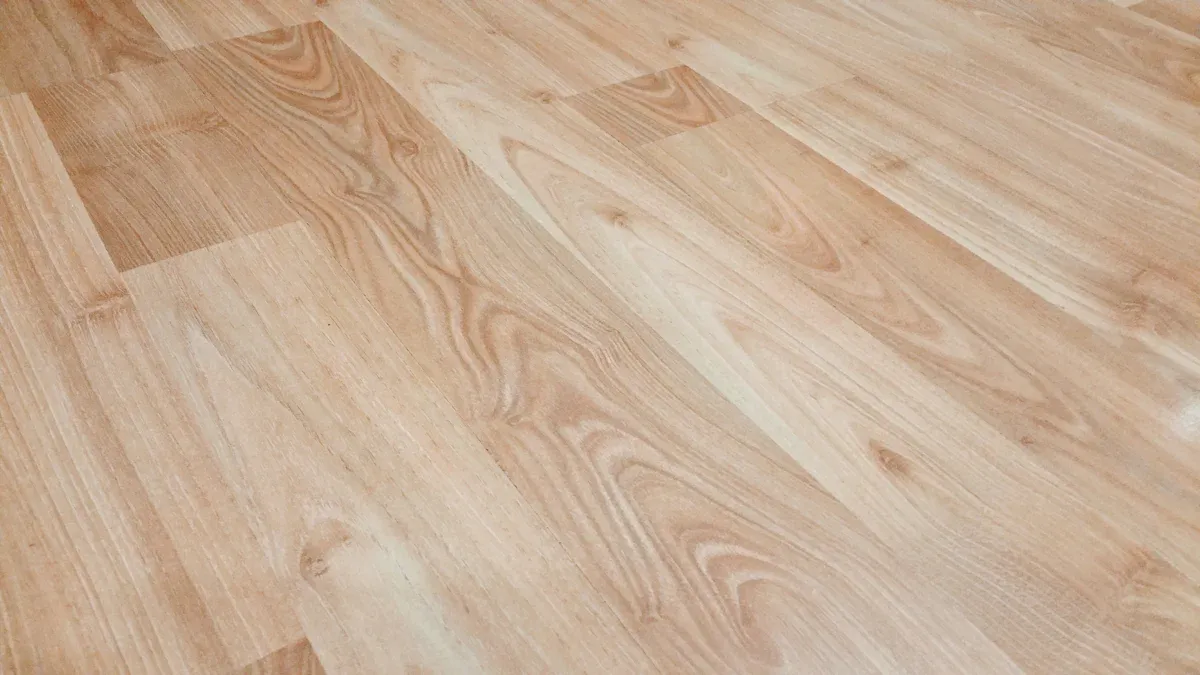
You want flooring that stands up to daily life and looks great in every room. SPC vinyl flooring gives you unmatched durability and water resistance. In 2024, SPC’s market share in resilient flooring hit 42%, surpassing LVT for the first time. WPC vinyl flooring adds comfort underfoot, making it a favorite for bedrooms and living rooms. LVT, including luxury vinyl plank and luxury vinyl tile, offers style and value. The LVT market is set to grow with a projected CAGR of 24.96% in the coming years. Polyvinyl chloride flooring, often called pvc vinyl flooring, delivers choices for every budget and space. You can find the best luxury vinyl core for both homes and businesses with luxury vinyl flooring.
Understanding Polyvinyl Chloride Flooring Options
When you explore vinyl flooring options, you will see three main types: SPC, WPC, and LVT. Each type uses a different core material and offers unique benefits for your home or business.
What Is SPC Vinyl Flooring?
SPC vinyl flooring stands for Stone Plastic Composite. You get a floor that combines 25% polyvinyl chloride and 75% calcium carbonate powder. This mix creates a rigid core that resists dents and damage. The manufacturing process includes several steps:
| Stage | Description |
|---|---|
| Mixing and Extrusion | Raw materials blend and form a dense, even SPC core. |
| Lamination | The core bonds with a decorative and wear layer for strength. |
| Cutting and Shaping | Sheets cut into planks or tiles for easy installation. |
| Embossing and Texturing | Realistic textures add style and grip. |
| Finishing and Coating | A tough coating protects against scratches and stains. |
SPC vinyl flooring works well in high-traffic areas. You can use it in kitchens, bathrooms, and commercial spaces. The rigid core options in SPC give you a sturdy, long-lasting floor.
What Is WPC Vinyl Flooring?
WPC vinyl flooring uses a wood-plastic composite core. You get a blend of wood fibers and thermoplastic polymers. This core material makes the floor softer underfoot. WPC also includes a foaming agent, which adds comfort and reduces strain if you stand for long periods. WPC is 100% waterproof, so you can use it in moisture-prone areas.
- WPC feels warmer and more comfortable than other types.
- The thicker core helps absorb sound.
- WPC resists water and keeps its shape over time.
You may prefer WPC for bedrooms, living rooms, or any space where comfort matters most.
What Is LVT?
LVT stands for luxury vinyl tile. This type of pvc vinyl flooring uses a basic PVC core. LVT is thinner than SPC or WPC, usually 4mm or less. You get a stylish look at a lower cost. LVT works best in low-traffic areas or where budget is a concern.
| Flooring Type | Core Material | Thickness Range | Wear Resistance |
|---|---|---|---|
| LVT | Basic PVC core | 4mm or less | More susceptible to dents |
| WPC | Wood-plastic composite | 5mm to 8mm | Softer, less likely to dent |
| SPC | Calcium powder and PVC | 4mm to 6mm | Superior dent resistance |
You can choose LVT for offices, guest rooms, or rental properties. LVT offers many design choices and easy maintenance.
SPC vs WPC vs LVT: Key Features Compared
Durability and Longevity
When you choose flooring, you want it to last. Durability means your floor can handle daily wear and tear. Longevity tells you how many years your floor will look good and perform well.
- SPC flooring stands out as the most durable option. Its stone plastic composite core resists dents and scratches better than other types. Testing organizations often rate spc flooring higher for scratch resistance than pvc flooring. Many users notice that spc flooring shows less damage over time compared to cheaper pvc vinyl flooring.
- WPC flooring offers good durability, but its softer core makes it more likely to dent under heavy furniture or sharp objects. However, wpc vinyl flooring still holds up well in most homes.
- LVT flooring is less resistant to dents and scratches. You may see more marks in high-traffic areas, especially if you move furniture often.
You can check manufacturer warranties to compare how long each type lasts:
| Flooring Type | Average Lifespan (Years) | Typical Warranty Coverage |
|---|---|---|
| SPC | 25–30+ | Lifetime structural, finish, fade warranty |
| WPC | 20–25 | Lifetime structural, finish, fade warranty |
| LVT | 15–20 (up to 30 high-end) | Lifetime limited (high-end), 15–20 years |
Tip: If you want a floor that stays looking new for decades, spc flooring is your best bet.
Comfort and Feel
Comfort matters, especially if you spend a lot of time standing or walking on your floors. Each type of flooring feels different underfoot.
- WPC flooring gives you the softest, most cushioned feel. Many people choose wpc flooring for bedrooms, living rooms, or spaces where comfort is important. Wpc is great for older adults who need a softer surface for their hips, ankles, and knees. It also absorbs sound better, making your home quieter.
- SPC flooring feels harder and more rigid. You get a tough, dent-resistant surface, but it may not be as comfortable for long periods of standing. Spc flooring works best in areas where you need strength over softness.
- LVT flooring is thinner and less cushioned than wpc or spc. It does not provide as much comfort, but it still works well in low-traffic or budget-friendly spaces.
You can also think about sound. Wpc flooring absorbs sound better than spc flooring. Spc flooring absorbs sound better than traditional lvt flooring. If you want a quiet room, wpc flooring is the top choice.
| Feature | SPC Flooring | WPC Flooring | LVT Flooring |
|---|---|---|---|
| Underfoot Comfort | Low | High | Medium |
| Sound Absorption | Medium | High | Low |
| Best For | Kitchens, Commercial | Bedrooms, Living Rooms | Offices, Guest Rooms |
Note: If you want a quiet and comfortable space, wpc flooring is the best option.
Water Resistance
Water resistance is important in kitchens, bathrooms, and basements. You want a floor that can handle spills, splashes, and even floods.
- SPC flooring offers the highest level of water resistance. It can withstand short-term water exposure and dries out faster than hardwood or carpet after flooding. Tests show spc flooring has a water absorption rate of less than 0.1% after 72 hours of immersion. You can often reuse spc flooring after drying and inspection, even after a flood. This makes it ideal for areas with a high potential for water exposure.
- WPC flooring is also waterproof. You can use wpc vinyl flooring in bathrooms, kitchens, and basements. It keeps its shape and resists swelling, even when exposed to water.
- LVT flooring resists water but does not perform as well as spc or wpc in extreme conditions. High-quality lvt flooring can handle spills, but you may need to replace it after severe water damage.
If you need flooring for high-moisture areas, spc flooring and wpc flooring both deliver excellent water resistance. Spc flooring is the top choice for the toughest conditions.
Installation Process
You want a floor that installs quickly and looks great. Many homeowners choose spc flooring, wpc flooring, and lvt for their easy installation. Most products use a click-lock system. You can often install these floors without glue or nails. This makes them a popular choice for DIY projects.
Before you start, you need to prepare the subfloor. A clean, level surface helps prevent problems later. You should also let the flooring acclimate to the room’s temperature for at least 48 hours. This step helps avoid warping or gaps after installation.
Common installation challenges include:
- Difficulties with alignment of planks or tiles
- Ensuring a level subfloor for a smooth finish
- Managing temperature fluctuations in the room
- Choosing the right underlayment for sound and moisture control
- Proper subfloor preparation to avoid bumps or dips
- Controlling moisture to protect your new floor
- Allowing the flooring to acclimate before installation
- Using correct installation techniques to prevent warping or gaps
Tip: Always follow the manufacturer’s instructions for your specific type of pvc vinyl flooring. This helps you avoid costly mistakes and ensures a long-lasting result.
If you want the easiest installation, spc vinyl flooring and lvp often provide the best experience. Their rigid cores help with alignment and reduce the risk of damage during installation. Wpc flooring and lvt may require more attention to underlayment and subfloor prep, but you can still achieve professional results with careful planning.
Cost and Value
You want to get the most for your money when choosing high-quality vinyl flooring. The price of spc flooring, wpc flooring, and lvt can vary based on thickness, design, and brand.
- spc flooring prices range from $2.50 to $5.50 per square foot in 2024.
- Entry-level 4mm boards start at $2.50 per square foot.
- Premium 6mm commercial-grade options reach $5.50 per square foot.
- Mid-range 5mm products are priced between $3.75 and $4.25 per square foot.
spc vinyl flooring is usually more affordable than wpc vinyl flooring. The thinner composition of spc keeps costs down, while wpc flooring has thicker planks and extra comfort features that can increase the price. lvt is often the most budget-friendly, but you should consider long-term value.
When you look at long-term costs, spc flooring stands out. It can last up to 20 years or more with proper care. lvt flooring usually lasts 10 to 15 years, so you may need to replace it sooner. wpc flooring offers a balance between comfort and durability, but its softer surface may need occasional touch-ups.
- spc flooring is low-maintenance and resists dents and scratches, which reduces repair costs over time.
- wpc flooring may need moderate repairs if the surface gets damaged.
- lvt may require replacement sooner, which can increase long-term costs.
Note: Always factor in maintenance and replacement costs when comparing the value of engineered vinyl plank, lvp, and other polyvinyl chloride flooring options.
Best Spaces for Each Type
Choosing the right floor for each room helps you get the best performance and look. Experts recommend different types of pvc flooring for different environments.
| Flooring Type | Recommended Environments | Expert Comments |
|---|---|---|
| spc | Areas with direct sunlight, three-season rooms, high-traffic areas | Ideal for tough, dent-resistant surfaces; suitable for extreme temperatures and water exposure |
| wpc | Older populations needing softer surfaces | Provides comfort for hips, ankles, and knees |
| lvt | Baths and wet areas, commercial spaces | Recommended for hard surfaces in various situations |
spc flooring works best in kitchens, entryways, and commercial spaces. Its rigid core and strong water resistance make it perfect for places with heavy foot traffic or moisture. You can also use spc in sunrooms or areas with temperature swings.
wpc flooring is a great choice for bedrooms, living rooms, and spaces where comfort matters. The softer surface helps reduce strain on your joints. Many people choose wpc vinyl flooring for homes with older adults or anyone who wants a cushioned feel.
lvt shines in bathrooms, laundry rooms, and commercial settings. Its water resistance and easy maintenance make it a smart pick for wet areas. You can also use lvt in offices or rental properties where style and affordability matter.
If you want a waterproof floor for any room, spc, wpc, and lvt all offer strong water resistance. Choose the type that fits your comfort, style, and budget needs.
SPC Vinyl Flooring: Pros, Cons, and Best Uses
Advantages of SPC Vinyl Flooring
You want a floor that stands up to daily life. SPC flooring gives you three major benefits that flooring professionals highlight:
- Durability: The rigid core construction makes spc flooring highly resistant to wear and tear. You can use it in busy homes or places with pets.
- Water Resistance: SPC flooring is completely waterproof. You can install it in kitchens, bathrooms, or laundry areas without worrying about spills or moisture.
- Stability: SPC maintains its shape even when temperatures or humidity change. You will not see much expansion or contraction, so your floor stays smooth and secure.
SPC flooring also offers easy maintenance. You can clean it with simple sweeping and mopping. The tough surface resists stains and keeps its color for years.
Tip: If you want a floor that lasts and handles water, spc flooring is a smart choice.
Drawbacks of SPC Vinyl Flooring
You should know the downsides before you choose spc flooring. Consumer reports mention several common issues:
- Less cushioning underfoot, which can feel uncomfortable if you stand for long periods.
- You need a perfectly flat subfloor for installation. Uneven surfaces can cause problems.
- Heavy objects may scratch the surface, even though spc flooring resists most dents.
- SPC flooring comes from non-renewable resources and does not biodegrade, raising environmental concerns.
- Prolonged sunlight can cause discoloration.
- Removing spc flooring after installation is difficult, which can make renovations harder.
- SPC does not increase home resale value as much as solid hardwood.
You may want to compare these drawbacks with other options like lvt or wpc before making a decision.
Ideal Spaces for SPC
You can use spc flooring in many places. Real-world installations show that it works well in:
- Residential spaces such as kitchens, bathrooms, laundry areas, and basements.
- Commercial spaces where you need a tough, waterproof surface.
- Kitchens and bathrooms, where water and spills are common.
SPC LVF gives you flexibility for both homes and businesses. You can rely on spc flooring for areas that need durability and water resistance. LVT may suit low-traffic or budget spaces, but spc flooring stands out for tough environments.
WPC Vinyl Flooring: Pros, Cons, and Best Uses
Advantages of WPC Vinyl Flooring
You get several unique benefits when you choose wpc flooring for your home. The thicker core in wpc lvf gives you a soft, cushioned feel underfoot. This makes it much more comfortable than traditional lvt or even spc. You will notice that wpc flooring absorbs sound well, so your rooms stay quieter. The wood composite in wpc lvf also helps your floor feel warmer, which is great for bedrooms or living rooms.
Here is a quick look at the main benefits:
| Benefit | Description |
|---|---|
| Enhanced comfort | The thicker wpc core provides a softer, more cushioned feel underfoot. |
| Superior sound absorption | Its composition helps to dampen sound, reducing echoing and noise. |
| Excellent water resistance | Wpc cores resist moisture, making them suitable for bathrooms and basements. |
| Warmer underfoot | The wood composite content gives a slightly warmer feel than other vinyl. |
| Easier to cut | Wpc lvf is often easier to cut, which can speed up installation. |
Tip: If you want a floor that feels soft, stays quiet, and handles water, wpc flooring is a top choice.
Drawbacks of WPC Vinyl Flooring
You should know about some drawbacks before you pick wpc lvf. Many users report that wpc flooring can fade or change color if exposed to sunlight for long periods. While wpc lvf resists scratches, it does not handle deep scratches as well as hardwood. Hot items can damage the surface, and rapid temperature changes may cause warping or cracking. Some wpc flooring products may give off odors at first because of chemical off-gassing. You might also notice that wpc lvf does not always match the natural look of real wood.
- Susceptibility to discoloration from UV exposure
- Limited scratch resistance compared to hardwood
- Heat sensitivity and risk of damage from hot objects
- Vulnerability to extreme temperature changes
- May not fully capture the color and texture of natural wood
- Possible chemical odors after installation
- Some issues with certain floor finishes
- Less effective soundproofing than solid hardwood
Note: Always check the product details and care instructions for your wpc lvf to avoid these issues.
Ideal Spaces for WPC
Wpc flooring works best in places where you want comfort and quiet. You can use wpc lvf in living rooms, bedrooms, and home offices. It is also a smart choice for playrooms or any area where people stand for long periods. If you live in a multi-level home or apartment, wpc lvf helps reduce noise between floors.
| Environment Type | Description |
|---|---|
| Residential spaces | Ideal for living rooms, bedrooms, and home offices where comfort is needed. |
| Multi-level homes | Reduces noise between floors, perfect for apartments or multi-story homes. |
| Areas requiring comfort | Great for playrooms or spaces where people stand for long periods. |
You can also use wpc flooring in areas where you want a warmer feel than lvt. Wpc lvf gives you a balance of comfort, sound control, and water resistance for many rooms in your home.
LVT: Pros, Cons, and Best Uses
Advantages of LVT
You can enjoy many benefits when you choose lvt flooring for your home. Home improvement experts often recommend lvt because it gives you the look and feel of natural materials at a much lower cost. You do not have to spend as much as you would on hardwood floors. Lvt flooring is also water and scratch resistant, which helps it last longer in busy spaces. You will find that it stands up well to dents, scuffs, stains, and moisture. Cleaning is simple—just use a damp mop to keep your floors looking fresh. Many homeowners like that lvt has a long life cycle, making it a smart investment.
- Mimics natural wood or stone at a lower price
- Costs less than hardwood flooring
- Resists water, scratches, and stains
- Easy to clean with basic mopping
- Durable against dents and scuffs
- Offers a long-lasting flooring solution
Tip: If you want a stylish floor that is easy to care for, lvt flooring is a strong choice.
Drawbacks of LVT
You should know about some common problems with lvt before you decide. Many users report that lvt can show scratches and dents over time, especially in high-traffic areas. Sometimes, planks may warp or cup if the subfloor is not prepared well. You might see cracks or splits along the joints. Some people notice that the locking system can fail, causing the planks to come apart at the seams. There are also concerns about the waterproof claims, as gaps in the vapor barrier can let in moisture. Even with light use, lvt may show signs of wear and tear.
- May develop scratches and dents with heavy use
- Planks can warp or cup if installed on an uneven subfloor
- Joints may crack or split
- Locking mechanism can fail, leading to gaps
- Waterproof claims may not hold up if seams are not tight
- Shows wear even in low-traffic rooms
Note: Always check your subfloor and follow installation steps to avoid these issues with lvt.
Ideal Spaces for LVT
You can use lvt in many rooms around your home. Interior designers often suggest lvt flooring for kitchens, bathrooms, and laundry rooms because it handles moisture well. Lvp also works in basements, living rooms, bedrooms, and hallways. You get a stylish look and easy cleaning in every space. Lvp is a great pick for rental properties or areas where you want a budget-friendly update. Many people choose lvp for its mix of style, value, and simple care.
Choosing the Right PVC Vinyl Flooring for Your Space
Residential Applications
When you choose flooring for your home, you want something that fits your needs and style. SPC, WPC, and LVT each offer unique benefits. You can compare them easily using this table:
| Feature | SPC Flooring | LVT Flooring | WPC Flooring |
|---|---|---|---|
| Composition | Limestone powder, PVC, stabilizers | Printed layer, wear layer, backing | Wood flour or fiber, plastic, foam |
| Water Resistance | Highly water-resistant | Water-resistant with sealed seams | Highly water-resistant |
| Durability | Highly durable | Highly durable with wear layer | Durable, may dent |
| Stability | Most stable | Less stable if not installed well | Stable, may expand/contract |
| Comfort | Least comfortable | Comfortable underfoot | Most comfortable |
| Installation | Click-lock system | Glue down or floating | Floating |
| Cost | Most affordable | Less expensive than WPC | Most expensive |
You might pick SPC for kitchens or entryways where you need strength. WPC works well in bedrooms or living rooms because it feels soft. LVT gives you style at a lower price, making it a good choice for guest rooms or offices.
Tip: Always match your flooring to the room’s needs. Think about comfort, water resistance, and how much use the space gets.
Commercial Applications
In commercial spaces, you need flooring that stands up to heavy use. You want to look for products that meet strict durability standards. Many businesses choose SPC or high-quality LVT for areas with high foot traffic. These floors pass important tests:
| Test | What It Measures | Good Result |
|---|---|---|
| ASTM F970 (Static Load) | Resistance to dents from furniture | 1000 psi or higher |
| ASTM F2753 (Rolling Load) | Strength under rolling weight | No failure under 1,000+ lbs |
| ASTM F2199 | Stability in heat | ≤ 0.25% dimensional change |
You should also check the wear layer thickness. For most commercial settings, a 20 mil (0.5 mm) wear layer is standard. If you expect even more wear, look for 28–40 mil (0.7–1.0 mm) options.
- 6 mil: Too thin for commercial use
- 12 mil: Works for low-traffic areas
- 20 mil: Standard for most businesses
- 28–40 mil: Best for very busy spaces
Note: Choose flooring that meets these standards to keep your business looking good, even in high-traffic areas.
High-Moisture Environments
Bathrooms, basements, and laundry rooms need floors that can handle water. You want a product that stays strong and looks good, even when wet. Luxury vinyl plank (LVP) and LVT both work well because they are waterproof. Many homeowners use LVP in basements for its durability and water resistance. SPC and WPC also resist water, so you can use them in kitchens or bathrooms without worry.
- LVP and LVT are waterproof, perfect for bathrooms.
- LVP is a top pick for basements because it stands up to moisture and lasts a long time.
Tip: Always check the manufacturer’s water resistance rating before you buy. This helps you avoid problems in wet areas.
Budget-Friendly Solutions
You want a floor that looks great and fits your budget. Many homeowners in 2025 look for vinyl flooring because it offers style, durability, and value. You can find several types of vinyl flooring that help you save money without giving up quality.
Here is a quick comparison of the most cost-effective vinyl flooring options:
| Vinyl Flooring Type | Cost per Square Foot | Benefits |
|---|---|---|
| Sheet Vinyl | $1 – $5 | Affordable, low maintenance, seamless installation |
| Plank Vinyl | $1 – $7 | Realistic look, easier installation, durable |
| Luxury Vinyl Plank | Varies | High-quality appearance, waterproof, versatile |
Sheet vinyl gives you the lowest price. You can cover large areas for less money. This type of flooring works well in kitchens, laundry rooms, and basements. You get a smooth surface that resists spills and stains. Cleaning is easy with just a mop.
Plank vinyl starts at $1 per square foot. You get a floor that looks like real wood or stone. Many people choose plank vinyl for living rooms and bedrooms. You can install it yourself with a click-lock system. This saves you money on labor.
Luxury vinyl plank (LVP) costs more, but you get a premium look. LVP is waterproof and stands up to heavy use. You can use it in any room, even bathrooms and basements. Many brands offer LVP with a thick wear layer, so your floor lasts longer.
- Sheet Vinyl: Costs between $1 to $5 per square foot. You get a budget-friendly floor that is easy to maintain.
- Plank Vinyl: Starts at $1 per square foot and goes up to $7. You enjoy a high-quality look and simple installation.
- Luxury Vinyl Plank: Prices vary. You receive a premium appearance and strong durability.
Tip: Always measure your space before you buy. This helps you avoid waste and keeps your project on budget. You can find deals at local flooring stores or online retailers. Look for sales or clearance items to save even more.
You can create a stylish home without spending a lot. Choose the vinyl flooring type that matches your needs and budget.
You have many choices when it comes to polyvinyl chloride flooring. SPC vinyl flooring gives you the best mix of strength and water resistance for 2025. WPC works well if you want comfort in your living spaces. Lvt stands out for style and price in rooms with less foot traffic. Remember to match your flooring to your needs. Lvt can help you save money and still look great.
Tip: Think about your space, lifestyle, and budget before you decide.
FAQ
What is the main difference between SPC, WPC, and LVT flooring?
You will notice SPC has a stone core, WPC uses wood and plastic, and LVT has a basic vinyl core. SPC is strongest, WPC is softest, and LVT is most affordable.
Can you install SPC, WPC, or LVT flooring over existing floors?
You can install these floors over most flat surfaces. Make sure the old floor is clean and level. Avoid installing over carpet or uneven tiles.
How do you clean and maintain vinyl flooring?
You should sweep or vacuum regularly. Use a damp mop for deeper cleaning. Avoid harsh chemicals. Vinyl floors resist stains, so you can keep them looking new with simple care.
Which flooring type works best for homes with pets?
You will get the best results with SPC flooring. It resists scratches and water. WPC also works well for comfort. LVT may show more wear in busy pet areas.




