
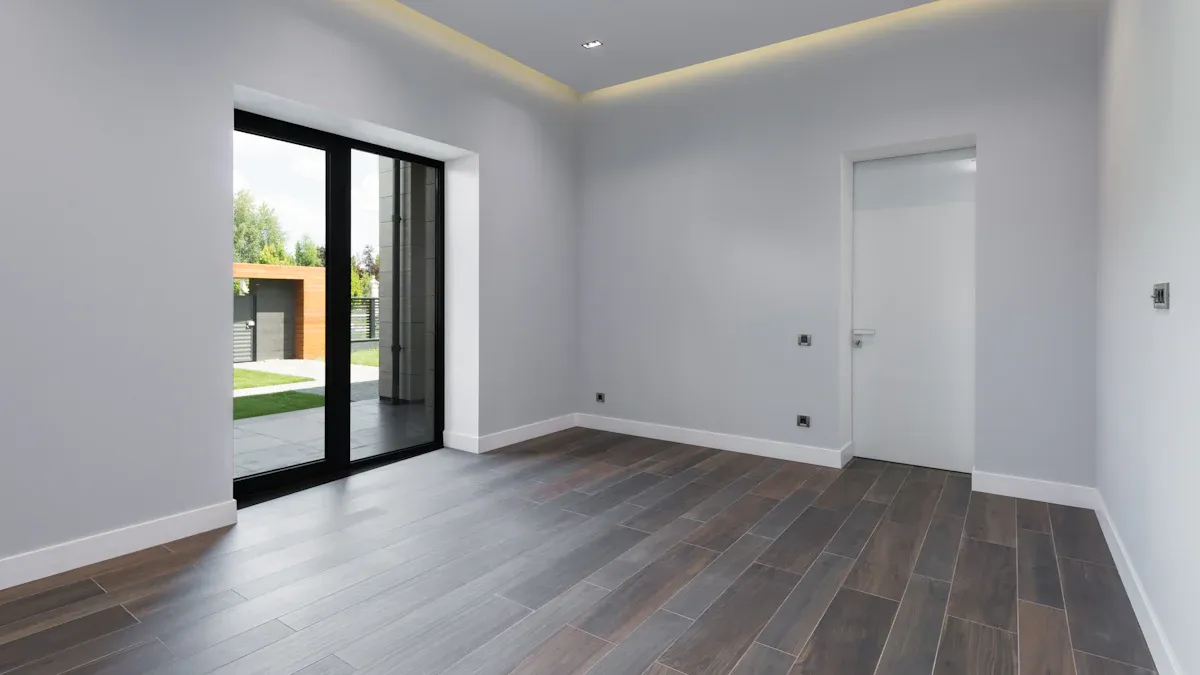
You have many choices when you shop for luxury vinyl flooring. LVP and LVT offer different looks and benefits. LVP gives you the appearance of hardwood planks, while LVT looks more like stone or ceramic tiles. In recent years, more homeowners have chosen LVT. Sales for luxury vinyl tile rose from 17% in 2022 to 26% in 2023. This trend shows that LVT holds a strong place in the vinyl market. When you compare lvp vs lvt flooring, you can see how each type fits different rooms and styles.
LVP vs LVT Flooring: Definitions and Key Features
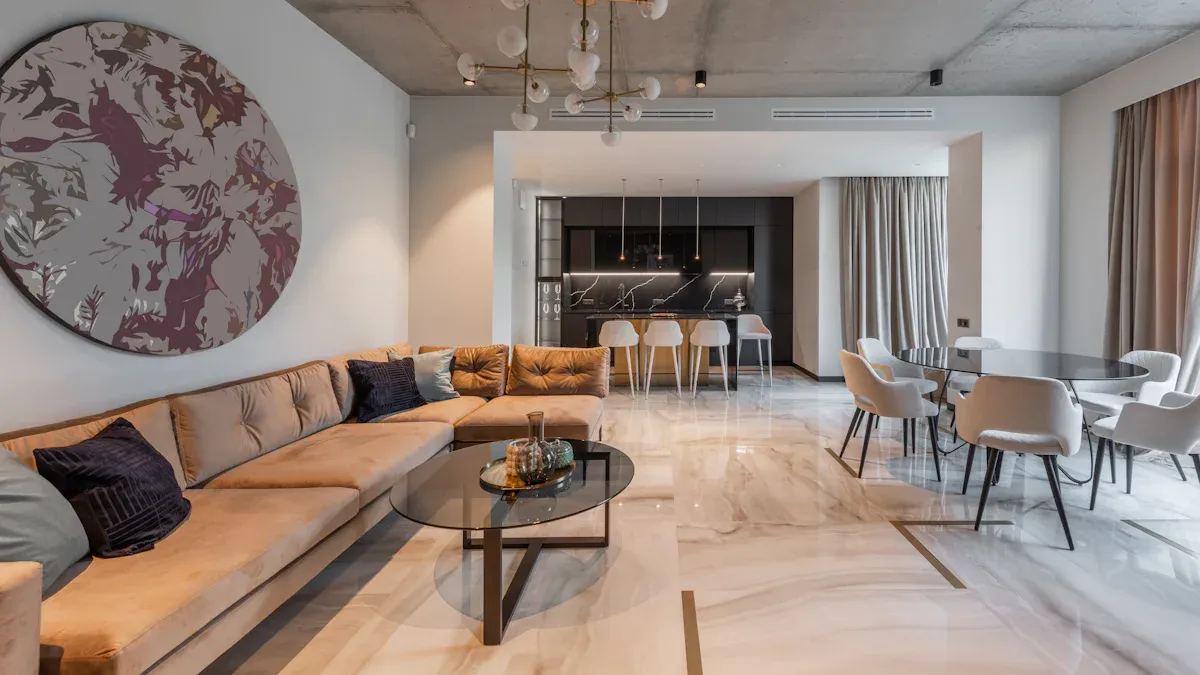
Luxury vinyl flooring gives you two main choices: luxury vinyl plank and luxury vinyl tile. Both types offer strong, waterproof surfaces that work well in busy homes. You can use them in kitchens, bathrooms, basements, or living rooms. Each type has its own look, feel, and best uses.
Tip: Use the table below to quickly compare the main features of luxury vinyl plank and luxury vinyl tile.
| Feature | Luxury Vinyl Tile (LVT) | Luxury Vinyl Plank (LVP) |
|---|---|---|
| Appearance | Mimics stone or ceramic tiles; ideal for sleek, modern looks. | Replicates hardwood floors; perfect for rustic or modern wood looks. |
| Shape and Size | Usually square or rectangular tiles. | Long, narrow planks resembling wood boards. |
| Texture and Feel | Smooth finish mimicking stone; cooler underfoot. | Textured with wood grain; warmer and cozier feel. |
| Durability and Wear Layer | Highly durable with wear layers for longevity. | Equally durable; often thicker wear layers for busy homes. |
| Water and Moisture Resistance | 100% waterproof; ideal for wet areas like bathrooms. | 100% waterproof; excellent for any room prone to spills. |
| Installation Flexibility | Typically glue-down; stable tiled layout. | Often click-and-lock; easier DIY installation and replacement. |
| Comfort and Warmth | Cooler underfoot; better for warm climates. | Warmer and softer underfoot; ideal for colder climates. |
| Sound Absorption | Moderate; can feel hollow without underlayment. | Better sound absorption; reduces echo with proper installation. |
| Longevity and Replacement | Durable but harder to replace due to glue-down method. | Durable and easier to replace damaged planks. |
| Customization Options | Wide variety of tile-like designs including marble and slate. | Wide variety of wood tones and textures. |
| Resale Value and Appeal | Enhances aesthetic appeal in wet areas. | Higher resale value due to universal wood-look appeal. |
| Sustainability | Eco-friendly options available with certifications. | Increasingly eco-friendly with recycled materials. |
Luxury Vinyl Plank: What Sets It Apart
Luxury vinyl plank stands out because it looks and feels like real hardwood. You see long, narrow planks with wood grain textures and a surface that copies natural wood. Most luxury vinyl planks use a click-lock system, so you can install them yourself without glue. This makes them a top choice for quick upgrades. The planks have several layers, including a tough wear layer, a high-definition design layer, and a cushioned underlayment. These layers help resist dents, scratches, and stains. You get a floor that feels warm and soft underfoot. Luxury vinyl planks cost less than real hardwood but give you the same cozy look. You can find many colors, from cool grays to warm maples. Some planks even use special finishes and beveled edges for extra realism. You avoid problems like warping or fading that happen with standard vinyl flooring or wood. Luxury vinyl planks work well in kitchens, basements, and high-traffic areas. They also reduce noise and are easy to clean.
Luxury Vinyl Tile: What Makes It Unique
Luxury vinyl tile gives you the look of stone or ceramic tile without the cold, hard feel. You see square or rectangular tiles that copy marble, slate, or ceramic. The surface uses a digital graphic film to create a realistic stone or tile look. Luxury vinyl tiles often use a glue-down method, which keeps the floor stable and secure. Some new luxury vinyl tiles come in creative shapes like hexagons or even planks. The multi-layer build includes a clear wear layer, a design layer, a solid core, and a backing layer. This makes luxury vinyl tile strong, water-resistant, and comfortable. You can use it in bathrooms, kitchens, or commercial spaces. Luxury vinyl tile works well with underfloor heating and stays quieter than standard vinyl flooring. You get many design choices, from classic marble to bold patterns. Luxury vinyl tile lasts longer than standard vinyl flooring and gives you more style options for modern homes.
Major Differences: LVP vs LVT Flooring Side-by-Side
Appearance and Style Options
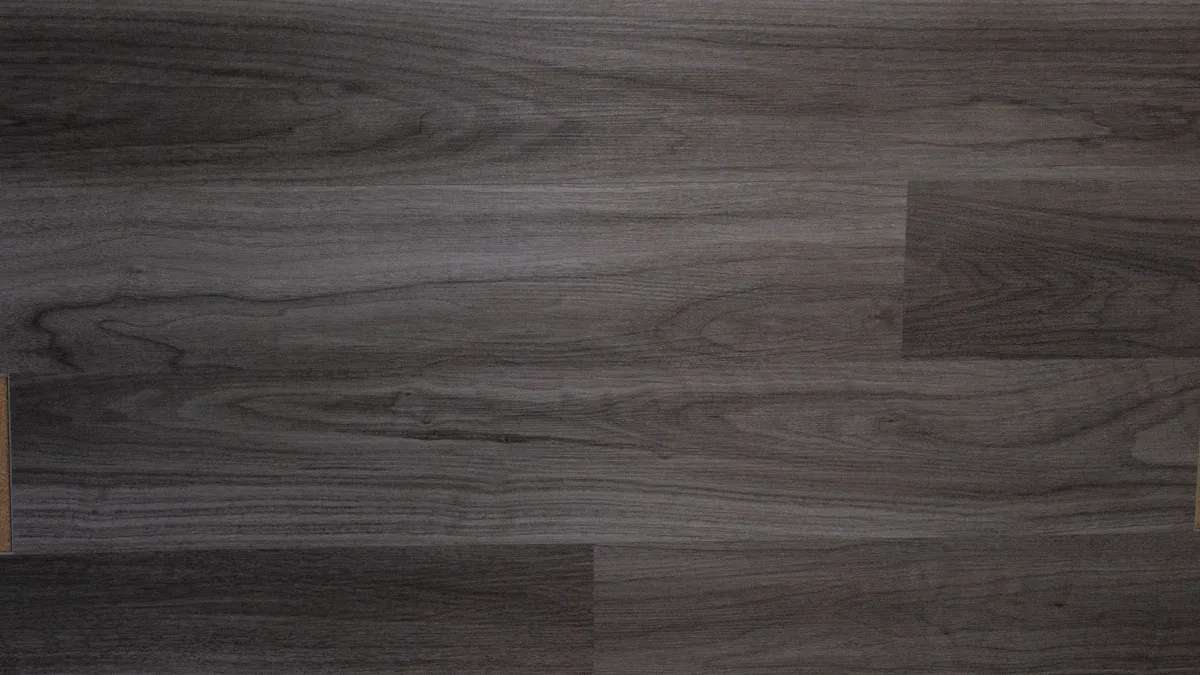
When you compare lvp vs lvt flooring, you notice big differences in how each type looks and feels. Luxury vinyl planks give you the look of real hardwood. You see long, narrow boards with wood grain patterns. These planks come in many colors, from light oak to deep walnut. Some even have textured surfaces that feel like real wood under your feet.
Luxury vinyl tile copies the look of stone or ceramic. You find square or rectangular tiles that look like marble, slate, or even concrete. Market research shows that LVT offers over 200 unique wood and stone patterns. You can choose plank sizes from 4 to 9 inches wide and 36 to 48 inches long. New printing and embossing methods make the designs very realistic. Many homeowners and property managers say that LVT makes their rooms look better. In fact, 87% of homeowners and 94% of commercial managers agree that LVT improves the visual appeal of their spaces.
Manufacturers now offer more color choices than ever before. Over the past five years, color options for LVT have grown by 30%. You can pick from trendy colors or classic looks. Customization matters to many buyers. About 60% of people say they want to choose their own style. New product lines, like Mannington Mills’ ADURA Max and Interface Inc.’s Silk Complex, show off both modern and timeless designs. This means you can find a style that fits your taste, whether you want a bold look or something more traditional.
Tip: If you want a floor that matches your unique style, both luxury vinyl planks and tiles give you lots of choices. LVT is best if you want stone or tile looks, while LVP is perfect for wood styles.
Installation Methods
You can install both luxury vinyl planks and tiles in several ways. The most common method for luxury vinyl planks is the click-lock system. You snap the planks together, and they float over your subfloor. This makes installation quick and easy, even if you want to do it yourself. You do not need glue or nails. You only need a utility knife to cut the planks to size. This is much easier than cutting laminate, which needs a saw.
Luxury vinyl tile often uses a glue-down method. You spread adhesive on the floor and press the tiles into place. This method gives you a stable and secure floor. Some new LVT products also offer click installation, just like LVP. Both types of vinyl are flexible and work well in rooms with heavy traffic. You can use them in homes or businesses. If you ever need to replace a damaged piece, click-lock planks are easier to swap out than glued tiles.
| Installation Method | Luxury Vinyl Plank (LVP) | Luxury Vinyl Tile (LVT) |
|---|---|---|
| Click-Lock | Common, easy DIY, no glue needed | Available in some products |
| Glue-Down | Used for extra stability, needs skill | Most common, stable and secure |
| Tools Needed | Utility knife | Utility knife |
| Replacement | Easy for click-lock planks | Harder for glued tiles |
Note: If you want a fast and simple installation, luxury vinyl planks with click-lock edges are a great choice. For a more permanent floor, glue-down LVT works well.
Durability and Wear Resistance
Both luxury vinyl planks and tiles are known for being strong and long-lasting. They resist scratches, dents, and stains. This makes them best for durability in busy homes or commercial spaces. The wear layer on top protects the design and keeps your floor looking new. Both types are 100% waterproof. You can use them in kitchens, bathrooms, or laundry rooms without worry.
Luxury vinyl planks work well in areas with lots of foot traffic. They handle wheelchairs, carts, and even heavy furniture. Luxury vinyl tile offers the same level of toughness. Both types use flexible materials that bounce back from impacts. You do not have to worry about water damage, which is a problem with standard vinyl flooring. You can clean both types easily with a damp mop or mild cleaner.
Standard vinyl flooring does not offer the same level of protection. It can scratch or tear more easily. Luxury vinyl flooring, whether plank or tile, gives you a much tougher surface. You get peace of mind knowing your floor will last for years.
🛡️ Pro Tip: For families with kids or pets, or for rooms that see a lot of action, luxury vinyl planks and tiles both stand up to daily wear and tear much better than standard vinyl flooring.
Maintenance and Cleaning
You want a floor that looks great and stays clean with little effort. When you compare lvp vs lvt flooring, you will notice both types make care and cleaning simple. Luxury vinyl flooring stands out because you do not need special products or tools. You only need to sweep or vacuum regularly to remove dust and dirt. For sticky spots, use a damp mop and a neutral pH cleaner. This routine keeps your floors looking new.
Here is a simple care and cleaning plan for your vinyl floors:
- Wipe up spills right away with a soft cloth and a neutral pH cleaner.
- Sweep or vacuum each week to stop dirt from scratching the surface.
- Place mats at doors to catch dirt and moisture before it reaches your floor.
- Use felt pads under furniture to prevent dents and scratches.
- Mop with a damp cloth and a gentle cleaner when needed. Dry the floor quickly if you use water.
Luxury vinyl flooring is best for care and cleaning because it resists stains and water. You do not have to worry about water damage like you would with hardwood. Hardwood floors need special cleaners and regular polishing. They can get scratched or stained easily. Vinyl floors handle busy homes and high-traffic areas with ease. You save time and money on upkeep.
🧹 Tip: Stick to neutral pH cleaners and avoid harsh chemicals. This keeps your vinyl floor looking its best for years.
Cost and Value
When you look at cost, vinyl flooring gives you a lot of value for your money. Both luxury vinyl plank and luxury vinyl tile cost less than hardwood or ceramic tile. You pay less for materials and installation. Click-lock planks let you install the floor yourself, which saves even more. Glue-down tiles may need a pro, but the price still stays lower than many other options.
The major differences in price come from the type, thickness, and brand you choose. LVP and LVT both offer a range of prices. Thicker wear layers and special finishes can cost more, but they last longer. You get a durable floor that stands up to daily life. Many people find that vinyl floors increase the value of their home because they look good and last a long time.
Here is a quick look at what you might pay:
| Flooring Type | Average Cost per Sq. Ft. | Installation Cost | Total Value |
|---|---|---|---|
| Luxury Vinyl Plank | $2 – $5 | Low (DIY possible) | High durability |
| Luxury Vinyl Tile | $2 – $6 | Medium (Pro often needed) | High style and water resistance |
| Hardwood | $6 – $12 | High | Needs more care |
| Ceramic Tile | $5 – $10 | High | Cold, hard feel |
You get a stylish, tough floor without breaking your budget. Vinyl floors also save you money on care and cleaning over time.
Comfort and Feel Underfoot
You want a floor that feels good when you walk or stand on it. Vinyl floors give you comfort that many other floors cannot match. LVP and LVT both have a softer, warmer feel than ceramic tile or hardwood. You will notice the difference, especially if you spend a lot of time standing in the kitchen or walking barefoot.
- LVT flooring gives you a flexible, cushioned surface. This makes it more comfortable for long periods of standing.
- LVP also feels soft and warm, especially with a good underlayment.
- Both types reduce noise, so your rooms stay quieter.
- Vinyl tile feels softer and quieter than ceramic tile. Ceramic tile can feel cold and hard unless you add radiant heating.
If you drop something on vinyl, it is less likely to break than on ceramic tile. This makes vinyl a smart choice for homes with kids or pets. The water resistance of both LVP and LVT means you do not have to worry about spills making the floor cold or slippery.
😊 Note: For the best comfort, choose a vinyl floor with a thicker wear layer and a quality underlayment. Your feet will thank you!
Best Use Cases by Room
Choosing the right flooring for each room helps you get the most out of your home. Luxury vinyl plank and tile both offer strong benefits, but each type shines in different spaces. You want a floor that fits your lifestyle, stands up to daily use, and looks great.
Living Rooms and Bedrooms
You spend a lot of time relaxing in living rooms and bedrooms. These spaces need a floor that feels warm and looks inviting. Luxury vinyl plank works well here because it mimics real wood and adds a cozy touch. The plank design brings a classic look to your living area or bedroom. You also get a soft, comfortable surface underfoot, which makes these rooms feel more welcoming.
- LVP gives you a wood-look floor that matches many styles.
- The surface stays warm, even in colder months.
- You can clean up spills easily, so you do not worry about accidents.
Kitchens and Dining Areas
Kitchens and dining rooms see a lot of action. You need a floor that handles spills, dropped food, and heavy foot traffic. Both luxury vinyl plank and tile work well in these rooms. LVP offers a seamless wood look, while LVT gives you the appearance of stone or ceramic tile.
- LVP resists water and stains, making cleanup simple.
- LVT brings a tile-like look that fits modern or classic kitchens.
- Both types stand up to scratches from chairs and dropped utensils.
💡 Tip: If you want a warmer, softer feel in your kitchen, choose LVP. For a sleek, tile-like style, LVT is a smart pick.
Bathrooms and Laundry Rooms
Bathrooms and laundry rooms need floors that handle moisture every day. Luxury vinyl tile stands out in these spaces because it looks like real tile but feels softer and warmer. You avoid the cold, hard surface of ceramic tile. LVT resists water, so you do not worry about splashes or spills.
- LVT works well in high-moisture areas.
- The tile design fits the look of most bathrooms.
- You can use LVP in bathrooms too, especially if you want a wood look.
Entryways and Hallways
Entryways and hallways see lots of foot traffic. You want a floor that stands up to dirt, mud, and shoes. Luxury vinyl flooring, both plank and tile, offers durability and easy cleaning. You can sweep or mop these areas quickly.
- LVP and LVT both resist scratches and dents.
- The surface stays looking new, even with heavy use.
- You get comfort underfoot, which helps in busy spaces.
Basements and Bonus Rooms
Basements often have moisture problems. You need a floor that resists water and stays comfortable. Luxury vinyl plank and tile both work well in basements and bonus rooms. The waterproof design keeps your floor safe from leaks or spills.
- LVP adds warmth and style to finished basements.
- LVT gives you a modern look with easy care.
- Both types help reduce noise, making bonus rooms quieter.
Commercial Spaces and Playrooms
If you have a home office, playroom, or light commercial space, you want a floor that handles lots of activity. Luxury vinyl flooring offers strong wear resistance and easy maintenance. You can choose a style that matches your brand or decor.
- LVP works well in offices and playrooms for its comfort and style.
- LVT fits spaces where you want a tile look with extra durability.
- Both types meet safety standards for slip resistance and sound absorption.
| Room Type | Best Flooring Choice | Why It Works Well |
|---|---|---|
| Living Room/Bedroom | LVP | Warm, cozy, wood look, easy to clean |
| Kitchen/Dining | LVP or LVT | Water-resistant, handles spills, stylish |
| Bathroom/Laundry | LVT (or LVP) | Moisture-proof, softer than ceramic tile |
| Entryway/Hallway | LVP or LVT | Durable, easy to clean, resists scratches |
| Basement/Bonus Room | LVP or LVT | Waterproof, reduces noise, comfortable |
| Office/Playroom | LVP or LVT | Tough, safe, matches many styles |
🏠 Note: Luxury vinyl flooring fits almost every room in your home. You get a mix of comfort, style, and easy care. Choose the type that matches your needs and enjoy a floor that lasts.
Pros and Cons of Luxury Vinyl Plank and Tile
Luxury Vinyl Plank Pros and Cons
Luxury vinyl plank gives you a stylish floor that looks like real wood. You can install it easily, and it works well in many rooms. Here is a table to help you see the main advantages and disadvantages:
| Aspect | Advantages | Disadvantages |
|---|---|---|
| Installation | Simple click-lock or glue-down options. | Glue-down needs more prep and skill. |
| Maintenance | Easy to clean with sweeping and damp mopping. | Harsh cleaners can damage the surface. |
| Durability | Strong wear layer protects against scratches and dents. | Thin wear layers wear down faster in busy areas. |
| Comfort | Feels warm and soft underfoot, especially with a good underlayment. | Some types feel hard if they have a rigid core. |
| Environmental Impact | Many brands offer low-VOC options for better indoor air quality. | Some off-brand products release VOCs and add to landfill waste. |
| Resale Value | Affordable and attractive for most buyers. | May not add as much value as real hardwood or tile. |
📝 Tip: Always follow the manufacturer’s care instructions to keep your vinyl floor looking its best.
Luxury Vinyl Tile Pros and Cons
Luxury vinyl tile gives you the look of stone or ceramic with extra comfort. You get a floor that fits many styles and budgets. Here are the main pros and cons:
-
Pros:
- Affordable and fits many budgets.
- Durable and resists water, making it great for kitchens and bathrooms.
- Many design choices, including marble and slate looks.
- Cushioned layer adds comfort and reduces noise.
- Easy to clean and maintain with regular sweeping and mopping.
-
Cons:
- Can get scratched by sharp objects or heavy furniture.
- Not the best choice for rooms with big temperature changes.
- Some brands last longer than others, so quality matters.
- Made from petroleum, which raises environmental concerns.
- Shorter lifespan than real wood or ceramic tile.
🚩 Note: Use doormats and felt pads under furniture to protect your luxury vinyl tile floor from scratches and dents.
Vinyl flooring, including both plank and tile, gives you a cost-effective way to get the look of high-end materials. You enjoy easy care and strong water resistance. Some buyers still prefer natural materials, and you should think about local trends and sustainability before you choose.
How to Choose: Decision Factors for LVP vs LVT Flooring
Room Type and Traffic
You should start by thinking about where you want to install your new floor. Each room in your home has different needs. High-traffic areas like kitchens, hallways, and entryways need a tough surface. Rigid core flooring, such as SPC, works well in these spaces because it stands up to heavy use and moisture. Bedrooms and living rooms often need more comfort. LVT has a softer, cushioned core, making it a good choice for these areas. If you have children or pets, look for floors with a strong wear layer to resist scratches and dents. Sound absorption also matters in bedrooms and offices, helping to keep your home quiet.
- SPC flooring is best for kitchens, bathrooms, and busy hallways.
- LVT feels softer underfoot, perfect for living rooms and playrooms.
- Both types offer waterproof options for moisture-prone spaces.
Lifestyle and Family Needs
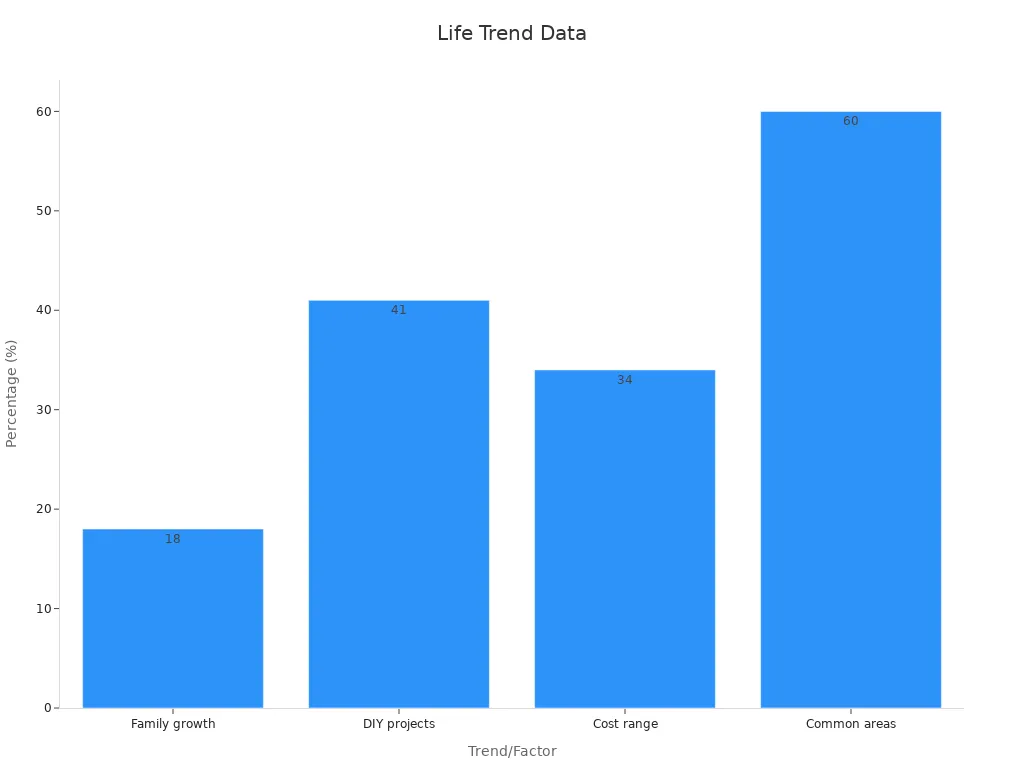
Your daily life shapes the best flooring choice. If your family is growing or you have pets, you need a floor that can handle spills, scratches, and lots of activity. Many families choose vinyl because it is easy to clean and resists damage. About 18% of flooring projects happen when families welcome new children or pets. If you like to do projects yourself, you might prefer click-lock systems. In fact, 41% of people install their own floors to save money and time. Most families spend between $500 and $1,000 on new floors when their needs change. Kitchens are the most common area for upgrades, showing the importance of durability and water resistance.
🏡 Tip: Choose a floor that matches your family’s habits. If you have kids or pets, look for scratch-resistant and waterproof features.
Budget Considerations
You want a floor that fits your budget and lasts for years. Vinyl plank and tile cost less than ceramic or hardwood. You can often install them yourself, which saves on labor costs. LVP and LVT both offer durability and easy care, making them a smart investment for busy homes. Tile floors last longer but cost more to install. Vinyl floors give you a stylish look without a high price tag. Most people spend about $1,238 per room on new flooring. Think about your long-term plans and how much you want to spend before you choose.
| Factor | Luxury Vinyl Plank (LVP) | Tile (Ceramic/Porcelain) |
|---|---|---|
| Installation Cost | $2-3 per sq. ft., DIY friendly | $12-$40 per sq. ft., pro needed |
| Durability | Durable, water-resistant | Very durable, lasts 40+ years |
| Maintenance | Easy, low effort | Needs sealing, more upkeep |
| ROI | Lower, but affordable | Higher, adds home value |
Design Preferences
When you choose luxury vinyl flooring, your design preferences play a big role. You want a floor that matches your style and fits your home. Today’s luxury vinyl options give you more choices than ever before.
Many people love wood-look designs. Luxury vinyl plank (LVP) stands out because it looks like real hardwood. You see rich colors, natural grain patterns, and even textured surfaces. High-definition printing and embossing make these planks look and feel like real wood. If you want a cozy, classic look, LVP gives you many options.
Luxury vinyl tile (LVT) offers a different kind of style. You can pick tiles that look like stone, marble, or ceramic. LVT works well in modern homes and busy spaces. You get the beauty of natural materials without the high cost. LVT also comes in large-format tiles, which create a seamless look in big rooms.
You might care about more than just looks. Many homeowners want floors that are eco-friendly and safe. Companies now make LVT and LVP with recycled materials. Some products even help with sound insulation or work with underfloor heating. These features add comfort and value to your home.
Here are some design trends and preferences shaping the market:
- Wood-look LVP remains a top choice for its realistic appearance and warmth.
- LVT is popular for its versatility, affordability, and ability to mimic stone or ceramic.
- High-definition printing and embossing create lifelike textures and patterns.
- Eco-friendly and sustainable flooring options are growing, especially in Europe.
- Large-format tiles and smart features, like sound insulation, are on the rise.
- Many people want to customize color, texture, and pattern to fit their unique style.
🖌️ Tip: Think about the mood you want in each room. Choose LVP for a warm, wood-inspired space or LVT for a sleek, modern look. Both types let you express your personal style while staying practical.
You have strong options with both luxury vinyl plank and tile flooring. Each type brings unique benefits to your home. Many users find LVP stands out for comfort, easy installation, and cost savings. You can see these advantages:
- LVP resists water and scratches, making it great for kitchens and basements.
- The cushioned underlayment feels warm and soft underfoot.
- Installation costs stay low, and you can often do it yourself.
- Most users report high satisfaction after years of use.
Choose the floor that matches your space, style, and daily life for the best results in 2025.
FAQ
What is the main difference between LVP and LVT?
You see the biggest difference in shape and look. LVP looks like wood planks. LVT looks like stone or ceramic tiles. Both types offer strong, waterproof surfaces for your home.
Can you install luxury vinyl flooring over existing floors?
You can install LVP or LVT over many existing floors, such as tile or laminate. Make sure the surface is clean, dry, and level. Always check the manufacturer’s instructions before you start.
How long does luxury vinyl flooring last?
You can expect luxury vinyl flooring to last 10 to 20 years. The lifespan depends on the wear layer, quality, and how well you care for it. Regular cleaning helps your floor last longer.
Is luxury vinyl flooring safe for pets?
You get a pet-friendly floor with LVP or LVT. Both types resist scratches and water. Clean up accidents quickly to keep your floor looking new. Many pet owners choose vinyl for easy care.
Does luxury vinyl flooring need special cleaning products?
You do not need special cleaners. Use a broom or vacuum for dust. Mop with a damp cloth and a neutral pH cleaner. Avoid harsh chemicals or abrasive tools to protect the surface.




