
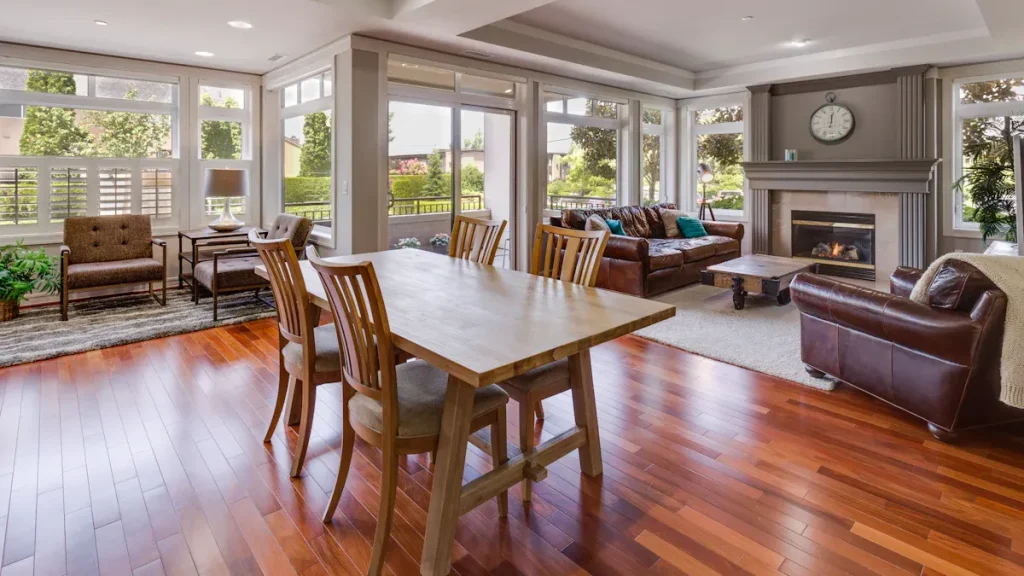
When choosing the right flooring for your home, understanding the differences between spc flooring and laminate is essential. Both options offer unique benefits, but they cater to different needs. SPC flooring stands out for its exceptional water resistance and durability, making it ideal for areas prone to moisture. On the other hand, laminate provides a cost-effective solution with a wide range of design options that mimic natural materials like wood or stone.
Your decision depends on your priorities. If you need a tough, water-resistant option, spc flooring might be the better choice. However, if you value affordability and style variety, laminate flooring could suit your needs perfectly. Evaluating the quality and features of each will help you make an informed decision.
Key Takeaways
- SPC flooring is completely waterproof, great for wet areas like kitchens and bathrooms.
- Laminate flooring is cheaper and comes in many styles, good for saving money.
- SPC flooring is very strong, resists scratches, and lasts longer, perfect for busy homes or homes with pets.
- Laminate is simpler to install, but SPC flooring stays steady on uneven floors.
- Think about your home and needs when picking flooring; SPC lasts longer, while laminate looks nice and costs less.
Durability
Wear and Tear Resistance
When it comes to wear and tear, both SPC flooring and laminate offer impressive durability. However, their construction gives them unique strengths. SPC flooring features multiple layers, including a stone composite core, which makes it highly resistant to heavy foot traffic. This makes SPC an excellent choice for both residential and commercial spaces. Laminate, on the other hand, includes a robust wear layer that protects against scratches, dents, and stains. It performs well in high-traffic areas, especially in homes with pets or children.
| Flooring Type | Durability Feature | Description |
|---|---|---|
| SPC | Heavy Foot Traffic | Can withstand heavy foot traffic, ideal for various spaces |
| Laminate | Robust Wear Layer | Protects against scratches, dents, and stains |
Water Resistance
SPC flooring excels in water resistance. Its 100% waterproof design ensures it does not swell or warp, even with prolonged exposure to moisture. This makes SPC flooring a reliable option for kitchens, bathrooms, and basements. Laminate flooring, while not fully waterproof, offers water-resistant options. Some brands can handle spills for 24-72 hours before moisture affects the core. However, traditional laminate may swell or warp if exposed to water for extended periods.
| Flooring Type | Water Resistance | Notes |
|---|---|---|
| SPC Flooring | 100% waterproof | Does not swell or warp with prolonged water exposure |
| Laminate Flooring | Varies by brand | Some options are water-resistant, but not fully waterproof |
Scratch Resistance
Both SPC flooring and laminate are designed to resist scratches, but SPC offers superior performance. Its multiple layers, including a durable wear layer, make it highly resistant to scratches and scuffs. This makes SPC flooring ideal for homes with pets or areas with heavy foot traffic. Laminate also provides good scratch resistance due to its protective wear layer, making it a practical choice for busy households.
- SPC flooring: Highly scratch-resistant, suitable for high-traffic areas and homes with pets.
- Laminate: Designed with a protective layer to resist scratches and scuffs effectively.
Cost
Initial Costs Comparison
When comparing the initial cost of SPC flooring and laminate, you will notice a clear difference. SPC flooring typically falls into the mid-range price category. It costs more than laminate but less than hardwood flooring. Laminate, on the other hand, is one of the most affordable flooring options available.
- SPC flooring often comes with a higher upfront price due to its advanced construction and durability.
- Laminate flooring provides a budget-friendly alternative, making it a popular choice for cost-conscious homeowners.
If you are looking for a flooring option that balances affordability and quality, laminate may be the better choice for your initial investment.
Long-Term Value
While laminate flooring has a lower upfront cost, SPC flooring offers better long-term value. Its durability and water resistance reduce the need for frequent repairs or replacements. This makes SPC a cost-effective option over time.
- SPC flooring resists moisture and wear, ensuring it lasts longer in high-traffic or damp areas.
- Laminate flooring, though durable, may wear down faster and require more maintenance in the long run.
If you prioritize longevity and performance, SPC flooring justifies its higher initial cost by saving you money on future repairs.
Budget-Friendly Options
Both SPC and laminate flooring offer budget-friendly choices. Laminate flooring typically costs between $1 and $3 per square foot, making it an economical option for large spaces. SPC flooring, while slightly more expensive, remains affordable and provides excellent value for its features.
| Flooring Type | Cost per Square Foot | Installation Method | Maintenance Requirements |
|---|---|---|---|
| Laminate | $1 – $3 | Click-lock system | Easy cleaning, no refinishing |
| SPC | Varies (affordable) | Click-lock system | Waterproof, easy to clean |
If you want a low-cost option with minimal maintenance, laminate flooring is a great choice. However, SPC flooring offers a balance of affordability and superior performance.
Appearance and Design Options
Style Variety
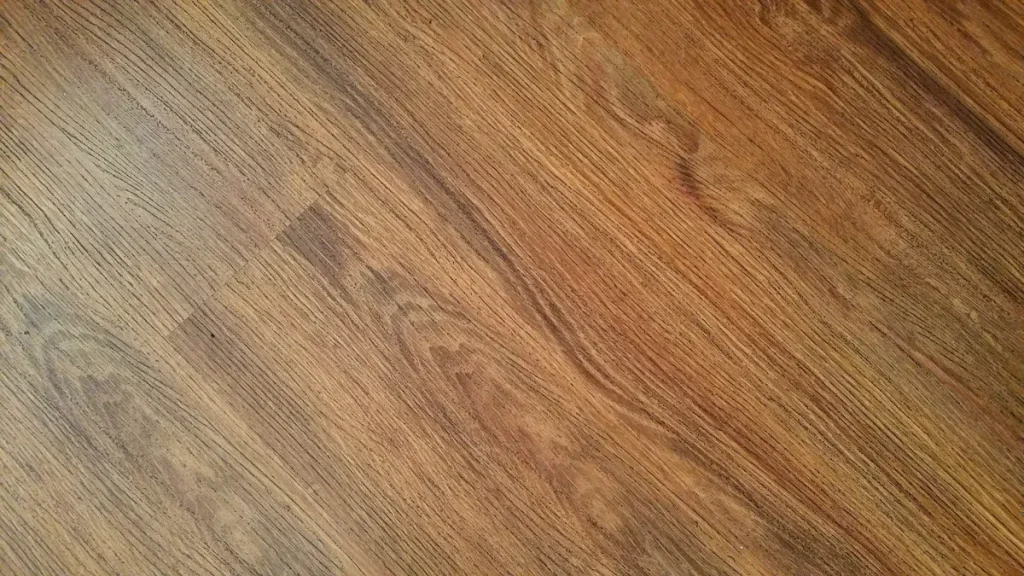
When it comes to style variety, both SPC flooring and laminate offer impressive options. SPC flooring stands out with its ability to mimic natural materials like wood and stone. Advanced printing technology allows it to replicate traditional oak, contemporary tiles, and other designs, making it suitable for various interior styles. Laminate also provides a wide range of styles. Its decorative layer can imitate materials such as ceramic, wood, and tile, giving you plenty of choices to match your home’s aesthetic.
If you want a flooring option that combines durability with breathtaking aesthetics, SPC flooring is a strong contender. Laminate, however, remains a popular choice for homeowners seeking affordable yet stylish designs.
Realistic Textures
SPC flooring excels in creating realistic textures. Its surface often mimics the feel of natural materials, enhancing the authenticity of your space. Whether you prefer the grainy texture of wood or the smooth finish of stone, SPC delivers a high-quality look and feel. Laminate flooring also offers realistic textures, but its wood composite base may limit its ability to fully replicate the depth of natural materials.
For a more lifelike appearance, SPC flooring provides a slight edge. Its advanced construction ensures that the textures not only look real but also feel authentic underfoot.
Customization Possibilities
Both SPC flooring and laminate give you the freedom to customize your space. SPC flooring comes in various patterns, colors, and plank sizes, allowing you to create a unique look. Its versatility makes it a great choice for modern, rustic, or traditional interiors. Laminate flooring also offers customization options, especially with its wide range of decorative layers. However, its designs are often limited to wood and tile patterns.
If you value flexibility in design, SPC flooring offers more diverse possibilities. Laminate, while slightly more restricted, still provides enough variety to suit most preferences.
Installation
Installation Process
Installing SPC flooring and laminate flooring is straightforward, thanks to their user-friendly designs. SPC flooring typically uses a click-lock system or glue-down method. The click-lock system allows you to snap planks together without adhesives, making it ideal for DIY projects. Laminate flooring also features a floating installation system with click-lock mechanisms. This method lets you install the planks over an underlayment without attaching them to the subfloor.
| Flooring Type | Installation Method | DIY Friendly |
|---|---|---|
| SPC Flooring | Click-lock or glue-down | Yes |
| Laminate Flooring | Floating installation | Yes |
Both options simplify the installation process, but SPC flooring’s rigid core handles uneven subfloors better. This reduces preparation time and ensures a smoother finish.
DIY vs Professional Installation
You can install both SPC and laminate flooring yourself, but the choice between DIY and professional installation depends on your experience and tools. SPC flooring’s rigid core may require more effort when cutting and fitting planks, especially in tight spaces. Laminate flooring is slightly easier to work with, making it a better option for beginners.
If you prefer professional installation, both flooring types benefit from expert handling. Professionals ensure precise cuts and proper alignment, especially for complex layouts. However, if you enjoy DIY projects, both SPC and laminate flooring offer manageable systems that save money on labor costs.
Time and Tools Required
Both SPC and laminate flooring are quick to install, but the time required depends on the size of the area and your skill level. For a standard room, you can complete the installation in a day or two. Basic tools needed include a utility knife, measuring tape, spacers, and a soft-faced rubber mallet. Optional tools, such as a saw for cutting planks or a moisture meter, can make the process smoother.
- SPC flooring’s rigid core reduces subfloor preparation time, making it faster to install in uneven spaces.
- Laminate flooring’s floating system simplifies the process, but it may require more attention to underlayment placement.
Both options offer efficient installation methods, allowing you to transform your space with minimal hassle.
Maintenance
Cleaning and Upkeep
SPC flooring offers a hassle-free cleaning routine. Its waterproof nature allows you to use a damp mop with mild detergent for regular maintenance. You can sweep or vacuum the surface to remove dirt and debris. Avoid harsh chemicals or abrasive scrubbers to protect the wear layer. Felt pads under furniture help prevent scratches, and cleaning spills promptly ensures the floor stays in top condition.
Laminate flooring requires a bit more care. While it handles light moisture, excessive water can damage its core. Use a dry or slightly damp microfiber mop for cleaning. Sweeping or vacuuming with a soft-bristled attachment keeps the surface free of dirt. Avoid soaking the floor or using steam cleaners, as these can cause warping over time.
Tips for Both Flooring Types:
- Place doormats at entrances to reduce dirt and moisture.
- Avoid dragging heavy furniture across the floor.
- Clean up spills immediately to prevent stains or damage.
Repair and Replacement Needs
SPC flooring stands out for its resilience. Its rigid core and durable wear layer make it resistant to dents and scratches. If damage occurs, you can replace individual planks without disturbing the rest of the floor. This feature makes SPC a practical choice for long-term use.
Laminate flooring, while durable, may show wear in high-traffic areas over time. Scratches or chips can be challenging to repair. In most cases, replacing damaged planks is the best solution. However, matching the color and pattern of older laminate can sometimes be difficult.
Longevity of Each Option
SPC flooring offers exceptional longevity. With proper care, it can last over 20 years, and in some cases, even exceed 30 years. Its durability makes it a wise investment for both homes and businesses. Laminate flooring, on average, lasts between 10 to 15 years. Its lifespan depends on the quality of the material and how well you maintain it.
If you prioritize long-term reliability, SPC flooring outperforms laminate. Its ability to withstand wear, moisture, and heavy use ensures it remains a durable and attractive option for decades.
Suitability for Different Environments
Kitchens and Bathrooms
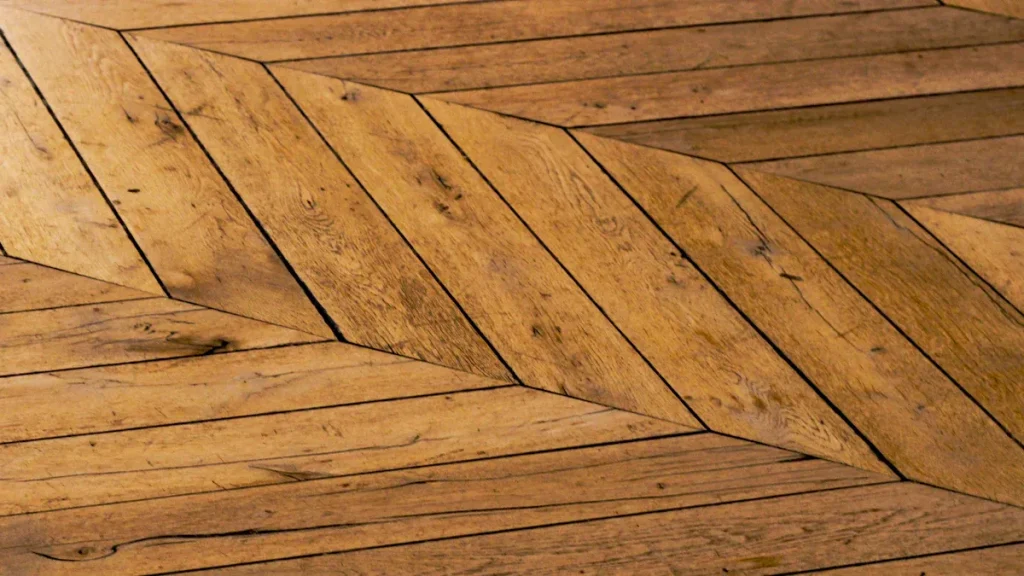
When choosing flooring for kitchens and bathrooms, moisture resistance becomes a critical factor. SPC flooring stands out as the ideal choice for these areas due to its waterproof nature. It does not warp, swell, or buckle when exposed to water, ensuring long-lasting performance.
- SPC flooring is perfect for high-moisture environments like bathrooms, kitchens, and basements.
- Its waterproof design maintains its integrity even with prolonged exposure to spills or humidity.
- Unlike laminate, SPC flooring resists water damage, making it a more reliable option.
Laminate flooring, while offering some water-resistant options, remains vulnerable to moisture. Prolonged exposure can cause swelling or warping, which limits its suitability for these spaces. If you prioritize durability and moisture resistance, SPC flooring is the clear winner for kitchens and bathrooms.
Living Areas
In living areas, both SPC and laminate flooring offer practical benefits. SPC flooring excels in durability, thanks to its stone composite core. It resists scratches, stains, and wear, making it ideal for families with pets or children. Regular sweeping and occasional mopping keep it looking new for years.
- SPC flooring’s wear layer protects against stains and scratches, ensuring minimal maintenance.
- It lasts over 20 years with proper care, making it a long-term investment.
Laminate flooring provides a budget-friendly alternative for living areas. Its decorative layer offers a wide range of styles, but it lacks the same level of moisture resistance as SPC. While it performs well in dry spaces, it may require more frequent repairs in high-traffic households.
High-Traffic and Commercial Spaces
For high-traffic and commercial spaces, SPC flooring proves to be the superior choice. Its exceptional durability and waterproof characteristics make it suitable for businesses that experience heavy foot traffic and potential spills. The rigid core and wear layer ensure it withstands daily wear without losing its appearance.
Laminate flooring, while affordable, does not match SPC’s durability in these environments. It requires additional waterproofing in moisture-prone areas, which increases maintenance efforts. If you need a cost-effective yet robust solution for high-traffic spaces, SPC flooring offers unmatched performance and longevity.
Pros and Cons Summary
Advantages and Disadvantages of SPC Flooring
SPC flooring offers several benefits that make it a popular choice for many homeowners. Its 100% waterproof design ensures it performs well in areas prone to moisture, such as kitchens and bathrooms. The rigid core provides excellent stability, minimizing expansion and contraction due to temperature changes. Additionally, SPC flooring resists dents and scratches, making it a durable option for high-traffic spaces.
| Feature | SPC Flooring | WPC Flooring |
|---|---|---|
| Moisture Resistance | 100% waterproof | Waterproof but less effective |
| Stability | Minimal expansion and contraction | More flexible but less stable |
| Cost-effectiveness | Generally more affordable than WPC | Typically more expensive |
| Durability | Highly resistant to dents and scratches | Less durable than SPC |
| Comfort underfoot | Less comfortable for long periods | More comfortable underfoot |
| Flexibility | Less flexible due to rigid core | More flexible, easier to install |
However, SPC flooring has its drawbacks. Its rigid core, while durable, can feel less comfortable underfoot during extended periods. This flooring type may also require professional installation in larger or more complex spaces to ensure a precise fit. Regular maintenance, such as cleaning and using protective pads, is essential to preserve its appearance and durability.
Advantages and Disadvantages of Laminate
Laminate flooring stands out for its affordability and wide range of design options. It mimics natural materials like wood and stone, offering a stylish look at a fraction of the cost. The click-lock installation system makes it a great choice for DIY enthusiasts, allowing you to save on labor costs. Laminate flooring also resists scratches and stains, making it suitable for homes with pets or children.
Despite its benefits, laminate flooring has limitations. It is not fully waterproof, which makes it less suitable for areas with high moisture levels. Prolonged exposure to water can cause swelling or warping. Additionally, while it resists scratches, it may show wear in high-traffic areas over time. Replacing damaged planks can be challenging, especially if the original design is no longer available.
Tip: If you prioritize affordability and style variety, laminate flooring is an excellent choice. However, for long-term durability and moisture resistance, SPC flooring may better suit your needs.
SPC flooring and laminate differ in durability, water resistance, cost, and design options. SPC flooring excels in moisture-prone areas like kitchens and bathrooms due to its waterproof nature. Laminate offers affordability and style variety, making it ideal for living spaces.
Recommendation: Choose SPC flooring for long-term durability and high-traffic areas. Opt for laminate if you prioritize budget-friendly designs.
Evaluate your environment and lifestyle needs. Consider factors like moisture exposure, foot traffic, and budget to select the flooring that fits your home best.
FAQ
What is the main difference between SPC flooring and laminate?
SPC flooring is 100% waterproof and highly durable, making it ideal for moisture-prone areas. Laminate, while affordable and stylish, is only water-resistant and better suited for dry spaces. Your choice depends on your environment and needs.
Can you install SPC or laminate flooring yourself?
Yes, both flooring types feature user-friendly click-lock systems, making them suitable for DIY installation. However, SPC’s rigid core may require more effort when cutting, while laminate is slightly easier for beginners.
Which flooring is better for homes with pets?
SPC flooring is better for homes with pets. Its scratch-resistant surface and waterproof design handle pet accidents and heavy wear. Laminate also resists scratches but may not withstand moisture as effectively.
How long does each flooring type last?
SPC flooring can last over 20 years with proper care, while laminate typically lasts 10 to 15 years. SPC’s durability and water resistance make it a longer-lasting option for high-traffic areas.
Is SPC flooring more expensive than laminate?
SPC flooring usually costs more upfront due to its advanced construction and durability. Laminate is a budget-friendly option, but SPC offers better long-term value by reducing repair and replacement costs.




