
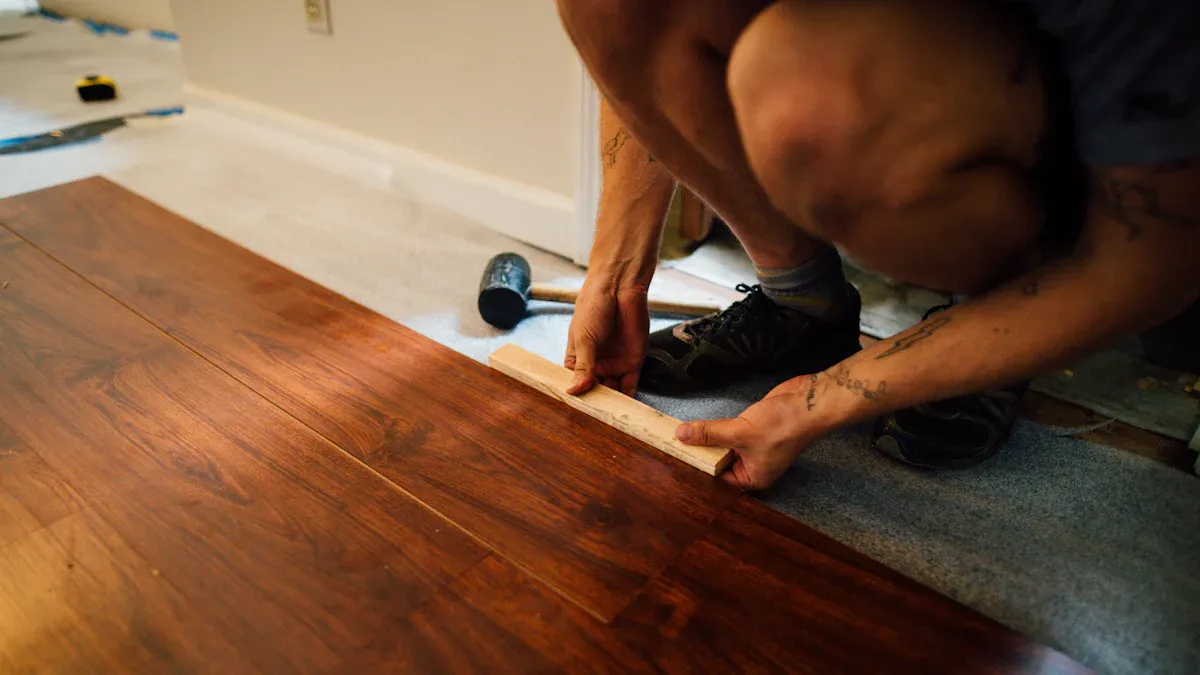
You are making a popular choice with vinyl plank flooring. Soon, over 70% of renovations will feature luxury vinyl plank. When selecting patterned vinyl plank flooring, two numbers guide your decision. The wear layer thickness (in mils) provides durability, while the core thickness (in mm) ensures stability.
Understanding the difference between these two measurements is the secret to choosing the right thickness. This knowledge helps you find the best vinyl flooring for your budget without overpaying for its beautiful patterns.
The Wear Layer: Your Shield Against Scratches and Scuffs
The wear layer is the top surface of your vinyl plank flooring. It acts as a clear, tough shield that protects the beautiful pattern from daily life. This layer’s job is to resist scratches, scuffs, and stains, which directly impacts the long-term durability of your flooring.
What is a Wear Layer and Why is it Measured in Mils?
You will see the wear layer thickness measured in mils. A mil is not a millimeter (mm). It is a unit of measurement equal to one-thousandth of an inch (0.001 inches). The flooring industry uses mils to measure this very thin but crucial protective layer. To give you a clear idea, a 20 mil wear layer thickness is about 0.5 mm, or half a millimeter. Understanding this difference helps you compare the performance of various vinyl products accurately.
Choosing the Right Wear Layer Thickness for Your Traffic
The right wear layer thickness for your home depends on your foot traffic. For most residential spaces, you will find options ranging from 6 mil to 28 mil.
Pro Tip: A 12 mil wear layer thickness is an excellent choice for many homes. It offers a great balance between durability and cost, making it suitable for rooms with moderate traffic.
This thickness provides solid protection for everyday living without making you overpay for features you may not need.
Is a 20+ Mil Wear Layer Always Necessary?
A thicker wear layer means more protection, but it also means a higher price. A 20 mil wear layer thickness provides superior resistance to wear and tear, but it is not always necessary for every room. You should consider a thicker wear layer of 20 mils or more for certain situations:
- High-traffic areas like entryways, hallways, and kitchens.
- Households with active children or pets.
- When you want commercial-grade durability for your vinyl flooring.
For most homes, a 12 mil wear layer thickness offers fantastic performance and value. You can save money by choosing a thicker wear layer only for the busiest parts of your house.
The Core: Why Vinyl Plank Flooring Thickness Matters for Stability
While the wear layer protects the surface, the core gives your vinyl plank flooring its strength. The core is the thick, solid center of each plank. It provides stability and prevents the flooring from bending or warping. A strong core is essential for a successful and long-lasting installation.
Understanding Core Thickness (mm) vs. Total Thickness
You will see two thickness measurements for luxury vinyl plank flooring: total thickness and core thickness. The total thickness includes every layer, but the core thickness is the number you should focus on for stability. This core is often an SPC (Stone Plastic Composite) layer. SPC is a dense and rigid material, making it an excellent foundation for your flooring.
A quality SPC core typically contains:
- Virgin PVC
- Over 65% stone content for maximum durability
This composition makes the vinyl plank flooring incredibly stable and waterproof, which is key for a worry-free installation.
How a Thicker Core Hides Subfloor Imperfections
A thicker core offers a major advantage during installation. It helps hide minor imperfections in your subfloor, like small bumps or dips. A rigid, thick vinyl plank will bridge these small gaps instead of conforming to them. This creates a smoother, more professional-looking finish.
Thicker vinyl planks also improve your home’s acoustics. The added mass of a thicker core helps dampen sound, reducing the noise of footsteps. This creates a quieter and more peaceful environment, especially in busy households. A good installation with the right thickness makes all the difference.
Why skspcflooring Focuses on 4mm to 6mm SPC Cores
At skspcflooring, we choose SPC cores for their superior durability. The high density of an SPC core makes it more resistant to dents and impacts than other vinyl types. We focus on a vinyl plank flooring thickness between 4mm and 6mm because this range provides the best balance of performance and value for most homes.
This specific thickness is ideal for residential use. It offers excellent stability for a straightforward installation and ensures your beautiful patterned luxury vinyl plank will last for years. This range provides the quality you need for everyday life without forcing you to pay for an overly thick commercial-grade flooring. Choosing the right thickness for your vinyl flooring installation is a smart investment.
A Practical Guide to Choosing the Right Thickness
Now that you understand the wear layer and the core, you can apply this knowledge to your home. Choosing the right thickness for your vinyl flooring depends on the room’s function. Let’s break down the ideal thickness for different traffic levels to help you make a smart investment.
For Low-Traffic Rooms: Bedrooms and Home Offices
Bedrooms and home offices typically have low foot traffic. You can save money in these spaces without sacrificing quality.
For a bedroom, a 6 to 12 mil wear layer offers plenty of protection. A core thickness of 4mm is usually sufficient. This combination provides durability for everyday use and keeps costs down. Luxury Vinyl Plank (LVP) is a popular choice for bedrooms because it is durable, waterproof, and comes in many styles.
Note: A home office with rolling chairs needs special attention. The constant movement of chair wheels creates heavy wear. For this setup, you should consider a thicker vinyl. A wear layer of 0.7mm (about 28 mils) and a core thickness between 6-8mm will give your flooring the best protection.
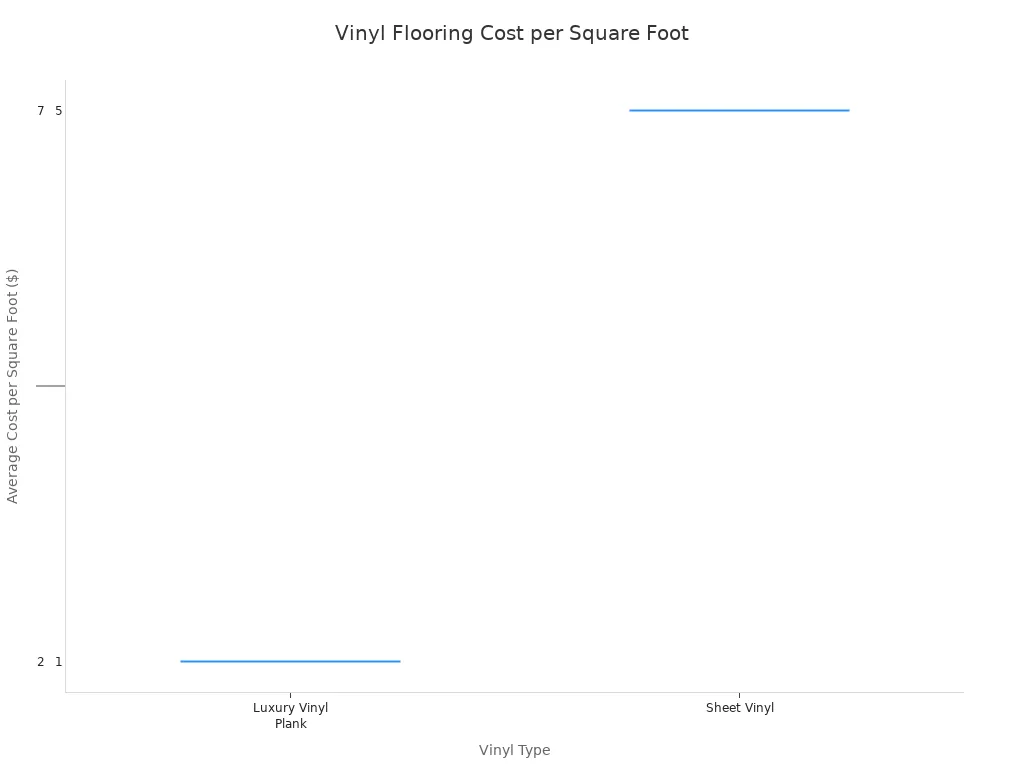
Here is a look at the average material costs for different types of vinyl flooring:
| Vinyl Type | Average Cost per Square Foot (Materials Only) |
|---|---|
| Luxury Vinyl Plank | $2 – $7 |
| Sheet Vinyl | $1 – $5 |
| Vinyl Tile | $2 – $6 |
For Medium-Traffic Zones: Living Rooms and Kitchens
Living rooms and kitchens see more action. These areas need a tougher vinyl plank flooring to handle daily activities, spills, and frequent cleaning.
For these medium-traffic zones, a 12 mil wear layer is a great starting point. It balances cost and durability perfectly. A core with a 4mm to 6mm thickness provides the stability needed for a successful installation. This thickness helps the luxury vinyl plank flooring bridge minor subfloor imperfections, ensuring a smooth finish. A quality installation in these rooms is key to long-term performance.
This combination ensures your patterned vinyl plank flooring looks beautiful for years. It stands up to family gatherings, cooking messes, and daily life. A proper installation of this flooring will prevent planks from shifting or bending over time.
For High-Traffic Areas: Hallways, Entryways, and Commercial Spaces
Hallways and entryways are the busiest pathways in your home. They face constant foot traffic, dirt, and moisture from outside. For these high-traffic areas, you need the most durable vinyl flooring you can get.
- Wear Layer: Choose a wear layer of 20 mils or more. This commercial-grade thickness provides maximum protection against scratches and scuffs.
- Core Thickness: The ideal thickness for the core is 5mm to 6mm. This robust core adds stability and impact resistance, which is crucial for a lasting installation.
For commercial spaces like retail stores or cafes, the requirements are even higher. A 20 mil wear layer is the absolute minimum for luxury vinyl plank. However, a 22 mil to 40 mil wear layer is preferred to handle intense foot traffic and qualify for a commercial warranty. A strong core and professional installation are essential for the flooring to perform well in these demanding environments.
Putting It Together: Your Smart Purchase Checklist
You now have the tools to choose the right vinyl flooring. This final checklist will help you combine your knowledge of wear layers and cores to find the best value for your budget.
The Best Vinyl Plank Flooring Thickness for Most Homes
For most homes, you can find a perfect balance of performance and durability without choosing the thickest option available. The ideal vinyl plank flooring thickness for new construction and renovations often falls within a specific range. This combination provides excellent stability and long-term wear.
Consider these popular specifications for residential luxury vinyl plank:
- Wear Layer: 12 mil to 20 mil
- Core Thickness: 5mm to 6mm
This thickness range gives you a high-quality floor that handles daily life beautifully. It is a smart choice for lasting value.
How skspcflooring Balances Cost and Durability
At skspcflooring, we help you get the most for your money. We focus on vinyl plank flooring with a core thickness of 4mm to 6mm. This specific range delivers exceptional quality and strength for residential use. You get a durable vinyl floor without the high cost of commercial-grade products. Our approach ensures you invest in a beautiful, long-lasting floor that fits your budget. We believe great flooring should be accessible.
Final Check: Wear Layer (mils) + Core Thickness (mm) = Best Value
Before you buy, do one final check. Remember the simple formula for getting the best value from your patterned vinyl plank flooring.
Your Value Formula: The right wear layer thickness for your traffic + The right core thickness for your subfloor = A smart purchase.
Ask your flooring supplier a few key questions to confirm the quality of the luxury vinyl plank. This ensures you are making a confident decision.
- What is the warranty for this vinyl flooring?
- How should I care for and maintain this flooring?
- What is the stain resistance of this vinyl?
Answering these questions will give you peace of mind. You will know you have chosen a great product.
You can get the best value from your patterned vinyl plank flooring. Match the wear layer to your traffic and the core thickness to your subfloor. This simple step ensures you choose the right vinyl plank flooring for your home.
Focus on two numbers for a smart purchase: the wear layer in mils and the core thickness in mm.
Choosing the right vinyl ensures long-lasting durability. This smart investment in durable patterned vinyl plank flooring can yield a return of 70% to 100%. You get a beautiful flooring that lasts for years without breaking the bank.
FAQ
What is the difference between mils and mm in vinyl flooring?
Mils measure the thin, protective wear layer that resists scratches. Millimeters (mm) measure the thick, rigid core that provides stability. You need to check both numbers to understand the flooring’s true quality and durability. A higher number for each means a stronger floor.
Is thicker vinyl flooring always better?
Not necessarily. You should match the thickness to your foot traffic to get the best value. A 12 mil wear layer with a 4mm to 6mm core provides excellent performance for most homes. You only need thicker, commercial-grade options for very busy areas.
Can I install vinyl plank flooring over my existing floor?
Yes, you can often install vinyl plank over existing hard surfaces like tile or old vinyl. A thicker core (5mm or more) is better for this. It helps hide minor imperfections in the old floor, giving you a smoother result without extra prep work.
How do I clean and maintain patterned vinyl flooring?
You can clean your patterned vinyl floor easily. First, sweep or vacuum up loose dirt. Then, use a damp mop with a pH-neutral cleaner for a deeper clean.
Pro Tip: You should avoid harsh chemicals or abrasive scrubbers. These can damage the wear layer and dull the pattern over time.




