
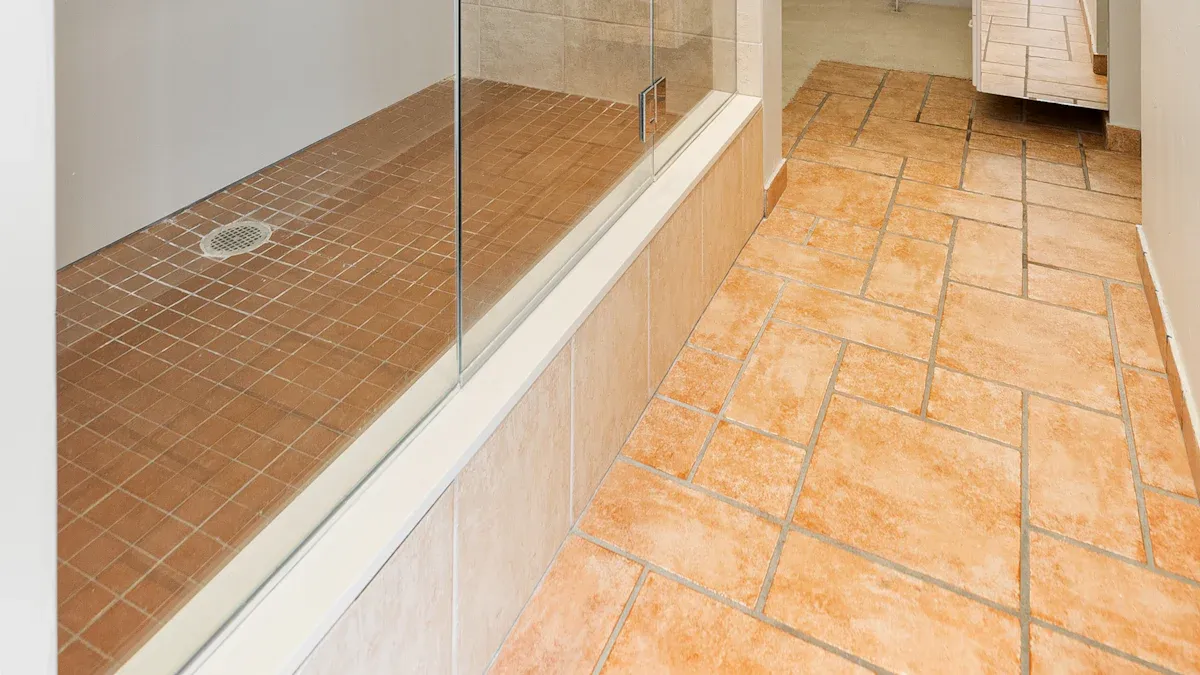
You may wonder if vinyl flooring is a smart choice for your bathroom. Many homeowners say vinyl flooring stands out because it is 100% waterproof, easy to install, and comfortable underfoot. It offers styles that look like wood or stone. Some people notice that vinyl flooring in bathroom pros and cons include durability and low maintenance, but also mention it can feel less luxurious and may fade over time. You need a smooth subfloor for best results.
Vinyl Flooring in Bathroom Pros and Cons
Waterproof Benefits for Bathrooms
You want your bathroom floor to handle water spills and humidity. Vinyl flooring in bathroom pros and cons often start with waterproof features. Vinyl plank flooring uses an advanced polymer core that blocks water from reaching the subfloor. This makes waterproof vinyl plank flooring a top choice for bathrooms. You do not need extra moisture barriers during installation. Vinyl sheet flooring also covers the entire floor, creating a seamless, waterproof surface.
- Vinyl flooring in bathroom pros and cons include its ability to stay strong when exposed to standing water. You get more time to clean up spills without worrying about damage.
- Vinyl plank flooring maintains its structure longer than laminate in wet conditions.
- Waterproof vinyl plank flooring is superior to laminate because it does not require expansion gaps or special moisture barriers.
- Vinyl flooring is completely waterproof, so you avoid water damage even in high-humidity bathrooms.
- Vinyl sheet flooring is easy to clean and prevents water from seeping through seams.
You can trust vinyl plank flooring and vinyl sheet flooring to protect your bathroom from water damage. These options are water-resistant and keep your bathroom safe from mold and mildew.
Comfort and Style Options
You want your bathroom to feel comfortable and look stylish. Vinyl flooring in bathroom pros and cons highlight how vinyl plank flooring feels warm underfoot. Unlike tile or stone, vinyl plank flooring does not get cold. You can walk barefoot in your bathroom without discomfort. Vinyl sheet flooring also adds softness and warmth.
Vinyl plank flooring is water-resistant and does not warp, stain, or buckle. You get a durable surface that stays comfortable even with daily use. Vinyl flooring in bathroom pros and cons show that vinyl is less prone to chipping and cracking compared to ceramic tile. You enjoy a smooth, safe surface in your bathroom.
You have many style choices with vinyl flooring. The table below shows popular options for bathrooms:
| Style/Type | Description |
|---|---|
| Marble Look | Offers a luxurious appearance resembling marble. |
| Wood Look | Imitates the warmth of wood, available in various wood species. |
| Stone Look | Provides a natural stone appearance without the maintenance. |
| Patterned | Features unique designs and patterns for a modern touch. |
| Textured Designs | Adds depth and realism, mimicking natural materials. |
| Sheet Vinyl | Rolls out to cover the entire floor, waterproof and easy to clean. |
| Vinyl Plank | Waterproof planks that resemble wood, available in various textures. |
| Vinyl Tile | Offers a realistic look of stone or wood, groutable for authenticity. |
| VCT Tile | Durable tiles often used in commercial settings, available in solid colors. |
You can match your bathroom style with vinyl plank flooring or vinyl sheet flooring. These options let you create a modern, classic, or natural look.
Affordability and Value
You want a bathroom floor that fits your budget. Vinyl flooring in bathroom pros and cons show that vinyl plank flooring and vinyl sheet flooring are affordable. You pay less for vinyl than for tile or stone. Vinyl flooring in bathroom pros and cons also highlight easy installation, which saves you money on labor.
The table below compares the cost per square foot for popular bathroom flooring types:
| Flooring Type | Cost per Square Foot |
|---|---|
| Vinyl | $1.00 – $5.00 |
| Tile | $2.00 – $20.00 |
| Laminate | $2.00 – $4.50 |
Vinyl plank flooring and vinyl sheet flooring offer great value. You spend less on materials and installation. Vinyl flooring in bathroom pros and cons include its durability and low maintenance. You do not need to replace it often, which saves money over time.
Vinyl flooring adds value to your home. Buyers like waterproof vinyl plank flooring because it lasts 15–25 years. You make your bathroom feel move-in ready. Vinyl plank flooring and vinyl sheet flooring are water-resistant and durable. These features increase your home’s appeal and resale value.
Tip: Choose waterproof vinyl plank flooring or vinyl sheet flooring for your bathroom if you want a stylish, comfortable, and affordable floor that lasts.
Easy Installation and Maintenance
You can install vinyl sheet flooring in your bathroom with ease. The material comes in large rolls or planks. You cut the pieces to fit your space. You do not need special tools or skills. Many homeowners choose to install vinyl sheet flooring themselves. You save money on labor costs.
Vinyl sheet flooring works well in bathrooms because it covers the entire floor. You do not see seams or gaps. Water cannot seep through. You get a smooth surface that protects your bathroom from moisture. You can use adhesive or click-lock systems. Both methods make installation simple.
Cleaning vinyl sheet flooring in your bathroom takes little effort. You sweep or vacuum to remove dust. You mop with water and mild soap. You do not need harsh chemicals. You avoid scrubbing grout lines, which tile floors require. Vinyl sheet flooring stays clean with basic care.
The table below shows how vinyl sheet flooring compares to tile in bathroom maintenance:
| Flooring Type | Maintenance Ease | Key Points |
|---|---|---|
| Vinyl | Easier | No grout lines, less scrubbing required. Simple cleaning with sweeping and mopping. |
| Tile | Moderate | Grout maintenance is a concern, can stain and requires sealing. Regular sweeping and mopping needed for the tile itself. |
You enjoy low maintenance with vinyl sheet flooring. You spend less time cleaning your bathroom. You keep your bathroom looking fresh and new. Vinyl sheet flooring resists stains and water damage. You do not worry about mold or mildew. You get a reliable floor that lasts.
Tip: Choose vinyl sheet flooring for your bathroom if you want easy installation and low maintenance. You save time and effort every day.
Potential Drawbacks to Consider
You need to weigh the pros and cons before choosing vinyl sheet flooring for your bathroom. Some people feel vinyl sheet flooring does not offer the same luxury as stone or tile. You may notice that vinyl sheet flooring can fade if exposed to strong sunlight. You must prepare your bathroom subfloor carefully. Uneven surfaces can affect the look and feel of vinyl sheet flooring.
You may want to avoid sharp objects or heavy furniture in your bathroom. Vinyl sheet flooring can dent or scratch if you drag items across it. You can prevent damage by using rugs or pads under furniture. You keep your bathroom safe and attractive.
You should know that vinyl sheet flooring comes in many styles. You can find options that match your bathroom decor. You get a comfortable and water-resistant floor. You enjoy easy cleaning and low maintenance. You make your bathroom a practical and stylish space.
Note: Always check the quality and thickness of vinyl sheet flooring before installing it in your bathroom. Thicker options provide more comfort and durability.
Waterproof Vinyl Plank Flooring for Bathrooms
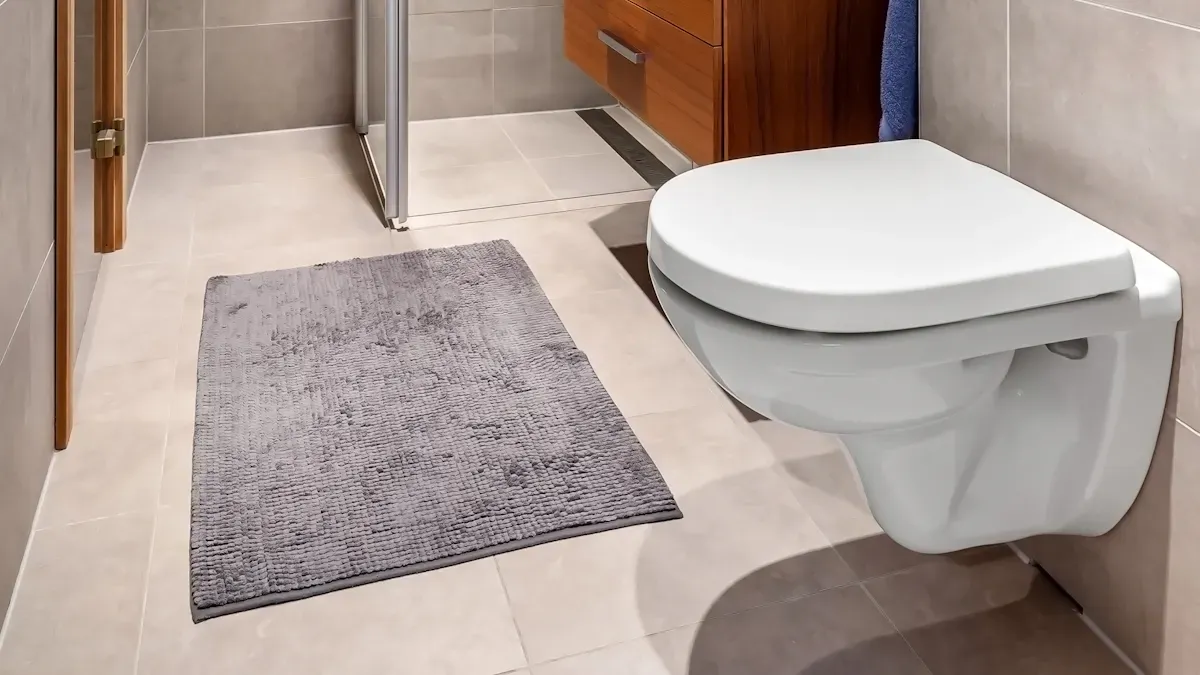
Why Waterproof Matters in Bathroom Flooring
You use your bathroom every day. Water often splashes on the floor when you shower or wash your hands. Moisture can build up quickly. If your floor is not waterproof, water can seep into the material. This can cause damage, mold, or even bad smells. You want a floor that keeps water out and stays strong.
Waterproof vinyl plank flooring gives you peace of mind. You do not have to worry about spills or puddles. The waterproof layer blocks water from reaching the subfloor. This helps your bathroom stay clean and safe. You can use waterproof vinyl plank flooring in guest bathrooms, master bathrooms, or even powder rooms.
Tip: Choose waterproof vinyl plank flooring if you want a floor that stands up to daily water use in your bathroom.
How Waterproof Vinyl Plank Flooring Performs
You will notice the difference when you install waterproof vinyl plank flooring in your bathroom. The planks lock together tightly. Water cannot slip between the seams. The waterproof core keeps the floor dry, even if you leave water on the surface for a while.
Waterproof vinyl plank flooring also resists stains and scratches. You can clean it with a mop or cloth. You do not need special cleaners. The water-resistant nature of this flooring means you spend less time worrying about damage. You get a floor that looks good and lasts for years.
Here are some benefits you enjoy with waterproof vinyl plank flooring in your bathroom:
- Easy cleaning and low maintenance
- No swelling or warping from water
- Safe surface for kids and pets
- Many styles to match your bathroom design
You can trust waterproof vinyl plank flooring to protect your bathroom. It gives you a strong, stylish, and water-resistant floor that fits your busy life.
Durability and Longevity of Vinyl Plank Flooring
Handling Moisture and Humidity
You want your bathroom floor to stand up to daily splashes, steam, and spills. Vinyl plank flooring gives you strong protection against water. The waterproof core keeps water from soaking in, so the planks do not swell or lose their shape. Each layer in the flooring acts as a barrier, making it a great choice for damp spaces like bathrooms. When you install the planks tightly, you create a water-resistant shield that protects the subfloor. The surface is also resistant to scratches, stains, and spills, so your bathroom floor stays looking new for years.
Here are some reasons why vinyl plank flooring handles moisture and humidity so well:
- Waterproof core prevents water absorption and keeps the planks stable.
- Durable surface protects against scratches, stains, and spills.
- Tight installation creates a water-resistant barrier for the subfloor.
- Multi-layer construction blocks water and boosts durability in humid environments.
Tip: Always wipe up spills quickly to keep your bathroom floor in top shape.
Lifespan in Bathroom Environments
You want your bathroom floor to last. Vinyl plank flooring offers a good balance of durability and value. In a bathroom, you can expect it to last between 10 and 20 years with proper care. This makes it a smart choice for busy homes. Compared to laminate, vinyl plank flooring lasts longer in wet spaces because it is fully waterproof. While tile flooring can last much longer, vinyl plank flooring gives you comfort and easy maintenance.
Here is a table showing the average lifespan of popular bathroom flooring types:
| Flooring Type | Average Lifespan (Years) |
|---|---|
| Vinyl Plank Flooring | 10-20 |
| Laminate Flooring | 10-15 |
| Tile Flooring | 75-100 |
To help your vinyl plank flooring last as long as possible in your bathroom, follow these simple maintenance tips:
- Sweep or vacuum often to keep dirt away.
- Dry mop for a quick shine.
- Wipe spills right away to avoid buildup.
- Mop with clean water and use approved cleaners.
- Avoid standing water and protect the floor from direct sunlight.
- Use doormats and furniture pads to prevent scratches.
- Place rugs in busy spots for extra comfort.
With these steps, your waterproof and durable bathroom floor will serve you well for many years.
Maintenance and Cleaning Tips for Bathroom Vinyl Flooring
Daily Care and Upkeep
You want your bathroom floor to look great every day. Vinyl flooring is easy to clean and easy to maintain, which makes it perfect for busy homes. You can keep your waterproof bathroom floor in top shape with a few simple steps.
- Sweep or vacuum regularly. Use a soft broom or a vacuum made for hard surfaces to pick up dirt and grit.
- Dry mop for a quick refresh. A microfiber mop helps you collect fine dust and hair.
- Wipe spills promptly. If you see water or soap on the floor, blot it with a clean cloth. Use a cleaner approved by the manufacturer for best results.
- Mop occasionally. Rinse your mop often so you do not spread grime around the bathroom.
These habits help you enjoy easy maintenance and keep your waterproof vinyl flooring looking new. You do not need harsh chemicals or special tools. Your bathroom stays fresh and bright with little effort.
Tip: For more ideas, check out tips for styling your vinyl bathroom flooring to match your space and keep it inviting.
Preventing Mold and Mildew
Bathrooms often stay damp, so you need to protect your waterproof vinyl flooring from mold and mildew. Good habits keep your floor safe and healthy.
- Use exhaust fans or open windows to let steam out after showers.
- Run a dehumidifier if your bathroom feels humid. Try to keep humidity between 30% and 50%.
- Clean the floor with a damp mop and a pH-neutral cleaner every week.
- Fix leaks right away. Check for water under sinks or around the toilet.
- Sweep with a soft broom and mop with a vinegar solution to stop mold from growing.
These steps make your bathroom easy to clean and help you enjoy easy maintenance. Your waterproof vinyl flooring will stay beautiful and safe for years.
Installation Guide for Bathroom Vinyl Flooring by skspcflooring
DIY vs. Professional Installation
You can choose to install vinyl flooring in your bathroom yourself or hire a professional. DIY installation often saves money, with costs ranging from $1.00 to $5.00 per square foot. You need to buy tools and materials, which can add up to $800. Remember to include underlayment and molding in your budget. DIY gives you flexibility and the satisfaction of completing your bathroom project. You must follow instructions carefully to avoid mistakes. Improper installation can cause damage or void warranties.
Hiring a professional ensures a seamless finish in your bathroom. Professionals handle old flooring removal and subfloor preparation. Labor rates and extra expenses may increase your overall budget. You get peace of mind knowing your bathroom floor will last longer and look better. If you want a flawless result, consider professional installation.
Tip: If you have experience with home improvement, DIY can be rewarding. If you want guaranteed results, professional installation is a smart choice.
Preparing the Bathroom Subfloor
You must prepare your bathroom subfloor before installing vinyl flooring. A clean, dry, and level surface helps your floor last longer. Follow these steps for concrete subfloors:
- Test the moisture content.
- Clean the subfloor thoroughly.
- Check if the subfloor is level.
- Fill low spots with patching compound.
- Use a belt sander to reduce high spots.
- Start your vinyl flooring installation when the subfloor is ready.
For wood subfloors, use this method:
- Cover the area with 1/4-inch plywood.
- Place plywood pieces so joints do not line up with the wood subfloor joints.
- Secure plywood with 1-inch decking screws.
- Fill areas over screw heads with floor patching compound.
- Clean the floor thoroughly.
- Begin installation when the area is clean, dry, and level.
A well-prepared bathroom subfloor prevents problems and helps your vinyl flooring stay beautiful for years.
Note: Always check your bathroom subfloor for moisture and uneven spots before starting installation.
Vinyl Flooring vs. Other Bathroom Flooring Options
Vinyl vs. Tile in Bathrooms
When comparing vinyl flooring to tile in bathrooms, you find notable differences in durability, maintenance, and cost. Tile often lasts over 50 years and withstands heavy foot traffic, making it highly durable. However, tile installation costs are higher, typically ranging from $6 to $15 per square foot, and the process can be labor-intensive. Tile also requires regular grout cleaning to prevent staining, which adds to maintenance efforts. In contrast, vinyl flooring, especially vinyl sheet flooring, costs less—about $1 to $5 per square foot—and is easier to install, often as a DIY project. Its lifespan ranges from 10 to 30 years, which is shorter than tile but sufficient for many homeowners. Vinyl is completely waterproof, making it an excellent choice for bathrooms where water exposure is constant. It requires minimal upkeep, just regular sweeping and mopping, with no grout lines to worry about.
In terms of how vinyl compares to other bathroom flooring options, vinyl offers a budget-friendly, water-resistant solution that simplifies maintenance. Tile remains a premium option for longevity and classic appeal, but vinyl provides a practical alternative for those seeking ease of installation and low maintenance.
Vinyl vs. Laminate Flooring
Choosing between vinyl and laminate flooring in bathrooms involves understanding their advantages and disadvantages. Vinyl flooring excels in high-moisture environments because it is waterproof and highly durable. It resists water damage, making it suitable for bathrooms, laundry rooms, and other humid spaces. Conversely, laminate flooring is not recommended for bathrooms because liquid oversaturation can cause it to swell and warp. Laminate’s core material is sensitive to moisture, which limits its use in high-humidity areas.
Vinyl flooring also offers a wider variety of styles, including options that mimic wood, stone, or tile. Its installation process is straightforward, and maintenance involves simple sweeping and mopping. Laminate, while easy to install in dry areas, requires more careful cleaning to prevent damage.
In the context of how vinyl compares to other bathroom flooring options, vinyl’s waterproof nature makes it a more practical choice than laminate, which is vulnerable to moisture. This advantage ensures your bathroom remains functional and attractive over time.
Vinyl vs. Natural Stone
Natural stone flooring, such as marble or granite, provides a luxurious look that many homeowners desire. However, vinyl flooring outperforms natural stone in waterproofing and longevity in bathrooms. Vinyl flooring is completely waterproof, making it ideal for spaces with high moisture levels. Natural stone, on the other hand, requires sealing and ongoing maintenance to prevent water damage and stains. Without proper care, natural stone can deteriorate faster in a bathroom environment.
Vinyl also offers a broader range of styles and colors, allowing you to match your bathroom decor easily. Its installation is simpler and less costly compared to natural stone, which often involves complex cutting and sealing processes. While natural stone can last for decades, it demands regular upkeep, whereas vinyl flooring can serve you well for 10 to 20 years with minimal effort.
Factors to Consider Before Choosing Waterproof Vinyl Plank Flooring
Bathroom Usage and Foot Traffic
When planning your bathroom remodel, you should think about how often people use the space and how much traffic it gets. Bathrooms in busy homes or those shared by families see a lot of movement every day. Waterproof vinyl plank flooring stands up well in high-traffic areas. It offers complete waterproof protection, so you do not have to worry about water spills or splashes. The strong wear layer resists scratches and scuffs, keeping your bathroom floor looking new even with heavy use. If your bathroom is used by kids or guests often, this flooring is a smart choice.
- Waterproof vinyl plank flooring is perfect for bathrooms with high moisture.
- The durable surface handles daily foot traffic.
- You get long-lasting performance in busy bathrooms.
Budget and Design Preferences
Your budget plays a big role in your bathroom remodel. Waterproof vinyl plank flooring is a budget-friendly and cost-effective way to upgrade your space. It costs less than tile but still gives you a stylish look. The table below shows how vinyl compares to other materials:
| Material | Cost per sq. ft. |
|---|---|
| Tile | $3–$12 |
| Vinyl | $2–$7 |
You also have many design options. Homeowners love waterproof vinyl plank flooring because it comes in many colors and patterns. You can choose a wood or stone look, or pick a modern design. The table below highlights popular features:
| Design Feature | Description |
|---|---|
| Affordability | High-end look at a lower cost. |
| Water Resistance | Handles moisture well, ideal for bathrooms. |
| Comfort | Softer underfoot, cozy in cold seasons. |
| Design Versatility | Many designs, colors, and patterns. |
| Easy Installation | Click-and-lock or peel-and-stick options. |
| Low Maintenance | Simple sweeping and mopping keep it clean. |
Long-Term Value and Satisfaction
You want your bathroom remodel to last. Waterproof vinyl plank flooring gives you peace of mind for years. To get the best results, make sure your subfloor is clean, dry, and flat before installation. Professional installers seal the edges and gaps, creating a waterproof barrier that protects your bathroom from water damage. Using high-quality underlayment adds extra moisture protection. When you choose waterproof vinyl plank flooring, you invest in a floor that stays beautiful and strong, even in busy bathrooms.
- Control moisture during installation to prevent future problems.
- Sealing perimeters with silicone caulk keeps water out.
- Professional installation methods offer better water resistance.
- Understanding product limits helps you enjoy long-term satisfaction.
Tip: A well-installed waterproof vinyl plank flooring is a smart, budget-friendly choice for any bathroom remodel.
You can see that vinyl flooring offers strong moisture resistance, a waterproof core, and many design options for your bathroom. The table below highlights key features:
| Feature | Description |
|---|---|
| Moisture Resistance | Vinyl flooring is engineered for damp spaces. |
| Waterproof Core | Luxury vinyl plank includes a waterproof core or backing. |
| Cost-Effectiveness | Vinyl is more affordable than tile or hardwood. |
| Durability | High durability means fewer replacements. |
| Design Options | Mimics natural materials with impressive realism. |
When you choose skspcflooring, remember these expert tips:
- Consider the room’s moisture level.
- Select the right wear layer thickness for better water resistance.
You make a smart choice for comfort, style, and value.
FAQ
Can you install vinyl flooring in any bathroom?
You can install vinyl flooring in most bathrooms. Make sure the subfloor is clean, dry, and level. Vinyl flooring works well in guest bathrooms, master bathrooms, and powder rooms.
How do you clean vinyl bathroom flooring?
You sweep or vacuum regularly. Mop with water and mild soap. Avoid harsh chemicals. Vinyl flooring stays clean with simple care.
Is vinyl flooring safe for bathrooms with kids and pets?
Vinyl flooring is safe for bathrooms with kids and pets. The surface resists water, stains, and scratches. You get a slip-resistant floor that is easy to maintain.
Does vinyl flooring need special maintenance in bathrooms?
You do not need special maintenance. Clean spills quickly. Use a damp mop and approved cleaners. Keep the floor dry to prevent mold and mildew.
How long does vinyl flooring last in a bathroom?
Vinyl flooring lasts 10 to 20 years in a bathroom. Proper care and cleaning help extend its lifespan. Choose high-quality vinyl for best results.




