
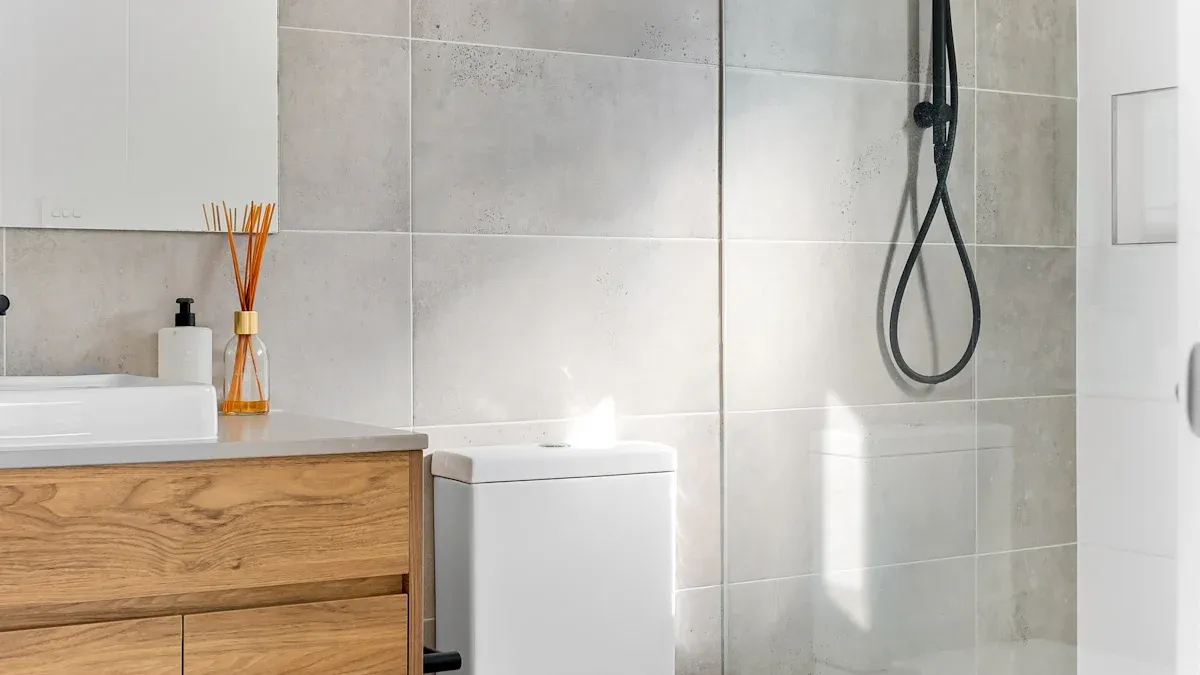
You might wonder if lvt flooring in bathroom areas works well. Yes, it does. LVT stands out because it resists water, lasts for years, and cleans easily. You can choose from many styles to match your taste. Simple installation helps you save time. Many homeowners now pick LVT, leading to a 35% rise in bathroom use over five years.
- Waterproof surface
- Durable finish
- Easy cleaning
- Popular choice
What Is LVT Flooring in Bathroom?
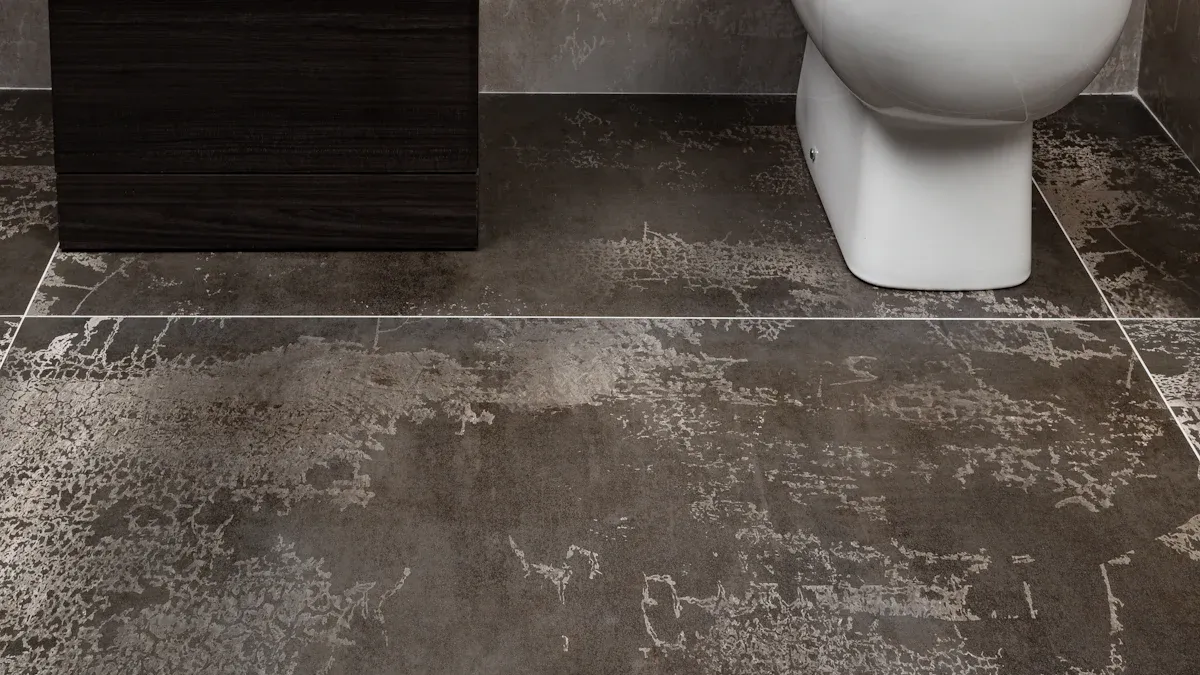
Luxury vinyl tile, or LVT, gives you a modern way to upgrade your bathroom floor. You get a product that looks like stone or ceramic but feels softer under your feet. LVT and lvp both offer strong performance in wet spaces. You can choose from many patterns and colors, so your bathroom matches your style.
Key Features of LVT
When you pick LVT for your bathroom, you enjoy several benefits. LVT and lvp resist water, so you do not worry about spills or splashes. You get a thick, sturdy tile that stands up to daily use. LVT mimics natural materials, so your floor looks high-end without the cost. The protective wear layer keeps your floor safe from scratches and stains. You also find lvp and vinyl plank flooring easy to clean, which saves you time.
Tip: LVT and lvp work well in bathrooms because they handle moisture better than other vinyl flooring types.
How LVT Is Made
Manufacturers build LVT and lvp with several layers. Each layer serves a purpose. The wear layer protects against scratches. The print film gives the tile its realistic look. A clear film adds extra protection. The core, often made from SPC or WPC, gives the tile strength. Some lvp uses an interlocking system for easy installation. Others use a glue-down method, similar to sheet vinyl. Here is a table showing the main layers:
| Layer | Function |
|---|---|
| Wear Layer | Provides scratch and stain resistance. |
| Print Film | Gives the product a realistic appearance resembling hardwood, ceramic tile, or stone. |
| Clear Film Layer | Offers additional protection. |
| Core (SPC/WPC) | Provides structural integrity and durability. |
| Interlocking System | Facilitates easier installation with a click and lock mechanism. |
| Glue-down Option | Available for some lvp, similar to standard sheet vinyl installation. |
Types of LVT and LVP
You find LVT in square or rectangular tiles. LVP, or luxury vinyl plank flooring, comes in planks that look like wood. Both types use advanced printing to mimic stone, ceramic, or porcelain. LVP and LVT work well in bathrooms because they resist water and last for years. You can install lvp with a click-lock system or glue it down. Vinyl plank flooring gives you a realistic wood look, while LVT offers stone or tile designs. Both options let you create a stylish, durable bathroom floor.
Advantages of LVT Flooring in Bathroom Environments
Water Resistance
You want your bathroom floor to stand up to water. LVT flooring in bathroom spaces gives you excellent water resistance. The surface blocks spills and splashes, so you do not worry about damage. Many homeowners choose lvp and vinyl plank flooring because these products keep water out. The waterproof vinyl plank flooring core adds another layer of protection. You can see how lvt and lvp perform in industry tests:
| Test Description | Result |
|---|---|
| Structural integrity after 30 days of water exposure | Less than 0.1% edge swelling |
| Performance of water-resistant core layers | 85% better than standard vinyl when submerged for 72 hours |
| Surface coating water penetration prevention | Up to 96 hours in high-humidity conditions |
| Interlocking systems watertight performance | Remained watertight after one week of simulated flooding |
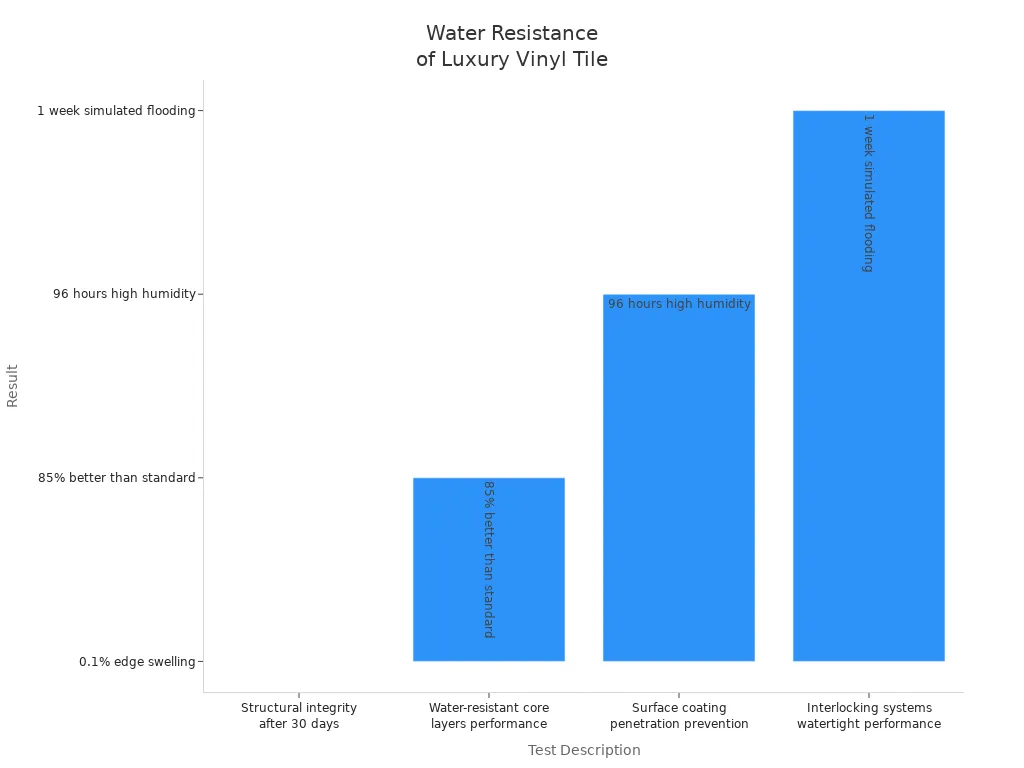
You see that lvp and vinyl plank flooring offer strong protection against water. The interlocking system keeps water from seeping through the seams. This feature makes lvt flooring in bathroom areas a smart choice for families and busy households. You get peace of mind knowing your floor will not swell or warp.
Durability and Longevity
You want a bathroom floor that lasts. Lvp and vinyl plank flooring give you high durability. These floors resist scratches and dents from daily use. You can drop a hairdryer or step with shoes, and the floor stays strong. LVT stands up to water damage better than many other materials. You can compare the lifespan and durability of lvt and other options:
| Flooring Material | Lifespan | Durability Characteristics |
|---|---|---|
| Luxury Vinyl Tile (LVT) | 10 to 25 years | Flexible, resistant to water damage, but can be gouged by sharp objects. |
| Ceramic Tile | 40 years or more | Very durable, water-resistant, but can crack under heavy impact. |
You get a floor that lasts for years. Lvp and vinyl plank flooring handle moisture and heavy foot traffic. You do not need to worry about stains or fading. The protective layer keeps your floor looking new. You enjoy a bathroom that stays beautiful and safe.
Style and Design Options
You want your bathroom to look great. LVT and lvp offer a wide range of styles. You can pick vinyl plank flooring that looks like wood or stone. The print layer gives you realistic patterns and colors. You find lvp in many sizes, so you can create unique designs. The wide range of styles lets you match your bathroom to your taste.
Luxury vinyl tile mimics ceramic or natural stone. You can choose from many colors and patterns. Lvp and vinyl plank flooring help you create a modern or classic look. You get a floor that fits your home and style. Many homeowners pick lvt because it is practical and looks good. The easy maintenance and affordable price add to its appeal.
Tip: You can change the look of your bathroom without spending a lot. Lvp and vinyl plank flooring give you options for every budget and style.
Comfort Underfoot
You want your bathroom floor to feel comfortable when you step out of the shower. Lvp gives you a softer surface compared to ceramic or stone. Vinyl plank flooring has a slight cushion, so your feet do not feel cold or hard. Many homeowners notice that lvp feels warmer in winter. You can walk barefoot without discomfort.
Some lvp products include an attached underlayment. This layer adds extra softness and reduces noise. You get a quiet bathroom with less echo. Waterproof vinyl plank flooring also helps absorb impact, so you do not worry about dropping items. Here is a quick comparison:
| Flooring Type | Comfort Level | Warmth | Noise Absorption |
|---|---|---|---|
| Lvp | High | Good | Excellent |
| Ceramic Tile | Low | Poor | Poor |
| Natural Stone | Low | Poor | Poor |
Note: Lvp and vinyl plank flooring make your bathroom more inviting. You enjoy a cozy space every day.
Ease of Maintenance
You want a bathroom floor that cleans up fast. Lvp and vinyl plank flooring offer easy care. You can sweep or vacuum the surface to remove dust. Most spills wipe away with a damp cloth. You do not need special cleaners for lvp. Regular cleaning keeps your floor looking new.
Vinyl plank flooring resists stains from soap, shampoo, and toothpaste. You do not worry about water spots or mildew. Lvp does not need sealing or waxing. You save time and effort with simple cleaning routines. Here are some tips for maintaining lvp and vinyl plank flooring:
- Sweep or vacuum weekly.
- Wipe spills right away.
- Use a mild cleaner for tough spots.
- Avoid harsh chemicals.
Tip: Lvp and vinyl plank flooring help you keep your bathroom fresh with less work.
Simple Installation
You want a floor that installs quickly. Lvp and vinyl plank flooring offer easy installation for most homeowners. Many products use a click-lock system. You snap the planks together without glue. This method works well for DIY projects. You can finish a small bathroom in one day.
Some lvp options use a glue-down method. You spread adhesive and lay the planks in place. Both methods give you a secure fit. Easy installation means less mess and fewer tools. You do not need to hire a professional unless you want extra help. Here is a checklist for installing lvp and vinyl plank flooring:
- Prepare the subfloor.
- Measure and cut planks.
- Use the click-lock or glue-down system.
- Check for gaps and adjust as needed.
- Clean up and enjoy your new floor.
Reminder: Lvp and vinyl plank flooring make bathroom upgrades simple. You save money and time with easy installation.
Potential Drawbacks of LVT Flooring in Bathroom
Limitations in Durability
You may expect luxury vinyl tile to last for many years in your bathroom. LVT offers strong water resistance, but it does not match the toughness of ceramic or stone. Heavy objects can leave dents or scratches on the surface. Sharp items, such as dropped scissors or razors, may gouge the tile. You might notice wear in high-traffic areas over time. LVT resists most stains, but it can fade if exposed to direct sunlight for long periods. You should avoid dragging furniture or heavy baskets across the floor. Water resistance helps protect against spills, but standing water can still seep into seams if you do not clean it up quickly. You need to check the manufacturer’s warranty for details about coverage and expected lifespan.
Note: LVT provides excellent water resistance, but you must treat it with care to keep it looking new.
Environmental Impact
You may want to consider the environmental effects of LVT flooring. The production process uses fossil fuels and chemicals. Disposal can create challenges because vinyl does not break down easily. When you compare LVT to ceramic tile, you see differences in global warming potential and resource use. The table below shows the results of a 75-year environmental assessment:
| Impact Category | Vinyl Tile (75-year) | Ceramic Tile (75-year) |
|---|---|---|
| Global Warming Potential (GWP) | 2x higher | Lower |
| Fossil Fuel Resource Depletion | 3x higher | Lower |
You see that vinyl tile has a higher impact on the environment than ceramic tile. You may want to look for recycled content or eco-friendly certifications when choosing LVT. Some brands offer recycling programs, but most LVT ends up in landfills. You help reduce your footprint by installing only what you need and maintaining your floor for as long as possible.
Susceptibility to Damage
You need to know how LVT can get damaged in bathroom environments. Water resistance protects your floor, but you must follow best practices to prevent problems. LVT can swell or warp if water gets under the tiles. Humidity can cause edges to lift or curl. You may see mold or mildew if moisture stays trapped beneath the surface. You can use these strategies to protect your floor:
- Choose waterproof vinyl plank flooring to prevent water penetration.
- Seal the seams with a waterproof seam sealer to create a watertight barrier.
- Utilize waterproof underlayment for added moisture protection.
- Be prompt with spill cleanup to avoid water seeping into joints.
- Invest in area rugs and mats to act as barriers against water.
- Control humidity levels to prevent excess moisture.
You keep your bathroom safe by following these steps. Water resistance works best when you install and maintain your floor properly. You should inspect the seams and edges regularly. Quick action helps prevent long-term damage.
Special Installation Considerations
When you install luxury vinyl tile (LVT) in your bathroom, you need to follow special steps. Bathrooms have more moisture than other rooms. You want your floor to last and look great. Careful installation helps you avoid problems like warping, lifting, or mold.
1. Subfloor Preparation
You must start with a clean, dry, and level subfloor. Any bumps or dips can cause your LVT to shift or wear out faster. Use a straightedge to check for uneven spots. Fill low areas with a floor-leveling compound. Remove old adhesive or debris. Make sure the subfloor is completely dry before you begin.
Tip: Moisture in the subfloor can damage your LVT. Always test for moisture before you install.
2. Moisture Barriers
Bathrooms often have high humidity and water spills. You should use a moisture barrier under your LVT. This barrier stops water from reaching the subfloor. It also helps prevent mold and mildew. Some LVT products come with an attached underlayment, but you may still need an extra barrier for added protection.
| Moisture Barrier Type | Use Case | Benefit |
|---|---|---|
| Plastic Sheeting | Over concrete subfloors | Blocks water vapor |
| Foam Underlayment | Over wood subfloors | Adds cushion and barrier |
3. Acclimation
You need to let your LVT adjust to the bathroom’s temperature and humidity. Place the unopened boxes in the room for at least 48 hours. This step helps prevent expansion or contraction after installation.
4. Seam Sealing
Water can seep through the seams between tiles or planks. You should use a waterproof seam sealer on all joints. This product creates a watertight seal and keeps water out. Pay special attention to areas near the tub, shower, and toilet.
Alert: Skipping seam sealer can lead to water damage under your floor.
5. Expansion Gaps
LVT can expand and contract with changes in temperature and humidity. Leave a small gap (usually 1/4 inch) around the edges of the room. Cover this gap with baseboards or molding. This space lets the floor move without buckling.
6. Cutting and Fitting
You may need to cut tiles or planks to fit around toilets, vanities, or pipes. Use a sharp utility knife for straight cuts. For curves, use a jigsaw or vinyl cutter. Measure twice before you cut to avoid mistakes.
7. Common Mistakes to Avoid
- Not checking for moisture in the subfloor
- Forgetting the moisture barrier
- Skipping acclimation
- Failing to seal seams
- Not leaving expansion gaps
Note: Careful installation protects your investment and keeps your bathroom floor looking new.
By following these special installation steps, you help your LVT floor resist water and last longer. You create a safe, beautiful bathroom that stands up to daily use.
Comparing LVT and LVP to Other Bathroom Flooring Options
LVT vs. Ceramic Tile
You may wonder how luxury vinyl tile and lvp compare to ceramic tile for your bathroom. Both offer strong water resistance, but you will notice differences in cost, comfort, and maintenance. LVT and lvp cost less than ceramic tile. You pay between $4 and $7 per square foot for LVT, while ceramic tile ranges from $5 to $20 per square foot. For an average bathroom, you could save up to $500 by choosing LVT or lvp.
- LVT and lvp are less expensive than ceramic tile.
- You get higher value with LVT and lvp.
- Ceramic tile needs more maintenance because of grout lines.
LVT and lvp feel softer underfoot. You will find cleaning easier since you do not need to scrub grout. Ceramic tile lasts longer but can crack if you drop something heavy. You may prefer LVT and lvp if you want a comfortable, affordable, and easy-to-clean floor.
Tip: LVT and lvp make bathroom upgrades simple and budget-friendly.
LVT vs. Porcelain Tile
You might compare LVT and lvp to porcelain tile when looking at bathroom flooring options. Both resist water, but porcelain tile is completely waterproof and does not absorb liquids. LVT and lvp use tight-fitting planks to keep water out, but they are not as tough as porcelain tile. Porcelain tile works well in high-traffic bathrooms because it resists scratches and stains.
| Feature | Luxury Vinyl Tile & LVP | Porcelain Tile |
|---|---|---|
| Water Resistance | Waterproof, tight-fitting planks | Non-porous, fully waterproof |
| Durability | Prone to scratches and dents | Highly durable, scratch-resistant |
| Maintenance | Easy, no grout | Grout maintenance needed |
You will find LVT and lvp easier to install and repair. Porcelain tile needs grout, which requires regular cleaning. LVT and lvp offer more comfort and warmth underfoot. If you want a floor that feels soft and is easy to maintain, LVT and lvp are good choices. Porcelain tile works best if you want maximum durability.
LVT vs. Natural Stone
You may think about natural stone for your bathroom, but LVT and lvp offer several advantages. LVT and lvp provide comfort underfoot and reduce fatigue. Many products have textured surfaces for slip resistance, which helps prevent accidents. Natural stone can be slip-resistant if you choose the right finish, but polished stone may be slippery.
- LVT and lvp are 100% waterproof and prevent water damage.
- You will find LVT and lvp easy to install and cost-effective.
- Natural stone needs regular maintenance to keep its safety features.
- Stone floors may feel cold unless you add heating.
LVT and lvp give you a warm, safe, and comfortable bathroom floor. You can enjoy the look of stone without the extra cost or upkeep. If you want timeless beauty, natural stone is a classic choice, but LVT and lvp make daily life easier.
LVT vs. Sheet Vinyl
You may wonder how luxury vinyl tile compares to sheet vinyl for bathroom floors. Both materials resist water, but you notice important differences in style, installation, and durability. LVT and lvp come in individual tiles or planks. Sheet vinyl arrives as a large roll that covers the whole floor in one piece.
Sheet vinyl gives you a smooth surface with fewer seams. You find it easy to clean, and water rarely gets underneath. LVT and lvp offer more design choices. You pick from wood, stone, or ceramic looks. Sheet vinyl usually has basic patterns. LVT and lvp feel thicker and more comfortable underfoot. Sheet vinyl feels thin and cold.
Installation also sets these options apart. You install sheet vinyl by rolling it out and trimming the edges. LVT and lvp use a click-lock or glue-down system. You replace damaged tiles or planks without removing the whole floor. Sheet vinyl requires you to replace the entire sheet if it tears.
Here is a table to help you compare:
| Feature | LVT & lvp | Sheet Vinyl |
|---|---|---|
| Water Resistance | Excellent | Excellent |
| Style Options | Many choices | Limited |
| Comfort | Softer, thicker | Thin, cold |
| Installation | Click-lock, glue-down | Roll out, trim edges |
| Repairs | Replace tiles/planks | Replace whole sheet |
Tip: Choose LVT and lvp if you want more style and easier repairs. Pick sheet vinyl for a quick, budget-friendly solution.
LVT vs. Laminate Flooring
You may think about laminate flooring for your bathroom. LVT and lvp offer better water resistance. Laminate flooring uses a wood-based core. Water can damage laminate and cause swelling. LVT and lvp use a waterproof core. You do not worry about spills or humidity.
Laminate flooring gives you a realistic wood look. LVT and lvp also mimic wood, stone, or tile. You find more choices with LVT and lvp. Laminate feels hard and cold. LVT and lvp feel warmer and softer. You walk barefoot with comfort.
Cleaning is easier with LVT and lvp. You sweep or mop without special cleaners. Laminate needs gentle cleaning to avoid damage. LVT and lvp resist scratches and stains better than laminate.
Here are some points to consider:
- LVT and lvp work well in wet areas.
- Laminate flooring does not suit bathrooms with high moisture.
- You install LVT and lvp with a click-lock or glue-down system.
- Laminate flooring uses a similar click-lock method, but you must protect the seams from water.
Note: LVT and lvp give you peace of mind in bathrooms. Laminate flooring works best in dry rooms.
Special Considerations for LVT Flooring in Bathroom Use
Subfloor Preparation
You want your bathroom floor to last. Start by checking the subfloor before installing luxury vinyl tile or vinyl plank flooring. Make sure the surface is clean and free from damage. If you see cracks or holes, repair them first. Use a self-leveling compound to fix uneven spots. Sand or grind down any bumps. Test the subfloor for moisture. If you find high levels, install a vapor barrier to block water. Secure loose boards with nails or screws. You can add underlayment for extra support and comfort. These steps help prevent problems like warping or mold under your vinyl plank flooring.
- Assess the subfloor for damage and clean it well.
- Level the surface with compounds or sanding.
- Test for moisture and use a vapor barrier if needed.
- Secure loose boards and consider underlayment.
Tip: Careful subfloor preparation protects your investment and keeps your bathroom safe.
Moisture and Humidity Management
Bathrooms often have high humidity. You need to manage moisture to keep your vinyl plank flooring in good shape. Check for water near appliances and entryways. Install vapor barriers in wet areas to stop water from reaching the subfloor. Keep indoor humidity between 35% and 55%. Use a dehumidifier or humidifier if needed. Seal the seams of your flooring with a penetrating sealer. This step helps prevent water from seeping through the joints. Regular moisture checks and proper barriers keep your bathroom floor strong.
- Check for moisture under appliances and near doors.
- Install vapor barriers in bathrooms and laundry rooms.
- Maintain humidity between 35-55%.
- Seal flooring seams to block water.
Note: Good moisture control helps your vinyl plank flooring last longer.
Cleaning and Care Tips
You want your bathroom floor to look new. Use a pH-neutral cleaner made for luxury vinyl tile and vinyl plank flooring. Clean with microfiber cloths or mops to avoid scratches. Sweep daily with a soft bristle broom. For tough stains, use non-abrasive pads or soft nylon brushes. Place furniture pads under heavy items to prevent marks. Avoid rubber-backed mats because they can stain the floor. Trim pet nails often to reduce scratches. Use curtains or blinds to protect your vinyl plank flooring from sunlight.
- Use pH-neutral cleaners and microfiber materials.
- Sweep and mop regularly.
- Remove stains with gentle pads or brushes.
- Protect the floor from heavy furniture and sunlight.
Reminder: Simple cleaning routines keep your vinyl plank flooring looking fresh and bright.
LVT flooring in bathroom spaces gives you a smart mix of style, comfort, and value. You get a floor that resists water, stains, and scratches, while staying easy to clean. Check out the main points below:
| Advantages | Disadvantages |
|---|---|
| 100% waterproof | Can dent from heavy objects |
| Easy to maintain | May fade in direct sunlight |
| Affordable |
You make the most of lvt flooring in bathroom areas by following expert installation and care tips. Choose this option for a practical, long-lasting bathroom floor.
FAQ
Can you install LVT flooring in a bathroom with a shower?
Yes, you can install LVT flooring in bathrooms with showers. The waterproof surface protects against splashes. You need to seal seams and edges to prevent water from getting underneath. Proper installation helps your floor last longer.
How do you clean LVT bathroom floors?
You sweep or vacuum the floor regularly. Use a damp mop with a pH-neutral cleaner for deeper cleaning. Avoid harsh chemicals and abrasive pads. Quick cleanup of spills keeps your floor looking new.
Does LVT flooring feel cold in the bathroom?
LVT flooring feels warmer than ceramic or stone. The vinyl material provides a slight cushion. You can add an underlayment for extra warmth and comfort. Bare feet feel comfortable on LVT floors.
Can you repair damaged LVT tiles or planks?
You can replace individual damaged tiles or planks. Remove the damaged piece and install a new one. This process works for both click-lock and glue-down systems. Repairs are simple and do not require removing the entire floor.
Is LVT flooring safe for homes with pets?
LVT flooring resists scratches and stains from pets. You clean up accidents easily. Trim your pet’s nails to prevent marks. Use rugs in high-traffic areas for extra protection. LVT provides a safe and durable surface for pets.




