
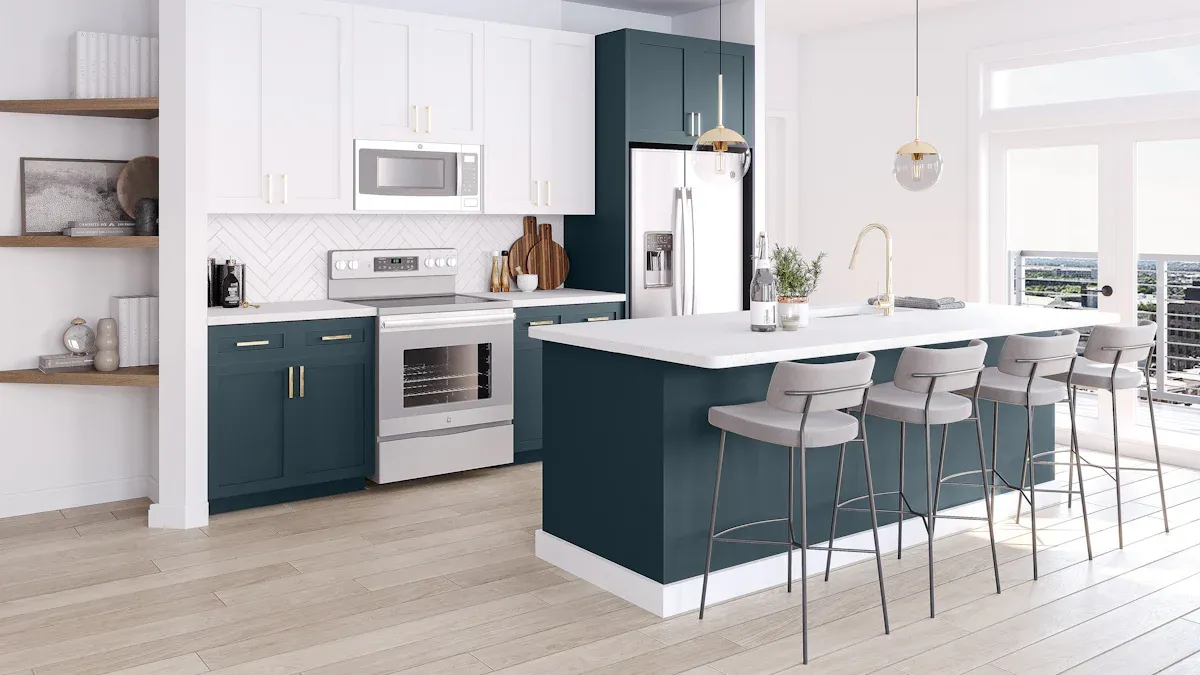
You want your kitchen and bathroom to look beautiful and stay healthy. Floorscore certified vinyl flooring offers strong moisture resistance. It stands up to water and spills, making it a smart choice for busy spaces. Simple care like sweeping and mopping keeps your floor looking new. The table below shows why this flooring works so well in kitchens and bathrooms:
| Aspect | Detail |
|---|---|
| Moisture Resistance | Luxury vinyl is 100% waterproof, making it suitable for kitchens and bathrooms where moisture is prevalent. |
| Maintenance Requirements | Minimal maintenance is needed; simple sweeping and occasional mopping suffice, ensuring the flooring remains in good condition. |
Taking care of your floorscore certified vinyl flooring helps keep your home looking great and supports a healthier environment.
FloorScore Certification and Kitchen and Bathroom Flooring
What Is FloorScore Certification?
You want to make sure your kitchen and bathroom floors are safe for your family. FloorScore certification helps you do that. This certification checks if vinyl flooring meets strict standards for health and safety. SCS Global Services reviews test reports from independent labs. They look for harmful chemicals like formaldehyde and acetaldehyde. They also check if the flooring meets California Section 01350 requirements. Auditors visit manufacturing plants to inspect formulas, processing, and quality control. Companies must pass routine audits and continued product testing. Testing happens every year or every two years, depending on results.
Tip: FloorScore certification is a voluntary program. It tests flooring for compliance with indoor air emissions criteria for VOCs. The program uses a chamber test protocol developed by the California Department of Health Services.
Here is a table showing the main criteria for FloorScore certification:
| Criteria | Description |
|---|---|
| Indoor Air Quality | Products must meet strict standards for indoor air quality. |
| Chemical Testing | Flooring materials are tested for harmful chemicals like acetaldehyde and formaldehyde. |
| Low Emission Standards | Must pass testing requirements to ensure low emissions and not contribute to poor air quality. |
Health and Indoor Air Quality Benefits of FloorScore Certified Vinyl Flooring
You care about the air you breathe at home. Floorscore certified vinyl flooring helps keep your indoor air quality healthy. Installing this flooring means you choose a product that does not add harmful chemicals to your air. Healthy air makes your home more comfortable. It also helps you avoid headaches, dizziness, and other health problems. Poor indoor air quality can cause serious long-term issues.
- FloorScore certified products are safe for families.
- Certification ensures the flooring does not contribute to poor air quality.
- Healthy air supports better learning, productivity, and comfort.
You can trust that floorscore certification protects your home. It gives you peace of mind in kitchens and bathrooms, where you spend a lot of time.
Daily Maintenance for Floorscore Certified Vinyl Flooring
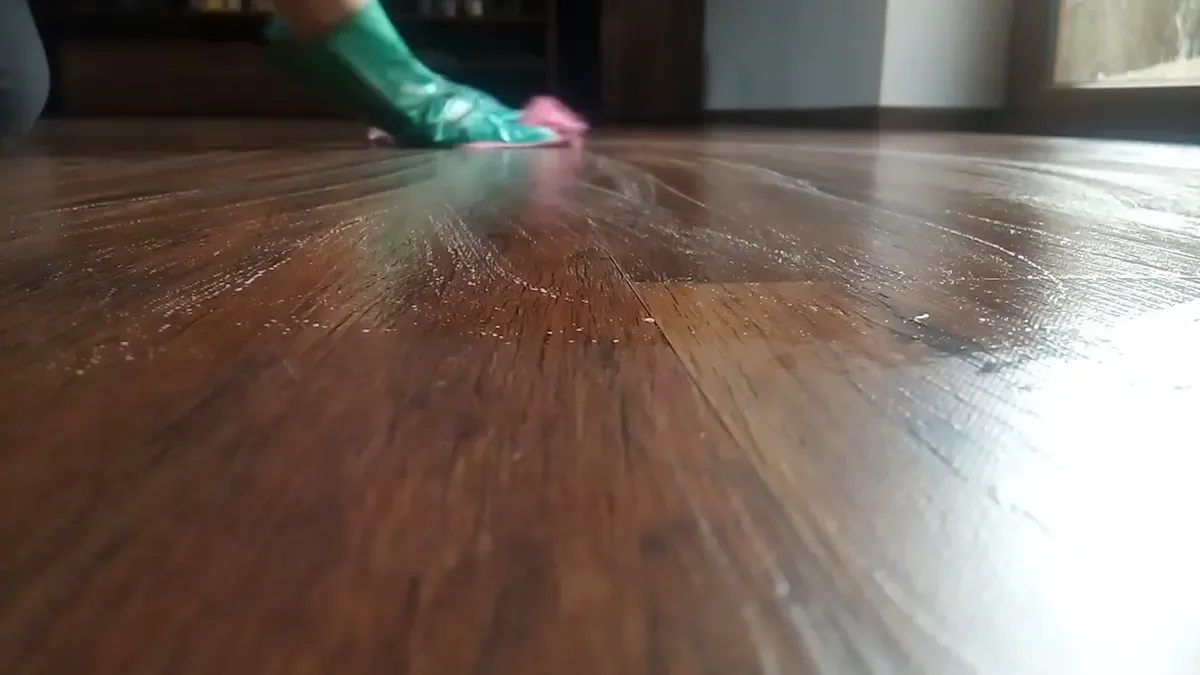
Keeping your floorscore certified vinyl flooring clean helps it last longer and look great. You can follow simple steps every day to protect your kitchen and bathroom flooring from dirt, moisture, and stains.
Routine Cleaning Methods for Vinyl
You can keep your vinyl floors spotless with a few easy routines. Start by removing dry soil and dust. Use a soft-bristle broom or a vacuum made for hard surfaces. This prevents scratches and keeps the floor smooth. After sweeping, mop with a pH-neutral cleaner mixed with lukewarm water. Avoid harsh chemicals that can damage the surface. Make sure you let the floor air dry. Use a microfiber cloth to buff the floor and prevent water spots.
Here is a step-by-step guide for daily cleaning:
- Sweep or vacuum to remove loose dirt and dust.
- Mop with a pH-neutral cleaner and lukewarm water.
- Let the floor air dry and buff with a microfiber cloth.
Tip: Always use a vacuum without a beater bar. This protects your vinyl from scratches.
Recommended Cleaning Products for Kitchen and Bathroom Flooring
You want to use safe products that protect your floorscore certified vinyl flooring. Choose cleaners that are pH-neutral and made for vinyl. Avoid bleach, ammonia, or strong solvents. These can harm the finish and reduce the floor’s durability. Microfiber mops work well because they pick up dirt without scratching. For sticky spots, use a mild soap or a cleaner approved by the manufacturer.
| Product Type | Safe for Vinyl? | Best Use |
|---|---|---|
| pH-neutral cleaner | Yes | Daily mopping |
| Microfiber mop | Yes | Dust and debris removal |
| Mild soap | Yes | Spot cleaning |
| Bleach/Ammonia | No | Avoid |
Note: Always check the label before using any cleaning product. Make sure it is safe for vinyl.
Handling Spills and Stains in High-Moisture Areas
Spills happen often in the kitchen and bathroom. You need to act fast to keep your floorscore certified vinyl flooring in top shape. Wipe up spills right away with a damp cloth. This prevents stains and stops water from seeping into the seams. For sticky messes, use a mild soap and rinse with clean water. Never let water sit on the floor for long. Excess moisture can cause problems over time.
You can follow this routine for high-use areas:
- Sweep or vacuum daily to remove dust and pet hair.
- Damp mop weekly with a microfiber cloth and pH-neutral cleaner.
- Spot clean spills as soon as they happen.
Callout: Quick action keeps your vinyl floors looking new and prevents damage from moisture.
You can enjoy a clean and healthy home when you follow these daily maintenance steps. Your kitchen and bathroom flooring will stay beautiful and strong for years.
Preventing Damage to Luxury Vinyl Plank in Kitchens and Bathrooms
Scratch Prevention Strategies for Vinyl
You want your floors to look new for years. Scratches can happen in kitchens and bathrooms if you do not take care. The most common causes of scratches include:
- Moving furniture across the floor
- Pets running or playing
- Tracking in dirt or debris from outside
- The quality of the flooring, such as the thickness of the wear layer
You can prevent scratches by following these steps:
- Sweep or dust mop often to remove dirt and grit.
- Use a damp mop with a pH-neutral cleaner. Avoid harsh chemicals.
- Wipe up spills right away to stop stains.
- Place felt pads under furniture legs. Do not drag heavy items.
- Deep clean with a soft-bristle brush from time to time.
Tip: Keeping your floor clean and using pads under furniture helps protect your luxury vinyl plank from scratches.
Protecting Against Moisture and Water Exposure
Moisture is common in kitchens and bathrooms. You need to protect your floors from water damage. Luxury vinyl plank flooring is waterproof. It can handle spills and household moisture. The surface and material do not let water in. Tight joints and locking systems help keep water out. You should always clean up spills quickly. This stops water from getting into the seams or edges.
- Choose luxury vinyl plank for its waterproof feature.
- Clean spills as soon as they happen.
- Make sure the floor is installed correctly for the best water resistance.
Managing High Traffic and Wear
Kitchens and bathrooms get a lot of use. You want your floors to last a long time. The average lifespan of luxury vinyl plank in high-traffic areas is 15 to 25 years. You can help your floors last by:
- Picking a product with a thick wear layer for better protection.
- Using waterproof options, like rigid core vinyl, for extra durability.
- Making sure the installation is done right to prevent moisture problems.
Note: Regular cleaning and quick action on spills help your floorscore certified vinyl flooring stay strong and beautiful.
Kitchen Flooring Care with skspcflooring
Dealing with Food Spills and Grease on Vinyl
You often face food spills and grease in the kitchen. Vinyl flooring from skspcflooring makes cleanup easy. You can follow these steps to remove sticky messes and keep your floor looking fresh:
- Prepare a cleaning solution. Mix a gallon of hot water with a quarter-cup of degreasing dish soap.
- Add a cup of white vinegar for extra cleaning power.
- Mop the floor with this solution to lift grease and food residue.
- Rinse the floor with clean hot water to remove any soap left behind.
Tip: Blot spills instead of rubbing. Use a damp cloth for sticky spots. This prevents stains and protects the vinyl surface.
You should mop weekly with a dry microfiber mop and a mild household cleaner. This routine stops grease and stickiness from building up. Always wipe up spills right away. Quick action prevents stains and keeps your kitchen floor safe.
| Cleaning Action | Benefit |
|---|---|
| Immediate spill wipe | Stops stains and damage |
| Weekly microfiber mop | Prevents grease buildup |
| Vinegar in solution | Boosts cleaning power |
Preventing Heat and Appliance Damage
You use appliances every day in the kitchen. Vinyl flooring from skspcflooring stands up to temperature changes. It resists the extreme heat found near ovens and stoves. This feature helps prevent warping and keeps your floor flat.
You should place protective mats under appliances that generate heat. Mats help shield the floor from direct contact. Avoid dragging heavy appliances across the floor. Lift and move them carefully to prevent scratches.
Note: Vinyl flooring is designed for durability. It handles heat and daily use in busy kitchens.
You can trust skspcflooring to deliver flooring that meets high standards. Your kitchen stays beautiful and strong with proper care.
Bathroom Flooring Maintenance for Floorscore Certified Vinyl
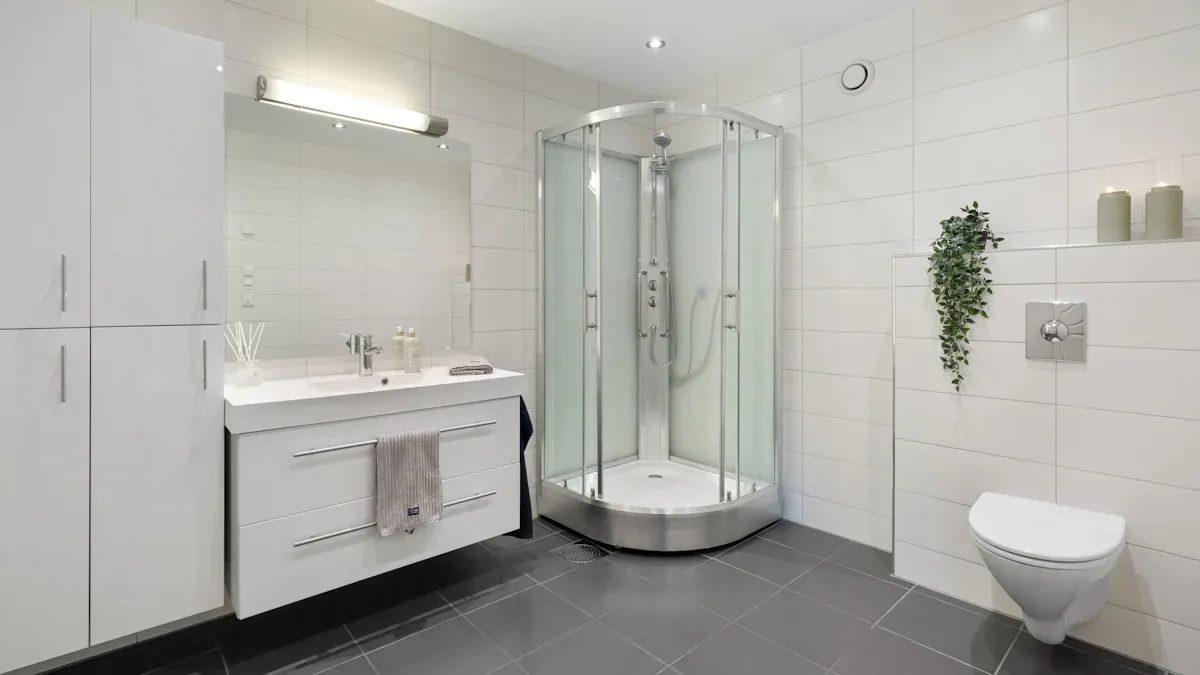
Managing Humidity and Water Exposure
You face high humidity and water exposure in your bathroom every day. Floorscore certified vinyl flooring stands up well in these conditions. The waterproof core blocks water from soaking in, which helps protect your floor from damage. The dense core, made from limestone powder, PVC, and stabilizers, gives extra strength. This means your floor resists changes in temperature and humidity.
Here is a quick look at how this flooring performs in wet spaces:
| Feature | Description |
|---|---|
| Moisture Exposure | Works well in bathrooms because of its waterproof core. |
| SPC Vinyl Plank | Uses a dense core for added stability and moisture resistance. |
| Advantages | 100% waterproof and resists humidity changes. |
You should always wipe up water right away. Use bath mats near showers and tubs to catch drips. Make sure you dry the floor after cleaning or bathing. These steps help your vinyl flooring last longer and look new.
Tip: Keep the bathroom door open after showers to let moisture escape. This simple habit helps your floor stay dry.
Preventing Mold and Mildew on Vinyl
You want to keep your bathroom clean and healthy. Mold and mildew can grow in damp places, so you need to control moisture. Start by keeping humidity below 60%. Use a high-powered exhaust fan with at least 1 CFM per square foot of space. Turn on the fan before you shower and leave it running for 20 minutes after you finish. Open windows when you can to let fresh air in and help dry out the room.
Check for leaks around sinks, toilets, and tubs. Fix any leaks right away to stop water from pooling. Clean the floor often with a pH-neutral cleaner. Choose mold-resistant materials for bath mats and shower curtains. Seal grout lines if you have them to keep water from seeping in.
- Keep humidity low with fans and open windows.
- Fix leaks quickly to prevent damp spots.
- Clean floors often and use mold-resistant materials.
Note: Good airflow and regular cleaning are your best tools for stopping mold and mildew.
Common Mistakes to Avoid with Luxury Vinyl Plank
When you care for your luxury vinyl plank flooring, you want to avoid common mistakes that can shorten its life or ruin its look. Many people make simple errors that lead to scratches, stains, or even damage to the floor’s structure. Knowing what to avoid helps you keep your floors looking new.
Using Harsh Chemicals on Kitchen and Bathroom Flooring
You might think strong cleaners work best, but harsh chemicals can harm your vinyl flooring. Ammonia-based cleaners can strip away the finish and cause discoloration. Oil-based or wax cleaners leave a slippery residue that attracts dirt. Abrasive pads or brushes scratch the surface and wear down the protective layer.
- Ammonia-based cleaners cause fading and dullness.
- Oil or wax cleaners make the floor slippery.
- Abrasive tools leave scratches and marks.
Tip: Always choose a pH-neutral cleaner and use a soft mop or cloth for cleaning.
Ignoring Manufacturer Guidelines for Floorscore Certified Vinyl Flooring
You should always read and follow the manufacturer’s care instructions. These guidelines help you avoid damage and keep your warranty valid. If you use the wrong products or cleaning methods, you risk harming your floorscore certified vinyl flooring. Some cleaners or tools may not be safe for your specific floor type.
| Mistake | Possible Result |
|---|---|
| Skipping instructions | Voided warranty |
| Wrong cleaner | Damaged finish |
| Incorrect tools | Scratched surface |
Note: Manufacturer guidelines protect your investment and help your floor last longer.
Neglecting Regular Maintenance
If you skip regular cleaning, dirt and grit build up on your floor. This debris can scratch the surface and make the floor look dull. Excess water from mopping or spills can seep into seams and cause swelling or warping. When you do not address spills quickly, liquids may damage the adhesive or the planks themselves.
- Excess water can warp or swell seams.
- Dirt and grit cause scratches.
- Delayed spill cleanup leads to lasting damage.
You can keep your floors beautiful by sweeping often, mopping with the right cleaner, and wiping up spills right away.
Long-Term Maintenance Strategies for Floorscore Certified Vinyl Flooring
Periodic Deep Cleaning for Kitchen and Bathroom Flooring
You need to go beyond daily cleaning to keep your vinyl flooring in top shape. Deep cleaning helps remove dirt and grime that regular mopping may miss. Start by moving small furniture and rugs out of the way. Sweep or vacuum the floor to pick up loose dirt. Use a pH-neutral cleaner mixed with warm water for mopping. Let the solution sit for a few minutes on tough spots, then scrub gently with a soft brush. Rinse the floor with clean water to remove any leftover cleaner. Dry the surface with a microfiber cloth to prevent water spots.
Tip: Deep clean your kitchen and bathroom floors every three to six months for best results.
Inspecting for Wear and Tear on Luxury Vinyl Plank
You should check your floors regularly for signs of damage. Look for scratches, dents, or areas where the finish looks dull. Pay close attention to high-traffic spots near sinks, stoves, and entryways. If you see any lifting edges or gaps between planks, address them quickly. Early detection helps you fix small problems before they become bigger issues.
| What to Check | Why It Matters |
|---|---|
| Scratches or dents | Prevents further damage |
| Lifting edges | Stops moisture from seeping in |
| Dull finish | Keeps floors looking new |
When to Seek Professional Help from skspcflooring
Sometimes, you need expert help to keep your floors in the best condition. If you notice deep scratches, stubborn stains, or water damage, contact a professional. The team at skspcflooring can provide guidance and repair services. You can also reach out if you want advice on the right cleaning products or need help with installation issues. Trusting professionals ensures your floorscore certified vinyl flooring stays beautiful and lasts for years.
Note: Professional care protects your investment and gives you peace of mind.
You keep your kitchen and bathroom floors looking great by following simple maintenance steps. The table below shows key tips for protecting your FloorScore certified vinyl flooring:
| Maintenance Tip | Description |
|---|---|
| Avoid abrasive cleaners | Prevents damage to the wear layer |
| Use felt pads under furniture | Stops micro-scratches |
| Use doormats at entrances | Reduces dirt and grit |
| Avoid dragging heavy furniture | Prevents surface damage |
| Use a soft microfiber mop | Safe for routine cleaning |
| Avoid steam mops | Protects the wear layer from heat |
- Sweep or mop often with a soft tool.
- Clean spills right away.
- Dry the floor after mopping.
You enjoy lasting beauty, durability, and healthier air. Trust expert advice and choose skspcflooring for quality flooring solutions.
FAQ
How do you know if your vinyl flooring is certified safe flooring?
You can check the packaging or product details. Certified safe flooring will show the FloorScore label. This label means the flooring meets strict air quality standards and is safe for your home.
What makes FloorScore certified vinyl flooring good for kitchens and bathrooms?
You get strong moisture resistance and low emission standards. The flooring blocks water and keeps your air clean. You can use it in high-moisture areas without worry.
Can you use sustainably sourced flooring in kitchens and bathrooms?
Yes, you can choose sustainably sourced flooring for these spaces. Many vinyl options use eco-friendly materials. You help protect the environment and keep your home healthy.
How often should you clean your vinyl flooring to maintain air quality standards?
You should sweep or mop your vinyl flooring every day. Regular cleaning removes dust and dirt. This helps maintain air quality standards and keeps your floors looking new.
What should you avoid when cleaning FloorScore certified vinyl flooring?
Avoid harsh chemicals and abrasive tools. These can damage the surface and reduce the lifespan of your flooring. Always use a pH-neutral cleaner and a soft mop.




