
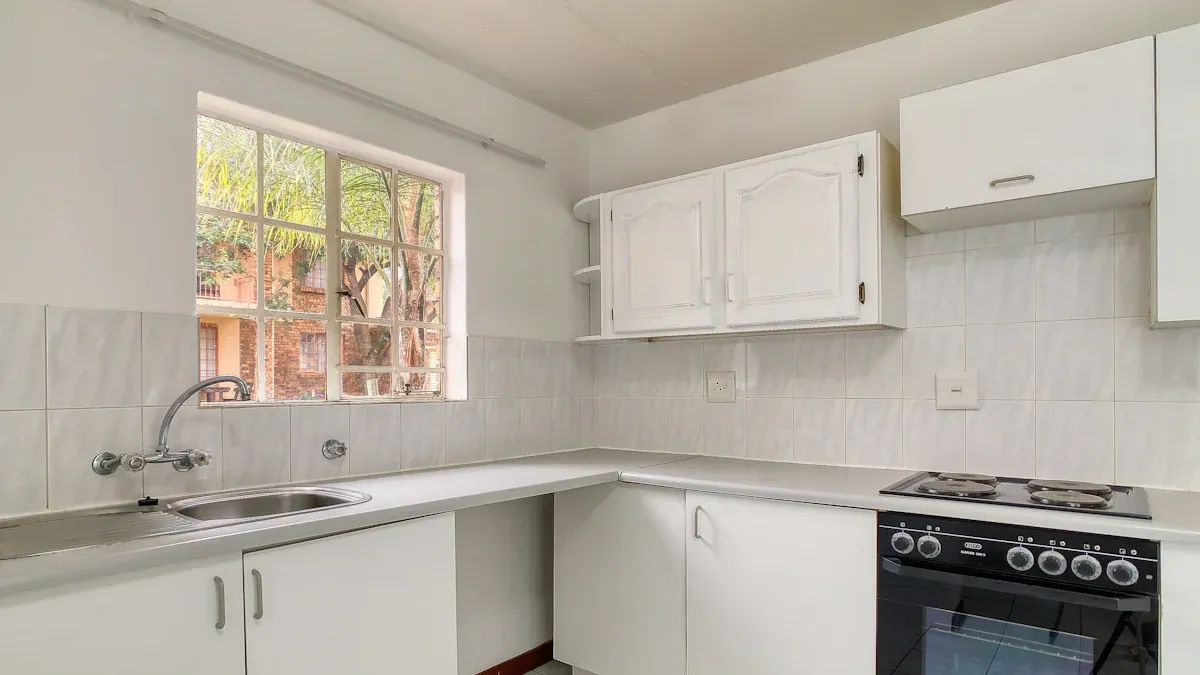
You want a kitchen that looks great and stays easy to clean. Polish vinyl plank flooring gives you an affordable way to get style and strength in one package. Kitchens see spills, leaks, and lots of activity, so water damage is a real concern. Vinyl plank flooring brings many benefits for busy kitchens:
- The wear layer helps protect against scratches and stains.
- The waterproof core resists dents and keeps moisture out.
- It lasts longer than laminate or hardwood flooring in wet spaces.
Taking smart steps will help your flooring stay beautiful and trouble-free.
Why Water Damage Matters for Polish Vinyl Plank Flooring
Risks of Water Exposure in Kitchens
You use kitchens every day, and water is everywhere. Moisture comes from many sources, and each one can threaten the durability and style of your flooring. You often see spills from cooking or washing dishes. Sometimes, broken seals on plumbing joints let water leak under the sink. Condensation forms on pipes, especially if they are not insulated. Loose pipe clamps and damaged hoses can cause leaks that go unnoticed. Missing caulk between the sink and countertop lets water seep into cabinets. Overflows from the sink or splashes from washing vegetables can run down cabinetry. Windows above sinks sometimes leak during storms. Bottles of cleaner or detergent stored below the sink may drip. Home flooding from appliances or weather can also bring moisture into kitchens.
Tip: Kitchens and bathrooms both face similar risks. You should check for moisture often in these high-traffic spaces to protect your flooring.
Kitchens and bathrooms are places where you want modern style and affordable options. You need flooring that stands up to moisture and keeps its durability. Polish vinyl plank flooring gives you benefits like water resistance and easy cleaning. You get style and durability in one package, making it perfect for high-traffic kitchens and bathrooms.
How Water Can Affect Polish Vinyl Plank Flooring
Moisture can cause problems for polish vinyl plank flooring if you do not act quickly. Short-term effects include warping, staining, and adhesive failure when water seeps into seams or edges. If you leave spills or leaks alone, long-term moisture can lead to mold growth beneath the surface. Water trapped under the flooring creates hidden damage that ruins style and durability.
You must remember that vinyl plank flooring is waterproof, but it is not flood-proof. Standing water from spills or flooding can cause issues over time. Proper installation and quick response to spills help maintain the durability and style of your flooring. You want modern options that last in high-traffic kitchens. Routine care and inspections keep moisture from causing long-term damage.
Note: Prompt management of spills and regular maintenance are key to protecting your affordable flooring investment.
Key Steps to Install Vinyl Plank Flooring for Water Protection
Proper Installation Techniques with skspcflooring Products
You want your kitchen to have flooring that lasts and keeps its modern style. Start with the right installation steps to get the most benefits from polish vinyl plank flooring. When you use skspcflooring products, you choose durable flooring that stands up to high-traffic areas and daily moisture. Follow these expert-recommended steps for the best results:
| Step | Recommendation |
|---|---|
| 1 | Prepare the Subfloor: Make sure the surface is clean, dry, and level. Remove old flooring and fix any damage. |
| 2 | Acclimate the Planks: Let the vinyl planks sit in the room for at least 48 hours. This helps them adjust to the room’s temperature and humidity. |
| 3 | Install the Underlayment: If needed, lay down the underlayment as the manufacturer suggests. |
| 4 | Begin Laying Planks: Start in a corner. Use spacers between the wall and planks for expansion. |
| 5 | Continue Installation: Click or glue the planks together, depending on the type. |
| 6 | Finish the Installation: Remove spacers and add baseboards or trim to cover gaps. |
Tip: Always keep the subfloor clean and dry. This step helps prevent moisture from causing problems later.
Many homeowners try to install vinyl plank flooring themselves. You get the best results when you choose professional installation, especially in kitchens. Experts know how to handle high-traffic spaces and make sure your flooring stays water-resistant and easy to maintain. Using the wrong adhesive or skipping underlayment can lead to uneven surfaces and noise. Misaligned planks can ruin the style and durability of your new floor.
Sealing Edges and Joints for Maximum Protection
You want your kitchen to look modern and stay easy to clean. Sealing the edges and joints is a key step for water-resistant and moisture-resistant flooring. Expansion gaps around the edges let your flooring move with temperature changes. If you leave these gaps open, moisture can sneak under the planks and cause long-term damage.
Use 100% silicone sealant to fill expansion gaps. This creates a flexible, waterproof barrier that keeps water out. Modern click-lock systems from skspcflooring fit tightly, so seams stay closed and water cannot get through. For extra protection, you can use a high-performance floor finish like EPIC. This sealant comes in matte, semi-gloss, or high-gloss. It adds a layer that protects your flooring and makes cleaning easy. The finish also keeps your floor looking new and stylish for years.
Note: Sealing edges and joints is not just for kitchens. You can use this step in any high-traffic or moisture-prone area for long-term durability.
Using Waterproof Underlayment When You Install the Vinyl Planks
You need a strong base for your flooring. Waterproof underlayment gives you extra protection against moisture. Even though polish vinyl plank flooring is water-resistant, the subfloor below is not. Moisture can rise from the subfloor and cause mold or mildew if you skip this step.
Choose an underlayment with a moisture barrier. This layer stops water from seeping through seams and keeps your floor in top condition. It also adds comfort and reduces noise, making your kitchen feel modern and easy to enjoy. When you install the vinyl planks, follow the manufacturer’s instructions for the underlayment. This step helps your flooring last longer and keeps its style and durability in high-traffic kitchens.
Callout: Waterproof underlayment is essential for long-term protection. It helps you avoid costly repairs and keeps your affordable flooring looking great.
You get the best results when you combine proper installation, edge sealing, and waterproof underlayment. These steps give you a kitchen floor that is easy to clean, modern in style, and built for long-term durability.
Regular Maintenance and Cleaning Tips
You want your kitchen to look modern and stay easy to clean. Regular maintenance helps you protect the style and durability of your polish vinyl plank flooring. Kitchens see a lot of activity, so you need to keep your floors water-resistant and in top shape. Here are some simple steps you can follow for the best results:
- Mop the flooring with a mild, vinyl-friendly cleaning solution. This keeps the surface clean and helps remove grime. You also disinfect the area, which is important in high-traffic kitchens.
- Clean up spills right away. Quick action stops moisture from seeping into seams and keeps your flooring looking new.
- Avoid using too much water when you mop. Excess water can slip between planks and cause moisture problems. Use a damp mop, not a soaking wet one.
- Dry any wet spots immediately with a soft, dry cloth or mop. This step keeps your floors water-resistant and helps maintain their durability.
Tip: Use pH-neutral cleaners for your vinyl plank flooring. These products protect the wear layer and keep your floors looking modern and stylish.
You should choose cleaning products made for vinyl plank flooring. Look for no-residue or low-residue options. These cleaners do not leave streaks or attract dirt. Low-VOC formulas help you keep indoor air quality high, which is important for families. Select cleaners that match the unique needs of your flooring. This makes your cleaning routine easy and safe.
A regular cleaning schedule helps you enjoy the benefits of water-resistant and durable flooring. You keep your kitchen modern and easy to clean. Routine care also protects the style and long-term durability of your floors. If you want affordable and stylish options, polish vinyl plank flooring gives you the best of both worlds.
Note: High-traffic kitchens need extra attention. Check for moisture often and keep your cleaning routine simple. This helps you avoid long-term damage and keeps your floors looking great.
Vinyl flooring care and maintenance do not have to be hard. You just need to follow a few easy steps. Clean up spills, use the right products, and keep your floors dry. These habits protect your investment and keep your kitchen stylish for years. You get modern options, long-term durability, and an easy-to-clean surface that fits your busy life.
Common Mistakes to Avoid When You Install the Vinyl Planks
Skipping Edge Sealing
You want your kitchen to stay water-resistant and keep its modern style. Skipping edge sealing is a mistake that many homeowners make. When you leave the edges open, moisture can seep through and reach the subfloor. This is a big problem in kitchens and bathrooms, where water is always present. Water can damage the flooring, cause it to deform, and reduce its durability. You lose the benefits of water-resistant flooring if you skip this step. Always seal the edges to keep your flooring strong and your style fresh.
Tip: Sealing the edges is an easy way to avoid high-maintenance headaches and protect your affordable flooring investment.
Ignoring Spills and Leaks
Spills happen often in high-traffic kitchens. If you ignore them, moisture can build up under the flooring. This leads to many problems that affect both style and durability. Here is what can happen if you do not clean up spills or fix leaks quickly:
| Consequence/Sign | Description |
|---|---|
| Water Damage | Spills can cause water damage beneath the flooring. |
| Mold Growth | Moisture creates a perfect place for mold, which is bad for health. |
| Deterioration of Structural Integrity | Long-term moisture weakens the flooring and subfloor, leading to costly repairs. |
| Buckling or Warping | Planks may lift or curve, making the floor unsafe. |
| Gapping Floor Planks | Water weakens adhesives, causing gaps between planks. |
| Discoloration | Moisture can fade or stain the vinyl surface, ruining the style. |
| Bubbles or Blisters | Water buildup creates air pockets, making the floor feel spongy. |
| Air Quality Concerns | Mold and mildew lower indoor air quality and affect health. |
Quick action keeps your kitchen modern, easy to clean, and safe for everyone.
Using the Wrong Cleaning Products
You want your flooring to keep its style and last for the long-term. Using the wrong cleaning products can damage the surface and reduce water-resistant properties. Some products scratch, dull, or even break down the vinyl. Here are some cleaning products you should avoid:
| Cleaning Product Type | Reason to Avoid |
|---|---|
| Steel wool or abrasive scrubbers | Can scratch the surface of the vinyl flooring. |
| Detergents, soaps, abrasive cleaners | Can cause buildup and dull the shine over time. |
| Wax or solvent-based polishes | Can damage the finish and create residue. |
| Ammonia or ammonia-based solutions | Can break down the vinyl and lead to cracking. |
| Steam cleaners | Can cause warping and void warranties. |
| Vinegar or DIY natural cleaners | Erodes the wear layer, causing dullness. |
Choose easy, safe cleaning options made for vinyl plank flooring. This keeps your kitchen looking modern and stylish without extra work.
Note: Avoiding these common mistakes helps you enjoy the long-term benefits of water-resistant, high-traffic flooring options that fit your style.
Best Practices for Long-Lasting Vinyl Plank Flooring
Quick Response to Spills
You protect your kitchen floor when you act fast. Spills happen in high-traffic kitchens, but you can stop damage by cleaning them up right away. Use a soft cloth to wipe up spills as soon as you see them. Quick action keeps moisture from soaking into the seams. This helps prevent stains and stops mold from growing under your flooring. The faster you clean, the easier it is to keep your floor looking modern and stylish. Even small leaks or splashes can cause long-term problems if you ignore them. Make it a habit to check for spills every day.
Tip: Quick response to spills keeps your kitchen easy to clean and helps your water-resistant flooring last longer.
Routine Inspections for Water Damage
You keep your flooring in top shape when you check it often. Look for signs of moisture, such as warping, discoloration, or a musty smell. Inspect the edges and joints for gaps or lifted planks. Regular inspections help you spot problems early, so you can fix them before they get worse. This routine keeps your kitchen modern and your flooring strong. You also avoid costly repairs by catching issues before they spread. Make inspections part of your cleaning routine for the best results.
- Sweep or vacuum to remove dirt and debris.
- Use a damp mop with a vinyl-safe cleaner for deeper cleaning.
- Place mats at entryways to trap moisture and dirt.
- Use pads under furniture to protect your floor’s style.
Choosing Quality Materials from skspcflooring
You get the best results when you choose high-quality flooring for your kitchen. Look for water-resistant options that stand up to high-traffic and moisture. Quality materials make your floor easy to clean and keep its modern style for years. The right flooring gives you long-term durability and simple maintenance. Here is what to look for:
| Criteria | Description |
|---|---|
| Durability | Withstands wear and tear in kitchens. |
| Moisture Resistance | Handles spills and humidity with ease. |
| Stain and Scratch Resistance | Keeps your floor looking stylish and modern. |
| Ease of Cleaning | Makes daily care simple and quick. |
SK-Floor offers modern options with a thick wear layer, strong core, and beautiful design. These features help your kitchen stay easy to clean and stylish, even in busy homes. With proper care, your flooring can last 15 to 25 years or more.
Quick Checklist for Homeowners Using Polish Vinyl Plank Flooring
Installation Prep Steps
You want your new flooring to look great and last for years. Start with these steps before you install polish vinyl plank flooring in kitchens:
- Remove existing floors. Take out old flooring so you have a smooth surface.
- Level your subfloor. Check for bumps or dips. Fix any damage to keep the floor even.
- Clean the floor. Sweep and vacuum to remove dust and debris. A clean surface helps the planks stick and stay flat.
- Measure and plan. Measure your kitchen and plan the layout. This step helps you get the right fit and keeps your style consistent.
Tip: Careful prep makes installation easy and helps your flooring resist moisture.
Daily Care Reminders
Keeping your flooring clean every day protects its water-resistant features and keeps your kitchen looking modern. Try these simple habits:
- Sweep or vacuum to remove crumbs and dust. Do this at least once a week.
- Mop high-traffic areas in kitchens weekly or every other week.
- Use a damp mop with a microfiber pad. Avoid too much water to prevent moisture from getting between planks.
- Dry the floor after mopping. This keeps your flooring water-resistant and easy to clean.
Note: These steps work well in both kitchens and bathrooms. You keep your style fresh and your floors easy to maintain.
Annual Maintenance Tasks
Once a year, check your flooring for signs of moisture or wear. Look at the edges and seams for gaps. Inspect for any warping or changes in style. Clean under appliances and in corners where dirt can hide. Reseal edges if needed to keep your flooring water-resistant. A yearly check helps you spot problems early and keeps your kitchen easy to clean and stylish.
Callout: Regular care and yearly checks protect your investment and keep your flooring looking its best.
You make a smart choice when you use polish vinyl plank flooring in kitchens. Proper installation, sealing, and regular maintenance help you avoid water damage and keep your flooring strong. You benefit from professional installation, sealed seams, and routine checks that catch early signs of trouble. Entry mats at doors and controlled indoor humidity protect your flooring from wear and moisture. A checklist helps you follow material-specific cleaning steps, so your vinyl plank flooring stays ready for long-term use.
Remember: Consistent care keeps your flooring beautiful and worry-free.
FAQ
Can you use polish vinyl plank flooring in kitchens with lots of spills?
Yes, you can. Polish vinyl plank flooring resists water and stains. Clean up spills quickly to keep your floor looking new. This flooring works well in busy kitchens.
How often should you clean polish vinyl plank flooring in the kitchen?
Sweep or vacuum every day. Mop with a damp cloth once a week. Use a vinyl-safe cleaner. Quick cleaning keeps your floor shiny and free from dirt.
Do you need to seal the edges of vinyl plank flooring in kitchens?
Yes, you should seal the edges. Sealing stops water from getting under the planks. This step helps your floor last longer and keeps it safe from damage.
What should you avoid when cleaning polish vinyl plank flooring?
- Do not use steam cleaners.
- Skip harsh chemicals like ammonia.
- Avoid abrasive scrubbers.
Use gentle, vinyl-friendly products for the best results.




