
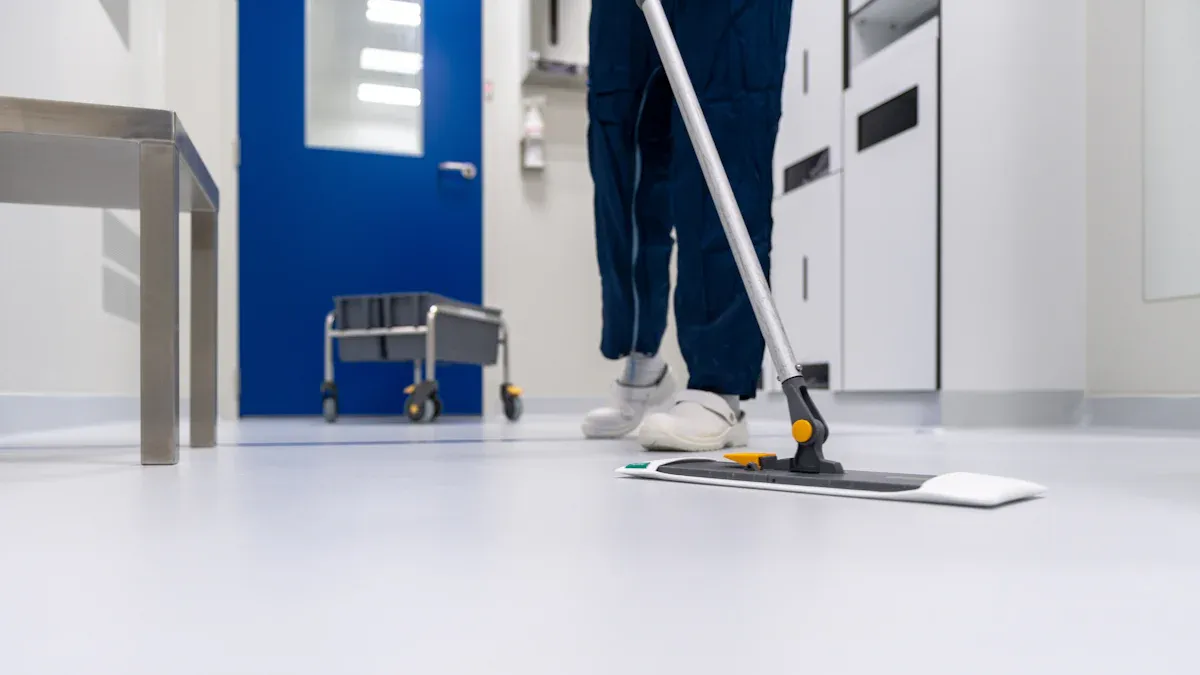
You can clean vinyl plank flooring by using a damp microfiber mop and a gentle, pH-neutral cleaner. If you’re wondering what to clean vinyl plank flooring with, diluted vinegar is also an effective homemade solution. It’s important to avoid harsh chemicals and abrasive tools to protect your flooring. Excessive water can cause damage, so keep your mop only slightly damp. Regular cleaning helps your vinyl floors look new and last longer. Industry studies show that proper maintenance can extend the lifespan of vinyl flooring by up to 50%. Sweeping, vacuuming, and wet mopping with safe products reduce costly repairs. With good care, vinyl plank flooring usually lasts between 15 and 25 years.
What to Clean Vinyl Plank Flooring With
Recommended Tools for Cleaning
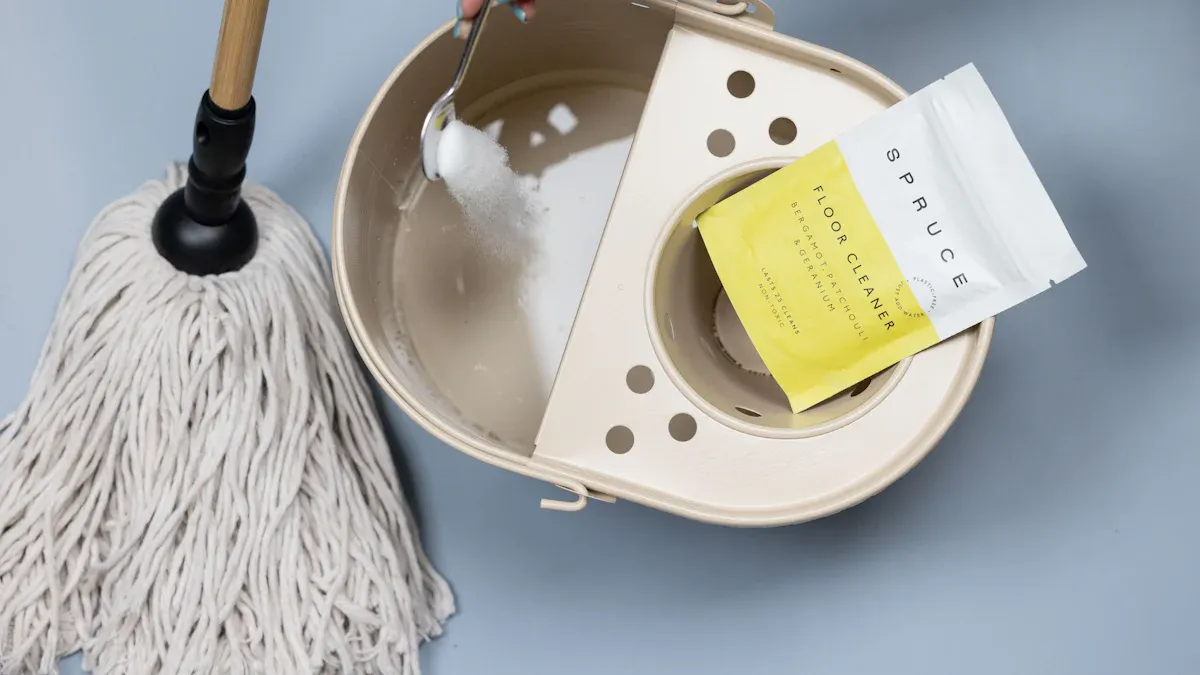
You need the right tools to keep your vinyl plank floors looking their best. When you ask what to clean vinyl plank flooring with, you should start with basic equipment that protects the surface and removes dirt. Microfiber mops work well because they pick up dust and grime without scratching the flooring. Many flooring manufacturers suggest using a broom and dustpan or a commercial sweeper for daily cleaning. Vacuum cleaners without a beater bar help remove debris from the floor without causing damage. Soft nylon bristle brushes and non-abrasive scrubbing pads are useful for tackling spots and stains.
Here is a table showing the most recommended tools and methods for cleaning vinyl plank flooring:
| Cleaning Tool/Method | Recommendation |
|---|---|
| Steam Mops | Use on the lowest setting with a microfiber cover. |
| pH Neutral Floor Cleaner | Good for regular cleaning. |
| Dust Mops | Remove surface debris. |
| Soft Nylon Bristle Brush | Clean without damaging the surface. |
| Microfiber Mop | Maintain cleanliness and shine. |
| Avoid Steel Wool and Abrasive Cleaners | These scratch and damage the flooring. |
| Avoid Ammonia-Based Cleaners | These break down the vinyl over time. |
| Avoid Excessive Water | Prevent water damage and warping. |
| Regular Vacuuming/Sweeping | Keep the floor looking new and prevent scratches. |
Tip: Microfiber mops are more effective than traditional mops. They collect dust and dirt without harming vinyl plank floors. Using a microfiber mop regularly helps maintain the appearance and integrity of your flooring.
Best Vinyl Floor Cleaner Options
You want to use the best vinyl floor cleaner to protect your investment. Many brands offer cleaners that are safe for vinyl plank flooring. These products remove dirt and grime without leaving residue or causing damage. You should look for a cleaner for vinyl plank floors that is pH-neutral and low in VOCs. This type of cleaner keeps your floor clean and safe for your family.
Here are some top-rated commercial vinyl floor cleaners:
| Product Name | Key Features |
|---|---|
| Basic Coatings Squeaky Cleaner 32 oz. | Cuts through dirt and grime, low-VOC, works on many flooring types, no-rinse, quick drying |
| COREtec Encore 12x Clean Spray 32 oz. | pH-neutral, low-VOC, no residue, rapid dry time, effective on multiple surfaces |
| Bona Pro Stone, Tile & Laminate Cleaner 32 oz. | Low-VOC, GREENGUARD certified, water-based, dries quickly, pleasant scent |
Many manufacturers, including Bona, Armstrong, Shaw, and Bruce, offer pH-neutral cleaners designed for vinyl plank floors. These products clean well and protect the finish. Rejuvenate’s floor cleaner is another option with a neutral, pH-balanced formula that works on vinyl, tile, and laminate.
Note: Avoid ammonia-based cleaners and abrasive products. These can damage the surface and reduce the lifespan of your flooring.
Homemade Cleaner for Vinyl Plank Floors
You can make a homemade cleaner for vinyl plank floors if you prefer natural solutions. When you wonder what to clean vinyl plank flooring with, a simple mixture of vinegar and water works for many people. Mix 1 cup of white vinegar with 2 gallons of hot water, or use 1/2 cup vinegar with 1 gallon of water. This solution helps remove dirt and leaves the floor clean.
However, you must use vinegar carefully. Vinegar’s acidity can dull the finish of vinyl plank flooring. If you use undiluted vinegar, it may leave residue and attract dirt. Some manufacturers do not recommend vinegar because it can void warranties. Always dilute vinegar and test your homemade cleaner in a small area first.
Alert: Using too much vinegar or not diluting it can make your vinyl plank floors lose their shine and become more prone to scratches. Stick to the recommended ratios and avoid overusing vinegar-based solutions.
You have many options when deciding what to clean vinyl plank flooring with. Choose tools and cleaners that protect your flooring and keep it looking new. Whether you use a commercial product or a homemade cleaner for vinyl plank floors, always follow manufacturer guidelines and avoid harsh chemicals.
How to Clean Vinyl Plank Flooring Step by Step
Daily and Weekly Cleaning Routine
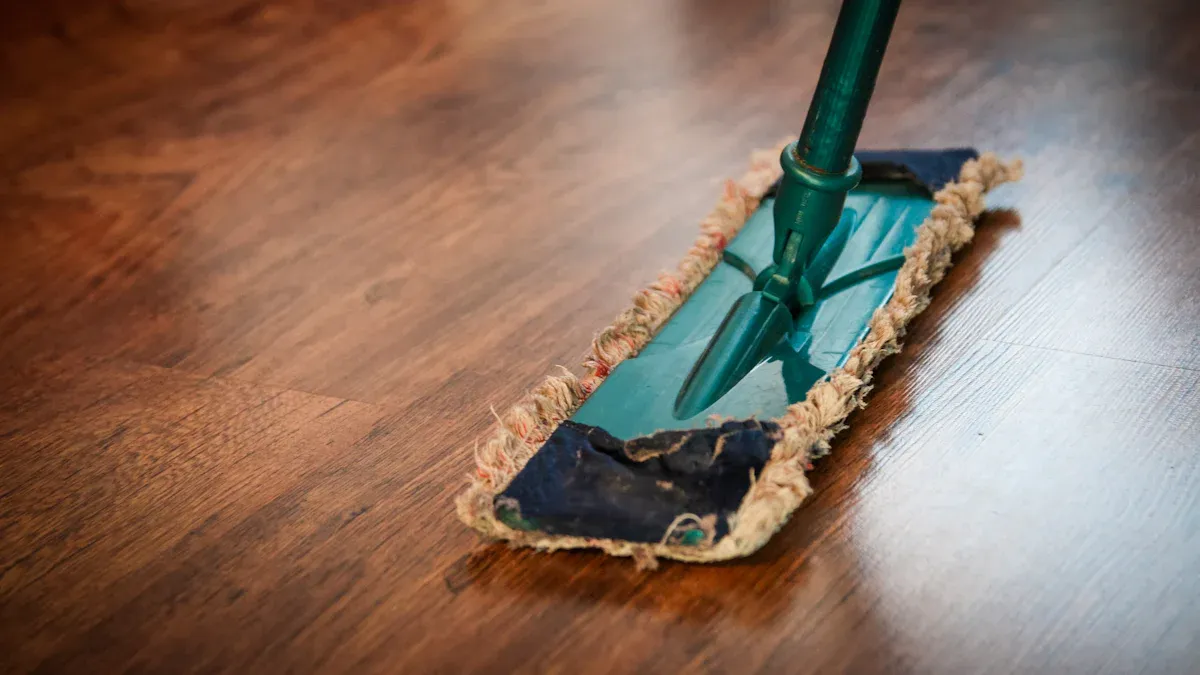
You can keep your vinyl plank floors looking fresh with a simple routine. Start each day by grabbing a microfiber flat mop or a soft-bristled vacuum. Sweep or vacuum to remove loose dirt and crumbs. Pay extra attention to high-traffic spots like entryways and areas where pets play. If you see spills, wipe them up right away using a lint-free cloth. Check for scratches or worn protectors during your daily inspection.
Weekly cleaning helps your flooring stay in top shape. Move lightweight furniture and clear obstacles from the floor. Clean entrance mats to stop dirt from spreading. Sweep or vacuum all loose debris. Mix a neutral pH cleaner as directed. Apply the cleaner evenly, making sure not to flood the floor. Use your microfiber mop to clean in small sections. This routine keeps your vinyl plank floors clean and protects their finish.
Tip: Regular cleaning prevents buildup and keeps your vinyl looking new.
Deep Cleaning Process
Sometimes your flooring needs a deeper clean. Begin by removing crumbs, dirt, and pet hair. Use a damp microfiber cloth to tackle scuff marks. Prepare a cleaning solution by mixing 1 cup vinegar, 1 cup hot water, and a few drops of dish soap in a spray bottle. Wet your microfiber mop pad with warm water and wring it out. Spray a light mist of the solution on the floor and mop right away. Work across the room, rinsing the mop head as needed. After mopping, dry the floor with a clean towel to prevent water damage.
Note: Drying the floor after deep cleaning helps avoid moisture problems and keeps your vinyl plank flooring in great condition.
Following these steps makes it easy to clean vinyl plank flooring. You protect your investment and keep your home looking its best.
Handling Stains and Scuff Marks on Flooring
Removing Common Stains Safely
You may find different types of stains on your vinyl plank floors. Each stain needs a specific method for safe removal. The table below shows common stains and how you can clean them:
| Stain Type | Removal Method |
|---|---|
| Water-Based | Blot the stain, use soapy water, rinse, and dry. For stubborn stains, use a specialized cleaner. |
| Oil-Based | Blot the stain, apply baking soda or cornstarch, then use a vinegar solution if needed. |
| Ink | Blot with a cloth, use rubbing alcohol or a lemon juice-cream of tartar paste for older stains. |
| Rust | Apply a lemon juice and salt paste, let sit, scrub gently, and rinse. |
When removing stains, always start by blotting the area. Do not rub, as this can spread the stain. For pet messes, enzyme-based cleaners work well on vinyl plank flooring. You should avoid bleach or alkaline cleaners because they can damage the surface. Choose pH-neutral cleaners made for vinyl to keep your flooring safe and looking new. Use microfiber tools to avoid scratches.
Tip: Always test any cleaner on a small, hidden spot before using it on a larger area.
How to Clean Scuff Marks
Scuff marks often appear on vinyl plank floors from shoes or moving furniture. You can remove these marks with simple tools. Try these steps:
- Use a clean eraser to gently rub the scuff mark.
- For tougher marks, mix a few drops of dish soap with warm water. Apply the mixture to the mark and scrub with a soft sponge or cloth.
- For hard-to-remove stains, dab rubbing alcohol on a cloth and gently rub the area.
To prevent scuff marks, sweep or dust mop your vinyl flooring often. Wipe up spills quickly and use felt protectors under heavy furniture. These habits help keep your vinyl looking its best.
Note: Regular care makes cleaning easier and protects your vinyl plank floors from damage.
What to Avoid When You Clean Vinyl Plank Flooring
Harmful Cleaning Products and Chemicals
You should avoid harsh chemicals when you clean vinyl plank floors. Many products contain ingredients that can harm your flooring and your health. Some cleaners release toxic chemicals into the air. These chemicals can cause respiratory problems and increase cancer risk, especially for children. Long-term exposure to butyl benzyl phthalate (BBP) from vinyl can disrupt hormones and lead to developmental delays. BBP also leaches into indoor air and dust, causing skin irritation, asthma, and fertility issues. Volatile Organic Compounds (VOCs) from vinyl production may cause headaches, dizziness, and breathing problems.
Here are some cleaning products and chemicals you should avoid:
- Ammonia-based cleaners
- Bleach
- Abrasive powders
- Solvents like acetone
- Products with high VOCs
Tip: Always check the label before using any cleaner on your flooring. Choose pH-neutral products designed for vinyl.
Tools and Methods That Can Damage Flooring
You need to use gentle tools to protect your vinyl plank floors. Rough tools scratch the surface and ruin the finish. Steel wool and abrasive scrubbers leave marks that cannot be fixed. Hard-bristle brushes can wear down the protective layer. Dragging heavy furniture across the floor causes dents and scuffs.
Avoid these tools and methods:
- Steel wool pads
- Hard-bristle brushes
- Abrasive sponges
- Unprotected furniture legs
- Steam mops on high heat
Note: Place felt pads under furniture legs. Lift furniture instead of dragging it across your flooring.
The Risks of Excessive Water
Water can damage vinyl plank floors if you use too much. Excess moisture seeps into the seams and subfloor. This promotes mold and mildew, which can make your home unhealthy.
Excessive moisture in the subfloor could promote mold, mildew, and other moisture-related issues, which may contribute to an unhealthy indoor environment.
This warranted waterproof claim is limited to topical moisture and does not refer to moisture that may migrate from beneath or around the perimeter of the floor.
You may notice signs of water damage such as:
- Slightly soft spots underfoot
- Faint musty smell
- Planks that shift or separate
- Warping at edges near walls
- Bubbling or lifting in small areas
- Bubbling or cracking on the surface
Always use a damp mop, not a wet one. Dry the floor after cleaning to prevent water from seeping in.
Maintenance Tips for Cleaner Vinyl Plank Floors
Preventing Scratches and Dents
You want your flooring to look great for years. You can prevent scratches and dents by following a few simple steps:
- Place protective pads under all furniture legs. These pads stop scratches when you move chairs or tables.
- Sweep or vacuum daily to remove dirt and grit. Small particles can scratch the surface of vinyl.
- Use mats or rugs in high-traffic areas. These help protect your vinyl from heavy foot traffic.
- Avoid dragging heavy objects across the floor. Always lift items when you need to move them.
- Rotate heavy furniture and rugs from time to time. This prevents dents from forming in one spot.
- Keep pet nails trimmed. Sharp nails can leave marks on vinyl plank floors.
- Try a no-shoes policy indoors. Shoes can bring in debris that damages your flooring.
- Wipe up spills right away. Moisture can weaken the floor if left too long.
- Use curtains or UV-blocking films to protect against sun damage.
Tip: Regular cleaning and using the right protective products help your flooring last longer.
Long-Term Care Advice
You can keep your vinyl looking new with smart long-term care. Flooring professionals recommend these steps:
- Place felt pads under chairs and tables. For rolling office chairs, use a protective mat.
- Keep indoor humidity between 35% and 65%. This helps your flooring stay stable.
- Use blinds or UV-blocking window film to prevent fading from sunlight.
- Avoid rubber-backed mats and harsh chemicals. These can leave stains or marks.
- Do not use steam mops or flood the floor with water. Too much moisture can cause damage.
- Lift furniture instead of dragging it. This prevents scratches.
- Schedule professional cleaning if your floor needs a deep clean. Experts can restore shine without harsh chemicals.
Following these tips also helps protect your warranty. Most brands require you to follow their maintenance guidelines. If you ignore these steps, you may lose your warranty coverage.
Note: Good habits and regular care keep your vinyl plank floors looking beautiful for many years.
Why Choose skspcflooring for Your Flooring Needs
Quality and Durability of skspcflooring Products
When you choose skspcflooring, you invest in quality. The company uses advanced technology and strict quality control to produce strong and reliable flooring. Each product meets international standards like ISO9001 and ASTM. This means you get flooring that stands up to daily life. You can walk, play, and move furniture without worry. The surface resists scratches and dents. The core structure gives stability and keeps the planks from warping. You also get a wide range of designs, so your space looks modern and stylish. Many customers trust skspcflooring because the products last for years and keep their good looks.
Commitment to Safe and Easy Maintenance
You want flooring that is easy to care for. skspcflooring makes this possible. The company designs its vinyl products for simple cleaning and long-lasting beauty. You do not need harsh chemicals or special tools. A gentle routine keeps your floors looking new. Here are some ways skspcflooring supports you in maintaining your vinyl floors:
- Remove debris every day to keep the surface clean.
- Use a soft mop or cloth for regular cleaning.
- Avoid too much water to protect the floor’s structure.
- Pay attention to spills and wipe them up quickly.
You can follow these steps without stress. Regular care helps your vinyl flooring stay beautiful and strong. skspcflooring wants you to enjoy your floors for many years. The company’s focus on easy maintenance means you spend less time cleaning and more time enjoying your home.
You can keep your vinyl plank floors looking new with gentle cleaning methods. Experts recommend these steps for maintaining vinyl:
- Clean vinyl plank flooring daily with a soft-bristle broom or microfiber dust mop.
- Mop using a damp microfiber mop and a pH-neutral cleaner.
- Use furniture sliders to protect your flooring from heavy loads.
- Avoid steam cleaning or high heat.
Regular care helps your flooring stay beautiful and strong. Trust skspcflooring for easy-to-maintain vinyl solutions.
FAQ
How often should you clean vinyl plank floors?
You should sweep or vacuum your vinyl plank floors every day. Mop them once a week with a damp microfiber mop. This routine keeps your floors looking fresh and prevents dirt from building up.
Can you use a steam mop on vinyl plank flooring?
You should avoid using a steam mop on vinyl plank flooring. High heat and moisture can damage the planks. Use a damp mop instead for safe cleaning.
What is the best way to remove sticky residue from vinyl floors?
You can remove sticky residue by wiping the area with a damp cloth and a small amount of dish soap. Rinse with clean water and dry the spot with a towel.
Do you need to wax vinyl plank floors?
You do not need to wax vinyl plank floors. The surface already has a protective layer. Waxing can make the floor slippery and may cause buildup.
How do you prevent scratches on vinyl flooring?
You can place felt pads under furniture legs and use rugs in busy areas. Keep pet nails trimmed. Sweep often to remove dirt that can scratch the surface.




