
You might wonder, can you steam clean vinyl plank flooring? Most manufacturers say no. The main reasons include the risk of heat warping the planks, moisture weakening the structure, and the chance of voiding your warranty. Check this table to see what top brands recommend:
| Manufacturer | Advises Against Steam Mops |
|---|---|
| Tarkett | Yes |
| Armstrong | Yes |
| Shaw | Yes |
| Mohawk | Yes |
Stick to safer cleaning methods to keep your floors looking great and lasting longer.
Can You Steam Clean Vinyl Plank Flooring? The Straight Answer
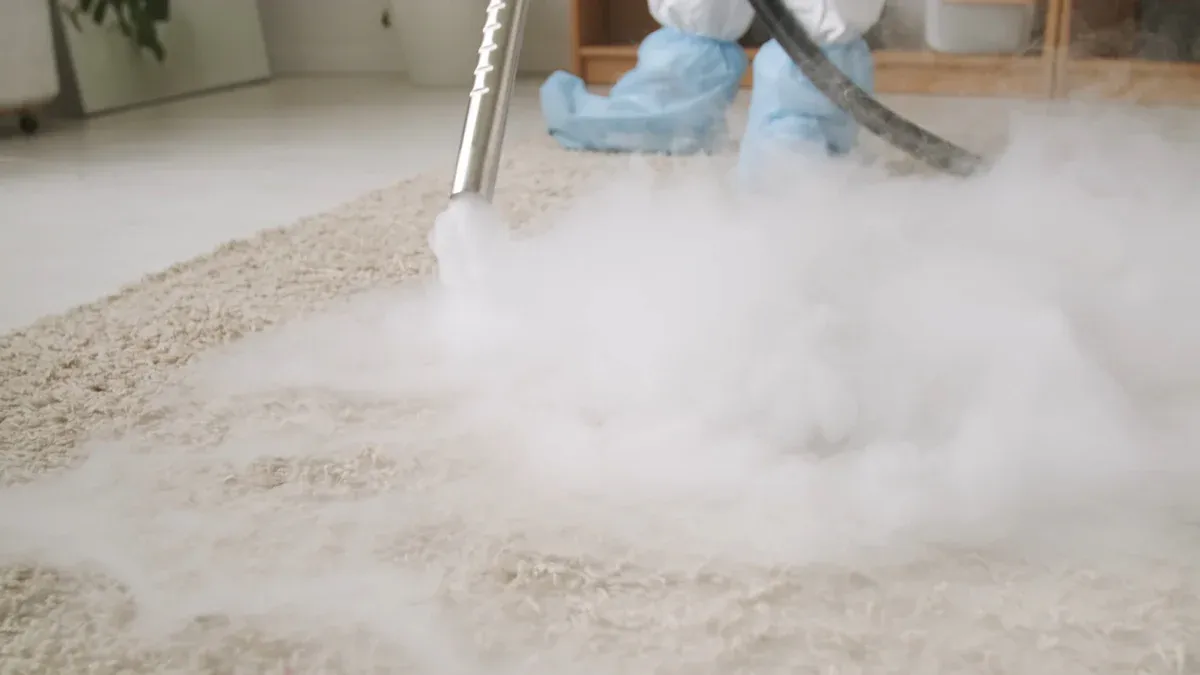
Manufacturer Guidelines from skspcflooring
When you ask, can you steam clean vinyl plank flooring, you need to look at what the experts and manufacturers say. SK-Floor, like other leading brands, does not recommend steam cleaning for vinyl plank flooring. The reason is simple. Steam cleaning uses high heat and moisture, which can harm the floor’s structure. SK-Floor follows the same guidelines as other top brands in the industry. You can see how these recommendations compare in the table below:
| Brand | Recommendation |
|---|---|
| Tarkett | Advises against steam mops due to risks of moisture infiltration and damage. |
| Armstrong | Explicitly prohibits steam mopping in residential warranties, considering it misuse. |
| General | All manufacturers agree on discouraging steam mops, promoting dry maintenance and minimal moisture. |
You might think that because vinyl plank flooring is water-resistant, it can handle steam. However, manufacturers like SK-Floor want you to use safer cleaning methods. This helps protect your investment and keeps your warranty valid.
Risks of Moisture and Heat
You may wonder, can you steam clean vinyl plank flooring without causing problems? The answer is no. Steam cleaners use both heat and water, which can damage your floor in several ways.
- Excess moisture can seep into the seams of the planks. This may cause swelling, warping, or even the layers coming apart.
- The heat from steam cleaners can reach over 200°F. This can soften the wear layer or the glue that holds the planks down. You might see gaps or lifted edges as a result.
- Many manufacturers, including SK-Floor, warn that steam cleaning can void your warranty. This means you could face expensive repairs.
- High heat and moisture can leave a cloudy film on the surface. This dulls the shine and may require professional help to fix.
Experts emphasize the potential for irreversible damage, such as swelling, warping, and delamination, when steam cleaning is applied to laminate floors. They warn that the high pressure and heat from steam cleaners can penetrate the seams of the flooring, leading to rapid absorption of moisture by the core material, which can result in catastrophic damage.
If you want your floors to last, you should avoid steam cleaning. Instead, use cleaning methods that SK-Floor and other brands recommend.
Common Misconceptions About Steam Cleaning
Many people ask, can you steam clean vinyl plank flooring if you use a low setting or a special mop? There are several common myths about steam cleaning vinyl plank floors.
- Some homeowners believe that waterproof vinyl can handle steam cleaning. In reality, steam can still get into the seams and damage the glue.
- You might think that using a steam mop on a low setting is safe. Even at low heat, the temperature can be too high for vinyl flooring.
- Many people assume that steam mops are made for vinyl floors. No major manufacturer, including SK-Floor, supports this idea.
If you want to keep your floors looking new, you should follow the advice from SK-Floor and other experts. Always ask yourself, can you steam clean vinyl plank flooring without risk? The answer remains the same: it is not safe. Choose safer cleaning options to protect your floors and your warranty.
What Happens If You Steam Clean Vinyl Plank Flooring
Potential Damage to Flooring
Steam cleaning may seem like a quick way to clean your vinyl plank flooring, but it can cause serious problems. When you use a steam mop, you expose your floor to high heat and moisture. This can lead to several types of damage:
- The heat can weaken the glue that holds your planks in place. You might notice the planks shifting or the edges curling up.
- Steam can cause the planks to warp, especially in rooms where moisture is already a problem.
- The surface of your floor can lose its shine. Over time, you may see the patterns fade or the finish become dull.
“While some newer LVP products claim steam-mop compatibility, we still advise caution. Repeated exposure to steam—even at low levels—can degrade the locking mechanisms and lead to edge curling over time.” — David Lin, Certified Floor Installer & Maintenance Consultant
Steam mops release water vapor at temperatures between 150°F and 300°F. These high temperatures can cause the planks to expand and the adhesives to break down. If you use a steam mop often or do not follow the manufacturer’s instructions, you risk damaging the floor’s structure.
Impact on Warranty and Longevity
You want your vinyl plank flooring to last for many years. Using a steam cleaner can shorten its lifespan. Steam pushes heat and moisture into the seams, which can lead to warping or problems with the glue. This means your floor may not last as long as it should.
Manufacturers like SK-Floor and other top brands warn that steam cleaning can void your warranty. If your floor gets damaged by steam, you may not get help from the manufacturer. You could end up paying for repairs or replacement yourself.
- Steam cleaning can void warranty coverage for vinyl plank flooring due to damage caused by steam cleaners.
If you want to keep your warranty and make your floor last, you should use safer cleaning methods. For deep cleaning vinyl floors, use a damp mop with a pH-neutral cleaner and avoid excess water.
Signs of Steam Damage
You may not notice steam damage right away. Over time, you might see these warning signs:
- Planks start to lift or curl at the edges.
- The floor feels soft or spongy in some spots.
- The surface looks dull or faded.
- Gaps appear between the planks.
- The floor makes new noises when you walk on it, like creaking or popping.
If you see any of these signs, stop using steam cleaners right away. Contact your flooring provider for advice on how to fix the problem. Early action can help prevent further damage and protect your investment.
How to Clean Vinyl Plank Flooring Safely
Regular Cleaning Methods Recommended by skspcflooring
You want your vinyl plank flooring to look its best every day. Start with simple steps to keep your floors clean. Sweep or vacuum the surface to remove dust and dirt. Use a soft-bristle broom or a stick vacuum for best results. This prevents scratches and keeps your floors shining.
Mop your floor with a damp microfiber mop and a pH-neutral cleaner. Avoid soaking the floor. Too much water can damage the planks. Clean vinyl floors with gentle products. Do not use harsh chemicals or abrasive pads. These can scratch or dull the surface.
Tip: Traditional cleaning methods work better than steam cleaning for sticky messes and heavy grease. You can lift stains in one pass with the right cleaner.
Spot Cleaning Tips for Everyday Messes
Spills and stains happen. You can clean them quickly with these steps:
- Blot the spill right away with a clean cloth.
- Rinse the area with warm water to stop the stain from spreading.
- Mix a few drops of dish soap with warm water. Mop the spot gently.
- Dry the area with a microfiber cloth to prevent water marks.
- For tough stains, make a paste with baking soda and water. Let it sit for 5-10 minutes, then scrub gently.
- Use rubbing alcohol for ink or marker stains. Test in a hidden spot first.
- For grease, put a few drops of dish soap on the stain, then wipe with warm water.
You should always use safe products. A pH-neutral cleaner or isopropyl alcohol works well for spot cleaning. Clean vinyl floors with a damp microfiber cloth for best results.
Deep Cleaning Without Steam
You can deep clean vinyl floors without steam or too much water. Follow these steps:
- Vacuum the floor to remove all dust and debris.
- Mix one gallon of water with one cup of white vinegar and a drop of mild dish soap.
- Mop the floor, moving with the grain of the planks.
- Rinse the mop often and repeat for busy areas.
- Dry the floor with a microfiber cloth to speed up drying.
- For stubborn spots, use a small amount of Goo-gone, olive oil, or baking soda.
Professional cleaners inspect the floor, vacuum, use safe cleaning solutions, and dry the floor quickly. This keeps your clean waterproof flooring looking new and safe for your family.
Tips to Keep Vinyl Plank Flooring Looking New
Preventative Care and Maintenance
You can keep your vinyl plank flooring looking new with a few simple habits. Start by sweeping or vacuuming every day. This removes dirt and grit that can scratch the surface. Mop your floor each week with a damp microfiber mop and a pH-neutral cleaner. Place floor protectors under furniture legs to stop scratches. Manage sunlight with curtains or blinds to prevent fading. Choose cleaning products made for vinyl floors. If you see damage, fix it right away so it does not get worse.
- Sweep or vacuum daily to remove dust and grit.
- Damp mop weekly with a pH-neutral cleaner.
- Use floor protectors on all furniture.
- Cover windows to block harsh sunlight.
- Address any damage as soon as you notice it.
These steps help you avoid problems and make cleaning easier.
Dos and Don’ts for Long-Lasting Shine
You want your floors to shine and last for years. Follow these dos and don’ts to protect your investment:
- Do sweep or vacuum often to keep the surface clean.
- Do wipe up spills right away to prevent stains.
- Do use a pH-neutral cleaner when you mop.
- Do place pads under furniture to avoid dents.
- Don’t use abrasive scrubbers or harsh chemicals.
- Don’t use steam mops, as they can warp the planks.
- Don’t leave standing water on the floor.
- Don’t use wax-based products or ammonia cleaners.
Note: Avoid using too much water or abrasive pads. These can damage the finish and shorten the life of your floor.
Maintenance Schedule for skspcflooring Products
A regular schedule helps you keep your floors in top shape. You can see the difference between residential and commercial routines in the table below:
| Feature | Residential Routine | Commercial Routine |
|---|---|---|
| Daily/Weekly Care | Sweep or vacuum, damp mop as needed | Sweep or vacuum, damp mop as needed |
| Deep Cleaning | Quarterly with pH-neutral cleaner | Quarterly with pH-neutral cleaner |
| Buffing | Not required | Quarterly buffing (if needed) |
| Waxing/Stripping | Not required | Not required |
Good habits add years to your floor’s life. Clean often, use the right products, and protect your floor from heavy furniture. Address small issues quickly. This approach makes vinyl floor maintenance simple and effective.
You can keep your floors looking new with these easy steps. Clean regularly, follow the dos and don’ts, and stick to a schedule. Your vinyl plank flooring will stay beautiful for years.
You should avoid steam cleaning vinyl plank flooring to protect its appearance and durability. Stick to these key steps for best results:
- Sweep or vacuum often to stop scratches.
- Use a damp mop with a mild cleaner for regular cleaning.
- Place pads under furniture and use mats to prevent damage.
- Check your floor for signs of wear and follow skspcflooring guidelines.
These cleaning habits help your floor stay beautiful and strong. Using safe methods prevents scratches, chemical buildup, and water damage.
FAQ
Can you use a steam mop on vinyl plank flooring?
You should not use a steam mop on vinyl plank flooring. The heat and moisture can damage the planks. Always follow manufacturer guidelines for safe cleaning.
What is the best way to clean vinyl plank flooring?
Sweep or vacuum daily. Mop with a damp microfiber mop and a pH-neutral cleaner. Dry the floor after mopping. Avoid harsh chemicals and abrasive tools.
How often should you clean vinyl plank flooring?
You should sweep or vacuum every day. Mop once a week or as needed. Stick to a regular cleaning routine to keep your floors looking new.
What should you avoid when cleaning vinyl plank flooring?
Avoid steam mops, abrasive scrubbers, and wax-based products. Do not use ammonia or bleach. Never leave standing water on the floor.
How do you remove tough stains from vinyl plank flooring?
- Blot spills right away.
- Use a mild dish soap and warm water for most stains.
- For ink or marker, try rubbing alcohol on a cloth.
- Test any cleaner in a hidden spot first.




