
You might think you need to clean vinyl plank flooring often, but that is not always true. Cleaning your luxury vinyl tile or plank too much can cause scratches or dull spots. Daily sweeping or vacuuming helps keep dust away. Weekly mopping is enough for most homes. Many people clean more than necessary, but you should protect your floors by following what manufacturers suggest.
- Manufacturers recommend daily sweeping or vacuuming, especially in high-traffic areas.
- Weekly mopping is advised, with more frequent cleaning after spills or stains.
- Homeowners may not always adhere to this schedule, leading to variations in actual cleaning practices.
When Cleaning Vinyl Plank Flooring Is Not Always the Best Idea
Over-Cleaning Risks for Vinyl Plank Flooring
You might think that cleaning your floors more often will keep them looking new. In reality, over-cleaning can do more harm than good. When you use the wrong cleaning solution or tools, you risk damaging the surface. Flooring experts warn about several common risks:
- Scouring pads can leave scratches on the surface.
- Cleaners made for hardwood can create a sticky buildup, making your floor slippery and harder to clean.
- Steam mops can weaken the adhesive and cause the planks to warp or separate because of the heat.
- Acidic ingredients like vinegar or lemon juice can break down the protective layer, leading to discoloration and a weaker floor.
If you want your vinyl plank flooring to last, you need to avoid these mistakes.
How “Clean” Can Lead to Damaged Floors
You may not realize that too much cleaning can actually shorten the life of your floors. Frequent wet mopping or using harsh chemicals can cause several types of damage:
- Chemical stains may appear if you use strong cleaning agents.
- Too much moisture from steam mops or soaking can make planks swell, warp, or even grow mold.
- Abrasive tools can erode the protective layer, causing pitting and discoloration.
Tip: Stick to daily sweeping and weekly mopping with a pH-neutral cleaner. This routine helps your floors stay beautiful and strong.
Industry studies show that regular, gentle care can extend the life of your floors by up to 50%. Neglecting proper maintenance or cleaning too aggressively can lead to early wear and tear.
Signs You’re Cleaning Too Often
You might wonder how to tell if you are cleaning too much. Watch for these signs:
- The floor looks dull or has lost its shine.
- You notice sticky or slippery spots after cleaning.
- The edges of the planks start to lift or separate.
- There are visible scratches or pitting on the surface.
If you see any of these problems, you may need to adjust your cleaning habits. Remember, you do not need to clean vinyl plank flooring every day with water or strong products. Simple, regular care is enough to keep your floors in top shape.
Common Mistakes When You Clean Vinyl Plank Flooring
You want your vinyl plank flooring to look great, but some cleaning habits can cause more harm than good. Many homeowners make mistakes that lead to scratches, dull spots, or even structural damage. Knowing what to avoid helps you protect your floors and keep them looking new.
Using Too Much Water on Vinyl Plank Flooring
Water seems harmless, but using too much can create big problems. Vinyl plank flooring is waterproof, but water can still seep underneath the planks. When moisture gets trapped, mold and mildew can grow. This damages the subfloor and weakens the flooring. Water under vinyl is hard to dry out, so you should always mop with a damp—not wet—mop and dry the floor right away.
- Excessive water can lead to trapped moisture beneath vinyl planks.
- Mold and mildew may develop, damaging the subfloor.
- Proper installation and sealing help prevent water from getting underneath.
Tip: Never leave floors to air dry after mopping. Dry them with a soft towel to avoid water damage.
Harsh Chemicals and Their Effects
You might think a strong cleaning solution will make your floors shine, but harsh chemicals can do the opposite. Bleach and ammonia can dull the finish and damage the vinyl. Some cleaning products contain toxic substances that pose health risks. Children in homes with vinyl flooring have shown higher levels of phthalate metabolites, which can affect health. Flame-retardant chemicals like PBDEs are linked to delays in development and other health issues.
- Bleach and ammonia damage the finish.
- Toxic chemicals can affect indoor air quality and health.
- Stick to pH-neutral products for safe cleaning.
Abrasive Tools and Scrubbing Pads
Scrubbing pads and steel wool seem like good tools for tough stains, but they scratch the surface of vinyl plank flooring. Once the wear layer is scratched, dirt collects in the grooves, making lines visible across the floor. Abrasive pads clean by scratching, which works on hard surfaces but ruins vinyl. You should use soft cloths or microfiber mops instead.
- Steel wool and scouring pads cause permanent scratches.
- Scratches create grooves that trap dirt.
- Factory-coated finishes can be damaged by abrasive tools.
Note: Avoid using the brush roll when vacuuming. Bristles can scratch the vinyl planks and dull the finish.
Why Steam Mops Are a Bad Choice
You might think steam mops make cleaning easier and faster. Many people use them on hard floors, but vinyl plank flooring reacts differently. Steam mops use hot steam to loosen dirt and kill germs. This sounds helpful, but the heat and moisture can cause serious problems for your floors.
Vinyl plank flooring has a protective layer that keeps it strong and beautiful. When you use a steam mop, the hot steam can break down this layer. The heat may cause the planks to warp or curl at the edges. Moisture from steam can seep into the seams, making the planks swell or separate. You risk damaging the adhesive that holds the planks in place.
Here are some reasons to avoid steam mops:
- Steam can weaken the glue under the planks.
- High heat may cause the vinyl to lose its shape.
- Moisture can lead to mold or mildew under the flooring.
- The protective finish may fade or peel.
Tip: If you want to keep your floors safe, choose dry cleaning methods or use a damp mop. Always dry the floor right away.
You may see some brands claim their vinyl plank flooring is waterproof. This means spills and splashes will not harm the surface. However, steaming or wet mops push moisture deep into the floor, which can cause hidden damage. You should follow the manufacturer’s guidelines for cleaning. Most experts recommend avoiding steam mops completely.
A simple cleaning routine works best. Sweep or vacuum daily. Mop with a damp cloth once a week. Dry the floor after mopping. These steps help your vinyl plank flooring stay strong and look new for years.
Products and Methods to Avoid for Vinyl Plank Flooring
You want your vinyl plank flooring to last for years. You need to know what not to use to clean lvp or lvt floors. Some products and methods can cause damage, even if they seem safe at first.
Wax, Polish, and Oil-Based Cleaners
Many people think wax or polish will make their floors shine. In reality, these products can create a sticky buildup that traps dirt and makes your floor look dull. Oil-based cleaners can also damage the surface coating and may even void your warranty. You should always avoid these products.
Here is a quick look at why you should skip wax, polish, and oil-based cleaners:
| Product Type | Why to Avoid |
|---|---|
| Wax, Polish, Oil-Soap | Causes buildup, traps dirt, and damages the surface coating. |
| Oil-Based Cleaners | Interferes with the manufacturer’s finish and may void your warranty. |
Tip: Stick with water-based cleaners that are safe for vinyl plank flooring.
Vinegar and DIY Solutions: Use with Caution
You might see advice online about using vinegar or homemade cleaning solutions. While some mixtures can remove dirt, you need to be careful. Vinegar and lemon juice are acidic. They can break down the protective layer and cause your floor to lose its shine. If you want to try a DIY cleaning solution, always test it on a small, hidden spot first.
- Use only a small amount of vinegar in a large bucket of water.
- Never use straight vinegar or lemon juice.
- Always check for discoloration before cleaning the whole floor.
Experts recommend pH-neutral cleaners for the best results. These products clean without harming the finish.
Ammonia and Bleach: The Dangers
You may think strong cleaners like ammonia and bleach-based cleaners will kill germs and remove stains. These products actually break down the wear layer and cause surface damage. Over time, you might see discoloration or even cracks. Most manufacturers list ammonia and bleach-based cleaners as what not to use to clean lvp or lvt floors.
- Ammonia and bleach can damage the protective coating.
- These cleaners often cause more harm than good.
- Stick to gentle products made for vinyl plank flooring.
Note: Always read the label before using any cleaning solution on your floors.
Expert Advice from skspcflooring on Safe Floor Care
What Flooring Professionals Recommend
You want your vinyl plank flooring to last for years. Flooring professionals suggest using gentle tools and safe cleaning products. You should sweep or vacuum with a soft brush to remove dirt and dust. For tough stains, you can use isopropyl alcohol or mineral spirits. Always choose a microfiber mop and a vinyl-friendly cleaner for regular mopping. If you need to scrub, pick a non-abrasive pad or a soft nylon brush.
Here is a simple routine you can follow:
- Sweep or vacuum to clear away loose dirt.
- Clean spills and stains right away with the right method.
- Mop with a pH-neutral cleaner made for vinyl plank flooring.
- Dry the floor after mopping to prevent water damage.
- For deep cleaning, use a low-speed buffer if needed.
Tip: Avoid steel wool, ammonia-based products, wax, and too much water or steam. These can damage your floor.
Why Manufacturer Guidelines Matter
You might see many cleaning tips online, but not all of them are safe for your floors. Manufacturer guidelines help you avoid costly cleaning mishaps. These instructions protect your warranty and keep your floor looking new.
Here is a table that shows the difference between what manufacturers recommend and what people often do:
| Manufacturer Guidelines | Common Practices |
|---|---|
| No steam cleaning | Steam cleaning is sometimes used |
| Use pH-neutral cleaners | General cleaners may not be pH-neutral |
| Avoid abrasive materials | Abrasive tools are sometimes used |
| Clean spills right away | Spills may be left for later |
| Use protective mats | Mats are not always used |
You should always read the care guide that comes with your flooring. Following these steps helps you avoid damage and keeps your warranty valid.
Real-Life Stories: Costly Cleaning Mistakes
Many homeowners have learned the hard way that not following expert advice can lead to big problems. Some people spent thousands replacing carpet with vinyl plank flooring, only to face issues like damaged subfloors and raised outlets that became tripping hazards. Others found that using the wrong cleaning methods caused their toilet or outlets to sit unevenly, which led to extra plumbing work. Even temperature changes between floors can make your home less comfortable if you do not install and care for your flooring correctly.
Note: Taking shortcuts or ignoring manufacturer advice can cost you time and money. Always use safe cleaning methods to protect your investment.
Safe Alternatives and Best Practices to Clean Vinyl Plank Flooring
Dry Cleaning Methods for Everyday Care
You can keep your luxury vinyl plank flooring clean every day without using water or harsh chemicals. Dry cleaning methods help remove dust, dirt, and small debris that can scratch the surface. Use a soft-bristle broom or a microfiber dust mop to sweep the floor. A vacuum with a hard floor setting also works well. Make sure the vacuum does not have a beater bar, as this can leave marks.
Dry cleaning is quick and safe. It helps you avoid moisture problems and keeps your floor looking bright. You should sweep or dust mop high-traffic areas daily. For less-used rooms, two or three times a week is enough. This routine protects the finish and makes your home feel fresh.
Tip: Place doormats at entrances to catch dirt before it reaches your vinyl plank flooring. This simple step reduces cleaning time and prevents scratches.
Spot Cleaning for Spills and Stains
Spills happen, but you can handle them without worry. Quick action keeps your luxury vinyl plank flooring clean and prevents stains from setting. For most spills, use a soft, damp cloth to wipe up the mess right away. If you see a sticky spot or stubborn stain, try these proven spot cleaning techniques:
- Wet a microfiber cloth with rubbing alcohol until it feels slightly damp.
- Start at the outer edge of the stain and work inward. This helps stop the stain from spreading.
For tough marks, like crayon or ink, you can mix baking soda and water to make a paste. Use a soft cloth to rub the paste on the stain. Gently scrub until the spot lifts away.
- Use a damp sponge or a soft-bristled brush with a gentle cleaning solution for sticky spots.
- For lipstick, ink, or grease, apply rubbing alcohol with a microfiber cloth.
These methods work well for stubborn spot cleaning. Always test any cleaner on a hidden area first. This helps you avoid damage or discoloration.
Note: Never use abrasive pads or harsh chemicals for stubborn spot cleaning. Gentle tools and safe products protect your floor’s finish.
Choosing the Right Cleaning Products
You want to keep your luxury vinyl plank flooring clean and safe. The right cleaning products make a big difference. Experts recommend using pH-neutral, low-VOC cleaners that leave no residue. These products clean vinyl plank flooring without harming the protective layer.
Here is a table of expert-recommended cleaners for vinyl plank flooring:
| Product Name | Features |
|---|---|
| Basic Coatings Squeaky Cleaner 32 oz. | Cuts through dirt and grime, low-VOC, effective on various flooring types, no-rinse cleaner. |
| COREtec Encore 12x Clean Spray 32 oz. | pH-neutral, low-VOC, no residue, works on multiple surfaces. |
| Bona Pro Stone, Tile & Laminate Cleaner 32 oz. | Low-VOC, water-based, leaves no residue, effective on many hard surfaces. |
These products help you keep your luxury vinyl plank flooring clean and shiny. Always follow the instructions on the label. Avoid using wax, polish, or oil-based cleaners. If you need to deep clean vinyl plank flooring, choose a product made for vinyl and use a soft mop.
If you wonder how to deep clean vinyl plank flooring, start by sweeping or vacuuming. Next, mop with a pH-neutral cleaner. Dry the floor with a soft towel. This process removes dirt and keeps your floor looking new.
Tip: Store your cleaning products in a cool, dry place. Check the label to make sure they are safe for vinyl plank flooring.
How Often Should You Clean Vinyl Plank Flooring?
You want your vinyl plank flooring to look great every day. You might wonder how often you should clean vinyl plank flooring. The answer depends on your lifestyle, the amount of foot traffic, and the presence of pets or children. You do not need to clean your floors every day with water or cleaning products. You can keep your floors in top shape with a simple routine.
Daily Care:
You should sweep or vacuum your vinyl plank flooring every day. Dust, dirt, and small debris can scratch the surface. Use a soft-bristle broom or a microfiber dust mop. If you have pets or kids, you may need to sweep more often.
Weekly Care:
You should mop your floors once a week. Use a damp mop and a pH-neutral cleaner. Avoid soaking the floor. Dry the surface with a soft towel after mopping. This routine keeps your floors clean without causing damage.
Spot Cleaning:
You should clean spills and stains right away. Quick action prevents stains from setting and keeps your floor safe. Use a soft cloth and a gentle cleaner for sticky spots. You can use rubbing alcohol for tough stains.
Monthly or As Needed:
You may need to deep clean vinyl plank flooring once a month or when you notice dullness or stubborn dirt. You can follow the steps for how to deep clean vinyl plank flooring. Sweep first, then mop with a vinyl-safe cleaner. Dry the floor completely. You should avoid harsh chemicals and abrasive tools.
Tip: If you see signs of wear, dullness, or sticky spots, you may need to deep clean. Always check the manufacturer’s guidelines before starting a deep clean.
Here is a simple table to help you decide how often to clean:
| Cleaning Task | Frequency | Tools Needed |
|---|---|---|
| Sweeping/Vacuuming | Daily | Soft broom, dust mop, vacuum |
| Mopping | Weekly | Damp mop, pH-neutral cleaner |
| Spot Cleaning | As needed | Soft cloth, gentle cleaner |
| Deep Clean | Monthly or as needed | Vinyl-safe cleaner, towel |
You can adjust your cleaning schedule based on your home’s needs. High-traffic areas need more frequent care. Rooms with less activity may need less cleaning. You should always focus on prevention. Place doormats at entrances and use furniture pads to protect your floors.
Note: Too much cleaning can cause damage. Stick to a regular routine and use safe products. You will keep your vinyl plank flooring looking new for years.
You can keep your floors beautiful with simple habits. You do not need to clean vinyl plank flooring every day with water. You only need to deep clean when you see signs of dirt or dullness. This approach saves time and protects your investment.
How to Deep Clean Vinyl Plank Flooring Safely
When Deep Cleaning Is Necessary
You may sweep and mop your floors regularly, but sometimes you need to deep clean vinyl plank flooring. Deep cleaning helps remove hidden grease and fine dirt particles that daily cleaning misses. You should deep clean at least once a week, especially in busy areas or after spills. If your floor looks dull or feels sticky, it is time for a deep clean. You also need to deep clean when you notice stains or scuffs that regular cleaning cannot remove.
- Deep cleaning removes stubborn dirt and grease.
- Weekly deep cleaning keeps your floor looking fresh.
- Address stains and sticky spots right away.
Step-by-Step Guide to Deep Clean Vinyl Plank Flooring
You can follow quick and easy steps for deep cleaning lvp floors. Here is how to deep clean vinyl plank flooring without causing damage:
- Check the manufacturer’s recommendations for cleaning products and safety gear.
- Gather items you’ll need for the solution: vacuum, broom, dust mop, wet mop, bucket, cleaning rags, warm water, and a cleaning solution.
- Start dry by removing debris with a broom or vacuum.
- Prepare the actual solution for deep cleaning vinyl plank flooring by mixing the cleaner with water.
- Apply the solution using a wet mop. Spread it evenly across the floor.
- Deep scrub with a low-speed floor machine or auto scrubber and a red pad.
- Remove the slurry with a wet vac or auto scrubber.
- Rinse the floor with clean water to avoid sticky residue.
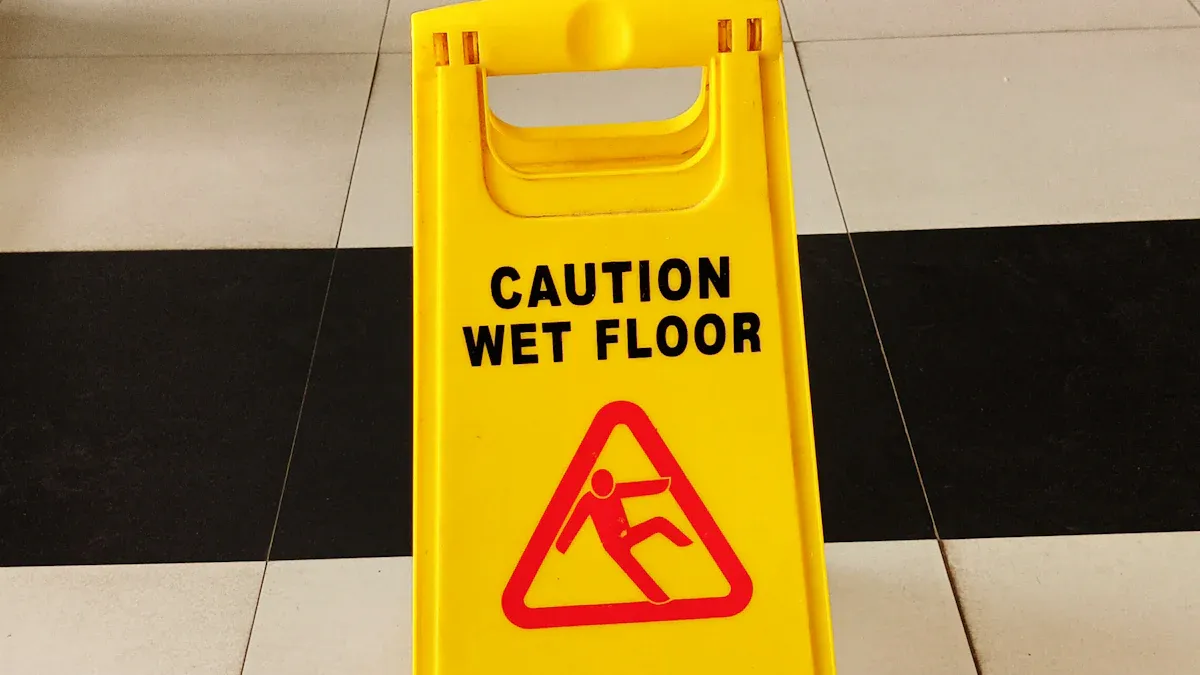
- Let the floor dry completely. Set up wet floor signs to prevent accidents.
- Address scuffs and stains with a baking soda paste or gentle methods.
Tip: Wear protective gloves and eye protection when handling cleaning products.
Products Recommended by skspcflooring
You want the actual solution for deep cleaning vinyl plank flooring to be safe and effective. SK-Floor recommends using pH-neutral, low-VOC cleaners that protect your floor’s finish. Choose products designed for vinyl plank flooring. These cleaners remove dirt without leaving residue or harming the protective layer.
| Product Name | Features |
|---|---|
| Basic Coatings Squeaky | Low-VOC, pH-neutral, no residue |
| COREtec Encore 12x Clean | Safe for vinyl, easy to use |
| Bona Pro Stone & Tile | Water-based, gentle cleaning |
You can trust these products for quick and easy steps for deep cleaning lvp floors. Always follow the instructions and check the manufacturer’s guidelines for best results.
Preventive Care for Long-Lasting Vinyl Plank Flooring
Simple Habits to Protect Your Floors
You can keep your vinyl plank flooring looking new by practicing a few simple habits every day. Sweep or vacuum regularly to remove dust and dirt. Focus on high-traffic areas because these spots collect debris faster. Blot spills right away to prevent stains. Use a pH-neutral cleaner for any residue. Deep clean every few months with a manufacturer-approved product. Check for shifting planks to maintain a seamless look. These steps help your floor stay strong and beautiful.
Tip: Quick action after spills prevents permanent damage and keeps your floor spotless.
Here are some easy habits you can follow:
- Place mats at entrances to trap dirt and moisture.
- Use felt pads under furniture to avoid scratches.
- Avoid dragging heavy objects across the floor.
- Manage sunlight exposure with blinds or UV-protective films.
Using Doormats and Furniture Pads
Doormats and furniture pads play a big role in protecting your vinyl plank flooring. High-quality mats outside and inside doorways catch dirt and moisture before it reaches your floor. This reduces scratches and scuffs. Furniture pads help distribute the weight of heavy items. They prevent dents and marks from chairs, tables, and sofas.
| Preventive Tool | Benefit |
|---|---|
| Doormats | Trap dirt and moisture |
| Furniture Pads | Prevent scratches and dents |
Note: Always choose non-staining felt pads for furniture. They protect your floor without leaving marks.
Managing Pets and High Traffic Areas
Pets and busy spaces need extra care. Sweep or vacuum often to remove hair and debris. Place washable rugs or mats in high-traffic areas for added protection. Trim your pet’s nails to prevent scratches. Use water-resistant mats under food and water bowls. Apply felt pads to pet toys if they slide across the floor. Deep clean with safe products when needed.
- Regular cleaning keeps pet hair and dirt away.
- Rugs and mats shield your floor from heavy foot traffic.
- Nail trimming stops scratches before they start.
🐾 Simple routines and smart tools help your vinyl plank flooring last for years.
You do not need to clean vinyl plank flooring every day. Less cleaning keeps your floors safe. Stick to gentle routines and follow manufacturer-approved methods.
- Sweep or vacuum often to prevent scratches.
- Use warm water and mild detergent for regular cleaning.
- Avoid excess water to protect seams.
- Baking soda paste works well for small stains.
Proper care and professional installation help your floors stay beautiful and last longer. For expert advice and quality flooring, trust skspcflooring.
FAQ
How often should you mop vinyl plank flooring?
You should mop your vinyl plank flooring once a week. Use a damp mop and a pH-neutral cleaner. Daily sweeping or vacuuming keeps dust and dirt away.
Can you use a steam mop on vinyl plank flooring?
You should not use a steam mop. The heat and moisture can damage the planks and weaken the adhesive. Stick to dry or damp cleaning methods.
What is the best way to remove stains from vinyl plank flooring?
Blot spills right away with a soft cloth. For tough stains, use a small amount of rubbing alcohol on a microfiber cloth. Always test cleaners on a hidden spot first.
Do you need to wax or polish vinyl plank flooring?
You do not need to wax or polish vinyl plank flooring. Wax and polish can cause buildup and dull the finish. Use only products made for vinyl floors.




