
You might notice your loose lay vinyl flooring starts to lift or shift. This often happens because the flooring depends on friction and weight, not glue or locks, to stay in place. Water can seep through small gaps between planks, which puts your subfloor at risk. Uneven subfloors make movement and buckling more likely. Many homeowners face similar problems with loose lay vinyl flooring, especially if the floor was not installed correctly or if heavy items sit on top for long periods.
Common Problems with Loose Lay Vinyl Flooring
Loose lay vinyl flooring offers many benefits, but you may still face some common problems. Understanding these issues helps you prevent bigger headaches later.
Moisture and Water Damage
Moisture damage is one of the most common problems with loose lay vinyl flooring. Even though luxury vinyl flooring has a waterproof core, standing water or high humidity can still cause trouble. Water can seep into seams and edges, leading to swelling, peeling, and even mold growth. If you do not clean up spills quickly, you risk adhesive issues and surface damage. Over time, moisture problems can weaken the floor’s structure and cause peeling or lifting. You should always use a moisture barrier and keep indoor humidity between 30-50%. Quick cleanup and regular checks help protect your floor from damage.
Tip: Always check for leaks or spills near sinks, dishwashers, and entryways. Early action prevents bigger problems.
Poor Subfloor Preparation
A smooth, dry, and level subfloor is key to avoiding problems with loose lay vinyl flooring. If the subfloor has bumps, dips, or moisture, you may see peeling, lifting, or even adhesive issues. Uneven surfaces make it hard for the vinyl to stay flat, which leads to common issues like shifting or buckling. Dirt or debris under the planks can also cause surface damage and reduce the floor’s lifespan. You should always clean and level the subfloor before installation to prevent these problems.
Improper Installation Techniques
Improper installation is another reason you might see problems with loose lay vinyl flooring. Some common issues include:
- Not preparing the subfloor properly (not level, clean, or dry)
- Failing to engage the planks fully during installation
- Skipping expansion gaps around the room’s edges
- Not letting the flooring adjust to the room’s temperature and humidity
- Using the wrong adhesive or not enough adhesive for glue-down vinyl
These mistakes can cause peeling, adhesive issues, and lifting. You may notice the floor shifting or separating at the seams. Careful installation helps you avoid these problems and keeps your floor looking great.
Temperature and Humidity Fluctuations
You may notice problems with loose lay vinyl flooring when the temperature or humidity in your home changes quickly. Vinyl flooring contains hydrophobic polymers, which help block water and keep the floor flexible. However, sudden temperature fluctuations can cause the floor to expand or contract. This movement often leads to buckling, lifting, or even gaps between planks.
If you install your flooring without letting it adjust to the room’s conditions, you increase the risk of problems. You should always let the vinyl sit in the room for at least 48 hours before installation. This step helps the material get used to the temperature and humidity. Keeping your home’s temperature and humidity steady after installation also prevents issues.
Tip: Always leave expansion gaps around the edges of your floor. These gaps allow the vinyl to move slightly without causing buckling or lifting.
Regional climate can also affect your floor. For example, homes near the coast may face high humidity, while desert homes deal with big temperature swings. Both situations can cause moisture to seep under the flooring, leading to damage or fading. Using a moisture barrier and sealing expansion gaps helps protect your floor from these problems.
Heavy Furniture and Impact
Heavy furniture can cause serious problems with loose lay vinyl flooring. If you drag or drop heavy items on the floor, you may see buckling, scratches, or even permanent damage. Placing furniture directly on the vinyl without protection can leave dents or tears.
To avoid these issues, use protective pads or wood panels under heavy furniture. Make sure the feet and casters of your furniture are smooth and wide enough to spread out the weight. This step helps prevent buckling and other problems. After installing new flooring, wait at least 72 hours before moving heavy items onto it. This waiting period gives the floor time to settle and reduces the risk of damage.
Note: Check your furniture pads often. Replace them if they wear out to keep your floor safe from fading, scratches, and other issues.
Why Does Loose Lay Vinyl Flooring Lift?
Loose lay vinyl flooring can lift for several reasons. You might see planks lifting, curling, or even widespread lifting across a room. These problems often start with moisture, subfloor issues, or mistakes during installation. Understanding each cause helps you prevent future damage and keep your floor looking new.
How Moisture Causes Lifting
Moisture is one of the main reasons you see loose lay vinyl flooring lifting. Water can come from spills, leaks, or even vapor rising from a concrete subfloor. When moisture gets trapped under the vinyl, it creates pressure. This pressure pushes the flooring up, causing bubbles, curling, or peeling at the edges.
- Vinyl flooring can shrink, curl, or bubble when exposed to moisture. This happens because the material changes shape when it gets wet.
- Moisture vapor from concrete can build up under the floor. When this vapor cannot escape, it lifts the vinyl as it tries to get out.
- Sometimes, water carries chemicals from the subfloor. These chemicals react with the flooring or underlayment, causing more lifting and even wear layer peeling.
- Even strong adhesives cannot stop moisture from causing dimensional changes in the vinyl. You may still see adhesive issues and peeling if water gets underneath.
Tip: Always check for signs of moisture before installing your floor. Use a moisture barrier if you have a concrete subfloor.
Subfloor Issues and Lifting
The condition of your subfloor plays a big role in how well your loose lay vinyl flooring stays in place. If the subfloor is not flat, dry, or clean, you will likely see problems like planks lifting or widespread lifting.
- Uneven subfloors create gaps under the vinyl. These gaps make it easy for the flooring to move or buckle.
- Dirt or debris left on the subfloor can cause bumps. These bumps lead to peeling and surface damage.
- Soft or unstable underlayments can cause the floor to flex. This flexing often results in lifting or bubbling.
- Subfloors that are not level or have moisture problems increase the risk of adhesive issues and peeling.
You should always prepare your subfloor carefully. Make sure it is smooth, dry, and free of dust. This step helps prevent many common issues.
Installation Errors Leading to Lifting
Mistakes during installation can cause your loose lay vinyl flooring to lift. You might notice problems soon after installation or months later.
- Not letting the vinyl planks adjust to the room’s temperature and humidity can cause expansion or contraction. This leads to gaps, curling, or lifting.
- Skipping expansion gaps around the edges of the room can trap the flooring. When the vinyl expands, it has nowhere to go, so it lifts or buckles.
- Using the wrong adhesive or not enough adhesive can cause adhesive issues. The flooring may not stay in place, leading to peeling or widespread lifting.
- Poor subfloor preparation, such as not leveling or cleaning the surface, increases the risk of problems.
If you want your floor to last, follow the manufacturer’s instructions and take your time during installation.
Environmental Factors and Lifting
Environmental factors play a big role in how your loose lay vinyl flooring performs. You might notice lifting, curling, or even gaps between planks when your home experiences frequent temperature changes or high humidity. These problems often start small but can quickly become bigger if you do not address them.
When the temperature in your home rises, vinyl planks expand. When it gets colder, the planks contract. If you do not leave enough space around the edges, the flooring has nowhere to go. This causes the planks to push against each other, leading to joint separation, peaking, or even lifting. You may see the seams start to curl or the edges rise up. Direct sunlight can make this worse. Sunlight heats up certain areas of the floor, causing localized expansion. This leads to uneven surfaces and more lifting.
Humidity also affects your flooring. High humidity can cause moisture to collect under the planks. This moisture weakens the grip of the floor and makes it easier for the planks to move. If you have poor ventilation, the moisture has nowhere to go. Over time, you may see the flooring start to bubble or lift. In some cases, condensation forms under the floor, especially if you live in a humid climate or have a concrete subfloor. This can lead to even more problems, such as mold growth or fading of the floor’s color.
Tip: Keep your home’s temperature and humidity steady. Use blinds or curtains to block direct sunlight and prevent color fading. Good ventilation helps reduce moisture buildup and protects your floor from damage.
You should also watch out for rapid temperature changes. If you turn the heat on high after a cold night, the sudden change can stress the vinyl. This stress often leads to lifting or curling at the seams. Floating installations without proper expansion gaps or moisture control can shift or buckle when exposed to these environmental changes.
Here are some common environmental factors that cause lifting:
- Temperature fluctuations cause expansion and contraction, leading to joint separation and lifting.
- High humidity and moisture create condensation under the flooring, weakening its hold.
- Direct sunlight causes localized expansion, which leads to curling and peaking.
- Poor ventilation increases moisture buildup, making lifting and fading more likely.
- Rapid temperature changes put extra stress on the flooring, causing problems over time.
Color fading is another concern. Sunlight and heat can cause the floor’s color to fade unevenly. You may notice fading in spots where sunlight hits the floor most often. This not only affects the look of your floor but can also weaken the material, making lifting and other problems more likely.
If you want to avoid these problems, keep your home’s environment stable. Use window coverings to block harsh sunlight. Run a dehumidifier if your home feels damp. Make sure your floor has enough space to expand and contract. These steps help prevent fading, lifting, and other common problems with loose lay vinyl flooring.
How to Fix Loose Lay Vinyl Flooring That Lifts
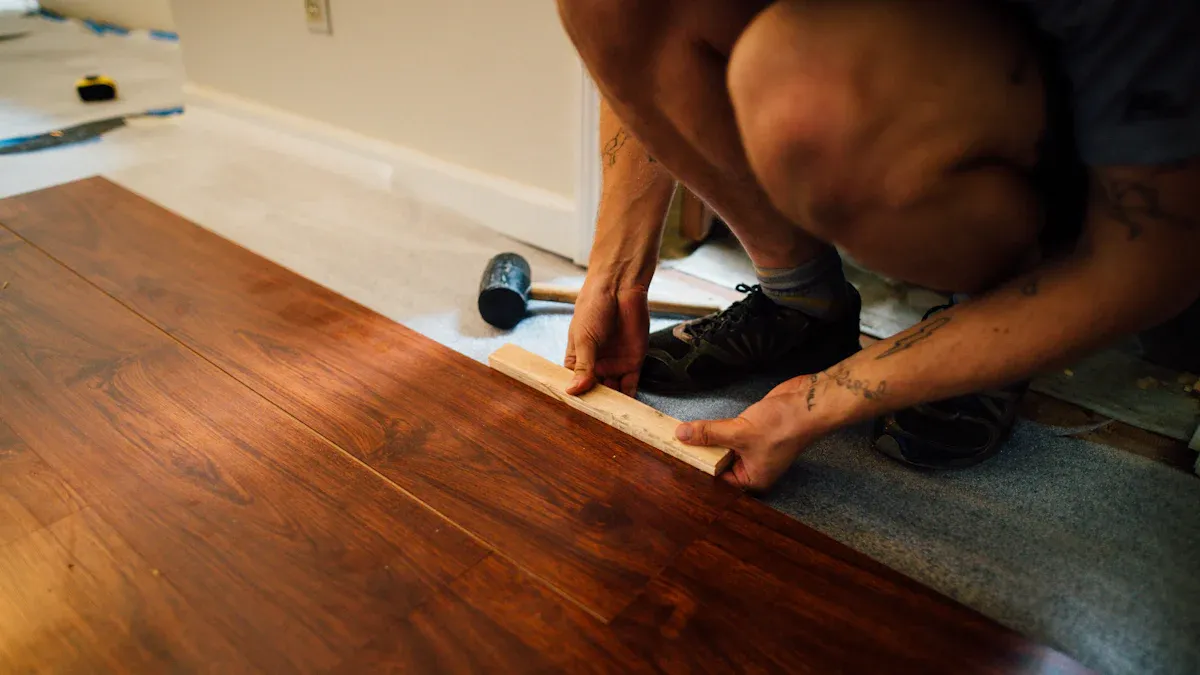
Loose lay vinyl flooring can lift for many reasons, but you have several ways to repair it. The right method depends on how much of the floor has lifted and what caused the problem. You can often handle small issues yourself, but bigger problems may need professional help. Here are step-by-step solutions for different levels of lifting.
How to Fix Minor Lifting
You can repair minor lifting at seams or corners with simple tools and a little patience. Start by checking the area for dirt or debris. Clean the seam or edge with a damp cloth and let it dry. Use a utility knife to trim any loose or damaged edges. If the plank has a click-lock system, gently push it back into place or tap it with a rubber mallet.
For small lifted spots, double-sided vinyl tape works well. Cut a piece of tape to fit under the lifted area. Use a putty knife to lift the vinyl gently, then slide the tape underneath. Press the vinyl down firmly. Place a heavy object, like a stack of books, on top for at least 24 hours to help the bond set.
Tip: A seam roller can help flatten seams. Roll over the area with moderate pressure to smooth out the lifted edge.
Recommended tools for minor repairs:
- Utility knife
- Putty knife or scraper
- Measuring tape
- Double-sided vinyl tape or vinyl adhesive
- Roller or heavy object
Allow the area to dry fully before walking on it. This simple approach can fix luxury vinyl flooring in most cases when the problem is small.
How to Fix Moderate Lifting
Moderate lifting covers larger sections or areas where the vinyl has come loose from the subfloor. You need to take extra steps to make sure the repair lasts. First, lift the affected plank or section with a putty knife. Remove any old adhesive and clean the subfloor. If you see moisture or uneven spots, dry and level the area before continuing.
Apply a thin, even layer of vinyl flooring adhesive or waterproof adhesive to the subfloor. Place the vinyl back in position. Use a roller or a heavy object to press the vinyl down and remove air pockets. Keep the weight on the area for 24 to 48 hours. This helps the adhesive cure and prevents future lifting.
If you notice the floor lifting near walls, check for tight edges. Remove the baseboard and trim the vinyl to create a small expansion gap. Reinstall the baseboard without pressing it tightly against the floor.
Note: Always follow the adhesive manufacturer’s instructions for drying times and safety.
How to Fix Severe Lifting
Severe lifting often means large sections have buckled or the subfloor has major issues. You may see widespread lifting, bubbling, or even damaged planks. In these cases, you should consider calling a professional. Handymen or flooring experts can remove the affected sections, replace adhesives, and reinstall the flooring correctly. They also check for moisture problems and repair the subfloor if needed.
Professionals use advanced tools to assess the damage. They can recommend whether to repair or replace the flooring. Sometimes, they need to replace damaged planks or sections. Early intervention by an expert can save you money and prevent bigger problems later.
The average cost to repair loose lay vinyl flooring ranges from $50 to $170 for simple re-gluing by a handyperson. More complex repairs, such as patching or replacing damaged tiles, can cost up to $350 or more. If the subfloor needs work, the price may increase.
Callout: If you feel unsure about how to fix severe lifting or if you suspect moisture under the floor, contact a professional. This protects your warranty and ensures the best results.
These solutions help you fix luxury vinyl flooring and keep your floors looking great. Always address the cause of the lifting to prevent it from happening again.
How to Fix Luxury Vinyl Flooring Edges and Seams
Edges and seams are the most common places where loose lay vinyl flooring starts to lift. If you see gaps, curling, or separation at these spots, you can often repair them yourself with a few simple tools and careful steps. Knowing how to fix luxury vinyl flooring at the edges and seams helps you keep your floor looking smooth and prevents bigger problems later.
Step-by-Step Guide to Repairing Edges and Seams
-
Clean and Prepare the Area
Start by vacuuming the seam or edge. Remove any grit, dust, or loose adhesive. Take care not to scratch the vinyl. A clean surface helps the adhesive bond better. -
Apply Adhesive Carefully
Use masking tape to protect the surrounding floor. Apply a thin, even coat of vinyl adhesive under the lifted edge or seam. Avoid using too much glue, as this can cause mess and weak spots. -
Press and Secure the Seam
Press the seam down firmly. Use a block of wood or a rolling pin to make sure the vinyl sticks well to the subfloor. This step helps remove air pockets and ensures a tight seal. -
Clean Up Excess Adhesive
Wipe away any glue that squeezes out with a damp rag. Quick cleanup prevents sticky spots and keeps your floor looking neat. -
Weigh Down the Repair
Place a piece of wax paper over the seam. Set a scrap of plywood on top, then add heavy objects like books or buckets of water. Leave this in place overnight or for at least 10 hours. The weight helps the adhesive cure and keeps the seam flat. -
Seal the Seam
After the adhesive dries, run a bead of vinyl seam sealer along the repaired edge. Use a straightedge to guide your hand for a neat finish. This step protects the seam from moisture and future lifting. -
Install a Transition Strip if Needed
If the seam edges look damaged or do not close tightly, you can cover them with a metal transition strip. Cut the strip to fit, then secure it with nails or screws. This hides the seam and adds extra protection.
Tip: Always follow the manufacturer’s instructions for adhesives and seam sealers. Allow enough time for the adhesive to cure before walking on the repaired area.
Best Practices to Prevent Future Lifting
- Leave proper expansion gaps around the room to let the vinyl move with temperature changes.
- Level and dry the subfloor before installation to avoid seam separation.
- Use a moisture barrier under the flooring, especially in kitchens, bathrooms, or basements.
- Clean up spills right away and keep the area well-ventilated.
- Let the vinyl planks adjust to the room’s temperature and humidity before installing.
- Do not rush repairs. Take your time to apply adhesive evenly and let it cure fully.
- If you see severe damage or the seams do not close, call a flooring professional for help.
| Common Mistake | How to Avoid It |
|---|---|
| Too much adhesive | Use a thin, even layer |
| Skipping expansion gap | Leave space at room edges |
| Not cleaning area | Vacuum and wipe before repair |
| Rushing curing time | Wait at least 10 hours |
Learning how to fix luxury vinyl flooring at the edges and seams gives you confidence to handle small repairs. You can keep your floors looking great and avoid costly replacements. If you ever feel unsure or see major damage, do not hesitate to get professional help.
Preventing Problems with Loose Lay Vinyl Flooring
Proper Acclimation and Installation
You can avoid many problems with loose lay vinyl flooring by following proper installation steps. Manufacturers recommend that you acclimate your flooring before you start. Bring the boxes into the room where you plan to install the floor. Stack them flat and keep the temperature between 65°F and 85°F. Let the planks acclimate for at least 24 hours, but some brands suggest waiting up to 72 hours. Always check if you should open the boxes for airflow or keep them sealed, as instructions can differ. These steps help prevent plank lifting, buckling, and gaps. When you focus on quality installation, you set a strong foundation for your floor.
Tip: Acclimate the flooring in the same room where you will install it. This helps the planks adjust to the room’s temperature and humidity.
Subfloor Preparation and Leveling
A smooth and level subfloor is key to preventing lvp lifting. Start by inspecting the subfloor for cracks, bumps, or dips. Use a straightedge or laser level to check for uneven spots. Fix any area that is more than 3/16 inch off over ten feet. Clean the subfloor by sweeping and vacuuming to remove dust and debris. If you find dips, fill them with self-leveling compound and let it cure. For high spots, sand them down. Install an underlayment or moisture barrier if needed, especially on concrete or in damp areas. Always leave a 1/4 inch expansion gap along the walls using spacers. Align the first row of planks carefully to keep the floor straight and reduce shifting.
- Inspect for cracks, dips, or bumps.
- Level uneven areas with sanding or self-leveling compound.
- Clean thoroughly before installing.
- Use spacers for expansion gaps.
- Align the first row for a straight start.
Moisture Control and Barriers
Moisture can cause loose lay vinyl flooring to lift. You can protect your floor by using the right moisture barriers. Polyethylene sheeting works well on concrete subfloors. Rubberized asphalt membranes and epoxy coatings also block moisture. Overlap seams by at least six inches and tape them with waterproof tape. Extend the barrier up the wall to create a waterproof basin. In high-moisture areas, consider professional sealing with industrial-grade coatings. Daily habits like monitoring humidity and using approved cleaners help keep your floor dry. Choose the right barrier for your subfloor and climate to prevent future problems.
Note: Combining several moisture control methods gives you the best defense against water damage and lifting.
Using Protective Pads and Furniture Glides
You can protect your loose lay vinyl flooring by using protective pads and furniture glides under all your furniture. These small additions make a big difference in keeping your floor safe from scratches, dents, and lifting. When you place felt pads on the legs and bases of chairs, tables, and couches, you create a soft, flat surface that spreads out the weight. This reduces direct pressure and friction, which helps prevent damage.
- Felt pads about 6mm thick and round in shape fit most furniture legs and cushion contact points well.
- Make sure the pads stick firmly to clean, flat surfaces. If sticky pads come off, try screw-on pads for better durability.
- Furniture glides also help you move heavy items without dragging, which keeps the floor from shifting or lifting.
- By cushioning the contact points, these pads act as a buffer and help maintain the stability of your loose lay vinyl flooring.
Tip: Check your pads regularly. Replace them if they wear out or fall off to keep your floor protected.
When you use protective pads and glides, you lower the risk of problems caused by heavy furniture or sudden movement. This simple step helps your floor last longer and look better.
Regular Maintenance to Prevent Lifting
Regular maintenance keeps your loose lay vinyl flooring in top shape and prevents lifting. You can follow a few easy routines to avoid damage and keep your floor looking new.
- Sweep or vacuum daily with a soft-bristle broom or a vacuum made for hard floors. This removes dirt and grit that can scratch the surface.
- Damp mop weekly using a microfiber mop and a gentle, non-abrasive cleaner. Avoid soaking the floor with too much water.
- Clean up spills right away with a soft cloth and mild cleaner. Quick action stops stains and water from seeping into seams.
- Use furniture pads or coasters under all furniture legs to prevent dents and scratches.
- Never drag heavy furniture. Lift it or use furniture sliders to move it safely.
- Place doormats at entrances and area rugs in busy spots. Choose mats with non-slip backing that will not stain the floor.
- Keep indoor humidity between 30% and 50%. This helps prevent the planks from expanding or shrinking.
- Block direct sunlight with curtains or blinds to stop fading and heat damage.
- Inspect your floor often. Fix small issues before they turn into bigger problems.
Note: Avoid harsh chemicals, abrasive cleaners, and steam mops. These can damage the surface and weaken the floor.
By following these steps, you can prevent lifting and keep your loose lay vinyl flooring strong and beautiful for years.
Address loose lay vinyl flooring problems quickly to avoid bigger issues. You protect your floor’s appearance and durability by acting early.
- Prevent long-term damage like moisture, warping, and subfloor problems.
- Maintain your floor’s value and extend its lifespan with timely repairs or professional help.
If you see large gaps, persistent lifting, or moisture under the floor, contact a flooring professional. Experts use the right tools and skills to fix problems and keep your investment safe.
FAQ
What causes loose lay vinyl flooring to lift most often?
You usually see lifting because of moisture, poor subfloor preparation, or heavy furniture. Temperature changes can also make the planks move. Always check for these issues before and after installation.
Can you fix lifted vinyl flooring yourself?
You can fix small areas yourself. Use double-sided tape or vinyl adhesive for minor lifting. For large or repeated problems, you should call a flooring professional.
How do you prevent loose lay vinyl flooring from shifting?
Place furniture pads under heavy items. Keep the subfloor clean and level. Let the flooring adjust to the room’s temperature before installing. These steps help keep your floor in place.
Is loose lay vinyl flooring waterproof?
Loose lay vinyl flooring resists water on the surface. Water can still seep through seams or edges. Always clean up spills quickly and use a moisture barrier in damp areas.
How often should you check your vinyl flooring for problems?
Check your floor every month. Look for lifting, gaps, or moisture. Early action helps you avoid bigger repairs and keeps your floor looking new.




