
You want your home to stay safe from moisture. LifeProof waterproof vinyl flooring gives you strong protection against moisture by using advanced technology and a built-in barrier. You can count on this vinyl waterproof flooring to stop spills, leaks, and humidity from reaching your subfloor. Many homeowners choose vinyl waterproof flooring for their home because it stands up to damage in moisture-prone areas. In 2025, vinyl waterproof flooring leads the market, thanks to its waterproof core, easy care, and reliable protection against moisture damage.
The Importance of Moisture Protection in Homes
Common Sources of Moisture Indoors
You face many sources of moisture in your home every day. Showers, cooking steam, and even breathing add water to the air. Basements often collect moisture because they sit below ground level. Poor ventilation and inconsistent heating can trap moisture inside. Leaks from pipes or roofs let water seep into hidden spaces. Condensation forms when warm, moist air meets cool surfaces. Moisture can also get trapped beneath carpets or inside subfloors, leading to hidden moisture problems. Scientific studies show that concrete slabs and some adhesives can release water, which encourages mold and chemical reactions. If you do not control these sources, you may see swelling, warping, or odors in your floors. Improving ventilation, fixing leaks, and using vapor barriers help prevent moisture accumulation and hidden moisture problems.
Risks of Moisture Damage to Floors and Subfloors
Moisture can enter your home in several ways and cause serious damage. High humidity can make laminate floors buckle or swell. Spills and floods allow water to slip through seams and harm the layers below. Subfloor saturation, especially over concrete, lets moisture rise into your flooring. This can lead to hidden moisture problems that weaken your floors. Using underlayments with vapor barriers helps block moisture from reaching the surface. The table below shows the types of damage and repair costs you might face:
| Type of Damage | Possible Repair Cost |
|---|---|
| Warping/Buckling | $200 – $2,000 |
| Subfloor Repairs | $250 – $750 (moderate) |
| Mold/Extensive Damage | Up to tens of thousands |
Moisture can cause warping, sagging, rotting, and even structural damage to your home. You may need to replace sections of your floor or subfloor if you ignore hidden moisture problems.
Why Moisture Protection Matters for Homeowners
Moisture protection keeps your home safe and healthy. Without it, you risk structural damage, mold, and health problems. Mold and mildew grow in damp places and can cause allergies or breathing issues. Prolonged moisture exposure weakens floors, walls, and foundations, leading to cracks and sagging. Hidden moisture problems can also lower your property value. Buyers avoid homes with a history of moisture damage, and even repaired damage can return. Repair costs rise quickly if you wait. Protecting your home from moisture helps you avoid costly repairs and keeps your family safe.
LifeProof Waterproof Vinyl Flooring Construction and Technology
Multi-Layer Waterproof Core Design
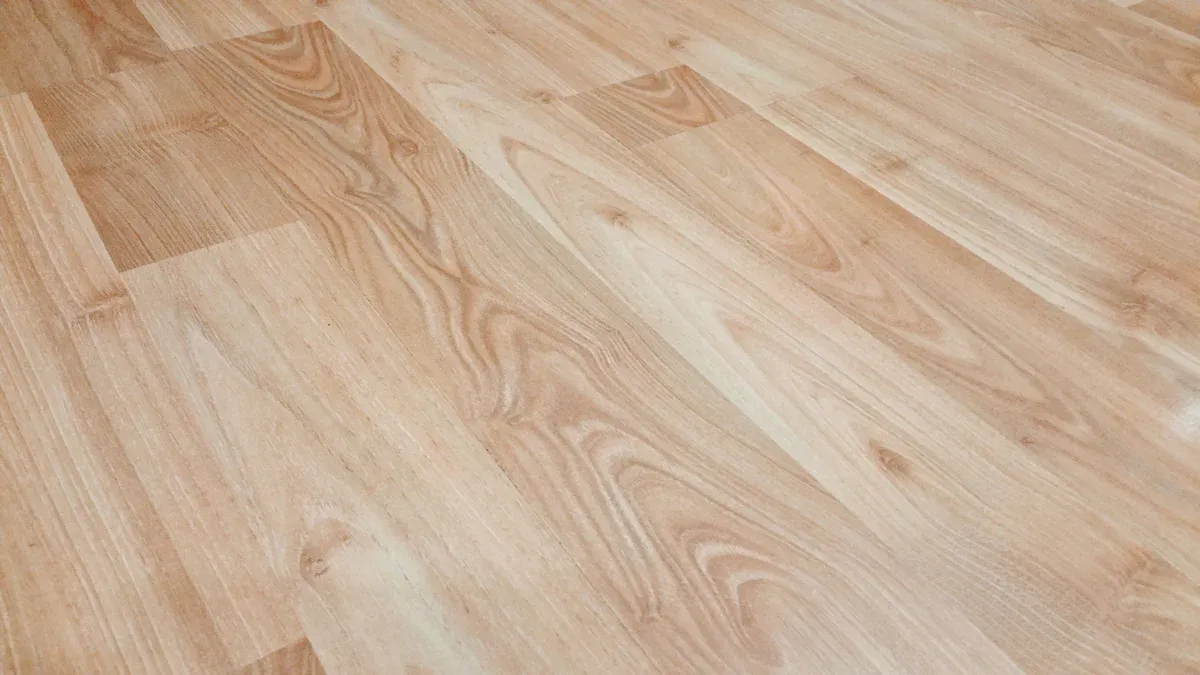
When you choose LifeProof waterproof vinyl flooring, you get a floor built with advanced layers. Each layer works together to keep water out and make your floor last longer. Here is what you will find inside the multi-layer core:
- A tough wear layer sits on top. This layer protects your floor from scratches, dents, and daily wear. It keeps your floor looking new even in busy rooms.
- Under the wear layer, you see a detailed wood-look design. This layer gives your vinyl waterproof flooring a realistic and stylish appearance.
- The most important part is the 100% waterproof core. This core blocks water from soaking in, so your floor stays strong even if you spill water or have a leak.
These layers give you strong moisture resistance. The waterproof core acts as a barrier, stopping water from reaching the subfloor. The wear layer keeps the surface safe from damage that could let water in. The whole multi-layer design helps your vinyl waterproof flooring stay durable and beautiful, even in kitchens and bathrooms where water is common.
Tip: If you want a floor that stands up to water, always look for a multi-layer waterproof core. This design gives you the best protection in moisture-prone areas.
Built-In Moisture Barrier and Surface Coating
LifeProof waterproof vinyl flooring uses built-in moisture barriers and special surface coatings to keep water out. Moisture barriers, also called vapor barriers, stop water vapor from moving through the floor. You find these barriers in many forms, such as sheets, rolls, or coatings. The best ones, like Class 1 vapor barriers, offer the highest level of moisture resistance. These barriers prevent problems like warping, swelling, and mold growth.
Surface coatings add another layer of defense. For example, epoxy coatings create a seamless, waterproof layer on the subfloor. This layer keeps water from getting into your vinyl plank flooring. Built-in moisture-resistant underlayments and coatings control how much moisture moves through the floor. They help your vinyl waterproof flooring keep its shape and color, even in damp places.
Moisture barriers work best over porous subfloors, such as concrete. You need them in basements, crawl spaces, and high-rise buildings. These barriers use smart technology. In high humidity, they let trapped moisture escape, so you do not get mold under your floor. In dry conditions, they block water from coming in. This dynamic action keeps your vinyl waterproof flooring safe and strong.
Moisture barriers act like shields under your floor. They stop water vapor from reaching your vinyl plank flooring. Surface coatings on top repel water and make cleaning easy. Together, these features prevent mold, warping, and decay. Your floor stays healthy and lasts longer.
Ultra-Fresh Treatment for Mold and Mildew Protection
You want your home to stay clean and healthy. LifeProof waterproof vinyl flooring uses Ultra-Fresh treatment to stop mold and mildew from growing. Scientists test this treatment in labs using special methods. In one test, clear plastic with Ultra-Fresh stays free of fungus, while untreated plastic grows mold. This shows that Ultra-Fresh works well to protect your vinyl waterproof flooring.
Another test uses vinyl samples treated with Ultra-Fresh. These samples do not develop pink stains or odors, even after sitting on bacteria for two weeks. Untreated samples show lots of staining. This proves that Ultra-Fresh keeps your vinyl waterproof flooring looking and smelling fresh.
Ultra-Fresh treatment gives you peace of mind. It stops mold and mildew before they start. Your floors stay clean, even in damp rooms like bathrooms and laundry areas. You get long-lasting protection and a healthier home.
Installation Methods for Maximum Waterproof Protection
Click-Lock Seams and Tight Joints
You want your floor to stay dry and strong. LifeProof vinyl flooring uses a click-lock system that creates tight, water-resistant seams between each plank. This locking system forms a secure barrier, so water cannot seep through the joints. You do not need glue or nails. The planks snap together and stay in place, which keeps the floor stable and prevents gaps. These tight joints make the flooring waterproof and perfect for kitchens, bathrooms, and laundry rooms. Unlike older flooring methods, this system blocks moisture from reaching the subfloor. You get a smooth, even surface that stands up to spills and daily use.
Moisture-Blocking Underlayment and Vapor Barriers
You can boost your floor’s waterproof power by adding a moisture-blocking underlayment and vapor barrier. Rubber underlayment works well because it blocks both liquid water and water vapor. Its dense structure keeps moisture from moving up into your vinyl flooring. When you add a 6-mil polyethylene vapor barrier under the underlayment, you create a double layer of protection. This setup is important in basements or other high-humidity spaces. The underlayment and vapor barrier work together to stop warping, swelling, and mold. Always seal the seams and edges of the underlayment to keep moisture out and protect your floor for years.
Edge Sealing and Perimeter Moisture Defense
You need to protect the edges of your floor from water. In wet areas, apply a bead of mildew-resistant silicone sealant along the perimeter where the flooring meets the wall. This step blocks water from sneaking under the planks. Keep expansion gaps around the room to let the flooring move naturally. Do not fill these gaps with sealant. Instead, cover them with trim like baseboards or quarter-round. This method lets your floor expand and contract while staying waterproof. Sealing the edges and using perimeter defense techniques help prevent water damage and mold growth. Your floor stays strong and looks great, even in the most moisture-prone rooms.
Tip: Always follow the manufacturer’s installation steps for the best waterproof results. Check that your subfloor is dry and flat before you start.
Real-World Performance of Vinyl Waterproof Flooring in Moisture-Prone Areas

Kitchens, Bathrooms, and Laundry Rooms
You need flooring that stands up to daily water and moisture in your home. Vinyl waterproof flooring works well in kitchens, bathrooms, and laundry rooms. You often see water on the floor from cooking, washing, or bathing. This flooring blocks moisture from reaching your subfloor, so you avoid costly damage. The waterproof core and tight seams keep water from seeping through. You can clean up spills quickly with a mop or towel. Many homeowners choose vinyl waterproof flooring because it is cost-effective and easy to maintain. You do not need to worry about stains or warping in these moisture-prone areas.
Tip: Always wipe up spills right away to keep your floor looking new and to prevent long-term moisture problems.
Basements, Sunrooms, and Entryways
You face special challenges with moisture in basements, sunrooms, and entryways. Vinyl waterproof flooring, such as LifeProof Shenandoah Oak, is designed for these spaces. It resists steam, splashes, and even standing water from bathtub overflows. The floating installation and built-in underlayment add a moisture barrier, which protects your home from hidden humidity. In sunrooms, UV protection helps prevent fading from sunlight. User reviews praise this flooring for its durability in homes with pets and children. You get a cost-effective solution that handles high traffic and moisture without damage. For basements with extra moisture, you can add a vapor barrier for even more protection.
- Withstands high humidity and minor leaks
- Easy to clean and maintain
- Lifetime limited residential warranty covers typical household moisture exposure
Handling Spills, Leaks, and Everyday Water Exposure
You want peace of mind when accidents happen. Vinyl waterproof flooring resists everyday spills, water from pets, and melting ice cubes. The surface does not absorb moisture, so you avoid stains and swelling. However, you should not let water sit for long periods. If water seeps under the planks, it can cause mold or damage to your subfloor. Proper installation, including edge sealing and moisture barriers, keeps your home safe. You get a cost-effective way to protect your floors in moisture-prone areas. Regular cleaning with a broom or damp mop keeps your floor fresh and free from moisture problems.
Remember: While vinyl waterproof flooring is strong against surface water, always check for leaks and fix them quickly to prevent hidden moisture issues.
Low Maintenance and Long-Term Durability Against Moisture
Easy Cleaning and Care for Waterproof Floors
You want your floors to look great with little effort. LifeProof vinyl flooring gives you low-maintenance flooring that fits busy homes. You can keep your floors clean by following a few simple steps:
- Sweep or vacuum daily to remove dirt and grit that can scratch the surface.
- Use a damp mop with a vinyl-specific cleaner or a mild vinegar solution for deeper cleaning.
- Wipe up spills right away with a soft cloth or mop.
- Avoid harsh chemicals, soap-based detergents, and abrasive tools that can damage the protective layers.
- Place felt pads under furniture legs and use doormats at entrances to prevent dents and scratches.
- Block direct sunlight with window coverings to prevent fading.
You should also check the seams and edges from time to time. Reseal them if needed to keep water out. These habits help your scratch-resistant floors stay beautiful and durable for years.
Tip: Set a cleaning schedule based on how much traffic your room gets. Regular care keeps your floors looking new and protects their waterproof features.
Resistance to Mold, Mildew, and Stains
You want floors that stay clean and healthy, even in damp spaces. LifeProof vinyl flooring uses Ultra-Fresh antimicrobial additives in its layers. These additives stop mold, mildew, and bacteria from growing. Lab tests show that treated floors resist black mold and bacteria much better than untreated ones. The antimicrobial protection stays active for the life of the floor.
Your floors also resist stains from red wine, coffee, and other spills. You can wipe away messes without worry. The scratch-resistant surface stands up to pets, kids, and high-traffic areas. This makes your floors both durable and easy to care for.
Longevity and Lasting Protection in High-Moisture Environments
You need floors that last in kitchens, bathrooms, and basements. LifeProof vinyl flooring has a waterproof core and a thick wear layer. These features keep your floors durable and scratch-resistant, even with daily spills and humidity. Manufacturer warranties cover waterproof performance for up to 20 years in homes. The flooring keeps its structure and appearance over time, as long as you follow the care and installation tips.
You can trust this flooring in high-traffic areas and moisture-prone rooms. The advanced surface technology prevents fading and staining. Proper installation, including a moisture barrier, helps your floors stay strong and durable. You get peace of mind knowing your floors will look good and perform well for many years.
You get strong protection from moisture when you choose LifeProof waterproof vinyl flooring. This flooring stands out for its advanced construction and easy care. You save money over time because:
- The waterproof core prevents damage and reduces repairs.
- The flooring resists scratches and stains, so you avoid costly maintenance.
- DIY installation lowers labor costs.
- Industry experts rank LifeProof among the top choices for moisture protection in 2025.
You enjoy peace of mind and lasting value in every room.
FAQ
How do you clean LifeProof waterproof vinyl flooring?
You can sweep or vacuum daily. Use a damp mop with a mild cleaner for deeper cleaning. Avoid harsh chemicals and abrasive tools. Wipe up spills right away to keep your floor looking new.
Can you install LifeProof vinyl flooring in a basement?
Yes, you can install it in basements. The waterproof core and moisture barrier protect against humidity and leaks. For extra protection, add a vapor barrier under the flooring.
Does LifeProof vinyl flooring resist mold and mildew?
Yes! Ultra-Fresh treatment in the flooring stops mold and mildew from growing. This keeps your floors clean and healthy, even in damp rooms like bathrooms and laundry areas.
What should you do if water gets under the vinyl flooring?
- Remove the affected planks.
- Dry the subfloor completely.
- Check for mold or damage.
- Reinstall the planks once everything is dry.
Quick action helps prevent long-term problems.




