
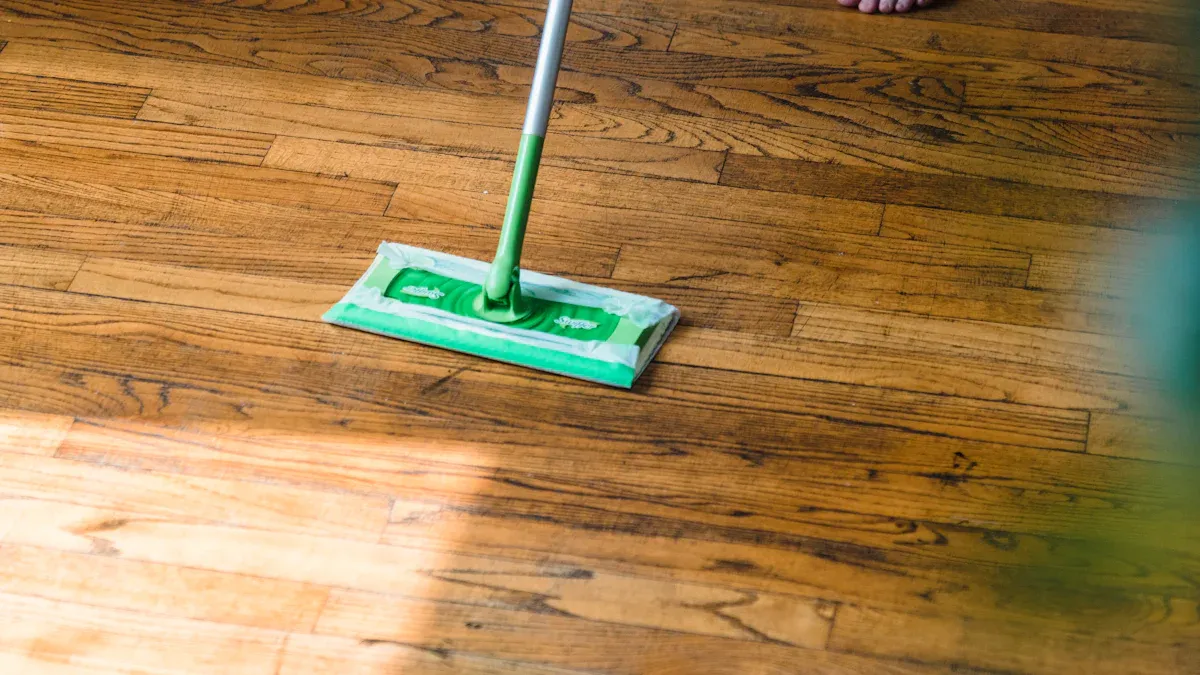
You want your luxury vinyl plank flooring to look beautiful year after year. Proper care starts with a simple cleaning routine. Sweep every day and wipe spills as soon as they happen. Use safe products and avoid harsh tools to protect your floor. When you care for your floors, you help them last longer. If you wonder, how do you install vinyl plank flooring for easy maintenance, remember that good habits keep your investment looking new.
Regular Cleaning Habits for Vinyl Plank Floors
Sweep or Dust Mop Every Day
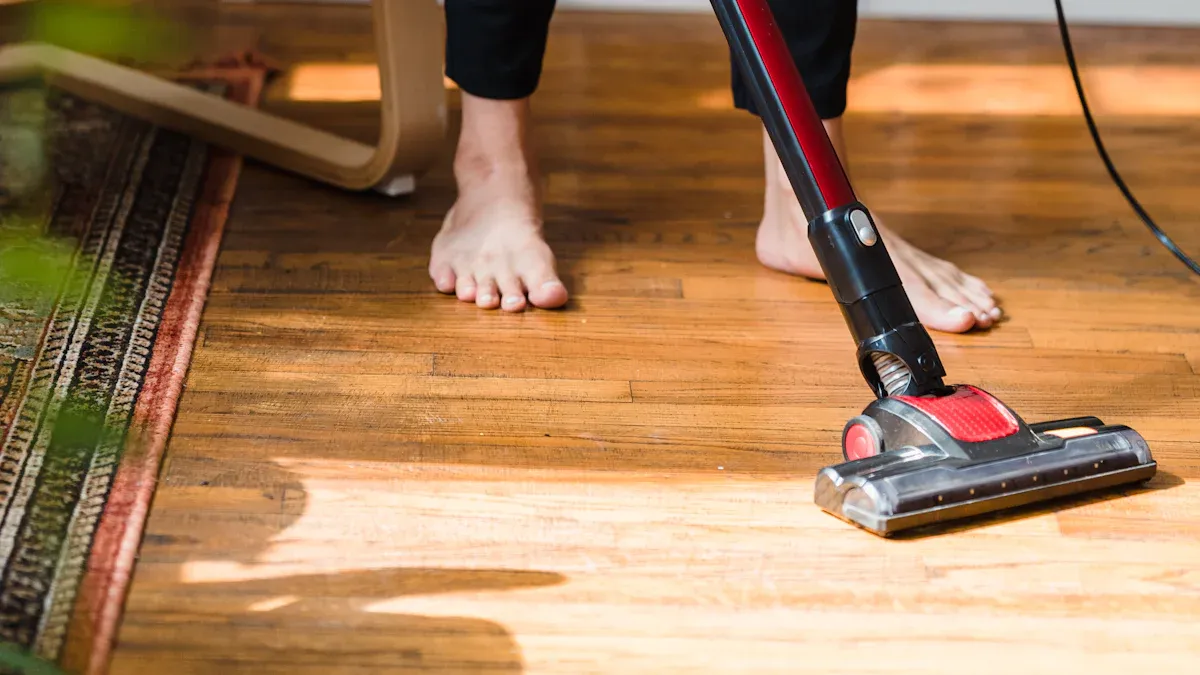
You want your vinyl plank floors to look their best. Start with a simple routine. Sweep or dust mop daily to remove dirt and dust. This habit forms the foundation of regular cleaning. When you sweep or dust mop daily, you stop debris from building up. Dirt and grit can scratch the surface and make your floors look dull. Use a soft-bristle broom or a microfiber dust mop for the best results.
- Daily sweeping and dust mopping prevent dirt from accumulating.
- Dust and debris can scratch the surface and dull the shine over time.
- A soft-bristle broom or microfiber dust mop catches dirt before it causes damage.
If you wait too long to sweep, dust and dirt can build up. Walking on dirty floors grinds debris into the surface. This can cause scratches and dull spots. Flooring manufacturers recommend sweeping or dust mopping at least once a week. In busy areas, clean more often. Regular cleaning keeps your floors looking new and extends their life.
Wipe Up Spills Immediately
Spills happen in every home. You need to wipe up spills immediately to protect your vinyl plank floors. Liquids can seep into seams and cause stains or damage. Quick action prevents problems before they start. Even water can leave marks if left too long. For serious spills to pay attention to, like juice or oil, act fast. Use a soft cloth or paper towel to blot the spill. Avoid rubbing, as this can spread the mess.
- Clean up spills quickly to avoid staining or seepage into seams.
- Spills left on the floor can cause lasting damage.
- Routine care means handling spills as soon as they occur.
If you clean up spills right away, you keep your floors safe and beautiful. This simple step is one of the most important cleaning tips for vinyl plank flooring.
Tip: Always keep a soft towel or mop handy for unexpected spills.
Quick Spot Cleaning Tips
Sometimes, you notice a sticky spot or a small mess. Quick spot cleaning helps you maintain your floors between deeper cleans. Use a damp cloth with a gentle, pH-neutral cleaner. Avoid harsh chemicals or abrasive pads. These can damage the finish. For sticky spots, let the cleaner sit for a minute, then wipe gently. Repeat if needed.
- Spot cleaning removes small messes before they become bigger problems.
- Regular cleaning and spot checks keep your floors looking fresh.
- Routine care includes checking for spots and cleaning them right away.
Daily maintenance does not take much time. With these cleaning tips, you protect your investment and keep your vinyl plank floors looking new. Make regular cleaning part of your routine for the best results.
Weekly and Monthly Cleaning Tips for Lasting Shine
Vacuum with a Soft Brush Attachment
You should vacuum your vinyl plank floors every week. Use a vacuum with a soft brush attachment. This tool lifts dust and grit that sweeping may miss. Grit can scratch your floor and make it look dull. Regular vacuuming keeps your floor smooth and helps it last longer. You do not want small particles to damage the surface. Make this step part of your deep cleaning routine.
Tip: Always check that your vacuum does not have a beater bar. A beater bar can scratch vinyl plank floors.
Damp Mop with pH-Neutral Cleaners
After vacuuming, you need to damp mop your floors. Choose a ph-neutral cleaner for this job. A ph-neutral cleaner is gentle and safe for vinyl plank floors. Flooring experts recommend brands like Bona, Method, Armstrong, Shaw, Bruce, and Pledge. These products clean well without leaving residue. MORE® Luxury Vinyl Floor Cleaner is another good choice. It dissolves dirt and grime and does not need rinsing. Avoid strong cleaners or vinegar. These can harm the protective layer on your floor. Use a ph-neutral cleaner every week for regular cleaning and every month for deep cleaning. This habit keeps your floors shiny and fresh.
- Use a ph-neutral cleaner for weekly and monthly deep cleaning.
- Avoid harsh chemicals and DIY mixes.
Inspect and Replace Furniture Pads
Furniture pads protect your vinyl plank floors from scratches. You should check felt pads every few months. Look for pads that are thin or dirty. Replace them if you see wear. Regular inspections help prevent scratches and keep your floors looking new. Add this step to your deep cleaning checklist.
- Inspect felt pads for wear every few months.
- Replace pads as needed to maintain protection.
With these weekly and monthly cleaning tips, you give your vinyl plank floors the care they need. Regular deep cleaning, safe products, and simple habits will keep your floors beautiful for years.
Cleaning and Maintaining Vinyl Plank Floors with skspcflooring
Safe Cleaning Products for Vinyl Plank Floors
You want your vinyl plank floors to stay beautiful. The right cleaning products make a big difference. Choose a cleaner that is pH-neutral. This type of cleaner protects the finish and does not strip away the shine. You can find cleaning products like Bona Hard-Surface Floor Cleaner, Zep Neutral pH Floor Cleaner, and Armstrong Once ‘n Done. These cleaning solutions work well for regular cleaning and help you avoid damage.
Tip: Always check the label before you buy a cleaner. Look for products that say “safe for vinyl” or “pH-neutral.”
You should avoid ammonia or bleach-based cleaners. These can harm your floor and remove the protective layer. Alcohol-based cleaning products like Windex or Simple Green are safe, but do not spray them directly on the floor. Spray onto a cloth first, then wipe the surface. This method keeps moisture under control and prevents streaks.
Tools That Protect Your Floor
You need the right tools for cleaning and maintaining vinyl plank floors. A dry microfiber mop works best for daily cleaning. It picks up dust and dirt without scratching the surface. For spills, use soft, absorbent cloths or paper towels. Blot the spill instead of rubbing it. This keeps moisture from spreading and helps you clean up quickly.
Here is a table of recommended tools:
| Tool | Purpose | Benefit |
|---|---|---|
| Microfiber Mop | Daily cleaning | Gentle, effective |
| Soft Cloth/Paper Towel | Spill cleanup | Absorbs moisture fast |
| Soft Brush Attachment | Vacuuming | Removes dirt, no scratches |
You should avoid stiff brooms and harsh sweeping techniques. These can scratch your floor. Use gentle motions and soft materials to keep your vinyl plank floors looking new.
Products and Tools to Avoid
Some products and tools can damage your floor. You need to know what to avoid. Do not use steam mops. The heat and moisture from steam can cause the planks to warp or lose their shape. Stay away from abrasive scrubbers or steel wool. These tools scratch the surface and ruin the finish.
Here is a list of items to avoid:
- Steam mops (cause moisture damage)
- Abrasive scrubbers or steel wool (scratch the surface)
- Ammonia or bleach-based cleaners (strip the finish)
- Stiff brooms (can scratch vinyl plank floors)
Note: Always keep moisture under control. Too much water can seep into seams and cause problems over time.
You protect your investment when you use the right cleaning products and tools. You keep your floors safe from scratches, stains, and moisture. Cleaning and maintaining vinyl plank floors with skspcflooring becomes easy when you follow these tips.
Preventive Measures to Keep Floors Looking New
Use Mats and Rugs at Entryways
You can keep your vinyl plank floors clean by placing mats and rugs at every entryway. This simple step forms the first line of defense in your routine. Experts recommend absorbent mats with waterproof backing. These mats dry feet and remove dirt before it reaches your floors.
A properly designed and maintained entry mat can remove 85 percent of dirt tracked into interior spaces on people’s shoes. A well-designed doormat acts as a passive yet highly effective barrier that keeps these contaminants out.
Choose mats made from coir, nylon, polypropylene, or rubber. Each material offers special benefits:
- Coir scrapes off mud and debris.
- Nylon captures dust.
- Polypropylene repels water and resists mold.
- Rubber keeps the mat in place and adds scraping power.
For best results, clean mats often. Replace them when they wear out. This preventive maintenance step helps you avoid scratches and stains.
Protect Floors from Sunlight
Sunlight can change the look of your vinyl plank floors over time. Prolonged exposure causes fading and discoloration, especially if your floors do not have UV resistance. You can protect your floors by using curtains, blinds, or UV-blocking window film. Move rugs and furniture from time to time. This keeps the color even across your floor. UV-resistant vinyl flooring, like SPC flooring, resists fading and keeps its color and durability for years.
Pet Care Tips for Vinyl Floors
Pets bring joy but also extra cleaning needs. You can follow these tips to keep your floors looking new:
- Clean accidents within 15 minutes to stop stains and odors.
- Blot messes instead of rubbing.
- Use enzyme-based cleaners for pet accidents.
- Rinse the area to remove cleaner residue.
- Sweep or vacuum high-traffic areas daily to pick up pet hair and debris.
- Trim your pet’s nails often to prevent scratches.
- Place mats at entrances to catch sand and moisture from paws.
- Wipe paws after outdoor walks, especially when it rains.
- Use a microfiber mop for quick daily cleaning.
These tips make pet care and floor maintenance easy. You can enjoy your pets and keep your floors beautiful with a good routine.
Move Furniture Safely
You want to keep your vinyl plank floors free from dents and scratches. Moving furniture can put your floors at risk if you do not use the right methods. Heavy items like sofas, tables, and appliances can cause gouges or marks if you drag them across the surface. You can protect your investment by following smart moving techniques.
Start by lifting furniture instead of dragging it. If you cannot lift an item, use special tools designed to help. Here is a table that shows some of the best options for moving furniture safely on vinyl plank floors:
| Method | Description |
|---|---|
| Furniture Sliders | Slide heavy furniture without scratching your floors |
| Moving Blankets | Wrap around furniture for extra cushion and impact protection |
| Rubber-Wheeled Dollies | Roll heavy items without leaving scuffs or gouges |
| Appliance Glides | Move large appliances smoothly over vinyl plank flooring |
| Ram Board or Masonite | Lay down as a runner to protect floors in high-traffic moving paths |
You can use these tools to make moving easier and safer. Furniture sliders and appliance glides let you slide items without scratching. Moving blankets add a layer of cushion. Rubber-wheeled dollies help you roll heavy pieces without causing damage. For big moves, lay down Ram Board or Masonite to create a safe path.
Tip: Always check that sliders or glides are clean before use. Dirt or grit stuck to them can still scratch your floor.
Here are some simple steps to follow when moving furniture:
- Lift and carry furniture whenever possible.
- Place sliders or felt protectors under heavy items before moving.
- Lay down Ram Board or Masonite runners in areas where you need extra protection.
You should never drag furniture or appliances directly on your vinyl plank floors. Even small movements can leave marks. Take your time and use the right tools. You will keep your floors looking new and avoid costly repairs.
How Do You Install Vinyl Plank Flooring for Easy Maintenance?
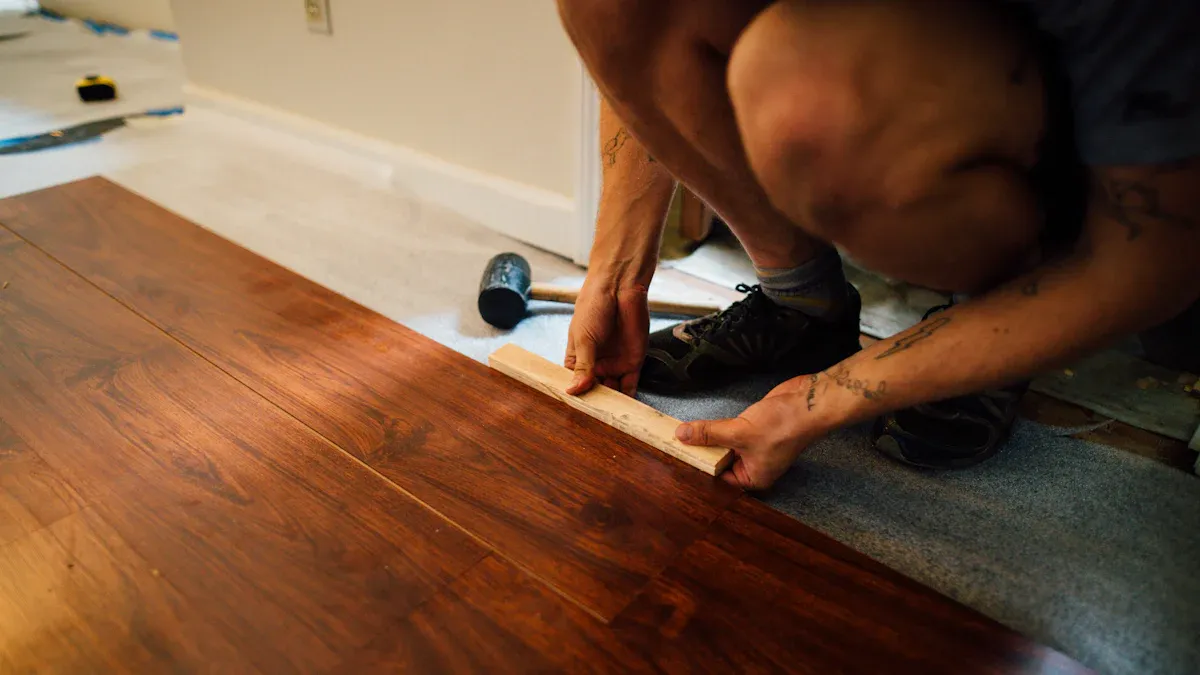
You may wonder, how do you install vinyl plank flooring so that cleaning and upkeep stay simple? The answer starts with smart choices before and during installation. When you follow the right steps, you set yourself up for easy maintenance and a long-lasting floor.
Choosing the Right Underlayment
You need to pick the best underlayment for your vinyl plank flooring. The right underlayment supports easy maintenance and adds comfort. Here are some benefits you get from a good underlayment:
- Reduces sound and makes rooms quieter.
- Protects against moisture and water damage.
- Smooths out small bumps in the subfloor.
- Adds comfort when you walk.
You can choose from several types:
- Cork hides imperfections but does not block moisture.
- Foam is affordable and gives basic comfort.
- Felt controls sound better than foam.
- Rubber absorbs noise, adds warmth, and protects from water.
- Plywood and OSB create a flat base but do not add comfort.
For most homes, combination foam underlayment works well. If you worry about moisture, pick foam with a moisture barrier. This step makes a big difference in how do you install vinyl plank flooring for easy cleaning.
Proper Installation Techniques
You want your floor to last and look great. Good installation techniques help you avoid problems later. Always follow the manufacturer’s instructions. Skipping steps or using the wrong materials can lead to costly repairs.
Tip: A clean, flat, and dry subfloor is the foundation of a successful installation.
Here is a table to show how each installation step affects maintenance:
| Installation Step | Impact on Maintenance Needs |
|---|---|
| Ensure subfloor is clean, flat, and dry | Prevents gaps and uneven wear |
| Use a moisture barrier | Protects against moisture damage |
| Follow expansion gap guidelines | Allows for proper expansion |
| Measure and align planks correctly | Ensures a smooth finish and long life |
If you cut corners during installation, you may face expensive fixes later. Using the right adhesives and following all steps keeps your floor strong and easy to clean. When you ask, how do you install vinyl plank flooring for easy maintenance, remember that careful installation is the key.
Tips for Seamless Transitions
You want your vinyl plank flooring to flow smoothly into other rooms. Seamless transitions make cleaning easier and give your home a polished look. Here are some tips:
- Match colors or choose shades that work well together.
- Use inlaid tile borders or flush transitions for a custom design.
- Pick materials that fit each room’s needs.
- Use color, texture, and patterns to create harmony.
- Make sure flooring materials are level to avoid tripping.
- Use transition strips, reducers, or T-molding for height changes.
- Think about the direction of plank installation to keep the look smooth.
When you plan these details, you answer the question, how do you install vinyl plank flooring for easy maintenance? Smart transitions help you clean faster and keep your floors looking new.
Troubleshooting Common Mistakes in Cleaning and Maintenance
You want your vinyl plank floors to look their best. Sometimes, mistakes happen during cleaning and maintenance. You can avoid most problems by knowing what to watch for and how to fix them.
Fixing Scratches and Scuffs
Scratches and scuffs can appear if you use the wrong tools or let dirt build up. You can fix most marks with simple steps:
- For light scuffs, rub gently with a pencil eraser or a soft cloth and a little rubbing alcohol.
- For shallow scratches, apply vinyl floor polish or clear nail polish to fill and protect the spot.
- For deeper scratches, use a vinyl seam sealer or a vinyl repair kit. These products seal the scratch and blend the color.
- If a plank has serious damage, replace it for the best result.
Tip: Always sweep before you mop. Dirt and grit can cause scratches if you skip this step.
Dealing with Stains
Stains from food, drinks, or pet accidents can happen. You can remove most stains with the right cleaning products. Try these steps:
- Wipe up spills right away to stop stains from setting.
- Use a pH-neutral cleaner like Bona Hard-Surface Floor Cleaner or Armstrong Once ‘n Done.
- For tough stains, mix one cup of white vinegar in a gallon of warm water. Add a drop of dish soap for extra cleaning power.
- For sticky or stubborn spots, use diluted rubbing alcohol on a soft cloth.
Note: Never use harsh chemicals or abrasive scrubbers. These can damage the finish and make stains harder to remove.
Preventing Water Damage
Water can cause big problems for vinyl plank floors. You can prevent damage by following these tips:
- Clean up spills as soon as they happen. Do not let water sit on the floor.
- Place rugs or mats at entryways and in high-moisture areas. Avoid mats with rubber or latex backing, which can trap moisture.
- Check your floors often for signs of warping or gaps.
- Make sure your floor was installed with a moisture barrier and a dry, level subfloor.
- Keep your home’s climate steady to stop the floor from expanding or contracting.
Callout: Regular maintenance and quick action with spills keep your floors safe from water damage.
Common Mistakes to Avoid
- Using harsh chemicals that damage the finish
- Overusing water during cleaning
- Neglecting regular sweeping
- Skipping welcome mats
- Using abrasive tools or steam mops
You can keep your floors looking new by following these simple maintenance steps and avoiding common mistakes.
You can keep your vinyl plank floors looking new with simple habits and the right products. Use gentle cleaners, wipe spills quickly, and protect your floors from daily wear. When you follow these steps, you save money and avoid costly repairs.
Regular maintenance can extend your floor’s life up to 25 years, while minimal care may cut it to just 5–10 years.
| Maintenance Level | Average Lifespan |
|---|---|
| Regular Maintenance | 20–25 years |
| Minimal Care | 5–10 years |
skspcflooring products offer extra durability and easy cleaning, so your floors stay beautiful in any setting.
FAQ
How often should you clean vinyl plank floors?
You should sweep or dust mop every day. Vacuum once a week. Damp mop with a pH-neutral cleaner every week or month. Regular cleaning keeps your floors looking new and prevents scratches.
Can you use a steam mop on vinyl plank flooring?
No, you should not use a steam mop. Steam can cause the planks to warp or lose shape. Use a microfiber mop and gentle cleaner instead.
What is the best way to remove stains from vinyl plank floors?
Blot spills right away. Use a pH-neutral cleaner for most stains. For tough spots, try diluted rubbing alcohol on a soft cloth. Avoid harsh chemicals and abrasive pads.
How do you protect vinyl plank floors from furniture scratches?
Place felt pads under furniture legs. Use furniture sliders when moving heavy items. Inspect and replace pads often. Lift furniture instead of dragging it.
Are skspcflooring products safe for homes with pets and children?
Yes, skspcflooring products meet international safety standards. The floors resist scratches, stains, and water. You can clean them easily, making them ideal for busy homes.




