
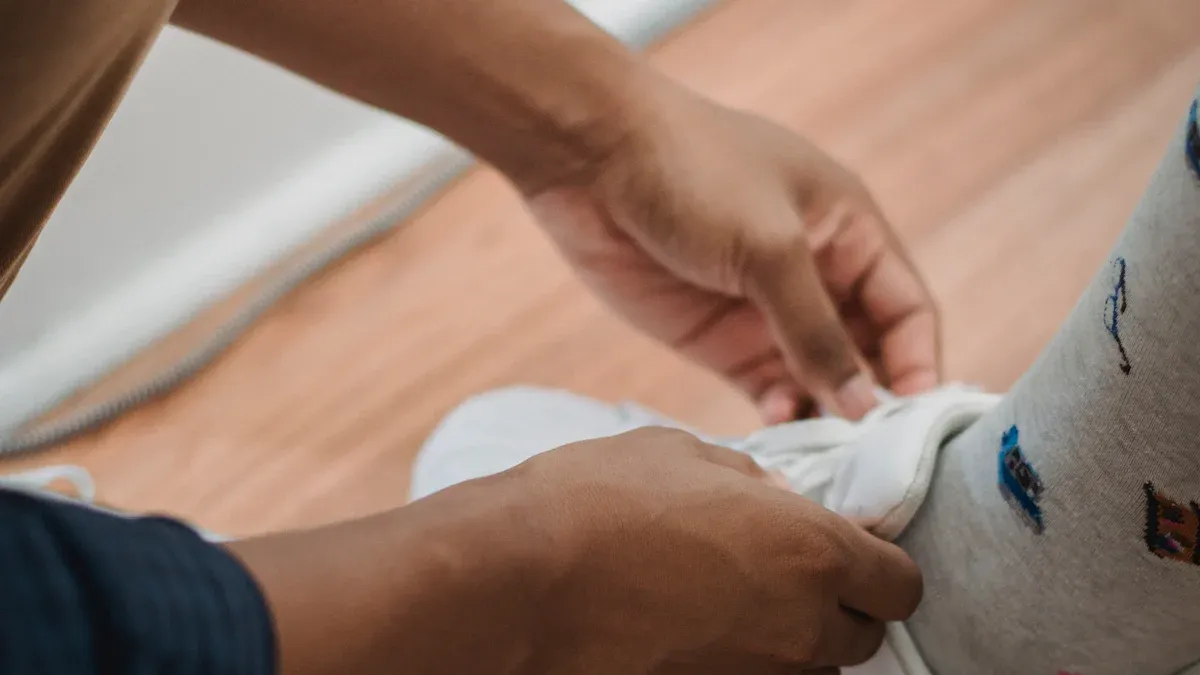
You want your polyvinyl flooring to last as long as possible. Smart choices and careful habits help you avoid problems like scratches, water damage, fading, stains, denting, or peeling. Many industry studies show that these issues often come from sharp objects, heavy items, spills, or sunlight. When you select high-quality vinyl flooring, follow proper installation steps, and care for your floor regularly, you boost its durability.
- Scratches from sharp or abrasive objects
- Water damage from spills or moisture
- Fading caused by UV exposure
- Staining from dirt or spills
- Denting from heavy furniture
- Peeling due to poor adhesion
Polyvinyl Flooring Durability: Preventing Common Issues
Avoiding Scratches and Scuffs
You want your vinyl flooring to look new for years. Scratches and scuffs can make your floor look worn and reduce its durability. Many homeowners report scratches from dirt, stones, pets, and moving furniture. Deep scratches often come from dropped tools or heavy objects. You can see the most frequent types and causes in the table below:
| Type of Scratch/Scuff | Common Causes |
|---|---|
| General Scratches | Dirt and small stones brought in from outside, high-heeled shoes, pets, furniture movement |
| Scuffs | Furniture legs without felt pads, office chairs without soft wheels |
| Deep Scratches | Dropped tools or heavy objects |
You can prevent most scratches by following these tips:
- Place felt pads under furniture legs.
- Use rugs and mats at entryways to trap grit and sand.
- Trim your pets’ nails regularly.
- Choose office chairs with soft wheels or use floor mats.
- Avoid dragging heavy items across the floor.
A thicker wear layer on your polyvinyl flooring gives better protection against scratches and scuffs, especially in busy areas. You should also avoid harsh chemicals when cleaning, as they can damage the wear layer and lead to more durability issues.
Tip: Always lift furniture when moving it instead of sliding it across your vinyl flooring.
Protecting Against Water Damage
Water can cause serious damage to many types of flooring, but polyvinyl flooring stands out for its excellent water resistance. You can use vinyl flooring in bathrooms, kitchens, and laundry rooms without worrying about warping or swelling. Linoleum, another common flooring material, does not handle water as well and may deteriorate over time.
To keep your vinyl flooring safe from water damage, experts recommend these waterproofing techniques:
- Choose waterproof vinyl flooring to block water from getting in.
- Seal seams with a waterproof seam sealer for a tight barrier.
- Use waterproof underlayment for extra moisture protection.
- Clean up spills quickly to keep your floor strong.
- Put area rugs and mats in places where water is likely.
- Control humidity in your home to prevent water problems.
Note: Prompt spill cleanup helps maintain the durability of your pvc flooring.
Minimizing Fading and Discoloration
Fading and discoloration can change the look of your vinyl flooring and affect its durability. Sunlight and UV rays are the biggest reasons for fading. If your floor gets a lot of direct sunlight, colors may dull or shift over time. Heat from the environment, especially in outdoor storage, can make fading worse.
You can protect your vinyl flooring from fading by:
- Using curtains or blinds to block direct sunlight.
- Placing rugs in sunny spots to shield the floor.
- Choosing vinyl flooring with UV-resistant finishes.
Tip: UV radiation ages flooring materials and leads to fading, discoloration, and surface brittleness. Protect your floor from intense light to keep it looking fresh.
Regular care and smart choices help you avoid common durability issues. You keep your polyvinyl flooring strong and beautiful by preventing scratches, water damage, and fading.
Preventing Stains and Chemical Damage
You want your vinyl flooring to stay clean and bright for years. Staining and chemical damage can ruin the look and strength of your floor. Many common household chemicals can cause problems if you use them on polyvinyl flooring. You may notice yellowing, fading, or even surface breakdown if you use the wrong products.
The table below shows chemicals that often cause damage or discoloration to vinyl flooring:
| Chemical | Effect on Polyvinyl Flooring |
|---|---|
| Arsenic Compounds | Prevent bacterial growth but harm the environment. |
| Zinc Pyrithione (ZPT) | Protects against bacteria, fungi, and algae. |
| Phenolic Compounds | Cause pink or yellow discoloration due to over-oxidation and formation of quinones. |
You may see yellowing on your floor. This happens when the polymer chains break down. Sunlight, oxygen, and heat can speed up this process. Photooxidation from UV light and thermal oxidation from heat exposure both lead to fading and staining.
To protect your vinyl flooring from chemical damage and staining, you should follow these cleaning steps:
- Mix one gallon of warm water with mild dish soap or a pH-neutral cleaner.
- Avoid abrasive or acidic cleaners.
- Never use high pH, harsh chemicals, bleaches, chlorine, ammonia-based cleaners, or acid-based cleaners.
Tip: Always check the label before using any cleaning product on your pvc flooring. Harsh chemicals can cause fading, scratches, and other durability issues.
You can keep your polyvinyl flooring looking new by using gentle cleaning methods. Regular cleaning prevents staining and helps maintain the durability of your floor.
Reducing Denting and Peeling
Denting and peeling are common problems that affect the durability of vinyl flooring. Heavy furniture, sharp objects, and high foot traffic can cause dents and splits. You may notice these issues more in busy areas or commercial spaces. The thickness and quality of the wear layer play a big role in how well your floor resists damage.
Vinyl flooring can show dents and scratches when you place heavy items on it. Luxury vinyl tile (LVT) may not be the best choice for areas with lots of foot traffic. You will see wear and tear faster in these spots. In commercial settings, the wear layer breaks down quickly, so you need to check for damage often.
You can reduce denting and peeling by following these steps:
- Maintain consistent indoor temperatures to lower the risk of cracks.
- Place protective mats in high-traffic areas.
- Avoid sharp objects near the floor.
- Acclimate the vinyl planks to the room before installation.
Note: Take time to let your vinyl planks adjust to the room’s temperature and humidity before installing. This helps prevent expansion, contraction, and peeling.
You protect your polyvinyl flooring’s durability by using these simple practices. Regular checks and smart placement of furniture help you avoid scratches, dents, and peeling. You keep your vinyl flooring strong and beautiful for years.
Types of Polyvinyl Flooring and Their Impact on Performance
Sheet Vinyl vs. Luxury Vinyl Plank (LVP)
You have many choices when you shop for vinyl flooring. Sheet vinyl and luxury vinyl plank (LVP) are two popular options. Sheet vinyl comes in large rolls and covers wide areas with fewer seams. Luxury vinyl plank looks like wood or stone and uses individual planks. You can see the main differences in the table below:
| Feature | Sheet Vinyl | Luxury Vinyl Plank |
|---|---|---|
| Durability | Less durable, prone to dents/scratches | More durable, dent/scratch resistant |
| Appearance | Less realistic, basic designs | More realistic, mimics wood/stone |
| Comfort | Less comfortable underfoot | More solid and warmer feel |
| Sound | Less sound insulation | Better sound insulation due to foam backing |
| Installation | Typically requires glue | Easy click-lock installation |
| Lifespan | 10-15 years | Up to 25 years |
| Maintenance | Requires more care | Easier to maintain |
Luxury vinyl plank flooring stands out for its long lifespan. You can expect it to last 10 to 25 years, and with good care, it may last even longer. Its tough top layer protects against scratches and stains. You get better performance in busy homes or places with pets.
Wear Layers and Thickness
The wear layer is a clear coating on top of your vinyl flooring. This layer protects the floor from damage. A thicker wear layer means better durability, especially in high-traffic areas. You should look for a wear layer of at least 20 mils (about 0.5 mm) for busy spaces. This thickness helps your floor resist heavy foot traffic and keeps it looking new.
- For high-traffic homes, choose a wear layer of 20 to 22 mils.
- This thickness works well for homes with pets or large families.
- You get more protection and a longer lifespan.
A thick wear layer shields the pvc and vinyl underneath from moisture and dirt. You will not need to replace your flooring as often if you choose the right thickness.
Tip: Always check the wear layer thickness before you buy vinyl flooring for your home.
Surface Textures and Finishes
You can pick from many surface textures and finishes when you choose vinyl flooring. Some floors have a smooth finish, while others have a textured surface that looks like wood or stone. Textured finishes help hide scratches and scuffs. They also add grip, which makes your floor safer.
Luxury vinyl tile and luxury vinyl plank often come with realistic textures. These finishes make your floor look and feel like natural materials. You get better performance and style in your home. Smooth finishes are easier to clean, but they may show marks more easily.
Note: Choose a texture and finish that matches your style and the needs of your space. Textured vinyl flooring works well in busy areas and helps maintain durability.
Proper Installation for Maximum Polyvinyl Flooring Durability
Subfloor Preparation
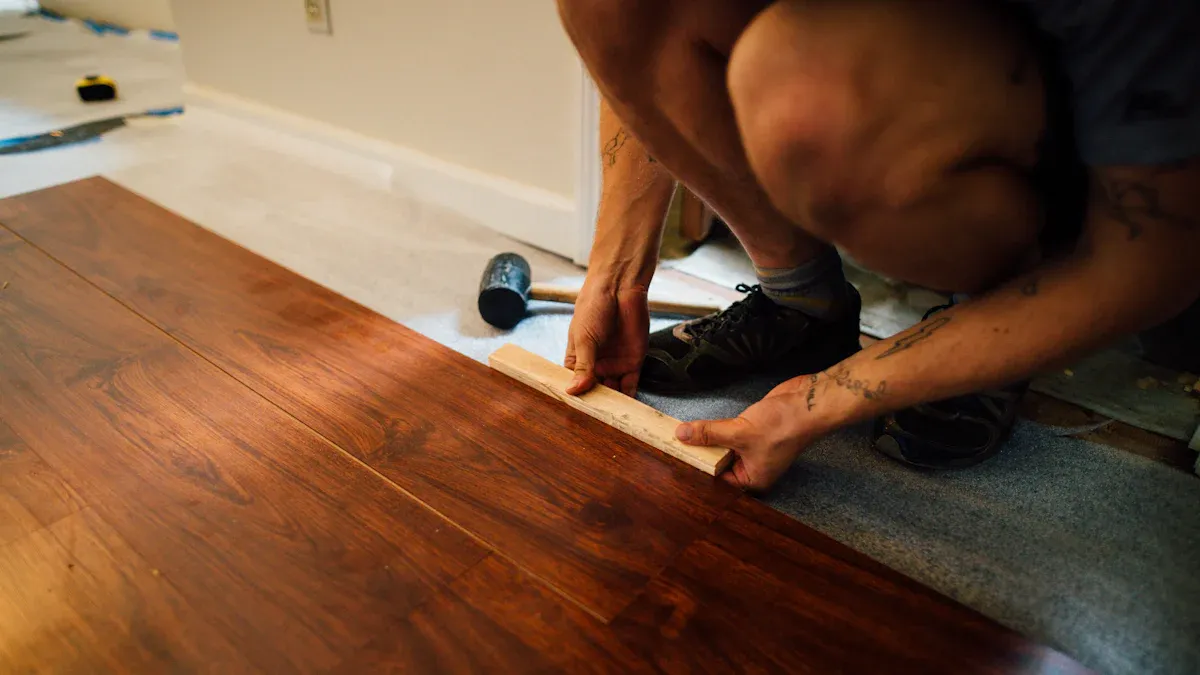
You set the foundation for strong vinyl flooring by preparing the subfloor correctly. Industry standards show that subfloor preparation is essential for a successful installation. You should always keep the area at a constant temperature. Remove dust, grease, and old adhesives from the surface. Condition all materials to room temperature for at least 48 hours before you start. Moisture tests on concrete slabs help you avoid future damage. You want the subfloor to be clean and dry so the vinyl flooring sticks well and lasts longer.
- Keep the installation area temperature-controlled.
- Remove all contaminants from the subfloor.
- Expose the original substrate by clearing adhesive residue.
- Acclimate materials to room temperature.
- Test for moisture according to ASTM standards.
Tip: Proper subfloor preparation may take extra time, but it prevents durability issues and saves you repair costs later.
Professional vs. DIY Installation
You may wonder if you should install vinyl flooring yourself or hire a professional. Many people choose DIY to save on cost, but common mistakes can lead to damage and poor performance. You need to measure the room accurately and buy enough flooring. Always leave expansion gaps to prevent buckling. Acclimate your pvc vinyl flooring to the room before installation. Mix planks from different boxes for a natural look. Handle the locking system carefully to avoid damage. Never glue down a floating floor. Skip extra underlayment if your vinyl has pre-attached backing.
| Mistake | Resulting Problem |
|---|---|
| Not buying enough flooring | Gaps or mismatched planks |
| Skipping expansion gaps | Buckling or warping |
| Not acclimating flooring | Expansion or contraction |
| Damaging locking system | Poor fit, gaps |
Note: Professional installation reduces the risk of mistakes and ensures better durability.
Seams, Edges, and Expansion Gaps
You protect your vinyl flooring from damage by managing seams, edges, and expansion gaps. Acclimate flooring materials to the local environment to minimize moisture problems. Use a vapor barrier during installation to block moisture. Leave expansion gaps around the room perimeter so the flooring can expand and contract. This step reduces the risk of damage and improves performance. Address uneven subfloors and layout errors to avoid gaps. Proper installation techniques help you avoid durability issues and keep your polyvinyl flooring strong.
- Acclimate flooring before installation.
- Use vapor barriers to prevent moisture damage.
- Leave expansion gaps for temperature changes.
- Fix uneven subfloors and layout errors.
Tip: Expansion gaps and well-managed seams extend the lifespan of your vinyl flooring and prevent costly repairs.
Maintenance Routines for Long-Lasting Vinyl Flooring
Daily and Weekly Cleaning Steps
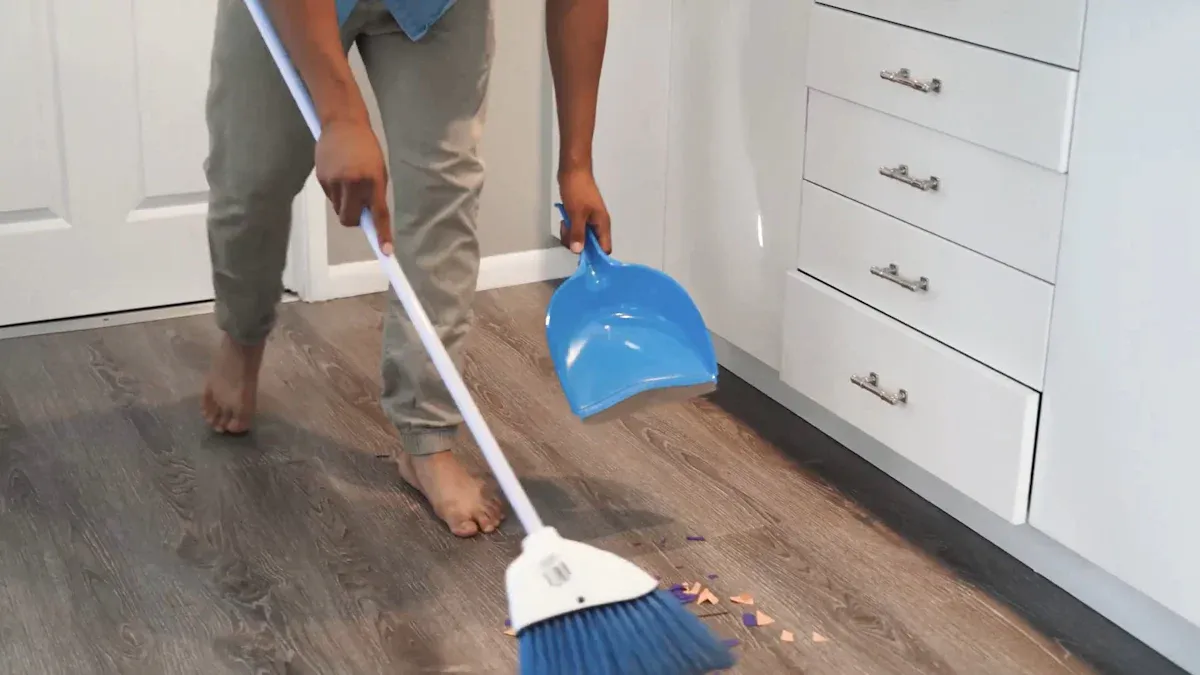
You keep your vinyl flooring looking its best by following regular maintenance routines. Daily and weekly cleaning help prevent dirt buildup and protect the floor’s durability. You should wipe or vacuum the floor each day to remove dust and dirt. This simple step stops grit from scratching the surface. Each week, use a damp mop or cloth with warm water and a neutral detergent. This keeps your vinyl flooring clean without harming the finish.
Here is a quick guide to daily and weekly maintenance:
| Routine Type | Recommendations |
|---|---|
| Daily | – Spot cleaning with a neutral pH cleaner and blotting spills immediately. – Use felt floor protectors to prevent scratches. |
| Weekly | – Clean floors weekly to avoid dirt buildup. – Use walk-off mats at entrances and clean them regularly. |
Tip: Place walk-off mats at entrances and clean them often. Mats catch dirt before it reaches your vinyl flooring.
Recommended Cleaning Products
You extend the life of your vinyl flooring by choosing the right cleaning products. Use only neutral pH cleaners or mild detergents. Harsh chemicals like ammonia or bleach can cause discoloration and damage. Alkaline products and petroleum-based substances may harm the floor’s finish. By avoiding these products, you protect your pvc vinyl flooring and keep it looking new. Always read product labels before using them on your vinyl flooring.
Note: The right cleaning solutions support your maintenance practices and help your vinyl flooring last longer.
Spot Cleaning and Stain Removal
You can handle most stains on vinyl flooring with simple cleaning techniques. For tough spots, try these methods:
- Mix equal parts baking soda and warm water. Apply the paste to the stain and gently scrub with a soft brush. Wipe away any residue with a damp cloth.
- Sweep or vacuum debris first. Mix one cup of vinegar with one gallon of warm water. Mop the floor in the direction of the grain, then dry with a clean towel.
These cleaning steps help you remove stains without damaging your vinyl flooring. Regular maintenance practices keep your floors bright and strong, even in busy areas with lots of water or dirt.
Repairing Minor Damage
You can keep your vinyl flooring looking fresh by learning how to fix small problems yourself. Minor scratches, dents, and scuffs often appear in busy areas. Quick repairs help you avoid bigger issues and support your regular maintenance practices. You do not need special skills to handle most repairs. You just need the right tools and a little patience.
Many homeowners use simple methods to fix minor damage. You can find scratch repair kits at most stores. These kits work well for small scratches. Clean the area, apply the solution, and buff it gently. Baking soda paste also helps with light scratches. Mix baking soda with water, rub it on the scratch, and wipe it clean. Olive oil works for superficial scuffs. Put a small amount on a cloth and buff the spot. If you have a colored scratch, match a crayon to your vinyl flooring, fill in the mark, and buff with a soft cloth. For dents, use heat from a hairdryer and pressure from a rolling pin. This method helps restore the shape of your vinyl.
Here is a table showing common repair methods for minor damage in vinyl flooring:
| Repair Method | Description |
|---|---|
| DIY Scratch Repair Kits | Convenient kits available for minor scratches. Clean the area, apply the solution, and buff it. |
| Baking Soda Paste | Mix baking soda with water, apply to the scratch, rub gently, and wipe clean. |
| Olive Oil | Effective for superficial scuffs; apply with a cloth and buff. |
| Crayon | Match crayon color to flooring, fill in the scratch, and buff with a soft cloth. |
| Heat and Pressure Method | Use heat from a hairdryer and pressure from a rolling pin to fix dents by restoring the vinyl shape. |
You should always follow good maintenance practices after making repairs. Clean the area and check for new damage often. Regular maintenance helps you spot problems early and keeps your vinyl flooring strong. You protect your pvc floor by using gentle cleaning products and avoiding harsh chemicals. Good practices make your vinyl last longer and reduce the need for future repairs.
Tip: Quick action on minor damage prevents bigger problems and keeps your vinyl flooring looking new.
Choosing Polyvinyl Flooring for Superior Performance
Brand and Quality Comparisons
You want the best durability and value when you choose vinyl flooring for your home. Leading brands like COREtec and Paramount Flooring offer different strengths. COREtec stands out with its lifetime warranty for most residential lines. This shows strong durability and high customer satisfaction. You get a waterproof core and a 20 mil wear layer, which means your vinyl flooring resists dents and water. Paramount Flooring gives you reliable products at a lower cost. The wear layers are good for most homes, though not as thick as some premium brands. You find that Paramount appeals to budget-minded buyers who still want quality. Both brands use dense core layers and reinforced surfaces, which help your vinyl flooring last longer in busy spaces.
Cost vs. Durability Considerations
You need to balance cost and durability when you shop for vinyl flooring. Premium brands like COREtec cost more, but you get long-lasting performance and better protection. Budget brands such as Paramount offer good value, especially if you have less foot traffic or want to save money. The lifespan of vinyl flooring depends on the type and quality. Vinyl sheet flooring lasts 10 to 20 years. Vinyl plank and tile flooring last 15 to 20 years. If you care for your floor and choose a thicker wear layer, you increase its lifespan. You should think about how much foot traffic your space gets and how often you want to replace your flooring. A higher upfront cost can mean better value over time.
| Type of Vinyl Flooring | Average Lifespan | Value for Money |
|---|---|---|
| Vinyl Sheet | 10-20 years | Good for low-traffic areas |
| Vinyl Plank/Tile | 15-20 years | Best durability and value for busy homes |
Tip: You get the most value by matching the type of vinyl flooring to your needs and budget.
Warranty and Support
You should always check the warranty and support before you buy vinyl flooring. Brands like COREtec offer lifetime warranties for residential use. This gives you peace of mind and shows the brand’s confidence in its product. Paramount Flooring provides solid support and competitive warranties, which help you if you have any problems. A good warranty protects your investment and adds value to your purchase. You want to choose a brand that stands behind its vinyl flooring and offers help when you need it. Strong support and clear warranty terms make your experience better and help your pvc vinyl flooring last longer.
Note: Always read the warranty details and ask questions before you buy. Good support means you get help if you ever need repairs or replacements.
Environmental Considerations for Polyvinyl Flooring Longevity
Temperature and Humidity Effects
You need to think about temperature and humidity when you install vinyl flooring. Changes in temperature can cause vinyl to expand or contract. High humidity may lead to moisture under the floor. This can weaken the adhesive and cause the vinyl to lift. Low humidity can make the vinyl brittle. You should keep your home at a steady temperature and humidity level. Use a dehumidifier in damp areas. Place a humidifier in dry rooms. These steps help your vinyl flooring last longer and prevent damage from water or air changes.
Tip: Always let your vinyl flooring adjust to the room’s climate before installation. This helps avoid problems later.
Sunlight Exposure and UV Protection
Sunlight can fade the color of vinyl flooring over time. UV rays break down the surface and cause discoloration. You can protect your vinyl by using curtains or blinds during the brightest part of the day. Place rugs in areas with direct sunlight. Some vinyl flooring comes with UV-resistant coatings. These coatings help block harmful rays and keep your floor looking new. You should check the product label for UV protection features. This small step can make a big difference in the environmental durability of your floor.
| Sunlight Protection Tips | Benefits |
|---|---|
| Use curtains/blinds | Reduces fading |
| Place area rugs | Shields high-traffic spots |
| Choose UV-resistant vinyl | Increases floor lifespan |
Eco-Friendly Options and Indoor Air Quality
You can choose eco-friendly vinyl flooring to help the environment and improve indoor air quality. Some brands use recycled materials in their vinyl products. Look for low-VOC (volatile organic compound) labels. Low-VOC vinyl releases fewer chemicals into the air. This makes your home safer and healthier. You can also find pvc flooring that meets strict environmental standards. These products help reduce your impact on the planet. Always check for certifications like FloorScore or GreenGuard. These marks show that the vinyl meets high environmental and air quality standards.
Note: Eco-friendly vinyl flooring supports a cleaner environment and a healthier home for your family.
You build a strong foundation for durable polyvinyl flooring by choosing quality products, installing them correctly, and maintaining them often.
- Clean your floors regularly and inspect for damage.
- Select flooring that fits your needs and environment.
- Follow expert advice to prevent scratches, stains, and fading.
Remember: Proactive care and environmental awareness help you maximize the lifespan of your vinyl flooring.
FAQ
How often should you clean polyvinyl flooring?
You should clean your polyvinyl flooring daily with a dry mop or vacuum. Weekly, use a damp mop and a neutral cleaner. Regular cleaning prevents dirt buildup and protects the surface from scratches.
Can you use steam mops on vinyl floors?
You should avoid steam mops on vinyl flooring. High heat and moisture can damage the adhesive and cause warping. Use a damp mop with warm water and mild detergent for safe cleaning.
What is the best way to prevent dents from furniture?
Place felt pads under furniture legs. Use area rugs in heavy traffic zones. Move furniture carefully. These steps help you protect your vinyl flooring from dents and keep it looking new.
Do polyvinyl floors need waxing or polishing?
You do not need to wax or polish polyvinyl flooring. Most vinyl floors have a protective wear layer. Waxing can damage the surface. Clean with recommended products to maintain shine.
How do you fix minor scratches on vinyl flooring?
Try a DIY scratch repair kit or use a baking soda paste. Gently rub the scratch and wipe clean. For light scuffs, buff with olive oil. Quick repairs keep your floor looking fresh.




