
You may wonder if vinyl plank floor polish works well on old tile or uneven floors. You can use vinyl plank floor polish in these situations, but you should manage your expectations. When you apply vinyl plank floor polish to uneven areas, you often see improved shine and protection. You can enhance the look of worn spots and help your floor resist daily wear. If you notice dips or bumps in your subfloor, vinyl plank floor polish does not hide them completely. You might still see some surface texture after polishing. For best results, always clean and prepare your floor before applying vinyl plank floor polish. You can repeat the process as needed to maintain a fresh look. Many homeowners choose vinyl plank floor polish to extend the life of their flooring and boost its appearance.
Real-World Results of Vinyl Plank Floor Polish
Appearance After Polishing on Uneven Surfaces
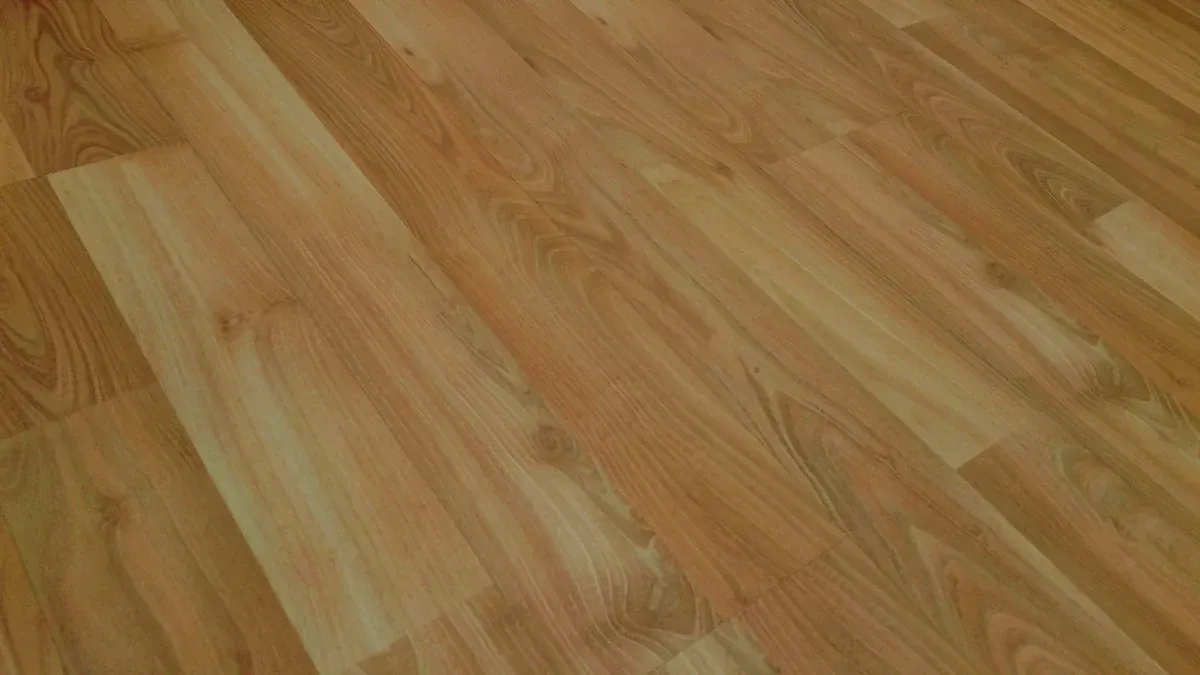
When you apply polish to vinyl plank flooring on an uneven surface, you notice a clear difference in shine. The polish brings out the color and texture of luxury vinyl plank, making the floor look newer and brighter. Even if your floor has small dips or waves, the polish helps create a more uniform appearance. You may still see some surface texture, but the overall look improves.
- You see a glossy finish that reflects light better.
- The polish can highlight the natural patterns in luxury vinyl plank.
- Small imperfections become less noticeable after polishing.
Tip: Always clean your floor before polishing. This step helps the polish stick better and gives you the best results.
Durability and Wear Over Time
Luxury vinyl plank flooring stands up well to daily use, even on uneven subfloors. The polish adds a layer of protection that helps resist scratches and scuffs. Over time, you may notice that high-traffic areas keep their shine longer when you use polish. The flexible nature of luxury vinyl plank allows it to handle mild imperfections without cracking or breaking.
- Luxury vinyl plank can bend slightly over small dips and waves.
- The polish helps prevent dirt and moisture from reaching the surface.
- You can reapply polish as needed to maintain durability.
If you have deeper depressions or sharp bumps, you might see some movement in the flooring. In these cases, the polish still protects the surface, but you may need to check the floor more often for signs of wear.
Impact on Surface Imperfections
Luxury vinyl plank flooring does a good job of hiding minor flaws in your subfloor. When you use polish, you help mask small scratches and scuffs. The polish fills in tiny gaps and smooths out the look of the floor. However, it cannot completely hide large bumps or deep dips.
Here is how luxury vinyl plank and polish perform on uneven surfaces compared to smooth ones:
- Luxury vinyl plank is flexible and adapts to mild imperfections.
- It creates a stable surface over small dips and waves.
- Deeper depressions or sharp high spots can cause movement or separation.
Note: For the best results, try to fix major uneven spots before installing luxury vinyl plank flooring. This step helps the polish work better and keeps your floor looking great.
Laying Vinyl Planks Over Tile: What to Know
Surface Preparation for Laying Vinyl Planks Over Tile
You start by checking the condition of your tile. Make sure the surface is clean and dry. Remove any loose or broken pieces. Sweep away dust and debris. If you see high spots or deep dips, use a leveling compound to smooth them out. This step helps your vinyl planks sit flat and prevents movement. You want a stable base before you begin laying vinyl planks over tile.
Tip: Take time to inspect every tile. Fixing small issues now saves you trouble later.
Dealing with Grout Lines and Minor Unevenness
Grout lines and minor unevenness can affect the look and feel of your new floor. You can use thicker vinyl planks with attached padding. This padding helps cover grout lines and stops them from showing through. Make sure your tile flooring stays secure and level. Transition pieces help manage height differences between vinyl and other flooring types.
- Thicker vinyl planks (7mm recommended) with padding hide grout lines.
- Secure and level tile flooring prevents shifting.
- Transition pieces create smooth edges between rooms.
You avoid bumps and gaps by following these steps. Your floor feels more comfortable and looks better.
Using Vinyl Plank Floor Polish After Installation
After you finish installing vinyl planks, you can apply floor polish. The polish adds shine and protects your new surface. Clean the floor first to remove dust and dirt. Use a soft mop to spread the polish evenly. Let it dry before walking on it. You notice a brighter finish and improved durability. Regular polishing keeps your floor looking fresh and helps resist scratches.
Note: Repeat polishing every few months for best results. This routine keeps your vinyl planks in top shape.
Laying LVP Over Tile and Existing Flooring
Steps to Lay Vinyl Over Existing Flooring
You can lay vinyl over existing flooring by following a clear process. Start by cleaning the surface and removing any debris. Check for loose or damaged areas and repair them. If you see high spots or deep dips, use a leveling compound to create a flat base. This step is important for laying lvp over tile or other surfaces. Next, measure the room and plan the layout of your planks. Dry-fit the planks to see how they look. Install vinyl plank underlayment to help smooth out minor imperfections and provide extra support. Lay the planks according to the manufacturer’s instructions. Press each plank firmly into place. Finish by adding trim or transition pieces for a polished look.
Tip: Always allow the flooring to acclimate to the room temperature before starting the installation.
Choosing the Right Vinyl Plank Underlayment
Selecting the best vinyl plank underlayment makes a big difference in your floor’s performance. You want underlayment that resists moisture, especially on uneven surfaces where water can collect. Good underlayment also reduces noise, which is helpful in busy homes or multi-story buildings. The type of subfloor matters. For concrete, felt or cork underlayment works well. Foam underlayment offers strong moisture resistance and soundproofing. Look for underlayment with high IIC and STC ratings for better sound reduction. The benefits of vinyl plank underlayment include extra cushioning and protection against moisture. When you install vinyl plank underlayment, you help smooth out small bumps and dips. However, do not rely on underlayment alone for major unevenness. Use a self-leveling compound if the floor has large dips or high spots.
- Moisture resistance prevents mold and mildew.
- Soundproofing keeps your home quieter.
- Cushioning adds comfort underfoot.
How skspcflooring Supports Quality Installations
SK-Floor helps you achieve quality installations by focusing on proper preparation and the right materials. Uneven surfaces can cause stress points under the planks, which may lead to cracks or warping. Level floors create tight joints and prevent gaps that let dirt or moisture in. Laying lvp over tile or other surfaces takes extra care and time, but the results last longer when you prepare well. SK-Floor’s products meet strict standards for durability and comfort. When you use the right vinyl plank underlayment and follow the correct steps, you enjoy the full benefits of vinyl plank underlayment. Your floor feels stable, looks great, and stands up to daily use.
Note: A level subfloor not only improves durability but also makes your space safer and more comfortable.
Common Issues and Solutions with Vinyl Plank Floor Polish
Polish Not Adhering Properly
You may notice that vinyl plank floor polish sometimes does not stick well. This often happens when the floor has dust, oil, or leftover cleaner. Always clean your floor before applying polish. Use a gentle cleaner and let the surface dry. If you skip this step, the polish may peel or look streaky. Uneven subfloor imperfections can also cause polish to settle in low spots. You get better results when you smooth out bumps and fill dips before polishing. If you lay vinyl planks over tile, make sure the grout lines do not trap dirt. Clean these areas carefully for the best protection from subfloor imperfections.
Visible Imperfections and How to Minimize Them
Imperfections can show up after you polish your floor, especially if your subfloor has dips or bumps. You can take steps to make these imperfections less noticeable:
- For minor scratches, use a warm water and mild soap solution with a soft cloth.
- For medium-depth scratches, apply a baking soda paste and gently rub it with a cloth.
- For extensive scratches, consult a professional flooring specialist.
- Regular cleaning keeps your floor looking smooth and helps maintain protection from subfloor imperfections.
You should also check for new scratches or marks after installation. Quick action helps keep your floor looking its best.
Maintaining Durability on Uneven Subfloors
You want your vinyl plank floor polish to last, even on uneven subfloors. Regular care and the right preparation make a big difference.
Proper installation techniques and preparation are crucial for ensuring the longevity of the flooring. A flat subfloor ensures your warranty remains valid and your floor looks smooth and professional for decades.
Sweep and mop your floor often. Check for signs of wear in areas with subfloor imperfections. If you see polish wearing off, reapply it to keep your floor protected. Addressing subfloor imperfections early helps prevent bigger problems later. With the right care, your vinyl plank flooring will stay strong and attractive, even over tile or other surfaces.
Best Practices for Long-Lasting Results
Tips for Preparing Old Tile or Uneven Floors
You should always start with a clean surface. Sweep away dust and dirt. Wash the floor with a gentle cleaner. Dry the area well before you begin. Check the old tile for cracks or loose pieces. Fix these problems right away. Use a leveling compound to fill dips or smooth out bumps in the subfloor. This step helps your new floor stay flat and strong. You can use a straightedge to find high or low spots. Mark these areas so you do not miss them. Good preparation makes your floor last longer.
Tip: Take your time with this step. Careful work now saves you trouble later.
Selecting the Best Polish for Vinyl Planks
Choose a polish made for vinyl plank flooring. Read the label to make sure it is safe for your floor type. Look for a product that adds shine and protects against scratches. Some polishes also help resist stains. You can ask your flooring supplier for recommendations. Test the polish on a small spot first. This test helps you see how the polish looks and works. Do not use wax-based products. These can make your floor slippery and hard to clean.
Maintenance Advice for Ongoing Performance
Keep your floor looking new with regular care. Sweep or vacuum often to remove grit. Mop with a damp cloth and a mild cleaner. Avoid harsh chemicals. Check for signs of wear, especially in areas where the subfloor is uneven. Reapply polish when you see dull spots. Follow the manufacturer’s instructions for each product. Good maintenance protects your investment and keeps your floor beautiful after installation.
Note: Place mats at doors to catch dirt and moisture. This simple step helps your floor last even longer.
You can expect vinyl plank floor polish to improve shine and protect your floor, even if you have an uneven subfloor or old tile. Use polish when you want to refresh your floor’s look and add a layer of defense against daily wear. Always clean and prepare your surface first. For best results, fix major bumps or dips before polishing. Regular care helps your floor stay bright and strong.
Tip: Check your floor often and reapply polish as needed for lasting beauty.
FAQ
Can you use vinyl plank floor polish on uneven floors?
Yes, you can use vinyl plank floor polish on uneven floors. The polish adds shine and protection. It does not hide large bumps or dips, but it helps your floor look better and last longer.
How often should you reapply vinyl plank floor polish?
You should reapply vinyl plank floor polish every few months. High-traffic areas may need more frequent care. Regular polishing keeps your floor shiny and helps protect it from scratches and wear.
Will floor polish hide scratches or marks on vinyl planks?
Floor polish can help hide small scratches and marks. It fills in tiny gaps and makes the surface look smoother. For deep scratches, you may need extra repair steps or professional help.
Can you use vinyl plank floor polish after installing over tile?
Yes, you can use vinyl plank floor polish after installing planks over tile. Clean the surface first. The polish will add shine and help protect your new floor from daily wear.
What is the best way to clean vinyl plank floors before polishing?
Sweep or vacuum the floor to remove dust and dirt. Use a damp mop with a mild cleaner. Let the floor dry completely before applying polish. Clean floors help the polish stick better and last longer.




