
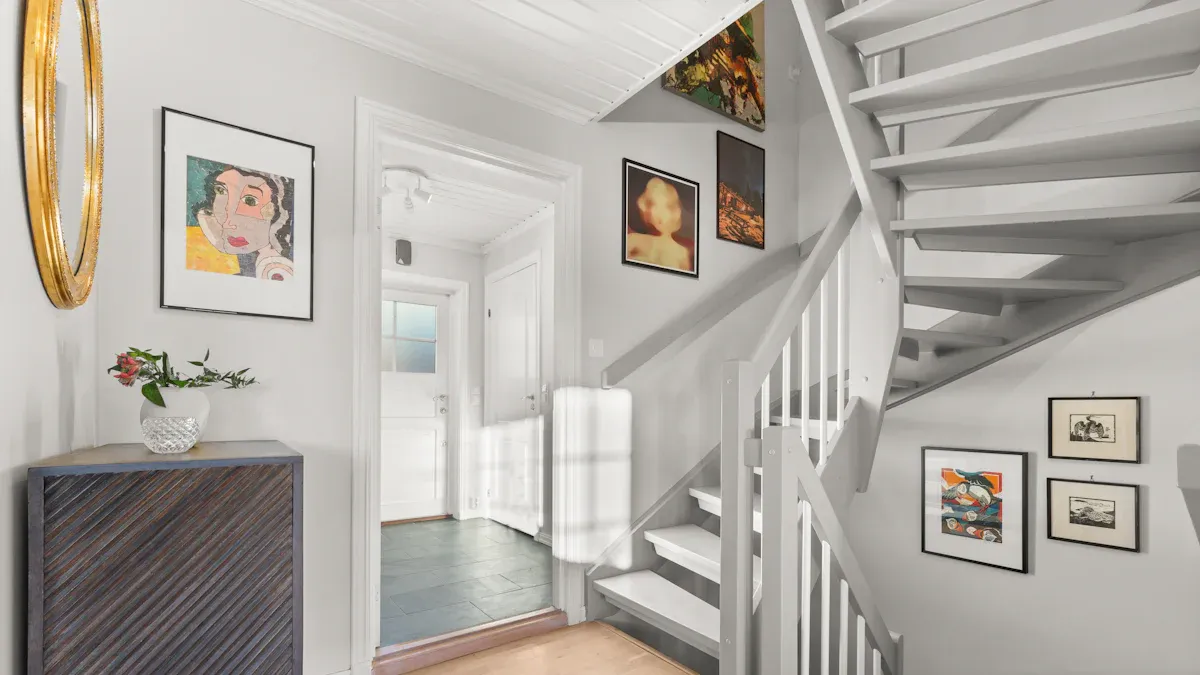
You want a strong and attractive solution for your stairs in kitchens and bathrooms. Vinyl plank flooring on steps offers a smart choice because it stands up well to spills and humidity. The construction of luxury vinyl plank makes it resist water and most liquids. This means you do not have to worry about moisture damage. Many people like how LVP looks and feels like real wood, but it does not have the same risk of water problems. Expert installation and regular care help keep your stairs safe and beautiful for years.
Vinyl Plank Flooring on Steps: Is It Right for Kitchens and Bathrooms?
Durability and Water Resistance of Luxury Vinyl Plank
You want your stairs to last, especially in kitchens and bathrooms where spills and moisture are common. Vinyl plank flooring on steps gives you strong protection against water and daily wear. Luxury vinyl plank stands out because it resists scratches and holds up well in busy spaces. You can see how different types of vinyl compare in the table below:
| Type of Vinyl Flooring | Waterproof | Durability | Scratch Resistance | Flexibility |
|---|---|---|---|---|
| SPC | Yes | High | High | Low |
| WPC | Yes | Moderate | Moderate | High |
SPC luxury vinyl planks work best for stair treads in kitchens and bathrooms. They do not swell or warp from minor spills. You get peace of mind knowing your flooring will not suffer from most water accidents. Vinyl plank flooring on steps also handles heavy foot traffic, so you do not have to worry about quick damage.
- Luxury vinyl plank is water-resistant, making it suitable for high-moisture areas.
- Compared to hardwood and laminate, it has superior moisture resistance.
- Prolonged exposure to standing water can damage it, but normal spills are not a problem.
Safety and Slip Resistance on Stairs
Safety matters most when you walk up and down stairs, especially in wet areas. Vinyl plank flooring on steps offers good slip resistance, which helps prevent accidents. You should look for stair treads and stair noses with a textured surface. This texture increases grip and reduces the risk of slipping.
- Slip resistance ratings are crucial for flooring safety in wet environments like kitchens and bathrooms.
- The Coefficient of Friction (COF) of 0.5 or higher is considered safe for dry conditions.
- The R-value rating ranges from R9 (lowest slip resistance) to R13 (highest slip resistance).
You can choose luxury vinyl planks with higher slip resistance ratings for your stair treads. This choice keeps your family safe, even if water or spills reach the stairs. Installing lvp on stairs with proper stair noses also adds extra protection at the edge of each step.
Tip: Always check the slip resistance rating before you select vinyl plank flooring for your stairs. This step ensures you get the best safety for your home.
Aesthetic Benefits for Kitchens and Bathrooms
You want your kitchen and bathroom stairs to look beautiful. Luxury vinyl plank gives you many design options. You can pick styles that look like real wood or stone. This flexibility lets you match your stairs to the rest of your home. Vinyl plank flooring installed on stairs brings a modern and clean look without the worry of water damage.
Luxury vinyl planks come in many colors and patterns. You can create a seamless look from your kitchen or bathroom floor up to the stair treads. Stair noses and treads made from matching vinyl help you achieve a polished finish. You get the beauty of natural materials with the easy care of vinyl.
Note: With so many choices, you can design your stairs to fit any style, from classic to contemporary.
Key Benefits of Luxury Vinyl Plank Installed on Stairs
Moisture Resistance for High-Traffic Areas
When you choose vinyl plank flooring on steps, you get strong protection against water. Kitchens and bathrooms often have spills and splashes. Luxury vinyl plank stands up to these challenges. You do not have to worry about your stair treads warping or staining. This makes it a smart choice for high-traffic areas where moisture is common.
Here is how luxury vinyl plank compares to other flooring options for moisture resistance:
| Flooring Type | Moisture Resistance |
|---|---|
| Luxury Vinyl Plank | Completely water-resistant when installed correctly, can withstand moisture without warping, staining, or buckling. |
| Porcelain Tile | Resistant to water, can be exposed to moisture without damage with proper installation and grouting. |
| Hardwood Flooring | Not moisture-resistant, can be damaged by water. |
You can see that luxury vinyl planks offer the best protection for stairs in kitchens and bathrooms.
Easy Cleaning and Maintenance
You want your stairs to look clean and fresh every day. Vinyl plank flooring makes this easy. You can sweep or vacuum the stair treads to remove dirt. Use a soft mop and warm water for regular cleaning. If you spill food or drinks, wipe it up right away. Avoid using harsh cleaners that can damage the surface.
Tip: Use cleaning products made for luxury vinyl plank to keep your stair treads looking new.
Here are some simple steps for caring for your vinyl plank flooring:
- Sweep or vacuum before mopping to prevent scratches.
- Clean spills immediately to avoid stains.
- Use a non-abrasive cleaner for shoe marks.
- Do not wax the surface to keep it safe and slip-free.
- Dust mop often to remove dirt from high-traffic areas.
With these habits, your installed on stairs flooring will stay beautiful and last longer.
Comfort and Noise Reduction
Luxury vinyl plank adds comfort to your stairs. The surface feels softer underfoot than tile or hardwood. Many luxury vinyl planks come with an attached backing that helps absorb sound. This means you will hear less noise when people walk up and down the stairs.
You can also add acoustic underlayment or sound-absorbing insulation for even better results. This is helpful if you have children or pets who use the stairs often. The comfort and quiet feel make installing lvp on stairs a great choice for your home.
Note: Using stair noses and lvp risers with your luxury vinyl plank helps create a safe and finished look while reducing noise and adding durability to the treads.
Expert Guide to Installing LVP on Stairs by skspcflooring
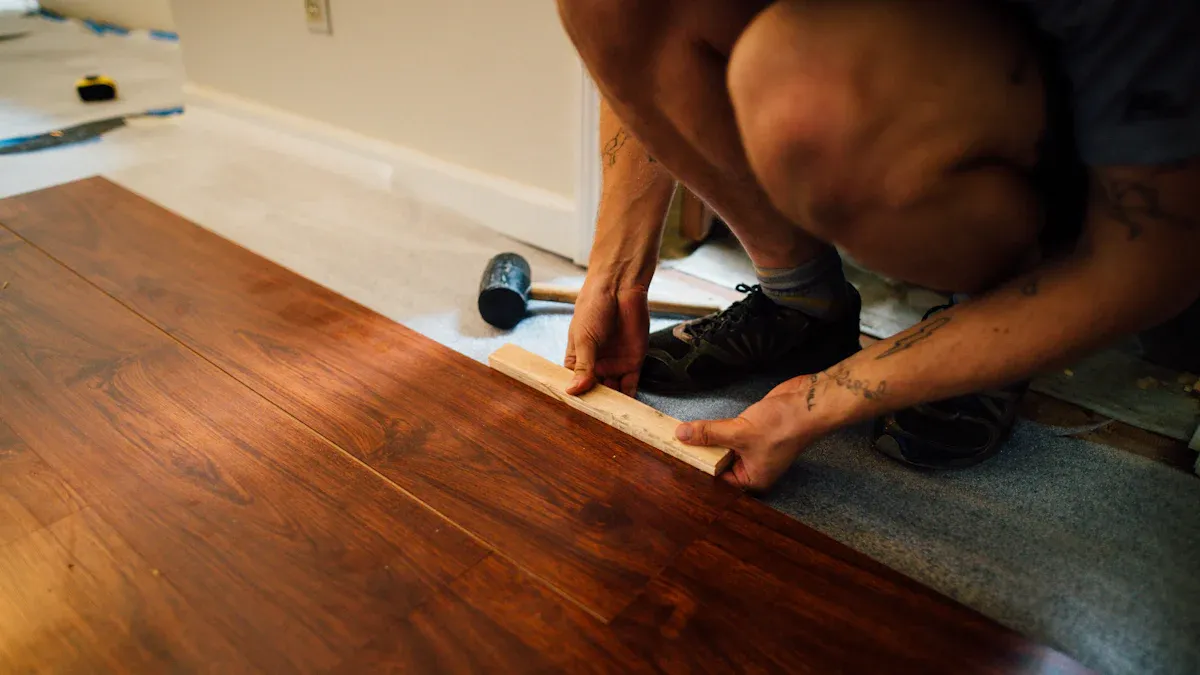
Preparation and Planning for Stair Installation
You need to start with careful planning before you begin luxury vinyl plank installation. Good preparation helps you achieve a professional-looking stair install. Follow these steps to get your stairs ready:
- Remove any molding or trim around the stairs.
- Make space for stair noses by cutting back baseboards and removing stair overhangs.
- Level the stairs and landings. Use caulking to fill cracks or bumps.
- Sweep or vacuum to clear dirt and dust.
You should also make sure the stair surface is clean, dry, and level. Acclimate luxury vinyl planks to the room’s temperature and humidity for at least 48 hours. Inspect or replace damaged underlayment. Allocate enough time for each step to avoid mistakes.
Tip: Careful planning prevents problems during vinyl plank flooring on steps and ensures secure installation.
Choosing the Right Luxury Vinyl Plank for Stairs
Selecting the best luxury vinyl plank for stairs in kitchens and bathrooms is important. Look for durable flooring that handles moisture well. Choose planks with stain and scratch-resistant properties. Pick options that are easy to clean and maintain.
Consider these factors:
- Room type and use: Kitchens and bathrooms need moisture-resistant flooring.
- Installation method: Click-lock planks make installing lvp on stairs easier.
- Style and aesthetic: LVP gives a hardwood look, while LVT offers stone visuals.
- Budget: Sheet vinyl costs less, but luxury vinyl planks provide better durability and appearance.
Luxury vinyl plank is waterproof and stands up to high foot traffic. You can clean it easily with simple methods.
Subfloor and Step Preparation Techniques
Proper subfloor preparation is key for installed on stairs. You must ensure the surface is flat, clean, smooth, and dry. Vacuum or sweep the subfloor to remove debris. Check for screws or protrusions that could affect stair treads.
| Preparation Step | Description |
|---|---|
| Clean Surface | Remove debris and contaminants from the subfloor. |
| Flat Surface | Level the subfloor to prevent issues with flooring. |
| Structurally Sound | Make sure the subfloor supports the new flooring. |
You create a strong foundation for vinyl plank flooring and stair treads by following these steps to installing. This helps prevent bumps and dips and supports a secure installation. You get a smooth surface for luxury vinyl plank installation and a lasting finish for your stairs.
Measuring and Cutting Planks for a Perfect Fit
You need to measure each step before you start cutting. Use a tape measure to check the width and depth of every stair tread and riser. Write down your measurements so you do not forget them. Mark each plank with a pencil where you need to cut. A straight edge helps you draw clean lines.
Cut the planks using a utility knife or a saw. Always cut slowly and carefully. Test the fit by placing the plank on the stair. If it does not fit, trim a little more. Repeat this process for each step. You want every piece to fit snugly with no gaps.
Tip: Number your planks as you cut them. This helps you remember which piece goes on which stair.
Securing Planks and Installing Stair Nosing
You must secure the planks so they do not move. Use adhesive made for luxury vinyl plank. Spread the glue evenly on the stair tread. Press the plank down and hold it in place for a few seconds. Make sure there are no air bubbles under the plank.
Stair nosing gives extra grip and protects the edge of each step. Measure and cut the stair nosing to match the width of the stair. Attach the nosing with adhesive or screws, following the manufacturer’s instructions. Check that the nosing sits flush with the plank. This step makes your stairs safer and gives them a finished look.
Sealing and Finishing Touches for Durability
You want your stairs to last a long time. After installing lvp on stairs, seal the edges with a waterproof sealant. This keeps water from getting under the planks. Wipe away any extra glue or sealant with a damp cloth.
Check each step for loose edges or gaps. Press down on the planks to make sure they are secure. Clean the stairs with a soft cloth before you use them. Good finishing touches help your flooring stay strong and look great for years.
Note: Take your time with each step. Careful work leads to a safe and beautiful staircase.
Common Mistakes to Avoid When Installing Vinyl Plank Flooring on Steps
Skipping Proper Surface Preparation
You might feel tempted to rush the installation process, but skipping surface preparation can cause big problems. If you do not prepare the surface, your vinyl planks may not last as long as you expect. Here are some issues that can happen:
- Uneven subfloors create gaps and lead to premature wear.
- Without proper underlayment, you may hear creaks or see buckling in the planks.
- Failing to check for flatness with a long level can result in an unstable surface.
- Not leaving expansion gaps can make the planks lift or buckle over time.
You should always clean, level, and dry the surface before you start. This step helps your flooring stay strong and look good for years.
Using Incorrect Adhesives or Fasteners
Choosing the right adhesive or fastener is important for a safe and lasting installation. If you use the wrong products, you can face several problems. The table below shows what can go wrong:
| Consequence | Description |
|---|---|
| Voided Warranty | Using non-approved adhesives can violate warranty terms, leading to uncovered replacement costs. |
| Safety Hazards | Inadequate bonding may result in loose treads, increasing the risk of falls and liability issues. |
| Costly Repairs | Incorrect adhesive selection may necessitate complete removal and reinstallation, raising costs. |
You should always follow the manufacturer’s instructions for adhesives and fasteners. This step keeps your stairs safe and your investment protected.
Neglecting Expansion Gaps and Stair Nosing
You need to remember expansion gaps and stair nosing for a professional finish. Vinyl plank flooring expands and contracts with temperature changes. If you do not leave a quarter-inch gap, the planks can buckle. Stair nosing, also called bullnose, gives each step a clear edge and helps prevent trips. It also protects the edge from wear and tear and makes the transition between levels look neat.
Tip: Always measure and install stair nosing for safety and durability.
Maintenance Tips for Long-Lasting Vinyl Plank Flooring on Stairs
Regular Cleaning and Care
You want your vinyl plank stairs to look new every day. Regular cleaning helps you keep the surface bright and safe. Use a soft broom or vacuum to remove dust and dirt. For deeper cleaning, choose gentle products that protect your flooring. Many experts recommend these options:
- pH-neutral cleaners work well and do not harm the surface.
- Specialty vinyl cleaners remove dirt without leaving residue.
- Homemade solutions, like one cup of apple cider vinegar in a gallon of hot water, are eco-friendly and effective.
Avoid harsh chemicals such as bleach or ammonia. These can damage your stairs. Do not use steam cleaners, as heat and moisture can warp the planks. Stay away from abrasive tools, wax, or polish. These can scratch or dull the finish and attract more dirt.
Tip: Clean spills right away to prevent stains and keep your stairs safe.
Preventing Moisture and Slip Issues
You need to protect your stairs from water and slips, especially in kitchens and bathrooms. Luxury vinyl plank resists moisture, so it does not swell or warp when wet. This makes it a smart choice for humid spaces. Many planks have slip-resistant technology that gives you better grip underfoot.
Textured finishes add extra safety and style. You can also choose stair edges with bright or contrasting colors. These edges help you see each step clearly, even in low light. Good visibility lowers the risk of trips and falls.
Note: Always check that your stairs stay dry and free from puddles.
Addressing Wear and Tear on Stair Edges
Stair edges get the most use. You should check them often for signs of wear. If you see scuffs or scratches, clean them with a soft cloth and a gentle cleaner. Stair nosing protects the edge and keeps the planks in place. Replace worn stair noses if needed to keep your stairs safe and looking good.
You can use rugs or runners on high-traffic steps. These add comfort and protect the flooring from heavy shoes or pet claws. Regular care helps your vinyl plank stairs last for many years.
Quick-Reference Checklist for Homeowners Installing LVP on Stairs
Pre-Installation Essentials
Before you start, check a few important items to make your project successful.
- Review the types of vinyl available. Planks, tiles, and sheets each need different installation methods.
- Plan your layout carefully. Measure your stairs and decide how you want the planks to look.
- Prepare the subfloor. Make sure it is level and clean. Remove bumps and debris so your vinyl sits flat.
Tip: Careful planning helps you avoid awkward placements and ensures a cohesive design.
Step-by-Step Installation Guide
Follow these steps to install luxury vinyl plank flooring on your stairs:
- Let the vinyl planks acclimate in the room for up to 48 hours.
- Remove any molding or trim around the stairs.
- Cut back baseboards and remove stair overhangs using a jigsaw.
- Use caulking to fill cracks or bumps and ensure the stairs are level.
- Choose planks with a thicker wear layer for extra durability.
- Measure each stair accurately to avoid mistakes.
- Cut the vinyl planks to fit the risers and treads.
- Start installation from the bottom step and work upwards.
- Spread adhesive on the back of each plank and press it firmly against the riser.
- Secure corners and edges with screws or nails as the adhesive dries.
- Measure and cut stair noses for a polished finish.
Note: Number your planks as you cut them. This helps you keep track and ensures a perfect fit.
Ongoing Maintenance and Safety Checks
Keep your stairs looking great and safe with regular care.
- Clean the flooring often to maintain its appearance and hygiene.
- Inspect for signs of wear or damage every few months, especially in busy areas.
- Check the waterproof seal at the edges. Reapply caulk if needed to keep moisture out.
- Watch for changes in texture or appearance that may signal moisture damage or subfloor issues.
- Schedule a professional inspection once a year to catch potential problems early.
Callout: Consistent maintenance extends the life of your vinyl plank stairs and keeps your home safe.
You can trust luxury vinyl plank flooring for steps in kitchens and bathrooms because it is durable and waterproof. Experts recommend using LVP when you want a seamless look throughout your home. Remember, proper installation and regular cleaning keep your stairs safe and looking new.
- Choose textured planks for better grip.
- Use stair nosing for extra protection.
- Sweep and mop often to prevent dirt buildup.
For quality products and expert support, reach out to skspcflooring and follow the checklist for the best results.
FAQ
Can you install luxury vinyl plank on curved or irregular stairs?
You can install luxury vinyl plank on curved or irregular stairs. Measure each step carefully. Cut planks to fit the shape. Use flexible stair nosing for a smooth finish.
How long does vinyl plank flooring last on stairs?
Vinyl plank flooring lasts 10–20 years on stairs. You extend its life with regular cleaning and proper installation. High-quality planks from skspcflooring offer extra durability.
Is vinyl plank flooring safe for homes with kids or pets?
Vinyl plank flooring is safe for homes with kids or pets. Textured surfaces help prevent slips. The flooring resists scratches and stains. You clean up messes easily.
What tools do you need for installing vinyl plank on stairs?
You need a tape measure, utility knife, straight edge, adhesive, and stair nosing.
Tip: Number each plank as you cut for easy installation.




