

You want a floor that handles busy spaces with ease. Loose lay vinyl flooring gives you durability and comfort where you need it most. Many professionals choose this option because it resists scratches, dents, and moisture. You will notice the easy installation process saves time and effort.
- It stands up to heavy foot traffic.
- Cleaning takes only simple sweeping or mopping.
- Easy installation means you can refresh your space quickly.
Loose lay vinyl flooring also helps reduce noise, making rooms quieter and more comfortable for everyone.
Loose Lay Vinyl Flooring: What Makes It Ideal for High-Traffic Areas
How Loose Lay Vinyl Flooring Works
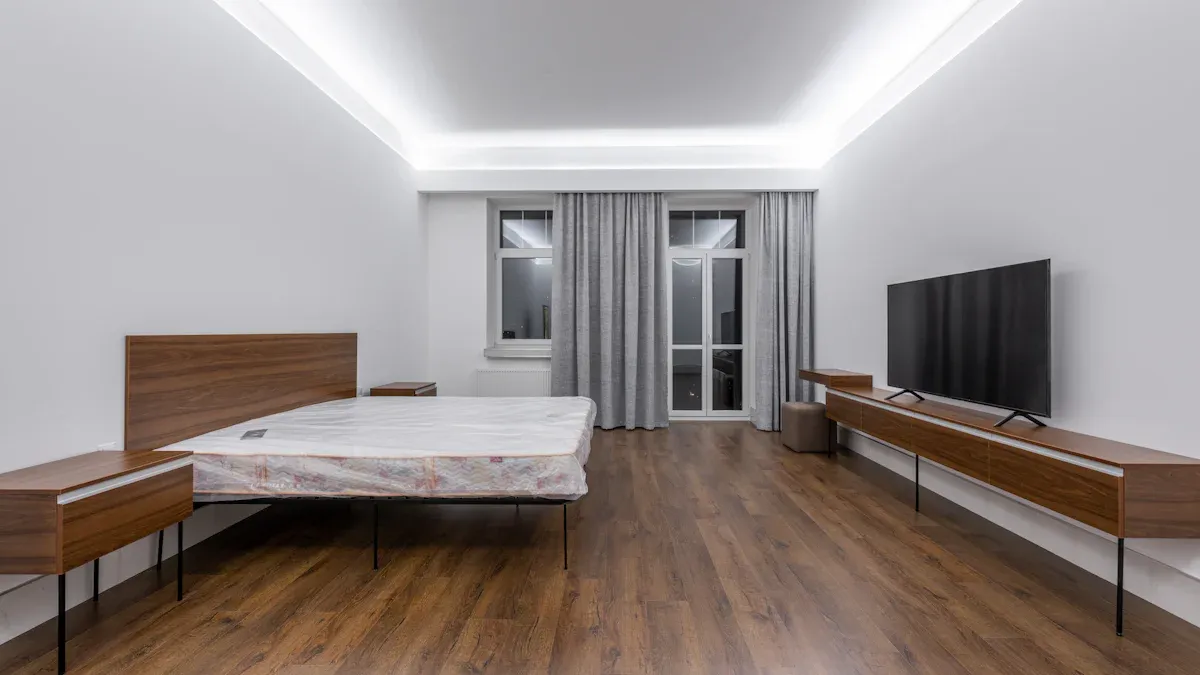
You install loose lay vinyl flooring by placing the vinyl planks directly onto a smooth subfloor. The planks stay in place because of their weight and a special backing that grips the floor. This method does not need glue or nails for most rooms. You can easily remove or replace planks if needed. The construction uses strong PVC layers, including a sturdy core, a printed design, and a tough wear layer. This design helps the floor resist scratches, dents, and water damage. You can even install loose-lay flooring over many existing floors, which makes it a quick choice for busy spaces.
Key Features for Busy Spaces
Loose lay vinyl flooring offers several features that make it perfect for high-traffic areas:
- Durable 5mm thick construction stands up to heavy use.
- A 20 mil wear layer protects against scratches and stains.
- Specialized traction backing keeps the planks from moving.
- Waterproof surface handles spills and moisture with ease.
- Soft backing and insulation add comfort and reduce noise.
- Simple cleaning routines keep the floor looking new.
Tip: You can use loose lay vinyl flooring in places like kitchens, hallways, offices, and stores. The floor stays comfortable and quiet, even when many people walk on it.
Comparison with Other Vinyl Flooring Types
You may wonder how loose lay vinyl flooring compares to other options like click-lock vinyl planks. The table below shows the main differences:
| Feature / Type | Loose Lay Vinyl Planks | Click Vinyl Planks |
|---|---|---|
| Installation Mechanism | Lay flat, held by weight and friction | Interlocking tongue-and-groove system |
| Stability | May shift in large or busy areas; adhesive may help | Very stable, less movement |
| Longevity | Good for moderate to high traffic; easy to replace | Best for long-term, heavy use |
| Installation Ease | Very quick and simple | Takes longer, but more secure |
| Maintenance | Easy to clean; planks can be lifted if needed | Easy to clean; planks stay in place |
Loose lay vinyl flooring gives you fast installation and flexibility. Click-lock vinyl planks offer more stability for very busy or large spaces. You can choose the best option based on your needs for durability and ease of use.
Installation of Loose Lay Vinyl Flooring in High-Traffic Spaces
Tools and Materials for Installation
You need the right tools and materials to make your vinyl flooring installation smooth and successful. Gather these items before you start:
- Utility knife for cutting vinyl planks or sheets
- Scissors for trimming edges
- Push broom to smooth out the flooring
- Butcher or kraft paper for making templates
- Masking tape and duct tape for marking and securing
- Double-sided tape or loose-lay vinyl tape for edges and seams
- Loose-lay vinyl planks or sheets
Tip: Use double-sided tape around the edges, thresholds, and seams. This step helps prevent the flooring from shifting or curling, which is especially important in high-traffic areas.
Some loose-lay vinyl flooring products have a special non-slip backing. This feature increases grip and stability, making the installation even easier. You will also need a clean workspace and a trash bag for scraps.
Preparing the Subfloor for Installation
Proper subfloor preparation is key to a long-lasting and stable floor. Follow these steps to get your subfloor ready:
- Remove all old flooring and debris. Expose the bare subfloor.
- Sweep and mop the subfloor. Make sure it is clean, dry, and free of dust or dirt.
- Check the surface for bumps, dips, or nails. Sand down any high spots and fill in low areas with a leveling compound.
- Test for moisture, especially if you are working in a basement or other damp area. Install a moisture barrier if needed.
- Inspect the subfloor for structural issues. Fix any problems before you continue.
- Plan your layout. Measure the room and decide how you will place the vinyl planks or sheets for the best look and fit.
Note: A smooth, level, and dry subfloor prevents wrinkles, bumps, and poor adhesion. This preparation step ensures your vinyl flooring installation will last, even in busy spaces.
Step-by-Step Installation Process
You can follow this simple installation guide for a successful project. The process highlights the ease of installation and shows why many people choose loose-lay vinyl flooring for high-traffic areas.
- Acclimate the vinyl planks or sheets in the room for 24-48 hours. This step helps the material adjust to the temperature and humidity.
- Lay out butcher or kraft paper as a template if your room has odd shapes or corners.
- Cut the vinyl planks or sheets to fit your space using a utility knife or scissors.
- Place the first row of vinyl planks along the longest wall. Make sure the edges are straight.
- Continue laying the planks, fitting them snugly together. Stagger the seams for a natural look.
- Use a push broom to smooth out the flooring as you go. This action removes air pockets and helps the planks settle.
- Apply double-sided tape or loose-lay vinyl tape at the edges, thresholds, and seams. Remove the tape backing and press the vinyl firmly in place.
- Trim any excess material at the walls or around obstacles.
- Check all edges and corners. Press down to secure the flooring and prevent shifting.
No glue required: Loose-lay vinyl flooring uses its weight and special backing to stay in place. This no-glue installation makes the process fast and clean.
You will notice the easy installation and installation ease throughout the process. If you need to replace a plank later, you can lift it out and put in a new one without much trouble. This feature adds to the appeal of loose-lay vinyl flooring in busy environments.
Callout: For high-traffic or commercial spaces, consider professional vinyl flooring installation. Experts can ensure a flawless finish and maximum durability.
Securing Edges and Finishing Touches
You want your loose lay vinyl flooring to stay in place, especially in high-traffic areas. The edges are the most likely spots for movement or curling. You can secure them with a few simple steps that add stability and help your floor last longer.
- Start by making sure the subfloor is clean, dry, and level. This step prevents bumps and gaps at the edges.
- For most rooms, the weight and friction of the planks, along with the rubber backing, keep the flooring in place. In busy spaces or large rooms, you should apply adhesive or double-sided tape around the perimeter.
- If you notice a plank lifting at the edge, gently lift it and create a small clearance. Apply a thin layer of waterproof clear glue, such as Gorilla Glue Clear, under the plank.
- Remove any extra glue and cover the area with wax paper.
- Place a heavy object on top until the glue dries. This method works well for small repairs and keeps the edge flat.
Tip: Modified loose lay vinyl combines the speed of no-glue installation with extra stability. You only need adhesive at the edges, so you keep the easy removal and replacement benefits.
Tight seams and staggered planks also help prevent shifting. Use a push broom to press the planks together as you finish the installation. Trim any excess material at the walls for a clean look. Check all corners and thresholds to make sure everything sits flat and secure.
Special Tips for High-Traffic Areas
High-traffic spaces need extra care during installation and daily use. You can follow these expert tips to keep your floor looking new and performing well:
- Let your loose lay vinyl flooring acclimate to the room’s temperature and humidity before installation. This step helps prevent expansion or contraction later.
- Always prepare the subfloor carefully. Make sure it is smooth, dry, and level to avoid uneven spots and moisture problems.
- Place mats or rugs at entrances to catch dirt and grit. This simple step reduces wear and tear.
- Use furniture pads or mats under heavy furniture and wheeled equipment. These protect the surface from scratches and dents.
- Trim your pets’ nails regularly. This habit helps prevent scratches on the wear layer.
- Sweep or mop the floor often to remove debris. Regular cleaning keeps the surface looking fresh and prevents buildup.
- For commercial spaces, consider using adhesive around the entire perimeter for added stability.
Note: Good preparation and regular maintenance help your loose lay vinyl flooring last longer, even in the busiest areas.
You can enjoy the benefits of a no-glue installation while still protecting your investment. With these finishing touches and expert tips, your floor will handle heavy use and stay beautiful for years.
Benefits of Loose Lay Vinyl Flooring in Busy Environments
Durability and Wear Resistance
You need a floor that stands up to constant use. Loose lay vinyl flooring offers impressive durability and wear resistance, making it a smart choice for high-traffic areas. The multi-layer construction includes a tough wear layer that protects against scratches, dents, and scuffs. This means your floor keeps looking good even when many people walk on it every day.
Manufacturers test loose lay vinyl flooring using strict standards. These tests measure how well the floor resists scratches, abrasion, and wear from foot traffic and rolling chairs. The table below shows some of the main tests used to check durability:
| Test Standard | Test Focus | Relevance to Wear Resistance |
|---|---|---|
| ASTM F1037 | Visual Rating for In-Service Traffic | Checks performance after heavy foot traffic |
| ASTM F1307 | Appearance After In-Service Exposure | Looks for changes in appearance from daily use |
| EN 14565 Annex A | Scratch Resistance | Measures how well the floor resists scratches |
| EN 16094 | Micro-Scratch Resistance | Simulates fine surface wear |
| DIN EN 660 | Abrasion Resistance by Taber Abraser | Tests abrasion from heavy foot traffic |
| ISO 16581 | Accelerated Wear Test (Chair Leg) | Simulates wear from moving chairs |
| BS EN 985 | Caster Chair Test (20,000-25,000 cycles) | Checks resistance to rolling loads |
You can trust that loose lay vinyl flooring will handle the demands of busy homes, offices, and stores. The benefits of this flooring include long-lasting performance and easy care, so you spend less time worrying about damage.
Comfort and Noise Reduction
Loose lay vinyl flooring not only protects against wear, but also adds comfort underfoot. The thicker construction gives you a softer feel compared to many other hard flooring types. You will notice the difference when you stand or walk for long periods.
When you compare loose lay vinyl to other resilient flooring, you see a balance between comfort and strength. The table below highlights how loose lay vinyl stacks up:
| Flooring Type | Comfort Level | Durability | Best Use Case |
|---|---|---|---|
| Loose Lay Vinyl | Good cushioning | High | Homes, offices, retail |
| SPC Luxury Vinyl | Less cushioning | Very high | Heavy-use commercial spaces |
| WPC Vinyl | Highest cushioning | Moderate | Bedrooms, living rooms |
Loose lay vinyl flooring also helps reduce noise in busy spaces. In schools, offices, and stores, this flooring absorbs sound instead of amplifying it. You get a quieter environment, which helps people focus and feel more comfortable. Some products can reduce impact noise by up to 21 dB, depending on the underlayment and installation method. For example, Karndean’s LooseLay flooring achieves an impact insulation class rating of 56 dB on concrete, and up to 71 dB with special underlayment. This means less noise from footsteps and moving furniture.
Tip: If you want a quiet and comfortable space, loose lay vinyl flooring is a great choice for both homes and commercial settings.
Waterproof and Stain Resistance
Loose lay vinyl flooring gives you strong water-resistance and stain protection. The surface features a transparent wear layer that blocks stains and scratches. The sturdy core repels water, so you can use this flooring in kitchens, bathrooms, basements, and busy commercial spaces.
You benefit from these water-resistant properties in several ways:
- The flooring absorbs only 0.2% moisture, even under constant water exposure. This outperforms many traditional flooring types.
- Vinyl tiles keep their shape and strength after 72 hours of full submersion in water.
- Real-world use shows that loose lay vinyl flooring does not warp or delaminate, even in flood-prone or high-humidity areas.
- Sealed joints and edges help maintain waterproof performance.
- Regular sweeping, quick spill cleanup, and pH-neutral cleaners keep the floor looking new.
- Multi-layer construction creates a strong barrier against water and stains.
- Many products come with waterproof warranties lasting 5-10 years, as long as you follow care instructions.
Note: Always check if your flooring is labeled as waterproof or water-resistant. Both types offer protection, but waterproof products give you the best defense in very wet areas.
Loose lay vinyl flooring’s water-resistant properties and stain resistance make it a reliable option for busy environments. You get peace of mind knowing your floor can handle spills, moisture, and daily messes with minimal effort.
Design Versatility and Aesthetics
You want your space to look great and feel welcoming. Loose lay vinyl flooring gives you many design choices that fit any style. You can pick from a wide range of colors, patterns, and textures. Some floors look like classic wood, while others show off modern abstract designs. This variety helps you match the floor to your home or business.
- You can choose wood grain for a warm, natural look.
- Stone and tile patterns add a touch of elegance.
- Modern abstract designs create a bold statement.
- Textured surfaces give the floor a realistic feel.
- Many options work well in both homes and commercial spaces.
Loose lay vinyl flooring keeps its good looks even in busy areas. The protective wear layer resists scratches, stains, and wear. You will find that the floor stays beautiful with only simple cleaning. You just need to sweep and mop to keep it looking new. You can install this flooring over many existing hard floors, which makes it easy to update your space without a big mess.
The style options and durability work together to improve the look of high-traffic areas. You get a stylish, long-lasting floor that is easy to maintain. This makes loose lay vinyl a smart choice for anyone who wants both beauty and cost-effectiveness.
Tip: Try mixing different patterns or colors in one room. This can help you create zones or add interest to large spaces.
Easy Replacement and Repairs
Accidents can happen, even on the toughest floors. Loose lay vinyl flooring makes repairs simple. If a plank or tile gets damaged, you can lift it out and put in a new one. You do not need to remove large sections or use special tools. This quick fix saves you time and keeps your floor looking its best.
The table below shows how loose lay vinyl compares to other flooring types when it comes to repairs:
| Flooring Type | Ease of Repair/Replacement |
|---|---|
| Loose Lay Vinyl (Floating) | Individual planks or tiles can be replaced easily without removing large sections. |
| Glue-Down Vinyl | Damaged tiles or planks can be removed and replaced individually with minimal effort. |
| Click-Lock Vinyl (Floating) | You must remove multiple planks or tiles before reaching the damaged section. |
| Sheet Vinyl | Not as durable and harder to repair compared to vinyl tile or plank options. |
You will notice that loose lay vinyl offers one of the easiest repair processes. You can keep your floor looking new without much effort. This feature adds to the overall benefits of choosing loose lay vinyl for high-traffic areas. You save money and time, which increases the cost-effectiveness of your flooring investment.
Note: Always keep a few extra planks or tiles from your original installation. This makes future repairs even easier.
Maintenance of Loose Lay Vinyl Flooring for Longevity
Daily and Weekly Cleaning Routines
You can keep your loose lay vinyl flooring looking new with simple daily and weekly routines. Start each day by sweeping or using a microfiber dust mop to remove dirt and grit. This step helps prevent scratches and keeps the surface smooth. Place mats or rugs at entryways and high-traffic spots to trap dirt and moisture before it reaches your floor. Clean or replace these mats regularly to meet your maintenance needs.
For weekly cleaning, vacuum with a hard floor setting or a soft brush attachment. Avoid using beater bars, which can scratch the vinyl. After vacuuming, damp mop the floor with a pH-neutral cleaner made for vinyl. Wring out the mop well so you do not leave too much water behind. Let the floor air dry before walking on it again. These routines support reduced maintenance and help your floor last longer.
Tip: Wipe up spills right away with an absorbent cloth to stop stains and moisture damage.
Preventing and Handling Damage
Loose lay vinyl flooring stands up well in busy spaces, but you can take extra steps to prevent damage. Use furniture pads or glides under chairs and tables to avoid dents and scratches. Place area rugs in hallways and under desks to protect against wear. Always lift heavy furniture when moving it. If you must slide something, use furniture sliders or moving blankets.
Trim your pets’ nails often to reduce surface scratches. Avoid harsh cleaning tools like steel wool or vacuum beater bars. If you notice a dent, gently heat the area with a hair dryer and use a heavy roller to smooth it out. For deep scratches or gouges, replace the damaged plank or tile. Keep extra pieces from your original installation for quick repairs. These maintenance tips help you handle most issues quickly.
Managing Spills and Stains
Spills can happen at any time, especially in high-traffic areas. Act fast when something spills. Blot the liquid with a clean cloth, then wipe the area with a damp cloth to remove any residue. For sticky or tough stains, use a mild dish soap mixed with water or a vinegar-water solution. Dry the spot completely after cleaning.
Avoid using harsh chemicals, abrasive pads, or steam mops. These can damage the protective layer of your vinyl flooring. For stubborn stains like ink or crayon, try a baking soda paste or diluted alcohol, but always test on a small area first. Regular cleaning and quick spill response keep your floor looking its best and lower your maintenance needs.
Note: Quick action and regular care make stain removal easier and protect your floor’s finish.
When and How to Replace Planks or Tiles
You may notice a plank or tile in your loose lay vinyl flooring that looks worn, scratched, or damaged. Replacing it keeps your floor looking fresh and helps with regular maintenance. You do not need to remove the whole floor. You can swap out just the damaged piece.
When should you replace a plank or tile?
- You see deep scratches or gouges that cleaning cannot fix.
- The plank or tile has stains that will not come out.
- Water damage causes the plank to warp or lift.
- The surface feels loose or moves when you walk on it.
How do you replace a loose lay vinyl plank or tile?
- Find the damaged piece. Clear the area of furniture and rugs.
- Gently lift the plank or tile from one edge. You can use a putty knife or your fingers.
- If the plank feels stuck, slide the putty knife under it and lift slowly.
- Remove the damaged piece. Clean the subfloor underneath.
- Place the new plank or tile in the empty spot. Make sure it fits snugly with the others.
- Press down on the edges. Use a push broom to smooth the surface.
- If needed, add double-sided tape or a small amount of adhesive at the edges for extra hold.
Tip: Always keep a few extra planks or tiles from your original installation. This makes future repairs quick and easy.
You can finish the job in minutes. This simple process helps you keep your floor in top shape and supports your regular maintenance routine.
Loose lay vinyl flooring gives you a practical and attractive choice for busy spaces. You benefit from easy installation, simple cleaning, and a wide range of styles. Many users appreciate the comfort underfoot and the ability to replace planks quickly.
- Regular cleaning with soft tools and prompt spill cleanup help your floor last longer.
- Using mats and furniture pads protects against scratches and dents.
- Professional care and choosing high-quality products improve durability in high-traffic areas.
Remember, while loose lay vinyl flooring offers many advantages, you should follow best practices for installation and maintenance to enjoy long-lasting results.
FAQ
How long does loose lay vinyl flooring last in high-traffic areas?
You can expect loose lay vinyl flooring to last 10 to 20 years in busy spaces. The lifespan depends on the quality of the product and how well you care for it. Regular cleaning and quick repairs help your floor stay strong.
Can you install loose lay vinyl flooring over existing floors?
Yes, you can install loose lay vinyl flooring over many hard surfaces, such as tile or concrete. Make sure the surface is clean, dry, and level. Avoid installing over carpet or uneven floors for best results.
Does loose lay vinyl flooring need glue or nails?
You do not need glue or nails for most installations. The weight and special backing keep the planks in place. In very busy areas, you can use double-sided tape or a small amount of adhesive at the edges for extra security.
Is loose lay vinyl flooring safe for homes with pets?
Loose lay vinyl flooring works well in homes with pets. The tough wear layer resists scratches from claws. The waterproof surface handles spills and accidents. You can clean up messes quickly and keep your floor looking good.
How do you fix a loose or damaged plank?
You can lift out the damaged plank and replace it with a new one. No special tools are needed. Keep extra planks from your original installation for easy repairs. This process takes only a few minutes and keeps your floor looking fresh.




