
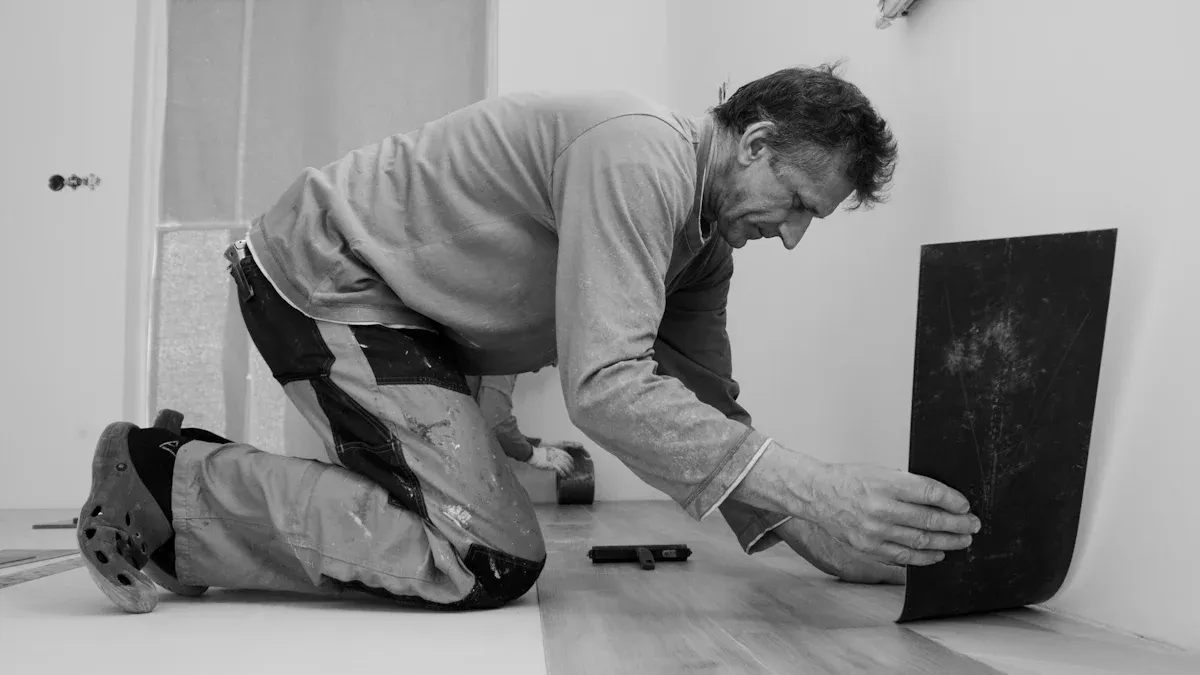
You might reach for a utility knife for cutting vinyl flooring, thinking it will work every time. Sometimes, thick or rigid vinyl resists the blade. Uneven cuts can create gaps or rough edges. Safety matters, too. If you force the knife, you risk slipping or hurting yourself. Choosing the right method helps you get clean results and saves time.
Tip: Always check the thickness and flexibility of your vinyl before you start cutting.
Common Problems When You Cut Vinyl Flooring with a Utility Knife
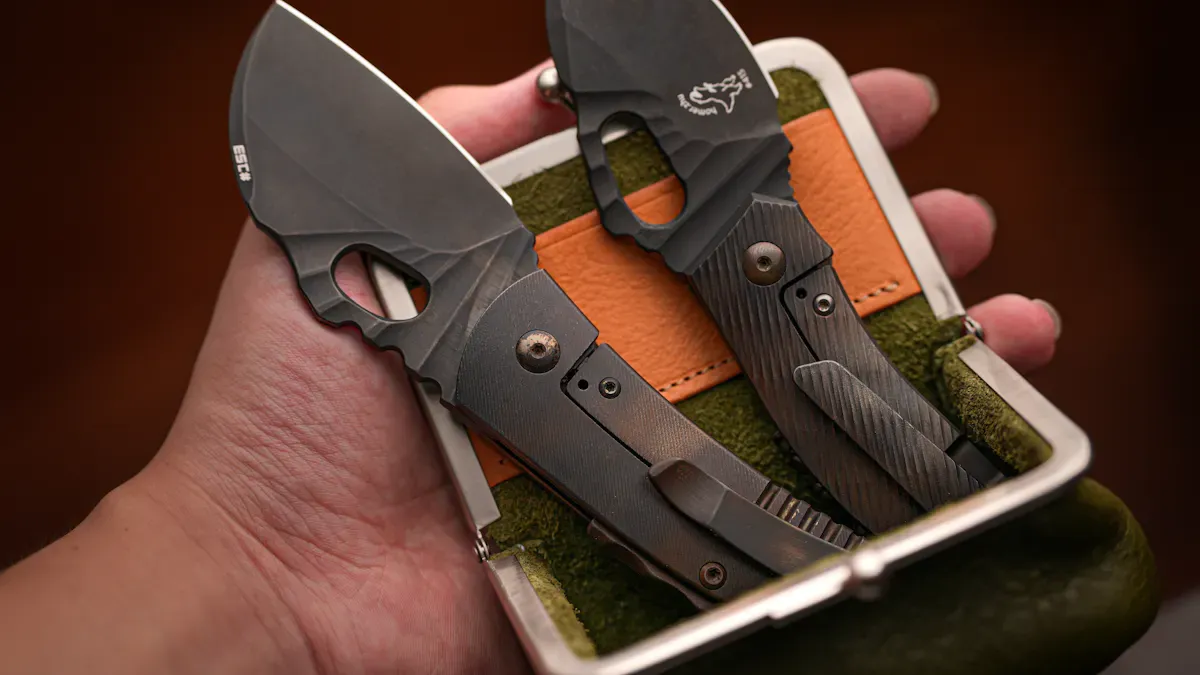
Difficulty Cutting Thick or Rigid Vinyl
You may find it hard to cut vinyl flooring when the material is thick or rigid. SPC Rigid Floor, especially those with a thickness of 5-8mm or a high-density core, can resist the blade. Thin SPC floors, like those measuring 2-3mm, allow easier scoring and snapping. The thickness and density of the flooring affect how well you can cut vinyl flooring with a utility knife for cutting vinyl flooring. If you try to force the blade through tough material, you might damage the plank or tire yourself out.
Note: Always check the thickness of your vinyl before you start. Thicker planks need special tools or techniques.
Inconsistent or Jagged Cuts
When you use a utility knife for cutting vinyl flooring, you may notice jagged or uneven edges. This happens for several reasons:
- Incorrect cutting techniques can cause rough lines.
- Unsafe tools may damage the planks and leave gaps.
- Rushing the process often leads to mistakes.
- Not scoring the plank properly can result in uneven cuts.
Jagged cuts make the seams look mismatched. Gaps can collect dirt and moisture, which affects the look and durability of your floor. You want clean, straight cuts to keep your floor looking neat.
Here is a table showing common problems and explanations:
| Problem | Explanation |
|---|---|
| Tearing | If the vinyl tears during a cut, check if your blade is sharp enough and ensure you’re using the right method for the type of vinyl. |
| Mismatched Seams | This can happen if measurements are off or cuts are not straight. Always double-check your measurements and use a guide to ensure straight cuts. |
Increased Risk of Injury or Damage
You face safety risks when you use a utility knife for cutting vinyl flooring. If you press too hard or slip, you can hurt your hand or damage the flooring. Scratches and tears are common types of damage caused by utility knives. You want to avoid these problems to keep your floor in good shape.
- Scratches can make the surface look worn.
- Tears weaken the plank and affect its strength.
Some blades work better than others. For example, hook blades are designed for vinyl and help prevent damage. Stanley 11-921A blades perform well on vinyl flooring and offer strong edge retention. Milwaukee 48-22-1950 blades produce clean cuts on thin vinyl sheets and graphics. Choosing the right blade improves your results and keeps you safe.
Tip: Use a sharp blade and take your time. Always follow safety guidelines to protect yourself and your flooring.
When a Utility Knife for Cutting Vinyl Flooring Works Well
Thin, Flexible Vinyl Sheets
You can use a utility knife with good results when you cut thin, flexible vinyl sheets. These sheets do not resist the blade. You can score and snap them with little effort. This method works best for vinyl that bends easily and does not have a rigid core. You get clean lines and smooth edges if you use the right knife and blade.
Some utility knives work better than others for this task. You should look for a knife with a comfortable grip and a sharp blade. The table below shows some popular utility knives that help you cut thin, flexible vinyl sheets with more control and safety:
| Knife Model | Grip Type | Blade Type(s) | Key Features |
|---|---|---|---|
| No. 732 Extra-Grip Utility Knife | Knurled/Contoured | Hook (No. 996), Utility (No. 295) | Solid grip for precise cutting, quick blade storage, precision blade clamp. |
| No. 189 Hook Handle Utility Knife | Contoured | Hook (No. 996), Utility (No. 295) | Improved grip, greater pulling power, precision blade holder. |
| No. 727 Delphin Knife | Contoured | Hook (No. 996), Utility (No. 295) | Rapid access to blade storage, precision blade holder. |
| No. 730 Utility Knife | Knurled | Hook (No. 996), Utility (No. 295) | Compact profile for detailed cuts, quick blade storage. |
Tip: Use a hook blade for vinyl. It helps you make smoother cuts and reduces the chance of tearing.
Simple, Straight Cuts
You get the best results with a utility knife when you make simple, straight cuts. You can use a straightedge or ruler to guide your blade. This keeps your lines even and prevents mistakes. You should always measure your cut line before you start. Mark the line with a pencil for extra accuracy.
For straight cuts, press the knife firmly but gently. Score the surface of the vinyl first. Then bend the sheet along the scored line and snap it apart. This method works well for cutting planks to fit against walls or around corners.
- Use a sharp blade for every cut.
- Replace dull blades to avoid jagged edges.
- Keep your hands away from the cutting path.
Note: If you need to make curves or detailed shapes, you may want to use a different tool.
You can save time and avoid frustration by matching your tool to your material and cut type. For thin, flexible vinyl and straight lines, a utility knife is a smart choice.
Best Way to Cut Vinyl Flooring: Alternatives to Utility Knives
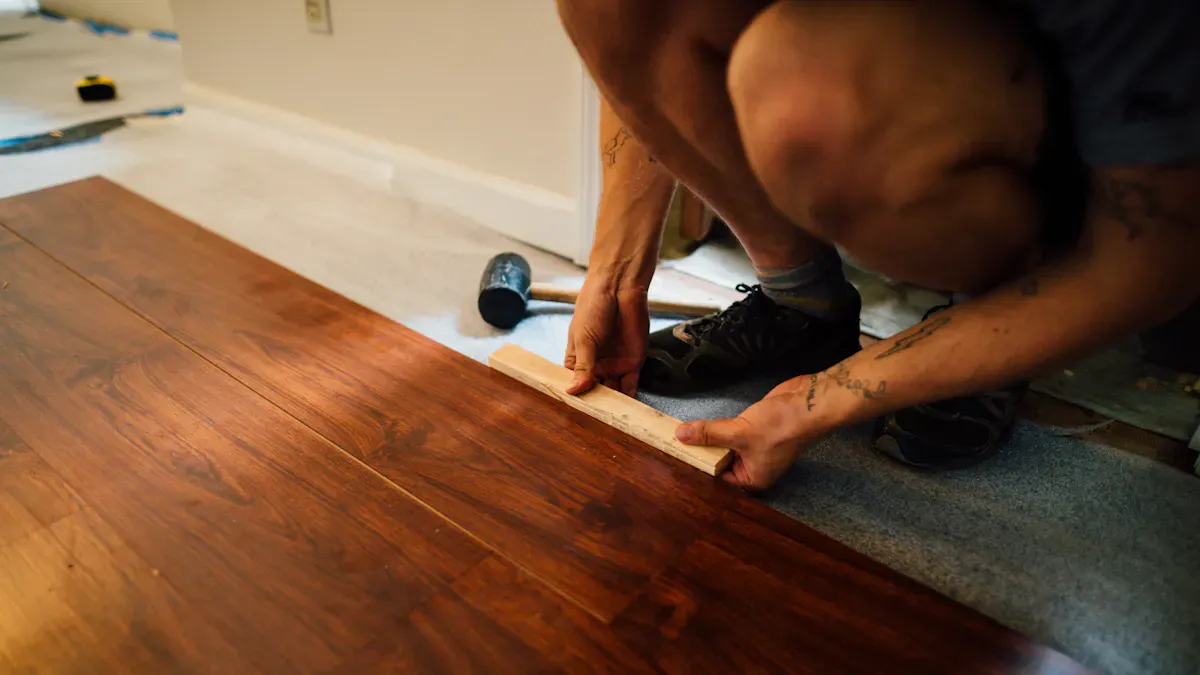
Vinyl Cutter Tools for Clean Cuts
You can achieve clean cuts when you use vinyl cutter tools. These tools are designed for flooring materials. They help you cut vinyl plank flooring with accuracy and speed. Vinyl cutters have sharp blades and sturdy handles. You press down and slice through the plank in one motion. This method reduces jagged edges and keeps your seams neat.
Vinyl cutter tools offer better control than box cutters. You get superior precision and efficiency. The table below compares utility knives and box cutters for cutting vinyl flooring:
| Feature | Utility Knife | Box Cutter |
|---|---|---|
| Precision | Superior for clean cuts and control | Less precise, better for speed |
| Efficiency | Ideal for detailed work, durable | Faster for repetitive tasks |
| Ergonomics | Designed for comfort, less fatigue | Basic design, less ergonomic |
You can use a vinyl cutter for straight cuts and angles. This tool works well for thick or rigid planks. You save time and avoid mistakes. Vinyl cutters help you find the best way to cut vinyl flooring for your project.
Tip: Always check the blade before you start. A sharp blade gives you cleaner results.
Power Tools for Cutting Vinyl Flooring
Power tools make cutting vinyl flooring easier. You can use a jigsaw for lengthwise cuts. Jigsaws help you cut curves and detailed shapes. Circular saws work well for straight lines and large areas. These tools cut vinyl plank flooring quickly and reduce hand fatigue.
Power tools require safety gear. You should wear gloves, goggles, and kneepads. You protect your hands and eyes from dust and debris. Power tools cost more than utility knives, but they save time on big projects. You get smooth edges and professional results.
Utility knives are cost-effective and easy to use. You can replace blades and keep costs low. Power tools may need more skill and maintenance. You choose the tool that fits your budget and skill level.
Note: Always follow safety instructions when you use power tools. Keep your workspace clean and organized.
Choosing the Right Tool for Your Project
You need to select the right tool for your flooring project. The best way to cut vinyl flooring depends on your material and the size of your installation area. You should consider the complexity of the cuts and the level of control you want.
Here is a list of tools and factors to help you decide:
- Utility knife
- Tape measure
- Pry bar or floor scraper
- Trowel
- Spacers
- Rubber mallet
- Power tools like a jigsaw or circular saw
- Safety gear including gloves, goggles, and kneepads
You should also think about:
- Type of flooring material
- Size of the installation area
- Complexity of the grooving required
- Desired level of control and precision
You can cut vinyl plank flooring with a utility knife for simple jobs. For thick planks or complex shapes, you may need a vinyl cutter or power tool. You match your tool to your project for the best results.
Tip: Plan your cuts before you start. Measure twice and cut once to avoid mistakes.
How to Cut Vinyl Flooring Effectively with skspcflooring Tips
How to Get Clean Cuts Every Time
You want your vinyl flooring to look neat and professional. Learning how to cut vinyl flooring the right way helps you avoid mistakes and wasted material. Start by measuring carefully. Use a carpenter’s square to mark straight lines. Dry fit the planks before securing them. This step ensures you get the best fit.
Professional installers often leave a 1/4-inch gap around the room. This gap lets the floor expand and makes plank replacement easier. Build a few rows at a time to keep everything square. Cut planks from the left side so they fit under the trim. Run planks parallel to the longest wall for a smooth look.
Different tools help you achieve clean cuts. You can use a utility knife for scoring and snapping for smaller pieces. For thicker planks, try a vinyl tile cutter or a handsaw. If you need to make angled or curved cuts, a miter saw or jigsaw works well. The table below shows common techniques and their advantages:
| Technique | Description | Advantages |
|---|---|---|
| Score and Snap | Score the vinyl, then snap it off. | Precision and clean cuts; works for many types of vinyl flooring. |
| Utility Knife | Use a sharp blade to score and cut planks. | Great for beginners; best for thinner vinyl and detailed cuts. |
| Vinyl Tile Cutter | Tool made for cutting vinyl tiles. | Clean cuts without rough edges; easy for DIY projects. |
| Handsaw/Table Saw | Advanced tools for controlled cuts. | Perfect for complex cuts and exact sizes. |
| Miter Saw | Makes accurate cuts and angles. | Seamless transitions between flooring areas. |
| Jigsaw | Cuts intricate shapes and corners. | Versatile and precise for longer, curved lines. |
Tip: Always use sharp blades and the right tool for your project. This helps you cut vinyl flooring with clean edges.
Safety Precautions for Cutting Vinyl Flooring
Safety matters when you learn how to cut vinyl flooring. You protect yourself by wearing heavy work gloves with reinforced fingertips. Safety glasses or goggles keep your eyes safe. If you work in a dusty area, use a NIOSH N95 rated respirator. Earplugs help during loud tasks. Kneepads make working on hard floors more comfortable. Choose footwear with slip resistance and protective toe caps.
You should practice on a scrap piece before cutting your actual planks. Take your time to measure and cut slowly. This prevents mistakes and keeps your edges straight. Always check your tools. Use sharp blades and the correct saw for each job.
Common mistakes include improper cuts and using dull blades. Avoid these by using a carpenter’s square and dry fitting planks. For cross-cuts, use a fine-tooth saw. For vents and curves, use a jigsaw or oscillating tool.
Note: Following these safety steps helps you achieve the best results and keeps your installation smooth.
You should know that a utility knife for cutting vinyl flooring is not always reliable for every job. You need to assess your material and project needs before you choose a tool. A high-quality utility knife for cutting vinyl flooring gives you strength and control, especially for straight cuts. When you use the best tool, you get clean results and stay safe during installation.
FAQ
Can I use a utility knife for all types of vinyl flooring?
You can use a utility knife for thin, flexible vinyl. Thick or rigid vinyl may need a specialized cutter or power tool. Always check the material before you start.
What is the safest way to cut vinyl flooring?
Wear gloves and safety glasses. Use a sharp blade. Cut slowly and keep your hands away from the blade. Practice on a scrap piece first.
Which tool gives the cleanest cuts for vinyl flooring?
A vinyl cutter or tile cutter gives you clean, straight edges. Power tools like a jigsaw work well for curves. Utility knives are best for simple, straight cuts.
How do I avoid jagged edges when cutting vinyl?
Score the vinyl with a sharp blade. Snap the plank along the scored line. Replace dull blades often. Use a straightedge for guidance.
Do I need special blades for cutting vinyl flooring?
Hook blades work well for vinyl. Standard utility blades can cut thin sheets. Always use a blade designed for flooring to get the best results.




