

You may notice color changes in vinyl plank flooring when sunlight shines into your room. The UV rays can cause the color and finish of vinyl plank flooring to fade. If you want your flooring to stay bright and new, you need to choose high-quality vinyl and use the right tools needed to install vinyl plank flooring. Good vinyl plank flooring resists fading and damage. Taking the time to prepare your vinyl plank flooring protects your flooring for years.
How Sunlight Affects Vinyl Plank Flooring
UV Exposure and Fading Risks
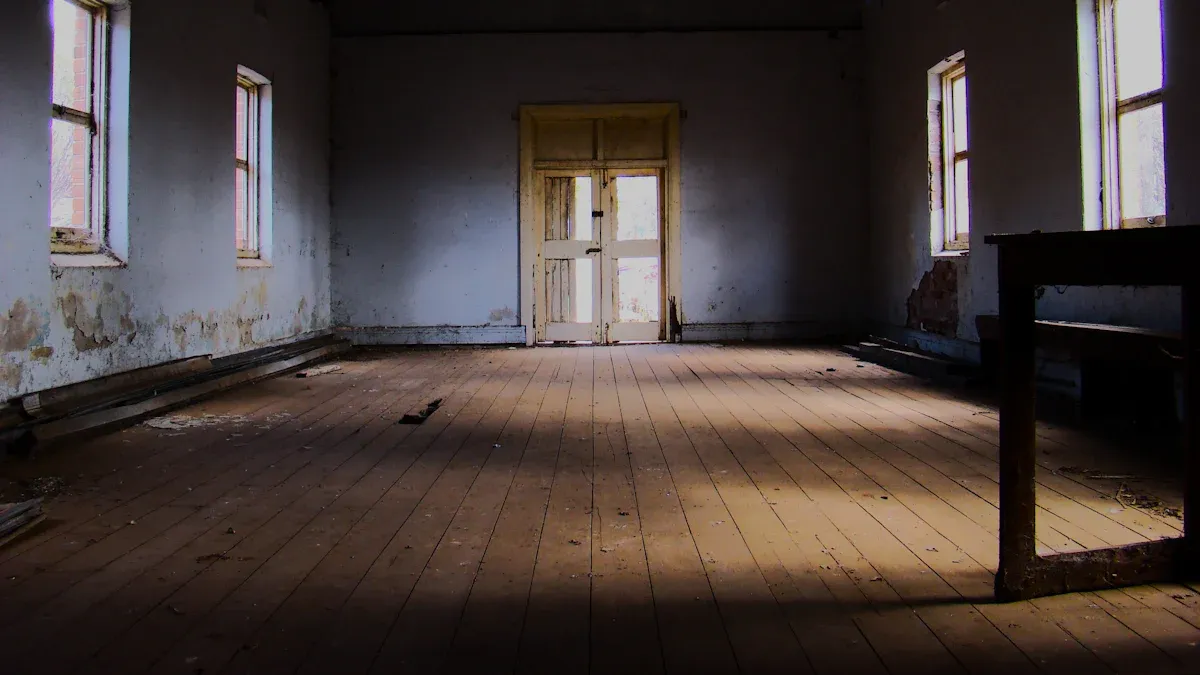
You may notice that vinyl plank flooring changes color when exposed to sunlight. UV rays from the sun can break down the color and finish of vinyl. When you place vinyl plank flooring in a room with large windows or lots of direct sunlight, fading can happen faster. The intensity and duration of sunlight play a big role in how quickly fading occurs.
- Vinyl flooring is prone to discoloration from intense, direct sunlight over extended periods.
- Even though many types of vinyl have UV inhibitors, fading can still happen if you do not protect your flooring.
- Using curtains or blinds in rooms with a lot of sun helps reduce fading.
Prolonged exposure to sunlight can also cause the materials in vinyl plank flooring to break down. This can lead to fading, discoloration, and even chemical changes in the flooring. You want to keep your floors looking new, so it is important to understand these risks.
Heat Impact on Vinyl Flooring Installation
Heat from sunlight does more than just fade colors. It can also affect how you install vinyl plank flooring. When your room gets hot, the vinyl expands. If you install flooring during a hot day or in a room with a lot of direct sunlight, the planks may push against the walls or each other. This can cause buckling or small ridges to form.
Hot weather causes the vinyl to expand, especially if your space gets a lot of direct sunlight or if indoor temperatures rise. When it expands, it pushes against the edges of walls, baseboards, or other tiles around it. This can make the flooring buckle or create small ridges. On the other hand, cold weather leads to contraction, which can cause gaps to appear between tiles or planks.
You should always let your vinyl plank flooring adjust to the room temperature before you install it. This helps prevent problems like buckling or gaps after installation.
Recognizing Signs of Sunlight Damage
You can spot sunlight damage in vinyl plank flooring by looking for certain signs. The most common sign is fading or discoloration in areas that get a lot of sun. Sometimes, you may see yellowing or stains that do not go away, even after cleaning. Warping or buckling can also happen if the flooring has been exposed to too much heat.
- Persistent discoloration or staining
- Yellowing or significant fading despite regular cleaning
- Damage often appears in areas with high sun exposure or heavy foot traffic
Rooms with large south-facing windows often show these signs first. If you notice any of these problems, you should take action to protect your vinyl plank flooring from further damage.
Factors That Influence Fading in Vinyl Plank Flooring
Flooring Color and Pattern Choices
You can choose from many colors and patterns when you select vinyl plank flooring. Sunlight affects each color differently. Lighter colors often show fading more quickly than darker shades. Patterns with bold colors may lose their vibrancy if exposed to direct sunlight for long periods.
- Lighter vinyl plank flooring can look faded sooner.
- Darker colors and busy patterns may hide fading better.
- Prolonged sunlight exposure leads to discoloration in all types of vinyl.
You can protect your flooring by using window coverings. Curtains, blinds, or shades help block sunlight and keep your vinyl looking new. Try to keep shades closed during the brightest hours of the day.
Quality and UV Resistance of Vinyl Plank Flooring
The quality of your vinyl plank flooring matters a lot. High-quality vinyl includes special UV-resistant layers. These layers help prevent fading and keep colors bright. Luxury vinyl plank flooring is made to resist sunlight and maintain color for years.
- SPC vinyl plank flooring with UV coating offers strong protection against sunlight.
- UV coatings also make vinyl more water-resistant and scratch-resistant.
- Higher-quality vinyl tiles have UV-resistant coatings that reduce fading risks.
Lower-quality vinyl plank flooring may fade faster. You should always check for UV protection when you buy new flooring.
Tip: Look for vinyl plank flooring with UV coatings to get the best protection against fading.
Room Orientation and Sunlight Intensity
The direction your room faces changes how much sunlight your vinyl plank flooring receives. South-facing and west-facing rooms get strong afternoon sunlight. This sunlight can cause faster fading. North-facing rooms usually have softer light, which helps keep colors stable.
- Rooms facing south and west experience more intense sunlight.
- North-facing rooms have steady lighting and less risk of fading.
- Direct sunlight and UV rays make vibrant colors dull over time.
You can study the sunlight patterns in your home. This helps you plan where to install vinyl plank flooring and how to protect it from fading.
Window Placement and Size
Window placement and size play a big role in how much sunlight reaches your vinyl plank flooring. When you look at your room, notice where the windows sit. Windows on the south side of your home let in the most sunlight, especially during winter. These windows make your room brighter and warmer. East and west-facing windows also bring in sunlight, but at different times of the day.
Large windows let in more light. If you have oversized windows, your floors get more sun exposure. This can make your vinyl plank flooring fade faster. You may also notice that rooms with big windows feel warmer. The extra heat can change how your flooring looks and feels over time.
- Window placement changes how much sunlight enters your home.
- South-facing windows give you more light and warmth in winter.
- Large windows increase sunlight exposure and can raise room temperature.
- The materials used for windows, like glass or vinyl, affect how much sunlight passes through.
You can use window treatments to control sunlight. Curtains, blinds, or UV-blocking films help reduce fading. If you want to keep your floors looking new, try to cover windows during the brightest parts of the day.
Tip: Place rugs or furniture in areas that get the most sunlight. This helps protect your vinyl plank flooring from fading.
You should also think about energy efficiency. Oversized windows can make your room hotter or colder, which affects your flooring. Good window materials help keep your room comfortable and protect your floors.
When you plan your flooring installation, look at your windows. Notice their size and where they face. This helps you decide where to put vinyl plank flooring and how to protect it from sunlight. Careful planning keeps your floors bright and beautiful for years.
How to Prepare for Vinyl Flooring Installation in Sunlit Rooms
Choosing Fade-Resistant Vinyl Plank Flooring from skspcflooring
You want your vinyl plank flooring to look beautiful for years, even in rooms with lots of sunlight. Start your pre-installation preparation by choosing fade-resistant flooring from skspcflooring. This brand offers high-quality vinyl with advanced UV-resistant coatings. These coatings protect your flooring from fading and keep colors bright. You can trust skspcflooring to provide durable products that meet international standards.
When you select your flooring, look for options with strong UV protection. This feature helps your vinyl resist sunlight damage. You also get water resistance and scratch resistance, which are important for busy homes. If you plan a diy installation, you will find that skspcflooring products are easy to handle and install. Their click lock installation system makes the process simple and efficient.
Tip: Choose darker colors or patterns for rooms with strong sunlight. These options hide fading better and keep your space looking fresh.
You can use these techniques to make sure your flooring project starts with the best materials. Good preparation leads to long-lasting results.
Using Window Treatments and UV Films
You can protect your vinyl plank flooring from sunlight by using window treatments and UV films. These techniques help block harmful rays and reduce glare. Window films improve window performance without changing how your home looks from the outside. Many films cut glare and boost privacy, making your space more comfortable.
- High-performance window films block a large percentage of UV rays. This prevents fading on your flooring and furniture.
- Window films also help control solar heat gain, which keeps your room cooler.
- You can keep your view while reducing glare and protecting your vinyl.
You have many choices for window treatments. Here are some techniques for different rooms:
- Living Room: Solar shades or layered drapery reduce glare and fading while keeping your view.
- Bedroom: Blackout drapes or plantation shutters give you total light control and privacy.
- Kitchen: Faux wood blinds or composite shutters resist heat and moisture and are easy to clean.
- Sunroom: Solar shades or cellular shades lower solar heat gain but keep the room bright.
- Home Office: Roller shades or layered drapery cut glare on screens without blocking natural light.
Advanced window tints can block up to 99% of harmful UVA and UVB rays. This protection is important for your flooring and your health. You should use these techniques as part of your overall preparation for vinyl flooring installation in sunlit rooms.
Acclimating Flooring Before Installation
Proper acclimation is a key step in your pre-installation preparation. You need to let your vinyl plank flooring adjust to the room’s temperature and humidity before you start installation. This technique helps prevent problems like bulging, buckling, or gaps between planks.
Follow these techniques for the best results:
- Allow the vinyl to sit in the open air of the installation room for at least 48 hours before installation.
- Remove the materials from their boxes to help them adjust.
- Keep the room temperature between 59 and 80 degrees Fahrenheit during this time.
- Store unopened boxes flat in the room and away from direct sunlight or heating sources.
- If your manufacturer suggests it, let the flooring acclimate for up to 7 days.
Note: Proper acclimation helps your vinyl flooring adjust to the environment. This reduces the risk of expansion or contraction, which can lead to warping or buckling. A well-acclimated floor also sticks better to the subfloor and performs better over time.
You can use these techniques to make your diy installation smoother and more successful. Good preparation and the right installation techniques help your flooring project last longer, even in rooms with lots of sunlight.
Planning the Layout for Sun Exposure
You can protect your vinyl plank flooring from fading by planning the layout before installation. Sunlight enters your room through windows and doors. You need to think about where the sun shines the most. If you place your flooring in areas with heavy sun exposure, you may see fading or discoloration over time.
Start by observing your room during different times of the day. Notice which spots receive the most sunlight. You can use this information to decide where to install vinyl plank flooring. Try to avoid placing planks in direct sunlight if possible. If you cannot avoid these areas, you can use several strategies to reduce sun damage.
- Move furniture or rugs to cover spots that get the most sunlight.
- Use curtains or blinds to block direct sunlight during peak hours.
- Apply UV-blocking window film to reduce sun damage while allowing natural light.
You can also plan the direction of your planks during installation. Place planks so that seams do not line up with the brightest areas. This helps hide any fading that may occur. You can stagger the planks to create a more natural look and reduce the impact of sunlight.
Tip: You can rotate rugs and furniture every few months. This prevents uneven fading and keeps your flooring looking fresh.
If you have large windows, you can use window treatments to manage sunlight. Curtains and blinds help control how much light enters your room. UV-blocking window film lets you enjoy natural light without risking sun damage. You can combine these methods for the best results.
You need to think about the layout before installation. Careful planning helps you protect your vinyl plank flooring from fading. You can keep your floors bright and beautiful for years by using smart layout strategies.
Tools Needed to Install Vinyl Plank Flooring in Sunlit Areas
When you install vinyl plank flooring in rooms with a lot of sunlight, you need the right tools needed to install vinyl plank flooring. These tools help you protect your floors from fading and damage. You also need to focus on subfloor preparation and proper alignment to get the best results. Each tool plays a role in keeping your flooring strong and beautiful.
Underlayments with UV Protection
You should use underlayments with UV protection as one of the tools needed to install vinyl plank flooring. These underlayments absorb harmful UV rays. They help prevent fading and wear on your floors. You keep the colors bright and the surface smooth for a long time. Manufacturers add UV inhibitors and reflective pigments to the vinyl and underlayment. This makes your flooring more resistant to sunlight. You also get better alignment and support for your planks. Good underlayments help you maintain proper alignment and the right expansion gap between planks and walls.
- Absorb harmful UV rays to prevent fading
- Maintain color vibrancy and surface appeal
- Enhance resistance to sunlight with UV inhibitors
- Support proper alignment and expansion gap
Adhesives for High-Heat and Sunlit Spaces
You need special adhesives as part of the tools needed to install vinyl plank flooring in sunlit areas. High performance, high temperature flooring adhesive works best for rooms with big windows or strong sunlight. Bostik STIX A550 POWER ELASTIC is a good choice. It is a premium acrylic adhesive that is solvent-free and has low VOC emissions. This adhesive keeps your planks in place even when the room gets hot. You avoid shifting and keep the expansion gap and alignment correct. You also make sure the subfloor and planks stay connected.
- Hold planks steady in high heat
- Keep expansion gap and alignment secure
- Work well with different subfloor types
UV-Protective Coatings and Sealants
You should use UV-protective coatings and sealants as tools needed to install vinyl plank flooring. These coatings create a barrier against UV rays. They help prevent fading and brittleness. You can apply sealers regularly to keep the finish strong and the color bright. This step also helps you keep the expansion gap and alignment in good shape. You protect both the surface and the subfloor from sunlight damage.
- Block harmful UV rays
- Prevent fading and brittleness
- Maintain finish and durability with regular application
- Support proper alignment and expansion gap
You need to use these tools needed to install vinyl plank flooring for the best results in sunlit rooms. Focus on subfloor preparation, proper alignment, and the right expansion gap. You will keep your floors looking new and strong for years.
Measuring and Cutting Tools for Accurate Installation
You need the right tools to measure and cut vinyl plank flooring accurately. Good preparation helps you achieve a professional finish and prevents mistakes during installation. Sunlit rooms often have unique layouts and obstacles, so precise measurements matter.
You start with a measuring tape. This tool lets you check the length and width of your room. You use a straightedge or T-square to mark straight lines on the planks. A chalk line helps you create long, straight guides across the floor. These guides keep your planks aligned and prevent gaps.
Cutting vinyl plank flooring requires a utility knife. You score the plank and snap it along the line. For intricate cuts, you use a saw, such as a miter saw or jigsaw. These saws help you fit planks around corners, doorways, or vents. Safety goggles and gloves protect your hands and eyes while cutting.
You need a pry bar to remove old flooring or adjust planks during installation. A rubber mallet and tapping block help you fit planks tightly together. You use a pull bar to close gaps near walls. These tools ensure your flooring stays flat and secure.
Tip: Always double-check your measurements before cutting. Accurate cuts reduce waste and help your flooring last longer.
Essential Tools for Vinyl Plank Flooring Installation:
- Measuring tape
- Utility knife
- Straightedge or T-square
- Chalk line
- Pry bar
- Rubber mallet
- Tapping block
- Pull bar
- Saw (miter saw or jigsaw)
- Safety goggles and gloves
You use these tools to achieve a clean, precise installation. Careful measuring and cutting help your vinyl plank flooring look beautiful and perform well, even in rooms with lots of sunlight.
Maintenance Tips After Vinyl Flooring Installation
Regular Cleaning and Care
You want your vinyl plank flooring to stay bright and beautiful after installation. Cleaning your flooring regularly helps prevent dirt and dust from building up. Use a soft broom or vacuum to remove debris. Mop with a damp cloth and a gentle cleaner made for vinyl. Avoid harsh chemicals or abrasive tools because they can damage the surface. You should also wipe up spills quickly to prevent stains. If your room gets a lot of sunlight, limit direct exposure by using drapes or blinds during peak hours. Window treatments help prevent prolonged UV exposure and keep your vinyl looking new.
- Sweep or vacuum often to remove dust.
- Mop with a gentle cleaner made for vinyl.
- Wipe spills right away to avoid stains.
- Use curtains or blinds to minimize direct sunlight.
Managing Sunlight with Curtains or Blinds
Sunlight can cause fading in vinyl plank flooring. You can protect your flooring by managing sunlight with curtains or blinds. Every blind provides some level of UV protection by reducing direct sunlight. The amount of protection depends on the type of window treatment you choose. You may want to balance UV protection with your view and natural light.
| Window Treatment | UV Protection | View | Natural Light |
|---|---|---|---|
| Blinds | Moderate | Partial | Good |
| Curtains | High | Limited | Moderate |
| UV Films | Very High | Full | Excellent |
Use blinds and curtains during peak sunlight hours to minimize UV exposure. This practice helps reduce heat and prevents fading or discoloration of vinyl plank flooring.
Rotating Rugs and Furniture
You can prevent uneven fading and wear by rotating rugs and rearranging furniture. Move rugs every few months to ensure even wear and avoid pressure marks from furniture and foot traffic. Rearranging furniture also helps avoid uneven patterns on your vinyl plank flooring. This simple step keeps your flooring looking fresh and helps maintain its color after installation.
- Rotate rugs every few months.
- Rearrange furniture to prevent uneven wear.
- Check for pressure marks and move items as needed.
Tip: Regular care and smart sunlight management help your vinyl plank flooring last longer and look great after installation.
Monitoring and Addressing Early Signs of Fading
You want your vinyl plank flooring to look great for many years. To do this, you need to check your floors often for early signs of fading. Early detection helps you fix small problems before they become big issues. You should start this process soon after installation and continue it as part of your regular care routine.
Look for these signs when you inspect your flooring:
- Lighter patches or dull spots in areas that get a lot of sunlight
- Yellowing or uneven color changes near windows or doors
- Spots where the finish looks worn or less shiny
If you notice any of these changes, take action right away. Move rugs or furniture to cover faded spots. Use curtains or blinds to block sunlight during the brightest parts of the day. You can also add UV-blocking window film for extra protection.
Tip: Take photos of your flooring right after installation. Use these photos to compare and spot changes over time.
You should also check the seams and edges of your planks. If you see gaps or buckling, this could mean the flooring has expanded or contracted because of heat. Address these issues quickly to prevent further damage. If you find a problem, review your installation steps to see if you need to adjust your care routine.
Set a reminder to inspect your floors every few months. Regular checks help you catch fading early and keep your vinyl looking new. If you plan a new installation in a sunlit room, use fade-resistant products and follow all installation tips to reduce the risk of fading.
Remember: Good installation and regular monitoring work together to protect your investment.
Why Choose skspcflooring for Your Vinyl Plank Flooring Installation
Commitment to Quality and Durability
You want your vinyl plank flooring to last for many years. skspcflooring uses advanced technology to make sure every plank meets high standards. You get strong vinyl that stands up to daily use. The company tests each product for durability before it reaches your home. You can trust that your flooring will resist scratches, stains, and fading. This means your installation will look great even in busy rooms.
Tip: When you choose quality vinyl plank flooring, you spend less time worrying about repairs.
Eco-Friendly and Certified Products
You care about the environment. skspcflooring offers vinyl plank flooring that meets strict eco-friendly standards. The company uses safe materials and follows international certifications like ISO9001 and ISO14001. You help protect the planet when you pick certified flooring for your installation. The products do not release harmful chemicals into your home. You can feel good about your choice for your family and the earth.
Here is a quick look at the certifications:
| Certification | What It Means |
|---|---|
| ISO9001 | Quality Management |
| ISO14001 | Environmental Safety |
| EN, ASTM, GB | International Standards |
Professional Support and Tailored Solutions
You may have questions during your vinyl plank flooring installation. skspcflooring gives you expert support every step of the way. You get advice on choosing the right vinyl for your space. The team helps you plan your installation for the best results. If you need a custom solution, skspcflooring can create flooring that fits your needs. You always have someone to guide you from start to finish.
Note: Good support makes your installation easier and helps you avoid mistakes.
You can see that skspcflooring gives you quality, eco-friendly vinyl plank flooring and expert help. This makes your installation simple and your floors beautiful.
Sunlight can cause fading in vinyl plank flooring. You can protect your flooring by choosing fade-resistant vinyl and using window treatments. You should follow proper installation steps and maintain your vinyl plank flooring with regular care. Careful planning helps you keep your flooring bright and strong. Quality vinyl from skspcflooring gives you lasting results. You can enjoy beautiful vinyl plank flooring for years with the right preparation.
Tip: Use rugs and blinds to reduce sunlight on your vinyl plank flooring.
FAQ
What causes fading in vinyl plank flooring?
Sunlight is the main cause of fading in vinyl plank flooring. UV rays break down the color and finish. You can slow fading by using window treatments and choosing flooring with UV protection.
How can you prevent fading in sunlit rooms?
You can use curtains, blinds, or UV films to block sunlight. Move rugs and furniture often. Choose fade-resistant vinyl plank flooring for the best results.
Does all vinyl plank flooring resist sunlight?
Not all vinyl plank flooring resists sunlight. High-quality options with UV coatings offer better protection. You should check product details before buying.
How do you clean vinyl plank flooring in bright rooms?
Sweep or vacuum often. Mop with a gentle cleaner. Wipe spills quickly. Avoid harsh chemicals. Use window treatments to reduce sunlight and keep your vinyl plank flooring looking new.
Can you install vinyl plank flooring in a sunroom?
Yes, you can install vinyl plank flooring in a sunroom. Pick products with UV resistance. Use window films and rotate rugs to protect your floor from fading.
Tip: Always check for early signs of fading in rooms with lots of sunlight.
| Question | Quick Answer |
|---|---|
| Fading cause? | Sunlight and UV rays |
| Best prevention? | UV protection and curtains |
| Sunroom installation? | Yes, with UV-resistant type |




