

Non slip vinyl flooring gives you a safer surface in your home. You reduce slip and fall accidents because the special texture grips your feet. Many people benefit from slip-resistant flooring, including children, seniors, and anyone with accessibility needs. You find this non-slip solution in both residential and commercial spaces.
Non-slip vinyl flooring helps you create a comfortable and safe environment for everyone.
What Is Non-Slip Vinyl Flooring?
How Non-Slip Vinyl Flooring Works
You can trust non-slip vinyl flooring to help prevent slips and falls in your home. This type of flooring uses special technology to create a surface that grips your feet. Manufacturers often add hard particles to the top layer. These particles increase friction, so your shoes or bare feet do not slide easily.
To make sure the flooring is safe, experts use tests like the pendulum test. This test checks how much grip the floor provides. For high-risk areas, a score of at least 36 is recommended. Standards such as EN13845 also help you know the flooring will stay slip-resistant for a long time. Regular abrasion testing checks that the surface does not lose its grip, even after lots of use.
Tip: Always look for flooring that meets safety standards. This gives you peace of mind about its slip resistance.
| Principle/Technology | Description |
|---|---|
| Hard particles | Embedded in the surface to enhance slip resistance. |
| Pendulum test | A testing standard that measures slip resistance, with a minimum value of 36 recommended for high-risk areas. |
| EN13845 standard | Specifies requirements for resilient floor coverings with enhanced slip resistance, ensuring sustainability of slip resistance throughout the product’s life. |
| Abrasion testing | Measures particle loss from the surface to ensure durability of slip resistance under normal use conditions. |
Materials and Construction of Non-Slip Flooring
You find that non-slip flooring uses different materials and construction methods to keep you safe. Safety vinyl flooring contains slip-resistant particles throughout its layers. This means the grip does not wear away quickly. Some vinyl flooring types have special coatings or textured finishes. These features help you stay steady, even if the floor gets wet.
Epoxy flooring is another option for wet areas like kitchens and bathrooms. It can be customized with slip-resistant aggregates. Safety vinyl flooring works well in many places and always provides reliable grip. Vinyl flooring is also affordable and water-resistant, which makes it a good choice for seniors.
| Material Type | Safety Features |
|---|---|
| Epoxy Flooring | Customizable with slip-resistant aggregates |
| Safety Vinyl Flooring | Contains slip-resistant particles throughout the matrix |
| Vinyl Flooring | Special non-slip coatings or textured finishes |
- Epoxy flooring is ideal for wet areas.
- Safety vinyl flooring offers guaranteed slip resistance.
- Vinyl flooring is affordable and water-resistant.
You benefit from anti-slip flooring because it uses slip-resistant materials that last. This helps you create a safer home for everyone.
Safety Features of Non-Slip Vinyl Flooring
Slip-Resistant Flooring Technology
You want your home to be safe for everyone. Non slip vinyl flooring uses advanced technology to help prevent slip and fall accidents. Manufacturers design these floors with special textures and hard particles that increase traction. You feel secure when you walk, even in busy residential or commercial spaces.
Laboratory tests show how well slip-resistant flooring works. Experts use two main tests to measure grip:
| Test Type | Description |
|---|---|
| Static Coefficient of Friction (SCOF) | Measures traction when you first step onto the surface. |
| Dynamic Coefficient of Friction (DCOF) | Assesses grip when you move across the floor, giving real-world accuracy. |
You find that ANSI A326.3 highlights the need for slip-resistant flooring in labs. OSHA recommends a minimum coefficient of friction of 0.50 for workplace safety. Luxury vinyl flooring meets or exceeds these standards. Textured surfaces give you extra grip and help reduce slip risks. You can trust these features in both residential and commercial settings.
Tip: Choose slip-resistant flooring for areas like bathrooms and kitchens to improve bathroom safety and accessibility.
Waterproof and Easy-to-Clean Safety Benefits
You need flooring that stands up to spills and moisture. Non-slip flooring offers waterproof protection, which helps prevent water pooling—a common cause of slips. You keep your home safer by choosing sanitary flooring that resists moisture and chemicals. This feature stops germs from building up and keeps your space clean.
Epoxy flooring also gives you chemical resistance and can be enhanced with anti-slip materials. You find these benefits in both residential and commercial buildings. Regular cleaning helps maintain the slip-resistant properties of non-slip vinyl flooring. When you clean often, you stop dirt and grime from building up. This reduces the risk of slip and fall accidents and keeps your floors safe for longer.
- Non-slip flooring reduces the risk of accidents.
- Sanitary flooring resists moisture and chemicals.
- Consistent cleaning prolongs safety in high-traffic areas.
Note: Easy-to-clean surfaces help you maintain a safe environment for everyone.
Cushioning and Comfort for Safer Homes
You want your floors to feel comfortable and safe. Non-slip vinyl flooring provides a slip-resistant surface with excellent traction. You find stylish designs that look like wood or stone, so you do not have to sacrifice style for safety. This flooring works well for walker-friendly homes, giving stability for mobility aids and improving accessibility.
You compare comfort levels across different flooring options. Non-slip vinyl flooring is robust, water-resistant, and easy to clean. You use it in areas prone to spills, making it a practical and comfortable choice for residential and commercial spaces. Rubber flooring feels soft underfoot and absorbs impacts, which is great for playrooms and gyms. Textured tiles offer grip and safety in entryways and bathrooms, but they may not feel as comfortable as vinyl or rubber.
- Slip-resistant surface gives you better traction.
- Walker-friendly design supports accessibility.
- Stylish finishes match your home decor.
Callout: You create a safer home by choosing flooring that cushions your steps and reduces injury risk.
Durability in High-Traffic Safety Zones
You want flooring that stands up to busy areas in your home. Non-slip vinyl flooring gives you strong protection against wear and tear. You see this type of flooring in places like kitchens, hallways, and entryways. These spaces get a lot of foot traffic every day. Vinyl flooring resists dents, scratches, stains, and even sunlight. You do not worry about shoes, pets, or spills damaging your floors.
Manufacturers test vinyl flooring for durability in both homes and commercial buildings. You find that vinyl lasts longer in homes than in stores or hospitals. With regular cleaning and care, you can expect your vinyl floors to last between 10 and 15 years at home. In commercial spaces, the lifespan is shorter because more people walk on the floors every day. You need to think about how much traffic your space gets before you choose your flooring.
Tip: Clean your floors often and use mats in entryways. This helps your vinyl flooring last longer.
You compare vinyl flooring with other safety flooring options. Each type has strengths in high-traffic zones:
- Vinyl Flooring: You use it in hospitals and schools because it resists chemicals and handles lots of movement.
- Rubber Flooring: You get extra shock absorption and slip resistance, which works well in gyms and playrooms.
- Commercial Sheet Vinyl: You see this in healthcare and retail spaces. It has a thick wear layer that helps it last longer and needs less maintenance.
| Flooring Type | Durability Features | Best Use Areas |
|---|---|---|
| Vinyl Flooring | Resists wear, stains, and sunlight | Homes, schools, hospitals |
| Rubber Flooring | Shock absorbent, slip-resistant | Gyms, playrooms |
| Commercial Sheet Vinyl | Thick wear layer, low maintenance | Healthcare, retail |
You choose non-slip vinyl flooring for high-traffic safety zones because it combines durability with easy care. You keep your home safe and looking good, even when life gets busy.
Comparing Non-Slip Vinyl Flooring to Other Flooring Types
Non-Slip Vinyl vs. Tile Safety
You want to know how non slip vinyl flooring compares to tile in residential and commercial spaces. Both options offer slip-resistant surfaces, but each has unique features. Non-slip vinyl flooring gives you good traction in most situations. You feel safe walking on it, but it can become slippery when wet. Tile flooring comes in many finishes. Some tiles, like slip-resistant tile flooring, are designed for extra grip. Non-slip tiles work well in bathrooms and kitchens, especially when water is present.
- Non-slip vinyl flooring provides reliable traction in dry conditions.
- Slip-resistant tiles offer better safety in wet areas.
- You find slip-resistant tiles in both residential and commercial settings.
Tip: Choose slip-resistant tiles for bathrooms and entryways where water spills happen often.
Non-Slip Vinyl vs. Hardwood Safety
You may wonder about the safety differences between non-slip vinyl and hardwood flooring. Luxury vinyl flooring uses textured surfaces or special coatings to improve grip. This makes it safer for homes with children or seniors. Hardwood floors look beautiful, but they can be slippery, especially when wet or polished. Non slip vinyl flooring reduces the risk of slips and falls in high-traffic or wet areas. You also benefit from fire-resistant properties. Vinyl slows down flames and releases fewer toxic fumes during emergencies.
- Luxury vinyl flooring keeps you safer in residential and commercial spaces.
- Hardwood floors may increase slip risks, especially in busy homes.
- Fire-resistant vinyl flooring adds another layer of safety.
Note: You protect your family by choosing flooring that combines slip resistance and fire safety.
Non-Slip Vinyl vs. Laminate Safety
You compare non-slip vinyl flooring with laminate when thinking about safety. Laminate flooring looks like wood and feels smooth underfoot. It can become slippery, especially if water spills on the surface. Non-slip vinyl flooring offers better traction and resists water. You use it in kitchens, bathrooms, and entryways in both residential and commercial buildings. Vinyl flooring stands up to heavy use and keeps you safe in busy areas.
| Flooring Type | Slip Resistance | Water Resistance | Best Use Areas |
|---|---|---|---|
| Non-slip vinyl | High | High | Kitchens, bathrooms |
| Laminate | Moderate | Low | Living rooms, bedrooms |
Callout: You choose non-slip vinyl flooring for spaces where safety and water resistance matter most.
Safety, Maintenance, and Cost Comparison
You want to choose flooring that keeps your home safe and easy to care for. Non-slip vinyl flooring gives you strong slip resistance, especially in busy areas. You find that this type of flooring works well in kitchens, bathrooms, and entryways. The textured surface helps prevent slips, even if water spills on the floor.
When you compare safety, slip-resistant tile flooring also offers good protection. Non-slip tiles have special surfaces that help you stay steady. You often see slip-resistant tiles in bathrooms and public spaces. These tiles work best in places where water is common.
Maintenance is another important factor. You clean non-slip vinyl flooring with simple sweeping and mopping. The surface resists stains and does not need special cleaners. Non-slip tiles need regular cleaning, but you must also clean the grout lines to stop dirt from building up. Vinyl flooring does not have grout, so you spend less time on upkeep.
Cost matters when you plan your home upgrades. Non-slip vinyl flooring gives you safety at a lower price than many other options. You can see the cost difference in the table below:
| Flooring Type | Cost per Square Foot |
|---|---|
| Non-slip Vinyl | $3 to $5 |
| Other Safety Flooring | N/A |
You save money with non-slip vinyl flooring because it lasts a long time and does not need expensive care. You also avoid extra costs for repairs or replacement.
Tip: Choose flooring that fits your budget and keeps your family safe. Easy maintenance means you spend more time enjoying your home.
Styles and Design Options for Non-Slip Vinyl Flooring
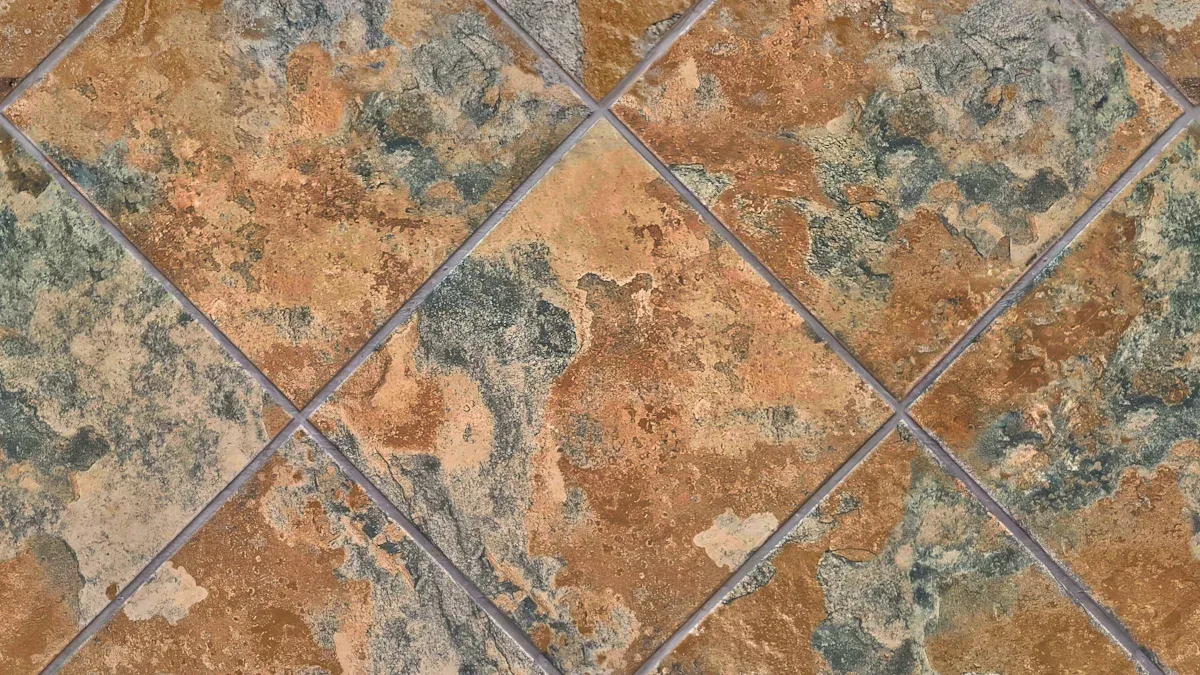
Colors and Patterns in Slip-Resistant Flooring
You can choose from many colors and patterns when you pick non-slip vinyl flooring. Manufacturers offer options that look like wood, stone, or ceramic. You find bright colors for playrooms and soft tones for bedrooms. Some patterns help hide dirt and scuffs, which keeps your floors looking clean. You can even select designs that match your favorite style, such as modern, rustic, or classic.
Tip: Pick a color that fits your room’s lighting. Light colors make small spaces look bigger, while dark shades add warmth.
Textures and Finishes for Safety
You get more than just color with non-slip vinyl flooring. Textures and finishes play a big role in safety. You feel the difference when you walk on a textured surface. Raised patterns or embossed finishes give your feet extra grip. This helps prevent slips, especially in wet areas. Some finishes mimic the look of slip-resistant tile flooring, so you get both style and safety.
Here are some common textures you might find:
- Wood grain
- Stone or slate
- Pebble or sand
A textured finish does not just look good. It also helps you stay steady on your feet.
Matching Non-Slip Vinyl Flooring to Home Decor
You can match non-slip vinyl flooring to any home decor. If you like a modern look, choose sleek gray or white planks. For a cozy feel, pick warm wood tones. You can even find non-slip tiles that look like real stone for a natural touch. Many people use non-slip tiles in kitchens and bathrooms because they blend well with cabinets and fixtures.
| Decor Style | Flooring Option | Best Room |
|---|---|---|
| Modern | Gray plank, stone look | Living room |
| Rustic | Wood grain, warm tones | Bedroom |
| Classic | Marble pattern, neutral | Entryway, hallway |
Note: You can always ask for samples before you decide. This helps you see how the flooring looks in your space.
Choosing and Installing Non-Slip Vinyl Flooring
Safety Factors to Consider When Choosing Non-Slip Flooring
You want your home or business to be safe for everyone. When you choose non-slip flooring, you need to think about where you will install it. High-traffic areas like kitchens, bathrooms, and entryways need extra grip. You should check if the flooring meets safety standards for both residential and commercial spaces. Look for products that have passed slip-resistance tests. You also want to consider bathroom safety, especially if you have children or seniors at home. Wet floors can be dangerous, so pick flooring that stays slip-resistant even when wet.
Tip: Always check the manufacturer’s safety ratings before you buy.
Selecting the Best Slip-Resistant Flooring Product
You have many choices for slip-resistant flooring. Some products look like wood, while others look like stone or slip-resistant tile flooring. You can find non-slip vinyl flooring in many colors and patterns. For bathrooms, kitchens, and laundry rooms, you want flooring that resists water and stains. In commercial settings, you need flooring that can handle heavy use. Non-slip tiles work well in both residential and commercial buildings. You should compare the thickness, texture, and warranty of each product. This helps you pick the best option for your needs.
| Feature | Why It Matters |
|---|---|
| Texture | Improves grip and safety |
| Thickness | Adds comfort and durability |
| Warranty | Protects your investment |
Step-by-Step Non-Slip Vinyl Flooring Installation Guide
You can install non-slip vinyl flooring by yourself or hire a professional. Here is a simple guide for a basic installation:
- Measure your room and buy enough flooring.
- Clean and dry the subfloor.
- Lay out the planks or tiles to plan the pattern.
- Cut pieces to fit around corners and edges.
- Peel and stick, or use adhesive, depending on the product.
- Press down each piece to remove air bubbles.
- Let the floor set before walking on it.
Note: For large commercial projects, you may want a professional installation to ensure the best results.
Professional vs. DIY Installation for Safety
You face an important choice when you install non slip vinyl flooring. You can hire a professional or do the installation yourself. Each option has benefits for residential and commercial spaces.
Professional installation gives you peace of mind. Experts know how to prepare the subfloor and use the right tools. You get a smooth finish and strong seams. This helps you avoid gaps that can cause trips or water damage. In commercial buildings, professionals follow strict safety standards. You see fewer mistakes and better results.
DIY installation saves you money. You follow step-by-step guides and use basic tools. You can finish small residential rooms in a weekend. You feel proud when you complete the project yourself. You need to measure carefully and check the manufacturer’s instructions. If you rush, you may miss important steps. Mistakes can affect safety and durability.
Tip: For large commercial areas or spaces with heavy traffic, you should choose professional installation. For small residential rooms, DIY works well if you follow instructions closely.
| Installation Type | Best For | Pros | Cons |
|---|---|---|---|
| Professional | Commercial, large residential | High-quality finish, meets safety codes | Higher cost |
| DIY | Small residential | Saves money, flexible schedule | Risk of mistakes, may affect safety |
Maintenance Tips for Long-Term Safety
You keep your floors safe by following simple maintenance steps. You sweep or vacuum non slip vinyl flooring often. You remove dirt and grit that can wear down the surface. You mop with a damp cloth and mild cleaner. You avoid harsh chemicals that can damage the finish.
In residential spaces, you place mats at entryways. You catch dirt before it spreads. You clean up spills right away. You stop water from pooling and reduce slip risks. In commercial buildings, you set a regular cleaning schedule. You inspect the flooring for wear or damage. You replace worn sections to keep safety high.
Note: Regular care helps your non slip vinyl flooring last longer and keeps everyone safe.
You check manufacturer guidelines for special care tips. You use furniture pads to prevent scratches. You avoid dragging heavy items across the floor. You keep your floors looking new and safe for years.
You improve safety in your home when you choose non slip vinyl flooring. This flooring works well in both residential and commercial spaces. You find many styles that fit your needs. Remember these tips:
- Check product ratings for slip resistance.
- Clean floors often to keep them safe.
- Use mats in entryways for extra protection.
You protect your family and guests by making smart flooring choices in commercial and home areas.
FAQ
What rooms benefit most from non-slip vinyl flooring?
You see the biggest safety benefits in kitchens, bathrooms, and entryways. These areas often get wet or have heavy foot traffic. Non-slip vinyl flooring helps prevent slips and falls, making your home safer for everyone.
How do you clean non-slip vinyl flooring?
You sweep or vacuum the floor regularly. You mop with warm water and a mild cleaner. Avoid harsh chemicals. Quick cleaning keeps the surface safe and looking new.
Tip: Wipe up spills right away to keep your floor slip-resistant.
Can you install non-slip vinyl flooring over existing floors?
You can install non-slip vinyl flooring over many surfaces, such as tile or concrete. Make sure the old floor is clean, dry, and level. This helps the new flooring stick well and last longer.
Is non-slip vinyl flooring safe for pets?
You keep pets safe with non-slip vinyl flooring. The textured surface gives paws good grip. You also find that vinyl resists scratches and stains, making it a smart choice for homes with animals.
How long does non-slip vinyl flooring last?
You expect non-slip vinyl flooring to last 10 to 15 years in homes. Regular cleaning and care help extend its life. High-traffic areas may need replacement sooner.
| Area Type | Expected Lifespan |
|---|---|
| Residential | 10–15 years |
| Commercial | 7–10 years |




