
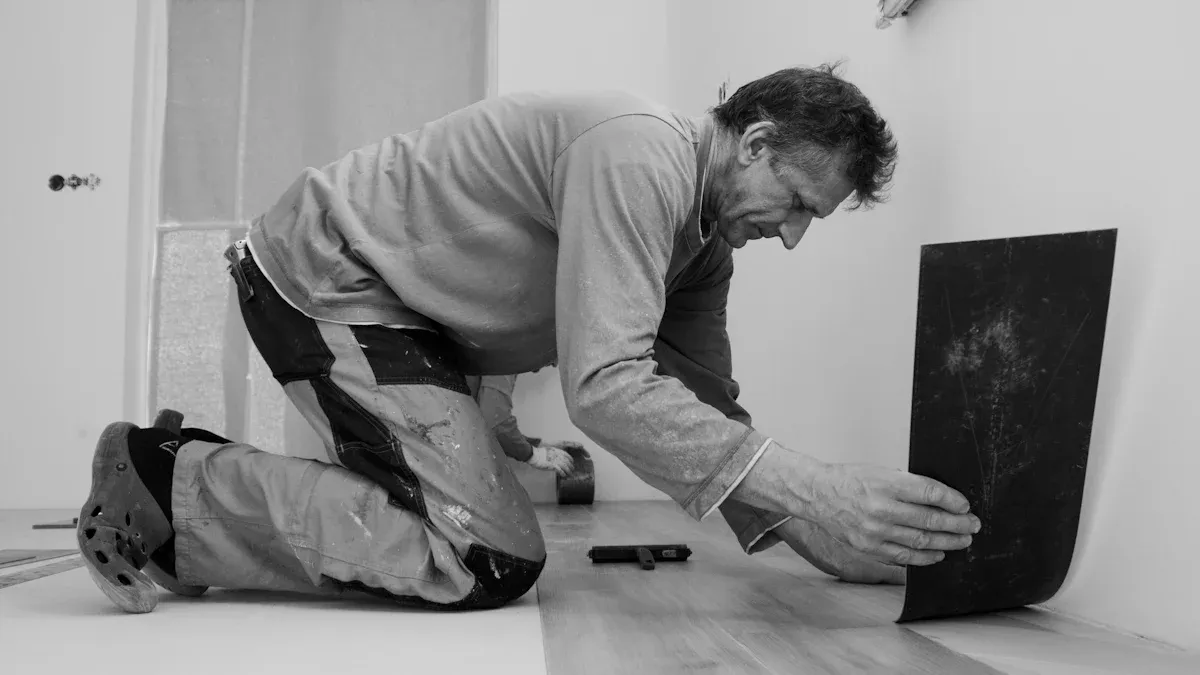
Do i need underlayment for vinyl flooring on plywood? You often ask this question when planning a new floor. The answer depends on your needs and the condition of your subfloor. Many flooring professionals recommend underlayment because it helps protect your plywood from moisture. It also reduces noise, creates a softer feel underfoot, and makes installation easier. If you use vinyl flooring with an attached pad, you should check if extra underlayment is compatible. Do i need underlayment for vinyl flooring on plywood? You should consider moisture protection, sound reduction, and the smoothness of your plywood before you decide.
Do I Need Underlayment for Vinyl Flooring on Plywood?
Key Factors to Consider
When you ask, “do i need underlayment for vinyl flooring on plywood,” you should look at several important factors. Each home and project is different, so you need to think about what matters most for your space.
- Type of Subfloor: Plywood is a common subfloor. It is smoother than concrete, but it can still have small bumps or dips. Underlayment can help smooth out these imperfections.
- Moisture Protection: Even though vinyl flooring is waterproof, plywood is not. Moisture can seep through and cause mold or mildew under your floor. Good underlayment acts as a barrier and keeps your floor safe.
- Sound Reduction: If you want a quieter room, underlayment helps reduce noise from footsteps and movement. This is important in bedrooms, upstairs rooms, or apartments.
- Comfort and Warmth: Underlayment adds a soft layer under your feet. It can also make your floor feel warmer, especially in colder months.
- Attached Pads: Some vinyl flooring comes with a pad already attached. If your flooring has this, you may not need extra underlayment.
- Room Requirements: Think about where you will install the floor. Kitchens, bathrooms, and basements may need more moisture protection. Living rooms and bedrooms may need more sound control.
Tip: Always check the instructions from your flooring manufacturer. Some brands require a certain type of underlayment to keep your warranty valid.
You should also look at the condition of your plywood. A clean, dry, and level subfloor gives the best results. If your plywood has small flaws, a thin underlayment can help. If your vinyl flooring already has an attached pad and your subfloor is in good shape, you might not need extra underlayment.
When Underlayment Is Optional or Required
You may wonder if underlayment is always needed. The answer depends on your flooring and subfloor.
- If your vinyl flooring has an attached pad, do not add another cushioned underlayment. Too much padding can make the floor unstable.
- Underlayment is required for floating floor installations. Floating floors are not glued or nailed down, so underlayment helps keep them stable and comfortable.
- Underlayment is optional when your vinyl flooring has an attached pad and your plywood is smooth and level.
- If your subfloor is uneven or you want extra sound reduction, underlayment is a good choice.
- Some manufacturers require specific underlayment for vinyl flooring to keep your warranty. Always read the product instructions before you start.
Here is a quick table to help you decide:
| Situation | Underlayment Needed? |
|---|---|
| Vinyl with attached pad, smooth plywood | Optional (check warranty) |
| Vinyl without pad, floating installation | Required |
| Uneven plywood subfloor | Recommended |
| High moisture area (kitchen, bathroom) | Recommended |
| Manufacturer requires specific underlayment | Required |
When you ask, “do i need underlayment for vinyl flooring on plywood,” remember that the answer changes based on your needs. Underlayment for vinyl flooring can protect against moisture, reduce noise, and make your floor more comfortable. It also helps your floor last longer by stopping water from getting trapped under the planks. If you skip underlayment when it is needed, you risk mold, mildew, and even having to replace your whole floor.
You should always match your underlayment to your vinyl flooring and your subfloor. Not all underlayments work with all types of vinyl. Some floors with attached pads have special locking systems that do not work well with extra underlayment. If you are not sure, ask your flooring supplier or check the manufacturer’s website.
Choosing the right underlayment for vinyl flooring on plywood helps you get the best results. You will enjoy a quieter, more comfortable, and longer-lasting floor.
Moisture Barriers and Plywood Subfloors
Moisture Risks with Plywood
You may think plywood is a strong subfloor, but it can absorb water easily. When you install vinyl flooring, moisture can get trapped under the planks. This often happens because of leaks from plumbing or high humidity in your home. Mold can grow in these damp spaces and release spores into the air. You might notice health problems like:
- Persistent allergies and respiratory problems
- Headaches and fatigue
- Asthma attacks
- Other sinus and lung sensitivities
Moisture under your floor can also cause the plywood to swell or warp. This can damage your vinyl flooring and make it look uneven. You should always check for signs of moisture before you start your project.
When to Use a Moisture Barrier
You need a moisture barrier if you want to protect your plywood and vinyl flooring from water damage. A moisture barrier stops water vapor from moving up through the subfloor. For plywood subfloors, you should use a Class II moisture retardant as your moisture barrier. This type of barrier works well under vinyl flooring and helps keep your floor dry.
Here are some steps you can follow to reduce moisture risks:
- Monitor humidity levels in crawl spaces.
- Ensure proper ventilation to reduce moisture accumulation.
- Use a moisture barrier to prevent vapor drive.
You should always use a moisture barrier in kitchens, bathrooms, or any room with high humidity. If you skip this step, you risk mold, warping, and even voiding your flooring warranty. Moisture barrier options include rolls or sheets designed for use under vinyl flooring.
Tip: Always check your underlayment and moisture barrier instructions to make sure they match your vinyl flooring.
Common Misconceptions About Moisture Protection
Many people believe that underlayment alone will protect their floor from water. This is not true. You need a moisture barrier to stop water from reaching the plywood. Some think that if the floor looks flat, they do not need extra protection. Even smooth plywood can hide moisture problems.
Here are some common myths:
- Myth: Underlayment always makes flooring unstable. High-quality underlayment actually adds stability and durability.
- Myth: Underlayment isn’t necessary if floors seem even. Even flat floors can hide imperfections and moisture.
If you skip the moisture barrier, you may face these problems:
- Moisture and mold problems that damage your floor.
- Voiding product warranties, which means you pay for repairs.
Waterproofing is important for vinyl flooring, especially in kitchens and bathrooms. A moisture barrier prevents water from seeping in, which can cause swelling and damage. This step helps your floor last longer and keeps your home healthy.
Underlayment for Vinyl Flooring and Sound Reduction
Benefits for Noise Control
You want your home to feel peaceful. Underlayment helps you control noise in rooms with vinyl flooring on plywood. When you walk across the floor, you may hear footsteps or other sounds. Underlayment can reduce these noises, making your space quieter. It works by adding a layer between the vinyl and the plywood. This layer absorbs some of the sound before it travels through the floor.
You can measure how well underlayment reduces noise by looking at two ratings:
- Impact Insulation Class (IIC): This rating shows how well the underlayment blocks impact sounds, like footsteps.
- Sound Transmission Class (STC): This rating shows how well the underlayment blocks airborne sounds, like voices or music.
A higher IIC or STC means better sound insulation. Underlayment does not remove all noise, but it makes a big difference. You will notice less echo and fewer loud footsteps, especially in rooms above other living spaces.
Tip: If you live in an apartment or have rooms stacked on top of each other, underlayment can help everyone enjoy a quieter environment.
Comfort Underfoot
You spend a lot of time standing and walking on your floors. Underlayment makes your vinyl flooring feel softer and more comfortable. It adds a cushion that supports your feet and legs. This is important if you have children who play on the floor or if you stand for long periods.
Underlayment also absorbs sound from foot traffic. This means you hear less noise when people move around. You get a more peaceful home and a floor that feels better under your feet.
Here are some ways underlayment improves comfort:
- Enhances comfort underfoot by adding a soft layer
- Absorbs sound from footsteps and movement
- Increases the longevity and durability of your vinyl flooring
When you choose underlayment for vinyl flooring, you invest in both comfort and quiet. You create a space that feels good and sounds better every day.
Dealing with Subfloor Imperfections

Can Underlayment Fix Uneven Plywood?
You might hope that underlayment will solve all problems with an uneven plywood subfloor. Underlayment can help smooth out small bumps or dips. It works best when you have only minor flaws. For vinyl flooring, you want your plywood to be as flat as possible. Most experts say the surface should be level within 1/8 inch over a 6-foot span. If you have bigger dips or high spots, underlayment will not fix them. You need to repair these areas before you install your floor.
Underlayment acts as a cushion and helps your vinyl flooring last longer. It can hide tiny imperfections, but it cannot cover up major issues. If you skip proper preparation, you may see uneven spots or feel soft areas when you walk. This can make your floor wear out faster. Always check your subfloor before you lay down underlayment.
Tip: Use a long straightedge or level to check for dips and bumps. Fix any big problems before you move forward.
Proper Subfloor Preparation
You need to prepare your plywood subfloor before you install underlayment and vinyl flooring. Good preparation helps your floor look and feel its best. Follow these steps for a smooth installation:
- Remove old flooring and create an expansion gap around the edges.
- Measure each piece to make sure it fits under door casings.
- Sand and vacuum the subfloor to remove dust and debris.
- Check the moisture level with a moisture meter.
- Secure loose boards by screwing them into the floor joists.
- Connect the edges of the underlayment and moisture barrier tightly.
- Reinforce the subfloor if you find weak spots.
Taking time to prepare your subfloor helps underlayment do its job. You get a flat, stable surface for your vinyl flooring. This means fewer problems and a longer-lasting floor.
Vinyl Flooring with Attached Pads: What You Need to Know
Risks of Double Layering Underlayment
You might think adding extra underlayment under vinyl flooring with attached pads gives more comfort or protection. This is not always true. Double layering underlayment can cause problems for your floor. When you stack two layers, you create gaps and weak spots. These weak spots let moisture slip through the seams between the pads. Moisture can damage your plywood and the vinyl planks above.
Here are some risks you should know:
- Moisture can seep through the seams and cause damage under your floor.
- Extra layers can make the floor feel unstable or bouncy.
- Too much padding can put stress on the locking system of your vinyl planks.
- Your floor may wear out faster and need repairs sooner.
- You may hear more noise when you walk, because the layers do not absorb sound well.
You want your floor to last a long time. Using only the underlayment that matches your vinyl flooring with attached pads helps prevent these problems.
Following Manufacturer Recommendations
Manufacturers test their flooring to find the best underlayment for vinyl flooring. You should always follow their instructions. They know which underlayment works best with their products. Some manufacturers allow a thin underlayment, usually no more than 2mm thick, for 4mm SPC vinyl flooring. Thicker underlayment can cause the floor to buckle or warp.
Here are some tips to help you:
- Check if your vinyl flooring needs extra sound control. Some underlayment has sound-dampening properties.
- If your subfloor is concrete or has moisture, use underlayment with a built-in moisture barrier.
- Choose underlayment with thermal insulation if you want a warmer floor.
- Make sure the underlayment is compatible with your vinyl flooring.
- Always check the recommended thickness. Too much underlayment can damage the floor.
- Some manufacturers require a specific underlayment to keep your warranty valid.
Note: Following the manufacturer’s guidelines helps your floor stay strong and keeps your warranty safe.
Choosing the right underlayment for vinyl flooring with attached pads means you get a quiet, comfortable, and long-lasting floor.
Best Underlayment for Vinyl Flooring on Plywood
Choosing the best underlayment for vinyl flooring on plywood helps you get a floor that feels good, lasts long, and stays quiet. You have several options. Each type of underlayment works best in different situations. Let’s look at the most popular choices.
Foam Underlayment
Foam underlayment is a common choice for vinyl flooring on plywood. You will find it lightweight and easy to install. Foam gives your floor a soft feel and helps with sound control. It also adds a bit of warmth under your feet. Many people like foam because it is affordable.
Here is a quick look at the pros and cons:
| Advantages | Disadvantages |
|---|---|
| Inexpensive | May trap moisture |
| Good insulation | Less durable |
| Soft underfoot | Not a moisture barrier |
You should know that foam underlayment does not block moisture. If you have moisture concerns, you need a separate moisture barrier. Foam works best in dry rooms with smooth plywood.
Cork Underlayment
Cork underlayment is another good option. You get natural sound control and extra comfort. Cork is eco-friendly and resists mold. It works well if you want a quiet room or have allergies. Cork also adds a little warmth.
You should not use cork underlayment in wet areas. It can soak up water and swell. Use cork in bedrooms, living rooms, or other dry spaces.
Combination Underlayment
Combination underlayment gives you the benefits of foam and cork. Some products add a built-in moisture barrier. You get sound control, comfort, and protection from water. This type is often the best underlayment for vinyl flooring if you want an all-in-one solution.
When you choose underlayment, think about these points:
- Check for moisture problems.
- Decide how much sound control you need.
- Look at your subfloor’s condition.
- Set your budget.
You can use this table to compare popular underlayment types:
| Underlayment Type | Benefits | Drawbacks |
|---|---|---|
| Foam | Lightweight, good insulation | Not a moisture barrier |
| Cork | Sound control, eco-friendly | Not for wet areas |
| Combination | Moisture barrier, comfort, quiet | Can cost more |
You make the best choice when you match your underlayment to your room’s needs.
Pros and Cons for Plywood Subfloors
When you choose underlayment for vinyl flooring on plywood, you need to know the strengths and weaknesses of each type. Each underlayment material offers different benefits for your home. Some focus on comfort, while others protect against moisture or reduce noise.
Here is a table that shows the main pros and cons of popular underlayment types for plywood subfloors:
| Underlayment Type | Pros | Cons |
|---|---|---|
| Cork | Excellent sound insulation, thermal insulation, comfortable underfoot, sustainable materials | More expensive, difficult to install, susceptible to moisture damage |
| Foam | Cost-effective, provides cushioning | Not a moisture barrier, can trap water |
| Felt | Better sound control, insulation | N/A |
| Particle Board | Inexpensive, levels base | Ineffective against moisture, difficult to remove |
| Rubber | Absorbs sound, adds warmth, protects against water | N/A |
| Plywood/OSB | Provides a level base | No warmth or cushioning |
You can see that cork underlayment gives you great sound and thermal insulation. It feels soft under your feet and uses eco-friendly materials. You may pay more for cork, and it can be hard to install. Foam underlayment costs less and adds comfort, but it does not stop moisture. Rubber underlayment helps with sound and warmth, and it protects against water.
When you pick underlayment, think about what matters most for your room:
- Noise reduction
- Cushioning for comfort
- Warmth underfoot
- Moisture or water protection
You should also remember these points:
- Cork underlayment works well for quiet, warm rooms but needs dry conditions.
- Foam underlayment fits small budgets and smooth plywood, but you need a separate moisture barrier.
- Rubber underlayment gives you sound control and water protection, which is good for busy homes.
Tip: Always match your underlayment to your room’s needs and the condition of your plywood subfloor. This helps your vinyl flooring last longer and perform better.
Choosing the right underlayment for plywood subfloors means you get a floor that feels good, stays quiet, and resists damage.
Choosing the Right Underlayment Solution with skspcflooring
Factors to Consider for Your Home
You want your vinyl flooring to last and look great. Choosing the right underlayment is an important step. Start by looking at your room’s needs. Ask yourself these questions:
- Does your room have high moisture, like a kitchen or bathroom?
- Do you need extra sound control for bedrooms or upstairs spaces?
- Is your plywood subfloor smooth and dry?
- Does your vinyl flooring have an attached pad?
Each answer helps you decide which underlayment works best. For rooms with moisture, pick an underlayment with a moisture barrier. If you want a quiet space, look for one with sound-reducing features. A smooth subfloor means you can use a thinner underlayment. If your vinyl has an attached pad, check the manufacturer’s guide before adding more layers.
Tip: Always read the instructions from your flooring brand. This keeps your warranty safe and your floor strong.
How skspcflooring Supports Your Flooring Project
skspcflooring gives you expert help when you choose underlayment for your vinyl flooring. You get access to a wide range of high-quality flooring products. The team at skspcflooring can answer your questions and help you pick the right solution for your home.
Here’s how skspcflooring supports you:
- Offers guidance on the best underlayment for your needs.
- Provides products that meet international quality standards.
- Shares tips for preparing your plywood subfloor.
- Helps you avoid common mistakes, like double layering underlayment.
You can contact skspcflooring for advice or visit their website for more information. The right underlayment makes your floor comfortable, quiet, and long-lasting. With skspcflooring, you get support every step of the way.
You should use underlayment for vinyl flooring on plywood when you want extra sound reduction, comfort, or moisture protection. If your vinyl has an attached pad, extra underlayment is often unnecessary unless you need more insulation.
- Underlayment helps reduce noise and fills minor imperfections in plywood.
- Moisture barriers protect your floor from warping and mold.
- Always check the manufacturer’s instructions for your flooring.
| Key Considerations | Details |
|---|---|
| Manufacturer’s Guidelines | Following instructions ensures the best results and protects your warranty. |
FAQ
Do you always need underlayment for vinyl flooring on plywood?
You do not always need underlayment. If your vinyl flooring has an attached pad and your plywood is smooth and dry, you may skip it. Always check the manufacturer’s instructions before you decide.
Can underlayment make your vinyl floor warmer?
Yes, underlayment adds a layer of insulation. You will feel more warmth underfoot, especially in colder rooms. This makes your floor more comfortable all year.
What happens if you skip a moisture barrier?
Skipping a moisture barrier can lead to mold, mildew, or warped plywood. Your floor may not last as long. Always use a moisture barrier in kitchens, bathrooms, or damp areas.
How do you know which underlayment to choose?
Check your room’s needs. If you want less noise, pick sound-reducing underlayment. For moisture, choose one with a barrier. Always follow your flooring brand’s guide.
Is it okay to use two layers of underlayment?
No, you should not use two layers. Double underlayment can make your floor unstable. It may also void your warranty. Use only the underlayment recommended for your vinyl flooring.




