
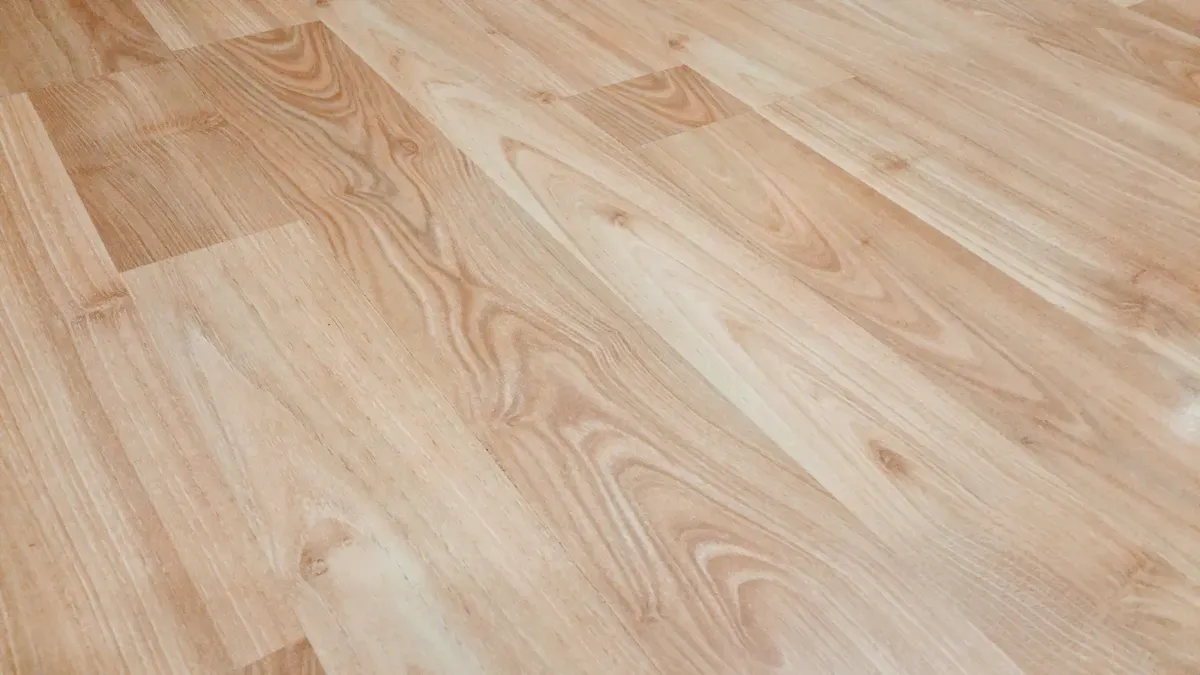
You may wonder if underlayment makes vinyl flooring more waterproof. In real-world use, underlayment with a moisture barrier gives your vinyl flooring extra protection against spills and leaks. You might ask, is underlayment required for vinyl flooring? Most vinyl floors already resist water, but underlayment can offer benefits like sound reduction, extra comfort, and a smoother surface. Many flooring professionals use underlayment to block cold, reduce noise, and shield against mold. You protect your investment and make your vinyl flooring last longer with the right underlayment.
Is Underlayment Required for Vinyl Flooring?
Waterproof Vinyl Plank and Everyday Moisture
You may ask, is underlayment required for vinyl flooring in your home? Waterproof vinyl plank flooring stands out for its high moisture resistance. You can see how it compares to other flooring types in the table below:
| Flooring Type | Moisture Resistance Level | Notes |
|---|---|---|
| Luxury Vinyl Plank | High | Advanced protective system that repels water molecules. |
| Standard Vinyl Tiles | Moderate | Less effective than luxury vinyl in moisture-prone areas. |
| Sheet Vinyl | Moderate | Similar to standard vinyl, but may vary based on installation. |
| Wood Flooring | Low | Absorbs moisture, leading to potential damage over time. |
Waterproof vinyl plank does not rely on wood fibers. You avoid the risk of moisture absorption and mold growth. This makes vinyl flooring a smart choice for kitchens, bathrooms, and basements. You protect your subfloor from everyday spills and humidity. You also reduce health risks because vinyl does not provide an organic surface for mold.
You often encounter moisture in residential settings. You may see concrete subfloors tested with ASTM F2170 or F1869 methods. Acceptable moisture levels for concrete are usually less than 75% relative humidity or less than 3 lbs per 1000 sq ft per 24 hours. Wood subfloors should show less than 12% moisture. You must check these levels before installing vinyl flooring.
Underlayment for Vinyl Flooring: What It Does and Doesn’t Do
Is underlayment required for vinyl flooring in all situations? You find that underlayment for vinyl flooring is recommended in wet areas like laundry rooms, bathrooms, and kitchens. You use it as a moisture barrier to prevent water from reaching the subfloor. You especially need underlayment when installing over concrete. A waterproof underlayment stops water penetration and prevents mold growth.
You see that underlayment for vinyl flooring serves many purposes:
- It protects against moisture and humidity, especially in basements.
- It prevents flooring failure by addressing moisture issues upfront.
- It stops mold and mildew by blocking moisture.
- It complements the waterproof nature of vinyl plank flooring.
You also notice that underlayment for vinyl flooring offers benefits beyond moisture protection:
- It smooths out subfloor imperfections, creating a level surface.
- It reduces noise, making your space quieter.
- It adds comfort, giving a slight cushion underfoot.
- It provides thermal insulation, keeping floors warmer.
You can choose from different types of underlayment for vinyl flooring:
- Felt underlayment is affordable and good for noise reduction, but less moisture resistant.
- Cork underlayment is environmentally friendly, offers excellent soundproofing, and resists mold.
- Foam underlayment provides superior noise reduction and good moisture resistance.
You must use a dedicated vapor barrier for installations over concrete. A combination underlayment with an integrated vapor barrier is critical in high-humidity areas. You prevent mold and warping by using the right underlayment.
You should know that underlayment enhances moisture protection but does not make vinyl flooring completely moisture-resistant. Moisture can seep around the perimeter or from underneath. Even waterproof vinyl plank can be affected by pooling water and humidity. Vinyl installations over concrete are susceptible to trapped vapor pressure. Moisture can migrate from under the planks and damage sensitive subfloors.
Tip: Always check manufacturer guidelines to see if underlayment is required for vinyl flooring in your specific installation area. You protect your investment and ensure long-lasting performance.
Underlayment and Moisture Protection
Moisture Barriers vs. Waterproofing Layers
You may hear the terms “moisture barrier” and “waterproofing layer” when you look for the best protection for your vinyl flooring. These two layers serve different purposes. A moisture barrier stops water from moving up from the subfloor into your vinyl. This layer acts like a shield that blocks moisture but does not make the entire floor waterproof. A waterproofing layer, on the other hand, gives you a stronger defense. It keeps water from passing through the flooring material itself. You see this in some waterproof flooring products, which have a special core that does not let water in at all.
For example, some waterproof flooring brands use a core that resists water completely. This means water cannot get through, even if you have a lot of spills or leaks. You need this kind of protection in places like bathrooms, where water often sits on the floor. Good drainage and regular cleaning help, but a waterproof flooring system gives you peace of mind.
You can look at how moisture barriers and waterproofing layers perform in different tests. The table below shows common ways experts test these layers:
| Test Type | Duration | Method | Results Measure |
|---|---|---|---|
| Immersion | 24 hours | Full submersion | Weight gain % |
| Edge Swell | 72 hours | Vertical exposure | Edge expansion |
| Steam Test | 4 hours | High humidity | Surface integrity |
| Pressure | 48 hours | Water under load | Core compression |
These tests show how well each layer protects your vinyl flooring from water damage. You want a system that passes these tests, especially if you install flooring in areas with high moisture.
Everyday Scenarios: Spills, Leaks, and Humidity
You face many sources of moisture in your home every day. Some of the most common threats to vinyl flooring include:
- Leaky pipes under sinks or behind walls
- Spills from drinks or cooking
- High humidity in bathrooms or basements
- Flooding from storms or broken appliances
- Moisture that builds up over time
Small plumbing leaks or moisture from a concrete slab can also cause problems. If you do not use a moisture barrier, water can move up from the subfloor and damage your vinyl. Basement humidity and improper subfloor preparation add to the risk. You need to think about these issues before you install your flooring.
Luxury vinyl flooring stands out because it handles these challenges well. The waterproof core in many waterproof flooring products keeps water from soaking in. You do not see swelling or surface distortion, even after repeated spills. Many homeowners notice that laundry rooms with waterproof flooring do not show damage after minor leaks. This shows how effective these floors are at managing moisture.
You still need to use underlayment with a moisture barrier in some cases. This extra layer helps block water from below and adds to the water-resistance of your flooring system. You get the best results when you combine a quality waterproof flooring product with the right underlayment. This approach protects your investment and keeps your floors looking new.
Tip: Always check for signs of leaks or high humidity before installing vinyl flooring. Early action prevents long-term damage and keeps your home safe.
When to Use Underlayment for Vinyl Flooring
Installing Over Concrete or in Basements
You often face moisture risks when you install vinyl flooring over concrete or in basements. Concrete is porous and can release water vapor, which may cause mold or damage. You need underlayment to create a moisture shield between the concrete and your vinyl. This layer helps prevent warping and mold, making your floor more durable. Underlayment also adds comfort and warmth, which is important in cold basement spaces.
Industry experts recommend several types of underlayment for vinyl flooring installation over concrete:
- Cork provides good noise reduction but needs a moisture barrier underneath.
- Foam offers cushioning but can trap water, so it is not a moisture barrier.
- Felt improves sound control and may include a vapor barrier.
- Rubber absorbs sound and protects against water damage.
You can see the moisture risks in the table below:
| Flooring Type | Moisture Risk Description |
|---|---|
| Click-Lock Flooring | Can trap moisture between the concrete and flooring, leading to mold and mildew buildup, requiring removal for drying. |
| Glue-Down Luxury Vinyl Tile | Designed with adhesive that can handle high moisture scenarios, but floods may require re-gluing for proper bonding. |
Note: Even new concrete slabs can emit high levels of moisture. You protect your investment by using underlayment as a moisture barrier.
Wet Areas Like Kitchens and Bathrooms
You need enhanced moisture protection in kitchens and bathrooms. These high-moisture areas often experience spills, leaks, and humidity. Underlayment creates an impermeable barrier that stops water vapor from reaching your vinyl flooring. This prevents cupping, buckling, and mold growth. Some underlayments include antimicrobial treatments to block harmful microorganisms.
You also protect your warranty by meeting manufacturer requirements for moisture barriers in wet areas. Underlayment helps maintain the waterproof qualities of your vinyl and keeps your floors looking new.
Tip: Always use underlayment with extra moisture protection in kitchens and bathrooms for long-lasting performance.
When Underlayment Is Not Necessary
You do not always need underlayment for vinyl flooring. Stick-on, glue-down, and loose lay vinyl installations do not require underlayment. Some luxury vinyl planks come with built-in underlayment, so you do not need an extra layer. If you install vinyl over damp surfaces like concrete, you only need a moisture barrier, not a full underlayment.
You avoid risks like mold and warranty issues by following manufacturer guidelines. In dry, climate-controlled rooms, you may skip underlayment, but you must check for moisture resistance and warranty requirements.
Callout: Skipping underlayment in the wrong environment can lead to costly repairs and voided warranties. Always check your installation area for moisture risks.
Choosing the Right Underlayment for Vinyl Flooring with skspcflooring
Types of Underlayment for Vinyl Flooring
You have many options when choosing the best underlayment for vinyl flooring. Each material offers unique benefits for luxury vinyl plank flooring. You want to select the right type based on your needs for sound reduction, moisture protection, and comfort. Even though vinyl flooring is waterproof, your subfloor isn’t. That’s why an underlayment acting as a moisture barrier is essential.
Here is a table comparing common underlayment materials:
| Material Type | Key Benefit | Best For | Sound Reduction | Moisture Barrier |
|---|---|---|---|---|
| Foam | Affordability & Basic Cushion | Budget-conscious projects, upper floors over plywood | Good | No (unless a combo product) |
| Cork | Superior Sound & Thermal Insulation | Condos, multi-level homes, anyone wanting peace & quiet | Excellent | No (requires separate barrier) |
| Felt | Hides Minor Subfloor Imperfections | Slightly uneven subfloors, high-traffic areas | Very Good | No (requires separate barrier) |
| Combination | All-in-One Moisture Protection | Concrete slabs, basements, any moisture-prone area | Good-Very Good | Yes (built-in) |
Rubber underlayment stands out for waterproof effectiveness. Cork offers antimicrobial properties but needs a separate moisture barrier. Foam is less effective for moisture protection and can trap water. You find that combination underlayments with built-in moisture barriers work best for basements and concrete installations.
Tip: Always check if your luxury vinyl planks already have a built-in moisture barrier before adding extra underlayment.
What to Look for in a Moisture Barrier
You need to evaluate several factors to choose the best underlayment for vinyl flooring. Moisture testing is important. You should test the substrate and underlayment for moisture before installation. Prepare the substrate surface and ensure it is flat. Grinding concrete surfaces helps absorb moisture barriers effectively.
Follow installation guidelines from the manufacturer. Maintain proper expansion space around the perimeter. Pay attention to transitions between rooms. Watch for cupping or doming in your vinyl flooring, which can signal moisture issues.
Industry standards help you select a quality waterproof underlayment. Look for products that pass 24-hour water exposure tests. Certifications covering standing water and high humidity are important. LVT moisture ratings range from Class 1 to Class 4. Higher ratings mean better water resistance. Testing methods like calcium chloride and digital moisture meters ensure proper installation and long-lasting performance.
Note: Choosing the right underlayment protects your luxury vinyl plank flooring and keeps your vinyl floors looking new for years.
You improve moisture protection for your vinyl flooring when you use the right underlayment. While some vinyl floors are waterproof, not all types offer the same level of defense. You should always prepare your subfloor, test for moisture, and use underlayment with a moisture barrier in basements or over concrete.
- Underlayment helps smooth uneven surfaces and reduces noise.
- It is essential in moisture-prone areas.
- Avoid extra layers if your flooring has a pre-attached pad.
You protect your home and extend the life of your floors with these steps.
FAQ
Do you always need underlayment with vinyl flooring?
You do not always need underlayment. Some vinyl planks have a built-in pad. You should check your product details and the subfloor type before deciding.
Can underlayment make vinyl flooring completely waterproof?
Underlayment adds moisture protection, but it does not make your floor fully waterproof. You still need to clean up spills quickly and check for leaks.
What type of underlayment works best for concrete subfloors?
You should use a combination underlayment with a moisture barrier for concrete. This type helps block vapor and keeps your vinyl flooring safe from damage.
How do you know if your room needs a moisture barrier?
You should test your subfloor for moisture. Rooms like basements, kitchens, and bathrooms often need a moisture barrier to prevent problems.




