

When you walk on vinyl flooring, the right underlayment can make a big difference. You will notice a solid feel and less sound with each step. Underlayment absorbs impact and reduces noise, which is important in busy homes or multi-story buildings. Recent studies rate underlayment by how well it blocks and absorbs sound:
| Rating Type | Description | Importance |
|---|---|---|
| Sound Transmission Class (STC) | Measures how well a floor blocks airborne sound. Higher means less noise. | Reduces voices or music between rooms. |
| Impact Insulation Class (IIC) | Measures how well a floor absorbs impact noise like footsteps. Higher is better. | Makes footsteps quieter, especially upstairs. |
| Delta IIC | Shows extra sound reduction from underlayment. | Compares different underlayment types. |
If you ask, “does vinyl flooring need underlay,” the answer often depends on your sound needs. Choosing the best underlayment ensures your floor stays quiet and comfortable.
Why Does Vinyl Flooring Sound Hollow?
Subfloor Imperfections and Their Impact on Sound
You might notice hollow sounds when walking on vinyl flooring. Subfloor imperfections often cause this problem. If the subfloor is uneven or damaged, the vinyl can flex and shift with each step. Gaps between the flooring and the subfloor create air pockets. These pockets amplify sound and reduce sound absorption. Moisture damage can also weaken the subfloor, leading to more noise. Dips or valleys in the subfloor allow unsupported gaps under the vinyl. When you step on these areas, the planks flex and produce hollow sounds. A smooth and flat subfloor is essential for noise reduction coefficient and proper absorption.
- Uneven subfloor causes creaking or clicking sounds.
- Gaps or voids lead to popping noises.
- Moisture damage creates weak spots and increases sound.
Lack of Underlayment and Resulting Noise
Underlayment plays a key role in sound absorption. Without underlayment, vibrations travel through the floor and create echoes. You will hear more noise in your living space. Underlayment acts as a barrier that absorbs impact and improves the noise reduction coefficient. It helps reduce sound transfer between rooms. If you skip underlayment, you lose important absorption benefits. The floor feels less solid, and footsteps sound louder.
- Underlayment absorbs vibrations and reduces echoes.
- It improves sound absorption and noise reduction coefficient.
- Skipping underlayment increases noise and reduces comfort.
Poor Installation Practices Affecting Sound
Installation mistakes can lead to hollow sounds. If you use the wrong underlayment or skip it, the floor lacks proper absorption and sound absorption. Poor subfloor preparation leaves bumps or debris under the vinyl. These imperfections cause gaps and flexing, which increase noise. Not leaving an expansion gap around the room can make the vinyl buckle or warp. This mistake adds to hollow or uneven sounds underfoot.
Tip: Always prepare the subfloor and use the right underlayment for maximum sound absorption and noise reduction coefficient.
- Improper underlayment usage causes hollow sounds.
- Poor subfloor preparation increases noise.
- Inadequate expansion gap leads to buckling and more sound.
You can avoid hollow footsteps by focusing on sound absorption, using quality underlayment, and following proper installation steps.
Does Vinyl Flooring Need Underlay for Sound Absorption?
When Underlayment Is Essential for Vinyl Flooring
You may wonder, does vinyl flooring need underlay in every situation? In many cases, underlayment is essential for achieving the best sound absorption and comfort. If you live in a multi-story building or have high-traffic areas, you will notice a big difference when you use underlayment. It acts as a buffer, reducing the impact sound from footsteps and dropped items. This layer also minimizes energy transfer between the floor and subfloor, which softens noise and creates a quieter space.
Acoustic tests show that luxury vinyl with underlayment can reach an Impact Insulation Class (IIC) rating of 65–70, compared to 45–50 for standard vinyl. This means you will hear fewer hollow or echoing sounds, especially in busy homes or offices.
| Test Type | Standard Vinyl | Luxury Vinyl with Underlayment |
|---|---|---|
| Impact Insulation Class (IIC) | 45–50 | 65–70 |
You should use underlayment if you want to:
- Block sound waves from passing through the floor.
- Absorb vibrations and reduce echoes.
- Improve comfort and reduce noise in living spaces.
Underlayment is especially important in rooms above other living areas, such as bedrooms or playrooms. You will enjoy a more peaceful environment and protect your floor from daily wear.
When Underlayment Is Not Needed
Sometimes, you do not need extra underlayment for your vinyl flooring. Some types of vinyl come with built-in layers that already provide good sound absorption. For example, vinyl flooring with foam backing or special textile layers can absorb sound and reduce noise without an extra underlayment. Products like Beauflor vinyl sheet or luxury vinyl with Comfort Bac textile backing work well in these cases.
If you ask, does vinyl flooring need underlay in these situations, the answer is often no. These built-in options already offer the sound absorption you need. However, you should always check the manufacturer’s recommendations. Using unnecessary underlayment can cause problems, such as moisture issues or uneven surfaces. You want your floor to stay stable and last a long time.
Tip: Always match your underlayment choice to your specific vinyl flooring type and the needs of your space.
Built-In Underlayment Options in Modern Vinyl Flooring
Modern vinyl flooring often includes built-in underlayment to improve sound absorption and comfort. These layers act as shock absorbers, cushioning your steps and reducing the noise you hear in the room and below. For example, many SPC flooring products now feature an attached acoustic underlayment. This design helps prevent hollow or clicking sounds, even in high-traffic areas.
You can see how effective these built-in layers are in the following table:
| Feature | Benefit |
|---|---|
| Acoustic underlayment | Dampens noise and absorbs impact sound |
| Shock-absorbing layer | Cushions footfalls and reduces noise transfer |
| Sound reduction properties | Creates a quieter living environment |
When you choose vinyl flooring with built-in underlayment, you get a solid, quiet floor without needing extra layers. This makes installation easier and ensures your space feels comfortable and peaceful.
If you still wonder, does vinyl flooring need underlay, remember to consider your floor type, the room’s use, and your sound absorption needs. The right choice will help you avoid hollow footsteps and enjoy a better living space.
Choosing the Right Underlayment for Sound-Absorbing Flooring
Types of Underlayment for Vinyl Flooring
When you start choosing underlayment for vinyl plank flooring, you will see many options. Each type has its own sound absorption qualities and benefits for sound-absorbing flooring. The most common underlayment materials include:
- Cork
- Foam
- Felt
- Rubber
- Plywood
- OSB
Cork works well because it is dense and hides subfloor imperfections. Foam is a budget-friendly choice that gives you cushioning and moderate sound dampening. Felt stands out for its superior sound control compared to foam. Rubber excels in sound absorption, adds warmth, and protects against moisture. You can also find combination underlayment that blends several materials for enhanced performance.
The table below compares how these underlayment types perform for sound-absorbing flooring:
| Underlayment Type | Sound Absorption Capability | Recommended Use Cases |
|---|---|---|
| Foam Underlayment | Minor sound absorption | Bedrooms, living rooms, above-grade floors |
| Felt Underlayment | Superior sound absorption | Living rooms, upper floors, commercial areas |
| Cork Underlayment | Excellent sound dampening | Condos, apartments, eco-conscious homes |
| Rubber Underlayment | Superior soundproofing | Multi-story buildings, offices, high-traffic areas |
| Combination Underlayment | Acoustically enhanced | Modern floating floor systems |
| Vapor Barrier Underlayment | Minimal sound reduction | Installations over concrete or in basements |
| Pre-Attached Underlayment | Limited cushioning | Low- to medium-traffic areas |
You should match the underlayment to your space and needs. For example, rubber or felt works best in busy areas, while foam may suit bedrooms.
Benefits of Sound-Absorbing Underlayment
You gain many benefits when you choose sound-absorbing flooring with the right underlayment. These advantages help you create a comfortable and quiet home.
- Enhances the durability of vinyl flooring by reducing wear and tear from regular activities.
- Reduces impact noise, which makes your home quieter.
- Sound absorption helps reduce noise from foot traffic, making it ideal for households with children or pets.
- Provides a quieter environment, especially in multi-family living situations.
- Acts as a cushion, enhancing comfort underfoot compared to hard flooring alone.
- Some underlayment materials provide moisture protection, which is crucial for concrete subfloors.
The selection of underlayment plays a crucial role in the overall noise-reducing capabilities of vinyl flooring. High-quality materials designed for sound absorption can enhance comfort and minimize noise disturbances in your home.
Tip: Rubber underlayment offers resilience and long-lasting performance. Cork is known for its sound-absorbing properties. Foam provides extra insulation and comfort.
How Underlayment Reduces Hollow Sound
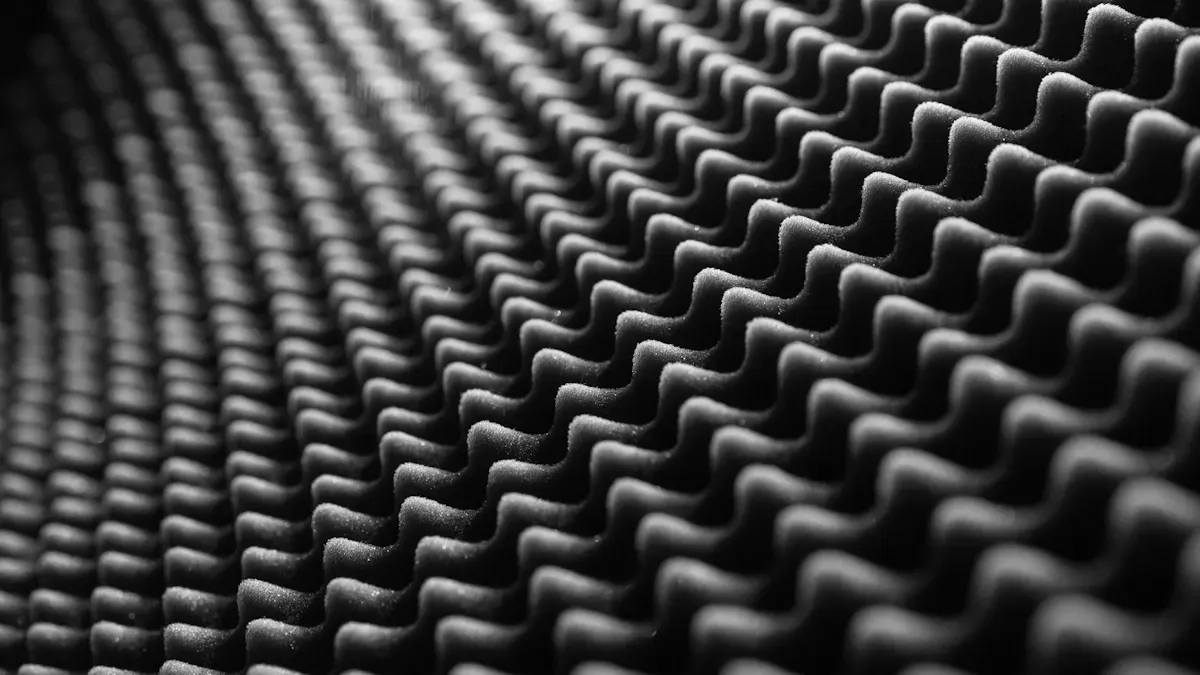
Underlayment reduces hollow sounds in vinyl flooring through several mechanisms. It absorbs sound, cushions your steps, and resists moisture. The material dampens both impact noise, like footsteps, and airborne noise, such as voices. Cork underlayment works well because its cellular structure traps and absorbs sound. Foam underlayment gives you basic cushioning and sound dampening.
You will notice these improvements in your daily life:
- Reduces noise transmission effectively.
- Ideal for high-traffic areas due to durability.
- Enhances overall comfort in residential spaces.
When you install sound-absorbing flooring with the right underlayment, you create a solid and quiet surface. This choice helps you avoid hollow footsteps and enjoy a peaceful environment.
Installation Tips from skspcflooring for a Solid, Quiet Floor
Preparing the Subfloor for Sound-Absorbing Flooring
You need to start with a strong foundation to get the most from your underlayment and reduce sound. A smooth, level, and dry subfloor helps prevent hollow noises and keeps your vinyl flooring stable. Follow these steps for the best results:
- Clean the subfloor to remove dust, dirt, and debris.
- Check for damage or uneven spots. Fix cracks or holes before moving forward.
- Use self-leveling underlayment if you find dips or valleys.
- Make sure the subfloor is completely dry to avoid moisture problems.
- Add packed insulation between joists if possible. This step can help block sound from traveling between floors.
- Apply flexible acoustic adhesives to fill small gaps and stop sound leaks.
A well-prepared subfloor gives your underlayment the best chance to absorb sound and keep your floor quiet.
Selecting the Best Underlayment for Your Needs
Choosing the best underlayment for vinyl plank flooring depends on your space and sound goals. You want a product that matches your needs and works well with your vinyl flooring. Here is a quick guide:
| Underlayment Type | Key Features | Recommendations |
|---|---|---|
| Felt | Good sound absorption | Great for vinyl plank flooring |
| Cork | Dimensional stability | Top choice for acoustic underlayment |
| Foam | Sound absorption | Works with vinyl plank flooring |
| Rubber | May stain vinyl | Not recommended for vinyl flooring |
You should avoid rubber underlayment for vinyl because it can stain. Felt and cork are often the best underlayment for vinyl plank flooring if you want to block sound and add comfort. Foam is also a good option for many homes.
Tip: Always check the manufacturer’s instructions to make sure your underlayment is compatible with your vinyl flooring.
Proper Installation Techniques to Minimize Sound
You can reduce sound and avoid hollow footsteps by following smart installation steps. Here are some best practices:
- Lay the underlayment perpendicular to the vinyl planks for better coverage.
- Seal all seams tightly with proper tape to stop sound from leaking through.
- Leave expansion gaps at the edges to let the floor move without making noise.
- Use flexible acoustic adhesives and sealants around baseboards and edges.
- Roll the floor after installation to ensure the underlayment and vinyl bond well.
- Choose thicker vinyl planks with built-in sound-dampening layers for extra quiet.
When you use the best underlayment for vinyl plank flooring and follow these steps, you create a floor that feels solid and stays quiet. You will notice less sound in your home and enjoy a more comfortable space.
Common Mistakes to Avoid with Underlayment and Sound
Skipping Underlayment in Key Areas
You might think you can skip underlayment in some rooms, but this is a common mistake. Underlayment helps absorb noise and makes your floor feel more comfortable. When you do not use underlayment, footsteps and dropped items sound much louder. This is especially important in offices or apartments where quiet spaces matter. Underlayment acts as a protective layer that dampens sound and improves living conditions.
- Skipping underlayment can make your floor feel hollow.
- You lose comfort and soundproofing when you do not use underlayment.
- More noise is noticeable when walking on floors without underlayment.
Tip: Always use underlayment in every area where you install vinyl flooring to get the best results.
Ignoring Subfloor Issues That Cause Noise
You need to check your subfloor before installing underlayment. Uneven surfaces can create gaps that lead to noise. Loose subflooring allows movement, which results in clicking sounds. Moisture problems can cause the subfloor to change shape, adding even more noise. Inadequate underlayment fails to support the floor, which also causes sound issues.
- Uneven subfloors create gaps and noise.
- Loose subflooring leads to clicking sounds.
- Moisture problems can make the floor noisy over time.
Note: Fix all subfloor problems before you lay underlayment. This step helps you avoid future sound issues.
Using the Wrong Underlayment Type for Vinyl Flooring
Choosing the wrong underlayment can cause problems with sound absorption and floor stability. Foam underlayment offers only limited sound dampening. Cork and rubber underlayment work better for absorbing sound. The type of underlayment you pick affects how well your floor blocks both impact and airborne noise. If you use the wrong underlayment, you may notice more noise and less comfort.
- Foam underlayment gives less sound dampening.
- Cork and rubber underlayment absorb sound better.
- The right underlayment improves your floor’s ability to block noise.
Tip: Always match your underlayment to your vinyl flooring and your sound needs for the best results.
You need the right underlayment to create a quiet, solid-feeling vinyl floor. Underlayment adds a protective layer that improves comfort and stability. It helps your floor adapt to small bumps in the subfloor. Underlayment stops hollow sounds and keeps your space peaceful. You will notice less noise and more comfort with quality underlayment. The table below shows how underlayment helps your floor:
| Benefit | Description |
|---|---|
| Noise Reduction | Underlayment blocks impact noise and keeps rooms quiet. |
| Cushioning | Underlayment adds comfort and makes floors feel solid. |
| Moisture Protection | Underlayment protects vinyl from water damage. |
Proper underlayment preparation and installation prevent hollow footsteps. Trust skspcflooring for expert advice and sound-absorbing flooring solutions. Underlayment makes a difference in every room. Choose underlayment for better sound, comfort, and durability. Underlayment supports your floor for years. Underlayment is the key to a peaceful home. Underlayment gives you confidence with every step.
FAQ
What is the best underlayment for vinyl flooring to reduce noise?
You get the best noise reduction with cork or felt underlayment. These materials absorb sound and cushion footsteps. You can use them in busy rooms or multi-story buildings for a quieter floor.
Can I install vinyl flooring without underlayment?
You can install vinyl flooring without underlayment if your product has a built-in backing. Always check the manufacturer’s instructions. You need underlayment for extra sound absorption and comfort in most cases.
How does underlayment prevent hollow footsteps?
Underlayment fills gaps and absorbs impact. You hear less echo and feel a solid floor underfoot. It blocks sound from traveling through the floor, making your space quieter.
Tip: Always prepare your subfloor before adding underlayment for the best results.
Does underlayment help with moisture protection?
You protect your vinyl flooring from moisture with underlayment that includes a vapor barrier. This layer stops water from reaching your floor and keeps it stable.
| Underlayment Type | Moisture Protection |
|---|---|
| Foam | Moderate |
| Cork | Low |
| Vapor Barrier | High |




