
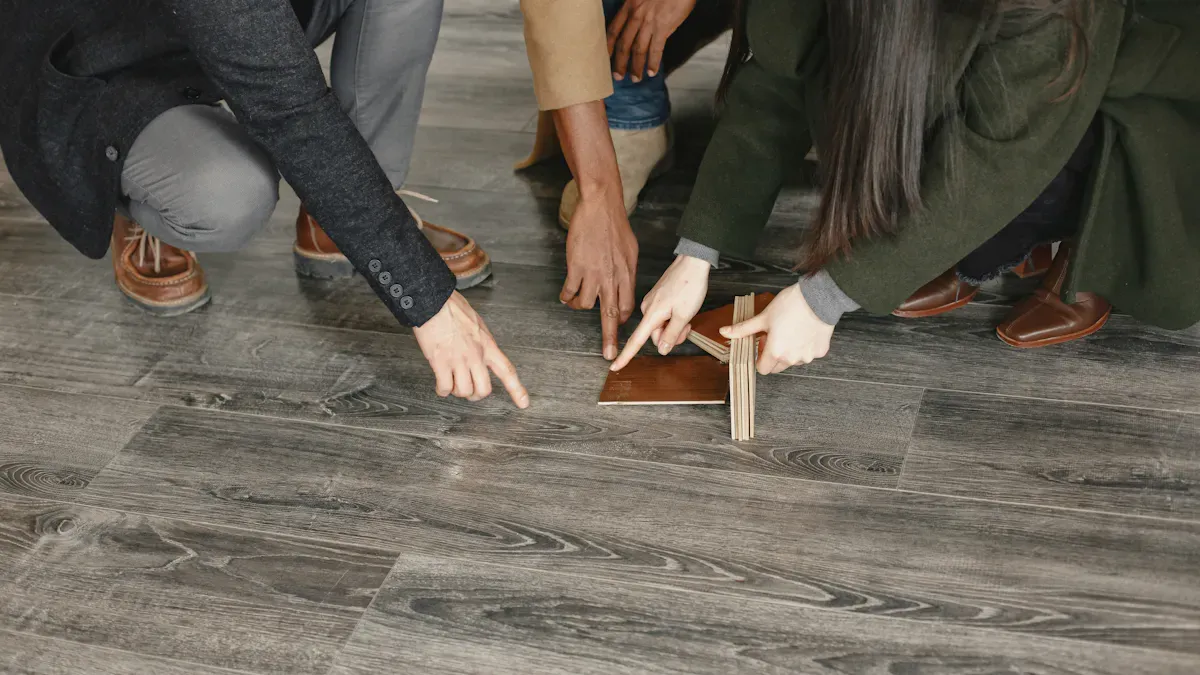
You usually do not need extra underlayment when you install vinyl flooring with an attached pad and moisture barrier over concrete. The attached pad adds comfort, and the moisture barrier protects your floor. Most installations do not require anything more.
The only exception? If you’re installing over concrete. In that situation, you would put down a thin, non-cushioned moisture barrier film first. This protects against moisture without adding the instability that a second cushioned layer would.
If you wonder, do i need underlayment for vinyl flooring with attached pad, check for unique subfloor issues or special manufacturer instructions.
What Is Vinyl Flooring With an Attached Pad and Moisture Barrier

Features of Attached Pad in Vinyl Flooring
When you choose vinyl flooring with an attached pad, you get a product that combines comfort and easy installation. The attached pad is a thin layer that sits under the vinyl planks. This layer helps smooth out small bumps or uneven spots on your floor. You do not need to buy a separate underlayment for most projects. The attached pad also adds a bit of warmth and makes your floor feel softer underfoot.
Here is a table showing common materials used in attached pads:
| Material | Description |
|---|---|
| Rubber | Provides an excellent moisture barrier, crucial in humid climates. |
| Cork | A popular option that retains moisture, which can lead to mold if not installed properly. |
Most attached pads in vinyl flooring are thin. They work best for minor imperfections. If your floor has big dips or bumps, you may need a thicker underlayment.
Purpose of Moisture Barrier in Vinyl Plank Flooring
A moisture barrier is a special layer that protects your floor from water and vapor. When you install vinyl flooring with an attached pad, the moisture barrier keeps water from moving up through the concrete. This helps prevent problems like warping, buckling, or mold. Many manufacturers require a moisture barrier to keep your warranty valid.
- Prevents floor damage by blocking water.
- Reduces the risk of mold and mildew.
- Helps you keep your warranty.
A moisture barrier acts like a shield. It keeps your vinyl flooring with an attached pad safe and dry, even in damp areas.
How It Works Over Concrete Subfloors
Vinyl flooring with an attached pad and moisture barrier works well over concrete. You can install it directly on the concrete without extra layers. The attached pad gives you comfort and insulation. The moisture barrier stops water from reaching your floor. This makes vinyl flooring with an attached pad a smart choice for basements, kitchens, and other rooms with concrete subfloors. You get a durable, warm, and comfortable floor that stands up to moisture.
The Role of Underlayment for Vinyl Flooring Over Concrete
Comfort and Cushioning Benefits
You want your floor to feel comfortable. Underlayment for vinyl plank flooring helps you achieve this. When you walk on vinyl flooring with an attached pad, you notice a softer feel compared to hard surfaces. The attached pad gives slight cushioning. If you add extra underlayment, you increase comfort even more. Underlayment provides extra support and makes your floor feel warmer. It also helps minimize deflection, which means your floor stays even and strong. You enjoy a better walking experience and your vinyl flooring lasts longer.
- Underlayment for vinyl plank flooring adds cushioning.
- It makes your floor warmer and more comfortable.
- Proper installation keeps your floor strong and prevents sagging.
Moisture Protection and Underlayment
Moisture protection is important when you install vinyl flooring over concrete. Concrete can hold moisture, which may damage your floor. Underlayment acts as a barrier. It stops moisture from reaching your vinyl flooring. You protect your floor from warping, mold, and mildew. Many manufacturers recommend checking the moisture content of your concrete before installation. You can use this table to see the recommended moisture levels:
| Condition | Moisture Content (%) |
|---|---|
| General Ambient | 4.5 |
| Drier Ambient | 4.0 |
| Desert-type Conditions | 3.5 |
You should always test your concrete and follow the guidelines. Underlayment for vinyl plank flooring gives you extra moisture protection and keeps your floor safe.
Sound Insulation and Need for Underlayment
Noise can be a problem in homes and buildings. Underlayment for vinyl plank flooring helps reduce sound transmission. It absorbs vibrational energy and blocks noise from footsteps and voices. You get a quieter room and less disturbance. The effectiveness of underlayment is measured by IIC and STC ratings. Higher ratings mean better sound insulation. Vinyl flooring with an attached pad already dampens sound. If you add underlayment, you improve these benefits, especially in multi-story buildings.
- Underlayment reduces noise from footsteps.
- It blocks airborne sounds like voices and music.
- You enjoy a peaceful and quiet space.
The role of underlayment in flooring is clear. It provides comfort, moisture protection, and sound insulation. You make your vinyl flooring over concrete more durable and enjoyable.
Do I Need Underlayment for Vinyl Flooring With Attached Pad: Pros and Cons
Benefits of Adding Extra Underlayment Under Luxury Vinyl With Attached Pad
You may wonder, do i need underlayment for vinyl flooring with attached pad, especially when you want to improve your flooring system. Adding extra underlayment can offer several advantages. You can enhance the performance of your luxury vinyl flooring in different conditions. You address specific needs based on your subfloor and room acoustics.
Here are some benefits you get from underlayment under luxury vinyl with attached pad:
- You create a moisture-proof barrier that prevents damage from moisture seeping between seams.
- You add warmth to your luxury vinyl flooring, making your space feel cozier.
- You level out minor imperfections in your concrete subfloor, which helps your pad sit evenly.
- You improve insulation and sound dampening, reducing noise in your home.
- You offer a smoother surface for the installation of luxury vinyl flooring.
- You extend the life of your luxury vinyl flooring by providing extra protection against moisture and wear.
You may need underlayment for vinyl flooring if your subfloor has uneven spots or you want more sound insulation. You can also use underlayment for extra protection in rooms with higher moisture levels. When you ask, do i need underlayment for vinyl flooring with attached pad, consider these benefits for your luxury flooring project.
Drawbacks and Risks of Extra Underlayment
You should also know the risks before you decide to add extra underlayment. Too much cushioning can stress the joints of your floating luxury vinyl floor. This can cause cracks or buckling over time. Not all underlayments work with every type of vinyl flooring. You must check compatibility to avoid problems.
Here are some drawbacks you may face:
- Excessive thickness or cushioning can damage the joints of your luxury vinyl flooring with an attached pad.
- Compatibility issues may arise if you use the wrong underlayment.
- Warranty concerns can occur if you do not follow manufacturer guidelines.
You may ask, do i need underlayment for vinyl flooring with attached pad, but you must balance the benefits and risks. You want your luxury vinyl flooring to last and perform well. You need underlayment for vinyl flooring only when your subfloor or room conditions require it.
Tip: Always check the thickness of your underlayment. Too much can cause instability in your luxury vinyl flooring with an attached pad.
Manufacturer Guidelines and skspcflooring Recommendations
Manufacturers provide clear guidelines about underlayment for luxury vinyl flooring with an attached pad. Using extra underlayment can void your warranty if you do not follow these instructions. You may experience hollow sounds or joint failure if you add layers that are not approved.
Every luxury vinyl flooring manufacturer, including skspcflooring, recommends checking their specific guidelines. You should confirm compatibility before making changes. If you ask, do i need underlayment for vinyl flooring with attached pad, always check with the manufacturer first.
Here is a table showing common recommendations:
| Manufacturer | Underlayment Needed? | Maximum Thickness | Special Notes |
|---|---|---|---|
| skspcflooring | Not always required | 1mm | Use moisture barrier if needed |
| Leading Brands | Depends on subfloor | 1mm | Check warranty guidelines |
You may need underlayment for vinyl flooring if your subfloor is uneven, you want more noise reduction, or you need extra moisture protection. For SPC vinyl flooring with a 4mm core and a 1mm attached pad, the recommended maximum thickness for additional underlayment is 1mm. You should use a moisture barrier if you worry about moisture from your concrete subfloor, even if your luxury vinyl flooring has an attached pad.
Note: Always follow skspcflooring instructions for luxury vinyl flooring installation. You protect your warranty and ensure the best performance.
You can contact skspcflooring for expert advice on luxury vinyl flooring installation and underlayment options. You get professional support and reliable recommendations for your flooring project.
Installation Tips for Vinyl Plank Flooring With Attached Pad
Preparing the Concrete Subfloor for Underlayment
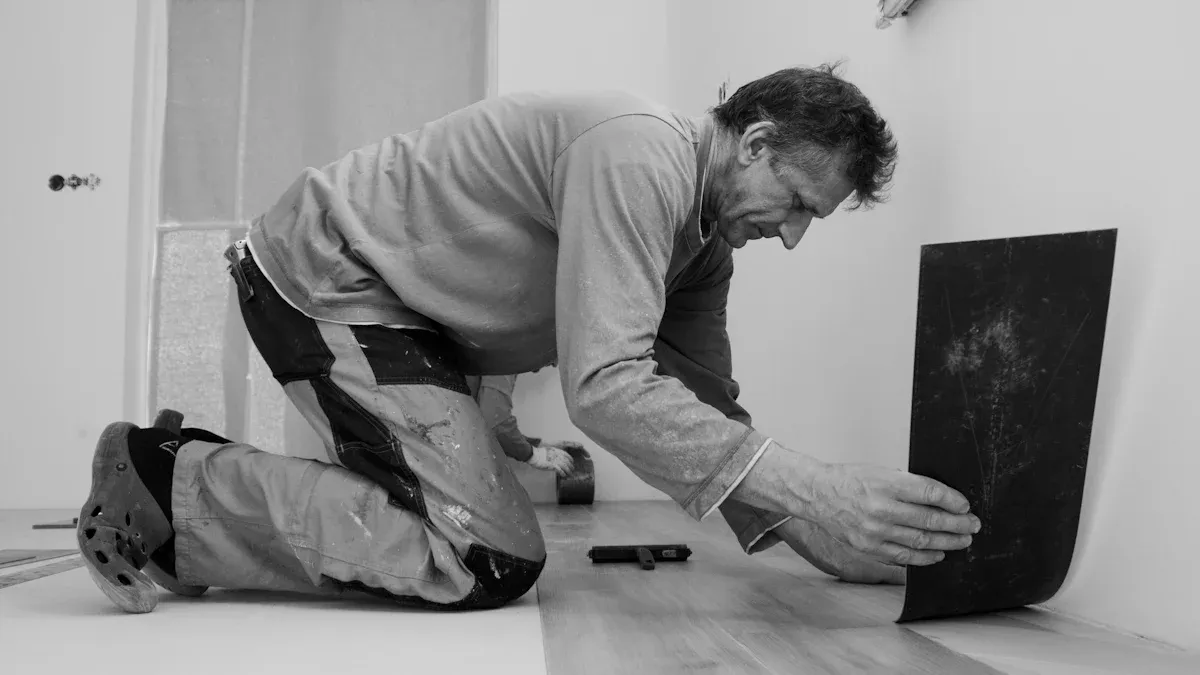
You want your vinyl plank flooring to last. Start by preparing your concrete subfloor the right way. Remove any old flooring and sweep away dust or debris. A clean surface helps the planks lock together tightly. Check for cracks or low spots. Fill these areas and make sure the floor is flat. Moisture can damage your new floor, so always test the concrete for moisture. If you find high moisture levels, use a vapor barrier before you begin installation. This step protects your investment and keeps your vinyl looking great for years.
- Remove old flooring and clean the surface.
- Test for moisture and use a vapor barrier if needed.
- Repair cracks and level the floor.
A smooth, dry, and level subfloor is key for a successful installation.
Checking Compatibility With Underlayment and Subfloor Types
You may wonder if you need underlayment for vinyl plank flooring with an attached pad. Not every underlayment works with every type of vinyl or subfloor. Always check the product label and your subfloor type. Make sure the underlayment under vinyl plank flooring matches both your vinyl and your concrete. Consider your budget and the specific needs of your space. A level and smooth subfloor helps prevent problems during installation and keeps your floor strong.
- Evaluate the type of underlayment.
- Assess compatibility with your vinyl and subfloor.
- Ensure the floor is flat and smooth.
Choosing the right underlayment makes your installation easier and your floor more durable.
Following Manufacturer Instructions for skspcflooring Products
You should always follow the manufacturer’s instructions for your skspcflooring vinyl plank flooring. Each step matters for a perfect installation. Here is a quick guide:
| Step | Description |
|---|---|
| 1 | Start from left to right. Insert spacers at ends and edges. |
| 2 | Lock the short end by angling the tongue into the groove. Drop in place. |
| 3 | Use leftover plank as a starter for the next row. Keep at least 20cm between end joints. |
| 4 | Lock the long edge by angling and dropping the plank. Slide toward the previous plank. |
| 5 | Use a hammer and tapping block to ensure a tight fit. No gaps! |
| 6 | Use a scrap piece to bridge gaps between plank ends. |
| 7 | Tap the end with a hammer and block to lock planks together. Remove the bridge and continue. |
| 8 | Use a pull bar to lock the final piece in each row. Insert a spacer. |
| 9 | Lock the long edges of the final row with a hammer and pull bar. |
Following these steps helps you achieve a professional result and protects your warranty.
Common Concerns: Need Underlayment for Vinyl Plank Flooring in Special Cases
Radiant Heating Compatibility and Underlayment
If you plan to install vinyl plank flooring with an attached pad over radiant heating, you need to pay close attention to the type of underlayment you use. Not every underlayment works with radiant heat systems. Some pads can block heat and make your room feel colder.
If you have in-floor radiant heat, you can’t use just any pad. Standard underlayment acts as an insulator, trapping the heat and preventing it from warming your room. You’ll need a product specifically designed for use with radiant heat—they’re thinner and allow heat to pass through efficiently.
Always check the product label and manufacturer’s instructions. This helps you avoid problems and keeps your floor comfortable.
Uneven Concrete Subfloors and Underlayment Solutions
Uneven concrete can cause issues for your vinyl flooring. You want a smooth, level surface before you start. Here are some solutions you can use:
- Use a moisture barrier underlayment to protect against moisture from the concrete.
- If the vinyl flooring has an attached pad, it can be installed directly over the concrete.
- If there is no attached pad, consider a foam pad of 1mm or less to ensure proper floating of the floor.
- Repair any hairline cracks in the concrete and level the subfloor before installation.
These steps help you create a strong base and protect your floor from moisture damage.
Installing Over Other Subfloor Types (Wood, Tile, Old Vinyl)
You may want to install vinyl flooring with an attached pad over wood, tile, or old vinyl. The need for underlayment depends on the condition of your subfloor. If your subfloor is flat, smooth, dry, and sturdy, you often do not need extra underlayment. If you see bumps, uneven spots, or patterns, underlayment can help smooth out the surface. It also adds benefits like sound reduction and extra cushioning. Underlayment can provide more moisture protection, which is important in rooms where spills or dampness may occur. Always inspect your subfloor and choose the best solution for your space.
You usually do not need extra underlayment when you install vinyl flooring with an attached pad and moisture barrier over concrete. The attached pad and moisture barrier give you comfort, insulation, and moisture protection for most spaces.
- Check your subfloor type and look for any unique issues.
- Use a moisture barrier if you install over concrete or in damp areas.
- Always follow manufacturer instructions, especially for skspcflooring products, to protect your warranty and get the best results.
FAQ
Can you install luxury vinyl plank flooring with an attached pad directly on concrete?
You can install luxury vinyl plank flooring with an attached pad directly on concrete. The attached pad and barrier protect against moisture concerns. Always check the concrete for levelness and dryness before you start.
Do you need a separate moisture barrier under vinyl floors with an attached pad?
You do not need a separate moisture barrier if your vinyl floors have an attached pad with a built-in barrier. If your concrete has high moisture concerns, use a thin moisture barrier film for extra protection.
How do you handle uneven concrete when installing plank flooring?
You must level the concrete before installing plank flooring. Fill cracks and low spots. The attached pad helps with minor imperfections, but a flat surface ensures your luxury vinyl plank lasts longer.
Will extra underlayment improve sound insulation for luxury vinyl plank?
Extra underlayment can improve sound insulation for luxury vinyl plank. You get quieter rooms and less noise from footsteps. Always check manufacturer guidelines to avoid warranty issues.
Can you use plank flooring with an attached pad over old tile or wood?
You can use plank flooring with an attached pad over old tile or wood. Make sure the surface is clean, dry, and flat. The attached pad and barrier help protect your vinyl floors from moisture concerns.
Tip: Always follow installation instructions for luxury vinyl plank to keep your warranty safe.
| Question | Quick Answer |
|---|---|
| Install plank on concrete? | Yes, with attached pad and barrier. |
| Need extra barrier? | Only for high moisture concerns. |
| Uneven concrete? | Level before installing plank. |
| Sound insulation? | Extra underlayment helps. |
| Over tile/wood? | Yes, if flat and dry. |




