
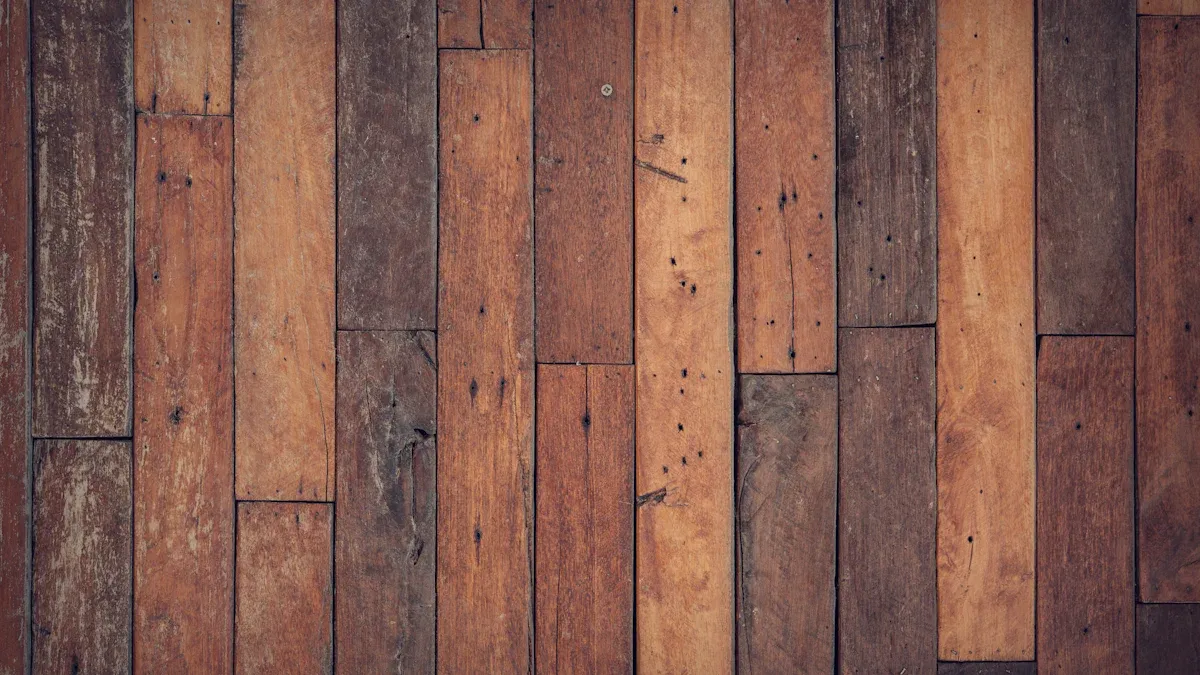
You value the real wood beauty found in classic hardwood flooring. New pvc hardwood flooring offers a different kind of aesthetic. Each piece of real wood has a unique character. This advanced wood alternative provides impressive durability and beauty.
The “better” look ultimately depends on your room, your lifestyle, and your budget.
The 2025 Visual Showdown: Hardwood vs. Vinyl
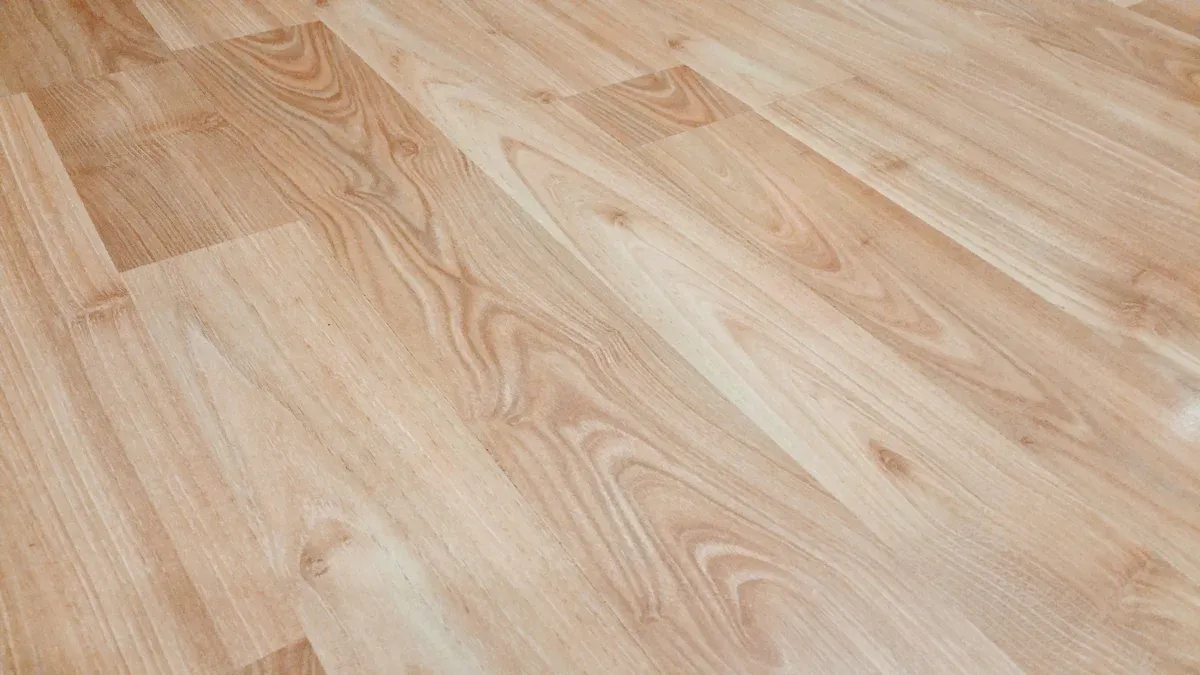
When you compare hardwood vs. vinyl, you are looking at two very different products that aim for a similar goal: a beautiful floor. One achieves this through natural artistry, the other through technological innovation. The final appearance depends heavily on the quality and specific style you choose for each.
The Unmatched Authenticity of Real Hardwood Flooring
You cannot replicate the genuine character of real wood. Each plank of solid hardwood tells a unique story through its grain, knots, and subtle color variations. These are not flaws; they are signs of authenticity that contribute to the floor’s value and aesthetic appeal. Natural imperfections give the wood depth and a warm, inviting texture that manufactured surfaces struggle to match.
In 2025, the trend leans heavily toward natural and organic styles.
- Popular Species: European Oak remains a top choice. You will see it in wide planks and light blonde tones that create an open, airy feel.
- Unique Grains: The distinctive grain patterns in natural wood create a one-of-a-kind canvas in your home. No two boards are identical, ensuring your hardwood flooring is truly unique.
This inherent uniqueness is what gives solid hardwood its timeless beauty and a more attractive appearance for those seeking pure authenticity.
The Realistic Versatility of Modern PVC
Modern luxury vinyl flooring is a testament to technological progress. It is no longer just a budget alternative; it is a high-performance design tool. The appearance and realism of today’s vinyl flooring are exceptional, thanks to major industry advancements.
For 2025, manufacturers are using enhanced production techniques to create vinyl flooring with superior durability, anti-slip textures, and completely waterproof surfaces. This focus on quality ensures the floor looks great for years.
Key innovations are changing the game:
- Bio-Based Materials: Some companies now offer resilient flooring made from plant-based oils and natural minerals. This wood alternative is free from chlorine and plasticizers.
- Refined Edges: New beveling technology creates a softer, smoother edge on each plank, offering a more refined and elegant aesthetic.
- Advanced Printing: High-definition digital printing allows for incredibly detailed and complex images. This technology realistically mimics everything from warm honey oak to distressed, reclaimed wood. You can find luxury vinyl flooring that captures the look of coastal whitewashed planks or rich espresso tones.
This versatility means you can achieve a specific aesthetic without being limited by the properties of natural wood.
The Verdict on Pure Aesthetics
So, in a direct comparison of hardwood vs. vinyl on looks alone, which comes out on top? The answer depends on your definition of a “perfect” look. Luxury vinyl flooring is designed to mimic natural materials so well that many people do not notice the difference at first glance.
Let’s break down the key visual differences in their appearance.
| Feature | High-End Luxury Vinyl Flooring (LVP) | Real Hardwood Flooring |
|---|---|---|
| Aesthetic Mimicry | Accurately mimics exotic or reclaimed looks | Showcases natural beauty and grain variation |
| Pattern/Variation | Consistent, pattern-controlled designs | One-of-a-kind grain, knots, and species variation |
| Overall Look | Designed to capture a similar aesthetic and warmth | Tailored story, organic aesthetic, timeless appeal |
Ultimately, the choice comes down to personal preference. If you want flawless consistency and the ability to mimic any style, the high quality of vinyl flooring offers a more attractive appearance. If you value the perfect imperfections and unique character that only nature can create, nothing beats the aesthetic appeal of real hardwood flooring.
How Durability and Longevity Impact Appearance
A floor’s beauty is not just about its look on day one. You must consider how its appearance holds up over years of use. The durability and longevity of your flooring choice directly impact its long-term aesthetic value.
Real Wood: Graceful Aging or Visible Damage?
Real wood floors have a unique relationship with time. Their appearance will change. The durability of the wood you choose plays a big role. Harder woods offer better scratch and dent resistance. The Janka Hardness Rating helps you understand a wood’s strength.
| Wood Type | Janka Hardness Rating |
|---|---|
| Hickory | 1820 |
| White Oak | 1360 |
| Red Oak | 1290 |
| Soft Maple | 950 |
Softer woods like maple may show scratches more easily than a hard hickory. However, a major benefit of hardwood flooring is that it can be repaired and refinished. You can sand away minor scratches and wear. This process restores the wood to its original beauty, though it can cost between $600 and $4,500. This ability to be renewed gives real wood a very long lifespan.
PVC Hardwood Flooring: Consistent Look Under Pressure
PVC hardwood flooring offers a different approach to durability and maintenance. Its goal is to maintain a consistent look for years. The key to its durability is the wear layer, a clear top coat that protects the printed design.
A thicker wear layer provides more protection and a longer lifespan. For homes with kids and pets, a wear layer of 20 mil or higher is a smart choice for your luxury vinyl flooring.
The quality of this layer is crucial. A high-quality wear layer on luxury vinyl flooring resists scratches, scuffs, and stains, keeping the floor looking new. This means the beautiful wood look you chose is locked in. The thickness of this layer directly impacts the vinyl flooring’s expected lifespan.
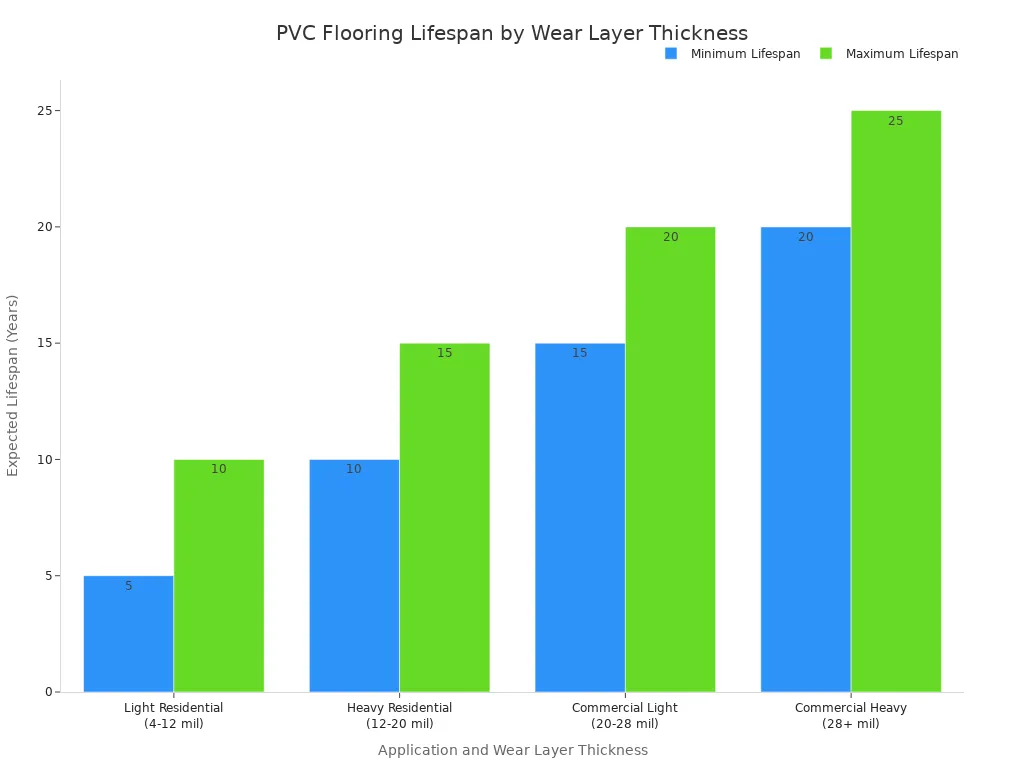
While you cannot refinish luxury vinyl flooring, its high-quality construction ensures its appearance remains stable under pressure, offering predictable beauty without the need for major upkeep. The durability of vinyl flooring makes it a practical choice.
The Cost of a Great Look: Budget vs. Beauty
Your budget plays a huge role in your flooring decision. You must balance the look you want with the cost you can afford. This price comparison shows how hardwood flooring and vinyl flooring stack up financially.
The Investment in Timeless Hardwood Flooring
Real wood is an investment in your home’s value and aesthetic. The initial cost for solid hardwood is higher than for most other options. The final price depends on the type of wood and the installation complexity. You can expect the cost to vary based on the quality you select.
| Budget Level | Cost Per Sq Ft (Installed) |
|---|---|
| Basic | $6-$10 |
| Mid-Range | $11-$18 |
| High-End | $19-$45 |
While the upfront cost is significant, solid hardwood flooring adds tangible value to your property. Studies show you can expect a return on investment of 70% to 80% when you sell your home. You are not just buying a floor; you are making a long-term financial investment in your home’s appeal and worth.
High-End Looks on a Budget with PVC
Luxury vinyl flooring gives you a high-end look without the high-end cost. This option is perfect if you have a tight budget but still want a beautiful floor. The total cost for installing luxury vinyl flooring is much lower, typically ranging from $7 to $12 per square foot.
This lower cost means you can get the appearance of exotic or premium wood for a fraction of the price. The quality of modern vinyl flooring delivers impressive visual results.
This cost comparison is even more striking when you look at premium products. High-end luxury vinyl flooring can cost less than mid-range engineered wood. This makes vinyl flooring an excellent choice for achieving a sophisticated look while managing your budget effectively.
Which Looks Better in Your Specific Room?
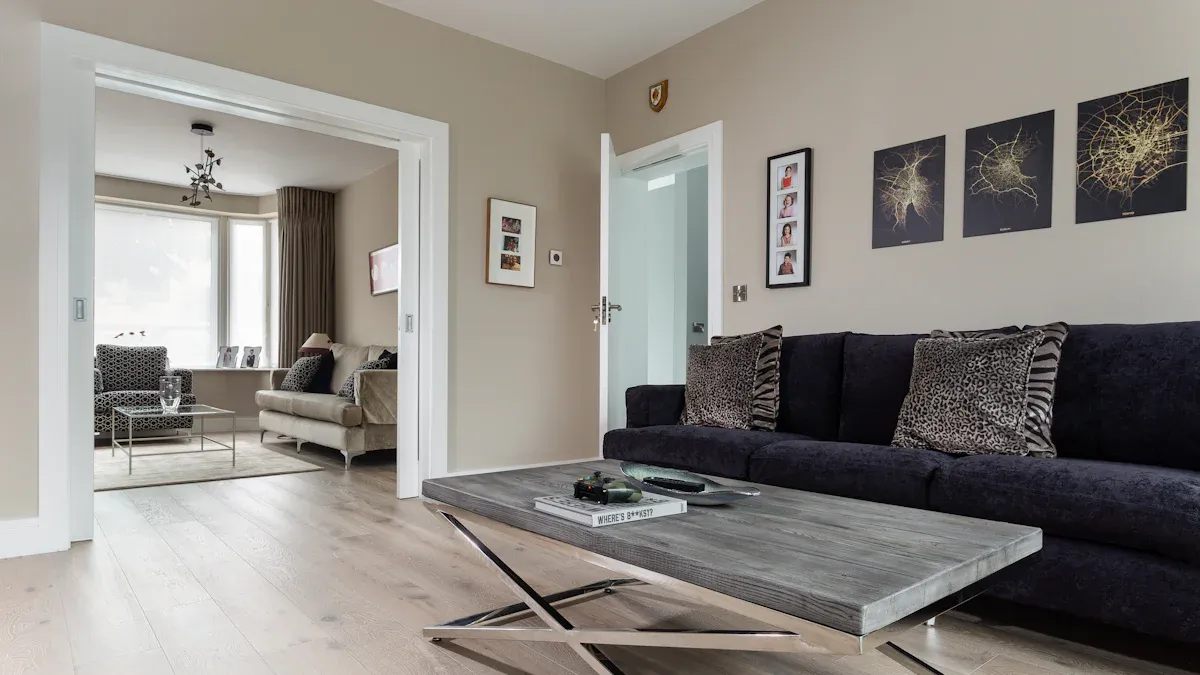
The best-looking floor depends on the room’s function. You must match the material’s strengths to the room’s demands. A floor that looks great in a bedroom might not be the best choice for a wet basement.
Living Rooms & Bedrooms: The Warmth of Real Wood
You often want a feeling of warmth and comfort in living rooms and bedrooms. Real wood excels here. Its natural texture and unique grain patterns create an inviting atmosphere. Hardwood flooring also improves room acoustics by reflecting sound, which creates a vibrant auditory experience. Popular wood choices include:
- Oak: A classic choice known for its durability and strong grain.
- Maple: Offers a lighter, more modern look with a subtle grain.
- Walnut: Provides a rich, dark color for a touch of luxury.
This natural wood helps create a healthier indoor environment because it does not trap dust and allergens. The timeless beauty of a natural wood floor makes it a superior choice for your primary living spaces.
Kitchens & Bathrooms: The Practical Beauty of PVC
Kitchens and bathrooms face daily spills and high humidity. In these areas, the practical advantages of vinyl flooring shine. Modern luxury vinyl flooring is often completely impervious to moisture. This quality prevents water from seeping into the subfloor. Many top brands like COREtec and Shaw Floors offer certified waterproof products.
For 2025, popular styles for vinyl flooring include wide planks that mimic natural wood, elegant stone looks, and classic herringbone patterns.
Because it is impervious to moisture damage, you can get the look of wood without worrying about warping or stains. This makes vinyl flooring the smarter and better-looking option for rooms where water is a constant presence.
Basements & Entryways: Prioritizing Durability
Basements and entryways demand extreme durability. These high-traffic areas contend with moisture, dirt, and heavy use. This is where pvc hardwood flooring proves its worth. Its construction makes it ideal for below-grade installations where dampness is a concern. The material is impervious to moisture, so it resists mold and mildew. For entryways, the strong wear layer on luxury vinyl flooring protects against scratches from dirt and debris. This ensures the floor’s appearance holds up under constant foot traffic. The superior durability of this flooring makes it the clear winner for your home’s toughest environments.
Installation’s Impact on the Final Look
The installation process itself dramatically affects the final appearance of your floor. A flawless installation creates a beautiful, cohesive look. A poor installation can ruin even the highest quality materials.
The Craftsmanship of Real Wood Installation
Installing real wood is a craft that requires professional skill. The final look depends on the installer’s expertise. Proper installation ensures the wood looks great for decades. To achieve a high-quality result, a professional installer must follow several key steps.
- Acclimate the Wood: You must let the wood boards sit in the room for 7-10 days. This helps the wood adjust to the temperature and humidity, preventing future gaps or buckling.
- Ensure Proper Spacing: An installer leaves small expansion gaps around the room’s perimeter. This gives the wood space to expand and contract naturally.
- Apply Finishes Correctly: The right finish protects the wood and controls how it absorbs moisture.
This level of craftsmanship comes at a cost. You can expect professional labor for hardwood flooring to range from $3 to $6 per square foot. This investment protects the beauty and longevity of your floor.
The Seamless Finish of PVC Flooring
You will find that installing vinyl flooring is much simpler, especially with modern click-lock systems. This technology allows planks to snap together without glue or nails, creating a seamless finish. This makes luxury vinyl flooring an excellent DIY project. You can often install it directly over existing hard floors like concrete or tile, as long as the surface is flat and clean.
The benefits of this installation method are clear.
- Fast and Easy: You can complete most installations in a single day.
- DIY-Friendly: The click-lock design is perfect for homeowners who want to do the work themselves.
- Versatile: This vinyl flooring is removable and reusable, offering flexibility for future updates.
- Durable and Safe: The quality construction of luxury vinyl flooring makes it waterproof, scratch-resistant, and pet-friendly.
This straightforward process gives you a beautiful new floor with less mess and expense, transforming the appearance of your room quickly.
So, which one is right for you? For pure aesthetic appeal, real wood is the superior choice. This renewable wood offers unmatched beauty and increases your home’s value. For design flexibility and budget, pvc hardwood flooring provides a practical aesthetic. Its durable look holds up in challenging rooms. Ultimately, the best aesthetic is the one that fits your life. Choose wood for its timeless character and PVC for its durable aesthetic appeal.
FAQ
Can you tell the difference between PVC and real wood?
You might not notice the difference at first glance. High-quality PVC flooring mimics wood grains very well. However, real wood has a unique texture and depth that you can feel. Each real wood plank is one-of-a-kind, while PVC has repeating patterns.
Which floor looks better with pets? 🐾
PVC hardwood flooring often looks better in homes with pets. Its strong wear layer resists scratches from claws and paws. This keeps the floor’s wood-look finish looking new. Softer real woods can show scratches more easily, affecting their appearance over time.
Does PVC hardwood increase home value like real wood?
Real wood flooring adds more long-term value to your home. Buyers often pay a premium for its authentic look and feel.
PVC flooring is a valuable upgrade that improves a home’s appeal. It does not typically offer the same return on investment as solid hardwood.
Which option is more eco-friendly?
You have eco-friendly choices for both materials.
- Real Wood: This is a renewable resource. You can choose wood from sustainably managed forests.
- PVC Flooring: Some brands now offer PVC-free options. These use natural minerals and plant-based oils for a greener alternative.




