

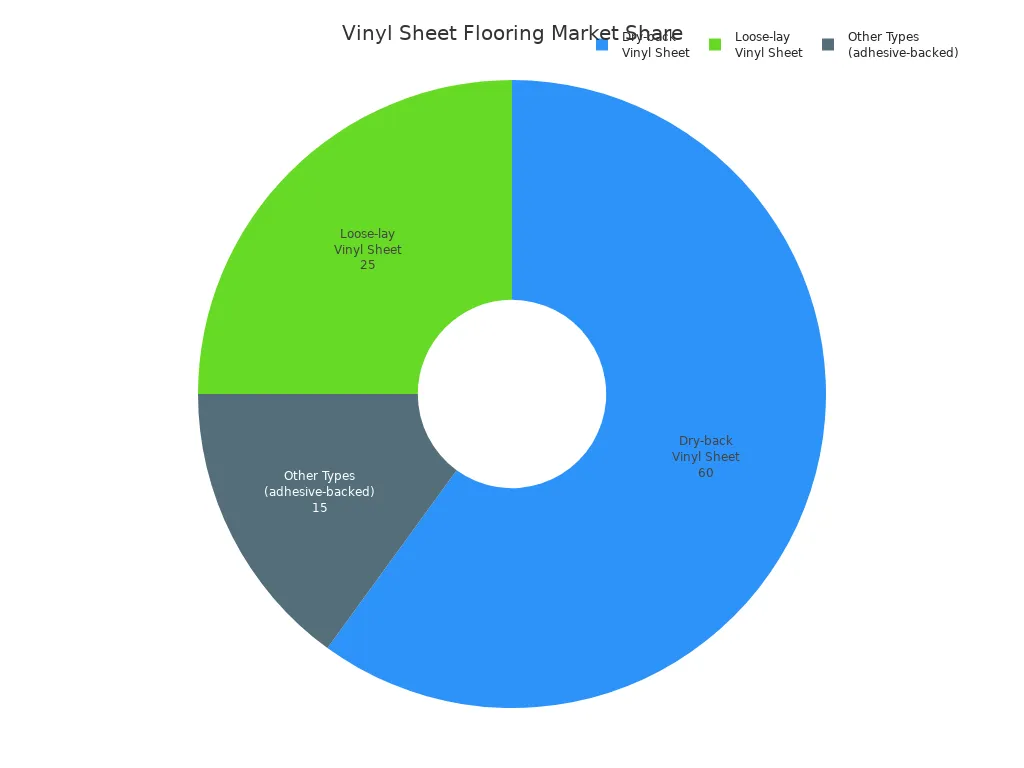
Loose lay vinyl flooring gives you a fast installation process without glue or locking systems. You can find many styles and colors, making it easy to match your space. This type of flooring covers about 25% of the vinyl sheet flooring market, as shown in the table below.
| Vinyl Sheet Flooring Type | Market Share (%) |
|---|---|
| Dry-back Vinyl Sheet Flooring | 60 |
| Loose-lay Vinyl Sheet Flooring | 25 |
| Other Types (including adhesive-backed) | 15 |
Many people choose loose lay vinyl floor for these reasons:
- Easy to move or reinstall in a new room or house
- Stays flat without expanding or shrinking
- Durable with proper care
- Reduces noise and feels comfortable underfoot
- Offers many designs and styles
You may find loose lay vinyl flooring a smart option for quick updates or simple repairs.
What Is Loose Lay Vinyl Flooring?
Unique Installation Without Adhesives or Click-Lock
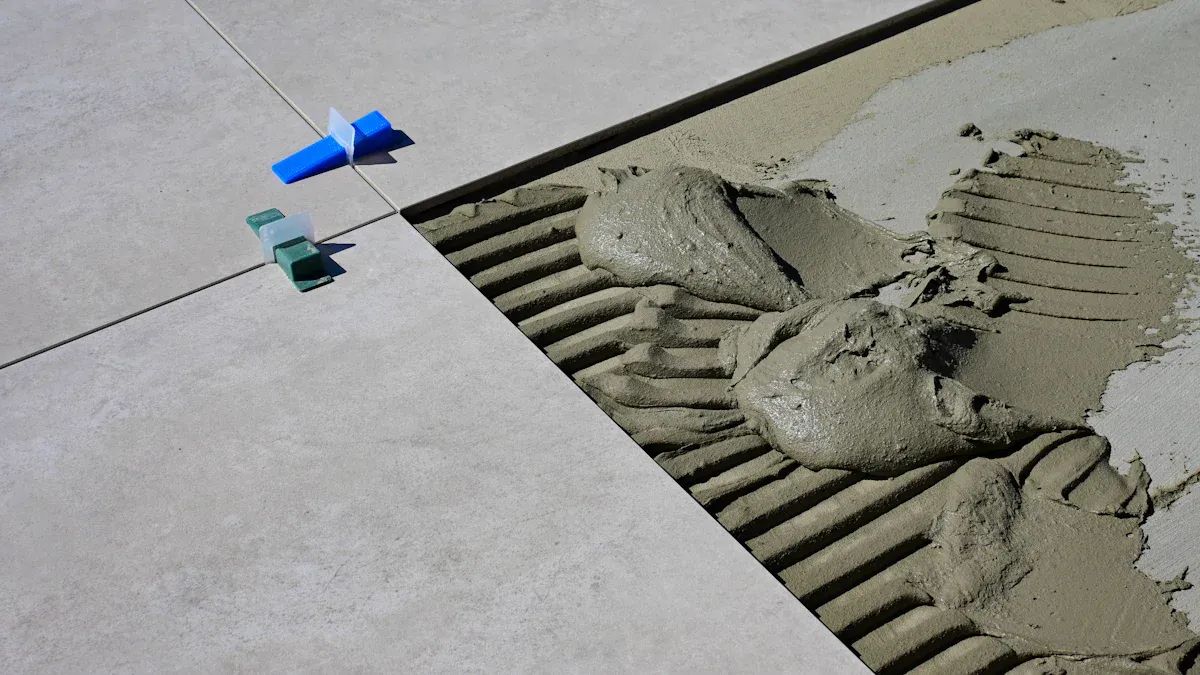
Loose lay vinyl flooring stands out because you can install it without glue or locking systems. You simply place the loose lay vinyl planks directly on your subfloor. The special rubber backing and the weight of each plank keep them in place. You do not need to snap pieces together or spread messy adhesives. This hassle-free installation makes the process quick and easy, even if you have never installed flooring before.
- You can lay loose lay vinyl flooring over many types of existing floors, as long as the surface is smooth and dry.
- The planks stay put because of friction and gravity, not because of glue or interlocking edges.
- If a plank gets damaged, you can lift it out and replace it without touching the rest of the floor.
- You do not need many tools or special skills for this installation.
- This method creates less mess and saves time compared to glue-down or click-lock flooring.
Tip: Loose lay vinyl flooring works well for DIY projects and for spaces where you may want to change the floor later.
Key Features of Loose Lay Vinyl Floor
Loose lay vinyl flooring offers several features that make it different from other types of flooring. You get a surface that is comfortable and quiet underfoot. The high-friction backing allows you to pick up and reuse the planks if you move or remodel. This flooring is often thicker than traditional glue-down vinyl, so it feels softer and more cushioned.
- Loose lay vinyl flooring is easy to remove and reinstall in another room.
- The planks provide sound absorption, making your space quieter.
- You can access the subfloor easily if you need to make repairs.
- The thicker design adds comfort and durability.
- Loose lay vinyl floor gives you flexibility for both temporary and permanent installations.
Loose lay vinyl flooring gives you a simple way to update your space. You can enjoy a fast installation, easy repairs, and a comfortable surface. This flooring fits many needs, from busy homes to offices.
Upsides of Loose Lay Vinyl Flooring
Fast and Easy DIY Installation
You can install loose lay vinyl flooring quickly, even if you have never done a flooring project before. The process does not require glue or complicated locking systems. You simply place each plank or tile on the subfloor, and the special backing keeps it in place. This easy installation saves you time and effort. You do not need many tools, and you can finish most rooms in a single day.
Many homeowners choose loose lay vinyl floor because of its ease of installation. You can move or replace planks without damaging the rest of the floor. If you want to update your space or fix a damaged area, you just lift out the old piece and put in a new one. This flexibility makes loose lay vinyl flooring a favorite for DIY projects and quick renovations.
Tip: Always make sure your subfloor is clean and level before starting the installation. This helps the planks stay flat and secure.
100% Waterproof Performance
Loose lay vinyl flooring stands out for its waterproof qualities. The planks use 100% synthetic PVC materials, so water cannot seep in or cause damage. You can install this flooring in kitchens, bathrooms, and basements without worrying about swelling or warping. Unlike laminate flooring, which has a wood-based core that absorbs water and gets damaged, loose lay vinyl flooring resists moisture completely.
You get peace of mind when you choose this type of flooring for areas with high humidity or frequent spills. The waterproof design matches the performance of other luxury vinyl types and gives you more options for where to use it in your home. You do not have to worry about water stains or permanent damage, even if you have pets or children.
Durable and Scratch-Resistant Surface
Loose lay vinyl flooring offers impressive durability. The surface resists scratches and dents from daily use. Manufacturers test these floors using industry standards like the ASTM International scratch resistance assessment and European tests such as EN 14565 and EN 16094. These tests show that the flooring can handle sharp objects and heavy foot traffic without showing much wear.
| Test Name | Flooring Type | Description |
|---|---|---|
| EN 14565 Annex A Scratch Resistance | Resilient | Measures scratch resistance for resilient floor coverings |
| EN 16094 A & B Micro-Scratch | Resilient | Provides data on micro-scratch resistance |
| Moh’s Hardness Pen Scratch Test | Resilient | Uses pens of different hardness to check scratch resistance |
| ASTM International Scratch Test | Resilient | Applies controlled force to observe visible surface damage |
You can use loose lay vinyl flooring in busy areas like hallways, kitchens, and entryways. The tough wear layer protects against scuffs from shoes, pet claws, and moving furniture. You do not need to worry about frequent repairs or refinishing. This durability helps your floor look new for years.
Simple Maintenance and Cleaning
You will find that loose lay vinyl flooring makes cleaning your home much easier. The surface does not trap dust or dirt, so you can sweep or vacuum it quickly. Most spills wipe up with a damp cloth. You do not need special cleaners or wax. Regular care keeps your flooring looking fresh and new.
- Sweep or vacuum the floor every few days.
- Use a damp mop for deeper cleaning.
- Avoid harsh chemicals or abrasive pads.
Note: Loose lay vinyl floors maintenance is simple. You do not need to polish or refinish the surface. This saves you time and money over the years.
If you have pets or children, you will appreciate how easy it is to keep this flooring clean. Stains do not soak in, and you can remove most marks with gentle soap and water. This makes loose lay vinyl flooring a smart choice for busy homes.
Versatile Design and Style Options
Loose lay vinyl flooring gives you many choices for style and design. You can pick from wood, stone, or tile looks. The patterns and colors look realistic. You can match almost any room in your home or office.
| Style Type | Example Looks | Best For |
|---|---|---|
| Wood | Oak, Maple, Walnut | Living rooms, bedrooms |
| Stone | Slate, Marble, Granite | Kitchens, bathrooms |
| Tile | Ceramic, Porcelain | Entryways, laundry rooms |
You can change the look of a room without a big remodel. The ease of installation lets you update your space quickly. If you want a new style later, you can lift the planks and try a different design. This flexibility helps you keep up with trends or personal taste.
Tip: Try mixing different patterns or colors for a custom look. You can create borders or special layouts with loose lay vinyl flooring.
Comfortable and Quiet Underfoot
You will notice that loose lay vinyl flooring feels soft and warm when you walk on it. The planks have a thicker backing, which adds comfort. This makes standing for long periods easier on your feet and legs.
The flooring also helps reduce noise. The material absorbs sound, so footsteps and dropped items do not echo as much. This is helpful in bedrooms, offices, or apartments where you want a quiet space.
- Soft surface cushions each step.
- Reduces noise from shoes, pets, or moving furniture.
- Feels warmer than tile or stone floors.
If you want a floor that feels good and keeps your home peaceful, loose lay vinyl flooring is a great option.
Environmentally Friendly Choices
You may want to choose flooring that is better for the environment. Loose lay vinyl flooring can help you make a greener choice for your home or business. Many brands now focus on eco-friendly materials and safer production methods.
Here are some ways loose lay vinyl flooring supports the environment:
-
Recyclable Materials:
Some loose lay vinyl floors use recycled content. Manufacturers collect old vinyl and turn it into new planks. You help reduce waste when you pick recycled flooring. -
Low VOC Emissions:
VOCs (volatile organic compounds) are chemicals that can pollute indoor air. Many loose lay vinyl floors have low VOC levels. You get cleaner air and a safer space for your family or coworkers. -
No Need for Glue:
You do not need adhesives to install loose lay vinyl flooring. Glues often contain harmful chemicals. By skipping glue, you avoid adding extra toxins to your home. -
Long Lifespan:
Loose lay vinyl flooring lasts for many years. You do not need to replace it often. This reduces the amount of flooring that ends up in landfills. -
Easy to Remove and Reuse:
You can lift loose lay vinyl planks and use them in another room. This means less waste if you move or remodel.
Tip: Look for loose lay vinyl flooring with certifications like FloorScore® or GREENGUARD. These labels show the product meets strict standards for indoor air quality.
| Eco-Friendly Feature | What It Means for You |
|---|---|
| Recycled Content | Less waste, more reuse |
| Low VOC Certification | Healthier indoor air |
| Glue-Free Installation | Fewer chemicals in your home |
| Long-Lasting Durability | Fewer replacements, less waste |
| Reusable Planks | Move or remodel with less waste |
You can make a positive impact by choosing eco-friendly flooring. Ask your retailer about green options. Read product labels and check for certifications. Every small step helps protect the planet for future generations. 🌱
Downsides of Loose Lay Vinyl Flooring
Potential for Shifting or Gaps in Large Areas
Loose lay vinyl flooring works best in smaller or medium-sized rooms. When you use it in large, open spaces, you may notice some problems. The planks can shift or move, especially if you have heavy foot traffic or move furniture often. This happens because the flooring relies on its weight and friction to stay in place, not glue or locking systems.
- Slippage or shifting of planks can occur under heavy use.
- Gaps may form between planks if the room is very large or has an unusual shape.
- You might need to use double-sided tape, adhesives, or transition strips to keep the floor stable in bigger areas.
If you want to avoid these issues, try to use loose lay vinyl flooring in rooms with simple shapes and moderate size. For larger or irregular spaces, you may need extra steps during installation to prevent movement. Rugs and furniture pads can also help reduce wear and tear.
Note: Proper subfloor preparation is critical. A smooth, dry surface helps prevent shifting and keeps your flooring looking neat.
Requires a Smooth, Level Subfloor
You must pay close attention to your subfloor before starting installation. Loose lay vinyl flooring needs a flat, clean, and dry surface to perform well. Any bumps, dips, or debris can cause the planks to sit unevenly or move out of place. Moisture in the subfloor can also lead to damage or mold growth over time.
Here is a table that shows the main subfloor requirements and their impact on installation success:
| Subfloor Aspect | Requirement/Specification | Impact on Installation Success |
|---|---|---|
| Cleanliness | Subfloor must be free of waxes, sealers, and adhesive residues. | Prevents poor adhesion and uneven flooring. |
| Flatness | Flatness tolerance within 3/16” in 10’. | Ensures smooth, even installation and prevents surface issues. |
| Moisture Levels | Must be below 95% RH (ASTM F2170) or 8 lbs Calcium Chloride (ASTM F1869). | High moisture can cause adhesive failure and flooring damage. |
| Moisture Mitigation | Required if moisture exceeds limits, e.g., use of moisture mitigation systems like Kovara MBX. | Protects flooring from moisture-related failures. |
| Wood Subfloors | Minimum 1/4″ underlayment grade plywood; fasteners and joints filled and sanded smooth. | Provides stable, smooth base to prevent movement and unevenness. |
| Concrete Subfloors | Moisture testing mandatory; smoothing compounds applied to remove bumps and ensure flatness. | Ensures proper adhesion and prevents surface irregularities. |
| Smoothing Compounds | Use appropriate screeding based on project size and conditions; consider curing times and ambient factors. | Guarantees floor performance and longevity. |
If you skip these steps, you risk having planks that lift, shift, or show imperfections from below. Always check your subfloor and fix any problems before you begin installation. This extra effort helps your flooring last longer and look better.
Limited Thickness and Format Options
Loose lay vinyl flooring usually comes in thinner planks, about 2-3mm thick. This makes installation easier and often lowers the cost. However, thinner flooring does not offer the same durability or comfort as thicker options. You may notice more dents, scratches, or noise, especially in busy areas.
Thicker vinyl planks, such as those 4-6mm or more, provide better stability and cushioning. They also hide small subfloor imperfections more effectively. With loose lay vinyl flooring, you have fewer choices for thickness and format. This limits where you can use it and how well it performs over time.
The wear layer on thinner flooring also affects how well it resists damage. A thin wear layer means the floor may not protect as well against scratches or dents. If you want a floor for high-traffic areas, you might need to look at other types of vinyl or thicker flooring products.
Tip: Use loose lay vinyl flooring in light-traffic rooms, such as bedrooms or offices, to get the best results. For busy spaces, consider thicker or more durable flooring options.
May Show Subfloor Imperfections (Telegraphing)
You may notice that loose lay vinyl flooring can show bumps or dips from the subfloor underneath. This effect is called “telegraphing.” If your subfloor has cracks, seams, or rough spots, these flaws can appear on the surface of your new flooring. Even small imperfections can become visible over time.
Tip: Always check your subfloor before you start. Fill in holes and sand down high spots. A smooth base helps your floor look its best.
Here are some common subfloor issues that can cause telegraphing:
- Old adhesive residue from previous flooring
- Uneven concrete or wood panels
- Nails or screws sticking up
- Gaps between floorboards
If you skip the prep work, you might see lines or bumps after installation. These marks can make your floor look worn out, even if it is new. You can avoid this problem by spending extra time on subfloor preparation.
Not Ideal for High-Moisture Installations Without Adhesive
Loose lay vinyl flooring resists water, but it does not always stay put in very wet areas. In places like bathrooms, laundry rooms, or basements, high moisture can cause the planks to move or lift. Water can seep under the edges if you do not use adhesive or tape.
You should use extra care when installing this flooring in rooms with lots of water. Some manufacturers recommend using double-sided tape or a small amount of glue around the edges. This step helps keep the planks in place and blocks water from getting underneath.
Note: If you want to use this flooring in a high-moisture area, check the manufacturer’s instructions. Some products need special installation steps for wet spaces.
A table below shows where you may need extra adhesive:
| Room Type | Moisture Level | Adhesive Needed? |
|---|---|---|
| Living Room | Low | No |
| Bedroom | Low | No |
| Bathroom | High | Yes |
| Laundry Room | High | Yes |
| Basement | High | Yes |
You can use loose lay vinyl flooring in many rooms, but always think about moisture before you install.
Can Be Prone to Edge Lifting in Heavy Traffic
You might see the edges of your flooring lift up in busy spaces. This problem happens most often in high-traffic areas, such as entryways or hallways. When people walk over the same spot again and again, the edges of the planks can start to curl or rise.
Edge lifting can make your floor look uneven. It can also create a tripping hazard. Heavy furniture or rolling chairs can make this problem worse. If you notice edges lifting, you may need to press them back down or use adhesive to secure them.
Callout: Place rugs or mats in busy spots to protect the edges. Move heavy furniture carefully to avoid damaging the floor.
You can keep your flooring looking good by checking the edges often. Quick fixes help prevent bigger problems later.
Where Loose Lay Vinyl Floor Works Best
Best Rooms and Applications
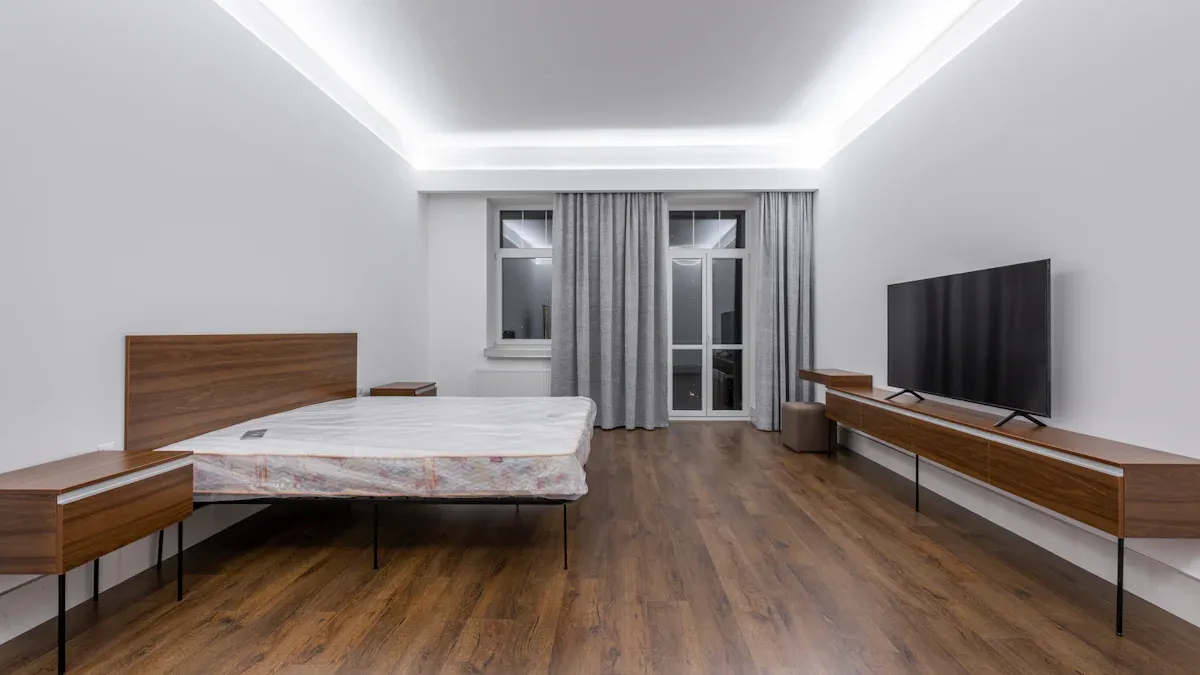
You can use loose lay vinyl floor in many parts of your home or business. This type of flooring stands out for its durability, scratch resistance, and water resistance. You will find it works especially well in high-traffic and moisture-prone areas. For example, you can install it in bathrooms and kitchens where spills and splashes happen often. The easy, adhesive-free installation also makes it a smart choice for spaces that need quick updates.
Many light commercial spaces benefit from this flooring. Offices, small shops, and waiting rooms see a lot of foot traffic. Loose lay vinyl floor handles this wear and tear without showing damage. You can also use it in laundry rooms, mudrooms, and entryways. The simple installation process lets you finish these rooms fast, even if you have little experience.
Tip: If you want a floor that is easy to clean and can handle water, choose loose lay vinyl for kitchens, bathrooms, and laundry rooms.
Here is a quick list of the best places for this flooring:
- Bathrooms
- Kitchens
- Laundry rooms
- Entryways
- Offices
- Light commercial spaces
When to Consider Other Flooring Solutions
Sometimes, loose lay vinyl floor is not the best fit. If you have a very large room or a space with heavy rolling loads, you may see shifting or edge lifting. In these cases, you should look at other flooring options. Linoleum is a good choice if you want something affordable, durable, and eco-friendly. It comes from natural materials and can last up to 40 years with proper care. Linoleum also meets strict air quality standards, making it safe for people with allergies.
Hardwood flooring gives you a classic look and top quality. It offers zero VOC emissions and comes from sustainable sources. You might also consider magnetic ceramic tiles or rigid tiles made from limestone and polyester for modular homes or special spaces. For garages or metal floors, plastic decking or garage tiles work well because they allow air to move underneath. In wet or unique areas, you can use plastic sheets, mats, or silicone-based coverings.
Note: Always match your flooring choice to the needs of your space. Think about moisture, traffic, and how easy the installation will be.
Loose Lay Vinyl Flooring vs. Other Flooring Types
Comparison with Click-Lock Vinyl Plank
You may wonder how loose lay vinyl planks compare to click-lock vinyl plank. Both options offer easy installation and work well for DIY projects. You do not need glue for either type. Loose lay vinyl planks use weight and friction to stay in place, while click-lock vinyl plank uses a special locking edge.
Here is a table to help you see the differences:
| Aspect | Loose Lay Vinyl Plank | Click-Lock Vinyl Plank |
|---|---|---|
| Installation Time | Quick and DIY-friendly | Quick and DIY-friendly |
| Labor Cost | $1.50 to $3.00 per square foot | $1.50 to $3.00 per square foot |
| Installation Method | No adhesive needed | Click-lock mechanism |
| Durability | Good for moderate traffic | Good for moderate traffic |
You can install both types in a day. Loose lay vinyl planks are easier to remove or replace if you want to change your floor later. Click-lock vinyl plank may need you to take up more pieces if you need to repair a spot.
Tip: Choose loose lay vinyl planks if you want the fastest removal and replacement.
Comparison with Glue-Down Vinyl Flooring
Glue-down vinyl flooring gives you a strong, stable surface. You glue each plank or tile to the subfloor. This method works best for high-traffic areas and places with lots of moisture, like bathrooms or busy stores. You may need a professional for this installation, which can raise your costs.
Loose lay vinyl planks are easier to install and remove. You can do the job yourself and save money. The floor feels softer and quieter underfoot. Repairs are simple because you can lift out a single plank or tile. Glue-down vinyl flooring is harder to fix if something gets damaged.
| Feature | Glue-Down Vinyl Flooring | Floating (Loose Lay) Vinyl Flooring |
|---|---|---|
| Installation | Professional, adhesive needed | DIY-friendly, no adhesive |
| Upfront Cost | Higher | Lower |
| Durability | Very stable, best for high-traffic | May shift in busy areas |
| Moisture Resistance | Excellent | Good, but seams may let water in |
| Repair | Difficult | Easy |
| Underfoot Feel | Firm | Softer, quieter |
Note: Use glue-down vinyl flooring for busy commercial spaces. Choose loose lay vinyl planks for homes or rooms where you want comfort and easy repairs.
Comparison with Laminate and Hardwood
You might compare loose lay vinyl planks to laminate or hardwood. Hardwood flooring can last over 50 years with good care. It looks classic and feels solid. Laminate flooring and luxury vinyl plank usually last 10 to 25 years. Luxury vinyl tile and plank resist water, scratches, and dents better than laminate.
Loose lay vinyl planks work well in kitchens, bathrooms, and basements. They handle spills and moisture better than laminate. You can clean them with simple routines. Laminate may need replacement sooner if it gets wet. Hardwood costs more and needs more care, but it lasts the longest.
| Flooring Type | Typical Lifespan (Years) | Warranty Range (Years) |
|---|---|---|
| Laminate Flooring | 10 to 25 | 10 to 25 |
| Luxury Vinyl Plank | Up to 20 | Up to 20 |
- Loose lay vinyl planks offer many designs and feel softer underfoot.
- Laminate gives you a firm, cool surface.
- Hardwood brings natural beauty and long life, but at a higher price.
Callout: Pick loose lay vinyl planks if you want easy care, water resistance, and a quick installation.
Weighing the upsides and downsides of loose lay vinyl flooring helps you make a smart choice. You get easy installation, comfort, and many design options. Remember to keep your floors clean, use rugs at entrances, and protect them from heavy furniture. Experts recommend this flooring for quick updates in homes and businesses, but you should avoid high-moisture areas unless you use extra waterproofing. Loose lay vinyl flooring continues to grow in popularity as more people look for affordable, durable, and stylish solutions.
FAQ
How do you clean loose lay vinyl flooring?
You can sweep or vacuum the floor to remove dust. Use a damp mop with mild soap for deeper cleaning. Avoid harsh chemicals or abrasive pads. Regular care keeps your floor looking new.
Can you install loose lay vinyl flooring over existing floors?
Yes, you can install loose lay vinyl over many existing floors. The surface must be smooth, clean, and dry. Remove bumps or debris before installation. This helps the planks stay flat and secure.
Does loose lay vinyl flooring need underlayment?
Most loose lay vinyl floors do not need extra underlayment. The planks have a built-in backing that adds comfort and sound absorption. You only need to prepare the subfloor to be level and clean.
What should you do if a plank gets damaged?
You can lift out the damaged plank and replace it with a new one. You do not need to remove the whole floor. This makes repairs quick and easy.
Is loose lay vinyl flooring safe for pets?
Yes, loose lay vinyl flooring resists scratches from pet claws. The surface does not absorb stains or odors. You can clean up accidents easily. Your pets can walk and play on this floor without worry.




