
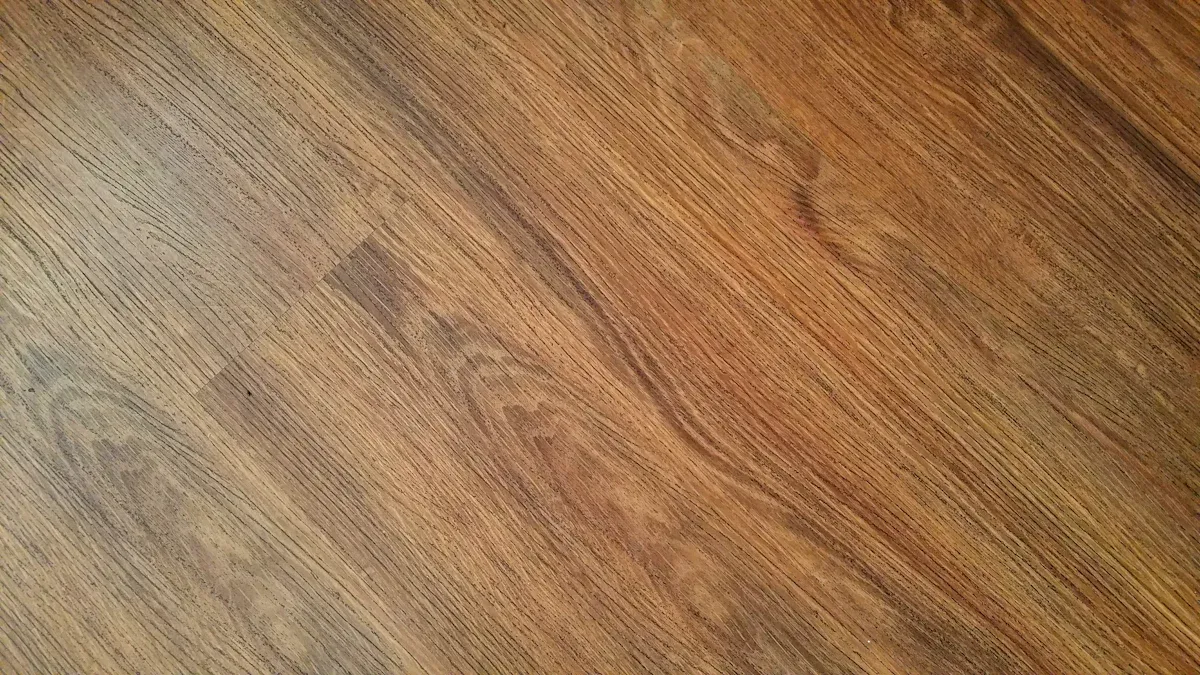
When you shop for the best vinyl sheet flooring, you want a surface that feels comfortable and stands up to daily life. Many people choose vinyl sheet flooring for its affordability, waterproof nature, and easy maintenance. You will find that modern sheet vinyl offers realistic visuals, mimicking luxury vinyl flooring or even natural materials.
Some common myths suggest vinyl flooring is outdated or flimsy, but the best type of vinyl flooring today features strong top coats that protect designs and provide long-lasting durability.
Appearance and Design Options in Vinyl Sheet Flooring
Realistic Looks and Textures
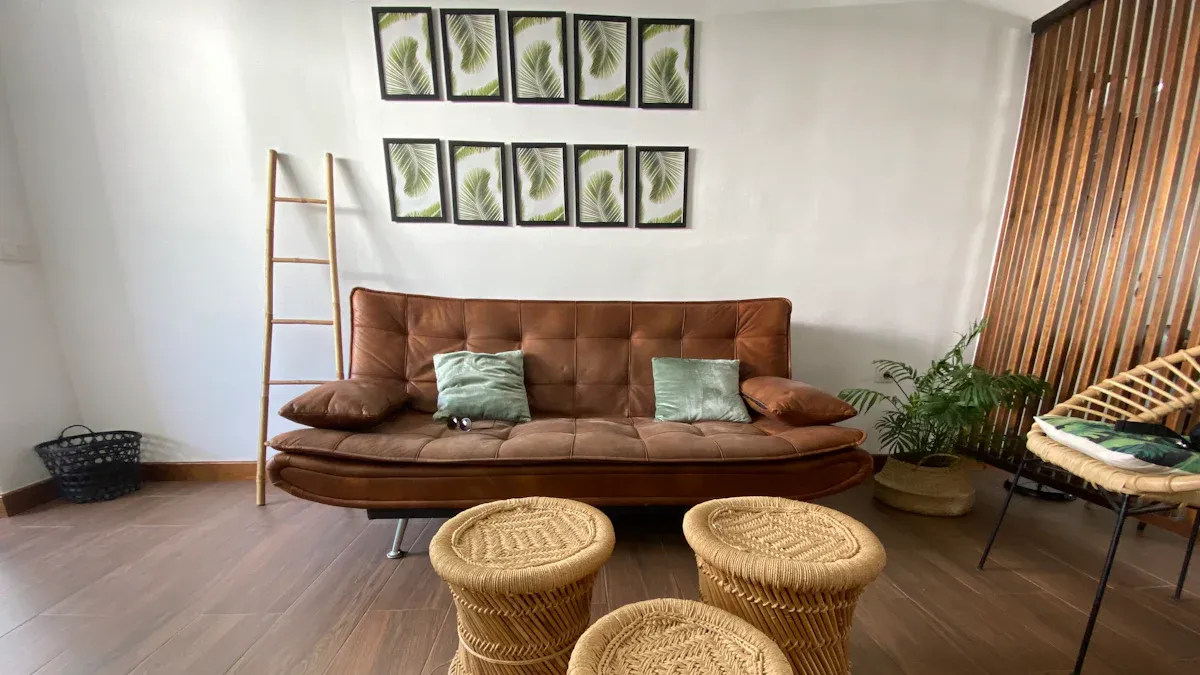
You can find vinyl sheet flooring that looks almost identical to real wood, stone, or tile. Manufacturers use high-definition printing to capture the fine details of natural materials. This process creates a design layer with realistic images and subtle variations. Embossed-in-register (EIR) technology matches the texture to the printed design, so you feel the grain of wood or the roughness of stone under your feet. Authentic sizing also helps sheet vinyl look more like the real thing. These advances make vinyl flooring products a smart choice if you want style and realism.
The design layer in vinyl flooring uses advanced scanning to capture every detail, making your floors look authentic and modern.
| Design Option | Description |
|---|---|
| Mixed Material Designs | Combining luxury vinyl with tile, hardwood, and carpet for unique layouts. |
| Textured Vinyl Flooring | Realistic designs with textures that mimic natural materials like wood and stone. |
| Sustainable Flooring | Options that include recycled content and low-VOC materials, appealing to eco-conscious buyers. |
| Luxury Vinyl Plank (LVP) | Features like wood-look planks and bold geometric layouts that enhance aesthetic appeal. |
Color Choices and Patterns
You have many color choices and patterns when you select sheet vinyl. Popular colors include warm greige, honey oak, coastal whitewashed planks, and rich espresso tones. These shades help you create a cozy or modern look in any room. Patterns like herringbone, chevron, and mixed wood tones are common in vinyl sheet styles. Some brands offer natural grain embossing and seamless transitions between indoor and outdoor spaces.
| Color Choices | Patterns |
|---|---|
| Warm Greige and Honey Oak Tones | Herringbone Patterns |
| Coastal Whitewashed Planks | Chevron Patterns |
| Rich Espresso and Charcoal Tones | Mixed Wood Tones and High Variation Designs |
| Distressed and Reclaimed Wood Looks | Natural Grain Embossing and Registered Finishes |
| Seamless Indoor-Outdoor Transitions with Vinyl Tile |
Neutral colors like soft grays and creamy whites can make your space feel larger and brighter. Designers also use bold hues such as navy blue, charcoal black, and blush tones to add personality to your home.
Trending Styles and Finishes
Today’s vinyl sheet flooring moves away from old-fashioned patterns. You now see dramatic improvements in design, with options that look like real hardwood, stone, or ceramic. Many sheet vinyl products feature light or dark wood, distressed or weathered finishes, and even textile backings for extra comfort and sound absorption. These updates make vinyl flooring a top pick for modern homes.
- Realistic hardwood, stone, and ceramic looks
- Distressed and weathered finishes
- Textile backing for comfort and sound absorption
- Enhanced warranties for peace of mind
You get design flexibility, budget-friendly prices, and easy installation with sheet vinyl. This makes it a great choice if you want to refresh your space without a big investment. With so many vinyl sheet styles, you can match any décor and enjoy lasting durability.
Durability and Performance of Best Vinyl Sheet Flooring
When you choose the best vinyl sheet flooring, you want a product that stands up to daily life. Durability and performance matter most if you have a busy home or business. Vinyl flooring gives you a strong surface that resists damage and keeps looking good for years.
Resistance to Scratches and Stains
Vinyl flooring stands out for its ability to resist scratches, dents, and stains. You can move furniture or drop objects without worrying about deep marks. This makes vinyl sheet flooring a smart choice for homes with kids or pets. Unlike hardwood, which can scratch easily, or laminate, which may stain, vinyl flooring products offer better protection.
- Vinyl sheet flooring is highly durable and resists scratches, dents, and stains.
- Laminate flooring also resists scratches but does not offer the same waterproofing as vinyl.
- Vinyl flooring is waterproof, so spills and messes do not soak in.
- Hardwood has moderate scratch resistance and low water resistance.
You can clean up spills quickly on vinyl flooring. The surface does not let stains set in, so your floors stay fresh and bright. This feature helps you keep your home looking its best with less effort.
Suitability for High-Traffic Areas
Vinyl flooring works well in high-traffic areas. You can install it in kitchens, hallways, or entryways where people walk often. Sheet vinyl has a seamless design that keeps spills from reaching the subfloor. This makes it a good choice for places where you need to keep things clean, like healthcare settings or busy family rooms.
| Feature | Description |
|---|---|
| Durability | Vinyl sheet flooring can handle heavy loads and lots of foot traffic. |
| Low Maintenance | You spend less time cleaning and caring for vinyl flooring. |
| Water Resistance | The surface is easy to clean and does not let water soak in. |
You will notice that vinyl flooring stays strong even when many people walk on it each day. The synthetic material, made mostly from PVC, helps it last longer than some other types of flooring. You do not have to worry about dirt or spills ruining your floors. The water resistance also makes vinyl flooring ideal for bathrooms, laundry rooms, and kitchens.
Tip: If you want a floor that looks great and handles lots of activity, vinyl sheet flooring is a top pick.
Longevity and Warranty
You want your floors to last for many years. High-quality vinyl flooring gives you that peace of mind. Many brands offer strong warranties that protect your investment. Some even provide lifetime structural and finish wear-through warranties.
| Warranty Type | Duration |
|---|---|
| Lifetime Structural Warranty | Lifetime |
| Lifetime Finish Wear-Through Warranty | Lifetime |
You can find brands like Armstrong, Mannington, Mohawk, Karndean, and COREtec that offer long-lasting protection. For example:
| Brand | Warranty Length |
|---|---|
| Armstrong | Limited lifetime residential, 10-year commercial |
| Mannington | More than 20 years |
| Mohawk | 25 years residential protection |
| Karndean | Comprehensive warranties |
| COREtec | Premium warranties |
Vinyl flooring can last for decades if you care for it properly. Most wear and tear comes from dirt, oil, or shoe soles, which can cause yellowing or discoloration in busy spots. Heat and sunlight may also fade the color, especially near windows or vents. You might see peeling edges or soft spots if moisture gets trapped under the floor. Scratches and dents can happen if you drag heavy furniture or drop sharp objects.
- Yellowing and discoloration from dirt or shoes
- Fading from heat or sunlight
- Peeling or soft spots from trapped moisture
- Scratches and dents from heavy or sharp objects
You can avoid most problems by cleaning your floors often and using pads under furniture. With proper care, your vinyl flooring will keep its beauty and strength for many years. Luxury vinyl flooring and sheet vinyl both offer excellent longevity, making them a wise choice for busy homes.
Comfort and Feel of Vinyl Sheet Flooring
Underfoot Cushioning
You want your floors to feel comfortable every time you walk on them. Vinyl flooring stands out because it offers a gentle give underfoot. Many luxury vinyl flooring options include cushioned layers that help reduce foot fatigue. This makes a big difference if you spend a lot of time standing or walking in your home. Unlike hardwood or tile, sheet vinyl feels soft and flexible. You notice the comfort as soon as you step on it.
Some vinyl sheet flooring comes with built-in underlayment. This extra layer adds comfort and helps absorb sound. The temperature of vinyl flooring stays neutral, so your feet feel good whether the weather is hot or cold. You do not get the cold shock that tile sometimes gives in winter. You also avoid the hard feeling of stone or ceramic.
Choosing the right underlayment can improve comfort even more. Here is a quick look at popular options:
| Type of Underlayment | Benefits | Comfort Underfoot |
|---|---|---|
| Felt Underlayment | Affordable, good noise reduction | Provides slight cushioning |
| Cork Underlayment | Excellent soundproofing, thermal insulation | Comfortable and cushioned feel |
| Foam Underlayment | Superior noise reduction, good moisture resistance | Good cushioning, but less support in high traffic areas |
Tip: If you want a softer feel, look for vinyl sheet flooring with cork or foam underlayment.
Warmth and Sound Absorption
Vinyl flooring helps create a cozy atmosphere in your home. Sheet vinyl does not feel as warm as carpet, which acts as a natural insulator. Carpet absorbs sound well, making rooms quieter. Vinyl sheet flooring offers some sound absorption, especially when it has a cushioned layer or underlayment. This feature helps reduce noise from footsteps, pets, or dropped objects.
- Carpet feels warmer and absorbs sound better than vinyl flooring.
- Vinyl flooring can feel colder and more sterile than carpet.
- Sheet vinyl provides a quieter environment when paired with the right underlayment.
You may notice that vinyl flooring does not trap heat like carpet. However, it stays comfortable in all seasons because it does not get too hot or too cold. If you have children or pets, the sound absorption of sheet vinyl helps keep your home peaceful. You can enjoy a comfortable and quiet space with the right flooring choice.
Installation of Vinyl Sheet Flooring

Installation Methods
You can install vinyl sheet flooring using several methods. Each method offers unique benefits and works best in different situations. The three most common methods are glue-down, click-lock, and loose lay. The table below shows the advantages and considerations for each:
| Installation Method | Advantages | Considerations |
|---|---|---|
| Glue-Down | Exceptional stability and durability. Ideal for high-traffic areas. Better moisture protection. Quieter performance. Easier to repair sections. No expansion gaps needed. | Requires a flawless subfloor. Higher installation costs. Labor-intensive removal. |
| Click-Lock | Faster installation. More forgiving of minor subfloor imperfections. Flexible for future changes. | Less stable in high-traffic areas. May require disassembly for repairs. |
| Loose Lay | Easy to install and remove. Can be laid over existing floors. | Less stable than glue-down. May shift under heavy furniture. |
Vinyl flooring can be installed with a permanent bond, a releasable bond, or as a loose lay. You should choose the method that matches your room’s needs, subfloor condition, and expected foot traffic.
Tip: Always make sure your subfloor is smooth and clean. Imperfections can show through sheet vinyl and affect the final look.
DIY vs. Professional Installation
You might wonder if you can install sheet vinyl yourself. Many homeowners choose the DIY route for small rooms. Click-lock and loose lay methods are easier for beginners. However, glue-down installation often needs professional skills. You must measure carefully, handle seams, and cut the vinyl sheet to fit tight spaces. Mistakes can lead to gaps or uneven surfaces.
- Taking precise measurements
- Managing seams for a seamless look
- Ensuring a smooth subfloor
- Cutting and fitting around corners
- Applying adhesive correctly
If you want the best results, consider hiring a professional. They have the tools and experience to handle vinyl flooring products and avoid common mistakes.
Suitable Rooms and Surfaces
Vinyl sheet flooring works well in many rooms. You can use it in kitchens, bathrooms, laundry rooms, and entryways. It also fits well in basements and family rooms. Sheet vinyl resists water and stains, making it a smart choice for areas with spills or moisture.
The table below lists suitable surfaces for installation:
| Suitable Surfaces for Vinyl Sheet Flooring Installation | Notes |
|---|---|
| Concrete (all grade levels) | Must be properly prepared |
| Ceramic tile, Terrazzo, Marble | Must be properly prepared |
| Approved suspended wood underlayments | Must be properly prepared |
| Polymeric poured (seamless) floors | Must be properly prepared |
| Single-layer, fully-adhered, existing resilient floors | Must be properly prepared |
| Existing resilient tile floors (on grade or suspended) | Must be properly prepared |
| Radiant-heated subfloors (≤ 85°F) | Must be properly prepared |
You should avoid installing vinyl flooring over carpet, particleboard, or cushion-backed vinyl. These surfaces do not provide enough support. Always check the manufacturer’s guidelines before starting your project.
Note: Proper surface preparation helps your luxury vinyl flooring last longer and look its best.
Maintenance and Care for Vinyl Flooring
Cleaning Requirements
You can keep vinyl flooring looking fresh with simple cleaning steps. Sweep or vacuum daily to remove dust and dirt. Wash your floor regularly with a non-abrasive, no-rinse cleaner. When you mop, use warm water and avoid soaking the floor. You should not use soap-based detergents, abrasive products, or wax because these can damage the surface. Clean walk-off mats often to stop dirt from spreading. For heavy-duty cleaning, use a deep cleaning floor stripper recommended by the manufacturer.
| Cleaning Requirement | Details |
|---|---|
| Daily Care | Sweep, dust mop, or vacuum to remove loose dust and debris. Clean mats frequently. |
| Regular Cleaning | Wash with a properly diluted vinyl-safe cleaner. |
| Periodic Care | Use a deep cleaning floor stripper as needed. |
| Product Recommendations | Use manufacturer-approved products. Avoid detergents, abrasives, or “mop and shine” products. |
Tip: Always use cleaning products made for vinyl sheet flooring to protect the finish.
Stain and Water Resistance
Vinyl sheet flooring resists stains and water better than many other types of flooring. You can clean spills quickly before they cause problems. Sheet vinyl is not completely waterproof, but it does not let most liquids soak in. Luxury vinyl flooring offers even stronger water resistance. You should avoid rubber-backed rugs because they can stain vinyl flooring. Vinyl composite tiles allow water to seep through seams, which can lead to stains.
| Flooring Type | Water Resistance | Stain Resistance |
|---|---|---|
| Vinyl Sheet Flooring | Decent, not completely waterproof | Easy to clean, sensitive to rubber-backed rugs |
| Luxury Vinyl Flooring | Completely waterproof | Easy to clean, highly resistant |
| Vinyl Composite Tiles | Allows water penetration through seams | Moderate, can stain easily |
Note: Place doormats at entrances to reduce dirt and moisture on your vinyl flooring.
Long-Term Upkeep
You can help vinyl sheet flooring last for years with regular care. Sweep daily to prevent scratches from dirt. Mop weekly with a mild, vinyl-safe cleaner and avoid using too much water. Wipe up spills right away to stop stains. Use furniture pads to protect against scratches. Rugs in high-traffic areas help keep dirt and moisture away. Trim pet nails often to prevent marks on the floor. Buffing with a polishing machine restores shine and removes minor scratches.
- Sweep daily to keep the surface clean.
- Mop weekly with a gentle cleaner.
- Clean spills immediately.
- Use pads under furniture.
- Place rugs in busy spots.
- Trim pet nails regularly.
| Flooring Type | Maintenance Requirements |
|---|---|
| Vinyl Sheet | Low maintenance, easy to clean, resists stains and scratches. |
| Hardwood | Needs careful maintenance, can be refinished. |
| Laminate | Low maintenance, but more likely to suffer moisture damage. |
Vinyl flooring is easy to care for and works well in every room. You do not need special treatments or refinishing like hardwood. Sheet vinyl stands up to daily life and keeps its good looks with simple upkeep.
When you choose the best vinyl sheet flooring, focus on what matters most for your home. Look for realistic designs, a thick wear layer, and easy care. Many homeowners like how vinyl feels soft and warm underfoot. You can clean it with simple sweeping and mopping. The table below shows what helps people feel satisfied with their floors:
| Factor | Description |
|---|---|
| Wear Layer Thickness | A thicker wear layer (0.3mm to 0.7mm) enhances durability and long-term quality. |
| Fitting Methods | Methods like click-fit provide better moisture protection, impacting perceived quality. |
| Core Types | Different cores (PVC, WPC, SPC) affect suitability for environments, influencing satisfaction. |
| Integrated Underlay | An underlay improves comfort and longevity, with built-in options often indicating higher quality. |
Choose features that fit your lifestyle so your floors stay beautiful and last for years.
FAQ
What rooms work best for vinyl sheet flooring?
You can install vinyl sheet flooring in kitchens, bathrooms, laundry rooms, and basements. This flooring resists water and stains, making it ideal for spaces with spills or moisture.
How do you clean vinyl sheet flooring?
Sweep or vacuum daily. Mop with a vinyl-safe cleaner. Avoid harsh chemicals and wax. Use a damp mop, not a wet one.
Tip: Always check the manufacturer’s cleaning instructions.
Can you install vinyl sheet flooring over old floors?
You can lay vinyl sheet flooring over concrete, tile, or wood if the surface is smooth and clean. Avoid installing over carpet or cushion-backed vinyl.
| Suitable Surface | Preparation Needed | |–|–| | Concrete | Yes | | Tile | Yes | | Wood | Yes |
Does vinyl sheet flooring scratch easily?
Vinyl sheet flooring resists scratches from shoes, pets, and furniture. You can protect your floor by using pads under furniture and trimming pet nails.
Note: Heavy or sharp objects may still cause damage.




