
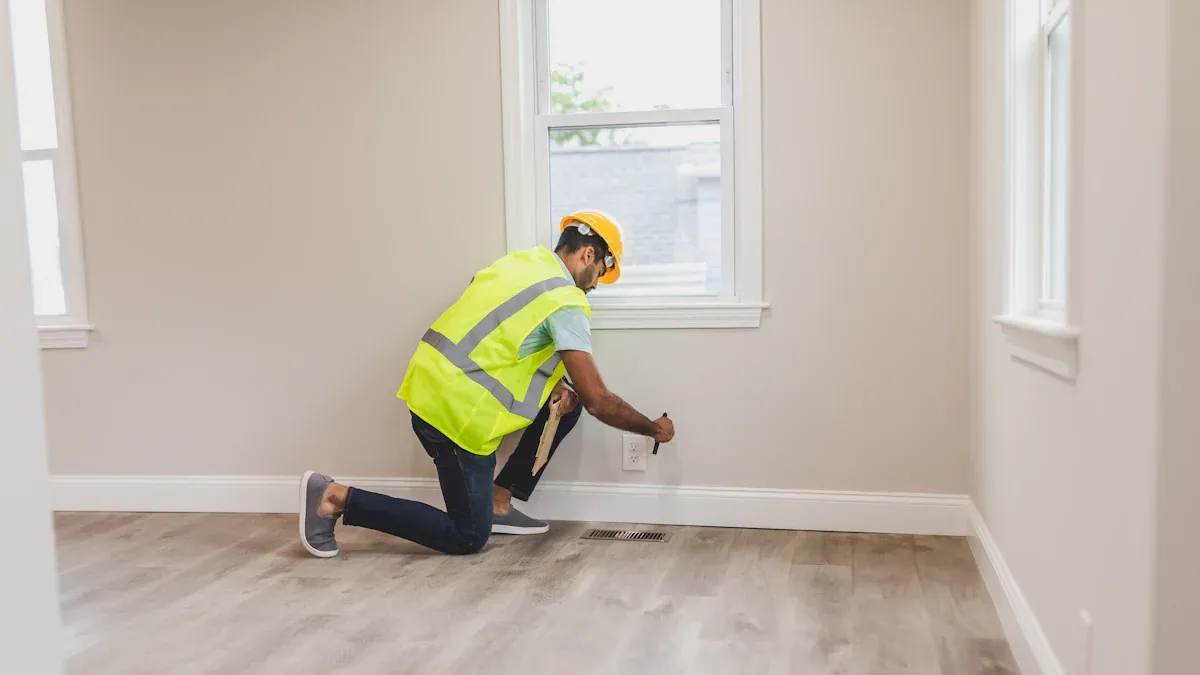
You might wonder if a moisture barrier is needed when installing vinyl plank flooring glued down. Many people believe vinyl is waterproof, so you can skip extra protection. This idea often leads to problems over time. Moisture can still impact your subfloor and adhesive. Protecting your floor ensures it stays strong and lasts longer.
Vinyl Plank Flooring Glued Down: The Moisture Barrier Question
Direct Answer: Is a Moisture Barrier Necessary?
You need a moisture barrier when installing vinyl plank flooring glued down, especially over concrete. Concrete subfloors are not waterproof. Moisture can seep up from below and damage your floor. If you skip the barrier, you risk mold, mildew, and adhesive failure. Many industry standards recommend using a moisture barrier for glue-down installations. The barrier protects your floor and helps it last longer.
You may find that some modern vinyl flooring comes with an attached underlayment. This underlayment often includes a built-in moisture barrier, unless it is cork. The underlayment also adds warmth and reduces noise. If your flooring does not have this feature, you should add a separate moisture barrier.
Tip: Always check the product label and installation instructions. Manufacturers often specify if a moisture barrier is required for your vinyl plank flooring.
The Most Common Misconception Explained
Many people believe that vinyl plank flooring is waterproof, so you do not need a moisture barrier. This idea is misleading. Vinyl plank flooring resists water on its surface, but moisture can still build up underneath. If you do not manage moisture, it can get trapped below the planks. Mold and mildew may grow, which can harm your health and damage your floor.
Proper installation and sealing around the edges help keep moisture out. You must protect the subfloor and adhesive from water. The waterproof nature of vinyl plank flooring does not mean you can ignore moisture protection. You need to take steps to prevent problems before they start.
- Moisture barriers stop water from reaching the subfloor.
- They help prevent mold and mildew.
- They protect the adhesive and keep your floor stable.
If you want your vinyl plank flooring glued down to last, you must use a moisture barrier. This simple step keeps your floor safe and strong.
Misconceptions About Moisture Barriers and Vinyl Plank Flooring Glued Down
“Vinyl Plank Is Waterproof, So Moisture Barriers Are Unnecessary”
You may think that vinyl plank flooring is waterproof, so you do not need a moisture barrier. This belief can lead to costly mistakes. Vinyl plank flooring resists water on its surface, but moisture can still seep up from the subfloor. If you install vinyl plank flooring glued down without a moisture barrier, water can reach the adhesive and cause it to fail. Mold and mildew may grow under the floor, even if the top stays dry. You must protect the subfloor and adhesive from hidden moisture.
Note: Surface water resistance does not equal total protection. Moisture barriers stop water from rising beneath your flooring and help prevent long-term damage.
“All Subfloors Are the Same for Glue Down Installations”
You might assume that all subfloors need the same moisture protection. This is not true. Concrete and wood subfloors require different types of barriers. For concrete, you need a Class I moisture barrier to block moisture from rising. For wood, a Class II moisture retardant is necessary. If you use the wrong barrier, you risk damaging your vinyl plank flooring. Consumer surveys show that many people believe old concrete is always dry or that surface testing gives accurate moisture readings. These ideas are incorrect. Moisture can move through concrete and wood in different ways.
- Concrete subfloors need strong moisture barriers.
- Wood subfloors need moisture retardants.
- Testing the subfloor is important before installation.
“Moisture Barriers Are Only Needed in Basements”
Some people believe moisture barriers are only necessary in basements. This misconception can cause problems in other parts of your home. Moisture barriers are important in kitchens, bathrooms, and areas with high humidity. Climate conditions also affect where you need protection. Vapor barriers prevent moisture migration, which can cause hidden damage and expensive repairs. You should use moisture barriers beneath vinyl plank flooring in any area where moisture might be present.
- Moisture barriers protect against hidden water damage.
- You need them in basements, kitchens, bathrooms, and humid rooms.
- Climate and location influence the need for moisture protection.
Tip: Always check your home’s conditions and follow manufacturer recommendations for moisture barriers.
“Adhesive Alone Protects Against Moisture”
Many people think that using a strong adhesive will protect your vinyl plank flooring from moisture. This idea is not correct. Adhesives help hold the floor in place, but they do not block water or vapor from reaching the subfloor. If you rely only on adhesive, you risk moisture seeping through and causing damage. Over time, water can break down the glue and lead to loose planks or bubbling. Mold and mildew may also grow under the floor.
Note: Always use a moisture barrier with your adhesive to keep your floor safe and secure.
“Skipping the Barrier Saves Money Without Risk”
You might want to skip the moisture barrier to save money. This choice can lead to bigger costs later. If you do not use a barrier, water can damage your vinyl plank flooring and the subfloor. Repairs for mold, mildew, or warped planks often cost much more than the price of a barrier. You protect your investment by using the right products from the start.
- Moisture barriers prevent hidden water damage.
- They help your floor last longer.
- You avoid expensive repairs in the future.
“Any Moisture Barrier Works with Vinyl Plank Flooring Glued Down”
Not all moisture barriers work with every type of vinyl plank flooring glued down. You need to choose a barrier that matches your flooring and adhesive. Some products are made for floating floors, while others work for glue-down installations. For example, QuietWalk LV is designed for both floating and glue-down vinyl plank flooring. It uses Dri-Wick Technology to manage vapor and protect against moisture. Bruce Summit Select Unlimited Moisture Vapor Barrier Elastomeric Wood Flooring Adhesive also offers strong moisture control and does not require extra testing for moisture levels.
| Feature | QuietWalk LV | Bruce Summit Select Unlimited Moisture Vapor Barrier Adhesive |
|---|---|---|
| Compatibility | Floating & glue down vinyl plank flooring | Glue down vinyl plank flooring |
| Water Protection | Dri-Wick Technology | Unlimited moisture protection |
| Extra Benefits | Sound protection, insulation | No RH, pH, or MVER testing needed |
Tip: Always check the manufacturer’s instructions to make sure your moisture barrier and adhesive are compatible with your vinyl plank flooring.
“Vapor Barriers Always Trap Moisture and Cause Damage”
You may hear that vapor barriers always trap moisture and cause damage under vinyl plank flooring. This idea can confuse many homeowners. Vapor barriers play an important role in protecting your floor from moisture. When you install vinyl plank flooring, you need to understand how vapor barriers work.
Vapor barriers stop water vapor from moving up through the subfloor. If you use them correctly, they help keep your floor dry and safe. Problems usually happen when you install the barrier incorrectly or ignore the moisture levels in your subfloor. You must test the subfloor for moisture before you start the installation.
Some people worry that vapor barriers will trap moisture and lead to mold or damage. Research shows that high moisture levels beneath vinyl plank flooring increase the risk of mold growth. Vinyl flooring blocks moisture exchange, so water can get trapped underneath. This can cause bubbling, warping, cupping, and mold growth. These problems often come from improper installation or high moisture environments.
You can avoid these issues by following these steps:
- Test the subfloor for moisture before installing vinyl plank flooring.
- Choose the right vapor barrier for your project.
- Install the vapor barrier according to the manufacturer’s instructions.
- Make sure the room has proper ventilation.
Tip: You protect your investment when you use vapor barriers correctly. They help prevent mold and keep your vinyl plank flooring glued down stable.
You do not need to fear vapor barriers if you follow best practices. They help keep your floor safe from moisture. You make your vinyl plank flooring last longer and avoid costly repairs.
When and Where to Use a Moisture Barrier for Vinyl Plank Flooring Glued Down
Concrete Subfloors and Moisture Risks
You need to pay close attention to concrete subfloors. Concrete can hold moisture for a long time. Water vapor rises from the slab and reaches the surface. If you install vinyl plank flooring glued down without a moisture barrier, you risk damage. Moisture can break down the adhesive and cause the planks to loosen. You may see bubbling or warping. Testing the concrete for moisture before installation helps you avoid problems. You should use a moisture barrier to block water from moving up through the slab.
Tip: Always check the moisture level of your concrete subfloor. Use a moisture barrier if the readings are above the recommended limits.
Wood Subfloors and Moisture Considerations
Wood subfloors need careful moisture management. Wood absorbs water and swells. If you install vinyl plank flooring glued down over wood with high moisture, you risk mold and floor movement. You should check the moisture content of the wood before starting. The recommended range is 6-9% moisture content. This matches a relative humidity of 30-50% and a temperature between 60 and 80 degrees Fahrenheit.
- Check the moisture content of wood subfloors before installation.
- Keep the moisture content between 6-9%.
- Use a vapor retarding barrier to prevent moisture problems.
- Avoid impermeable membranes that trap moisture.
High Humidity and Water-Prone Areas
Rooms with high humidity or water exposure need extra protection. Kitchens, bathrooms, and laundry rooms often have more moisture. If you skip moisture barriers in these areas, you risk damage. A homeowner saw bubbling and loosening of vinyl plank flooring within two months because the concrete slab had high moisture levels. The readings were between 22-28%. The vinyl popped up and took the floor with it. This shows the importance of moisture testing and barriers in humid spaces.
Alert: Always use moisture barriers in rooms with high humidity or water exposure. You protect your floor and avoid costly repairs.
Following Manufacturer Recommendations (Including skspcflooring Guidance)
You need to follow the manufacturer’s instructions when installing glue down vinyl plank flooring. Each brand gives specific guidance for moisture barriers. These instructions help you avoid mistakes and protect your floor from damage.
Manufacturers test their products in different conditions. They know which moisture barriers work best with their flooring and adhesives. If you ignore these recommendations, you risk voiding your warranty. You also increase the chance of mold, mildew, or adhesive failure.
SK-Floor, also known as skspcflooring, provides clear guidance for moisture protection. The company follows international standards like ISO9001 and ASTM. You can trust their advice because they test their flooring for durability and safety.
Tip: Always read the product label and installation manual before starting your project. Look for details about moisture barrier requirements.
Here are steps you should take:
- Check the installation instructions from the flooring manufacturer.
- Identify the recommended type of moisture barrier for your subfloor.
- Use the correct adhesive that matches both the flooring and the barrier.
- Test your subfloor for moisture levels before installation.
- Contact skspcflooring experts if you have questions.
| Step | Action | Why It Matters |
|---|---|---|
| 1 | Read instructions | Prevents mistakes |
| 2 | Choose barrier | Matches flooring needs |
| 3 | Select adhesive | Ensures compatibility |
| 4 | Test subfloor | Avoids hidden moisture |
| 5 | Ask experts | Gets professional advice |
SK-Floor’s team can help you select the right products. You get support for installation and maintenance. You protect your investment by following their guidance.
Alert: If you skip manufacturer recommendations, you risk costly repairs and warranty loss.
You make your flooring last longer when you follow expert advice. Always trust the instructions from skspcflooring and other manufacturers.
How to Properly Use a Moisture Barrier with Vinyl Plank Flooring Glued Down
Types of Moisture Barriers Suitable for Glue Down Installations
You have several options when choosing a moisture barrier for glue down vinyl plank flooring. Sheet membranes, liquid-applied barriers, and specialized underlayments are the most common types. Sheet membranes come in rolls and cover the subfloor before you start installing vinyl plank flooring. Liquid-applied barriers spread over the surface and dry to form a protective layer. Some underlayments combine sound reduction with moisture protection. Each type works best for different subfloors and room conditions. You should always check the product label to see if it matches your flooring and adhesive.
Tip: Choose a moisture barrier that fits your subfloor and the specific needs of your space.
Installation Steps for Moisture Barriers
You can avoid common mistakes by following the right steps. First, clean and dry the subfloor. Remove dust, dirt, and old adhesive. Next, test the subfloor for moisture using a moisture meter. High moisture levels mean you must use a moisture barrier. Roll out or apply the barrier according to the instructions. Overlap seams and seal edges to stop water from getting through. Let liquid barriers dry completely before installing vinyl plank flooring. If you rush this step, you risk installation errors and future damage.
A table can help you remember the steps:
| Step | Action | Why It Matters |
|---|---|---|
| 1 | Clean subfloor | Ensures good adhesion |
| 2 | Test for moisture | Prevents hidden damage |
| 3 | Apply barrier | Blocks water vapor |
| 4 | Seal seams and edges | Stops leaks |
| 5 | Let dry (if liquid) | Avoids installation errors |
Ensuring Compatibility with Adhesives
You must make sure your adhesive works with your chosen moisture barrier. Always follow the manufacturer’s recommendations for both products. Using the wrong adhesive can void your warranty and cause problems later. Before installing vinyl plank flooring, check the moisture level of your subfloor. High moisture means you need a barrier and a compatible adhesive. If you feel unsure, talk to a product representative or flooring expert. This step helps you avoid common mistakes and keeps your floor strong for years.
Note: The right combination of moisture barrier and adhesive protects your investment and prevents costly repairs.
Common Mistakes to Avoid
You want your glue down vinyl plank flooring to last for years. Avoiding common mistakes during moisture barrier installation helps you achieve this goal. Many homeowners overlook important steps, which can lead to costly repairs and floor damage.
Here are some common mistakes you should watch out for:
- Not preparing the subfloor properly. If you skip cleaning, drying, or leveling the subfloor, you risk warping or buckling. Always make sure the surface is smooth and free from debris.
- Installing over uneven or wet subflooring. Moisture can cause the planks to lift or become damaged. Use a moisture meter to check humidity levels and confirm the subfloor is dry before starting.
- Not acclimating the vinyl plank flooring. You need to let the planks adjust to the room’s temperature and humidity for at least 48 hours. This step prevents expansion or contraction after installation.
- Not leaving expansion gaps. Vinyl plank flooring expands and contracts with changes in temperature. Leave a gap of about 1/4 inch around the edges to allow for movement.
- Using the wrong adhesive. Always use the adhesive recommended by the manufacturer. The wrong adhesive can cause poor bonding and lead to loose planks.
Tip: Take your time with each step. Rushing the process increases the chance of making mistakes.
You can avoid these common mistakes by following the instructions from the flooring manufacturer and checking your subfloor conditions. If you feel unsure, ask a professional or contact skspcflooring for expert advice. Careful preparation and attention to detail help your flooring stay beautiful and strong.
Risks of Ignoring Proper Moisture Protection for Vinyl Plank Flooring Glued Down

Mold and Mildew Growth
You face serious risks when you skip moisture protection under glue down vinyl plank flooring. Mold and mildew can grow quickly if moisture builds up beneath the planks. Vinyl flooring blocks humidity exchange, so water gets trapped underneath. This creates a humid microclimate that helps mold thrive. Mold can damage your subfloor and even affect the building’s framing. You may not see the mold right away, but it can spread and contaminate the air in your home. Plumbing leaks, spills, or high humidity make the problem worse.
- Mold grows when moisture gets trapped under vinyl plank flooring.
- Hidden mold damages subfloors and framing.
- Mold contaminates indoor air and poses health risks.
- Moisture from leaks or spills creates a humid environment for mold.
Tip: Always check for moisture before installing vinyl plank flooring. You protect your home and health by using a proper moisture barrier.
Flooring Damage and Adhesive Failure
Moisture can cause your flooring to fail. When water seeps up from the subfloor, it weakens the adhesive. Planks may loosen, bubble, or warp. You might notice soft spots or uneven surfaces. Over time, the damage spreads and makes your floor unsafe. Repairs can cost much more than installing a moisture barrier at the start. You keep your floor stable and strong when you block moisture from reaching the adhesive.
- Moisture weakens adhesive and causes planks to lift.
- Bubbling and warping make the floor uneven.
- Repairs for damaged flooring are expensive.
Alert: Protect your investment by preventing moisture from reaching the adhesive.
Voiding Manufacturer Warranties
Ignoring moisture protection can void your manufacturer warranty. Many brands, including MSI, offer limited lifetime warranties for residential glue down vinyl plank flooring. These warranties cover defects and wear, but they require proper installation. If you skip the moisture barrier, you risk losing coverage. Manufacturers expect you to follow their instructions. You avoid costly repairs and keep your warranty valid by using moisture protection.
| Warranty Feature | Typical Coverage |
|---|---|
| Residential Use | Limited Lifetime |
| Defects & Wear | Included |
| Moisture Barrier | Required |
Note: Always follow manufacturer guidelines to keep your warranty active and protect your flooring.
Costly Repairs and Replacement
You risk expensive repairs when you ignore moisture protection for glue down vinyl plank flooring. Water damage can cause your planks to lift, bubble, or warp. You may need to replace sections of your floor or even the entire installation. Mold and mildew can spread under the flooring. You might have to remove the planks, clean the subfloor, and install new flooring. This process takes time and costs money.
You can see the impact in the following table:
| Problem | Repair Action | Estimated Cost |
|---|---|---|
| Mold Growth | Remove, clean, replace | $500 – $2,000+ |
| Adhesive Failure | Re-glue, replace planks | $300 – $1,500+ |
| Warping/Bubbling | Replace damaged area | $400 – $2,500+ |
Alert: Skipping a moisture barrier can turn a simple installation into a costly project. You protect your investment by using proper moisture protection.
You may think you save money by skipping the barrier. In reality, you pay more for repairs and replacement. You also lose time and face inconvenience. You must remove furniture, clear the room, and wait for repairs. You may need to buy new materials and pay for labor.
You avoid these problems by following manufacturer guidelines and using a moisture barrier. You keep your floor strong and beautiful. You save money and stress. You make a smart choice for your home.
Tip: Always check your subfloor and use the right moisture barrier. You prevent costly repairs and keep your vinyl plank flooring glued down in top condition.
Practical Tips for Homeowners and DIYers from skspcflooring
Checking Subfloor Moisture Levels
You need to check the moisture level of your subfloor before you install glue down vinyl plank flooring. This step helps you avoid future problems like mold or adhesive failure. You can use simple tools and tests to measure moisture.
- Use a moisture meter to check the subfloor. This tool gives you a quick reading.
- Try a relative humidity (RH) test. Drill a small hole in the concrete and place a probe inside. The probe measures the moisture level deep in the slab.
- Make sure the moisture content and relative humidity meet the manufacturer’s standards.
- If you see a reading above 4.5% moisture content, you should not install the flooring yet. High moisture can cause damage.
Tip: Always test several spots on the subfloor. Moisture can vary in different areas.
Reading Product Labels and Installation Instructions
You should always read the product labels and installation instructions before starting your project. These documents tell you what you need for a safe and long-lasting floor. Look for details about moisture barriers, adhesives, and subfloor requirements.
Manufacturers include important information on their packaging and manuals. You will find the recommended moisture levels, the right type of barrier, and the best adhesive to use. Following these instructions helps you avoid mistakes and keeps your warranty valid.
Alert: Skipping the instructions can lead to costly errors and void your warranty.
Consulting Professionals or skspcflooring Experts When Unsure
If you feel unsure about any step, you should talk to a flooring professional or reach out to skspcflooring experts. Getting advice from specialists can save you time and money.
- Professionals give you advice that fits your project.
- Experts help you choose the best moisture barrier for your space.
- Guidance from professionals helps you avoid expensive mistakes during installation.
You can contact skspcflooring for support. Their team understands the products and can answer your questions. You protect your investment when you ask for help.
Note: It is always better to ask questions than to risk problems later.
You protect your vinyl plank flooring when you use a moisture barrier and follow installation instructions. High-quality underlayment stops water from reaching the subfloor. You extend the life of your floor by investing in good materials and professional installation. Always follow manufacturer and skspcflooring guidelines. Clean and level the subfloor, apply adhesive as directed, and install planks in the recommended pattern. These steps help you avoid costly repairs and keep your flooring strong for years.
FAQ
Do you need a moisture barrier for glue down vinyl plank flooring?
You need a moisture barrier if you install vinyl plank flooring over concrete or in humid areas. This barrier protects your floor from water damage and keeps the adhesive strong.
How do you test your subfloor for moisture?
You can use a moisture meter or a relative humidity test. These tools help you find hidden moisture. Always check several spots to get accurate results.
Can you use any moisture barrier with vinyl plank flooring?
You must choose a moisture barrier that matches your flooring and adhesive. Always read the manufacturer’s instructions. Some barriers work only for certain types of floors.
What happens if you skip the moisture barrier?
You risk mold, mildew, and adhesive failure. Your floor may bubble or warp. Repairs cost much more than installing a barrier at the start.
Who can help you choose the right moisture barrier?
You can ask flooring professionals or contact skspcflooring experts. They help you select the best products and answer your questions.




