
When you look at the cost to lay vinyl plank flooring, you will see prices range from $9.16 to $13.63 per square foot. This includes both materials and labor. Your choice of core design can help you save money and boost how your flooring performs. Take a look at how different cores compare:
| Feature | SPC (Stone Plastic Composite) | WPC (Wood Plastic Composite) |
|---|---|---|
| Core Composition | Rigid stone-polymer core | Softer wood-polymer core |
| Durability | More resistant to dents and moisture | Better underfoot comfort |
| Price | Generally more affordable | Slightly higher |
| Best Use | Kitchens, basements, high-traffic areas | Bedrooms, offices, low-noise zones |
You should know both the cost and core type before you choose your vinyl plank flooring. This helps you get the right flooring for your space and budget.
Cost to Lay Vinyl Plank Flooring: What to Expect
Material Costs for Vinyl Plank Flooring
When you plan your flooring project, you need to know the material costs first. The cost to lay vinyl plank flooring depends on the type and quality you choose. Most luxury vinyl flooring and luxury vinyl plank flooring options range from $2 to $7 per square foot for materials alone. You will find that some brands offer premium features, such as thicker wear layers or enhanced water resistance, which can increase the price. If you want a realistic wood look, luxury vinyl plank flooring gives you that style without the high price of hardwood. Many homeowners choose luxury vinyl flooring because it is durable, attractive, and budget-friendly.
You can select from a wide range of colors and textures. Some luxury vinyl plank flooring products have embossed surfaces that mimic real wood grain. This feature adds to the cost but also boosts the visual appeal of your flooring. Always check the specifications before you buy. The right choice will help you balance cost and performance.
Labor Costs for Vinyl Plank Flooring Installation
Labor is a big part of the total cost to lay vinyl plank flooring. The installation cost can vary based on the method and your location. Here are some typical labor costs for different types of vinyl plank flooring installation:
- Click-lock vinyl plank: $1.50 to $3.00 per square foot
- Glue-down vinyl plank: $2.50 to $4.00 per square foot
- Luxury vinyl plank and tile: $2.00 to $5.00 per square foot
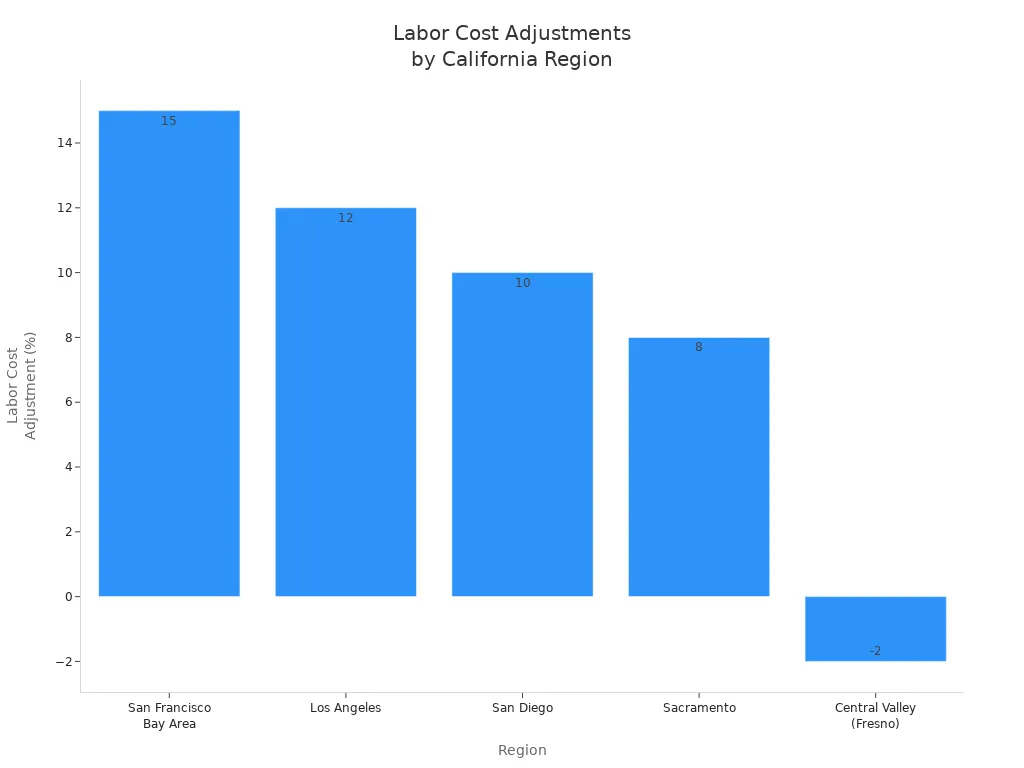
You may see the total installation cost, including materials and labor, range from $4 to $10 per square foot. The price can go up if you live in a high-cost area. For example, labor costs in the San Francisco Bay Area are about 15% higher than average. Here is a table that shows how labor costs change by region:
| Region | Labor Cost Adjustment |
|---|---|
| San Francisco Bay Area | +15% |
| Los Angeles | +12% |
| San Diego | +10% |
| Sacramento | +8% |
| Central Valley (Fresno) | -2% |
If you want to save money, you can install luxury vinyl plank flooring yourself. However, professional installation ensures a smooth finish and can save you time.
Additional Expenses: Underlayment, Removal, and Tools
You should also plan for extra costs when you install new flooring. Underlayment is often needed for luxury vinyl flooring and luxury vinyl plank flooring. It adds comfort and helps reduce noise. Underlayment costs range from $0.30 to $1.50 per square foot. Some types of vinyl plank flooring come with attached underlayment, which can save you money.
If you need to remove old flooring, you will have extra expenses. Removal and disposal fees depend on the size of your space and the type of old flooring. You may also need to buy or rent tools for the job. These tools include utility knives, spacers, and tapping blocks. Planning for these costs helps you avoid surprises during your vinyl plank flooring installation.
Tip: Always check if your new luxury vinyl plank flooring needs a moisture barrier or special underlayment. This step protects your investment and keeps your flooring looking great for years.
When you add up material, labor, and extra expenses, you get a clear picture of the total cost to lay vinyl plank flooring. Careful planning helps you stay within your budget and enjoy beautiful, long-lasting flooring in your home.
Vinyl Plank Flooring Core Design Explained
What Is Core Design in Vinyl Plank Flooring?
When you choose vinyl plank flooring, you need to understand the core design. The core is the main structural layer inside each plank. This layer gives the flooring its strength and stability. A strong core helps your floor resist dents, moisture, and heavy foot traffic. You want your luxury vinyl flooring to last for years, so the core design matters a lot.
A thicker core layer makes the flooring more durable. It also feels better under your feet and absorbs sound. If you want easy installation and high quality, look for flooring with a solid core. The core design is the reason why luxury vinyl flooring can handle busy homes and commercial spaces.
- Thicker core layers enhance durability and performance.
- They provide better underfoot comfort and sound absorption.
- Core thickness is crucial for easy installation and overall quality.
Types of Core: WPC, SPC, and Rigid Core
You will find several types of core designs in vinyl plank flooring. The most common are WPC (Wood Plastic Composite), SPC (Stone Plastic Composite), and rigid core. Each type has its own features and benefits.
| Feature | WPC (Wood Polymer Composite) | SPC (Stone Plastic Composite) |
|---|---|---|
| Core Material | Wood pulp and extruded foam | Limestone or calcium carbonate |
| Density | Lighter and less dense | Denser and heavier |
| Comfort | Softer and warmer underfoot | Harder and less comfortable |
| Sound Absorption | Better sound absorption | More likely to reflect sound |
| Indentation Resistance | More prone to denting | More resistant to indentation |
| Temperature Stability | More likely to expand/contract | Less likely to expand/contract |
WPC core uses wood pulp and foam. This makes the flooring feel soft and warm. You will notice better sound absorption with WPC. However, it can dent more easily and may cost more. SPC core uses stone powder and plastic. This makes the flooring very dense and stable. SPC resists dents and handles temperature changes well. Rigid core flooring can use either WPC or SPC. It offers easy installation and works in many settings.
| Flooring Type | Advantages | Disadvantages |
|---|---|---|
| WPC | Enhanced comfort underfoot, good for homes | More prone to denting, lower durability, higher cost |
| SPC | Superior durability, ideal for high-traffic areas | Hardness underfoot, can feel cold |
| Rigid Core Vinyl | Versatile, easy installation | Varies by product |
You should match the core type to your needs. For bedrooms or quiet spaces, WPC luxury vinyl flooring gives you comfort. For kitchens or busy areas, SPC luxury vinyl flooring gives you strength and stability.
Core Design Impact on Durability and Comfort
The core design affects how your vinyl plank flooring performs every day. If you have a busy home or a commercial space, you need flooring that can handle heavy foot traffic. Luxury vinyl flooring with a strong core resists dents and impacts. The multi-layer construction, including a tough vinyl backing and a protective top layer, adds even more durability.
- Luxury vinyl tile is designed to withstand heavy foot traffic and rolling equipment.
- The multi-layer build includes a high-strength vinyl backing and a protective top coating.
- The core structure of SPC or WPC flooring provides stability and resistance to dents and impacts.
Comfort also depends on the core. WPC flooring feels warmer and softer underfoot because of its wood fiber core. Many people notice this right away. SPC flooring feels more rigid and dense. Some people prefer the solid feel, while others like the softness of WPC.
“Living on Coretec floors is different from what I’ve experienced in the past. Pretty immediately, I noticed it’s softer. It’s just more comfortable.” – Coretec customer, Georgia
The wood in the core makes the floor feel warmer than SPC. The wood fiber also adds softness. If you want a cozy feel, WPC luxury vinyl flooring is a good choice. If you want maximum durability, SPC luxury vinyl flooring is best for you.
When you understand core design, you can choose the right vinyl plank flooring for your space. You get the comfort, durability, and style you want from your luxury vinyl flooring.
How Core Affects Water Resistance and Maintenance
You need to know how the core of vinyl plank flooring impacts water resistance and maintenance. The core acts as the main barrier against moisture. Rigid core vinyl flooring, especially those with SPC cores, stands out for its waterproof qualities. The dense, solid construction blocks water from seeping through, even if you have standing water for a long time. This makes SPC flooring a smart choice for kitchens, bathrooms, and basements where spills and humidity are common.
Flexible luxury vinyl plank flooring also offers good water resistance. However, the performance depends on how well you install it. If you leave gaps between planks, moisture can slip through and reach the subfloor. You must pay attention to installation details to keep your floor dry and safe.
Tip: Always check the edges and seams after installation. Tight seams help prevent water from getting underneath your flooring.
WPC flooring uses a rigid expanded PVC core. SPC flooring features a solid PVC core. Each type handles moisture differently. WPC is more forgiving if you spill water, but SPC gives you stronger protection against leaks and puddles. You can trust SPC flooring to act as one of the best waterproof materials for your home.
Maintenance for vinyl plank flooring is simple, but you need to follow the right steps. You should clean your floor regularly to keep it looking new and to protect the core layer. Here are some easy maintenance tips:
- Clean your floor with a damp mop and a gentle cleaner.
- Avoid harsh chemicals that can damage the surface.
- Place felt pads under furniture to prevent scratches.
You must follow these guidelines to keep your flooring strong and beautiful. Proper care helps your floor last longer and keeps the core layer working as it should.
Note: If you use the right cleaning products and avoid too much water, you protect both the surface and the core. This keeps your vinyl plank flooring in top shape for years.
You see that the core design not only affects water resistance but also makes maintenance easier. Choosing the right core type gives you peace of mind and helps you enjoy your flooring without worry.
Save Money With Smart Core Choices from skspcflooring
Comparing Core Types for Best Value
When you shop for vinyl plank flooring, you want the best value for your money. Rigid core options, like SPC, give you more dent resistance and waterproof protection. These floors last longer, so you save money over time, even if the initial cost is higher. Flexible luxury vinyl flooring may seem cheaper at first, but it can wear out faster and may need replacement sooner. At skspcflooring, you find SPC flooring that is usually less expensive than WPC because of its simpler manufacturing process. WPC flooring costs a bit more, but it feels softer and warmer underfoot.
- Rigid core: More durable, waterproof, and a smart long-term investment.
- Flexible LVP: Lower upfront price, but may not last as long.
- SPC: Affordable and tough, ideal for busy spaces.
- WPC: Comfortable and quiet, great for bedrooms or living rooms.
Tips for Choosing Cost-Effective, High-Performance Flooring
You can get high-quality luxury vinyl flooring without overspending. Start by looking at the wear layer thickness. Thicker wear layers mean better durability. For most homes, a 12 mil wear layer is enough, but for high-traffic areas, go for 20 mil or more. Bring a room profile when you visit a showroom. This helps you match the right flooring to your space. If your subfloor is not perfectly level, WPC or sheet vinyl may work better than rigid SPC planks. You do not need the most expensive luxury vinyl plank to get great results. Focus on the features that matter for your needs.
| Area Type | Core Type | Wear Layer Thickness | Minimum Thickness |
|---|---|---|---|
| High-traffic, kitchens, pets | SPC | 20 mil | 5-6mm |
| Living rooms, bedrooms | WPC | 12-20 mil | 6-8mm |
| Basements, moisture-prone | Either | Waterproof rating | N/A |
| Budget projects | N/A | 12 mil | N/A |
Tip: You do not have to buy the priciest flooring. A 12 mil wear layer with solid construction is often enough for most homes.
Where to Buy Vinyl Plank Flooring and Find the Best Deals
You can find quality luxury vinyl flooring at trusted retailers and online stores. District Floor Depot offers a wide range of styles and fast shipping. Floors To Your Home is a family-owned outlet with big discounts and direct shipping. For direct factory pricing and global standards, skspcflooring gives you access to a variety of luxury vinyl plank and SPC flooring options. You get durable, stylish flooring and professional support for your installation.
Vinyl Plank Flooring Installation Tips for Homeowners
DIY vs. Professional Installation: Pros and Cons
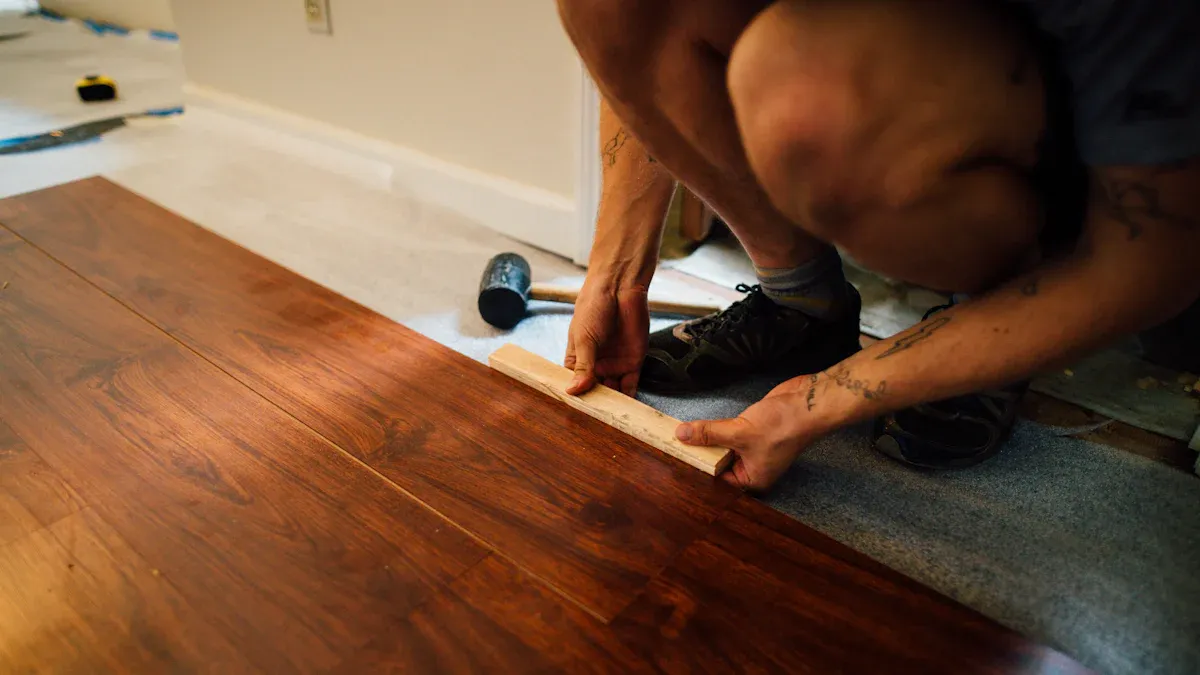
You have two main choices for vinyl plank flooring installation: doing it yourself or hiring a professional. Each option has benefits and drawbacks. If you choose to diy install, you save money on labor. Homeowners often save between $900 and $1,500 for 1,000 square feet. This lets you spend more on better materials for your flooring. The quality of your vinyl plank flooring depends on your skill and the tools you use. You may need more time, and you must plan carefully. Professional installation costs more upfront, but you get high-quality results and fewer repairs. Experts finish the job quickly and with less disruption.
| Aspect | DIY Installation | Professional Installation |
|---|---|---|
| Cost | Lower upfront cost; no labor fees | Higher upfront cost; fewer repairs |
| Quality | Depends on skill and tools | Consistent, professional precision |
| Time | Slower; fits your schedule | Fast and efficient |
| Convenience | Requires planning and learning | Turnkey service; guaranteed results |
Tip: If you want to save money and learn new skills, try diy install. If you want a perfect finish and less stress, hire a professional.
Preparing for Vinyl Plank Flooring Installation
You must prepare your space before starting vinyl plank flooring installation. Begin by checking that your subfloor is solid and sound. Clean and level the surface to create a stable base for your flooring. Install permanent fixtures, such as cabinets or tubs, before laying the planks. Measure your room and plan the layout. Leave a 1/4-inch gap around the perimeter for expansion. Avoid small cuts at the edges to keep your flooring balanced.
Common mistakes can affect your vinyl plank flooring. Not leveling the subfloor leads to gaps and creaks. Using the wrong underlayment can void warranties and reduce durability. Always plan for expansion gaps. Stagger seams between rows to improve appearance. Start from the left side of the room for proper fit. Underlayment adds comfort and reduces noise. Follow manufacturer guidelines for best results.
Note: Careful preparation ensures your vinyl flooring installation lasts longer and looks great.
You now know the main cost to lay vinyl plank flooring. Review the table below for a quick summary:
| Type | Cost per Square Foot |
|---|---|
| Standard Vinyl Plank | $2 to $5 |
| Luxury Vinyl Plank | $3 to $7 |
| Installation | $2 to $7 |
Choosing the right core helps you save money and enjoy your flooring longer. For the best value, follow these tips:
- Measure your space carefully.
- Plan your layout before you start.
- Pick a core that fits your needs.
skspcflooring offers affordable, high-quality flooring for every home.
FAQ
How do you calculate the total cost to lay vinyl plank flooring?
You multiply the price per square foot by your room’s size. Add material, labor, and extra costs like underlayment or removal. Always measure your space carefully to avoid buying too much or too little flooring.
What is the best core type for high-traffic areas?
SPC (Stone Plastic Composite) works best for busy spaces. You get strong dent resistance and waterproof protection. SPC flooring lasts longer in kitchens, hallways, and entryways.
Can you install vinyl plank flooring yourself?
Yes, you can install it yourself. Click-lock planks make DIY projects easier. You save money on labor, but you must follow instructions and prepare your subfloor for the best results.
How do you maintain vinyl plank flooring?
Sweep or vacuum often to remove dirt. Mop with a damp cloth and mild cleaner. Avoid harsh chemicals. Place pads under furniture to prevent scratches. Regular care keeps your floor looking new.




