
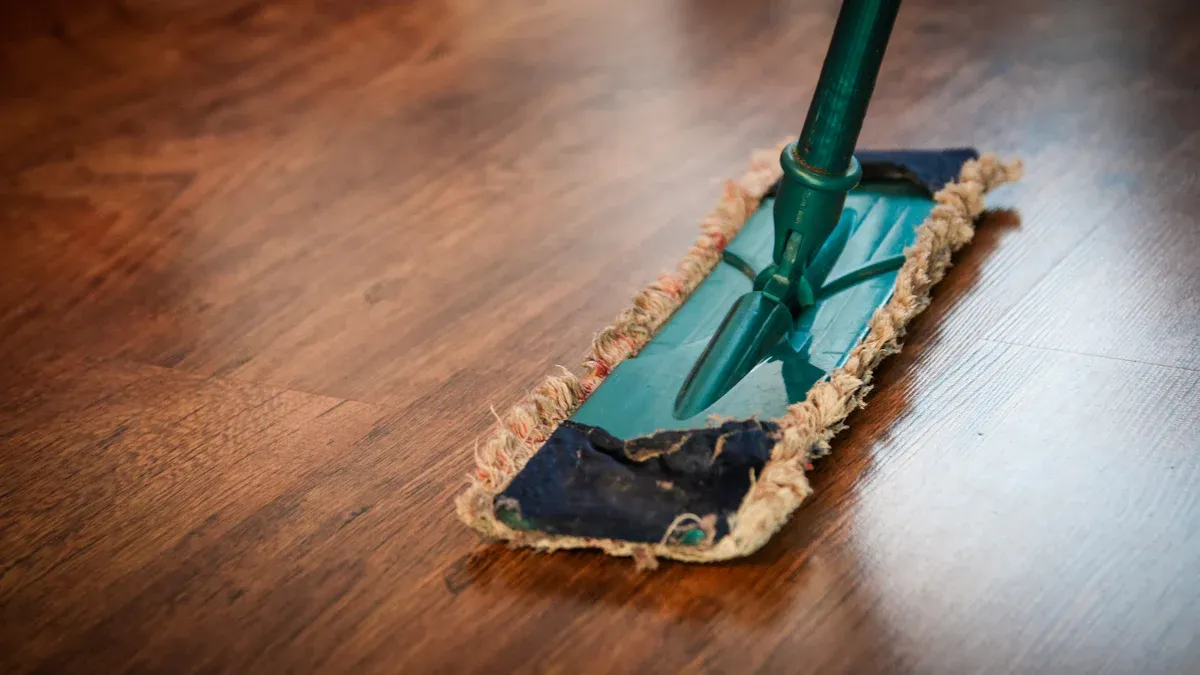
You want to avoid damage when moving furniture across vinyl plank flooring. Safeguarding your floors helps them stay beautiful and strong for years. You protect the cost of vinyl plank flooring installed by using smart tools and simple techniques. Take a few easy steps and you prevent dents, scratches, and costly repairs.
Risks of Moving Furniture on Vinyl Plank Flooring
Common Types of Damage
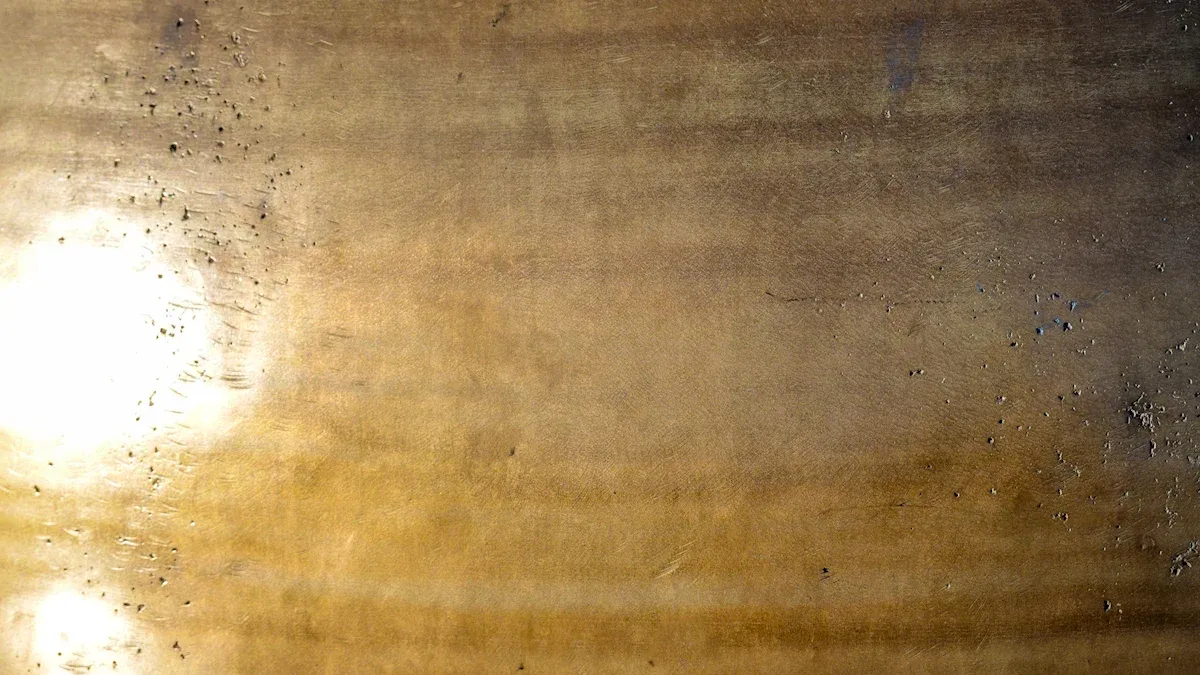
When you move heavy furniture across vinyl plank flooring, you face several risks. The most common types of damage include dents, scratches, scuffs, and even tears. You can also see marks from dragging or sliding items. These problems often happen when you do not use the right tools or techniques. To prevent scratches and dents, you should always lift heavy furniture instead of dragging it. You can use furniture sliders, bed sheets, or plywood sheets to protect your floor. Replacing hard casters with soft rubber or polyurethane wheels also helps in preventing scratches.
- Lifting heavy furniture prevents scuffs, tears, and dents.
- Using protective layers like carpets or wooden boards helps prevent scratches.
- Avoiding hard plastic or metal casters reduces the risk of damage.
Why Vinyl Plank Flooring Is Vulnerable
Vinyl plank flooring looks strong, but it can be sensitive to pressure and sharp objects. The surface can get damaged if you do not take care when moving furniture. Heavy furniture puts a lot of weight on small areas, which can cause dents. If you slide items with sharp edges, you can scratch the surface. Even small bits of dirt or grit under furniture legs can lead to scratches. You need to focus on preventing scratches by keeping the floor clean and using protective pads.
How Dents and Scratches Occur
Dents and scratches happen in a few main ways. When you move heavy furniture, the weight can press down and leave dents. Sharp edges or corners can scratch the vinyl if you drag them. Dirt or grit under the legs of heavy furniture can also scratch the floor as you move it. You can prevent scratches by cleaning the floor before moving anything. Using sliders or felt pads under heavy furniture is important for preventing scratches. You should also check the feet of your furniture often to make sure they are smooth and clean. These steps help you avoid damage and keep your vinyl plank flooring looking new.
Understanding the Cost of Vinyl Plank Flooring Installed
Protecting Your Investment
You make a smart choice when you install vinyl plank flooring in your home. This type of flooring gives you a modern look and strong durability. The cost of vinyl plank flooring installed can add up quickly, so you want to protect your investment. In 2026, you can expect to pay between $9.16 and $13.63 per square foot for installation. This price includes both materials and labor. If you have a large space, the total cost of vinyl plank flooring installed can become a big part of your home budget.
- You pay for quality and style when you choose vinyl plank flooring.
- The cost of vinyl plank flooring installed covers more than just the planks. It also includes the work to make sure your floor looks perfect.
- Keeping your floors in good shape helps you avoid extra repair costs.
You should always use the right tools and methods when moving furniture. This keeps your floors looking new and protects the cost of vinyl plank flooring installed.
How Damage Impacts Value
Damage to your vinyl plank flooring can lower the value of your home. If you see dents, scratches, or gaps, buyers may think the floor needs repairs. Poor installation can cause problems like gapping seams and creaking planks. These issues can make your home less attractive to buyers.
- Durable flooring like luxury vinyl plank is popular in starter homes. Buyers want floors that can handle kids and pets.
- The cost of vinyl plank flooring installed pays off when your floors stay in great shape.
- Well-kept vinyl plank flooring can boost your home’s resale value.
You protect your investment when you prevent damage. You also make your home more appealing to future buyers by keeping the cost of vinyl plank flooring installed working for you.
Preparation Before Moving Furniture

Gather Furniture Pads and Protective Tools
You need to gather the right furniture pads and protective tools before you move anything. Furniture pads help prevent scratches and dents on vinyl plank flooring. You can choose from several types of pads and protectors. Some work best for heavy furniture, while others suit lighter items. The table below shows popular options and their features:
| Product Name | Features |
|---|---|
| Floor Savers® Floor Protectors | Compatible with many furniture types, durable felt tips prevent scratches and scuffs. |
| Reduces stress on furniture joints and minimizes noise when moving furniture. |
When you select furniture pads, consider these points:
- Floor type: Make sure the pads work well with vinyl plank flooring.
- Furniture weight: Use strong pads for heavy items.
- Aesthetic considerations: Pick pads that match your home style.
- Durability: Choose high-quality pads for long-lasting protection.
Furniture pads protect your floor and make moving easier. You avoid damage and keep your vinyl plank flooring looking new.
Clean the Floor Surface
You should clean the floor surface before moving furniture. Dirt and debris can scratch vinyl plank flooring if you drag or slide items. Sweeping and mopping the area removes grit that could cause damage. Cleaning the floor lowers the risk of scratches and keeps your flooring safe. You create a smooth path for moving furniture pads and other protective tools.
Tip: Always check for small stones or sand before you start moving. Even tiny particles can leave marks.
Plan Your Moving Route
You need to plan your moving route to protect your vinyl plank flooring. Follow these steps for a safe move:
- Clean everything first. Sweep and mop the path to remove dirt.
- Get help. Ask someone to assist with heavy furniture.
- Plan your route. Walk the path and remove obstacles. Measure doorways to make sure furniture fits.
- Use furniture sliders. Place sliders under furniture pads to distribute weight and glide smoothly.
- Lay down protective sheets. Use cardboard or hardboard to shield the floor from scuffs and tears.
Careful planning helps you avoid accidents and keeps your vinyl plank flooring in top condition.
Safe Moving Furniture Techniques with skspcflooring
Lift Instead of Drag
You protect your vinyl plank flooring when you lift furniture instead of dragging it. Dragging heavy items can cause dents, scratches, and even seam separation. Lifting prevents these problems and keeps your floor looking new. You avoid costly repairs and maintain the value of your flooring. The table below shows the proven benefits of lifting furniture:
| Benefit | Description |
|---|---|
| Prevention of Damage | Lifting furniture prevents damage to the vinyl plank flooring. |
| Avoiding Dents and Indentations | Dragging can cause dents and indentations on the surface of the flooring. |
| Preventing Seam Separation | Lifting avoids seam separation that can occur when furniture is dragged. |
You should always ask for help when moving furniture. Working with a partner makes lifting easier and safer. You reduce the risk of injury and avoid damaging your floor. You can also disassemble large items to make them lighter and easier to lift. Take your time and move slowly to prevent accidents.
Tip: Plan your route before lifting. Clear obstacles and measure doorways to ensure a smooth move.
Use Furniture Sliders
Furniture sliders make moving furniture across vinyl plank flooring much safer. You place sliders under the legs or corners of heavy items. Sliders help distribute the weight evenly and allow furniture to glide smoothly. You reduce the risk of scratches and dents. You also avoid scuff marks and tears on your floor. Furniture glides work well for both large and small pieces.
- Furniture sliders help distribute the weight of heavy furniture evenly, which reduces the risk of scratches and dents on vinyl plank flooring.
- They allow for smoother movement of furniture, minimizing the potential for damage.
- Using sliders is a recommended practice for protecting vinyl flooring when moving heavy items.
You can find furniture glides in different shapes and sizes. Choose sliders that match the type of furniture you are moving. You protect your floor and make the process easier. You should always clean the floor before using sliders. Remove dust and debris to avoid scratches.
Note: Buy the right equipment. Furniture sliders, moving straps, and dollies help protect your floors and make moving furniture easier.
Apply Felt Pads and Blankets
Felt pads and blankets add extra protection when moving furniture. You attach felt pads to the feet of chairs, tables, and sofas. Felt pads prevent scratches and reduce noise. You also wrap sharp corners and edges with blankets or towels. This step avoids scratching the floor and protects both the furniture and the vinyl plank flooring.
Furniture glides combined with felt pads offer the best results. You move furniture smoothly and safely. You avoid common mistakes like dragging items without protection. You keep your floors in top condition and extend their lifespan.
Alert: Protect corners and edges. Wrap sharp corners and edges of furniture with blankets or towels to avoid scratching the floor.
You make smart choices by using felt pads, blankets, and furniture glides. You prevent damage and keep your vinyl plank flooring looking beautiful.
Protect Corners and Edges
You need to pay special attention to the corners and edges of your furniture when moving it across vinyl plank flooring. Sharp corners and rough edges can scratch or dent your floor. You can prevent this damage by using simple protective materials.
- Wrap corners and edges with thick blankets or towels.
- Use bubble wrap for extra cushioning on sharp points.
- Secure the wrapping with tape so it stays in place during the move.
You can also buy corner protectors made from soft foam or rubber. These products fit snugly on furniture corners and absorb impact. You protect both your furniture and your floor with these tools.
Tip: Check the corners and edges before you start moving. If you see any rough spots or sharp metal, cover them right away.
The table below shows common materials you can use to protect corners and edges:
| Material | Best For | How to Use |
|---|---|---|
| Blankets/Towels | Large furniture pieces | Wrap and tape securely |
| Bubble Wrap | Sharp corners | Layer and tape for extra padding |
| Foam Protectors | All furniture types | Attach to corners and edges |
You keep your vinyl plank flooring safe when you protect corners and edges. You also avoid costly repairs and keep your home looking great.
Work With a Partner
You make moving furniture safer and easier when you work with a partner. Heavy items can be difficult to lift alone. You risk dropping furniture or scratching the floor if you try to move it by yourself.
- Ask a friend or family member to help you.
- Plan your moves together and communicate clearly.
- Assign roles so each person knows what to do.
You can lift furniture evenly and avoid tipping or dragging. You also reduce the chance of accidents. Working with a partner lets you move large items without putting too much pressure on the floor.
Alert: Never try to move heavy furniture alone. You can hurt yourself or damage your flooring.
You and your partner should lift from opposite sides. Move slowly and watch for obstacles. If you need to turn or pivot, talk to each other before making a move. You protect your vinyl plank flooring and keep everyone safe.
You build teamwork and finish the job faster when you work with a partner. You also keep your floors in top condition for years to come.
How to Protect Luxury Vinyl Flooring During Moves
Preventing Dents from Heavy Furniture
You can protect luxury vinyl flooring by using smart tools and techniques. Heavy furniture often causes dents if you do not prepare. You place furniture pads under each leg to spread the weight and prevent marks. Felt or cotton pads work best because they do not stain the floor. Furniture glides help you move large items easily and keep the surface safe. You also use area rugs under heavy pieces to add a layer of protection and improve the look of your room.
- Furniture pads distribute weight and prevent dents.
- Area rugs shield the floor and add style.
- Furniture glides allow smooth movement without damage.
You avoid costly repairs when you use these methods.
Using Area Rugs and Mats
Area rugs play a big role in keeping your vinyl flooring safe during moves. You place rugs and mats in high-traffic spots to prevent scratches and wear. They trap dirt and debris so you do not drag grit across the floor. Rugs and mats also cushion shocks from moving furniture, which keeps the surface smooth.
- Area rugs and mats prevent scratches and wear.
- They trap dirt and debris, stopping it from harming the floor.
- Rugs and mats absorb shocks from moving furniture.
You remove rugs before moving furniture to avoid tripping and keep them clean. You protect luxury vinyl flooring by using area rugs in the right places.
Updating Protective Pads
You need to check your furniture pads often. Pads wear out and collect dirt, which can scratch the floor. You inspect them every few months and replace them if they look flattened or dirty.
It is vital to inspect them periodically—perhaps every few months—and replace them when they become worn, flattened, or dirty.
Check protectors monthly for embedded grit that transforms them into abrasive pads. Replace immediately upon wear signs.
You keep your floor safe by updating pads regularly. You make sure your vinyl flooring stays strong and beautiful.
Post-Move Care and Maintenance
Inspect for Damage
After moving furniture, you need to check your vinyl plank flooring for any signs of damage. Look for scratches, dents, or loose planks. You can spot problems early and fix them before they get worse. Use these best practices to inspect your floor:
- Lift furniture instead of dragging it to prevent scratches and marks.
- Use protective pads under furniture legs to avoid damage during movement.
- Regularly check for loose or damaged planks and address issues promptly.
- Inspect flooring regularly for any signs of damage after moving furniture.
Tip: Walk slowly across the area and look closely at the seams and edges. Small issues can turn into bigger problems if you ignore them.
Quick Fixes for Minor Dents
You can repair minor dents in vinyl plank flooring with simple tools. Try these quick fixes to restore your floor:
- Place a damp towel over the dent and lightly run a warm iron over it. This helps the vinyl return to its original shape.
- Warm the dent with a hair dryer for about a minute. Press the area with a flat, heavy object while the vinyl is still pliable.
- Use a hairdryer on a low-heat setting to heat the dented area. Gently press down with a clean cloth or a spoon wrapped in a soft cloth.
- Apply heat to soften the vinyl and restore its shape.
Note: Always test these methods on a small area first. Avoid using high heat, which can damage the vinyl.
Ongoing Maintenance Tips
You keep your vinyl plank flooring looking new by following regular maintenance steps. Clean dirt and debris often. Sweep and mop with gentle tools. Avoid abrasive brushes and power head vacuums. Place runners or floor protectors in high-traffic areas. Lift furniture when moving it. Clean spills right away to prevent stains. Remove dry soil and debris every other day. Perform weekly cleanings with minimal water to avoid saturation. Keep shoes at the door and use floor mats.
Consulting with a flooring care expert helps you understand the specific needs of your vinyl flooring and prevents damage from improper maintenance.
| Maintenance Task | Frequency | Purpose |
|---|---|---|
| Sweep/Mop | Weekly | Remove dirt and debris |
| Clean Spills | Immediately | Prevent stains and damage |
| Inspect Pads/Planks | Monthly | Catch early signs of wear |
| Deep Clean | Every 3 months | Maintain shine and durability |
You protect your investment and extend the life of your vinyl plank flooring with these simple steps.
Best Practices for Long-Term Floor Protection
Regularly Check Furniture Feet
You protect your vinyl plank flooring when you check the feet of your furniture often. Furniture feet can collect dirt or wear down, which leads to scratches and dents. You should inspect them on a regular schedule. High-use areas need more frequent checks than lower-use spaces. The table below shows how often you should inspect furniture feet:
| Area Type | Inspection Frequency |
|---|---|
| High-use areas | Every 3 months |
| Lower-use areas | Every 6 months |
You keep your floors safe by following this routine. If you notice worn pads or rough edges, replace them right away. Clean the feet before placing furniture back on the floor. This simple habit prevents long-term damage and keeps your vinyl plank flooring looking new.
Tip: Set reminders on your phone or calendar so you never forget to check furniture feet.
Use Area Rugs and Mats
Area rugs and mats add a layer of protection to your vinyl plank flooring. You place them in high-traffic spots or under heavy furniture. This helps prevent scratches and reduces wear. Choosing the right rug pads is important. Look for pads made from natural, non-reactive materials like felt and jute. These materials do not release harmful chemicals that can harm your floor. High-quality rug pads help prevent warping and discoloration.
- Felt and jute rug pads protect vinyl plank flooring.
- Natural materials keep your floor safe from chemicals.
- Quality pads stop scratches and keep your floor strong.
You also trap dirt and moisture with rugs and mats. This keeps your flooring clean and extends its lifespan.
Update Protective Pads as Needed
You need to update protective pads on your furniture regularly. Pads wear out over time and lose their ability to shield your floor. Check pads for signs of flattening, dirt, or damage. Replace them if you see any problems. Clean new pads before attaching them to furniture feet. You keep your vinyl plank flooring safe by staying proactive.
Alert: Worn pads can scratch your floor. Replace them as soon as you notice wear.
You build a habit of checking and updating pads. This practice ensures your flooring stays beautiful and strong for years.
You can move furniture without damaging your vinyl plank flooring. Careful preparation and the right tools help you protect your floors. Lifting heavy objects, using sliders, and wrapping items in blankets prevent scratches and scuffs. Consistent care keeps your flooring beautiful and strong.
- Regular cleaning stops dirt from building up.
- Floor protectors and area rugs reduce wear.
- Quick spill cleanup prevents lasting damage.
- Window coverings help avoid fading.
- Early repairs stop small issues from growing.
| Technique | Benefit |
|---|---|
| Furniture sliders | Smooth movement, less friction |
| Felt pads | Protective barrier |
| Moving blankets | Prevent scuffing |
You keep your floors safe and extend their lifespan with these simple habits.
FAQ
Can I move heavy furniture on vinyl plank flooring without causing damage?
You can move heavy furniture safely by using furniture sliders, felt pads, or blankets. Lift the furniture instead of dragging it. Clean the floor before moving anything. These steps help prevent scratches and dents.
What tools should I use to protect vinyl plank flooring during a move?
You should use furniture sliders, felt pads, moving blankets, and area rugs. These tools help distribute weight and reduce friction. They protect your floor from scratches and dents.
How often should I check and replace protective pads on furniture?
You should check protective pads every three months in high-use areas. Replace pads if you see signs of wear, dirt, or flattening. Clean new pads before attaching them.
Tip: Set a reminder to inspect pads regularly.
What should I do if I notice scratches after moving furniture?
You can fix minor scratches with a vinyl floor repair kit. Clean the area first. Follow the kit instructions for best results. For deeper scratches, contact a flooring specialist.




