
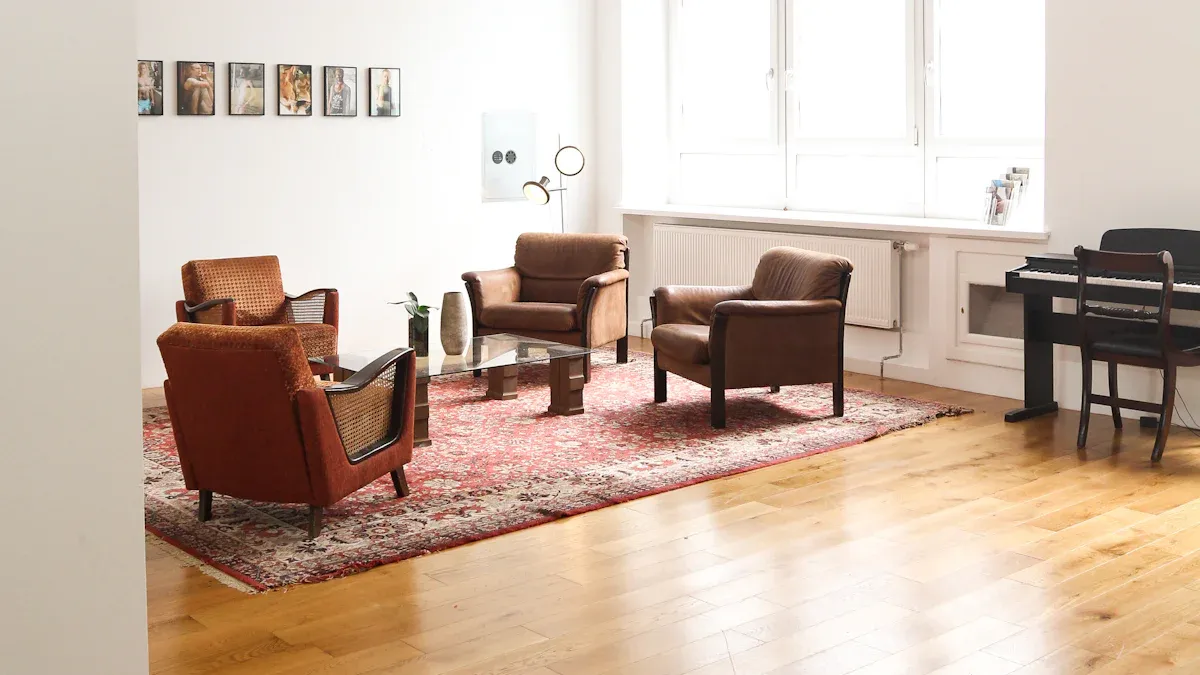
Noise can make life difficult when you live in an apartment. Many people struggle with sounds from neighbors or the street.
- 31% of residents say they feel highly annoyed by noise in their neighborhoods.
You can use a vinyl floor pad to reduce everyday noise. Studies show that this material, especially when paired with rubber underlayment, helps block airborne and impact sounds. You create a quieter and more comfortable space when you choose the right flooring and install it properly.
Pros of Vinyl Floor Pad for Noise Reduction in Apartments

Sound Absorption Benefits of Acoustic Flooring
You want your apartment to feel peaceful. A vinyl floor pad can help you achieve that goal. This sound-absorbing solution works by absorbing sound waves across a wide range of frequencies. When you walk or move furniture, the pad dampens vibrations and blocks noise from traveling to other rooms or apartments. The dense and resilient material acts as a barrier, stopping sound from bouncing back into your space.
- Vinyl floor pads reduce both airborne and impact sounds.
- The pad prevents sound from entering adjacent spaces.
- It helps create a quieter environment by limiting sound reflections.
- The pad dampens vibrations, so you hear less noise from footsteps or dropped items.
If you compare vinyl floor pads to harder surfaces like tile or wood, you will notice a big difference. Vinyl plank flooring, especially with a quality underlayment, offers better impact sound insulation. Thicker, high-quality underlayment can also reduce airborne sound, making your apartment much quieter. This makes vinyl floor pads a top choice for quiet flooring in multi-level buildings.
Easy Installation Process
You do not need to be a professional to install a vinyl floor pad. The process is simple and does not require many special tools. You can prepare your space by clearing the area and checking that the subfloor is flat and dry. Remove any old flooring, nails, or adhesives. Let the vinyl planks sit in the room for at least 48 hours before installation. This helps the material adjust to the room’s temperature and humidity.
Here is a table showing the basic tools you might need:
| Tool/Material | Purpose |
|---|---|
| Sharp utility knife | For making precise cuts |
| Straight-edge ruler/T-square | To ensure clean, straight lines |
| Measuring tape | For accurate measurements of flooring area |
| Cutting board/Plywood | Safe surface for cutting |
| Jigsaw/Circular saw | For intricate cuts and complex shapes |
| Pencil | For marking cut lines |
| Chalk line | For long, straight cuts |
| Speed square | For precise angle cuts |
| Prybar | For removing baseboards if necessary |
You can plan your layout and measure carefully to ensure everything fits. The installation process is straightforward, so you can enjoy your new flooring without much hassle.
Added Comfort Underfoot
You will notice a big difference in comfort when you walk on a vinyl floor pad. The layered construction makes the floor feel softer and warmer than hardwood or tile. This is important if you spend a lot of time standing, such as in the kitchen or home office. The pad provides a gentle but firm cushion, which supports your feet and legs.
- Vinyl flooring feels warmer and softer than hardwood.
- The padding absorbs sounds from foot traffic and moving furniture.
- The attached pad gives a forgiving feel, making it ideal for kitchens, playrooms, and home offices.
- The floor absorbs sound better than wood, making it suitable for homes with children or pets.
Many users say they feel less discomfort when standing for long periods. In kitchens, the pad reduces fatigue during meal prep or dishwashing. In home offices, it supports you if you use a standing desk. In playrooms, it offers a safer, softer surface for children. You get both comfort and noise reduction in one package.
Tip: If you want a floor that feels good and keeps your apartment quiet, a vinyl floor pad is a smart choice.
Simple Maintenance and Cleaning
You want a floor that stays clean with little effort. Vinyl floor pads make this possible. You can sweep or dust mop every day to keep dirt away. Spills happen, but you can wipe them up right away to stop stains from forming. These simple steps help your floor look fresh and new.
- Sweep or dust mop daily to remove dust and debris.
- Wipe up spills immediately to prevent stains.
- Vacuum weekly using a hard floor setting.
- Damp mop with a pH-neutral cleaner. Rinse the mop often and let the floor air dry.
- Place furniture pads under chairs and tables to protect from scratches.
- For tough grime, consider professional cleaning.
Vinyl flooring stands out for its durability. You can walk, run, or move furniture without worrying about scratches or dents. The surface resists scuffs and handles high-traffic areas well. Water resistance is another advantage. If you spill juice or water, you can clean it up quickly. This prevents stains and keeps your floor looking good.
You do not need harsh chemicals to clean vinyl floor pads. A mild vinyl cleaner works for tougher stains. Regular sweeping and damp mopping help maintain the floor’s appearance and strength. You protect the stain resistance by acting fast when accidents happen.
Tip: Use a soft mop and gentle cleaner. Avoid abrasive tools or strong chemicals. This keeps your vinyl floor pad in top shape for years.
Vinyl floor pads offer easier maintenance than many other flooring options. You spend less time cleaning and more time enjoying your quiet, comfortable apartment.
Cons of Vinyl Floor Pad for Noise Reduction in Apartments
Limited Noise Reduction for Impact Sounds
You may notice that a vinyl floor pad does not always block every sound. When you walk or drop something, impact noise can travel through the floor. This happens because structure-borne noise needs special materials to stop it. You must use the right underlayment to absorb energy before it reaches the subfloor. If you want better sound proofing, you need a flooring system that intercepts vibrational energy at the surface. This approach helps minimize sound moving to lower levels.
- Impact sound insulation needs several elements to target structure-borne noise.
- Vinyl flooring alone does not reduce impact noise unless you combine it with suitable underlayment.
- Flooring systems can intercept vibrational energy and minimize sound propagation.
You should think about the level of noise reduction you want. If you live above neighbors, you may need extra acoustics solutions to keep your apartment quiet.
Compatibility with Apartment Rules and Flooring Types
You must check your apartment rules before installing a vinyl floor pad. Some buildings have strict guidelines about floor coverings. For example, the California Building Code requires a minimum Impact Insulation Class (IIC) of 45 between units. This rule ensures that sound insulation meets a certain standard. Homeowners’ associations (HOAs) may also limit the use of vinyl pads unless they meet acoustic standards. CC&Rs often require you to use materials that minimize sound transmission.
You also need to consider your subfloor type. Concrete subfloors can feel cold and may have moisture problems. You should use a high-quality rubber underlayment for protection. Plywood subfloors provide a smoother surface and may only need underlayment for leveling or cushioning. If your vinyl flooring has an attached pad, you may not need extra underlayment unless you want more sound insulation or moisture protection.
- Concrete subfloors need underlayment for moisture and thermal comfort.
- Plywood subfloors may only need underlayment for minor leveling or added cushioning.
- Attached pads may reduce the need for extra underlayment unless you want more insulation.
You must match your flooring choice to your building’s requirements and your subfloor type.
Cost Considerations
You need to plan your budget when choosing a vinyl floor pad. The cost depends on the materials and installation. Vinyl underlay costs about $0.50 per square foot. Basic foam underlay costs between $0.30 and $0.50 per square foot. Common installation costs range from $3.40 to $5.30 per square foot.
| Material Type | Cost per Square Foot |
|---|---|
| Basic foam underlay | $0.30–$0.50 |
| Vinyl underlay | $0.50 |
| Common installation | $3.40–$5.30 |
You may pay more if you need extra underlayment for acoustics or moisture protection. You should compare these costs to other flooring options. Some materials offer better sound proofing but cost more. You must decide what works best for your apartment and your budget.
Note: Always check the total cost, including materials and installation. This helps you avoid surprises and choose the best option for your needs.
Vinyl Floor Pad vs. Other Acoustic Flooring Options
Carpet and Carpet Padding for Noise Reduction
You may wonder how vinyl floor pads compare to carpet and carpet padding. Carpet remains a popular choice for apartments because it absorbs sound well. The soft surface and thick padding under the carpet help stop noise from traveling between rooms. You will notice less echo and fewer footsteps with carpet.
Here is a table that shows how carpet and vinyl floor pads perform for noise reduction:
| Flooring Type | Noise Reduction Effectiveness |
|---|---|
| Carpet | Superior sound absorption due to soft surface and padding, preventing sound travel between rooms. |
| Luxury Vinyl Plank (LVP) | Effective for noise reduction, especially with cork or foam backing, but generally less effective than carpet. |
Carpet works best if you want maximum sound absorption. Vinyl floor pads still offer good noise reduction, especially when paired with quality underlayment.
Cork Flooring as Acoustic Flooring
Cork flooring is another option for acoustic flooring in apartments. You get excellent sound absorption with cork. The material comes from a renewable resource, which makes it a green choice. Cork floors also look attractive in many spaces.
- Cork absorbs sound well and adds comfort.
- It is made from a renewable resource.
- You can enjoy a unique and natural look.
However, cork can have some drawbacks. It does not handle moisture well. You may need thicker layers for the best soundproofing. Some people worry about the environmental impact of harvesting cork.
Tip: Cork works well for soundproofing walls and floors, but it may not match specialized materials in very noisy settings.
Laminate with Underlayment
Laminate flooring with underlayment gives you another way to reduce noise in your apartment. The underlayment absorbs the sound of footsteps. You will hear less of the “click-clack” noise that laminate floors often make. The underlayment also stops sound from echoing in the room.
- Underlayment muffles walking sounds and makes your home quieter.
- It adds comfort and warmth, similar to carpet padding.
- You get better insulation and a more peaceful space.
Laminate with underlayment works well for sound reduction. It reduces hollow sounds and improves comfort. You can use it in multi-story homes to limit noise between floors.
Rubber Underlayment and Acoustic Flooring Solutions
You want your apartment to be as quiet as possible. Rubber underlayment can help you reach that goal. This material sits under your main floor and acts as a barrier against noise. Many people choose rubber underlayment because it works well for both airborne and impact sounds.
Rubber underlayment stands out for its strong soundproofing abilities. You can see how it compares to vinyl floor pads in the table below:
| Feature | Rubber Underlayment | Vinyl Floor Pads |
|---|---|---|
| Sound Absorption | Superior noise absorption properties | Moderate noise absorption |
| Durability | Highly durable and long-lasting | Less durable than rubber |
| Compliance with Regulations | Complies with condo regulations | May not meet all condo requirements |
You get several benefits when you use rubber underlayment in your apartment:
- Rubber underlayment improves the Impact Insulation Class (IIC) rating. This means you hear fewer footsteps and dropped items from above.
- You can use rubber underlayment under many types of finish floors, such as laminate, hardwood, or tile.
- Rubber underlayment often costs less than other high-performance soundproofing materials.
Many apartment buildings have rules about noise. Rubber underlayment usually meets these rules, so you avoid problems with your landlord or building manager. You also get a floor that lasts a long time. Rubber resists wear and tear, so you do not need to replace it often.
If you want the best results, you can combine rubber underlayment with other acoustic flooring solutions. This approach gives you a quiet, comfortable home. You enjoy peace and privacy, even in a busy apartment building.
Tip: Always check your building’s flooring rules before you start your project. This helps you choose the right materials and avoid extra costs.
Tips for Maximizing Noise Reduction with Vinyl Floor Pad
Choosing the Right Pad Thickness and Material
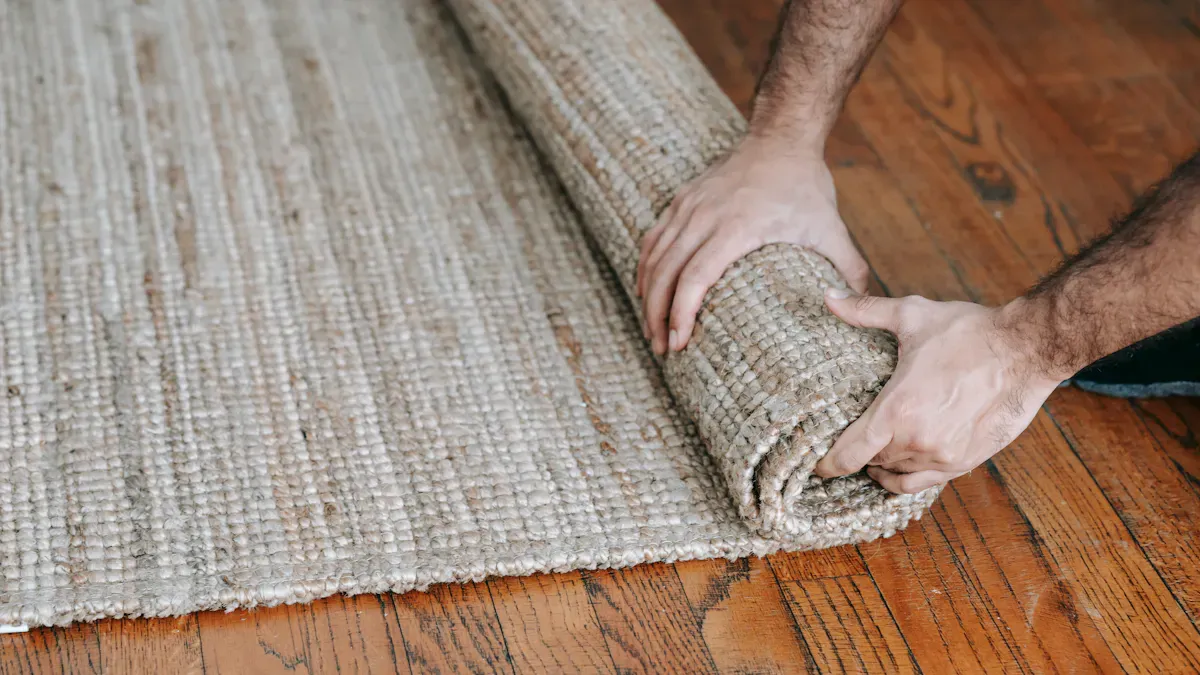
You can improve noise reduction by picking the right thickness and material for your vinyl floor pad. Thicker vinyl planks, usually between 2 mm and 8 mm, give you better sound insulation and last longer. For homes with pets or lots of activity, a wear layer of at least 20 mil works best. If you have a busy space, you may want a commercial-grade wear layer of 28 mil or more.
When you look at underlayment, dense felt stands out for sound and thermal insulation. It helps keep your apartment quiet and comfortable. If your subfloor feels rough or uneven, a thicker underlayment can hide imperfections and make the floor stable. Rubber underlayment also works well. It absorbs impact, resists moisture, and keeps mold away, which helps your home stay healthy.
Tip: Always check your subfloor for cracks or bumps before you start. Fixing these problems first gives you the best results.
Proper Installation Techniques for Acoustic Flooring
You can get the most out of your vinyl floor pad by following good installation steps. Start with a sound-rated underlayment that matches your flooring. A dense pad controls noise better. Make sure your subfloor is level, so the floor does not move or squeak. Use the right tools, like a scraper to clean the old floor and a utility knife to cut the underlayment.
Secure the pad well to stop shifting. Sealing gaps around the edges helps block outside noise. Adding underlayment under your vinyl floor is one of the best ways to keep your apartment quiet.
Combining with Area Rugs or Mats
You can boost sound absorption by adding area rugs or mats on top of your vinyl floor pad. Thick rugs soak up sound from footsteps and reduce echoes. Placing rugs in busy spots, like hallways or living rooms, helps cut down on both reflection and impact noise.
Note: Combining vinyl floor pads with area rugs gives you a quieter, more peaceful apartment. This simple step makes a big difference in everyday comfort.
Addressing Gaps and Edges
You want your apartment to stay as quiet as possible. Gaps and edges in your vinyl floor pad can let sound escape, making your efforts less effective. Paying attention to these details helps you create a strong barrier against noise.
Small gaps between floor pads or along the walls can act like tiny doorways for sound. You need to seal these spaces to keep your apartment peaceful. Acoustic caulk works well for filling seams. This special caulk blocks sound from slipping through cracks. You can apply it along the edges where the floor meets the wall or between vinyl planks.
If you install vinyl floor pads outdoors or in areas with heavy foot traffic, outdoor-grade tape gives you extra security. This tape holds the edges tight and stops noise from sneaking in or out. You should overlap the edges by at least one inch. Overlapping creates a continuous surface that reflects less noise and keeps the floor stable.
Here are some simple steps you can follow:
- Seal seams with acoustic caulk to block sound leakage.
- Use outdoor-grade tape for securing edges in outdoor or high-traffic areas.
- Overlap edges by at least one inch and secure every edge carefully.
Tip: Take your time when sealing gaps and edges. Even small spaces can let a lot of noise through. Careful work pays off with a quieter apartment.
You can check your floor regularly for new gaps or loose edges. Fixing these problems right away keeps your noise barrier strong. You protect your comfort and privacy by making sure every edge and seam stays tight.
A well-sealed vinyl floor pad gives you the best results for noise reduction. You enjoy a peaceful home and worry less about sounds from neighbors or busy streets.
Why Choose skspcflooring for Your Vinyl Floor Pad Needs
High-Quality Acoustic Flooring Solutions
You want a floor that keeps your apartment quiet. skspcflooring gives you that peace. The company uses advanced technology to make vinyl floor pads that absorb sound well. You get products that meet strict standards for noise reduction. For example, the Impact Insulation Class (IIC) measures how well a floor blocks impact noise. skspcflooring’s solutions reach an IIC of at least 50. This means you hear less noise from footsteps or dropped items.
Here is a quick look at the standards skspcflooring meets:
| Metric | Requirement/Standard | Description |
|---|---|---|
| Impact Insulation Class (IIC) | Minimum of 50 | Reduces impact sound transmission in apartments for better acoustic comfort. |
| Decibel Levels | Varies | Engineered flooring shows clear sound reduction compared to standard flooring. |
You can trust these numbers. They show that your home will feel quieter and more comfortable.
Commitment to Environmental Responsibility and Durability
You care about the planet. skspcflooring does too. The company uses eco-friendly materials and safe production methods. You get floors that do not harm the environment. The products meet international standards like ISO9001 and ISO14001. These certifications mean the floors are safe for your family and the earth.
Durability matters in busy homes. skspcflooring’s vinyl floor pads resist scratches, dents, and water. You can clean them easily. They last for years, even in high-traffic areas. You save money because you do not need to replace your floors often.
Tip: Choose a floor that is both strong and green. You help the planet and enjoy a worry-free home.
Professional Service and Global Standards
You want a company that supports you from start to finish. skspcflooring offers expert advice and friendly service. The team helps you pick the right product for your needs. You get answers to your questions quickly.
skspcflooring follows global standards. The company holds certifications like EN, ASTM, and GB. These show that the floors meet safety and quality rules used around the world. You can feel confident in your choice.
- Get help with product selection.
- Enjoy fast and reliable customer service.
- Trust in products that meet international benchmarks.
You make a smart choice when you pick skspcflooring for your vinyl floor pad needs.
You can make your apartment quieter with a vinyl floor pad. This flooring choice gives you sound absorption, comfort, and easy cleaning. You should check sound ratings, core construction, and thickness before you decide. Underlayment and installation method also matter for noise control. Think about your building’s rules and your needs. You will find that the right product brings peace and style to your home.
FAQ
How do vinyl floor pads reduce noise in apartments?
Vinyl floor pads absorb sound waves and vibrations. You hear fewer footsteps and less noise from moving furniture. The pad acts as a barrier, making your apartment quieter.
Can you install vinyl floor pads yourself?
You can install vinyl floor pads without professional help. Use basic tools like a utility knife and measuring tape. Follow instructions for best results.
Are vinyl floor pads safe for children and pets?
Vinyl floor pads use safe materials. You get a surface that resists scratches and stains. The pad feels soft and warm, making it comfortable for children and pets.
How do you clean vinyl floor pads?
You sweep or dust mop daily. Wipe spills quickly. Use a damp mop with a mild cleaner. Avoid harsh chemicals. The pad stays clean with simple care.




