
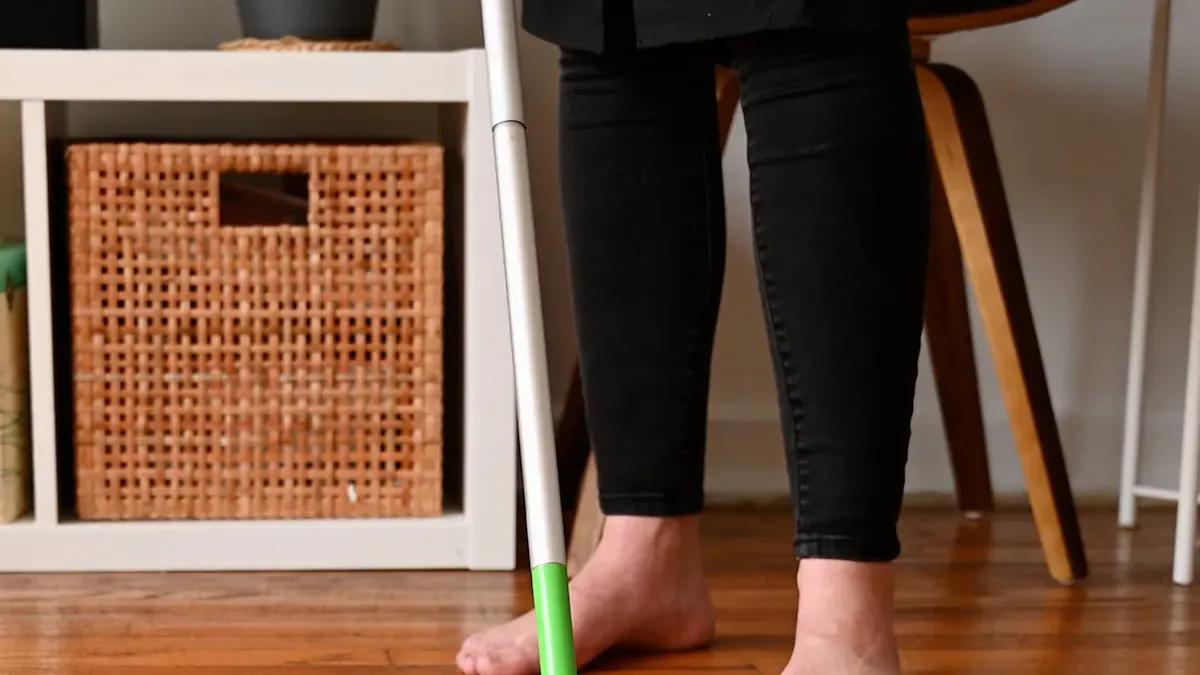
You can keep laminate over vinyl flooring looking fresh when you build strong cleaning habits. Quality materials and construction play a big role in how long your floors last. UV-resistant coatings help maintain color and durability. High-density fiberboard cores resist moisture, and premium laminate wear layers protect against scratches. Consistent routines and smart choices make it easy to clean your floors and avoid damage. If you wonder, can you put laminate over vinyl flooring and keep it looking new, the answer depends on your maintenance strategy.
Can You Put Laminate Over Vinyl Flooring and Keep It Looking New?
If you ask, can you put laminate over vinyl flooring and keep it looking new, you need to focus on three main areas: installation, the condition of the vinyl base, and the quality of your flooring materials. Each step matters for the long-term appearance and durability of your floors.
Importance of Proper Installation
You must follow careful steps when you install laminate over vinyl flooring. Good installation helps your floor last longer and look better. Here is a simple checklist to guide you:
- Remove all furniture and items from the room.
- Clean the subfloor so it is smooth and level.
- Let the laminate acclimate in the room for at least 48 hours.
- Place a moisture barrier to protect against water damage.
Tip: Use a 6 mil polyethylene sheet as a moisture barrier if your subfloor is damp. Overlap and tape the seams securely. Do not stack multiple cushion layers because this can stress the joints.
You should use leveling products approved by the manufacturer. Allow leveling compounds to dry completely before you start. Keep the room at a steady temperature during acclimation. Proper subfloor preparation is essential for the longevity of laminate flooring. If you skip these steps, you risk problems with click joints and moisture retention.
The quality of installation affects how long your laminate lasts. Poor preparation or incorrect methods can shorten the lifespan of both laminate and vinyl flooring, even if you use high-quality materials. When you ask, can you put laminate over vinyl flooring and keep it looking new, remember that installation is the foundation of your success.
Ensuring the Vinyl Base Is in Good Condition
Before you install laminate, check the vinyl base carefully. You need to make sure the vinyl is well-adhered, smooth, and level. Here are some ways to assess the condition:
- Old vinyl can stay if it is firmly attached and flat.
- Test adhesion by gently lifting the edges. If the vinyl lifts easily, you must remove it.
- Cushioned vinyl is too soft for laminate. Remove it before you continue.
If you install laminate over damaged vinyl, you may face serious problems. Moisture issues or uneven surfaces can cause the laminate to warp or become unstable. Uneven floors may also require changes to doorways and baseboards. When you wonder, can you put laminate over vinyl flooring and keep it looking new, always check the base first.
Benefits of Choosing skspcflooring Products
You want your floors to stay fresh and clean for years. Choosing skspcflooring products gives you many advantages. Here is a comparison table to show how skspcflooring stands out:
| Feature | LVP Flooring (skspcflooring) | Traditional Flooring |
|---|---|---|
| Lifespan | 10 to 25 years | 5 to 20 years |
| Maintenance Requirements | Low, regular cleaning | Moderate, varies by material |
| Water Resistance | Excellent, 100% waterproof | Poor, prone to warping |
| Scratch Resistance | High, with protective wear layer | Varies, often lower |
| Environmental Impact | Not biodegradable | Biodegradable (wood) |
| Installation Quality Impact | Significant, affects longevity | Significant, affects longevity |
skspcflooring products offer high durability, easy maintenance, and strong water resistance. You can keep your laminate over vinyl flooring looking new with regular cleaning and proper care. The protective wear layer helps prevent scratches. The waterproof design protects against spills and moisture. When you ask, can you put laminate over vinyl flooring and keep it looking new, skspcflooring gives you the best chance for lasting beauty.
Note: SK-Floor products meet international standards for quality and safety. You get peace of mind and reliable performance.
If you follow the right steps and choose quality materials, you can put laminate over vinyl flooring and keep it looking new for many years.
Common Mistakes to Avoid When You Clean Laminate Floors
Cleaning your laminate over vinyl flooring keeps it looking new, but you need to avoid some common mistakes. If you know what to watch out for, you can protect your floors and make them last longer.
Using Harsh Chemicals
You might think strong cleaners work best, but harsh chemicals can damage laminate surfaces. These products often strip away the protective layer, leaving your floor dull and vulnerable to scratches. You should always choose gentle, pH-neutral cleaners when you clean laminate floors. Avoid bleach, ammonia, or any abrasive solutions. Stick to products recommended by flooring manufacturers for safe results.
Excessive Water or Steam
Water and steam cause serious problems for laminate flooring. If you use too much water or a steam mop, moisture can seep into the seams and reach the core. This leads to swelling, warping, and even separation of the layers. You cannot repair this kind of damage.
Excessive water or steam can lead to irreversible damage in laminate flooring, such as swelling, warping, and delamination. The high pressure and heat from steam cleaning can cause moisture to penetrate the seams of the flooring, leading to rapid physical changes in the material. This can result in ‘peaking’ where the edges of the planks swell, and in severe cases, the layers may separate, necessitating replacement.
When you clean laminate floors, use a damp mop instead of soaking the floor. Wipe up spills right away to prevent moisture from causing permanent harm.
Abrasive Cleaning Tools
Scrubbing with rough tools scratches the surface and damages the protective layer. You should avoid steel wool, stiff brushes, or scouring pads. These tools leave marks that make your floor look old and worn.
Here are some tools you should never use to clean laminate floors:
- Steel wool
- Hard-bristle brushes
- Scouring pads
Choose soft microfiber mops or cloths for daily cleaning. These tools remove dirt without scratching or harming your floor.
If you avoid these mistakes, you can clean laminate floors safely and keep them looking fresh for years.
Ignoring Spills and Stains
You might think a small spill or stain does not matter, but ignoring it can cause big problems for your laminate over vinyl flooring. Liquids and sticky substances seep into the seams and edges. This leads to swelling, warping, and discoloration. Stains become harder to remove if you leave them for too long. You protect your floor’s appearance and durability when you act quickly.
Tip: Clean up spills as soon as they happen. Use a soft, dry cloth to blot liquids. For sticky messes, use a damp microfiber cloth and a gentle cleaner.
Here are some reasons why you should never ignore spills and stains:
- Moisture Damage: Water and other liquids weaken the laminate’s protective layer. The core absorbs moisture, which causes the planks to swell and separate.
- Permanent Stains: Coffee, juice, and other colored liquids leave marks that do not fade. You need to treat these spots right away to prevent permanent discoloration.
- Odor Build-Up: Food spills and pet accidents create unpleasant smells. These odors linger if you do not clean them immediately.
- Bacterial Growth: Spills attract bacteria and mold. This affects your indoor air quality and can make your home less healthy.
You should check your floors every day for spills and stains. Quick action keeps your laminate looking new. If you see a spill, blot it instead of rubbing. Rubbing spreads the liquid and damages the surface. For tough stains, use a cleaner recommended by your flooring manufacturer.
Note: SK-Floor’s SPC flooring products resist stains and moisture, but you still need to clean up spills right away for best results.
You keep your floors fresh and clean when you pay attention to spills and stains. This simple habit prevents damage and helps your laminate over vinyl flooring last longer.
Daily and Weekly Habits to Clean Laminate Floors
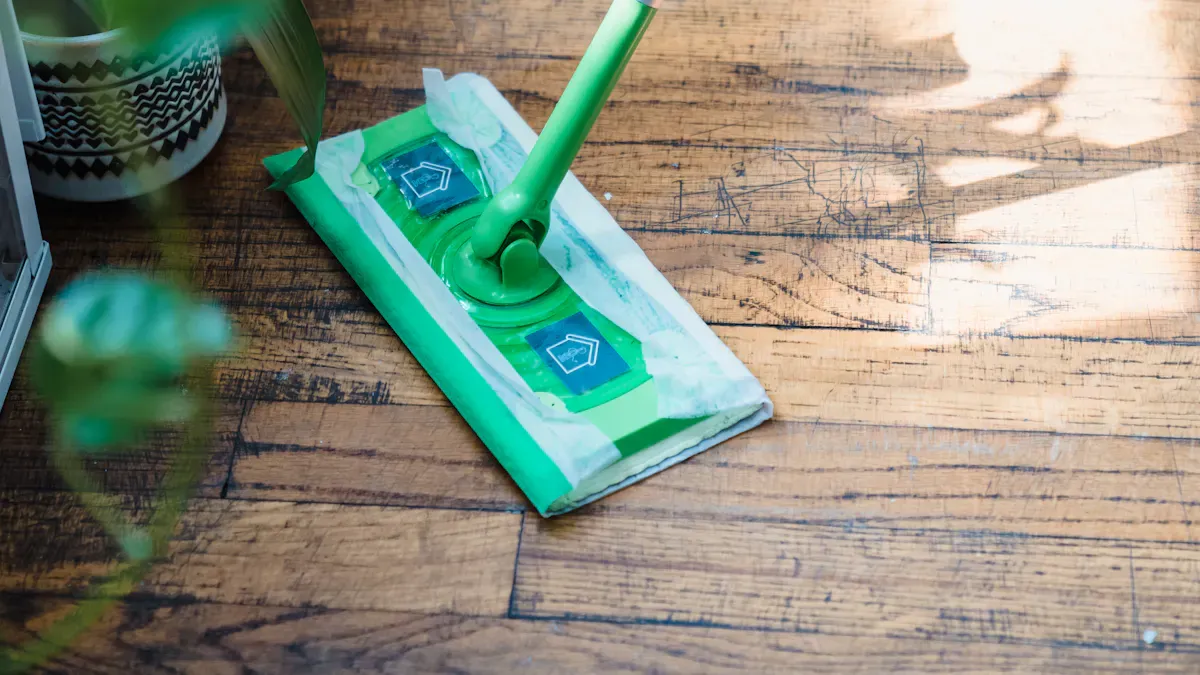
Quick Daily Sweeps and Vacuuming
You keep your floors looking their best when you clean laminate floors every day. Dirt and grit can scratch the surface if you let them build up. The best way to clean laminate floors starts with simple habits. Try these steps each day:
- Vacuum, sweep, or dust mop often to remove dust and debris.
- Avoid using products that contain wax, oil soap, or varnish. These can leave a film and dull your floor.
- Clean up spills right away to stop stains and damage.
- Use felt protectors on furniture legs to prevent scratches and dents.
You protect your floor’s finish and make your home look tidy when you follow these steps. Quick cleaning routines help you clean properly and save time.
Weekly Damp Mopping
You should establish weekly cleaning habits to keep your laminate over vinyl flooring in top shape. The best way to clean laminate floors includes using a damp mop once a week. This removes dirt that sweeping or vacuuming might miss.
- Weekly damp mopping cleans away dirt without harming the finish.
- Regular cleaning prevents scratches and keeps your floor looking new.
- Use a damp mop with a pH-neutral cleaner. This helps protect the surface.
- Avoid harsh detergents and abrasive cleaners. These can damage the finish.
- Make sure you do not let water pool on the floor, especially near seams.
You keep your floors fresh and bright when you use a damp mop. This simple step helps your floors last longer.
Choosing the Right Cleaning Products
You need to pick safe and effective products for the best way to clean laminate floors. Some cleaners can harm the protective layer or leave sticky residue. Here is a quick guide:
| Product Type | Benefits |
|---|---|
| Laminate-Specific Floor Cleaners | pH-neutral, gentle on wear layer, effective cleaning without residue. |
| Water and Vinegar Solution (Use with Caution) | Non-toxic, inexpensive, mild acidity helps cut through grime, but should be used sparingly. |
You should always read the label before you use a new cleaner. Stick to products made for laminate or vinyl flooring. This helps you clean laminate floors safely and keeps your floors looking their best.
Spot Cleaning for Spills
Spills can happen at any time, so you need to know how to handle them quickly. When you spot a mess on your laminate over vinyl flooring, act fast to prevent stains and damage. Quick action keeps your floor looking fresh and helps it last longer.
Follow these steps to spot clean spills safely and effectively:
- Remove any solid material from the spill. Use a plastic spatula or a stiff card. This prevents scratching the surface.
- Blot the remaining liquid with white paper towels or clean rags. Avoid colored cloths to prevent color transfer onto your floor.
- If a stain remains, use a cleaning agent approved by your flooring manufacturer. Apply it directly to the stain and gently scrub from the outside toward the center. This method stops the stain from spreading.
- After you remove the stain, wipe the area again with a soft cloth and warm water. This step removes any leftover cleaner and keeps your floor residue-free.
Tip: Always test a new cleaning product on a small, hidden area before using it on a visible spot. This helps you avoid unwanted marks or discoloration.
You should never let spills sit for long. Liquids can seep into the seams and cause swelling or warping. For sticky or stubborn messes, spot treat stains right away. This habit protects your floor’s finish and keeps it looking new.
If you follow these simple steps, you can handle most spills without stress. Remember, regular spot cleaning is one of the best ways to maintain the beauty of your laminate over vinyl flooring.
Recommended Products and Tools for Clean Laminate Floors
Safe Floor Cleaners
You want your laminate over vinyl flooring to look its best. Choosing the right floor cleaner makes a big difference. Many manufacturers recommend using laminate-specific cleaners. These products are gentle and pH-neutral, so they protect the wear layer on your floor. You avoid cloudy films or sticky residue when you use these cleaners. Some brands even offer their own cleaning solutions, which are often the safest choice for your floors.
- Laminate-specific floor cleaners are pH-neutral and gentle.
- These cleaners remove dirt without leaving a film or residue.
- Branded cleaners from flooring manufacturers are usually safe for laminate.
Tip: Always read the label before using a new cleaner. Test it on a small, hidden spot first.
Microfiber Mops and Cloths
You need the right tools to keep your floors looking new. Microfiber mops and cloths work well for daily cleaning. They trap dust and dirt without scratching the surface. Microfiber mops use very little water, which helps protect your laminate from moisture damage. The design of these mops lets you clean up grime without soaking the floor.
- Microfiber mops are great for daily cleaning.
- They clean without using too much water.
- Microfiber traps dirt and grime, keeping your floor safe.
Note: Replace or wash microfiber pads often to avoid spreading dirt.
Avoiding Wax and Polish
You should never use wax or polish on laminate over vinyl flooring. Wax can leave a sticky residue that attracts dust and makes your floor look dull. Removing this residue is hard and can damage the surface. Products with wax, oil soap, or varnish create a film that dulls the protective coating. This film can be permanent and may harm both laminate and vinyl layers.
- Wax leaves residue and attracts dirt.
- Oil soap and varnish create a film that dulls the floor.
- Removing these products can be difficult and may damage your flooring.
Alert: Stick to products made for laminate floors. Avoid anything with wax or oil soap.
How to Protect Your Flooring from Damage and Wear
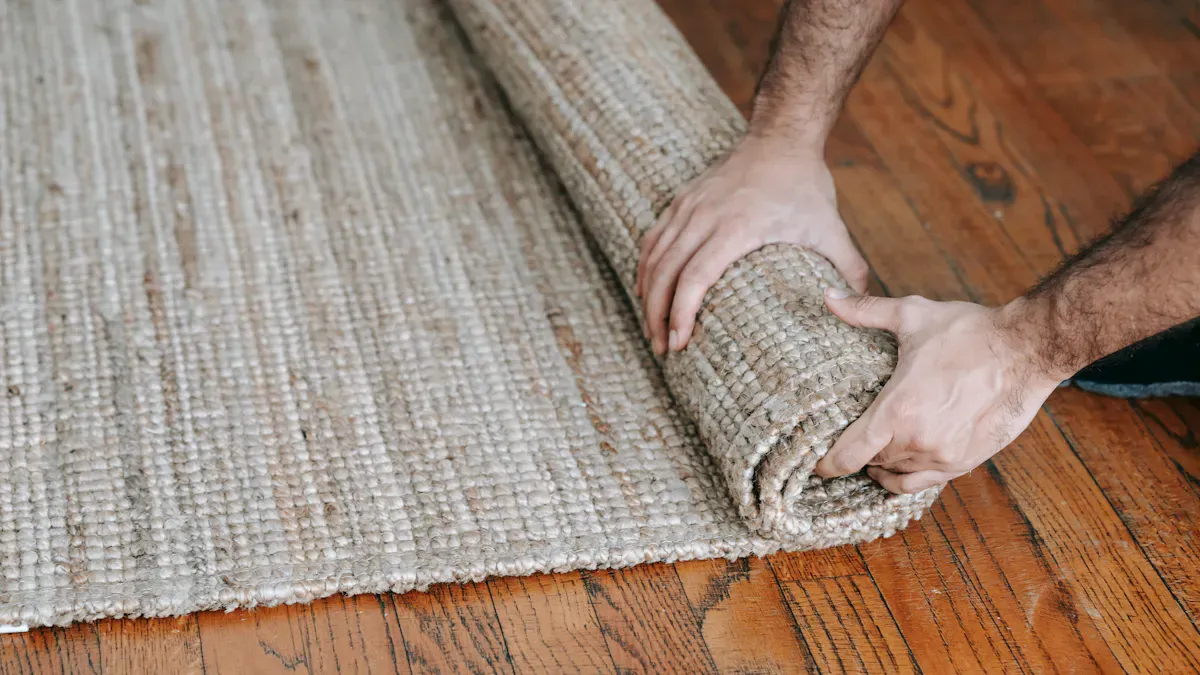
Using Furniture Pads and Area Rugs
You can protect your flooring by adding simple tools like furniture pads and area rugs. Place felt or rubber pads under the legs of chairs, tables, and sofas. These pads create a soft barrier that helps prevent scratches when you move furniture. You should also use area rugs in living rooms and hallway runners in busy spaces. Rugs and runners add style and protect the wear layer from heavy foot traffic. In high-traffic areas, protective mats or rugs reduce the risk of dents and scratches. Regular sweeping and using these items together will help keep your floors looking new.
- Place felt pads under all furniture legs.
- Use area rugs in rooms where people walk often.
- Add hallway runners to protect long stretches of flooring.
Tip: Check your furniture pads often. Replace them if they wear out.
Managing Sunlight Exposure
Sunlight can change the look of your laminate over vinyl flooring. Direct sunlight may cause fading over time. Many laminate floors resist fading, but you should still take steps to protect your flooring. Use curtains, blinds, or UV-protective window films to block harsh rays. Move rugs and furniture sometimes so the floor fades evenly. This keeps your floor color bright and even for years.
- Close blinds or curtains during the brightest part of the day.
- Use UV-protective window films on large windows.
- Rearrange rugs and furniture every few months.
Preventing Scratches from Shoes and Pets
Shoes and pets can cause scratches if you do not take care. Tiny bits of dirt and sand act like sandpaper on your floor. Place doormats at every entrance to catch dirt before it spreads. Ask family and guests to remove shoes indoors. Keep your pet’s nails trimmed to prevent scratches. Clean up spills right away to avoid stains and protect the wear layer. Use a soft-bristle broom or microfiber mop for daily cleaning. These habits help prevent scratches and keep your floors smooth.
- Put doormats at all doors.
- Trim pet nails often.
- Sweep or vacuum daily to remove grit.
Note: A regular cleaning routine and simple tools can make a big difference in how long your floors last.
Keeping Entryways Clean
You protect your laminate over vinyl flooring when you keep entryways clean. Entryways act as the first line of defense against dirt, moisture, and debris. Shoes track in sand, mud, and small stones. These particles scratch and dull your floor. You can reduce damage by focusing on entryway maintenance.
Start with a good doormat. Place a sturdy mat outside each door. Choose mats with rough textures that scrape dirt off shoes. Inside, use a soft mat to absorb moisture. You stop water and grit from reaching your flooring when you use both types.
You should clean mats often. Shake them outside to remove loose dirt. Wash them regularly to keep them effective. Dirty mats lose their ability to protect your floor.
Set up a shoe removal area near the door. You encourage family and guests to take off their shoes before entering. Shoes carry grit and moisture that harm laminate surfaces. You can use a small bench or shoe rack to make this habit easy.
Tip: Keep a basket for slippers or indoor shoes by the entryway. You offer comfort and protect your floors at the same time.
Sweep or vacuum entryways daily. Dirt builds up quickly in these areas. You prevent scratches and stains when you remove debris right away. Use a microfiber mop for quick cleaning.
Check for spills or wet spots after rainy days. Water can seep under mats and reach the laminate. You dry the area immediately to avoid swelling or warping.
You maintain the beauty and durability of your laminate over vinyl flooring when you keep entryways clean. Simple routines make a big difference. Clean entryways help your whole home stay fresh and safe.
Preventing Stains and Prolonging the Life of Your Laminate Over Vinyl
Immediate Spill Cleanup
You protect your laminate over vinyl flooring when you act fast after a spill. Liquids can seep into seams and cause stains or swelling. Always keep a soft cloth or paper towel nearby. Wipe spills right away to stop moisture from reaching the layers below. For sticky messes, use a damp mop and a mild cleaner. If you see a tough stain, try a little rubbing alcohol or a diluted vinegar solution. Test any new cleaner in a hidden spot first.
Tip: Clean up spills as soon as they happen. Quick action keeps your floors looking new and prevents long-term damage.
Rotating Furniture
You can prevent dents and uneven wear by moving your furniture from time to time. Heavy items left in one place press into the floor and leave marks. Rotate rugs and furniture every few months. This spreads out the pressure and helps your laminate stay smooth. Use felt pads under furniture legs to avoid scratches. Always lift heavy objects instead of dragging them across the floor.
- Move chairs, tables, and sofas to new spots.
- Place felt pads under all furniture legs.
- Lift, do not drag, when you need to rearrange.
A simple routine like rotating furniture helps your floor last longer and look its best.
Using Mats in High-Traffic Areas
You add extra protection to your laminate over vinyl flooring when you use mats and rugs. Place entry mats at every door to trap dirt and moisture before it reaches your floor. High-quality mats in busy areas catch sand, grit, and water. This reduces scratches and keeps your floors clean. Area rugs in hallways and living rooms also help prevent wear.
Note: Clean mats often to keep them working well. Shake out dirt and wash them regularly.
Using mats in high-traffic areas helps you clean laminate floors more easily and extends the life of your flooring. You keep your home looking fresh and welcoming with these simple steps.
Climate and Moisture Control for Laminate Over Vinyl
Maintaining Proper Humidity
You need to control the climate in your home to protect your laminate over vinyl flooring. Humidity affects how laminate reacts to its environment. If the air is too dry, the boards can shrink and leave gaps. If the air is too moist, the boards may swell and warp. You should keep indoor humidity between 35% and 65%. This range helps your laminate stay stable and look new.
You can use a digital hygrometer to check humidity levels. If you see the air getting dry, run a humidifier. If you notice high humidity, turn on a dehumidifier or air conditioner. These tools help you maintain the right balance. You also need to open windows sometimes to let fresh air in. This simple habit keeps your flooring in good shape.
Tip: Place a hygrometer in rooms with laminate flooring. Check it often to make sure humidity stays in the safe range.
Avoiding Water Damage
Water is the biggest threat to laminate over vinyl flooring. You must prevent water from reaching the surface or seams. Spills, leaks, and wet shoes can cause damage quickly. Always wipe up spills as soon as you see them. Never let water sit on the floor. If you have pets, dry their paws before they walk on laminate.
You should check for leaks under sinks and near appliances. Fix any problems right away. Use mats in entryways and bathrooms to catch water before it reaches the floor. When you do cleaning, use a damp mop instead of a wet one. Too much water during cleaning can cause swelling and ruin the laminate.
Here is a quick table to help you remember how to avoid water damage:
| Action | Benefit |
|---|---|
| Wipe spills quickly | Prevents stains and swelling |
| Use mats | Stops water from spreading |
| Fix leaks fast | Protects flooring structure |
You keep your laminate over vinyl flooring safe when you control moisture and climate. These habits help your floors last longer and stay beautiful.
Quick Checklist to Clean Laminate Floors and Protect Your Flooring
You can keep your laminate over vinyl flooring looking new with a simple checklist. This routine helps you remember important steps for cleaning and maintenance. Follow these habits to protect your floors every day, week, and month.
Daily Habits
- Sweep or vacuum your floors to remove dust and dirt.
- Wipe up spills as soon as they happen.
- Check entryways for mud or water.
- Remind family members to take off shoes indoors.
Tip: Quick daily cleaning stops scratches and stains before they start.
Weekly Habits
- Use a damp microfiber mop to clean the surface.
- Move small rugs and mats to clean underneath.
- Inspect high-traffic areas for signs of wear.
- Check furniture pads to make sure they stay in place.
A weekly routine helps you spot problems early. You can fix small issues before they become big repairs.
Monthly Maintenance
| Task | Why It Matters |
|---|---|
| Rotate area rugs and mats | Prevents uneven fading |
| Check for loose planks | Keeps flooring stable |
| Clean under heavy furniture | Stops dirt from building up |
| Review humidity levels | Protects against warping |
You should set a reminder for monthly maintenance. This habit keeps your floors strong and beautiful. Regular cleaning and care help your laminate over vinyl flooring last for many years.
Note: Consistent maintenance gives you the best results and protects your investment.
You keep your laminate over vinyl flooring looking new when you build strong cleaning habits. Choose gentle cleaners and avoid excess water. Protect your floors with simple routines like daily sweeping and quick spill cleanup.
Remember: Consistency helps your floors last longer and stay beautiful.
- Trust skspcflooring for quality products that make maintenance easy.
- Enjoy fresh, durable flooring every day with smart prevention.
FAQ
Can you use a steam mop on laminate over vinyl flooring?
You should not use a steam mop. Steam forces moisture into the seams. This causes swelling and damage. Stick to a damp microfiber mop for safe cleaning.
What is the best way to remove stains from laminate floors?
You can blot stains with a soft cloth. Use a laminate-safe cleaner. Avoid scrubbing hard. Test new products in a hidden spot first.
How often should you clean laminate over vinyl flooring?
| Cleaning Task | Frequency |
|---|---|
| Sweep/Vacuum | Daily |
| Damp Mop | Weekly |
| Spot Clean Spills | As needed |
You keep your floors fresh when you follow this schedule.
Do you need special cleaners for laminate over vinyl?
You should use laminate-specific cleaners. These products protect the wear layer. Avoid bleach, ammonia, and wax-based solutions. Read labels before using any new cleaner.




