
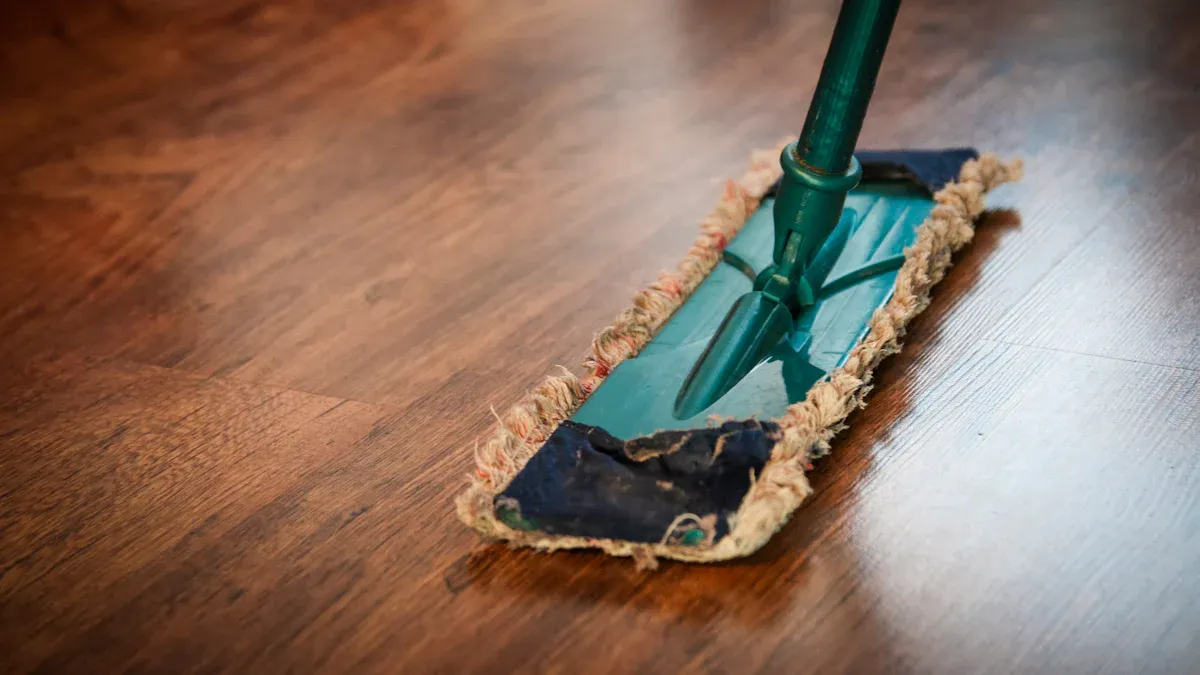
You want your vinyl floor planks to look beautiful every day. Regular cleaning with the best way to clean vinyl floor planks keeps your home fresh and safe. Start by sweeping or vacuuming to remove dust and dirt. Use a gentle, non-abrasive cleaner and a damp mop to clean the surface. Do not soak the floor. Many homeowners choose vinyl because it is easy to clean and maintain. In fact, vinyl holds a 29% market share, much higher than laminate at 12.5%. If you follow the best way to clean lvp flooring, you will protect your investment and enjoy spotless floors for years.
| Flooring Type | Market Share (%) |
|---|---|
| Vinyl | 29 |
| Laminate | 12.5 |
Why the Best Way to Clean Vinyl Floor Planks Matters
Protecting Your Investment
You want your home to look its best, and your floors play a big part in that. When you use the best way to clean vinyl floor planks, you help your floors stay beautiful and strong. Clean, well-maintained flooring makes your home more appealing to visitors and potential buyers. Many real estate experts say that new, spotless floors can increase your home’s value. Buyers notice when you take care of your space. Fresh, modern floors give your rooms a clean and updated look. This makes your home feel inviting and well-maintained.
Tip: Regular cleaning not only keeps your floors looking new but also shows that you care about your home. This can lead to a higher resale value if you ever decide to move.
Preventing Damage and Wear
You can avoid many common problems by following the best way to clean lvp flooring. Dirt and grit act like sandpaper on your floors. If you sweep or vacuum two to three times a week, you remove these tiny particles before they scratch the surface. Consistent cleaning helps prevent scratches, stains, and other damage. Here are some common causes of damage to vinyl floor planks:
- Scratches from dirt and high-traffic items can make your floors look dull.
- Discoloration and stains often come from spills or too much sun. Clean up spills right away to avoid permanent marks.
- Peeling can happen at the corners if the adhesive wears out. Address this quickly to keep your floors in good shape.
You should also mop with a vinyl-specific cleaner and a damp mop for deeper cleaning. Wipe up spills as soon as they happen. Place doormats at entrances to catch dirt before it reaches your floors. Simple routines like these make a big difference. When you follow the best way to clean lvp flooring, you protect your floors from everyday wear and tear. Clean floors last longer and look better year after year.
Essential Tools and Cleaning Solutions for Vinyl Plank Flooring
Recommended Cleaning Tools for skspcflooring Products
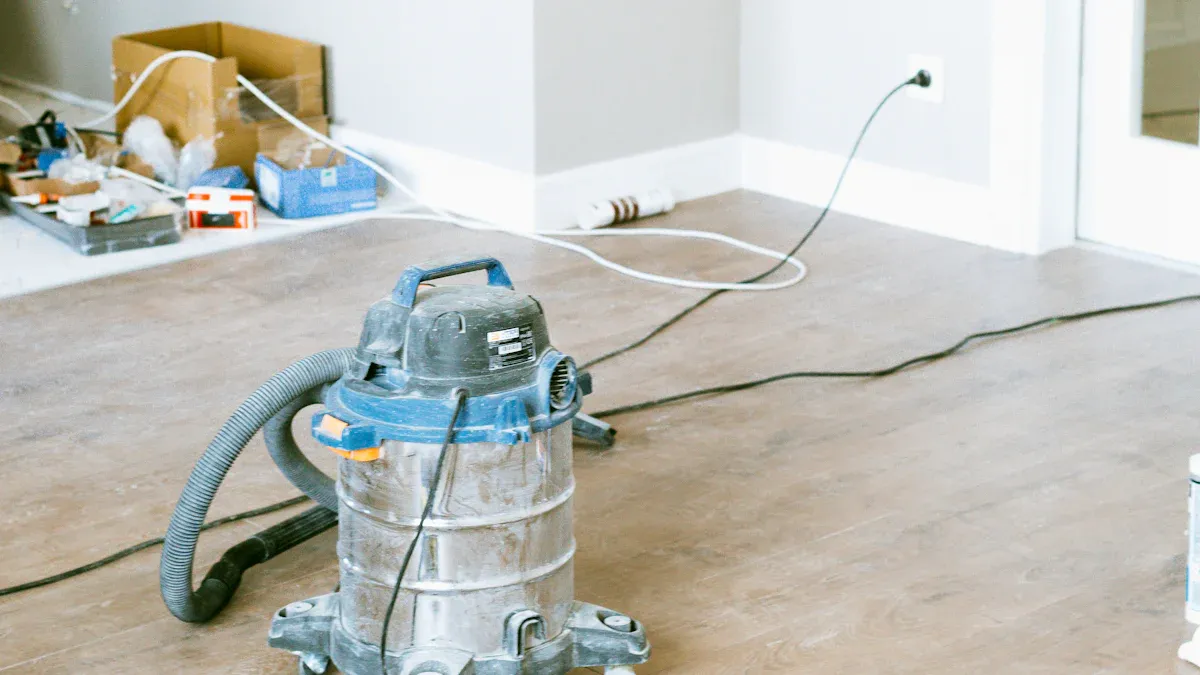
You need the right tools to keep your flooring looking its best. Using proper tools helps you clean without causing damage. Many flooring professionals suggest these items for cleaning vinyl plank flooring:
- Broom and dustpan or a commercial sweeper
- Vacuum cleaner without a beater bar
- Microfiber mop
- Non-abrasive scrubbing pads or brushes
- Vinyl-friendly cleaning solution
These tools remove dirt and dust from your luxury vinyl flooring. A microfiber mop works well because it traps dust and does not scratch the surface. You should use a vacuum without a beater bar to avoid marks. Non-abrasive pads help you clean tough spots without harming your flooring.
Safe Cleaning Solutions for Vinyl Plank Flooring
Choosing the right cleaning solution is important for your floors. Some solutions keep your flooring clean and safe, while others can cause damage. You should always check the label before using any product. Here is a table to help you pick the best cleaning solution for your luxury vinyl flooring:
| Safe Cleaning Solutions | Cleaning Solutions to Avoid |
|---|---|
| Manufacturer-recommended vinyl cleaners | Steam mops (unless approved by manufacturer) |
| Neutral pH floor cleaners (with dilution) | Ammonia or bleach-based cleaners |
| Abrasive scrubbers or gritty pastes | |
| Wax, polish, or ‘shine enhancers’ | |
| Flood mopping or excessive water | |
| Vinegar-based products (conflicting advice exists) |
A neutral pH solution works well for cleaning your luxury vinyl tile. Always follow the instructions on the bottle for the best results.
What to Avoid When Cleaning
You want your flooring to last a long time. Some cleaning habits can harm your floors. Avoid using harsh chemicals like ammonia or bleach. Do not use abrasive pads or gritty pastes. Too much water can seep into the seams and cause problems. Wax, polish, or shine enhancers are not needed for vinyl plank flooring. Stick to gentle cleaning methods and the right solution to keep your floors looking new.
Tip: Test any new cleaning solution on a small area first. This helps you make sure it is safe for your flooring.
Step-by-Step Guide: Best Way to Clean LVP Flooring
You want your floors to look their best every day. The best way to clean vinyl floor planks is to follow a simple routine. These steps help you keep your flooring spotless and strong. You can use these quick and easy steps for deep cleaning or for regular care. Let’s break down the best way to clean lvp flooring into three main steps.
Remove Loose Dirt and Debris
Start by removing dust, dirt, and crumbs from your floor. This step is important because small particles can scratch the surface. You should sweep or vacuum at least once a week. If you have pets or a busy home, you may need to sweep more often. For optimal results, consider sweeping once or twice weekly. A vacuum without a beater bar works well for this method. You can also use a broom and dustpan for smaller spaces. Make sure you reach corners and under furniture. This step prepares your floor for the next part of the cleaning process.
Tip: Establish a practical mopping routine in addition to sweeping. This keeps your flooring looking fresh and prevents buildup.
Mopping with the Right Solution
After you remove loose dirt, you need to mop your floor. The best way to clean lvp flooring is to use a gentle, non-abrasive solution. Choose a mop that fits your needs. Many people like flat or spray mops because they are lightweight and easy to use. Some prefer electric mops for less effort. Sponge and spin mops also work well for this method. Always use a solution made for vinyl plank flooring. A neutral pH cleaner is a good choice. Avoid harsh chemicals or too much water. Spray the solution lightly on the floor or dip your mop and wring it out well. Mop in small sections and rinse your mop often. This method gives you an actual solution for deep cleaning without harming your floor.
Note: Never use steam mops or abrasive pads. These can damage your flooring and shorten its lifespan.
Drying the Floor Properly
The last step is drying your floor. You should never leave your vinyl plank flooring wet. Use a clean, dry microfiber cloth or mop to remove any leftover moisture. This step is important because moisture can cause planks to swell or shrink. If water gets under the planks, it can lead to gaps, buckling, or even mold growth. Mold and mildew not only look bad but can also affect your health. Drying your floor right away keeps your flooring strong and beautiful. This method helps you avoid problems like bubbling, warping, or edge curling. You want your floors to last for many years, so always finish with this step.
Callout: Quick and easy steps for deep cleaning include removing dirt, mopping with the right solution, and drying the floor completely. This is the actual solution for deep cleaning that protects your investment.
By following these steps, you use the best way to clean vinyl floor planks and the best way to clean lvp flooring. You keep your flooring clean, safe, and looking new. Make these steps part of your regular cleaning routine for the best results.
Cleaning Vinyl Plank Flooring: Tackling Tough Spots and Stains
Removing Scuffs and Marks
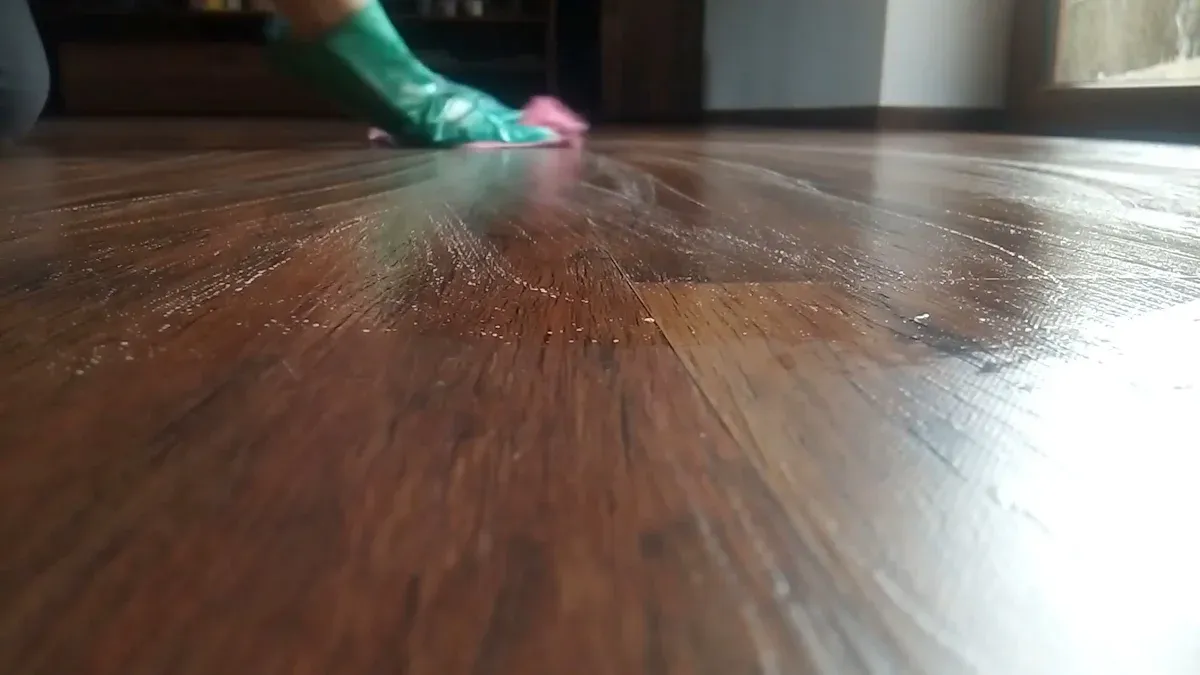
You may notice scuffs or marks on your vinyl plank flooring from shoes or moving furniture. You can remove these spots with simple cleaning methods. Try these steps for a safe and effective solution:
- Use a clean eraser to gently rub the scuff marks. This method works well for light marks.
- For tougher spots, mix a few drops of dish soap with warm water. Apply this solution to the area and scrub with a soft sponge or cloth.
- If marks remain, dab a little rubbing alcohol on a cloth and gently rub the spot. Use this solution sparingly to protect your flooring’s finish.
These cleaning techniques help you keep your flooring looking new without causing damage.
Dealing with Spills and Stains
Spills can happen at any time. Quick action helps you avoid stains and keeps your flooring in top shape. Follow these cleaning tips:
- Wipe up spills right away using a soft cloth and warm water.
- For stubborn stains, make a paste of baking soda and water. Gently rub the stain with this solution.
- You can also use liquid dish soap or laundry detergent. Test the solution in a hidden spot first.
- For tough stains like ink or lipstick, try rubbing alcohol. For crayon or paint, use mineral spirits. Acetone-based nail polish remover works for nail polish stains.
Always use a gentle cleaning solution and avoid harsh scrubbing to protect your flooring.
Handling Sticky Residue
Sticky residue can make your flooring look dull and attract more dirt. You can choose a cleaning solution designed for vinyl plank flooring. Many homeowners trust these products:
- Bona Hard-Surface Floor Cleaner dries fast and leaves no streaks.
- Rejuvenate Luxury Vinyl Floor Cleaner works well in high-traffic areas.
- OdoBan Ready-to-Use Vinyl Floor Cleaner is safe for homes with kids or pets.
- Zep Neutral pH Floor Cleaner is a budget-friendly solution for large spaces.
- Quick Shine Multi-Surface Floor Cleaner restores your flooring’s appearance without wax.
These cleaning solutions help you keep your floors clean, shiny, and safe for your family.
Common Cleaning Mistakes to Avoid with Vinyl Floor Planks
You want your vinyl floor planks to last for years. Avoiding common cleaning mistakes helps you protect your investment and keep your floors looking their best.
Using Harsh Chemicals
Many people think strong cleaners will give a better result. This is not true for vinyl plank flooring. Harsh chemicals can stain or degrade the surface. You may notice the floor loses its shine or changes color. Some cleaning agents, like bleach or ammonia, can break down the protective layer. This damage is often permanent. Always choose a gentle cleaning solution made for vinyl. You will keep your floors safe and looking new.
Tip: Read the label before using any cleaning product. If you are unsure, test the solution on a small, hidden spot first.
Over-Wetting the Floor
Too much water is a common mistake when cleaning vinyl planks. Water can seep between the planks and cause problems. You might see gaps, warping, or even mold if moisture gets trapped. Standing water can break down the wear layer and shorten the life of your flooring. Always use a damp mop, not a wet one. Wipe up spills right away to prevent water damage.
- Over-wetting can force moisture between planks.
- Gaps from poor installation let water seep in.
- Ignoring spills leads to standing water and damage.
Dry your floor after mopping to keep it in top shape.
Skipping Regular Maintenance
You need a routine to keep your floors clean and strong. Skipping regular cleaning lets dirt build up. This dirt can scratch and dull the finish. If you do not sweep or vacuum often, you may see more scratches and stains. Regular maintenance prevents scratches, gouging, and moisture damage. These problems can make your floors look old and reduce their lifespan. Make cleaning a habit for the best results.
Callout: A simple cleaning routine is the best solution for beautiful, long-lasting vinyl floors.
Long-Term Maintenance Tips for skspcflooring Vinyl Plank Flooring
Preventing Scratches and Dents
You want your flooring to look new for years. You can prevent scratches and dents by following a few simple steps. Place felt pads or rubber bumpers under furniture legs. These pads help protect your floors when you move chairs or tables. Use area rugs and runners in busy spots to reduce wear. Enforce a no-shoes policy or use door mats at entrances to keep dirt and grit away. Trim your pet’s nails often to avoid scratches. Sweep or vacuum daily to remove debris that can scratch the surface. Control indoor humidity to stop your planks from warping. Rotate your rugs and furniture every few months to spread out the pressure on your flooring.
- Place felt pads under furniture legs
- Use rugs in high-traffic areas
- Keep pet nails trimmed
- Sweep or vacuum daily
- Rotate rugs and furniture regularly
Setting Up a Cleaning Routine
A good cleaning routine helps you keep your luxury vinyl plank flooring clean and bright. Sweep or vacuum every day, especially in busy rooms. Mop once a week with a gentle cleaner. If you spill something, clean it up right away. Always follow the care instructions from your flooring manufacturer. Keep your luxury vinyl plank flooring clean by using the right products and tools. Schedule a professional cleaning once a year for a deep clean. Use maintenance kits recommended by your flooring brand for the best results.
Tip: Consistent daily sweeping and weekly mopping prevent problems before they start.
Protecting High-Traffic Areas
High-traffic areas need extra care. You can use special accessories to protect your flooring and keep it looking great. The table below shows some helpful items:
| Accessory | Purpose | Key Benefit |
|---|---|---|
| Felt Furniture Pads | Distribute weight and prevent scratching | Protects against indentations and scuffs |
| Non-Slip Area Rugs | Capture dirt and reduce foot traffic | Prevents abrasive wear in specific zones |
| Chair Mats | Provide a rolling surface for chairs | Prevents concentrated, repetitive stress |
| Entryway Mats | Remove debris from shoes | First line of defense against grit |
Place mats at every entrance to catch dirt before it reaches your floors. Use chair mats in home offices to stop rolling chairs from causing damage. Choose non-slip rugs for busy hallways and living rooms. These steps help you keep your luxury vinyl plank flooring clean and strong for years.
When to Seek Professional Cleaning Solutions
Sometimes, regular cleaning is not enough for your floors. You may need help from professionals to deep clean vinyl plank flooring or fix serious damage. Knowing when to call in experts can save you time and keep your floors looking their best.
Deep Cleaning Services
You might notice that your regular routine does not remove all dirt or stains. Professional cleaners use special tools and solutions to deep clean vinyl plank flooring. They can reach dirt that hides in seams and grooves. These experts know how to lift tough stains without harming your floor’s surface. You may want to schedule a professional service if you see:
- Stubborn stains that do not come out with home cleaning
- A dull or sticky floor even after mopping
- Buildup of grime in high-traffic areas
Tip: Professional cleaning helps restore shine and keeps your floors healthy. You can ask for a deep clean vinyl plank flooring service once or twice a year for the best results.
Repairing Damaged Planks
You may find scratches, dents, or cracks that regular cleaning cannot fix. Professionals use several methods to repair damaged planks:
- Use gentle heat, like a hair dryer, to soften the vinyl and reshape minor dents.
- Apply a vinyl filler compound to fill deeper dents or gouges.
- For scratches that go beyond the wear layer or for cracked planks, replacement is often the best choice.
If you need to replace a plank, experts can:
- Remove the floor and swap out the damaged board, then reinstall everything.
- Cut out only the damaged plank and fit a new one in its place.
Note: Most luxury vinyl plank floors use a click-lock system. This makes it easier for professionals to remove and replace single planks without disturbing the rest of the floor.
You should call a professional if you see damage that affects the plank core or if you want to deep clean vinyl plank flooring after years of use. This keeps your floors safe, beautiful, and long-lasting.
You keep your vinyl floor planks beautiful and durable when you use regular, gentle cleaning.
- Regular sweeping removes dust and debris that can affect durability.
- Damp mopping with a vinyl-safe cleaner gives you a thorough clean without damage.
- Avoid harsh chemicals and excess water to protect your floor’s finish.
Expert tips focus on non-abrasive methods and pH-neutral solutions, which help your flooring last longer. Professional deep cleaning or repairs can restore shine and prevent costly replacements.
FAQ
How often should you clean vinyl floor planks?
You should sweep or vacuum your vinyl floor planks at least twice a week. Mop once a week with a gentle cleaner. Clean spills right away to prevent stains.
Can you use a steam mop on vinyl plank flooring?
You should not use a steam mop on vinyl plank flooring. The heat and moisture can damage the planks and weaken the adhesive.
What is the best way to remove sticky residue?
Try a damp microfiber cloth with a few drops of dish soap. For stubborn spots, use a vinyl-safe cleaner. Always dry the area after cleaning.
Will vinegar damage vinyl plank floors?
| Cleaner | Safe for Vinyl? |
|---|---|
| Vinegar | No |
| Neutral pH | Yes |
Vinegar can dull the finish and weaken the surface. Use a neutral pH cleaner instead.
How do you protect vinyl floors from scratches?
- Place felt pads under furniture.
- Use rugs in busy areas.
- Keep pet nails trimmed.
- Sweep often to remove grit.
These steps help you keep your floors looking new.




