
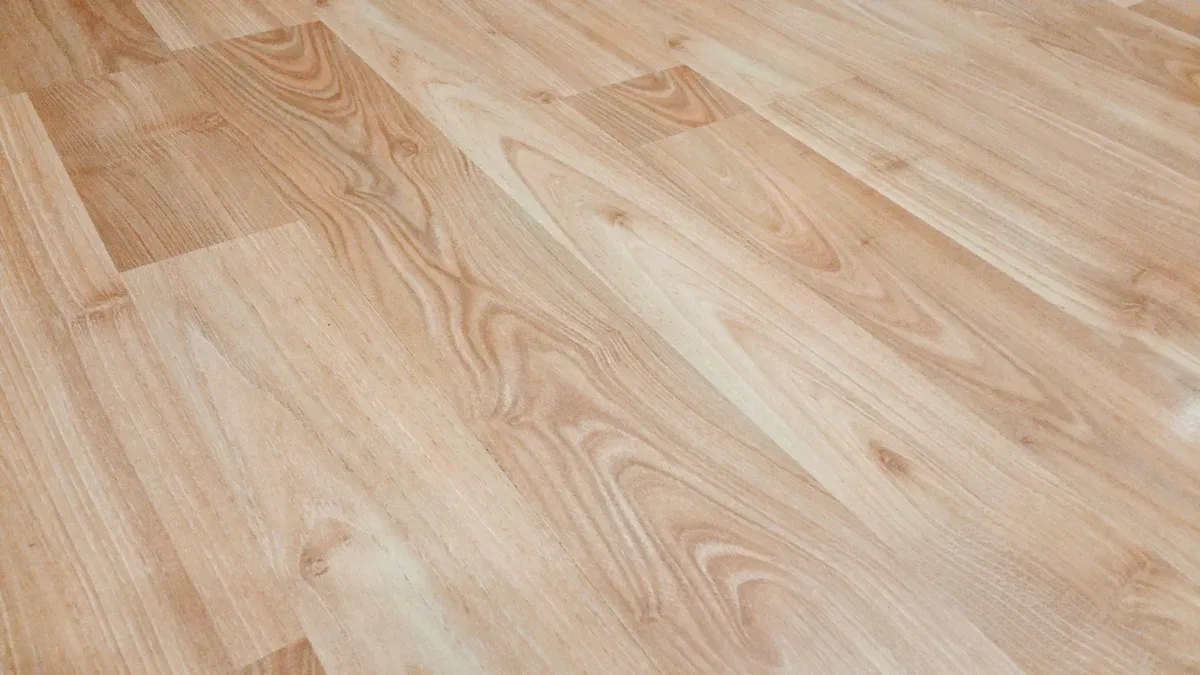
You want your floors to last. When you ask what is a good thickness for vinyl plank flooring, most experts recommend 5mm to 8mm. Thicker vinyl planks, like 6mm, give you comfort and help reduce noise. If you need extra durability, you can choose 7mm or 8mm for busy spaces. The table below shows common vinyl flooring thickness choices in homes:
| Thickness | Description |
|---|---|
| 4mm | Starting point for many homeowners, suitable for high-traffic areas like hallways and kitchens. |
| 5mm | Standard for enhanced durability and a premium feel. |
| 7mm | Top-tier choice for ultimate durability and luxury. |
| 8mm | Entry point to commercial-grade aesthetics and performance. |
| 12mm | Maximum thickness typically found, providing stability and sometimes a built-in underlayment. |
Selecting the right vinyl flooring thickness helps you achieve lasting performance and satisfaction.
Why Vinyl Plank Flooring Thickness Matters
Durability and Wear Layer Thickness
You want your floors to last for years. The durability of your luxury vinyl plank depends on both the plank and the wear layer thickness. The wear layer is a clear topcoat that protects your floor from scratches, dents, and stains. If you choose a thicker wear layer, you get better resistance to everyday wear and tear. Here are some important points to remember:
- Wear layer thickness usually ranges from 6 to 30 mils.
- For homes, 12-20 mils is enough. For busy commercial spaces, you need 20 mils or more.
- Thicker wear layers protect against scratches and stains.
- High-traffic areas like kitchens and entryways need a 20 mil wear layer and a plank core of at least 5mm.
- Industry studies show that thicker layers can help your floor last up to 15 years in heavy-use areas.
The material of the wear layer also matters. You can see the differences in this table:
| Wear Layer Material | Durability / Performance | Application |
|---|---|---|
| Standard Urethane | Good resistance to stains, less scratch resistance | Budget and entry-level floors |
| Ceramic Bead | Excellent scratch and scuff resistance | High-quality residential and commercial floors |
| Aluminum Oxide | Superior abrasion and scratch resistance | High-end luxury vinyl plank and laminate floors |
Comfort and Underfoot Feel
You want your home to feel comfortable. Thicker planks give you a softer and warmer feel underfoot. If you walk barefoot or have kids who play on the floor, you will notice the difference. Thicker luxury vinyl plank floors also help hide small bumps in the subfloor, making your floor feel smoother. Here is a quick look at how thickness affects comfort:
| Thickness | Comfort Level | Core Type |
|---|---|---|
| 4mm | Less substantial feel | SPC |
| 5mm or more | Warmer and more forgiving | WPC |
| 8mm | Most comfortable and solid | WPC |
Sound Insulation and Acoustics
You want a quiet home. Thicker vinyl plank flooring thickness helps reduce noise from footsteps and dropped objects. If you live in an apartment or have rooms above each other, thicker planks make a big difference. Floors with a thickness of 5mm or more provide better sound insulation. You will notice less echo and a more peaceful space. This is especially important in bedrooms, living rooms, and hallways.
Stability and Lifespan
You want your floors to stay strong and look good for many years. Vinyl plank flooring gives you excellent stability because of its unique structure. The planks have several layers that work together to keep your floor flat and firm. The core layer, often made from Stone Plastic Composite (SPC), does not absorb moisture. This means your floor will not swell or warp when the weather changes.
Tip: Thicker vinyl planks offer more resistance to bending and damage. You get a floor that stays smooth and steady, even in busy rooms.
Vinyl plank flooring stands out from hardwood. Hardwood floors can absorb water and swell, which leads to warping and cupping. Vinyl planks, especially those with an SPC core, keep their shape. You do not have to worry about humidity or spills causing problems.
Here is how vinyl plank flooring thickness helps with stability and lifespan:
- Vinyl planks are dimensionally stable and resist cupping.
- The SPC core is hydrophobic and chemically inert, so it prevents warping from humidity.
- Thicker planks give you extra durability in high-traffic areas.
You can see the benefits in this table:
| Feature | Vinyl Plank Flooring | Hardwood Flooring |
|---|---|---|
| Moisture Resistance | Excellent | Poor |
| Warping Risk | Low | High |
| Stability Over Time | High | Medium |
| Lifespan in Busy Areas | Long | Short |
Thicker vinyl planks also handle temperature changes better. You get a floor that stays stable in both hot and cold seasons. The multi-layer design, including a tough wear layer and a rigid core, protects your floor from everyday stress. You can trust thicker vinyl planks to last longer and keep your home looking great.
Understanding Vinyl Plank Flooring Thickness
Core Layer Thickness Explained
You need to know what makes up your floor. The core layer gives your vinyl plank flooring strength and stability. This layer decides how solid your floor feels when you walk on it. Different types of planks have different core thicknesses. You can see the typical ranges in this table:
| Type of Vinyl Plank | Core Layer Thickness (mm) |
|---|---|
| SPC | 4-7 |
| WPC | 5-8 |
| Standard LVP | 2-5 |
SPC stands for Stone Plastic Composite. It gives you a rigid and durable floor. WPC means Wood Plastic Composite. It feels softer and warmer underfoot. Standard LVP is thinner and works best in low-traffic spaces. When you choose the right core, you get the best vinyl plank flooring thickness for your home.
Wear Layer Thickness and Its Importance
You want your floors to last. The wear layer thickness protects your luxury vinyl plank from scratches, stains, and dents. This clear top layer sits above the design and core. You should pay close attention to wear layer thickness because it affects how long your floor will look new. Here is what you need to know:
- The thickness of the wear layer is an indicator of floor longevity.
- A thicker wear layer typically results in a longer warranty period.
- Wear layer thickness helps your floor resist everyday damage.
- You get better protection in busy rooms with a thicker wear layer.
- Most homes do well with a wear layer thickness of 12-20 mils.
- High-traffic or commercial spaces need a wear layer thickness of 20 mils or more.
You should always check the wear layer thickness before you buy. This step helps you pick a floor that matches your needs and keeps your luxury vinyl plank looking great for years.
Backing and Underlayment Options
You want your floor to feel comfortable and last longer. The backing and underlayment play a big role in this. They add support, reduce noise, and help with insulation. You can see the best options in this table:
| Underlayment Type | Characteristics | Suitability |
|---|---|---|
| Cork | Retains moisture, not a moisture barrier | Not recommended for moisture-prone areas |
| Foam | Budget-friendly, basic insulation, average sound absorption | Good for general use, but lacks moisture resistance |
| Felt | Superior sound-dampening, better insulation | Ideal for sound control and insulation |
| Particleboard | Budget-friendly, low moisture resistance | Not suitable for moisture-prone areas |
| Plywood | Sturdier, better moisture resistance | Recommended for durability |
| OSB | Durable, long-lasting | Good alternative to plywood |
| Rubber | Excellent sound absorption, thermal insulation, moisture protection | Best overall choice for vinyl flooring |
You should match your underlayment to your room’s needs. Rubber works best for sound and moisture protection. Felt helps with noise and warmth. Foam is a good choice for most rooms if you want to save money. Always choose the right underlayment to get the most from your vinyl plank flooring.
Best Vinyl Flooring Thickness for Different Rooms
Living Rooms and Bedrooms
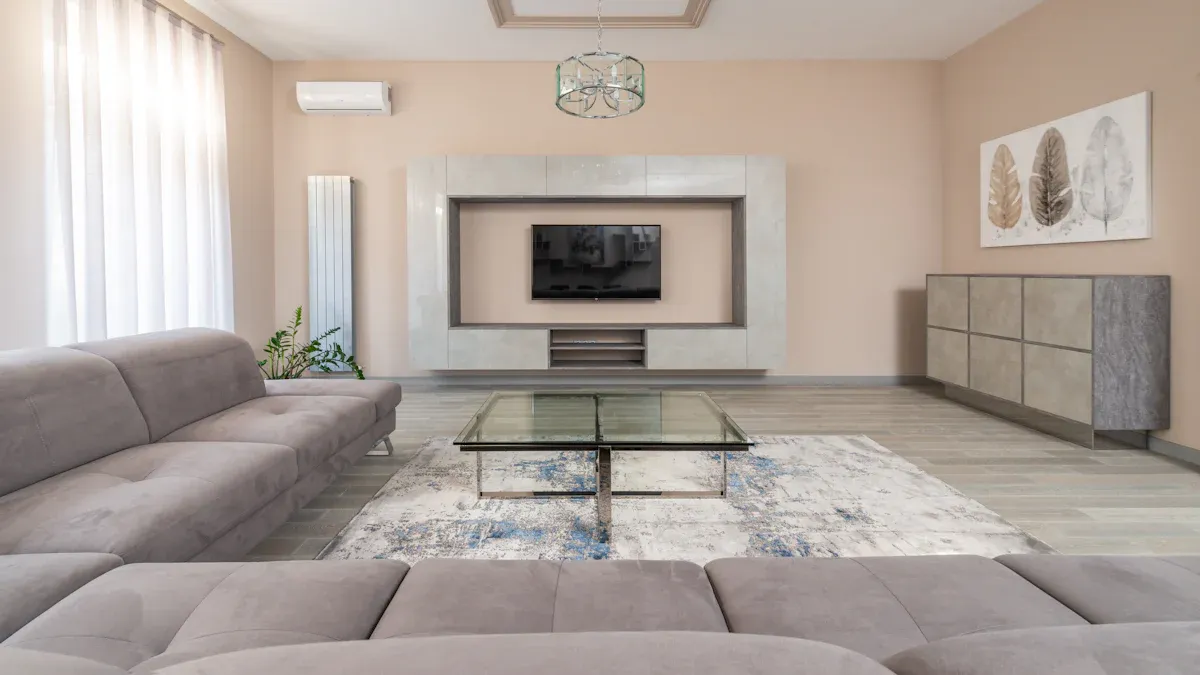
You spend a lot of time in your living room and bedroom. These spaces need floors that feel comfortable and look great. You want a floor that can handle daily activities, like walking, playing, or moving furniture. The best vinyl flooring thickness for these rooms usually falls between 4 to 6mm. This range gives you a good balance of durability and comfort underfoot. You can enjoy a soft feel when you walk barefoot or relax with your family.
- 4mm works well for most bedrooms and living rooms with light to moderate foot traffic.
- 5mm gives you extra comfort and a more solid feel.
- 6mm offers the best mix of strength and luxury, especially if you want a quieter room.
You can see the benefits in this table:
| Room Type | Recommended Thickness | Main Benefit |
|---|---|---|
| Living Room | 4-6mm | Comfort and style |
| Bedroom | 4-6mm | Soft underfoot feel |
Choose a thickness that matches your lifestyle. If you have kids or pets, a thicker plank can help your floor last longer.
Kitchens and Dining Areas
Kitchens and dining rooms see a lot of action. You cook, eat, and clean in these spaces every day. Spills and dropped utensils happen often. You need a floor that can handle moisture, stains, and scratches. The thickness of your vinyl plank flooring matters, but the wear layer is even more important here.
A thicker wear layer protects your floor from damage. In kitchens and dining areas, a wear layer of at least 20 mil is best. This extra protection keeps your floor looking new, even when you drop something or spill water. You also want a plank that feels sturdy underfoot, so a core thickness of 5mm or more works well.
Tip: Choose a luxury vinyl plank with a thick wear layer for kitchens and dining rooms. You get better resistance to scratches and moisture.
You can enjoy easy cleaning and peace of mind, knowing your floor can handle busy family meals and gatherings.
Bathrooms and Laundry Rooms
Bathrooms and laundry rooms face a lot of moisture. You need a floor that resists water and stays strong. The right vinyl flooring thickness helps protect your home from leaks and spills. For these rooms, you should focus on both the plank and the wear layer.
- A minimum wear layer thickness of 12 mil works for low-traffic bathrooms.
- For busy homes or light commercial use, a 20 mil wear layer is better.
- Thicker wear layers give you more moisture protection and durability.
You want your bathroom and laundry room floors to last for years. Choose a plank with a strong core and a thick wear layer. This combination keeps your floor safe from water damage and makes cleaning easier.
| Room Type | Recommended Wear Layer | Why It Matters |
|---|---|---|
| Bathroom | 12-20 mil | Moisture resistance |
| Laundry Room | 12-20 mil | Extra durability |
Pick the right thickness for each room. You get a floor that looks good, feels comfortable, and stands up to daily life.
Hallways and Entryways
You walk through your hallways and entryways every day. These spaces see the most foot traffic in your home. Shoes, boots, and even pet claws can scratch and scuff your floors. You need vinyl plank flooring that stands up to this busy activity.
A thicker plank with a strong wear layer works best here. You want your floor to look good for years, even with heavy use. Many experts recommend a wear layer of at least 20 mil for these areas. If you have pets or children, a 22 mil wear layer gives you even more protection. This extra thickness helps your floor resist scratches, dents, and stains.
Here are the key reasons to choose a thicker wear layer for hallways and entryways:
- A 20 mil wear layer protects against scratches and scuffs from shoes and bags.
- A 22 mil wear layer offers maximum durability for homes with pets or kids.
- Thicker planks feel more solid underfoot and reduce noise.
- You get a longer-lasting floor that keeps its good looks.
Tip: Always check the wear layer thickness before you buy vinyl plank flooring for high-traffic spaces. A thicker wear layer means less worry about damage and less time spent on repairs.
Basements and Utility Spaces
Basements and utility rooms have special needs. These areas often face moisture, temperature changes, and uneven subfloors. You want a floor that stays strong and resists water.
Thicker vinyl planks work well in basements and utility spaces. Planks with a thickness of 5 to 7mm give you better stability and moisture resistance. They also help with insulation and soundproofing. Choosing a waterproof luxury vinyl plank with an SPC core adds extra protection against water and humidity.
The table below shows how thickness impacts performance in these rooms:
| Aspect | Recommendation |
|---|---|
| Recommended thickness | 5 to 7mm |
| Stability over subfloors | Thicker planks provide better stability |
| Moisture resistance | Thicker planks enhance moisture resistance |
| Additional tips | Choose waterproof LVP with SPC core |
| Underlayment benefits | Better insulation and soundproofing |
You can also add a quality underlayment. This layer improves insulation and makes your basement or utility room quieter. You get a floor that feels warmer and more comfortable, even in colder spaces.
Note: Always choose vinyl plank flooring designed for moisture-prone areas in basements and utility rooms. This step helps prevent problems and keeps your floor looking great.
Key Factors When Choosing Vinyl Plank Flooring Thickness
Foot Traffic Levels
You should consider how much activity each room gets. High-traffic areas like hallways, kitchens, and entryways need thicker planks and a strong wear layer. These spaces benefit from a wear layer of 20 mil or higher for durability. Moderate foot traffic areas, such as bedrooms or living rooms, can use a 12 mil wear layer for a balance between cost and durability. Thicker planks also help dampen sound and provide a softer feel underfoot, which is ideal for rooms where you stand for long periods. In low-traffic spaces, thinner planks work well without sacrificing quality.
- High-traffic spaces need thicker planks with a robust wear layer.
- Moderate traffic areas can use a 12 mil wear layer.
- Low-traffic rooms can utilize thinner planks.
- Thicker planks offer better sound absorption and comfort.
Subfloor Condition
You need to check your subfloor before installing vinyl plank flooring. A flat, level, and clean subfloor is essential for a successful installation. Thicker flooring can cover minor imperfections and help smooth out uneven surfaces. If your subfloor has significant issues, you must fix them first to prevent movement or squeaking. Floating floors usually require thicker planks for stability, while glue-down options may work with thinner planks. Thicker vinyl can also address uneven subfloor conditions and improve overall performance.
- Thicker planks mask minor imperfections in the subfloor.
- Floating installations need thicker planks for stability.
- Glue-down systems can use thinner planks.
- Fix major subfloor issues before installation.
Installation Method (Floating vs. Glue Down)
You have two main installation methods: floating and glue-down. Floating floors use click-lock systems and work best with planks in the 4–10mm range. These planks provide comfort and stability, especially in larger spaces. Glue-down vinyl flooring uses thinner planks and offers stability, making it ideal for rooms with heavy furniture. The installation method influences the thickness you should choose.
| Installation Method | Thickness Range | Description |
|---|---|---|
| Glue-down vinyl flooring | Thinner | Offers stability and is cost-effective, ideal for areas with heavy furniture. |
| Click-lock and floating floors | 4–10mm | Provides comfort and requires transition strips for larger spaces. |
Tip: Thicker planks are recommended for floating installations, while glue-down systems can use thinner options. Always match the installation method to your room’s needs for the best results.
You should also consider water resistance when choosing vinyl plank flooring thickness, especially for kitchens, bathrooms, and basements. Thicker planks with a strong core and wear layer provide better protection against moisture.
Comfort and Warmth
You want your home to feel cozy and inviting. Thicker vinyl plank flooring helps you achieve this goal. When you walk on thicker planks, you notice a cushioned experience underfoot. This makes standing or walking for long periods more comfortable. Thicker planks also insulate against cold subfloors. You feel warmer, especially during winter or in colder climates. The extra thickness absorbs sound, which adds to the comfort by reducing noise.
- Thicker vinyl planks provide a warmer and more cushioned experience underfoot.
- They help insulate against cold subfloors, making the flooring feel warmer.
- The pliability of thicker planks enhances comfort by absorbing sound and reducing noise.
If you have children or pets, thicker planks make playtime safer and more enjoyable. You can relax knowing your floor feels soft and stays warm.
Acoustics and Noise Reduction
You want a quiet and peaceful home. Thicker vinyl plank flooring absorbs sound instead of reflecting it. This leads to a quieter living environment. The thick core layer improves sound insulation, so you hear fewer footsteps and less movement noise. You notice the difference in multi-story homes, where sound can travel between floors.
- Thicker vinyl plank flooring absorbs sound, leading to a quieter space.
- The construction includes a thick core layer that enhances sound insulation.
- The resilient surface minimizes noise from footsteps and movement.
You enjoy a calm atmosphere in bedrooms, hallways, and living rooms. Thicker planks help you create a comfortable and peaceful space.
Budget Considerations
You want to make smart choices for your home. Thicker vinyl plank flooring often costs more, but it offers greater comfort, warmth, and noise reduction. You should balance your needs with your budget. If you need extra durability or water resistance, investing in thicker planks pays off in the long run. Thinner planks work well in low-traffic areas or for budget projects. Always consider the room’s purpose and your priorities before making a decision.
Tip: Compare the benefits of thicker planks with your budget. Choose the thickness that fits your needs and gives you lasting value.
skspcflooring Product Options and Certifications
skspcflooring Thickness Range and Quality Standards
You want to choose flooring that meets high standards. skspcflooring offers a wide range of thicknesses for your needs. You can select from 4mm, 5mm, and 6mm options. Each thickness gives you a different level of comfort and durability. If you want a sturdy floor for busy spaces, you can pick the 6mm option. For bedrooms or quieter rooms, 4mm or 5mm may work best.
skspcflooring follows strict quality standards. The company meets ISO9001 and ISO14001 certifications. These standards show that you get safe and reliable products. You also see EN, ASTM, and GB certifications on their flooring. These marks mean your luxury vinyl plank floors will last and perform well.
Here is a quick look at the thickness range and certifications:
| Thickness Options | Best Use Cases | Certifications |
|---|---|---|
| 4mm | Bedrooms, living rooms | ISO9001, ISO14001, EN, ASTM |
| 5mm | Dining, hallways | ISO9001, ISO14001, EN, ASTM |
| 6mm | Kitchens, entryways | ISO9001, ISO14001, EN, ASTM |
You can trust skspcflooring to deliver quality and consistency in every product.
Eco-Friendly and Durable Solutions
You care about the environment and want floors that last. skspcflooring uses eco-friendly materials in all its vinyl flooring options. The company designs products to be safe for your family and the planet. You get floors that do not release harmful chemicals into your home.
skspcflooring also focuses on durability. The luxury vinyl plank products resist water, stains, and scratches. You can install them in kitchens, bathrooms, or basements without worry. The strong core and wear layer help your floors stay beautiful for years.
- You get sustainable flooring that meets global standards.
- The products are easy to clean and maintain.
- You enjoy peace of mind knowing your choice supports a greener future.
If you want more information or need help choosing the right product, you can visit skspcflooring’s official website.
Common Mistakes to Avoid When Selecting Vinyl Flooring Thickness
When you choose vinyl plank flooring, you want it to last and look good. Many homeowners make mistakes that can lead to problems later. You can avoid these issues by learning what to watch out for.
Choosing Too Thin for High Traffic Areas
You might think the thinnest vinyl flooring saves money, but it can cause trouble in busy spaces. Thin planks, especially those less than 4mm, bend easily and depend on a smooth subfloor. If your floor is not perfect, you see bumps and dips appear on the surface. This is called “telegraphing.” Thin planks also have weak locking systems that break under heavy use. You need a strong floor in high-traffic areas like hallways and kitchens.
- Thin planks lack support and show imperfections.
- Delicate locks can break, leading to floor failure.
- For busy rooms, choose a wear layer of at least 20 mil and a dense SPC core.
Tip: Thicker vinyl floors handle constant activity and resist dents from dropped items.
Ignoring Subfloor Issues
You may want to install new flooring quickly, but ignoring the subfloor leads to big problems. If you skip leveling or cleaning the subfloor, you risk uneven surfaces and squeaks. Over time, you might need to remove the floor and fix costly repairs.
- Ignoring subfloor issues increases repair costs.
- Not leveling the subfloor can force you to replace the floor later.
Note: Always check and prepare your subfloor before installing vinyl plank flooring.
Overlooking Wear Layer Thickness
You want your floor to last, so pay attention to the wear layer. Many people focus only on plank thickness and forget the wear layer. The wear layer protects against scratches and stains. If you choose a thin wear layer, your floor wears out faster, especially in busy rooms.
| Thickness of Flooring | Wear Layer Thickness | Suitability for Traffic |
|---|---|---|
| 2mm | 10-12 mil | Moderate |
| 3mm | 20-25 mil | High |
| 5mm | 20-25 mil (up to 40 mil for extreme traffic) | Very High |
You should match the wear layer to your room’s activity level. For high-traffic zones, a minimum of 20 mil ensures durability.
| Traffic Zone | Recommended Wear Layer Thickness | Notes |
|---|---|---|
| High-Traffic Zones | Minimum 20 mil | Maximum durability against constant activity and damage. |
| Moderate-Traffic Zones | 12 mil | Balance of cost and durability for less active areas. |
| Low-Traffic Zones | 6-8 mil | Budget-friendly for areas with minimal daily use. |
Callout: Always check both vinyl flooring thickness and wear layer thickness for the best results.
Quick Reference Guide to Vinyl Plank Flooring Thickness

Thickness Chart by Room
You want to choose the right vinyl plank thickness for each room in your home. This chart helps you match the best thickness to your space. You can use it as a quick reference when shopping or planning your project.
| Room | Recommended Thickness | Wear Layer (mil) | Key Benefit |
|---|---|---|---|
| Living Room | 4–6mm | 12–20 | Comfort and style |
| Bedroom | 4–6mm | 12–20 | Soft underfoot feel |
| Kitchen | 5–6mm | 20+ | Durability, moisture |
| Dining Area | 5–6mm | 20+ | Stain resistance |
| Bathroom | 5–6mm | 20+ | Water resistance |
| Laundry Room | 5–6mm | 20+ | Extra durability |
| Hallway/Entryway | 6mm | 20+ | High traffic strength |
| Basement/Utility | 5–7mm | 20+ | Stability, insulation |
Tip: Always check both plank thickness and wear layer. You get the best performance when you match both to your room’s needs.
Summary Table of Pros and Cons
You want to understand the advantages and disadvantages of different vinyl plank thicknesses. This table gives you a clear overview. You can use it to compare options and make the best choice for your home.
| Thickness | Pros | Cons |
|---|---|---|
| 4mm | Budget-friendly, easy install | Less comfort, less durability |
| 5mm | Good balance, more comfort | Slightly higher cost |
| 6mm | Maximum durability, quiet | Higher price |
| 7mm+ | Luxury feel, best insulation | May require special install |
- Thicker planks give you more comfort and last longer.
- Thinner planks save money and work well in low-traffic rooms.
Note: You should always consider your room’s traffic and moisture levels before picking a thickness. You get the best results when you match the product to your needs.
You may wonder what is a good thickness for vinyl plank flooring in your home. Many experts agree that 6mm works well for most rooms. You should always ask what is a good thickness for vinyl plank flooring before you buy. Thicker planks give you more comfort and better sound insulation. You can find the best vinyl flooring thickness by thinking about traffic, subfloor, and your budget. Use the quick reference guide when you decide what is a good thickness for vinyl plank flooring. Remember to check what is a good thickness for vinyl plank flooring for each space.
FAQ
What thickness of vinyl plank flooring works best for most homes?
You get the best results with 6mm thick vinyl planks. This thickness gives you strong durability, comfort, and sound insulation. You can use 4mm or 5mm in bedrooms or low-traffic rooms.
Does a thicker vinyl plank mean better soundproofing?
Yes, thicker planks help reduce noise. You notice less echo and fewer footsteps. For quiet rooms, choose planks that are 5mm or thicker.
Can I install vinyl plank flooring over uneven subfloors?
You can use thicker planks to cover small bumps. For best results, fix large uneven spots first. Thicker vinyl hides minor flaws and gives you a smoother finish.
What certifications should I look for in vinyl plank flooring?
Look for ISO9001, ISO14001, EN, ASTM, and GB certifications. These show your flooring meets high standards for safety, quality, and environmental care.
Is skspcflooring vinyl plank flooring eco-friendly?
Yes, skspcflooring uses eco-friendly materials. You get floors that are safe for your family and the environment. The products meet strict global standards.




