

When you ask how thick should vinyl plank flooring be, you want to find the right balance for your home. Most people pick planks between 4mm and 8mm thick because these work well in different rooms. Thicker vinyl planks often feel more comfortable underfoot and help block noise. You also get stronger floors that last longer, especially in busy spaces with kids or pets.
Many families choose thicker planks for the benefits shown below:
| Feature | Benefit |
|---|---|
| Enhanced Durability | Stands up to daily wear and tear in high-traffic areas |
| Scratch and Dent Resistance | Protects against damage from pets and children |
| Multi-layer Construction | Provides superior protection and longevity |
Understanding Vinyl Plank Flooring Thickness
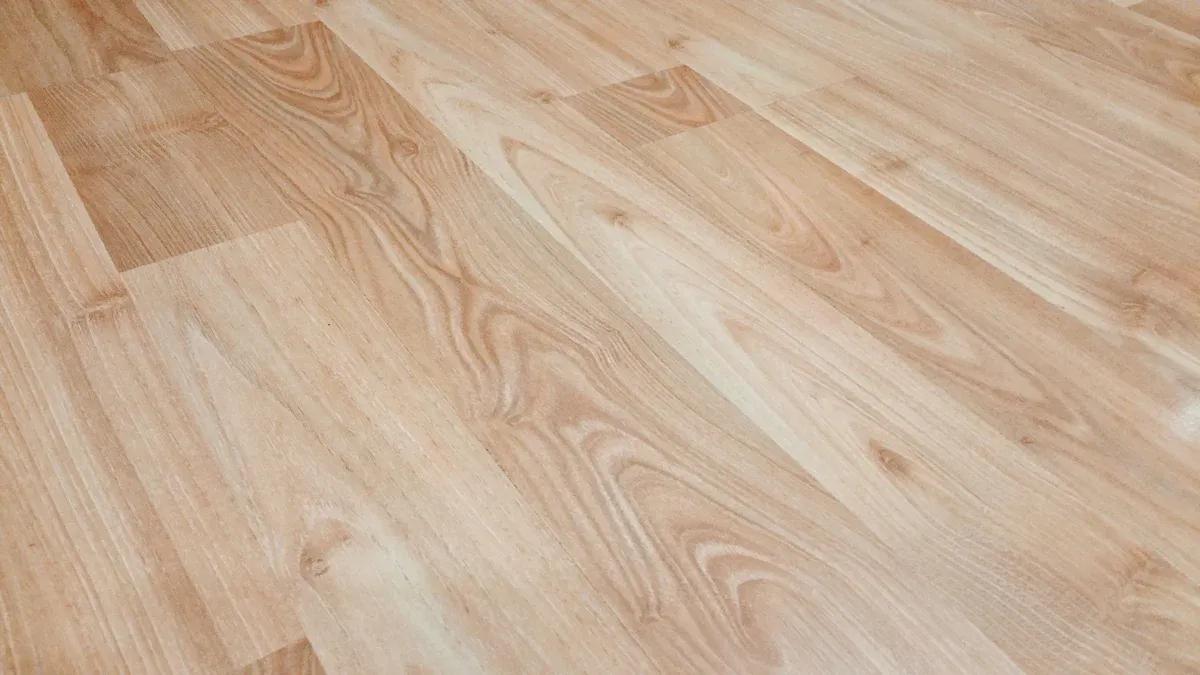
What Does Thickness Mean for Vinyl Plank Flooring?
When you look at vinyl plank flooring, thickness tells you how sturdy and comfortable your floor will be. You measure thickness in millimeters or mils. Millimeters are common for plank and laminate flooring, while mils are used for sheet vinyl. If you wonder how thick should vinyl plank flooring be, most planks range from 4mm to 8mm. This range fits many rooms and gives you a solid feel underfoot.
Tip: Millimeters measure the plank’s body, and mils measure the wear layer thickness. Both numbers matter when you choose the ideal thickness for your space.
| Thickness Range | Equivalent Inches |
|---|---|
| 4mm | 5/32 inch |
| 8mm | 5/16 inch |
How Thickness Impacts Durability and Comfort
Thicker vinyl plank flooring stands up better in busy areas. You get more stability and less noise. If you have pets or kids, thicker planks help protect against scratches and dents. The wear layer thickness is important for durability. For homes, a wear layer between 12 and 20 mils works well. In light commercial spaces, you want a wear layer above 20 mils. Thicker planks also feel softer and warmer. You notice the difference when you walk or stand for long periods. A 5mm or 6mm plank feels solid, almost like hardwood. Thicker flooring helps dampen sound, making your home quieter.
- Thicker planks offer better cushioning and insulation.
- You enjoy quieter footsteps and less echo.
- The wear layer thickness protects your floor’s look and strength.
Breakdown of Vinyl Plank Flooring Layers
Vinyl plank flooring has several layers. Each layer adds to the total thickness and affects performance.
| Layer | Contribution to Thickness |
|---|---|
| Wear Layer | Determines surface longevity and resistance to traffic. |
| Rigid SPC Core Layer | Provides structural foundation, stability, and locking strength. |
| Underlayment (optional) | Enhances acoustic performance and underfoot comfort. |
The wear layer thickness shields your floor from scratches. The rigid core gives strength and keeps the planks locked together. Underlayment adds comfort and helps with sound. When you ask how thick should vinyl plank flooring be, you need to look at all these layers. The total thickness combines durability, comfort, and sound insulation. You find the ideal thickness by matching your needs to the room and usage.
Room-by-Room Recommendations for Vinyl Plank Flooring Thickness
Living Room
Your living room often sees a lot of activity. Family members gather here to relax, watch TV, or entertain guests. You want a floor that can handle daily use and still look great. When you ask how thick should vinyl plank flooring be for a living room, you should consider both comfort and durability.
- Choose a thickness between 4mm and 6mm for most living rooms.
- This range works well for moderate to high foot traffic.
- Thicker planks help reduce noise and feel more comfortable underfoot.
You get a sturdy floor that stands up to kids, pets, and frequent visitors. Thicker vinyl plank flooring also helps create a cozy, inviting space where everyone feels at home.
Kitchen
Kitchens need floors that can handle spills, dropped utensils, and lots of movement. You want a surface that resists water and looks stylish. Thicker vinyl plank flooring offers several advantages in this busy space.
| Benefit | Description |
|---|---|
| Durability | Thicker vinyl plank flooring can withstand moisture and water damage, making it ideal for kitchens. |
| Enhanced Aesthetic Appeal | Thicker LVP mimics natural materials more convincingly, enhancing the overall look of the kitchen. |
| Cost-Effectiveness | Although the initial cost is higher, thicker LVP reduces the need for repairs, saving money over time. |
A thicker wear layer increases durability, which is essential for kitchen environments. High-traffic areas like kitchens require thicker vinyl flooring to resist wear and tear. You also get a luxurious feel and a look that resembles hardwood or stone, but without the extra maintenance. If you want your kitchen to feel both practical and beautiful, thicker planks are a smart choice.
Tip: Thicker vinyl plank flooring enhances the luxurious feel of your kitchen and provides aesthetics similar to hardwood or stone.
Hallway
Hallways connect rooms and see constant movement. Shoes, bags, and even pet paws can cause wear over time. You need a floor that can handle heavy use and still look good.
| Thickness | Description |
|---|---|
| 4mm | Suitable for high-traffic areas, providing sturdiness for daily wear and tear. |
| 5mm | Offers enhanced durability and a premium feel. |
| 7mm | Ideal for ultimate durability and luxury. |
| 8mm | Commercial-grade performance, designed for heavy foot traffic in commercial spaces. |
For most homes, a thickness of 4mm or 5mm works well in hallways. You get a balance of durability and comfort. If your hallway sees extra-heavy use, you might choose a 7mm plank for added strength and a more luxurious feel. Commercial spaces often use 8mm for maximum performance, but this is usually more than you need at home.
You can match the vinyl plank flooring thickness to the needs of each room. This helps you get the best performance and value from your flooring.
Basement
Basements often face moisture problems. You need to choose vinyl plank flooring that can handle damp conditions. Thicker planks work better in basements because they offer more protection. You also get extra durability and water resistance. Before you install flooring, check the subfloor. Make sure it is clean, dry, and level. This helps prevent water damage and keeps your floor strong.
- Thicker wear layers in luxury vinyl plank flooring offer enhanced water resistance, which is essential in moisture-prone areas like basements.
- Using an underlayment can provide additional moisture protection, making it a valuable consideration for basement flooring.
- Preparing the subfloor by ensuring it is clean, dry, and level is crucial for the flooring’s performance against moisture.
You can improve comfort and sound insulation by choosing planks with a thickness of 5mm or more. This makes your basement feel warmer and quieter. You also protect your investment by reducing the risk of warping or damage from moisture.
Bedroom
Bedrooms are spaces where you want comfort and quiet. You spend a lot of time here, so the floor should feel soft and cozy. Thicker vinyl plank flooring works best in bedrooms. You get better cushioning and soundproofing. This helps you sleep better and enjoy a peaceful environment.
- A thickness of 6mm or more is recommended for bedrooms to enhance comfort.
- Thicker vinyl planks provide better cushioning, soundproofing, and insulation, which are essential for comfort in living spaces.
You can also enjoy warmer floors in winter. Thicker planks help insulate your room. You get a premium feel underfoot, which makes your bedroom more inviting. When you choose the right vinyl plank flooring thickness, you create a space that feels relaxing and comfortable.
Bathroom
Bathrooms need flooring that can resist water. You often deal with spills and humidity. Vinyl plank flooring is a smart choice because it has layers that protect against moisture. The bottom layer includes a water-resistant barrier. This feature is essential for bathrooms.
Luxury Vinyl plank flooring is constructed with four layers that combine to provide style and incredible durability. The bottom layer includes a water-resistant barrier, essential for bathrooms.
Luxury vinyl plank flooring consists of multiple layers, including a water-resistant barrier in the bottom layer, which is crucial for preventing water damage in bathrooms. You should also look at the wear layer thickness. This helps your floor last longer and stay beautiful.
| Bathroom Type | Recommended Wear Layer Thickness |
|---|---|
| Low-use Powder Room | 12 mil |
| Main Family Bathroom | 20 mil |
You can choose thicker planks for extra protection and comfort. This makes your bathroom safer and easier to clean. You also get a stylish look that matches the rest of your home.
Home Office
You spend many hours in your home office. You need a quiet space to focus and work. The right flooring helps reduce noise and makes your office more comfortable. Thicker planks create a softer feel underfoot. They also block sound from footsteps and moving chairs.
Tip: Choose thicker planks for a peaceful workspace. You will notice less echo and fewer distractions.
Many experts suggest using planks that are 5mm or more. This thickness gives you better sound insulation. If you want the best results, select planks between 6mm and 8mm. These options help keep your office quiet. Some planks have a softer core, which adds extra sound deadening. You can enjoy a calm environment and stay productive.
- Thicker planks (5mm or more) improve sound insulation.
- Planks with a softer core help reduce noise even further.
- A thickness of 6mm to 8mm creates an ideal workspace for focus.
You can match the thickness to your needs. If you use your office every day, thicker planks offer more comfort and durability. You will feel the difference when you walk or stand for long periods.
Laundry Room
Laundry rooms face water and moisture every day. You need flooring that can handle spills and humidity. Vinyl plank flooring stands up to these challenges. It does not absorb moisture, so you avoid problems like swelling or warping.
Note: Vinyl flooring is a smart choice for laundry rooms. It resists water and stays strong even in damp conditions.
You should pick planks that are at least 6mm thick. This thickness gives you extra protection against water damage. A wear layer of 12 mil or more adds durability. You can wash clothes, handle spills, and clean up easily.
- Laundry rooms often have water and moisture.
- Vinyl flooring resists moisture and prevents damage.
- Choose planks with a thickness of 6mm or more for best results.
- A wear layer of 12 mil or higher keeps your floor looking new.
You get a reliable floor that lasts for years. You do not worry about water ruining your flooring. You can focus on your chores and enjoy a clean, safe space.
Key Factors to Consider When Choosing Vinyl Plank Flooring Thickness
Foot Traffic and Wear
You should always think about how much foot traffic your floors will face. Busy areas need stronger, thicker planks. The wear layer thickness plays a big role in how well your floor stands up to daily use. In high-traffic spaces, thicker flooring lasts longer and looks better over time. The table below shows which thickness works best for different levels of use:
| Thickness Range | Recommended Use |
|---|---|
| 2mm to 3mm | Low-traffic areas |
| 4mm to 5mm | Most homes, balance of durability and affordability |
| 6mm to 8mm | High-traffic areas, commercial use, added comfort and sound absorption |
A minimum thickness of 5mm is a smart choice for most homes. The importance of wear layer thickness cannot be overstated. It protects your floor from scratches and dents. The total thickness also affects comfort and insulation. When choosing the right thickness, always match it to your room’s activity level.
Subfloor Type and Condition
Your subfloor matters when you pick vinyl plank flooring. Concrete subfloors often need thicker planks, especially if you want more comfort and less noise. Wood subfloors allow for thinner options because wood gives natural cushioning. Check the table below for guidance:
| Subfloor Type | Recommended Vinyl Thickness | Notes |
|---|---|---|
| Concrete | 6mm+ | Thicker vinyl or underlayment for comfort and noise reduction |
| Wood | Thinner options preferred | Natural cushioning allows for thinner vinyl |
Always make sure your subfloor is clean and level. This helps your flooring last longer and perform better.
Installation Method (Floating vs. Glue Down)
The way you install your floor affects which thickness you should choose. Glue-down vinyl flooring works well with thinner planks. This method gives stability and is good for rooms with heavy furniture. Floating or click-lock floors use thicker planks, usually between 4mm and 10mm. These floors feel softer and help reduce noise. In kitchens and bathrooms, floating floors with at least 6mm thickness and a 12-mil wear layer give you extra durability. For laundry rooms and living rooms, thicker floating floors offer more comfort and soundproofing. The wear layer thickness remains important for all installation types, especially in busy spaces.
Tip: Always check the installation method before choosing the right thickness for your space. This ensures your floor meets your needs for comfort and durability.
Comfort Underfoot
You want your floors to feel comfortable when you walk or stand. Vinyl plank flooring offers a soft and cushioned feel, especially when you choose thicker planks. The thickness of the planks and the wear layer thickness both play a role in how comfortable your floor feels. Thicker planks provide more support and reduce fatigue, making them ideal for spaces where you spend a lot of time on your feet. If you add an underlayment, you increase the softness and warmth underfoot. You notice the difference in bedrooms, living rooms, and home offices. Choosing the right thickness helps you create a cozy and inviting space.
Sound and Acoustics
Noise can travel easily through floors, especially in busy homes or multi-story buildings. Thicker vinyl plank flooring helps reduce unwanted sounds. You benefit from better sound insulation when you select planks with more thickness and a quality underlayment. The wear layer thickness also affects how well your floor absorbs sound from footsteps and dropped items.
Thicker floating floors (e.g., 6–10mm) provide soundproofing and added comfort, perfect for areas where sound insulation matters most.
- Vinyl plank flooring offers good impact sound insulation compared to harder surfaces like tile and wood.
- The engineering of vinyl planks allows them to absorb sound more effectively.
- A layer of padding or underlayment enhances sound absorption from foot traffic and dropped items.
- The type, density, and thickness of the underlayment significantly influence noise reduction.
- Thicker, denser underlayment provides better noise reduction than thinner options.
- Proper installation of vinyl planks can significantly reduce foot traffic noise.
You improve the acoustics in your home by choosing thicker planks and a high-quality underlayment. The overall thickness of vinyl planks is crucial for their performance, including sound insulation, as thicker planks tend to provide better noise reduction. You create a quieter and more peaceful environment for your family.
Budget and Cost
You need to consider your budget when selecting vinyl plank flooring. Thicker planks and higher wear layer thickness usually cost more, but they offer greater durability and comfort. You find that thinner planks are more affordable, but they may not last as long in high-traffic areas. The cost difference between thinner and thicker options can be significant.
| Type of Vinyl Plank Flooring | Cost Range |
|---|---|
| Standard LVP (Thinner) | $2 per square foot |
| Waterproof or Rigid Core Vinyl (Thicker) | $2.50 to $5 per square foot |
| High-End LVP with Enhanced Features (Thicker) | $5 to $7 per square foot |
You balance your needs and your budget by choosing the right thickness for each room. Investing in thicker planks with a strong wear layer thickness can save you money over time because you avoid frequent repairs or replacements. You make a smart choice by matching your flooring to your lifestyle and your financial plan.
Common Mistakes to Avoid When Selecting Vinyl Plank Flooring Thickness
Choosing Too Thin for High-Traffic Areas
You might think thinner vinyl planks save money, but they often lead to problems in busy spaces. Thin planks, especially those with a low wear layer thickness, show scratches and wear much faster. Heavy foot traffic can cause the finish to fade, making your floor look old before its time. Planks thinner than 4mm lack structural support. They depend on a perfectly flat subfloor, so even small bumps or dips can become visible. Ultra-thin planks are flexible and can break easily. You may notice lumps, bumps, or even broken locking systems after installation. Over time, these issues can cause disappointment and premature failure.
Tip: Always check both the total thickness and the wear layer thickness when choosing vinyl plank flooring for high-traffic areas.
Ignoring Subfloor Issues
You need to pay attention to your subfloor before installing vinyl plank flooring. Thicker planks can hide minor imperfections, but they cannot fix major problems. If you ignore subfloor issues, your floor may move, squeak, or wear out quickly. A poor subfloor can ruin even the best flooring. You should clean, level, and dry the subfloor to ensure long-lasting performance. If you skip this step, you risk damaging your new floor and wasting your investment.
Overlooking Installation Requirements
Many homeowners forget about important installation details. Thicker planks may require you to adjust door clearance and transitions. You need to check if underlayment is necessary, especially for sound and moisture protection. Some thicker planks have built-in underlayment, but others do not. Proper subfloor preparation is crucial to avoid dips and bumps that affect the flooring. If you overlook these requirements, you may face installation issues and reduced durability.
- Door clearance and transitions may need adjustments.
- Underlayment is important for sound and moisture protection.
- Subfloor preparation prevents dips and bumps.
You can avoid these mistakes by planning ahead and understanding the needs of your space. Ask about recommended thickness and wear layer thickness for each room. This helps you choose flooring that lasts and looks great.
skspcflooring’s Guide to Vinyl Plank Flooring Thickness
skspcflooring Product Thickness Options
You can choose from a range of vinyl plank thicknesses at skspcflooring. The brand offers planks from 4mm to 6mm thick. These options fit many rooms and uses. If you want a sturdy floor for busy spaces, you can select 6mm planks. For areas with less traffic, 4mm planks work well. You get products like Chevron SPC Flooring, Rigid Core SPC Flooring, SPC Tile Flooring, and EIR SPC Flooring. Each product gives you durability and style.
Tip: Thicker planks provide more comfort and sound insulation. You can use them in living rooms, bedrooms, or offices.
| Product Type | Thickness Range |
|---|---|
| Chevron SPC Flooring | 4mm – 6mm |
| Rigid Core SPC Flooring | 4mm – 6mm |
| SPC Tile Flooring | 4mm – 6mm |
| EIR SPC Flooring | 4mm – 6mm |
International Quality Standards and Certifications
You get peace of mind when you choose skspcflooring. The brand follows strict international standards. You see certifications like ISO9001, ISO14001, EN, ASTM, and GB. These standards show that the flooring is safe, durable, and eco-friendly. You can trust that your floor meets global benchmarks for quality.
- ISO9001: Quality management
- ISO14001: Environmental responsibility
- EN, ASTM, GB: International safety and performance
Note: Certified flooring means you get reliable products that last longer and protect your home.
Tailored Solutions for Different Spaces
You can find a flooring solution for every room at skspcflooring. The company helps you match thickness and style to your needs. If you have a high-traffic hallway, you can pick thicker planks. For a quiet bedroom, you can select planks with extra cushioning. You get advice and support from experts who understand your requirements.
- Choose thicker planks for busy areas.
- Select softer options for comfort in bedrooms.
- Get professional guidance for unique spaces.
You make smart choices with skspcflooring. The brand helps you create a home that feels comfortable and looks beautiful.
You should match vinyl plank flooring thickness to your space and needs for the best results. Think about room usage and subfloor condition before making a decision. The right thickness depends on how thick should vinyl plank flooring be for each area. Use the table below to guide your choice:
| Thickness Range | Application Description |
|---|---|
| 2-4mm | Best for low-traffic areas or rental properties. |
| 4-6mm | Suitable for most household applications. |
| 6-8mm | Ideal for high-traffic areas, offering enhanced durability and comfort. |
| 8mm+ | Provides maximum comfort and sound insulation, often with WPC cores. |
Remember: Thicker planks are not always better. Choose what works for your home and lifestyle.
- Products under 4mm may flex too much during installation.
- Products over 9mm can increase costs without significant benefits.
FAQ
How do I choose the right vinyl plank flooring thickness for my home?
You should match thickness to room usage. High-traffic areas need thicker planks. Bedrooms and offices benefit from extra comfort. Kitchens and bathrooms require water resistance. Ask about wear layer thickness for added durability.
Can thicker vinyl plank flooring reduce noise in my house?
Yes, thicker planks absorb sound better. You notice quieter footsteps and less echo. Adding underlayment improves noise reduction. This works well in living rooms, bedrooms, and offices.
Is thicker vinyl plank flooring harder to install?
Thicker planks often use click-lock systems. You find installation easy. You may need to adjust door clearance. Always check manufacturer instructions before starting.
What is the difference between SPC and WPC vinyl plank flooring?
| Feature | SPC | WPC | |–|–|–| | Core Material | Stone Polymer | Wood Polymer | | Thickness Range | 4mm–6mm | 6mm–8mm | | Durability | High | High | | Comfort | Firm | Softer |




