
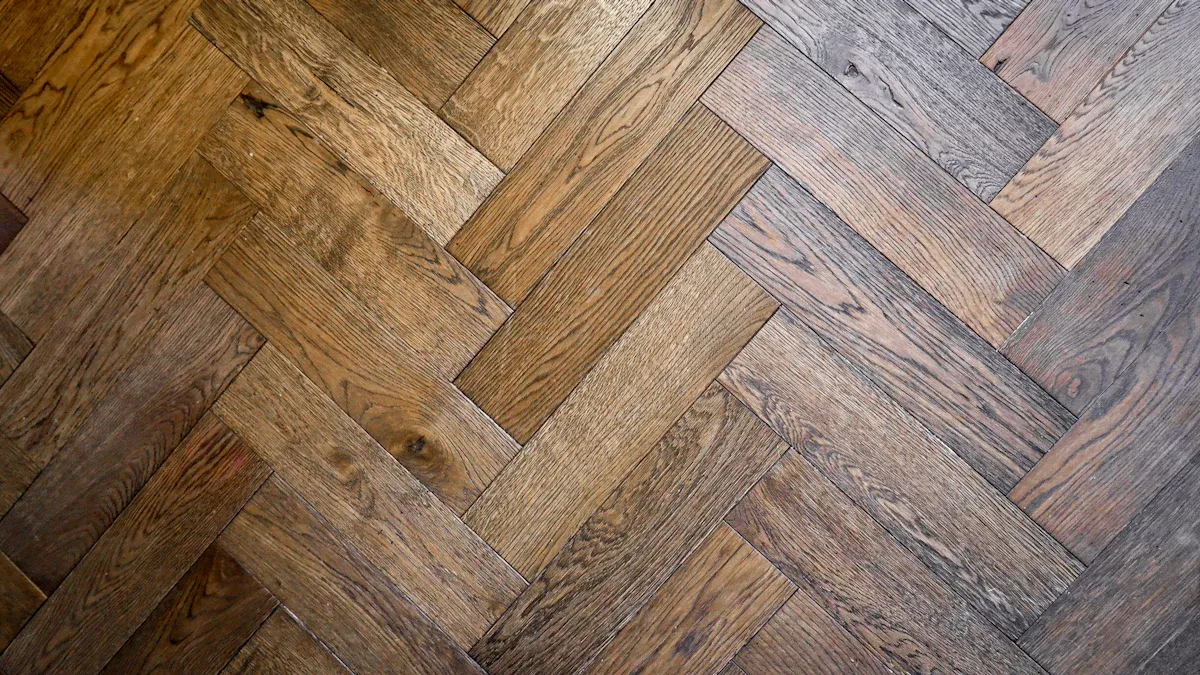
You may think thickness is the most important part of choosing flooring. Many people look at thick vinyl first. If you ignore the core design in chevron vinyl plank flooring, you may not get the results you want. The core inside vinyl plank flooring affects how well your flooring lasts. You need to know what makes the inside of your vinyl flooring strong. Good design in vinyl flooring helps your floors stay strong and look great.
Thickness vs. Core Design in Chevron Vinyl Plank Flooring
What Does Thickness Mean in Vinyl Plank Flooring
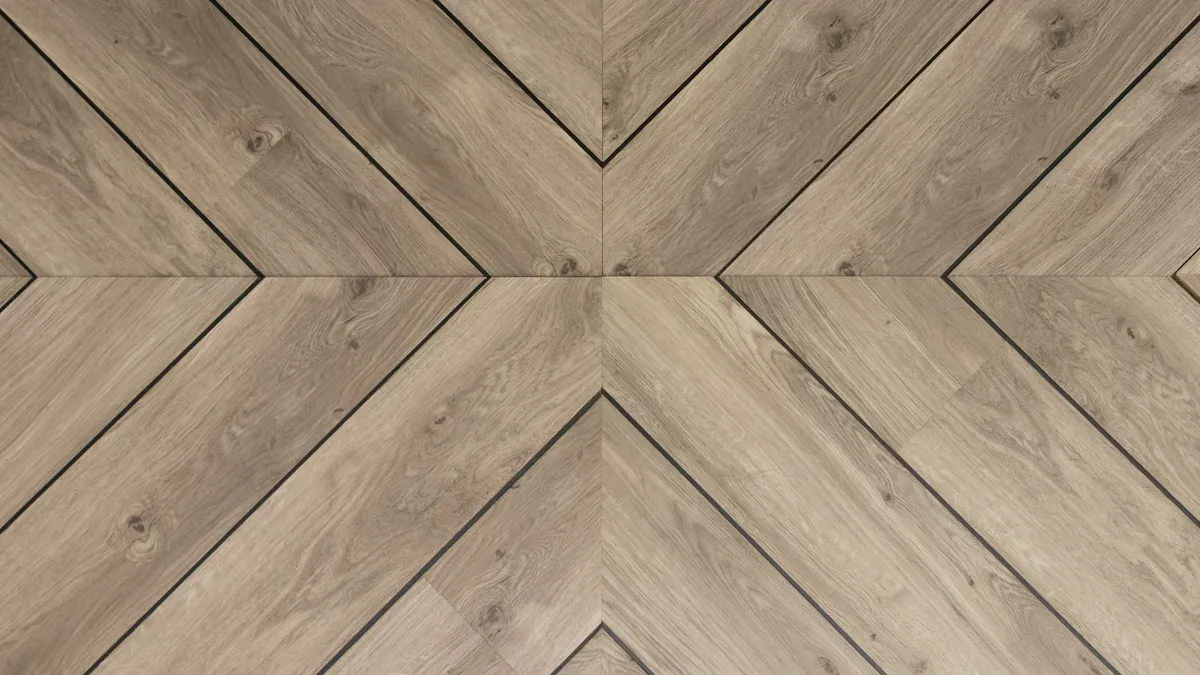
When you look at vinyl plank flooring, you often see numbers like 4mm, 6mm, or 8mm. These numbers show how thick the planks are. Thickness can change how your chevron flooring feels and sounds. Thicker planks usually feel more solid under your feet. They can also help block noise between rooms. You might think thicker always means better, but that is not always true. The industry has standards for thickness that help you choose the right chevron flooring for your space.
Here is a table that shows common thickness ranges and what they mean for chevron flooring:
| Thickness Range | Wear Layer Depth | Impact on Performance |
|---|---|---|
| 6mm to 8mm | 12 mil to 20 mil (commercial) 6 mil to 12 mil (residential) | Affects stability, sound transmission, and durability. Products under 4mm may flex too much, while those over 9mm may increase costs without proportional benefits. |
What Is Core Design and Why Does It Matter
Core design is the way the inside of your vinyl plank flooring is built. The core gives your chevron flooring its strength and shape. Good design in the core helps your flooring stay flat and strong, even when people walk on it every day. The core also helps protect your chevron flooring from dents and water damage. If you choose a plank with a weak core, your flooring may not last as long or look as good.
How Each Factor Impacts Chevron Flooring Performance
Both thickness and core design play a role in how your chevron flooring works in your home or business. You need to think about more than just how thick the vinyl is. The wear layer on top helps protect against scratches. The core design, like SPC or WPC, adds stability and keeps your chevron flooring from bending or breaking. Good installation, such as click-lock systems and tight seams, also helps your flooring last longer.
- Thicker wear layers give better protection from daily use.
- Strong core designs, like SPC and WPC, make chevron flooring more stable and dent-resistant.
- Proper installation keeps your chevron flooring looking new for years.
When you choose chevron vinyl plank flooring, you should look at both thickness and core design. This helps you get the best performance and value for your space.
Why Core Design Matters More for Chevron Flooring
Stability and Structural Integrity
You want your chevron flooring to stay flat and strong, even when people walk on it every day. The core design inside vinyl plank flooring gives your floor its strength. When you choose a floor with a strong core, you get better stability and less bending. This is important for chevron flooring because the pattern uses many small planks that must fit together tightly. If the core is weak, the planks can shift or separate over time.
The type of core material makes a big difference. Look at this table to see how different core materials help your chevron flooring stay stable:
| Core Material Type | Benefits |
|---|---|
| SPC (Stone Plastic Composite) | Highly water-resistant, excellent dimensional stability, minimal expansion/contraction |
| Multi-ply Wood | Strong, water-resistant, minimal expansion/contraction |
You should avoid pinning long rows of floating floor planks across their widths. This helps your chevron flooring expand and contract during seasonal changes. The right core design keeps your floor looking smooth and even, even in high traffic areas or under heavy furniture.
- The performance characteristics of SPC chevron flooring come from the SPC core and the wear layer.
- Durability depends on the core and wear layer, not just the thickness or the pattern.
- The SPC rigid core is 100% waterproof, so you can use it in kitchens, bathrooms, and basements.
Moisture Resistance and Everyday Durability
Moisture can damage many types of flooring, but chevron flooring with a waterproof construction stands up to spills and humidity. The core design in vinyl plank flooring decides how well your floor resists water and daily wear. SPC cores are 100% waterproof, so you do not have to worry about water damage. WPC cores also offer strong water resistance, making them a good choice for busy homes.
You want your chevron flooring to last for years. The right core design gives you scratch and stain resistance, so your floor looks new even after lots of use. This is important in high traffic areas like hallways, kitchens, and living rooms. The core and wear layer work together to protect your floor from dents, scratches, and stains.
- SPC chevron flooring is waterproof and resists swelling or warping.
- WPC chevron flooring offers comfort and water resistance for family spaces.
- Both types give you peace of mind in rooms where spills happen often.
Comfort Underfoot and Sound Absorption
You want your chevron flooring to feel good under your feet and keep your home quiet. The core design in vinyl plank flooring changes how the floor feels and sounds. Some cores feel firm, while others feel softer and more comfortable.
Look at this table to see how different core types affect comfort and sound:
| Core Type | Sound Absorption Properties | Comfort Underfoot |
|---|---|---|
| SPC | Rigid, less sound absorption | Less comfortable |
| WPC | Softer, better sound absorption | More comfortable |
SPC chevron flooring gives you a solid, stable feel. WPC chevron flooring feels softer and absorbs more sound, making it a good choice for bedrooms or playrooms. Both types help reduce noise, but WPC cores give you extra comfort underfoot.
When you choose chevron vinyl plank flooring, always look at the core design. The right core gives you stability, waterproof protection, comfort, and sound control. You get a floor that looks beautiful and works well in every room.
Longevity and Wear Over Time
You want your chevron flooring to last for many years. The core design inside your vinyl planks plays a big role in how long your floor stays strong and beautiful. When you choose a high-quality core, you get better protection against dents, scratches, and daily wear. The right core design helps your floor resist damage from heavy furniture, pets, and busy foot traffic.
You can expect different lifespans based on the type of core in your flooring. Here is what long-term studies and manufacturer warranties show:
- SPC chevron flooring can last between 20 to 30 years or more. Many manufacturers offer long warranties because of this strong performance.
- Luxury vinyl rigid core planks, including chevron flooring, usually last about 10 to 25 years or longer.
You should look for a floor with a strong core and a thick wear layer. These features help your chevron flooring keep its shape and color over time. You will notice fewer dents and scratches, even in busy rooms. Good core design also means your floor will not warp or swell when exposed to moisture.
Tip: Clean your chevron flooring regularly and use felt pads under furniture. This helps your floor last even longer and keeps it looking new.
Unique Challenges with Chevron Patterns
Chevron flooring stands out because of its bold zigzag design. This pattern adds style and movement to any room. However, the chevron pattern brings special challenges during installation and maintenance. You need to understand these challenges before you choose this type of flooring.
The chevron pattern uses many small planks cut at angles. Each piece must fit perfectly to create the sharp, repeating V-shape. This means you need careful planning and skilled work. Even a small mistake can make the pattern look uneven.
Here is a table that shows the main differences between chevron and straight flooring patterns:
| Pattern Type | Installation Challenges | Cost Implications |
|---|---|---|
| Chevron | Requires precise diagonal cuts and professional help to maintain a zigzag pattern. | Higher costs due to accuracy needed. |
| Straight | Easier installation with no intricate cuts required. | Lower costs compared to chevron. |
You may need a professional installer for chevron flooring. The angled cuts and tight seams require experience and the right tools. If you want the best results, do not try to install chevron flooring by yourself.
The core design also matters more with chevron flooring. The many seams and angles need a stable, strong core to prevent gaps or shifting. A rigid core, like SPC, helps keep each plank in place. This keeps your chevron pattern looking sharp and even for years.
Note: Always check that your subfloor is flat and clean before installing chevron flooring. This helps each plank fit tightly and prevents problems later.
You can enjoy the beauty and style of chevron vinyl plank flooring when you choose the right core design and work with skilled installers. Your floor will stay strong, stylish, and easy to care for over time.
Common Core Types in Chevron Vinyl Plank Flooring
SPC (Stone Plastic Composite) Core
You see SPC as a popular choice for chevron flooring. This type of vinyl plank flooring uses a solid polymer core board. The design gives your flooring extra firmness and stability. You get a floor that stands up to heavy traffic and daily use. The ceramic pearlescent cured UV coating adds gloss and protects against scratches. The wear layer keeps your chevron flooring looking new for years. Many SPC floors include an IXPE underlayment, which adds comfort and helps with sound insulation. You also get moisture protection, making SPC a waterproof option for kitchens and bathrooms.
Here is a table that shows how SPC features impact performance:
| Characteristic | Impact on Performance |
|---|---|
| Ceramic Pearlescent Cured UV Coating | Provides gloss and wear protection, resisting scratches. |
| Wear Layer | Maintains appearance and quality over long-term use. |
| Solid Polymer Core Board | Ensures firmness and stability, enhancing durability. |
| IXPE Underlayment | Improves comfort and sound insulation, adds moisture protection. |
SPC chevron flooring gives you a wide design variety and a realistic wood look. You can trust this type for both style and durability.
WPC (Wood Plastic Composite) Core
WPC chevron flooring uses a core made from polyvinyl chloride and wood-like materials. This design makes your flooring waterproof and helps prevent warping. You can use WPC in areas with changing moisture, such as basements or bathrooms. The waterproof core gives you peace of mind when spills happen. WPC chevron flooring feels softer underfoot, which adds comfort in bedrooms or family rooms. You get good scratch and stain resistance, but WPC may not be as tough as SPC in high-traffic spaces. The design of WPC chevron flooring focuses on comfort and moisture resistance.
Rigid Core Technology
Rigid core technology takes chevron flooring to the next level. You get a stone-polymer composite that is rigid and durable. This technology makes your vinyl plank flooring 100% waterproof, so you can install it in any room. Rigid core chevron flooring stands up to heavy traffic and impact. You also enjoy a wide design variety, thanks to advanced printing technology. The realistic wood look adds beauty to your space.
Here is a table that compares rigid core technology with traditional core types:
| Feature | SPC Rigid Core Technology | Traditional Core Types |
|---|---|---|
| Core Construction | Stone-polymer composite, rigid and durable | Flexible core, less durable |
| Waterproof Capabilities | 100% waterproof, ideal for moisture-prone areas | Water-resistant, not fully waterproof |
| Durability | Superior for high-traffic and impact areas | May dent or wear down faster |
| Aesthetic Choices | Wide range of styles, advanced printing tech | More realistic textures but less durable |
You can choose rigid core chevron flooring for its strength, waterproof design, and beautiful appearance. This type of vinyl flooring works well in homes and businesses that need both style and performance.
Hybrid and Advanced Core Innovations
You see new options in chevron flooring every year. Hybrid and advanced core innovations combine the best features of SPC and WPC. These floors use special blends of stone and wood materials. You get a strong, waterproof core with a natural look. Hybrid chevron flooring stands out for its durability and style. The design uses advanced click locking systems like 5GC Välinge. You install the planks quickly and get tight seams. The surface often has embossed textures and painted bevels. This makes your chevron flooring look and feel like real wood.
Here is a table that shows the latest hybrid core specifications and benefits:
| Specification | Details |
|---|---|
| High x Length | 125x600mm; 125x625mm; 150x750mm |
| Total Thickness | 4.5mm; 5.0mm |
| Wear Layer | 0.3mm; 0.5mm |
| Angle | 45°, customizable from 45° ~ 60° |
| Click Locking | 5GC Välinge for fast installation |
| Surface | Embossed |
| Painted Bevel | Painted 4-Sides V-Groove |
Hybrid chevron flooring gives you waterproofness and high durability. You use it in kitchens, bathrooms, and busy hallways. The chevron design adds visual appeal and makes your space unique. You get scratch and stain resistance, so your flooring stays beautiful for years.
Pros and Cons of Each Core Type
You need to compare core types before you choose chevron flooring. Each type has strengths and weaknesses. Here is a table to help you decide:
| Core Type | Advantages | Disadvantages |
|---|---|---|
| WPC | Good durability, high water resistance, aesthetically pleasing | Moderate stability, less durable than SPC |
| SPC | Excellent durability, 100% waterproof, high stability | Higher cost compared to WPC |
| Hybrid | Tough and visually appealing, mimics natural materials | May vary in durability based on specific product features |
- WPC chevron flooring works well in homes. You get many styles and good water resistance.
- SPC chevron flooring fits both homes and businesses. You get high durability and waterproof protection.
- Hybrid chevron flooring combines the look of wood and stone. You use it in high-traffic areas for better performance.
You make a smart choice when you match the core type to your needs. Chevron flooring gives you options for every room. You enjoy the benefits of advanced design and reliable vinyl flooring.
When Thickness Still Matters in Vinyl Plank Flooring
Subfloor Imperfections and Installation Needs
You may notice that not every floor is perfectly smooth. If your subfloor has bumps or dips, thicker chevron vinyl plank flooring can help cover these flaws. Thicker planks give you a more even surface and make installation easier. You get fewer problems with gaps or movement after you lay the floor. Installers often choose thicker planks for older homes or spaces with uneven subfloors. This helps your chevron flooring stay flat and look neat.
You should also think about the wear layer thickness. The wear layer protects your floor from scratches and stains. Here is a table that shows the recommended wear layer thickness for different areas:
| Area | Recommended Wear Layer Thickness |
|---|---|
| Residential | 12 mil |
| High-Traffic | 20 mil |
Choose the right thickness for your space to keep your chevron flooring looking good.
Impact on Feel and Acoustics
You want your floor to feel comfortable and quiet. Thicker vinyl planks give you a softer feel underfoot. They also help reduce noise between rooms. This is important in apartments or homes with more than one floor. Thicker planks can block both impact and airborne sounds.
Here is a table that explains how thickness affects sound control:
| Acoustic Test | Description | Example Ratings |
|---|---|---|
| Impact Insulation Class (IIC) | Rates impact sound transmission. Higher is better. | Loose lay LVT: IIC 64, Rigid core click: IIC 68 |
| Sound Transmission Class (STC) | Rates airborne sound control. Higher is better. | STC of 50 or above is good. |
- Rigid core click floors have special backing that reduces footstep noise.
- Loose lay planks, often 5mm thick, absorb more sound and may include extra padding.
You get a quieter and more comfortable room when you choose thicker chevron vinyl plank flooring.
Limitations of Relying on Thickness Alone
You might think that thicker always means better, but that is not true for every situation. Thickness helps with comfort and sound, but it does not guarantee the best performance. The wear layer and core material are just as important. If you pick a thick plank with a weak core, your floor may not last as long.
Here is a table that shows what each factor does:
| Factor | Description |
|---|---|
| Wear Layer Thickness | Protects against scratches and stains. Thicker layers last longer. |
| Overall Thickness | Adds comfort and sound insulation. |
| Core Material | Decides durability and how long your floor will last. |
Tip: Always check the core design and wear layer, not just the thickness. This helps you get a floor that lasts and works well in your space.
How to Choose Chevron Vinyl Plank Flooring: Practical Tips from skspcflooring
Prioritizing Core Design for Lasting Performance
You want your chevron flooring to last for many years. Start by looking at the core design. The core gives your flooring strength and helps it stay flat. A strong core means your chevron flooring will not bend or break easily. You should choose a core that is stable and waterproof. This keeps your flooring safe from spills and moisture. Good core design also helps your chevron flooring look new, even after lots of use. When you pick vinyl plank flooring with a solid core, you get better performance and value.
Tip: Always check if the chevron flooring has a waterproof core. This feature protects your floor in kitchens and bathrooms.
Questions to Ask Retailers and Manufacturers
You need to ask the right questions before you buy chevron flooring. Here are some important questions:
- What type of core does this chevron flooring use?
- Is the flooring waterproof or just water-resistant?
- How thick is the wear layer on this vinyl plank flooring?
- What is the warranty for this flooring?
- Does the design help with sound and comfort?
These questions help you understand the quality of the chevron flooring. You can compare different products and make a smart choice.
Balancing Thickness and Core Design for Your Space
You should balance thickness and core design when you choose chevron flooring. Thicker planks feel better under your feet. They also help cover small bumps in the floor. The core design gives your flooring strength and keeps it waterproof. You want both features for the best results. Think about where you will use the chevron flooring. For busy rooms, pick a strong core and a thick wear layer. For bedrooms, you may want softer, thicker vinyl. Always match the flooring to your needs.
| Room Type | Best Core Design | Ideal Thickness |
|---|---|---|
| Kitchen | SPC, waterproof | 5-6mm |
| Living Room | WPC or Hybrid | 5mm |
| Bedroom | WPC, softer core | 4-5mm |
You can contact skspcflooring for more advice. Their team can help you find the right chevron flooring for your project.
Real-World Examples and Recommendations
You can learn a lot from real projects. Here are some examples that show why core design matters for chevron vinyl plank flooring.
Example 1: Busy Family Kitchen
A family in Toronto wanted chevron flooring for their kitchen. They chose SPC core chevron planks. The kitchen often gets wet from spills and cleaning. The SPC core kept the floor flat and waterproof. The chevron pattern stayed sharp, even after two years of heavy use.
Tip: For kitchens and bathrooms, always pick a waterproof core like SPC. This keeps your floor safe from water damage.
Example 2: Quiet Bedroom Retreat
An interior designer in Vancouver installed WPC chevron flooring in a master bedroom. The WPC core made the floor feel soft and warm. The chevron pattern added style. The sound in the room improved because the WPC core absorbed noise.
Example 3: High-Traffic Office Space
A commercial property developer used hybrid core chevron flooring in a busy office. The hybrid core gave the floor extra strength. The chevron pattern made the office look modern. The floor did not dent or shift, even with rolling chairs and heavy foot traffic.
Here is a table to help you choose the right core for your space:
| Space Type | Recommended Core | Why It Works |
|---|---|---|
| Kitchen | SPC | Waterproof, stable |
| Bedroom | WPC | Softer, absorbs sound |
| Office | Hybrid/SPC | Durable, resists dents |
Note: Always match the core design to your room’s needs. You get better results and a longer-lasting floor.
You can contact skspcflooring for more advice or to see samples. Their team helps you find the best chevron flooring for your project.
You should always pay attention to the core design when choosing chevron flooring. The inside of your vinyl plank flooring affects how long your flooring lasts and how it looks. Thickness helps, but you cannot rely on it alone. You get better performance and more satisfaction when you pick chevron flooring with a strong, waterproof core. Vinyl flooring with the right core stays flat, resists water, and keeps your chevron flooring beautiful for years.
FAQ
What is the best core type for chevron vinyl plank flooring?
You get the best results with SPC core. SPC gives you strong stability and waterproof protection. You can use it in kitchens, bathrooms, and busy areas. SPC keeps your chevron pattern sharp and your floor flat.
Does thickness matter as much as core design?
You should focus on core design first. Thickness helps with comfort and sound, but core design controls durability and water resistance. You get better performance when you choose a strong core.
Can I install chevron vinyl plank flooring myself?
You can install straight vinyl planks yourself. Chevron patterns need precise cuts and tight seams. You should hire a professional for chevron flooring to get the best look and fit.
How do I clean and maintain chevron vinyl plank flooring?
You sweep or vacuum your floor regularly. You use a damp mop for deeper cleaning. Avoid harsh chemicals. Use felt pads under furniture to prevent scratches. Your chevron flooring stays beautiful with simple care.




