
You want to find the best floating floorboards for your home. Your lifestyle, room, and budget will guide you to the best floating floor options. The main types of floating floors are vinyl, laminate, and engineered wood. Vinyl flooring commands a huge 28.3% of the market, showing its popularity. A key benefit of any floating floor is the simple installation. This DIY installation saves you time and money. Consider these points to find the best floating floorboards:
- Durability: Do you need waterproof or water-resistant floorboards?
- Appearance: Do you want a modern look or classic wood grain?
- Value: What is your budget for the project and installation?
The engineered segment is growing quickly, with consumers wanting its high-end look. The ease of its installation process makes it a great choice.
What Is a Floating Floor?
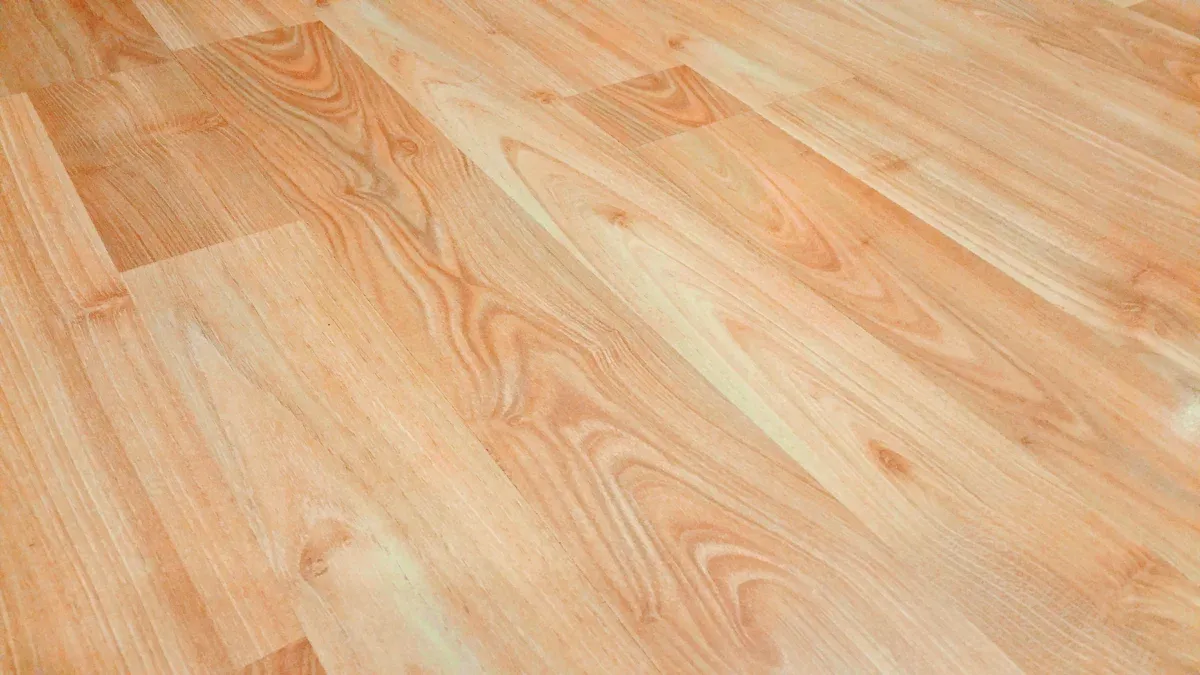
A floating floor gets its name from its unique installation method. The floorboards connect to each other but not to the subfloor underneath. This creates a single, solid surface that “floats” on top of the original floor. This modern approach is very different from traditional flooring methods.
The “Floating” Installation Method Explained
The secret to a floating floor is its click-and-lock system. You install each plank by locking its edge into the plank next to it. This process creates strong connections without any nails or messy adhesives. Traditional glue-down floors require you to spread adhesive directly onto the subfloor, which can be a difficult and permanent process. The floating floor installation is much simpler. You can think of it like putting together a large, flat puzzle on your floor. This type of installation makes the entire project cleaner and more manageable for a first-timer.
Pro Tip: A major advantage of a floating floor is that you can often install it directly over an existing hard surface floor, like vinyl or tile. This saves you the time and effort of tearing out the old flooring.
Key Benefits of a Click-Lock System
The click-lock system offers you several major advantages, especially if you plan to do the installation yourself. The ease of installation is the biggest benefit.
- DIY-Friendly Installation: You can save a lot of money on labor costs. The click-lock design is straightforward, making it a perfect weekend project for most homeowners.
- Fast Project Completion: A floating floor installation is quick. You can often finish an entire room in just one day.
- Subfloor Versatility: This flooring is very forgiving. You can install a floating floor over almost any flat subfloor, including concrete, plywood, and existing vinyl.
These benefits make a floating floor an excellent choice for a fast and affordable home upgrade.
Exploring the Main Types of Floating Floors
You have three main types of floating floors to choose from. Each one offers unique benefits for your home. Your choice depends on your room’s needs, your style, and your budget. SPC vinyl is a waterproof powerhouse. Laminate offers great looks for less money. Engineered wood provides the unmatched beauty of real hardwood.
Understanding the core differences will help you make the best decision. Here is a quick comparison of these popular floating floor options:
| Feature | SPC Vinyl (LVP) | Laminate Flooring | Engineered Hardwood |
|---|---|---|---|
| Core Material | Stone Plastic Composite (SPC) | High-Density Fiberboard (HDF) | Real wood veneer on a plywood core |
| Water Performance | 100% Waterproof | Water-resistant | Not waterproof |
| Surface Durability | Good scratch resistance | Excellent scratch resistance | Can scratch and dent |
| Feel Underfoot | Firm but comfortable | Hard and solid | Authentic wood feel |
| Best For | Kitchens, bathrooms, basements | High-traffic dry areas | Living rooms, bedrooms |
| Cost | Mid-range | Budget-friendly | Premium |
SPC Rigid Core Vinyl: The Waterproof Champion
If you need a floor that can handle spills and moisture, SPC rigid core vinyl is your best choice. These floating vinyl floors are completely waterproof. This makes them perfect for rooms like kitchens, bathrooms, and basements.
The secret is in the floor’s core. SPC stands for Stone Polymer Composite.
The core is made from a mix of natural limestone powder, polyvinyl chloride, and stabilizers. This combination creates an incredibly dense and rigid plank that will not swell, warp, or stain when it gets wet.
This waterproof quality gives you peace of mind. You do not have to worry about everyday spills or plumbing issues causing costly damage. Luxury vinyl plank (LVP) with an SPC core also offers excellent dent resistance, making it a durable option for busy households. The stability of this vinyl flooring means it performs well even when temperatures and humidity change.
Laminate Flooring: The Budget-Friendly All-Rounder
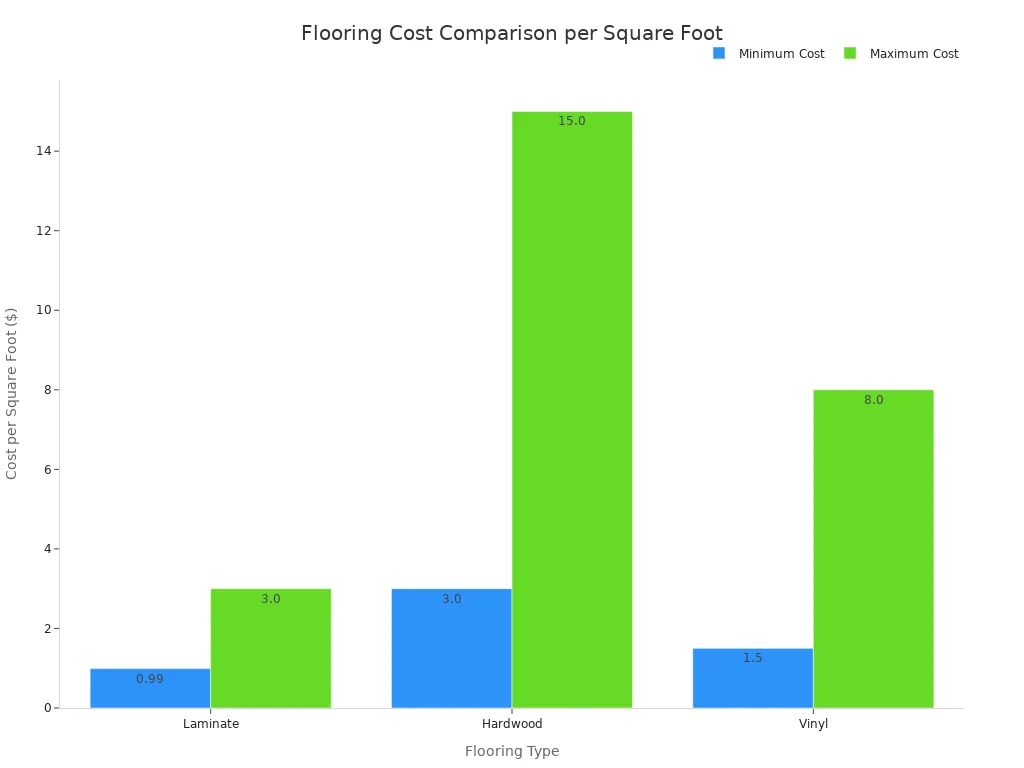
Laminate flooring gives you the look of expensive hardwood without the high price tag. Advanced printing technology creates a photographic layer that mimics real wood grain so well that it is often hard to tell the difference. This makes laminate a fantastic all-rounder for almost any dry room in your home.
Laminate is a smart choice for your budget for a few key reasons:
- Efficient Manufacturing: Manufacturers produce thousands of identical planks daily from a high-density fiberboard core. This process is much cheaper than sourcing real hardwood.
- DIY-Friendly: The simple click-lock system allows you to install floating laminate floors yourself. This can cut your project costs in half by eliminating labor fees.
- Durability for the Price: Even budget-friendly laminate options are highly scratch-resistant and fade-resistant, making them great for homes with pets or lots of foot traffic.
Modern laminate also includes water-resistant features. While not fully waterproof like vinyl, many products have treated cores and sealed edges. This provides good protection in areas like entryways and kitchens.
Engineered Wood: Authentic Hardwood Appeal
You may want the authentic beauty and warmth of real wood. Engineered wood flooring delivers exactly that. It is virtually impossible to tell the difference between engineered and solid hardwood just by looking at it. This is because the top layer of each plank is a real hardwood veneer.
This construction gives you the best of both worlds.
- You get the genuine grain, color, and texture of real wood on the surface.
- The core is made of multiple layers of plywood bonded together. This makes the engineered plank more stable than solid hardwood. It is less likely to expand or contract with changes in humidity.
Floating engineered wood floors add significant long-term value to your home. While it is the most expensive of the three types of floating floors, its authentic appeal is unmatched. Keep in mind that engineered wood is not waterproof. You must maintain it carefully. However, you can often refinish the surface one or two times, which extends the life of your floating floor. This makes engineered flooring a beautiful and lasting investment.
A Deep Dive into SPC Vinyl Flooring
You have seen that SPC vinyl is a top contender. Now, let’s explore what makes this flooring so special. Understanding its construction and ideal uses will help you decide if it is the right choice for your home.
Core Construction and Durability
The strength of luxury vinyl plank flooring comes from its core. The core of each plank is a mix of natural limestone powder, polyvinyl chloride (PVC), and stabilizers. This blend creates an incredibly dense and rigid plank. This unique composition gives the vinyl flooring exceptional durability and dimensional stability. The hard limestone makes each plank highly resistant to dents from foot traffic or dropped objects. It also prevents the plank from expanding or contracting with temperature changes. This solid construction is key to the long life of floating vinyl floors.
Best Rooms for SPC Vinyl
The waterproof nature of SPC vinyl makes it a perfect fit for certain rooms. Its core composition makes it highly resilient to water damage. You can confidently install this flooring in areas with high moisture.
- Kitchens: Spills and splashes are no problem for a waterproof luxury vinyl plank.
- Bathrooms: The 100% waterproof core prevents warping, swelling, or mold growth from humidity and water.
- Basements: This vinyl is great for basements, which often have temperature changes and higher humidity. The limestone core resists warping in these conditions.
- Laundry Rooms: Its water-resistant surface and core can handle leaks or spills from your washer.
Pros and Cons of SPC
Every flooring has its strengths and weaknesses. You should consider the pros and cons of floating vinyl before making a final decision. This luxury vinyl plank offers great benefits but also has a few drawbacks.
| Pros 👍 | Cons 👎 |
|---|---|
| Completely Waterproof: The core will not swell or warp, making it ideal for wet areas. | Hard Underfoot: The rigid plank can feel less comfortable for standing a long time. |
| Very Durable: It resists scratches, stains, and impacts from daily life. | Cold to the Touch: The flooring does not hold heat well and can feel cold in winter. |
| Easy to Clean: A simple sweep and occasional mop are all you need for this water-resistant floor. | Needs a Flat Subfloor: You must install it over a very smooth and even surface. |
Understanding Laminate Flooring
You learned that laminate is a great budget-friendly option. Now, you can explore what makes this flooring so popular. The construction of laminate and its durability ratings are key factors in its performance. Understanding these details helps you see if laminate is the right fit for your home.
The Layers of Laminate
Every plank of laminate flooring is made of four distinct layers fused together. Each layer has a specific job that contributes to the floor’s look and strength. This multi-layer construction is what makes laminate a durable and attractive choice.
- Wear Layer: This is the top, transparent shield. It protects the laminate from scratches, stains, and fading.
- Design Layer: This layer holds a high-resolution photograph. It gives the laminate its realistic wood or stone appearance.
- Core Layer: The thickest part is the core, usually made of high-density fiberboard (HDF). It provides strength and stability.
- Backing Layer: The bottom layer adds more stability and protects the plank from moisture underneath.
Scratch Resistance and AC Ratings
You can measure the durability of laminate with an Abrasion Class (AC) rating. This rating tells you how well the floor will stand up to foot traffic. A higher AC rating means the laminate is tougher. You should choose a rating that matches your room’s activity level.
| AC Rating | Recommended Use |
|---|---|
| AC1 | Light residential use (e.g., closets, guest bedrooms) |
| AC2 | General residential use (e.g., living rooms, dining rooms) |
| AC3 | Heavy residential use (e.g., hallways, kitchens) |
| AC4 | All residential and light commercial use (e.g., small offices) |
| AC5 | Heavy commercial use (e.g., department stores, public buildings) |
Pros and Cons of Laminate
Like any flooring, laminate has its own set of benefits and drawbacks. Considering the pros and cons of floating laminate helps you make an informed choice. Its affordability and resilience make it a strong contender for many homes.
| Pros 👍 | Cons 👎 |
|---|---|
| Very Affordable: It gives you a high-end look for a fraction of the cost of real wood. | Not Waterproof: The wood-based core can be damaged by standing water. |
| Highly Durable: The wear layer offers excellent scratch and fade resistance. | Cannot Be Refinished: You cannot sand down a damaged surface; planks must be replaced. |
| Easy to Install: The click-lock system makes floating laminate floors a great DIY project. | Can Sound Hollow: It may be noisier underfoot than other flooring types without a good underlayment. |
Is Engineered Wood the Right Choice?
You might prefer the timeless look of real hardwood. An engineered floor gives you that authentic beauty with added benefits. This option is a great investment for many homeowners. Let’s look at what makes engineered wood special.
Real Wood Veneer Explained
The top layer of an engineered plank is a thin slice of real hardwood. This is called the veneer. It gives the floor its genuine color, grain, and texture. The thickness of this veneer is very important.
- Veneer thickness usually ranges from 1.2mm to 6mm.
- A thicker veneer allows you to refinish the floor later.
The veneer’s thickness directly impacts how many times you can sand and refinish your engineered floor.
| Wear Layer Thickness | Refinish Potential |
|---|---|
| 1.5–2 mm | Less refinish potential |
| 2.5–3+ mm | Better protection against wear |
| 4–6 mm | Approaches solid wood refinishing potential |
Stability and Home Value
The core of an engineered plank is made of multiple wood layers. Manufacturers glue these layers together in a cross-ply pattern. This construction gives the engineered plank excellent stability. It is less likely to warp or bend with changes in humidity. This makes engineered wood flooring a great choice for many climates.
This type of flooring also adds significant value to your home.
Realtors estimate that new wood floors can increase a home’s asking price. You can often get a 70-80% return on your investment. This added value makes an engineered floor a smart financial decision.
Pros and Cons of Engineered Wood
You should weigh the pros and cons of floating engineered wood before you decide. This will help you determine if floating engineered wood floors are the best fit for your home and lifestyle. The engineered construction offers unique advantages but also has some drawbacks.
| Pros 👍 | Cons 👎 |
|---|---|
| Adds Home Value: The authentic wood look increases your home’s resale value. | Can Be Scratched: The real wood surface can get dents and scratches. |
| Very Stable: The layered core resists warping from humidity changes. | Limited Refinishing: You can only sand it one or two times, unlike solid wood. |
| Authentic Look: The top layer is real hardwood, offering genuine beauty. | Can Fade: The surface may fade over time with direct exposure to sunlight. |
How to Choose the Best Floating Floorboards
You are now ready to make a decision. Choosing the best floating floorboards involves matching the material to your room, lifestyle, and budget. A floor that works perfectly in one space might not be the right fit for another. This section breaks down the key comparisons to help you select the ideal floating floor for your home.
Comparing by Room: Kitchens vs. Bedrooms
The function of a room is the most important factor when choosing your floorboards. A high-moisture kitchen has very different needs than a quiet, cozy bedroom. Selecting the best floating floorboards means thinking about daily activity in each space.
For the Kitchen: Your kitchen demands a floor that can handle spills, splashes, and heavy foot traffic.
- Luxury Vinyl Plank (LVP): This is a top recommendation for kitchens. Its stone-plastic composite core makes it 100% waterproof, so you never have to worry about spills causing damage. It is also highly durable and resists scratches and dents, making it one of the best floating floorboards for a busy kitchen.
- Engineered Wood: You can use engineered floorboards in a kitchen. The multi-layer construction makes this plank more stable against humidity than solid wood. You get the beauty of real wood with better moisture resistance.
- Laminate: Modern laminate flooring often has water-resistant features. It offers convincing designs and great durability for the price. However, it is not fully waterproof, so you must clean up spills quickly to protect the core.
For the Bedroom: In a bedroom, comfort, quiet, and style are your top priorities. You want a surface that feels good underfoot and creates a relaxing atmosphere.
Bedroom Flooring Tip: Thicker floorboards (7mm or more) often feel more solid and can help reduce hollow sounds, improving both comfort and acoustics in your private retreat.
The best floating floorboards for a bedroom depend on your personal style. Engineered wood offers the authentic, warm aesthetic of real hardwood, creating a luxurious and timeless look. Laminate and vinyl give you a huge range of design options, from traditional oak to modern grey tones, allowing you to find the perfect style.
| Feature | Best for Bedrooms | Why It Works |
|---|---|---|
| Comfort | Thicker Laminate or Vinyl | A thicker plank feels more substantial and comfortable underfoot. |
| Aesthetics | Engineered Wood | Provides the unmatched, classic beauty of real wood grain. |
| Quiet | Any floating floor with underlayment | A quality underlayment absorbs sound and makes the floor quieter to walk on. |
Comparing by Durability: Scratches and Dents
Your lifestyle plays a big role in choosing the best floating floorboards. If you have pets, kids, or high foot traffic, you need a floor that can stand up to daily wear and tear. Each of the main types of floating floors offers a different level of durability.
- Laminate: This flooring is a champion of scratch resistance. Its tough top wear layer and high AC rating protect it from pet claws, dragged furniture, and daily traffic. This makes laminate an excellent choice for hallways and family rooms.
- SPC Vinyl: The rigid core of a luxury vinyl plank makes it extremely resistant to dents and impacts. Dropped pots or heavy furniture are less likely to leave a mark. It also has good scratch resistance, making it a great all-around durable floating floor.
- Engineered Wood: The top layer of an engineered plank is real wood, so it can scratch and dent just like solid hardwood. The species of wood veneer affects its hardness. However, you should not rely on traditional hardness scales.
You may see the Janka Hardness Scale mentioned for wood. However, this scale does not truly apply to engineered floorboards. The test is performed on solid wood, and the softer layers beneath an engineered veneer make the rating inaccurate. It is better to focus on the thickness of the veneer and the quality of the finish.
Comparing by Budget: Affordable to Premium
Your budget will guide your final decision. Luckily, there are excellent options available at every price point. Finding the best floating floorboards is about balancing cost with performance and style. The three main types of floating floors generally fall into distinct price categories.
- Affordable: Laminate flooring is typically the most budget-friendly option. Efficient manufacturing and DIY-friendly installation help keep your total project cost down.
- Mid-Range: SPC vinyl usually falls into the mid-range. It offers a significant upgrade in performance with its waterproof core and excellent durability, providing great value for the price.
- Premium: Engineered wood is the most expensive of the three. You are paying for the authentic beauty of a real hardwood surface and the long-term value it adds to your home.
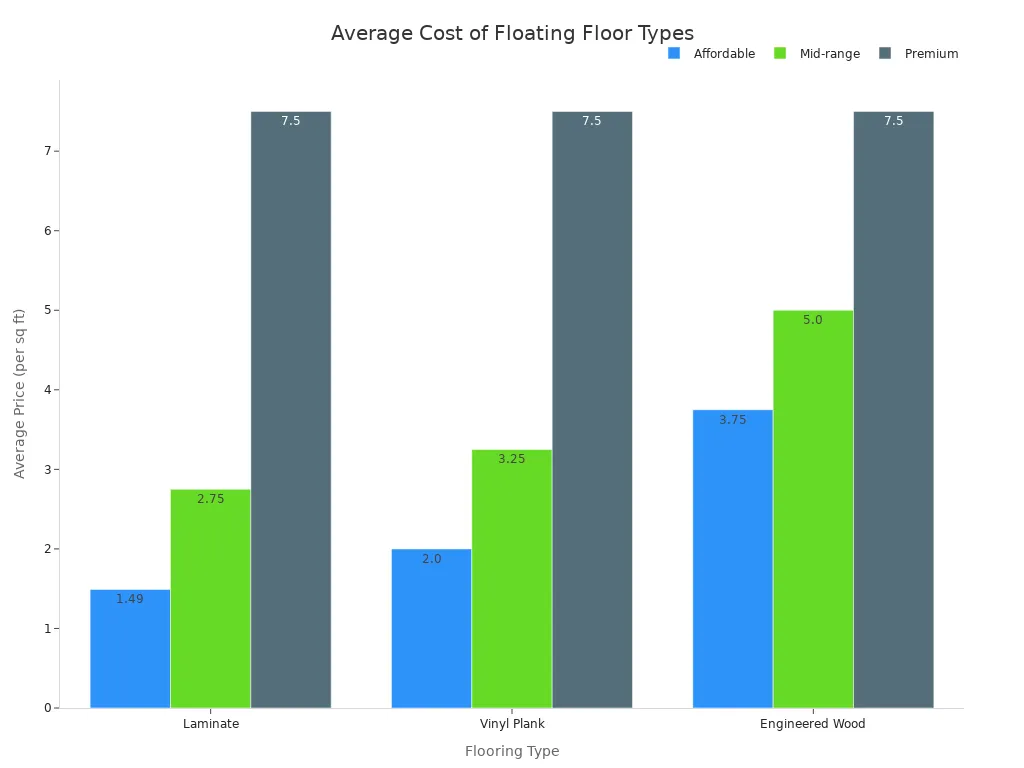
This table gives you an idea of what to expect for material costs.
| Flooring Type | Affordable Tier | Mid-Range Tier | Premium Tier |
|---|---|---|---|
| Laminate | $0.99 – $1.99 / sq ft | $2.00 – $3.50 / sq ft | $5.00+ / sq ft |
| Vinyl Plank | $1.50 – $2.50 / sq ft | $2.50 – $4.00 / sq ft | $5.00+ / sq ft |
| Engineered Wood | $2.50 – $5.00 / sq ft | $4.00 – $6.00 / sq ft | $5.00+ / sq ft |
Ultimately, the best floating floorboards for you will meet the demands of your space while fitting comfortably within your budget.
Guide to Floating Floor Installation
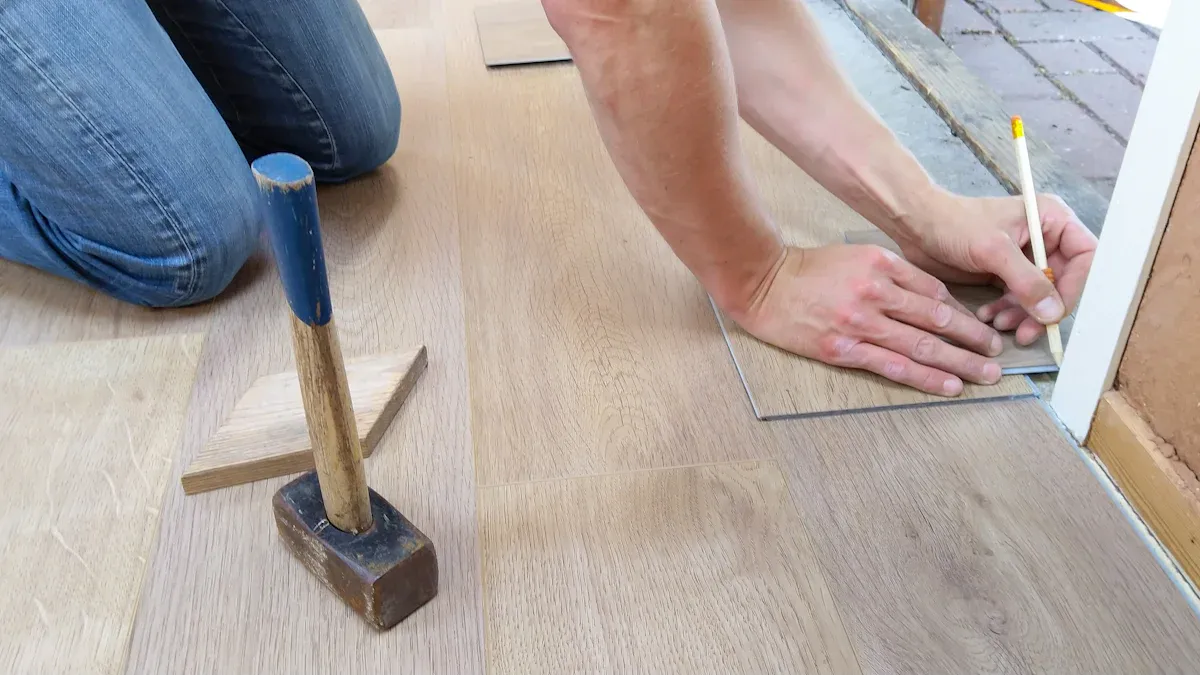
A major benefit of a floating floor is its simple installation. You can complete this project yourself with the right tools and preparation. This guide will walk you through the key steps of a successful floating floor installation.
Do You Need Underlayment?
Yes, you almost always need underlayment for a floating floor installation. It provides cushioning, sound dampening, and a moisture barrier. You need underlayment in these situations:
- Your subfloor is porous, like concrete.
- Your subfloor is slightly uneven or cracked.
- You live in a humid climate.
Even if your flooring has a pre-attached pad, an extra layer can improve performance. The right underlayment is crucial for a quality installation.
| Underlayment Type | Key Features |
|---|---|
| FloorMuffler® Encore | Excellent acoustic dampening and a complete moisture barrier. |
| FloorMuffler® ultraSeal | Premium foam that minimizes minor subfloor imperfections. |
| FloorMuffler® ultraSeal HD | Enhanced performance for SPC planks 5mm or thicker. |
How to Install a Floating Floor Yourself
Learning how to install a floating floor is a manageable DIY project. First, you need to gather your tools. You will need a tape measure, saw, hammer, and safety glasses. The installation process involves a few key steps.
- Prepare the Room: First, make sure your subfloor is clean and level. Let the new flooring acclimate in the room for at least 48 hours before the installation.
- Lay the Underlayment: Roll out the underlayment and trim it to fit. Seal any seams with tape.
- Install the Planks: Plan your layout. Start the first row along the longest wall, using spacers for an expansion gap. Connect the planks and stagger the joints in each row for strength.
- Finish the Job: After the installation, remove the spacers. Install baseboards to cover the gaps for a polished look.
This guide on how to install a floating floor will help you achieve a professional result.
Can You Install Over Existing Floors?
You can often perform a floating floor installation over an existing hard surface. This saves you time and effort. You can install a floating floor over securely bonded tile or sheet vinyl. However, you must prepare the surface first. The subfloor must be level within 3/16 of an inch over a 10-foot span. You may need to use a leveling compound to fill grout lines or low spots.
Important: You should not install a new floating floor over an old one if it creates problems. Stacking floors can cause doors to scrape, create instability, or trap moisture that leads to mold. A new installation will fail if the old floor underneath it fails.
Your choice for the best floating floorboards depends on your needs. You should choose SPC vinyl floorboards for a completely waterproof solution. This waterproof vinyl is perfect for kitchens. Select laminate floorboards for a budget-friendly option with great value. This durable laminate resists scratches well. You can pick engineered floorboards for real wood beauty and added home value.
Final Tip: Get samples of your preferred laminate, vinyl, or engineered floorboards. This step ensures you find the best floating floorboards for your space. A good laminate can look amazing.
FAQ
What is the most durable floating floor?
The most durable floor depends on your needs. Laminate offers the best scratch resistance, making it great for pets. SPC vinyl provides superior dent resistance and is 100% waterproof. Engineered wood is the least durable against scratches but adds significant home value.
Can you put heavy furniture on a floating floor?
Yes, you can place heavy furniture on any floating floor. The floor distributes the weight across multiple planks. You should use felt pads under furniture legs. This simple step prevents scratches and allows the floor to expand and contract naturally underneath.
Do floating floors feel cheap or hollow?
A floating floor can feel hollow without the right preparation. You can easily prevent this. A high-quality underlayment absorbs sound and provides cushioning. This makes your new floor feel solid and quiet underfoot, just like a traditional glue-down floor.
How do you clean a floating floor?
You can clean your floating floor easily. Sweep or vacuum regularly to remove dirt and debris. For deeper cleaning, you can use a damp mop with a pH-neutral cleaner. You should avoid using excessive water, especially on laminate and engineered wood floors.
Cleaning Tip: Always check the manufacturer’s care guide. It will give you the best cleaning instructions for your specific type of flooring.




