
You must understand the difference between waterproof and water-resistant laminate. Waterproof laminate is truly waterproof. A water-resistant laminate flooring only gives you time to clean spills. This answers the question: is laminate floor water resistant enough?
Think of
waterproofas a submarine built for water.Water-resistantis like a raincoat protecting you from temporary splashes.
The waterproof vs water resistant choice is critical. The wrong laminate can lead to expensive water damage. This damage can cost up to $2,000 for repairs, protecting your home and wallet.
The Critical Difference Between Waterproof and Water-Resistant Laminate
The true difference between waterproof and water-resistant laminate lies deep within the plank and in how you install it. You need to look past the surface to understand how each type of flooring will perform in your home. This knowledge helps you prevent costly moisture-related issues down the road.
Core Material Composition
The core material is the heart of a laminate plank. It determines the floor’s strength and its resistance to water.
- Water-resistant laminate typically uses a core made of high-density fiberboard (HDF). This core is wood-based and compressed with resins. While dense, it will still absorb water and swell if moisture gets past the surface.
- Waterproof laminate has a completely different core. It uses special materials like engineered polymers that do not soak up water. This non-porous structure creates a moisture-proof foundation.
You can see this technology in several types of waterproof cores:
- Polymer Core Systems: These use engineered plastics that naturally repel water.
- Resin-Impregnated Cores: These infuse a core with waterproof resins, creating a solid moisture barrier.
- Stone Plastic Composite (SPC): This core mixes limestone powder with polymers for an incredibly dense and fully waterproof foundation.
How Each Type Handles Spills
How your floor handles a real-world spill is a critical test of its performance. The water resistant vs waterproof debate becomes very clear when you compare their response to moisture. A water-resistant floor buys you time, while a waterproof floor provides a permanent barrier.
| Flooring Type | Spill Response | Potential for Damage |
|---|---|---|
| Water-Resistant | You have a few hours to clean up small spills. Water will sit on the surface temporarily. | If water is left too long, it will seep into the seams and cause the fiberboard core to swell, bubble, and warp. This damage is permanent. |
| Waterproof | The flooring is engineered to be completely impervious to water. Spills can sit on the surface for long periods without causing harm. | The planks themselves will not sustain damage from topical water. However, a major flood can still destroy the underlayment and subfloor beneath. |
Important Note: Some brands may claim their product is “100% waterproof” but still show swelling after 24 hours of water exposure. Always ask for test reports to confirm a product’s true waterproof performance before you buy.
The Role of Installation and Seams
A floor is only as strong as its weakest point. For laminate flooring, the seams between planks are the most vulnerable area. Proper installation is essential for moisture protection.
Waterproof laminate uses advanced technology to protect these seams. Manufacturers use special locking systems with extremely tight tolerances. These systems, like Mohawk’s Uniclic or the Välinge 5G system, create a secure seal that physically blocks water. Many brands add extra protection:
- HydroSeal technology applies a water-repellent coating to the edges of each plank.
- Unicoat is another coating that prevents water from getting between the joints.
- Some systems even seal plank edges with hot wax to repel moisture.
For any installation in a moisture-prone area, sealing the perimeter is a final, crucial step. This applies to both water-resistant and waterproof products.
Pro Tip: To prevent water from getting under your floor, you must apply a 100% silicone sealant in the expansion gap along the entire perimeter of the room. This creates a final waterproof barrier, protecting your subfloor from damage and completing your floor’s defense system.
Understanding Waterproof Laminate Flooring
When you choose waterproof laminate flooring, you are investing in advanced technology designed for total moisture protection. Unlike its water-resistant cousin, this flooring is built from the ground up to handle spills, splashes, and humidity without fail. Let’s explore what makes this flooring truly waterproof and where it shines in your home.
What Makes It Truly Waterproof?
The secret to a truly waterproof floor lies in its construction. The manufacturing process infuses the core with water-repellent resins, creating a dense foundation that stops water absorption. This is a major upgrade from standard fiberboard. Manufacturers add multiple layers of protection to create a complete waterproofing flooring system.
These technologies include:
- Specialized Cores: Many brands use unique waterproof materials, such as a polymer or mineral composite core, that do not swell when wet.
- Edge Sealants: Technologies like Mohawk’s
HydroSealapply a hydrophobic coating to the edges and bevels of each plank. Some even use wax-sealed joints to block moisture. - Watertight Locking Systems: Advanced locking mechanisms like
Unicliccreate an incredibly tight seal between planks, preventing water from seeping through the seams.
Best Rooms for Waterproof Flooring
You should install waterproof flooring in any area with high moisture or frequent spills. This proactive choice protects your subfloor and prevents costly damage. The best rooms for these floors are clear winners.
Top spots for waterproof floors include:
- Bathrooms: They handle daily steam, splashes from the tub, and high humidity.
- Kitchens: You get peace of mind against appliance leaks, cooking spills, and splashes from the sink.
- Basements: Modern waterproof laminate is an excellent choice for below-grade spaces. Its plastic-based core resists moisture that can come from concrete slabs, making it a durable and attractive option.
The Higher Cost Explained
You will notice that waterproof laminate flooring has a higher price tag. This extra cost comes from the advanced technology used to make the flooring both durable and beautiful. The investment pays for superior performance and a more realistic look.
Here is what adds to the cost:
- High-Resolution Imagery: Premium flooring uses high-definition printing to capture the authentic look of wood or stone.
- Pattern Variety: More expensive laminate offers a greater number of unique plank designs. This reduces pattern repetition and creates a more natural-looking floor.
- Embossed in Register (EIR) Texturing: This top-tier feature aligns the surface texture with the visual pattern. You can feel the grain and knots that you see, creating an astonishingly realistic laminate flooring experience.
So, Is Laminate Floor Water Resistant Enough?
You may ask, is laminate floor water resistant enough for your project? The answer depends on the room and your expectations. A water-resistant laminate offers good protection against everyday accidents, but it has clear limitations. Understanding these limits helps you decide if this flooring is the right fit for your space. This water resistant flooring provides a great balance of durability and cost.
The Limits of Surface Protection
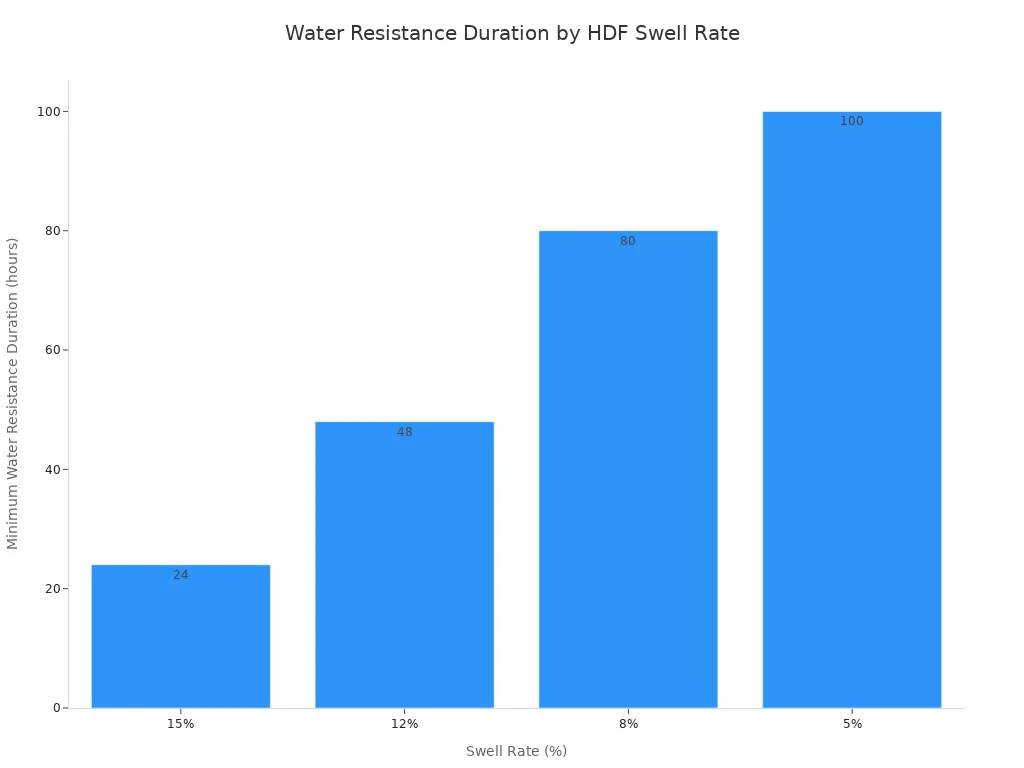
The protection of water-resistant laminate is mostly on the surface. The top wear layer repels water, giving you time to clean up. However, the core is still made of wood fiber. If water sits too long, it will find its way into the seams and the core will swell. The question “is laminate floor water resistant enough?” depends on how quickly you can address spills. The product’s water resistance is directly tied to its core density.
| Swell Rate (%) | Water Resistance Duration |
|---|---|
| 15% | 24 to 48 hours |
| 12% | 48 to 72 hours |
| 8% | 80 to 100 hours |
| 5% | Exceeding 100 hours (potentially 500+ hours) |
A lower swell rate means better resistance and more time to clean. So, is laminate floor water resistant enough? For minor spills, yes. For major leaks, no.
Ideal Rooms for Water-Resistant Floors
You should install water-resistant flooring in areas with low to moderate moisture. This water resistant laminate performs beautifully in rooms where big spills are unlikely. Think about the daily use of the space.
Ideal locations for water resistant flooring include:
- Bedrooms
- Living rooms and family rooms
- Home offices
- Hallways
These spaces benefit from the durability of a water resistant laminate without needing full waterproof protection.
The Budget-Friendly Advantage
A major benefit of water-resistant flooring is its price. It gives you a durable, attractive floor without the higher cost of waterproof technology. So, is laminate floor water resistant enough when you are on a tight budget? Absolutely. You can find excellent options at very affordable prices. This makes water resistant flooring a smart choice for many homeowners.
- TrafficMaster Camden Lake Oak water-resistant laminate: $0.99 per square foot
- TrafficMaster Silverton Oak water-resistant laminate: $1.99 per square foot
- 12mm Valley Crest Oak water-resistant laminate: $2.79 /Sq Ft
The final question, is laminate floor water resistant enough, often comes down to balancing cost and risk. For many rooms, this flooring is the perfect solution.
Head-to-Head: Cost vs. Long-Term Value
When you choose new flooring, you are making a long-term investment. The initial price is only one part of the equation. You must also consider the floor’s durability, lifespan, and warranty protection to understand its true value over time. This comparison will help you see where your money is best spent.
Upfront Cost Per Square Foot
You will see a clear price difference between waterproof and water-resistant laminate flooring. Waterproof options cost more because they use advanced materials and manufacturing processes. Water-resistant flooring offers a more budget-friendly starting point.
| Flooring Type | Average Cost (Per Square Foot) | What You Get for the Price |
|---|---|---|
| Water-Resistant | $1.00 – $3.00 | A durable surface with a wood-fiber core. Good for dry rooms and offers basic spill protection. |
| Waterproof | $3.00 – $5.00+ | A polymer or composite core that is impervious to water, plus advanced edge sealants and locking systems. |
Remember: The price also reflects the quality of the visual layer. More expensive flooring often has more realistic textures and a greater variety of plank patterns, creating a more authentic look.
Durability and Lifespan
A floor’s lifespan depends on more than just its water-handling ability. The overall durability is a key factor in its long-term value. To measure this, you should look at the Abrasion Class (AC) rating.
The AC rating is an industry standard that tells you how well a laminate floor resists wear from foot traffic, impacts, stains, and fading. A higher rating means the flooring is tougher.
| AC Rating | Durability Level | Recommended For |
|---|---|---|
| AC3 | Heavy Residential | All areas of your home, including high-traffic spots. |
| AC4 | General Commercial | Busy homes and light commercial spaces like small offices. |
| AC5 | Heavy Commercial | The toughest option, built for very high-traffic public areas. |
For most homes, an AC3 or AC4 rating provides excellent durability. The average lifespan of laminate flooring is between five and ten years. However, factors like foot traffic and moisture exposure can change this. In a high-traffic kitchen, a lower-quality floor may show scratches or gaps sooner. This is why investing in a quality, professionally installed waterproof laminate is so important for wet areas. A skilled installer ensures the seams are tight, which is crucial for maximizing the life of your durable flooring.
Warranty Coverage for Water Damage
Your flooring warranty is your safety net, but you need to read the fine print. Warranties for water-resistant and waterproof laminate offer very different levels of protection against moisture-related damage.
A warranty for water-resistant flooring is limited. It protects against topical spills for a specific time, but it almost always excludes major water issues.
Common exclusions you will find in water-resistant warranties include:
- Damage from moisture coming up from the subfloor.
- Damage from appliance leaks, broken pipes, or flooding.
- Swelling or bubbling caused by water sitting on the floor too long.
- Mold or mildew growth resulting from prolonged moisture.
A waterproof flooring warranty provides much stronger protection. It typically covers damage from everyday topical spills and moisture indefinitely. This means you are protected if a spill is missed or the kids splash water out of the tub. However, even these warranties will not cover catastrophic water damage from events like a flood. Always confirm the specific terms with the manufacturer to understand exactly what protection you are getting.
Making the Right Choice for Your Home
Choosing the right flooring depends entirely on the room’s function. You need to match the floor’s capabilities to the space’s daily demands. This ensures your investment lasts for years to come.
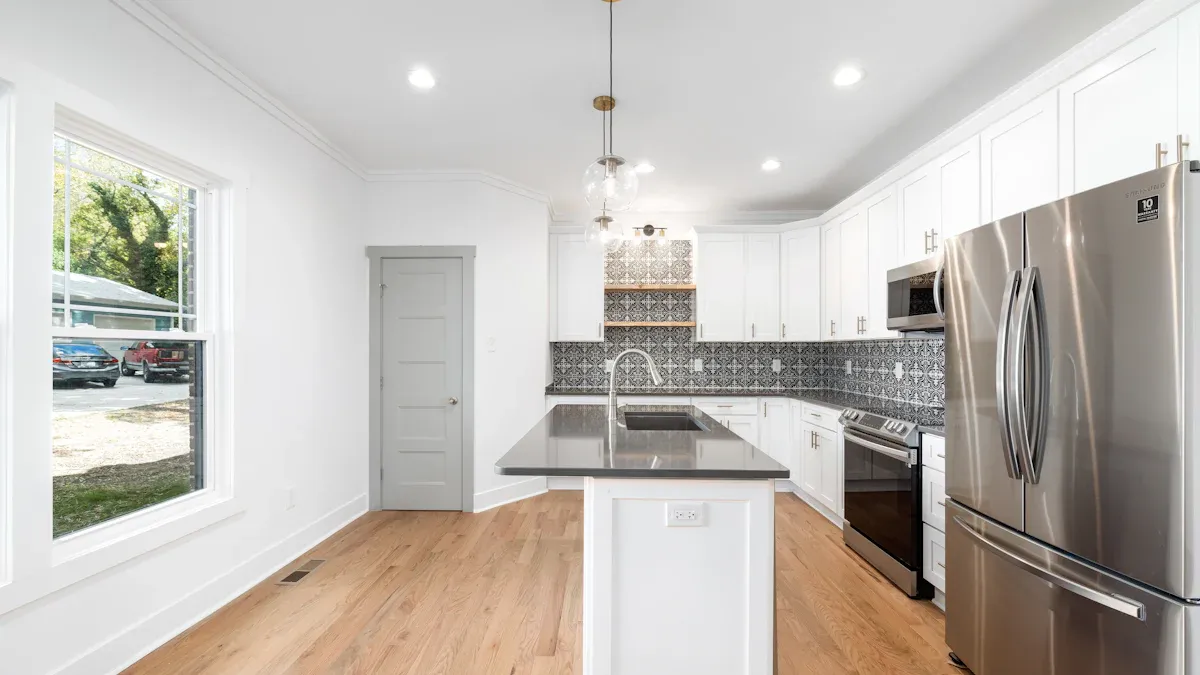
For Bathrooms, Kitchens, and Basements
You should always choose waterproof flooring for high-moisture areas. These rooms face constant humidity, splashes, and potential leaks. Using water-resistant flooring here is a major risk. The wood-based core can swell and warp, leading to permanent damage and slip hazards when wet.
For a full bathroom, waterproof options are non-negotiable. To protect your warranty, you must seal the room’s perimeter with 100% waterproof silicone caulk. This step is mandatory and prevents moisture from reaching the subfloor.
Investing in a truly waterproof product like waterproof hardwood flooring gives you total peace of mind against everyday water exposure.
For Bedrooms and Living Rooms
Bedrooms and living rooms are ideal spaces for water-resistant flooring. These dry areas do not need full waterproof protection. High-quality water-resistant options offer excellent durability and scratch resistance for moderate foot traffic. This makes water resistant flooring a practical choice for these common living spaces.
You can find beautiful and tough flooring options that mimic real wood. These products provide the perfect balance of style, performance, and affordability. A good water resistant flooring gives you protection from occasional spills without the higher cost of a fully waterproof system.
For Homes with Pets and Kids
Homes with children and pets need durable, easy-to-clean flooring. Both high-quality water-resistant and waterproof flooring options work well. They offer strong scratch resistance against pet claws and heavy foot traffic. However, waterproof laminate provides superior protection against frequent accidents. 🐾
Spills from juice, water bowls, or other accidents are no problem for a waterproof surface.
- You can wipe up messes easily without worrying about stains.
- The tight-locking seams prevent liquids from seeping through.
- This makes cleanup quick and stress-free for busy families.
Choosing a waterproof floor means you spend less time worrying about accidents and more time enjoying your home.
The best laminate flooring depends on your room’s moisture risk. For high-moisture areas like bathrooms, investing in a waterproof laminate is essential for your peace of mind. A water-resistant laminate provides excellent value and durability for dry areas such as bedrooms. This water-resistant option is a smart, budget-friendly choice.
Your Final Step: Assess your room’s daily use and potential for spills. This helps you make a confident, long-lasting choice for your new waterproof or water-resistant flooring.
FAQ
Can you mop waterproof laminate flooring?
Yes, you can mop waterproof laminate. You should use a damp mop, not a soaking wet one. Avoid using steam mops, as the high heat and pressure can damage the floor’s locking system and wear layer over time. Always check the manufacturer’s cleaning guidelines.
Do you need an underlayment for waterproof laminate?
Most waterproof laminate installations require an underlayment. This layer provides sound absorption, cushioning, and a moisture barrier to protect your subfloor. Some laminate planks even come with a pre-attached underlayment, which simplifies the installation process for you.
Can you repair a swollen laminate plank?
No, you cannot repair a swollen laminate plank. Water damage to a laminate core is permanent. The affected plank must be removed and replaced. This is why choosing a fully waterproof product for wet areas is so important for long-term durability.
Is waterproof laminate better than luxury vinyl plank (LVP)?
Each flooring has its strengths. Waterproof laminate often provides a more realistic wood look and feel. Luxury vinyl plank (LVP) is a fully synthetic product, making it a great choice for areas with extreme moisture. Your choice depends on your style preference and room location.




