
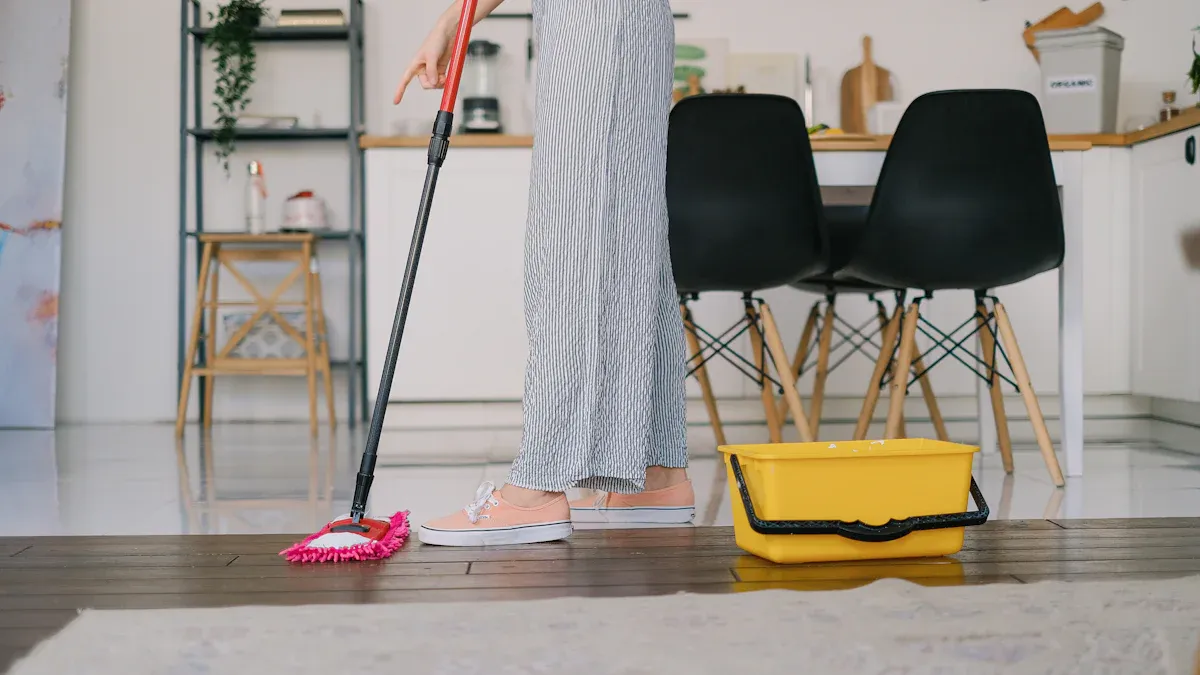
You may ask, is laminate flooring waterproof? Most standard laminate flooring is water-resistant, not truly waterproof. This water-resistant laminate handles surface spills for a limited time. In contrast, waterproof laminate uses a core that blocks water longer.
Note: Even the best waterproof laminate or other waterproof flooring is not invincible. Your proactive care is essential to protect your beautiful laminate flooring.
The Big Question: Is Laminate Flooring Waterproof?
You hear the terms “water-resistant” and “waterproof” often, but what do they mean for your laminate flooring? The answer to “is laminate flooring waterproof?” depends entirely on the product you choose. Understanding the difference is key to protecting your investment.
Understanding Water-Resistant vs. Waterproof Laminate
The term water-resistant can be misleading. No single industry standard defines it. This means one brand’s water-resistant laminate flooring may perform differently from another’s. Organizations like the North American Laminate Flooring Association (NALFA) have tests, but performance varies. A water-resistant product can handle a quick spill, but prolonged moisture will cause damage. In contrast, waterproof laminate offers much greater protection.
Here is a simple breakdown of the differences:
| Feature | Waterproof Laminate | Water-Resistant Laminate |
|---|---|---|
| Core Material | Stone-Plastic Composite (SPC) or similar | High-Density Fiberboard (HDF) |
| Water Exposure | Withstands standing water for 24+ hours | Resists spills for a short time only |
| Best For | Kitchens, bathrooms, basements | Living rooms, bedrooms, hallways |
Why the Core Material Matters
The core of your laminate flooring determines its defense against water. Most water-resistant laminate flooring uses a high-density fiberboard (HDF) core. HDF is made of compressed wood fibers. When these fibers get wet, they swell and warp permanently. A denser HDF core has a lower “swell rate” and resists water longer, but it will eventually fail.
True waterproof laminate uses a core made of materials like Stone Polymer Composite (SPC), a mix of limestone and plastic. This core is completely impervious to water. Moisture simply cannot penetrate it, which is one of its most important waterproof features.
Debunking the “100% Waterproof” Myth
Even the best waterproof flooring has limits. Believing in “100% waterproof” protection is one of the most common myths. Manufacturers’ warranties reveal these myths. So, is laminate flooring waterproof against all threats? No. Warranties for waterproof laminate flooring often exclude major events.
Watch out for these common myths and warranty exceptions:
- Flooding, appliance leaks, or leaking pipes are not covered.
- Moisture coming up from the subfloor is your responsibility.
- Damage from improper installation will void your warranty.
- The warranty only covers topical spills, and you must still clean them up promptly.
These myths show that vigilance is your best defense. Proper care is essential for any type of laminate flooring.
How to Identify Your Floor’s Protection Level
You need to know your floor’s specific limits to protect it well. Not all laminate flooring offers the same defense against moisture. You can find out your floor’s protection level with a few simple checks. This knowledge helps you provide the right care for your laminate flooring.
Check the Manufacturer’s Specifications
Your first step is to check the product’s official details. The manufacturer provides the most accurate information about your laminate flooring. Look at the original packaging, the product’s page on the company website, or the technical data sheet. These documents will clearly state if the product is water-resistant or a true waterproof laminate.
Pro Tip: 🕵️ Pay close attention to the warranty section. It often specifies what types of water exposure are covered and for how long. This is the best way to understand the real-world limits of your floor.
Look for Time-Based Water Ratings
Many brands now use time-based ratings to show how long their floors can resist standing water. These ratings, like 24-hour or 72-hour, directly answer the question: is laminate flooring waterproof for a certain period? This rating is often tied to the core’s “swell rate,” which measures how much the material expands when wet. A lower swell rate means better protection.
This chart shows how swell rates often relate to water resistance duration for laminate flooring:
| Swell Rate | Typical Water Resistance Duration |
|---|---|
| 15% | 24 to 48 hours |
| 12% | 48 to 72 hours |
| 8% | 80 to 100 hours |
| 5% | Exceeding 100 hours |
Inspect a Sample Plank
A hands-on inspection can reveal a lot about your laminate flooring. If you have a leftover plank or can get a sample from a store, look closely at a cross-section of the core. This simple visual check helps you identify the material.
- HDF Core: This core looks like densely packed wood fibers. It feels like a very hard particleboard.
- SPC Core: A core for waterproof laminate looks and feels like a solid, rigid composite material. It is often gray or dark in color and does not resemble wood fiber at all.
Seeing the core material for yourself gives you confidence in your floor’s ability to handle moisture.
Proactive Steps to Protect Your Laminate Flooring
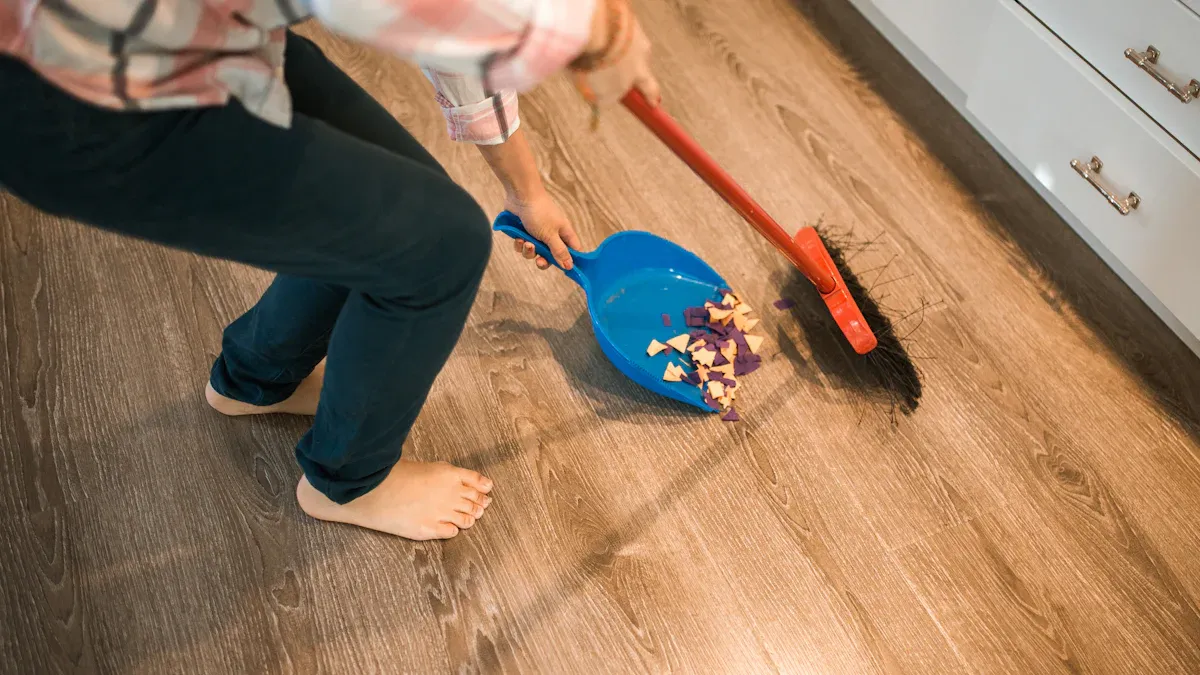
Knowing your floor’s limits is the first step. Taking action is the next. You can significantly extend the life of your laminate flooring with a few proactive measures. These simple habits protect your investment from everyday moisture threats.
Seal the Perimeter and Expansion Gaps
Your laminate flooring needs room to expand and contract with changes in temperature and humidity. This creates small gaps around the perimeter of the room. These gaps are a direct path for water to reach the vulnerable core and subfloor. You must seal these areas to create a defense.
Applying a flexible, 100% silicone sealant creates a durable, water-repellent seal. This simple step helps you achieve watertight joints where the floor meets the wall.
- Silicone Sealant: This is your best choice. It remains flexible as your laminate flooring expands and contracts.
- Large Gaps: For gaps wider than a quarter-inch (about 10mm), first insert a foam backer rod. Then, apply the silicone sealant over it for a perfect finish.
- Avoid Acrylic: Do not use siliconized acrylic sealants. They may claim to be flexible, but they often crack over time, defeating the purpose.
Use Waterproof Mats in High-Risk Zones
High-risk zones are areas where spills and moisture are common. You should place waterproof mats at all entryways, in front of kitchen sinks, and near dishwashers. These mats act as the first line of defense for your beautiful laminate flooring.
Different mat materials offer unique benefits. Rubber-backed mats are excellent because rubber is impermeable and durable. Polypropylene mats are great for indoor doorways because they resist stains and are easy to clean. For inside the home, microfiber mats are fantastic at absorbing moisture from wet shoes or pet paws.
What to Look For in a Quality Doormat 📝
- Durability: Choose mats made from heavy-duty rubber or high-quality fibers that can handle heavy foot traffic.
- Moisture Control: Look for raised patterns that scrape dirt and trap water.
- High-Traction Backing: A rubber back prevents the mat from slipping, especially when wet.
- Correct Size: Your mat should be at least 90% as wide as your door.
- Low Profile: Select a thinner mat to ensure your door can open and close without catching on it.
Choose the Right Underlayment
The right underlayment is a hidden but crucial protector for your laminate flooring. It sits between your subfloor and your new waterproof flooring. Its primary job is to block moisture vapor that can rise from a concrete or wood subfloor. This is especially important in basements or on-slab foundations.
When choosing an underlayment, look for one with a built-in vapor barrier. These products often use a polyethylene film to stop moisture migration. Some advanced underlayments even combine polyethylene with cork for superior protection. The thickness of the underlayment also matters, as a thicker barrier offers more defense. A quality underlayment for waterproof flooring provides several key benefits:
- Moisture Protection: Wicks away subfloor moisture.
- Sound Absorption: Reduces noise for a quieter home.
- Thermal Insulation: Blocks cold from concrete subfloors.
- Compression Resistance: Supports the locking system of your laminate flooring.
Master the Correct Cleaning Method
Your cleaning routine is your best tool for protecting your laminate flooring. Many people accidentally cause damage by using too much water or the wrong products. You can keep your floors looking new for years by mastering the correct technique. This method focuses on removing dirt without letting moisture seep into the planks.
The most important rule is to avoid wet mopping. Excessive water is the biggest enemy of your laminate flooring. It can easily get into the seams between planks. This moisture causes the core to swell, warp, and peel. You should only use a slightly damp mop.
What is a “Slightly Damp” Mop? 💧 A mop is slightly damp when you wring it out until it no longer drips. It should feel barely wet to the touch. This approach cleans the surface effectively without leaving behind puddles or excess water that could cause damage.
Here is how you can properly clean laminate floors:
- Start Dry: First, remove all loose dirt, dust, and debris. You can use a soft-bristle broom or a vacuum with a hard floor attachment. Do not use a vacuum with a beater bar, as it can scratch your laminate flooring.
- Prepare Your Mop: Use a microfiber flat-head mop for the best results. Dip it in your cleaning solution and then wring it out completely. The mop pad should be damp, not wet.
- Mop in Sections: Clean a small area of the floor at a time. This allows you to dry the section immediately after mopping, preventing water from sitting on the surface.
- Dry Immediately: Use a clean, dry microfiber cloth to wipe the mopped section dry. This step is critical for protecting the seams of your laminate flooring.
Choosing the right cleaning solution is just as important as your technique. Using the wrong product can leave a dull film, create streaks, or even damage the protective wear layer of your laminate flooring.
- Only use cleaners made specifically for laminate floors.
- Avoid products that contain ammonia, bleach, oil, wax, or strong solvents.
- Never use steel wool or abrasive scouring powders. These will scratch the surface and ruin the finish.
By following these steps, you ensure your floors are clean and well-protected from preventable water damage.
Your Immediate Action Plan for Spills and Leaks
Accidents happen. A dropped glass or a pet’s water bowl can spill in an instant. Your quick response is the single most important factor in preventing damage to your laminate flooring. You must act fast. This immediate action plan guides you through the critical steps to protect your floors from water damage.
Step 1: Contain and Wipe Up Immediately
Speed is your greatest ally. You must wipe up any liquid the moment you see it. Even water-resistant laminate has a time limit before moisture seeps into the seams and damages the core. The clock starts ticking immediately.
Time is Critical! ⏰ The time your floor can resist water depends on its quality, specifically its core’s “swell rate.” A lower swell rate means better protection, but no floor is invincible.
Swell Rate Water Resistance Duration 15% 24 to 48 hours 12% 48 to 72 hours 8% 80 to 100 hours 5% Exceeding 100 hours
To clean up effectively, you need the right tools. Use a highly absorbent material to soak up the spill quickly.
- Microfiber cloths are excellent for this job. They absorb a large amount of liquid and are gentle on your floor’s surface.
- For larger spills, a microfiber mop works best. Some mops, like the O-Cedar, have long strings that are great at absorbing big messes. Others, like the Swiffer PowerMop, use textured strips to lift and absorb spills.
- For sticky messes like syrup or grease, use an absorbent cloth to blot the area first. Then, follow up with your damp mop.
Always blot the spill. Do not wipe or spread it. Wiping can push liquid into the seams of your laminate flooring.
Step 2: Thoroughly Dry the Planks and Seams
Wiping up the surface liquid is only half the battle. Moisture loves to hide in the tiny seams between planks. You must dry these areas completely to prevent the core from swelling.
Follow these steps to ensure the area is bone-dry:
- Grab a Dry Cloth: After blotting the spill, take a clean, dry microfiber cloth.
- Press on Seams: Firmly press the cloth along the seams around the spill area. This action wicks out any moisture that has started to seep in.
- Use Absorbent Towels: For a larger wet area, lay absorbent towels over the spot. Press down firmly or even walk on them to soak up hidden moisture. Replace the towels as they become wet.
- Try a Wet/Dry Vac: If you have a wet/dry vacuum, you can use it to carefully pull liquid directly from the seams. This is a very effective method for a significant spill on your laminate flooring.
Your goal is to remove every last drop of moisture from the surface and the edges of the planks.
Step 3: Use a Fan for Large Spills
A small spill might only need a quick wipe. A large spill from a tipped bucket or a pet accident requires more effort. After you have removed all standing water, you need to promote air circulation. This helps evaporate any remaining moisture you cannot see.
Place a portable fan directly over the affected area. Aim the airflow across the surface of the planks. This constant movement of air speeds up the drying process significantly. You can also open nearby windows and doors to increase airflow throughout the room. For very damp areas, like in a basement, a dehumidifier is an excellent tool. It pulls moisture directly out of the air and from your laminate flooring.
Let the fan or dehumidifier run for several hours. You should monitor the area to ensure your laminate flooring is completely dry. This final step provides peace of mind and is your best defense against long-term damage from a major spill.
Recognizing and Handling Water Damage on Waterproof Laminate Flooring
Even the best waterproof laminate flooring has its limits. You must know how to spot trouble early and what to do when damage occurs. Quick action can save your beautiful waterproof flooring from permanent harm.
How to Spot Signs of Damage
You should inspect your laminate flooring regularly, especially in high-risk areas. Look for subtle changes that signal moisture problems. A flashlight held at an angle can help you see surface imperfections.
Watch for These Warning Signs! 🔍
- Discoloration: You might see yellow or brown tints on a plank. This often means water has been sitting for too long.
- Shape Changes: The floor may look warped or have small bubbles on the surface. Planks can also buckle, creating uneven areas.
- Planks Coming Apart: Water can cause seams to separate or edges to lift. You may notice loose boards when you walk on them.
- Mold Growth: You might find black or green streaks between planks. A musty smell often accompanies mold.
Assessing if You Can Replace a Single Plank
You found a damaged plank. The good news is you can often replace just one piece of your waterproof laminate. This is much easier than replacing the entire floor. You will need a few specific tools for this repair.
Your toolkit should include a cutting tool, a hammer, a tapping block, and strong adhesive. The process involves carefully cutting out the damaged plank without harming the surrounding waterproof flooring. You then modify the new plank to fit and glue it securely in place. This task requires patience and precision.
When to Call a Professional
Sometimes, a problem is too big for a DIY fix. You should call a professional if the damage covers a large area. You also need an expert if you suspect water has reached the subfloor. A damp subfloor can lead to major structural issues and widespread mold. A professional can assess the full extent of the damage. The question “is laminate flooring waterproof enough to handle a flood?” is almost always no, and this is when you need an expert.
Professional repair for waterproof laminate flooring can cost between $3 and $11 per square foot. This price does not include subfloor replacement, which adds to the total. Calling a pro protects your home and your investment in your laminate flooring.
Your vigilance is the best defense against water damage for any type of laminate flooring. You can protect your floors by taking three critical actions.
- Wipe up all spills instantly.
- Use protective mats in high-risk zones.
- Seal the perimeter gaps around your room.
Proper care protects your investment. It ensures your beautiful laminate flooring looks great for years to come.
FAQ
Can I use a steam mop on my laminate floor?
You should never use a steam mop on laminate flooring. The high heat and moisture force water deep into the planks’ seams. This action can cause permanent swelling, warping, and peeling. Using a steam mop will also likely void your floor’s warranty.
What should I do if my pet has an accident?
You must clean up pet accidents immediately. Use an absorbent cloth to blot the area, then clean it with a laminate-safe cleaner. Pet urine is acidic and can damage the floor’s protective layer if left sitting. Quick cleaning prevents stains and odors from setting in.
Can I install waterproof laminate in a bathroom?
Yes, you can install waterproof laminate in a bathroom. However, you must take extra precautions. You need to seal the entire perimeter of the room with 100% silicone sealant. This creates a watertight barrier that stops water from reaching the subfloor.
How do I fix a scratch on my laminate floor?
You can easily fix minor scratches. Use a laminate floor repair kit or a wax pencil that matches your floor’s color. Clean the area first, then fill the scratch according to the product’s directions. This simple repair keeps your floor looking its best.




