

Your home flooring choice often comes down to key features. SPC vinyl provides superior durability and is a truly waterproof flooring. In contrast, Pergo flooring excels with its realistic wood looks. While laminate like Pergo flooring holds a 3.3% market share, its appearance keeps it popular.
Key Takeaway: You need a completely waterproof floor for any room. SPC vinyl is the safer bet. If authentic looks are your top priority in a dry area, the pergo flooring water resistant design makes Pergo flooring a strong contender against other waterproof flooring options.
What Is Pergo Outlast+ and How Does It Compare to SPC?
You need to understand the basic construction of each floor to see its performance. Pergo Outlast+ is a type of laminate flooring. It uses a dense fiberboard core. SPC vinyl, a popular luxury vinyl flooring, uses a core made from synthetic materials. This core difference is the main reason for their different capabilities, especially with water.
| Feature | Pergo Outlast+ (Laminate) | Standard SPC Vinyl Flooring |
|---|---|---|
| Core Material | Dense fiberboard core | Synthetic materials (plastic, PVC, resin) |
| Layers | Tough wear layer, decorative printed layer, fiberboard core | Primarily synthetic layers, often with a rigid core (SPC) |
| Flexibility | Less flexible due to fiberboard core | Super flexible |
| Water Resistance | Marketed as water-resistant (Pergo Outlast) | Waterproof |
| General Type | Laminate flooring | Vinyl flooring (specifically SPC vinyl) |
Understanding Pergo Flooring Water Resistant Technology
The pergo flooring water resistant design comes from its special locking system and surface coating. This waterproof technology helps protect the Pergo flooring from everyday spills. However, the core of this laminate flooring is still wood-based fiberboard. If water gets past the surface protection and soaks into the core, the planks can swell and get damaged. This is why its durability depends on keeping the core dry.
Understanding SPC Vinyl’s 100% Waterproof Core
SPC lvp flooring offers a truly waterproof solution. Its strength comes from its rigid waterproof core. This core contains a mix of natural limestone powder and polyvinyl chloride (PVC).
Note: The materials in an SPC core make it completely waterproof.
- The core layer blends limestone (stone) and polyvinyl chloride (PVC).
- This mix creates a dense, stable material that does not bend or warp easily.
- This waterproof layer prevents moisture from soaking in, so the planks will not swell or shift when wet.
Because of this construction, SPC is a superior waterproof flooring option for any room in your home. The material itself is 100% waterproof from top to bottom.
Water Resistance: Is Pergo Truly a Waterproof Flooring Option?
You will find that the terms “water-resistant” and “waterproof” are not interchangeable. This difference is the most critical factor when choosing between Pergo Outlast+ and SPC vinyl. The level of water protection you get from each product defines where you can safely install it in your home.
Pergo Outlast+ SpillProtect: What “Water-Resistant” Means
The pergo flooring water resistant design relies on its SpillProtect technology. This system combines a tight locking mechanism and a surface coating. It does an excellent job of protecting the pergo flooring from topical spills and splashes. You can wipe up messes without immediate worry. This waterproof technology helps guard the surface.
However, the core of this laminate flooring is still made of wood fiber. If water gets past the joints and soaks into this core, the planks can swell, warp, and become permanently damaged. The protection only lasts for a limited time.
Important Warranty Note: You should know that Pergo’s warranty has strict limits. The company states you must not install this waterproof laminate on a floor with a sump pump. A sump pump overflow could cause a flood, which the warranty does not cover. Many flooring experts also note that water can quickly destroy laminate flooring, and warranties are often written to protect the manufacturer from water damage claims.
This means the pergo flooring water resistant performance is conditional. It handles everyday spills well but is not built to withstand significant water events.
SPC Vinyl: The Genuinely Waterproof Choice
SPC vinyl offers a truly waterproof flooring solution. Its strength comes from its solid polymer core, which is 100% waterproof. This waterproof core contains a mix of limestone and plastic that water cannot penetrate. Unlike pergo flooring, SPC planks will not swell, buckle, or lose integrity when exposed to moisture.
This makes SPC vinyl a superior waterproof flooring option for any room. You can install it in basements, bathrooms, and kitchens without fear of water damage. The material itself is completely waterproof from top to bottom.
The table below highlights why SPC’s construction gives it a better waterproof performance.
| Feature | SPC Vinyl Flooring | Pergo Outlast+ (Water-Resistant Laminate) |
|---|---|---|
| Core Composition | Stone Plastic Composite (Inorganic) | High-Density Fiberboard (Wood-based) |
| Waterproof Capabilities | 100% waterproof and impervious to water | Water-resistant surface; core is vulnerable to damage |
| Ideal Use | Basements, bathrooms, kitchens, laundry rooms | Living rooms, bedrooms, hallways |
| Mold/Mildew Risk | Naturally resistant due to inorganic core | Can grow mold if moisture penetrates the core |
| Response to Flooding | Planks can often be dried and reinstalled | Planks are typically ruined and must be replaced |
Ultimately, if you need a guaranteed waterproof floor, SPC is the clear winner. Its construction provides peace of mind that pergo flooring simply cannot match in wet environments.
Durability Showdown: Scratches vs. Dents
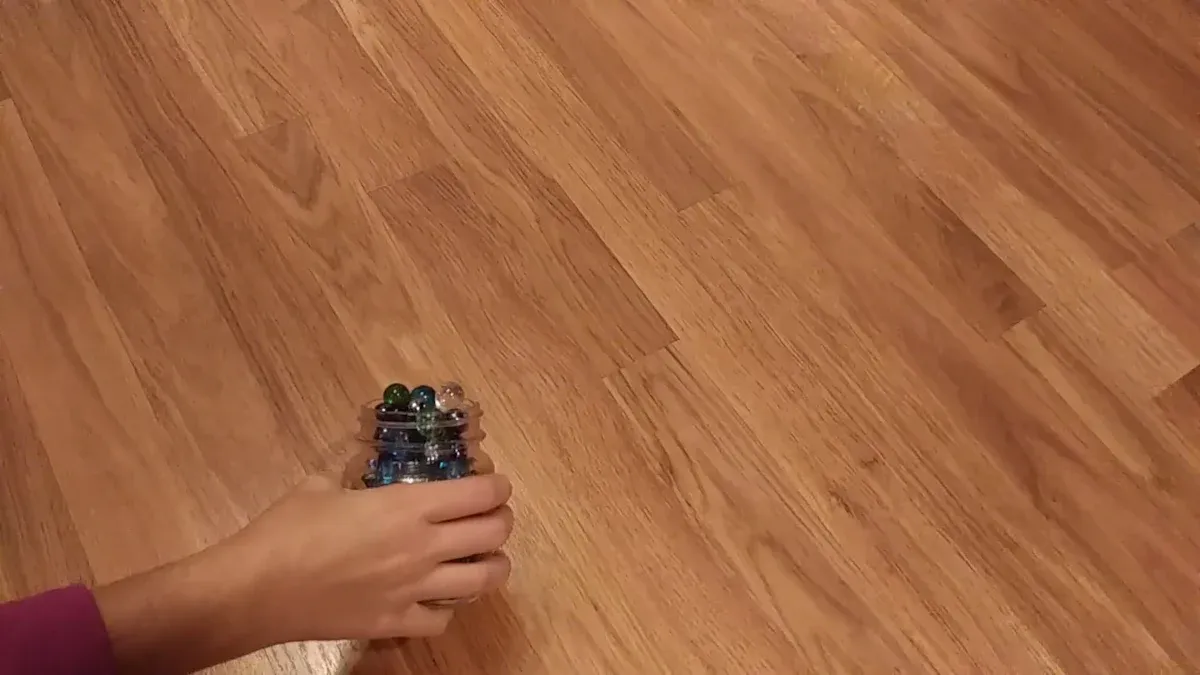
When you compare flooring, durability is more than just one feature. It is a balance between resisting surface scratches and preventing dents from impacts. Pergo Outlast+ and SPC vinyl excel in different areas of durability, so your lifestyle will determine which is the better fit.
Scratch Resistance: Pergo’s AC4 Rating Advantage
You will find that Pergo Outlast+ has a significant advantage in scratch resistance. This is due to its tough wear layer, which earns it an AC4 rating. The “AC” stands for Abrasion Class, a system that grades a floor’s durability against friction, scrapes, and scuffs.
An AC4 rating means the pergo flooring is built for demanding use.
- Residential Use: It is ideal for very busy homes, even with large pets or active children. You can confidently install it in high-traffic areas.
- Commercial Use: It is also approved for general commercial spaces like retail stores, cafes, and larger offices.
The AC4 rating is the first level designed for commercial environments. It offers 60% more wear resistance than an AC3-rated floor. This high level of protection comes from a specialized wear layer that shields the decorative wood image below.
When you compare this to SPC vinyl, the difference becomes clear. While high-quality SPC has a strong wear layer (often 20 mil), the AC rating system is specific to laminate’s performance. The table below shows how the two compare in typical use cases.
| Feature | AC4 Laminate (Pergo Outlast+) | 20 Mil Wear Layer SPC Flooring |
|---|---|---|
| Typical Use | General Commercial Use (offices, cafes) | High-durability residential and commercial |
| Durability Measurement | AC Rating (higher is better) | Wear layer thickness in mils (thicker is better) |
| Scratch Resistance | High scratch resistance | Scratch-resistant, but can be dented |
| Best For | Areas needing top-tier scratch resistance | Areas needing a waterproof floor with good durability |
For pure scratch protection from things like pet claws, dragged furniture, or rolling office chairs, the pergo flooring offers superior surface defense.
Dent Resistance: SPC’s Rigid Core Strength
While Pergo flooring wins on scratches, SPC vinyl is the champion of dent resistance. The secret is its core. SPC stands for Stone Plastic Composite. This core is an ultra-dense mixture of limestone powder and stabilizers. This composition makes the planks incredibly rigid and resistant to impacts.
You can measure this strength in Pounds per Square Inch (PSI). Most SPC vinyl flooring has a pressure resistance rating of around 1,500 to 2,000 PSI. This high rating means it can handle heavy loads without denting. You can place heavy furniture, like refrigerators or solid wood hutches, on SPC without worrying about permanent indentations. Its rigid core provides exceptional performance against blunt force.
In contrast, the fiberboard core of pergo flooring is more vulnerable to heavy impacts. Dropping a heavy object can chip or dent the plank. Because SPC’s core is a solid, waterproof material, it absorbs and distributes force more effectively. This makes SPC the better choice for kitchens where you might drop a pot, or in home gyms with heavy equipment.
Appearance and Realism: Which Looks More Like Wood?
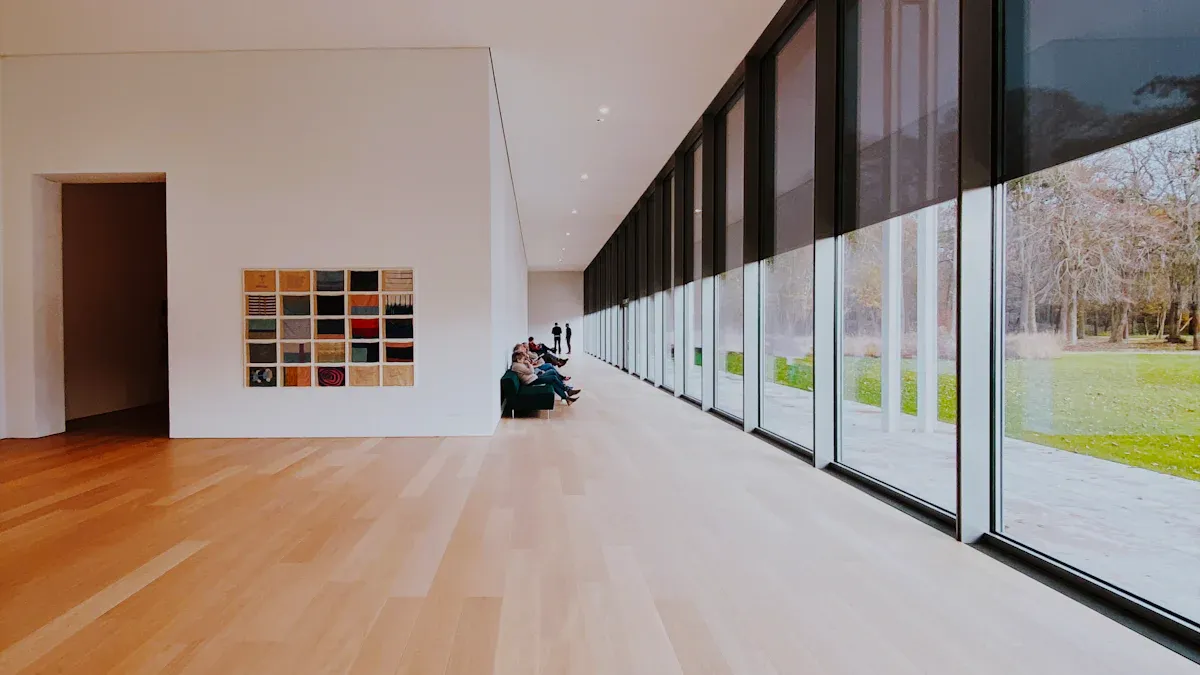
You will find that visual authenticity is where pergo flooring truly shines. When you want the look and feel of real hardwood without the high cost, the appearance of this laminate flooring is hard to beat. SPC vinyl offers good visuals, but Pergo often achieves a higher level of realism.
The Authentic Look of Pergo Flooring
You can see the difference in the details of pergo flooring. The brand uses advanced technologies to create stunningly realistic wood visuals and textures. This focus on appearance makes it a top choice for living rooms and bedrooms where aesthetics are a priority. The wide range of pergo flooring colors also helps you match any design style.
Pergo uses several key technologies to enhance realism:
- GenuEdge™ pressed bevels create planks with edges that look just like real wood.
- Signature™ Technology adds deep, authentic textures you can feel.
- RealPlank™ technology doubles the number of unique plank designs, so you see fewer repeating patterns across your floor.
These features give this laminate flooring a convincing wood look that many other floors cannot replicate. The variety of pergo flooring colors and styles ensures you can find the perfect match for your home.
The Functional Look of SPC Vinyl
You will notice that SPC vinyl has a more functional look. While it does a good job of mimicking wood, it can sometimes appear flat compared to high-end pergo flooring. The image layer on SPC is a high-resolution photo printed onto the vinyl. This process has improved greatly, but it can have limitations.
Experts note that the digital printing used for many vinyl products has not yet matched the speed and volume of traditional rotogravure printing. This established method, often used for premium pergo flooring, allows for more intricate details and depth. As a result, SPC planks may have more noticeable pattern repeats and less textural variation, making them look slightly less authentic up close.
Installation: Which Floor Is More DIY-Friendly?
You will find that both Pergo Outlast+ and SPC vinyl use a click-lock system, making them accessible for DIY projects. However, SPC vinyl is generally more forgiving for beginners. The specific requirements for each type of flooring can make one a better fit for your skill level.
Installing Pergo Outlast+
You can install pergo flooring with a few common tools. The process requires precision, especially when cutting planks and ensuring a level subfloor.
Tools You’ll Need 🧰
- Hammer and tape measure
- Pencil and saw
- Safety goggles and gloves
- A Pergo installation kit
The biggest challenge with this laminate flooring is its rigid nature. You must leave an expansion gap around the room’s perimeter. This space allows the planks to expand and contract without buckling. Ignoring this step is a common mistake that can ruin your floor. You also need a perfectly flat subfloor, as any unevenness can damage the locking system over time. Proper installation is key to the performance of pergo flooring.
Installing SPC Vinyl Flooring
You will likely find SPC vinyl easier to install. Its planks are simple to cut using just a utility knife to score and snap them. This method creates less dust and requires fewer specialized tools than cutting laminate flooring. While SPC is also a floating floor, its composition makes it more flexible over minor subfloor imperfections.
Many SPC products, a type of lvp flooring, come with a pre-attached underlayment pad. This feature can save you a step. However, you may still need a separate vapor barrier if you are installing over a concrete subfloor to create a truly waterproof installation. Unlike pergo flooring, SPC’s waterproof core makes it a worry-free choice for any room, and its simpler installation process is a major advantage for DIYers.
Cost Analysis: Which Offers Better Long-Term Value?
You must consider both the upfront cost and the long-term value when choosing your flooring. The initial price of the materials is a major factor, but installation expenses and durability also affect your total investment. Comparing these costs will help you decide which floor fits your budget best.
Material Cost Per Square Foot
You will find that the material price for Pergo Outlast+ and SPC vinyl is often similar, but SPC can offer more budget-friendly options. Pergo Outlast+ typically falls into the mid-to-high end of the laminate market. Mid-level SPC vinyl, which provides excellent durability, generally costs between $2.25 and $3.25 per square foot.
The price for SPC flooring can vary based on your location. Thicker wear layers and more complex designs will also increase the cost.
The table below shows the typical price range for mid-grade SPC vinyl in different regions.
| Region | Price Range per Square Foot |
|---|---|
| North America | $4.00 – $6.00 |
| Europe | $5.00 – $7.00 |
| Asia | $3.50 – $5.50 |
Ultimately, you can find quality options for both flooring types, but SPC often provides a lower entry price for a durable, waterproof product.
Installation Costs and Overall Investment
You can save money by installing either floor yourself. However, if you hire a professional, the costs are very similar. Professional installation for both laminate and SPC vinyl typically adds $1 to $3 per square foot to your total price.
Because SPC is easier to install, you might feel more confident tackling it as a DIY project, which eliminates labor costs entirely. When you combine the material cost with installation, SPC often emerges as the more economical choice. Its waterproof nature also means you are less likely to pay for repairs or replacement down the road, giving it excellent long-term value.
You must choose the floor that best fits your needs for durability and water protection. For most homes, SPC is the superior waterproof flooring. The pergo flooring offers great looks for high-traffic areas but is not a fully waterproof flooring. This waterproof flooring choice depends on your room.
The table below helps you decide.
| Your Need | Choose SPC Flooring | Choose Pergo Flooring |
|---|---|---|
| Durability | Strongest, longest-lasting option | Good value for money |
| Moisture | Room gets wet sometimes | Room stays dry |
| Household | Have kids or pets | Prefer a warmer feel |
Final Recommendation: Choose SPC, a truly waterproof flooring, for kitchens and bathrooms where spills are a concern. Consider pergo flooring for bedrooms and living rooms. This makes SPC the best waterproof option.
FAQ
Can you install Pergo Outlast+ in a bathroom?
You should avoid installing Pergo in full bathrooms. Its water-resistant surface handles splashes well. However, the wood-based core can be damaged by high humidity or standing water. You will find SPC vinyl is a much safer choice for bathrooms.
Which floor is better for pets? 🐾
Both floors are good options for homes with pets.
- Pergo Outlast+ offers superior scratch resistance against pet claws.
- SPC vinyl is 100% waterproof, making it perfect for handling pet accidents without damage.
What is the cleaning and maintenance for these floors?
You can clean both floors easily. Use a broom, vacuum, or damp mop for regular care. You should avoid harsh chemicals or steam mops. The simple maintenance for both Pergo and SPC makes them great for busy households.
Do you need underlayment for SPC vinyl?
Many SPC vinyl planks come with a pre-attached underlayment pad. This feature saves you an installation step.
Pro Tip: You should always check the manufacturer’s guidelines. You may need an additional vapor barrier, especially when installing over a concrete subfloor.




