
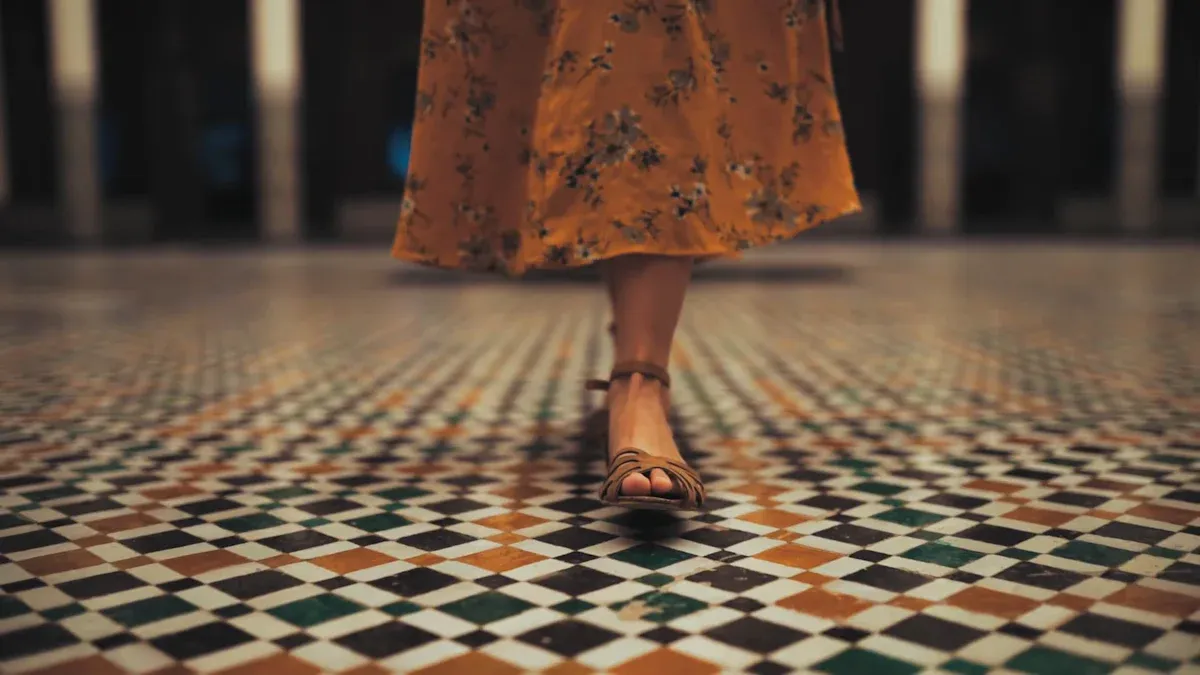
When you compare vinyl flooring vs ceramic tile, your priorities shape the better choice. Vinyl flooring stands out as budget-friendly and softer underfoot. Ceramic tile gives you greater durability and higher value for resale. The major differences include comfort, cost, water resistance, and how each type handles daily wear. You might love luxury vinyl flooring or luxury vinyl tile for easy care. Ceramic tile suits you if you want long-term value. Your budget, style, and comfort needs help guide your decision in the vinyl flooring vs tile debate.
Vinyl Flooring vs Ceramic Tile: Best for Durability
Vinyl Flooring Durability
When you look at vinyl flooring, you find a surface designed to handle daily life. Many homeowners choose vinyl flooring for its strong resistance to scratches and dents. In high-traffic areas, you can expect vinyl flooring to last between 15 to 25 years. Mid-range luxury vinyl tile (LVT) usually offers a lifespan of about 15 to 20 years. This makes vinyl flooring a solid choice if you want the best for lifespan in busy homes.
You should know that the thickness and wear layer of vinyl flooring play a big role in how long it lasts. Here’s how a thicker wear layer helps:
- It gives better protection against scratches and scuffs.
- It helps prevent dents from heavy furniture or dropped objects.
- It keeps stains from soaking in, so spills do not leave marks.
- It blocks UV rays, so your floors do not fade in the sun.
- Manufacturers often give longer warranties for thicker wear layers.
- It keeps your floors looking new for a longer time.
Vinyl flooring stands up well to most daily challenges, but some things can cause damage. You might see problems like:
- Moisture damage, which can lead to warping or mold.
- Scratches and scuffs, especially in busy rooms.
- Discoloration from sunlight, harsh cleaners, or low-quality materials.
If you want a floor that is easy to care for and feels softer underfoot, vinyl flooring gives you a good balance of durability and maintenance. It works well in homes with kids or pets, but you should protect it from too much water and sharp objects.
The table below shows how vinyl flooring compares to ceramic tile in scratch, dent, and chip resistance:
| Flooring Type | Scratch Resistance | Dent Resistance | Chip Resistance |
|---|---|---|---|
| Vinyl Flooring | Excellent | Excellent | Good |
| Ceramic Tile | Good | Good | Can chip/crack |
Ceramic Tile Durability
Ceramic tile has a reputation for strength and long-lasting performance. You often see ceramic tiles in kitchens, bathrooms, and entryways because they handle heavy use. The overall lifespan of ceramic tile can reach several decades if you install and care for it properly. Many people choose ceramic tile when they want the best for durability and maintenance.
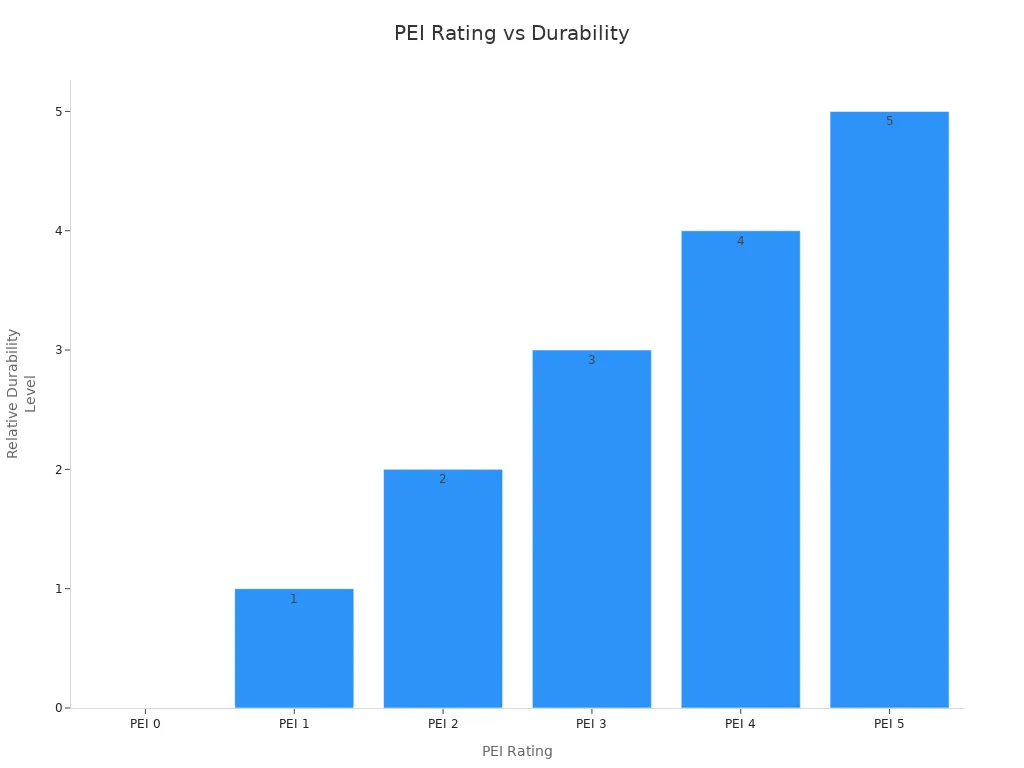
The durability of ceramic tile depends on its hardness rating, called the PEI rating. This rating tells you how well the tile stands up to foot traffic and wear. Here is a quick guide:
| PEI Rating | Description of Durability and Use |
|---|---|
| 0 | Least resistant, not suitable for residential use |
| 1 | Very light traffic, not recommended for residential floors |
| 2 | Light traffic, suitable for walls and light-use floors |
| 3 | Moderate traffic, suitable for residential floors |
| 4 | High traffic, suitable for residential and light commercial use |
| 5 | Very high traffic, suitable for heavy commercial use |
Ceramic tiles resist scratches and dents well, but they can chip or crack if you drop something heavy. You should also know that grout lines may stain or wear down over time, but you can repair or replace individual tiles if needed.
When you compare vinyl flooring vs ceramic tile, you see that both offer strong durability, but each has its own strengths. Vinyl flooring resists scratches and dents better, while ceramic tile can last longer and handles heat and heavy use. If you want the best for durability in your home, think about your lifestyle, the room’s purpose, and the quality of the materials you choose.
Vinyl Flooring vs Ceramic Tile: Water and Heat Resistance
Vinyl Flooring Water and Heat Resistance
You might choose vinyl flooring if you want strong water resistance in your home. Vinyl flooring uses a polymer structure that repels water. Its four-layer design creates a shield that blocks moisture from getting through. This makes vinyl a smart choice for kitchens, bathrooms, and laundry rooms.
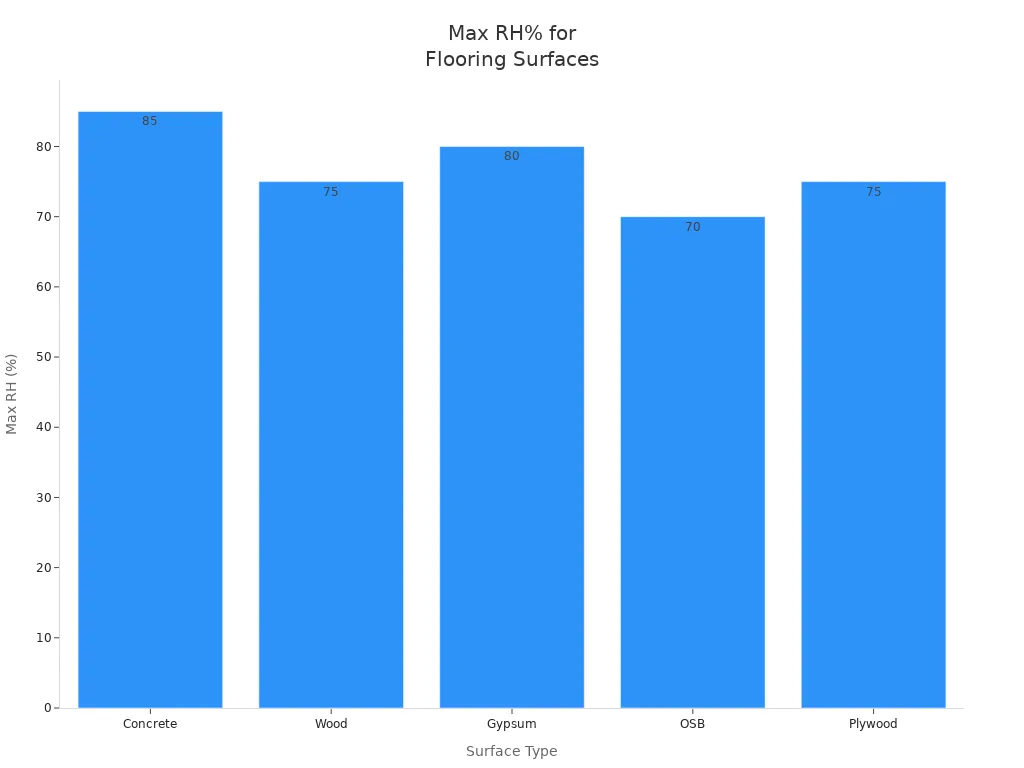
High-quality vinyl flooring can keep its shape and look for 10 to 15 years, even in wet spaces. You do not have to worry about spills or splashes soaking in. The surface stays dry and easy to clean. If you install vinyl on different surfaces, you should check the maximum relative humidity (RH%) for each one. Here is a table to help you:
| Surface Type | Maximum RH% |
|---|---|
| Concrete | 85% |
| Wood | 75% |
| Gypsum | 80% |
| OSB | 70% |
| Plywood | 75% |
Vinyl flooring also handles heat well in most homes. You should avoid placing hot pans or appliances directly on the floor. Most vinyl floors can handle normal room temperatures, but very high heat may cause warping.
Tip: Always follow the manufacturer’s guidelines for temperature and moisture when you install vinyl flooring.
Ceramic Tile Water and Heat Resistance
Ceramic tile stands out for its excellent water and heat resistance. You often see ceramic tiles in bathrooms and kitchens because they do not absorb much water. The density of the tile affects how much water it can take in. Look at this table to see the water absorption rates:
| Density Category | Water Absorption Rate |
|---|---|
| Low Dense | > 7% |
| Medium Dense | 3% – 7% |
| High Dense | 0.5% – 3% |
| Extremely Dense | ≤ 0.5% |
Tiles with higher density, like porcelain, have very low water absorption. This means you can use them in showers or outdoor spaces without worry. Ceramic tile also handles heat well. You can place hot pots or pans on the surface, and it will not warp or melt.
If you want a floor that resists both water and heat, ceramic tile gives you peace of mind. You do not have to worry about spills, steam, or hot objects damaging the surface.
Vinyl Flooring vs Ceramic Tile: Maintenance and Cleaning
Vinyl Flooring Maintenance
You will find that vinyl flooring is easy to clean and maintain. You can sweep or vacuum daily to remove dust and dirt. Weekly, you should mop with a mixture of mild detergent and water. This helps keep your floors looking fresh. If you see stains or scuffs, you can use baking soda mixed with warm water. For pigmented stains, rubbing alcohol on a damp microfiber cloth works well. A deep clean is possible with apple cider vinegar and warm water.
You can use a rotary disk automatic scrubber with a light scrub pad and a neutral or peroxide cleaner for smooth luxury vinyl tile surfaces. For textured vinyl flooring, an automatic scrubber with a light-duty all-purpose brush and a neutral cleaner is best. Some manufacturers suggest adding a protective layer, but you should check for quality and adhesion before applying.
Tip: Always avoid excess water when cleaning vinyl flooring. Too much moisture can damage the floor and reduce its resistance to wear.
Here is a table showing how often you should clean vinyl flooring:
| Flooring Type | Cleaning Frequency |
|---|---|
| Vinyl Flooring | Daily: Sweep or vacuum; Weekly: Mop; Periodically: Check for repairs. |
Ceramic Tile Maintenance
Ceramic tile also offers simple cleaning steps. You can sweep or vacuum daily to remove debris. Weekly, mop with a mix of mild detergent and water. Use a microfiber mop to avoid leaving too much water on the surface. For ceramic tiles made from stone or slate, make sure the detergent is pH-neutral and free from acids.
You should pay attention to grout lines. These areas can stain or wear down over time. Hiring professionals for grout cleaning once a year helps maintain the durability and maintenance of your ceramic tile. Regular cleaning keeps the surface clean and preserves its quality and resistance.
| Flooring Type | Cleaning Frequency |
|---|---|
| Tile and Grout | Daily: Sweep or vacuum; Weekly: Mop; Annually: Hire professionals for grout cleaning. |
Note: Ceramic tile is strong, but you should avoid harsh chemicals. Gentle cleaning protects the durability of your floors.
Vinyl Flooring vs Ceramic Tile: Installation Process
Vinyl Flooring Installation
You will find that vinyl flooring is often quicker to install than other flooring types. Many homeowners choose it because of the ease of installation. You can use click-lock planks, peel-and-stick tiles, or glue-down sheets. Most people can finish a standard room in just a few hours. You do not need special tools or advanced skills. If you want the best for installation speed, vinyl flooring stands out.
Common challenges during installation include:
- Incomplete assessment of the installation site
- Changes to a manufacturer’s installation specifications
- Acclimation and fit missteps
- Insufficient installation training
You should always check the subfloor for moisture and levelness before you start. Following the manufacturer’s instructions helps you avoid mistakes. Many people can install vinyl flooring themselves, which saves money on labor.
Ceramic Tile Installation
Ceramic tile installation takes more time and skill. You need to prepare the subfloor, lay out the tiles, apply adhesive, and grout the joints. The process can take several hours or even days, depending on your experience. Here is a table showing the average installation time for ceramic tiles in a standard-sized room:
| Skill Level | Ceramic Tile Installation Time | Vinyl Flooring Installation Time |
|---|---|---|
| Beginner | 16 hours | N/A |
| Intermediate | 12 hours | N/A |
| Expert | 10 hours | N/A |
| Subfloor Prep | 4 hours | N/A |
You may face several challenges when installing ceramic tile:
- Old floor coverings not removed, requiring demolition or tiling over
- Exposed layers of adhesives and contaminants after removal of old coverings
- Floor not designed to support the weight of ceramic or stone tile, failing to meet deflection requirements
- Multiple elevations present due to previous flooring types
You should plan for extra time if you need to remove old flooring or fix the subfloor. Professional installation often gives the best results, especially if you want a long-lasting finish. If you value durability and a classic look, ceramic tile is a strong choice, but it is not the best for installation speed.
Tip: Always wear safety gear and follow step-by-step guides when working with ceramic tiles.
Vinyl Flooring vs Ceramic Tile: Best for Cost
Vinyl Flooring Cost
You might choose vinyl flooring if you want a cost-effective option for your home. Vinyl flooring stands out for its low price and easy installation. You can expect to pay between $1 and $5 per square foot for both materials and installation. This makes it one of the most affordable flooring choices on the market.
| Flooring Type | Cost per Square Foot |
|---|---|
| Vinyl Flooring | $1 – $5 |
| Ceramic Tile | $5 – $30 |
The total cost for vinyl flooring depends on several factors:
- The type of vinyl you select, such as luxury vinyl flooring, luxury vinyl tile, or sheet vinyl.
- The complexity of your room. Odd shapes, corners, or built-in furniture can increase labor costs.
- The condition of your subfloor. If you need repairs or leveling, you might pay an extra $1 to $3 per square foot.
Tip: You can often install vinyl flooring yourself, which saves on labor costs. If you hire a professional, the job usually takes less time than other flooring types.
Over a 10-year period, vinyl flooring remains budget-friendly. You will spend about $0.10 to $0.25 per square foot each year on maintenance. However, you may need to replace sections of the floor within 10 to 20 years, depending on the quality and resistance to wear.
| Flooring Type | Annual Maintenance Cost (per sq ft) | Lifespan (Years) | Replacement Cost (within 10 years) |
|---|---|---|---|
| Vinyl Flooring (LVP/LVT) | $0.10 – $0.25 | 10-20 | Potentially needed |
If you want the best for cost, vinyl flooring gives you a strong balance of price, quality, and easy care.
Ceramic Tile Cost
Ceramic tile costs more than vinyl flooring, but it offers greater durability and long-term value. You will pay between $5 and $30 per square foot for materials and installation. The price depends on the type of tile you choose and the complexity of the project.
| Flooring Type | Cost per Square Foot |
|---|---|
| Vinyl Flooring | $1 – $5 |
| Ceramic Tile | $5 – $30 |
Material and labor costs for ceramic tile installation can range from $16.16 to $19.95 per square foot. Specialty ceramic tiles, such as porcelain or mosaic, increase the total cost. Porcelain tiles use finer clay and advanced production methods, which makes them more expensive and more durable. Mosaic tiles often require more time and skill to install, which raises labor costs.
| Tile Types | Average Cost (Materials Only) | Average Total Cost (Including Installation) |
|---|---|---|
| Ceramic | $1.00 – $10.00 | $3.00 – $12.00 |
| Porcelain | $3.00 – $20.00 | $5.00 – $22.00 |
| Mosaic | $13 – $28 | N/A |
Note: The higher price of specialty ceramic tiles reflects their quality, resistance to wear, and unique designs.
Although ceramic tile costs more upfront, you will spend less on repairs and replacement over time. Annual maintenance costs range from $0.50 to $1.00 per square foot, but you rarely need to replace ceramic tiles within the first 50 years.
| Flooring Type | Annual Maintenance Cost (per sq ft) | Lifespan (Years) | Replacement Cost (within 10 years) |
|---|---|---|---|
| Ceramic Tile | $0.50 – $1.00 | 50+ | Rarely needed |
If you want a floor that lasts for decades and adds value to your home, ceramic tiles offer a strong return on investment. You pay more at first, but you save money in the long run because of their durability and low replacement needs.
Choosing between vinyl flooring vs ceramic tile for best for cost depends on your budget, how long you plan to stay in your home, and what you value most—upfront savings or long-term durability.
Vinyl Flooring vs Ceramic Tile: Appearance and Style Options
Vinyl Flooring Styles
You can find vinyl flooring in a wide range of styles, colors, and patterns. Many homeowners choose it because it can look like real wood or stone. Luxury vinyl planks (LVPs) are very popular now. They give you the look of hardwood with added durability and lower cost. You can also pick from wider and longer planks, which help make your room feel bigger and more open.
Recent trends show a move toward warmer wood tones, such as honey and caramel. These shades create a cozy and timeless feel in your home. Patterns like parquet and herringbone are also gaining attention. They add flair and a unique touch to any space. Vinyl flooring can blend well with both modern and traditional styles. You can even replace single tiles if you want to update your look later.
- Vinyl flooring offers:
- Realistic wood and stone looks
- Many color choices, including warm tones
- Patterns like herringbone and parquet
- Easy updates and replacements
Tip: Vinyl flooring is easy to install and change, so you can keep up with new trends without much hassle.
Ceramic Tile Styles
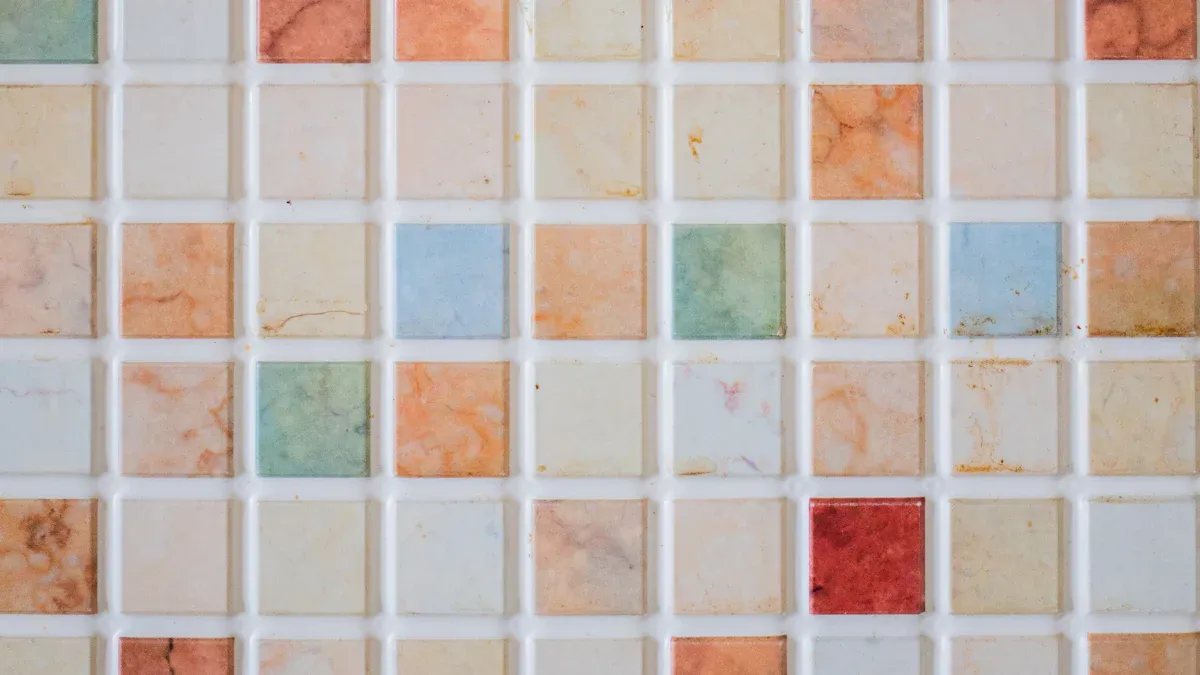
Ceramic tile gives you many options for color, texture, and size. You can choose from large-format tiles for a seamless look with fewer grout lines. This style makes your room appear more spacious and modern. Ceramic tiles come in almost any color or pattern you want, so you can match your personal taste.
Designers now favor terrazzo for its unique texture and personality. You can also find ceramic tile in classic shapes or bold patterns. The surface can be smooth, textured, or even glossy. This flexibility lets you create a custom look that fits your home’s aesthetic.
- Ceramic tile styles include:
- Large-format tiles for a modern, open feel
- Terrazzo for texture and character
- Wide color and pattern choices
- Textured, matte, or glossy finishes
Ceramic tile stands out for its durability and timeless appeal. You can use it to create a high-end look that lasts for years.
Vinyl Flooring vs Ceramic Tile: Comfort and Sound
Vinyl Flooring Comfort
You will notice that vinyl flooring feels soft and warm when you walk on it. Many people enjoy this comfort, especially in bedrooms and living rooms. The material has a slight cushion, which helps reduce foot fatigue if you stand for long periods. Vinyl flooring also acts as a barrier, stopping cold from coming up through the floor. This makes your home feel cozier during colder months.
Noise can be a problem in busy homes. Vinyl flooring helps solve this issue. The surface absorbs sound, so you hear less echo and fewer footsteps. This feature is great for families with children or pets. You can relax without worrying about loud noises bouncing around the room.
Here is a quick comparison of comfort and sound features:
| Feature | Vinyl Flooring | Ceramic Tiles |
|---|---|---|
| Underfoot Comfort | Warm and soft, with insulation properties preventing cold from filtering up | Cold and hard, often storing cold absorbed overnight |
| Sound Insulation | Highly rated for noise reduction, allowing less sound bounce and reducing clutter noise | Less effective in sound insulation, reflecting more noise |
Tip: If you want a floor that feels gentle and quiet, vinyl flooring is a smart choice for most rooms in your home.
Ceramic Tile Comfort
Ceramic tile feels very different under your feet. The surface is hard and cool, which some people like in hot climates. The coolness can help keep your home comfortable during summer. However, the hardness means you get less cushioning. Standing or walking on ceramic tile for a long time may cause discomfort.
Ceramic tiles do not absorb sound well. You might notice more echo or noise in rooms with this type of flooring. This can make spaces feel louder, especially in large or open areas. Many homeowners add rugs or mats to soften the feel and reduce noise.
People often praise ceramic tile for its cooling effect in warm weather. Still, the lack of softness and sound insulation can be a drawback in bedrooms or playrooms.
Note: If you want a floor that stays cool and is easy to clean, ceramic tile works well. For extra comfort, consider using area rugs in places where you spend a lot of time standing.
Vinyl Flooring vs Ceramic Tile: Environmental Impact
Vinyl Flooring Environmental Considerations
You might wonder how vinyl flooring affects the environment. The production process uses a lot of energy, especially when compared to natural materials like linoleum. You can see this in the table below:
| Aspect | Findings |
|---|---|
| Energy Requirements | A large part of the data is associated with the process energy requirement. |
| Environmental Impact | Linoleum is the most environmentally favorable floor covering compared to vinyl and others. |
| Data Reliability | The data regarding energy requirements is considered quite reliable. |
Vinyl flooring has a long lifespan, which helps reduce resource use over time. Many manufacturers now use bio-based plasticizers and energy-efficient technologies to lower their impact. You can also find recycling programs that help keep old flooring out of landfills. These steps make vinyl flooring a better choice for people who want to limit waste.
- Vinyl flooring lasts a long time, so you replace it less often.
- New production methods use less energy and more eco-friendly materials.
- Some companies offer recycling programs for used flooring.
Tip: If you want to make a greener choice, look for vinyl flooring with recycled content or certifications for low emissions.
Ceramic Tile Environmental Considerations
Ceramic tile production uses more energy and water than vinyl flooring. The process also creates more carbon dioxide. In the European Union, ceramic tile manufacturing emits about 19 million tons of CO2 each year. This makes it important to think about the environmental cost when you choose ceramic tiles.
- LVT (luxury vinyl tile) production usually needs less energy and water than ceramic tiles.
- Some LVT products use recycled or sustainable materials.
- LVT can look like natural stone or wood, so you do not need to use rare or resource-heavy materials.
Ceramic tiles last for decades, which means you do not need to replace them often. This long life can balance out some of the energy used in production. You can also recycle old ceramic tiles in some areas, but the process is not as common as with vinyl.
Note: If you want a floor that lasts a long time and can be recycled, ceramic tile is a strong option, but you should consider the higher energy use during manufacturing.
Vinyl Flooring vs Ceramic Tile: Resale Value and Long-Term Investment
Vinyl Flooring Resale Value
You want your home to attract buyers and offer a strong return on investment. Vinyl flooring can help you reach this goal, especially if you choose luxury vinyl plank (LVP). Many buyers look for homes with practical, cost-effective, and durable flooring. LVP stands out for its water resistance and easy maintenance, which appeals to families with children or pets. You often see LVP in starter homes and rental properties because it returns between 70–100% of its installation cost when you sell.
High-quality vinyl flooring can boost your home’s perceived value and lead to quicker sales. If you install it correctly, buyers notice the modern look and appreciate the comfort. You should avoid low-quality vinyl, as poor choices can turn buyers away. The right flooring can influence buyer interest and offers, especially in moisture-prone areas like bathrooms and basements.
- LVP is gaining popularity for its durability and aesthetic appeal.
- Buyers value vinyl flooring for its resistance to water and scratches.
- Proper installation increases your home’s value and marketability.
Ceramic Tile Resale Value
Ceramic tile offers a classic look and long lifespan, which many buyers find desirable. You often see ceramic tiles in kitchens and bathrooms because they resist moisture and wear. Tile flooring adds value to your home, especially when you choose versatile designs and high-quality materials. Buyers appreciate the durability and timeless style that ceramic tile provides.
While ceramic tile increases your home’s value, it does not always match the return on investment of luxury vinyl plank in certain areas. Tile flooring works best in spaces where moisture resistance and longevity matter most. You can expect buyers to notice the quality and care you put into your flooring choices.
| Flooring Type | Typical ROI (%) | Best Areas for Value | Buyer Appeal |
|---|---|---|---|
| Vinyl Flooring (LVP) | 70–100 | Bathrooms, Basements | Modern, Durable |
| Ceramic Tile | 60–80 | Kitchens, Bathrooms | Classic, Long-lasting |
Tip: Choose flooring that matches your home’s style and the needs of future buyers. The right choice can make your property stand out in the market.
When you compare vinyl flooring vs ceramic tile, you see clear differences in durability, comfort, and cost. You should think about foot traffic, moisture resistance, and your budget before making a choice.
- High-traffic rooms need strong materials like ceramic tiles or vinyl flooring.
- Bathrooms and kitchens benefit from ceramic tile for water resistance.
- Bedrooms may feel cozier with softer flooring.
| Flooring Type | Durability | Cost Range | ROI |
|---|---|---|---|
| Vinyl Flooring | High | Affordable | Good |
| Ceramic Tile | Very High | Moderate-High | Strong |
Focus on what matters most for your home—durability, cost, comfort, or resale value.
FAQ
What rooms work best for vinyl flooring?
You can use vinyl flooring in bedrooms, living rooms, and basements. Vinyl resists water, so it fits well in kitchens and laundry rooms. Avoid using it outdoors or in areas with extreme heat.
Can you install ceramic tile yourself?
You can install ceramic tile if you have patience and basic tools. The process takes time and requires careful planning. Many people hire professionals for best results.
Does vinyl flooring scratch easily?
Vinyl flooring resists scratches from daily use. Heavy furniture or sharp objects may cause marks. You can protect your floor by using pads under furniture and cleaning with gentle tools.
How do you clean ceramic tile grout?
You can clean grout with a soft brush and mild cleaner. For tough stains, use baking soda and water. Professional cleaning once a year keeps grout looking fresh.




