
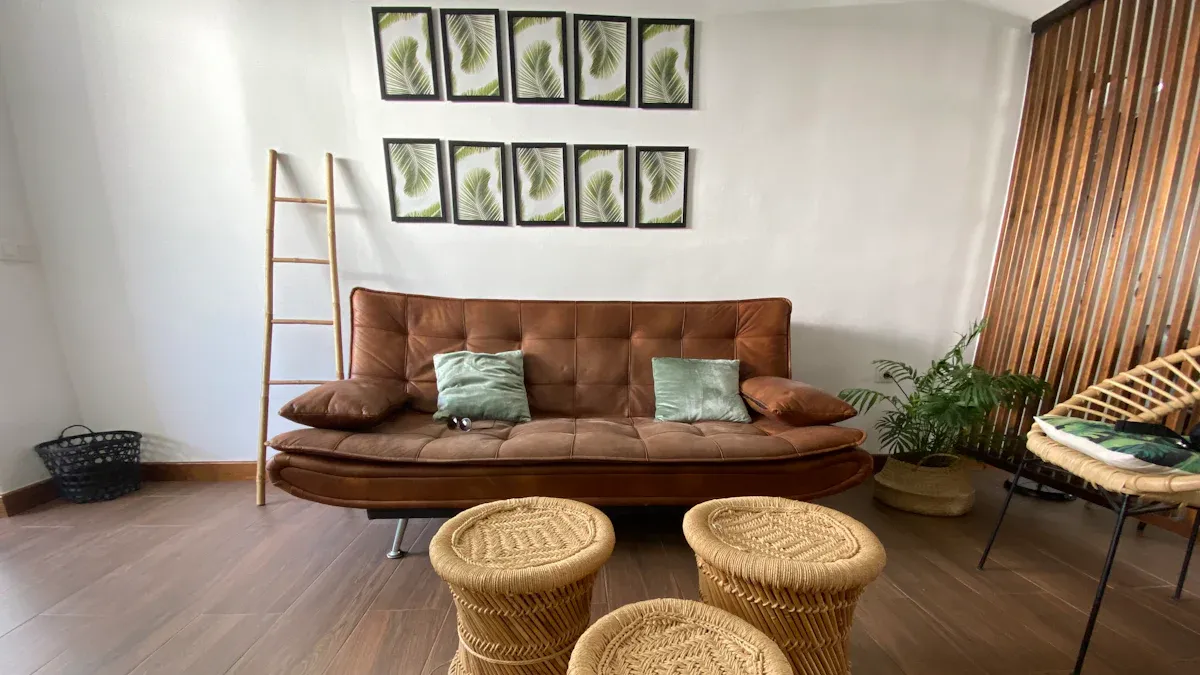
Vinyl flooring stands out as a popular choice for many homeowners in the United States. You can see why when you look at the facts:
- The United States makes up 85.30% of the vinyl flooring market in North America.
- People often pick vinyl for its easy installation, wide range of styles, and strong moisture resistance.
- Vinyl flooring stays comfortable underfoot and resists wear for up to 20 years.
When you weigh vinyl flooring pros cons, you find clear pros and cons. You get affordability and durability, but you also need to consider its impact on the environment and its tendency to show damage over time.
Vinyl Flooring Pros Cons: The Real Benefits
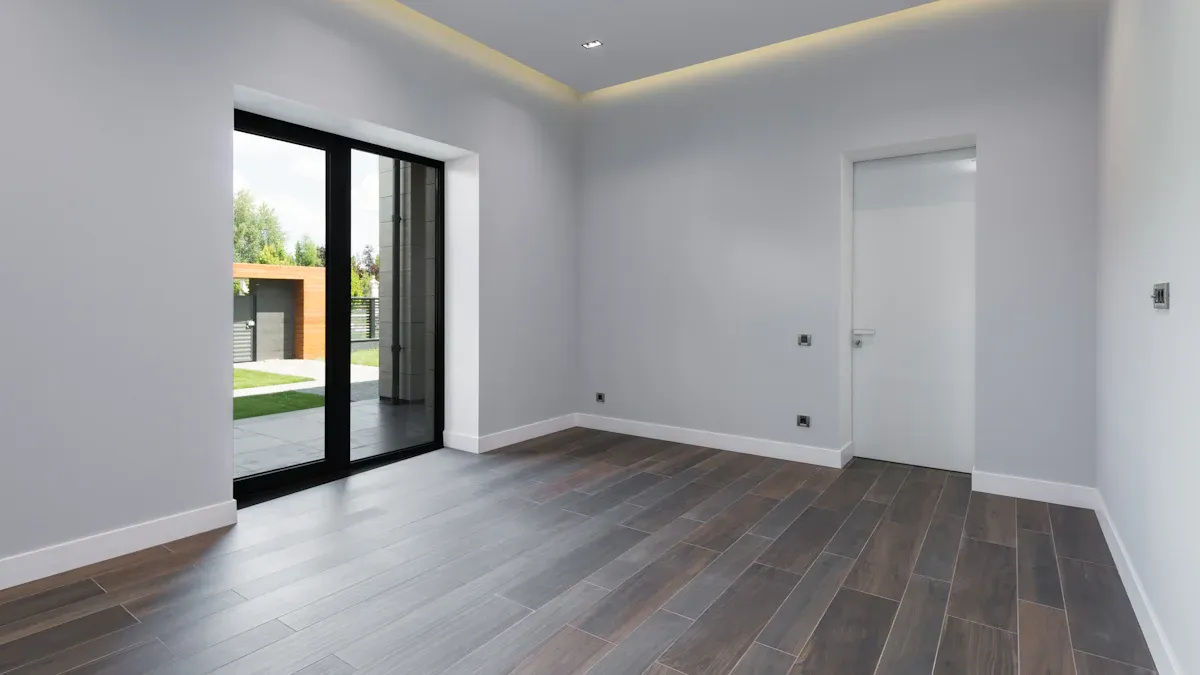
Affordability
You want a floor that looks great and fits your budget. Vinyl flooring gives you both. When you compare the cost of vinyl flooring to other popular choices, you see a clear advantage. Many homeowners choose vinyl because it costs less than hardwood, laminate, and tile. You can find vinyl flooring for as little as $1 per square foot, and most options stay under $12 per square foot. Hardwood usually costs between $5 and $15 per square foot, while tile can range from $1 to $20 per square foot depending on the style and quality. Laminate is often less expensive than hardwood but still costs more than vinyl.
Here is a simple table to help you compare:
| Flooring Type | Cost per Square Foot |
|---|---|
| Vinyl | $1 – $12 |
| Hardwood | $5 – $15 |
| Tile | $1 – $20 |
| Laminate | Less than Hardwood |
Vinyl flooring pros cons often start with price. You save money on materials and installation. Many vinyl floors offer easy installation, which means you can even install them yourself and avoid extra labor costs. If you want a stylish floor without spending too much, vinyl flooring stands out as a smart choice.
Durability and Water Resistance
You need a floor that lasts and stands up to daily life. Vinyl flooring delivers strong durability, making it a top pick for busy homes. Most vinyl floors resist scratches, dents, and stains. You can expect luxury vinyl plank to last 15 to 25 years, while sheet vinyl flooring lasts 10 to 20 years. Standard vinyl tile gives you 10 to 15 years of use, and luxury vinyl tile can last up to 30 years.
Here is a quick look at how long different types of vinyl flooring last:
| Type of Vinyl Flooring | Lifespan (Years) |
|---|---|
| Luxury Vinyl Flooring | 15 – 25 |
| Sheet Vinyl | 10 – 20 |
| Standard Vinyl Tile | 10 – 15 |
| Luxury Vinyl Tile | 20 – 30 |
Vinyl flooring also stands out as water-resistant flooring. You can use it in kitchens, bathrooms, and basements without worrying about water damage. Vinyl flooring is inherently waterproof, so spills and moisture do not cause problems. Laminate flooring has a water-resistant core, but water can seep into the seams and cause damage. Hardwood flooring does not handle moisture well and needs more care.
Tip: If you want water resistant floors for high-moisture areas, vinyl flooring is a reliable choice.
Vinyl flooring pros cons include its ability to handle water and wear. You get a floor that stays strong and looks good for many years.
Easy Maintenance
You want a floor that is easy to clean and does not take much effort to keep looking new. Vinyl flooring offers low maintenance and easy maintenance and repair. You only need to sweep daily with a soft-bristle broom and vacuum without a beater bar to prevent scratches. For weekly cleaning, use a damp mop and a pH-neutral cleaner. You do not need special products or deep cleaning routines.
Here is a simple cleaning routine for vinyl flooring:
- Sweep daily to remove dirt and debris.
- Clean spills promptly with a soft cloth.
- Damp mop weekly to remove grime.
- Use pH-neutral cleaners to protect the finish.
Vinyl flooring is easy to clean compared to other floors. Luxury vinyl flooring only needs regular sweeping and damp mopping. Vinyl composition tile requires more work, including machine scrubbing and restorative maintenance. Ceramic tile needs routine cleaning and deep cleaning to keep grout looking fresh.
Note: Place mats at entryways and use felt pads under furniture to prevent scratches and keep your vinyl floor looking its best.
When you look at the pros and cons, vinyl flooring stands out for its easy maintenance and repair. You spend less time cleaning and more time enjoying your home.
Comfort and Versatility
You want your floors to feel good under your feet. Vinyl flooring gives you a softer and slightly cushioned surface. You notice the difference when you walk on vinyl compared to hardwood or tile. Vinyl feels warmer in cooler weather, so your feet stay comfortable. You also hear less noise when you walk across vinyl floors. The material absorbs sound better than hardwood.
Here is a table that shows how vinyl flooring compares to hardwood flooring:
| Feature | Vinyl Flooring | Hardwood Flooring |
|---|---|---|
| Comfort underfoot | Softer and slightly cushioned surface | Harder underfoot |
| Warmth | Tends to stay warmer in cooler climates | Natural warmth but can feel cold |
| Noise reduction | Offers some noise reduction | Less effective at noise insulation |
Vinyl flooring works well in bedrooms, playrooms, and living rooms. You get a floor that feels gentle and quiet. You can stand for longer periods without discomfort. If you have kids or pets, you appreciate the extra comfort and noise reduction.
Vinyl flooring also gives you versatility. You can install it in almost any room. You find options for kitchens, bathrooms, basements, and laundry rooms. You can cut vinyl to fit odd-shaped spaces. You can choose between sheets, tiles, or planks. You get flexibility in design and installation.
Tip: If you want a floor that feels soft, stays warm, and reduces noise, vinyl flooring is a smart choice for your home.
Wide Range of Styles
You want your home to reflect your style. Vinyl flooring gives you many choices. You find hundreds of patterns, colors, and sizes in the market. You can pick vinyl that looks like natural wood, stone, or ceramic tile. You can choose bold colors or subtle shades. You can select classic designs or modern patterns.
Vinyl flooring lets you match your floors to your furniture and walls. You can create a cozy look with wood-look planks. You can make your kitchen pop with bright tile patterns. You can use stone-look vinyl in your bathroom for a spa feel. You get the freedom to design each room your way.
Vinyl flooring also comes in different sizes. You can use large sheets for a seamless look. You can use small tiles for creative layouts. You can use planks for a traditional feel. You find options for every room and every style.
Note: Vinyl flooring is a top choice if you want to mimic the look of natural materials without the high cost or maintenance.
You get style, color, and pattern options that fit your taste and budget. Vinyl flooring helps you create the home you want.
Vinyl Flooring Pros Cons: The Real Drawbacks
Environmental Impact
You might want to think about the environmental impact when you look at vinyl flooring pros cons. The production of luxury vinyl flooring uses energy-intensive processes. This increases its carbon footprint. Manufacturers use multiple layers of materials, which makes recycling difficult. Some companies offer take-back programs to help with recycling, but most vinyl flooring still ends up in landfills.
Recycling vinyl flooring remains a challenge. The layers in the material complicate the process, so only a small portion gets recycled each year.
Here is what happens with vinyl recycling in the United States and Canada:
- Annually, more than 1.1 billion pounds of vinyl materials are recycled.
- Out of this total, 142 million pounds are post-consumer vinyl materials.
- The U.S. vinyl industry works to increase post-consumer PVC recycling.
- Most recycled vinyl comes from pre-consumer sources, not from homes.
You see that while recycling efforts exist, the overall recyclability of vinyl flooring is still a concern. If you care about the environment, you may want to consider these facts before choosing vinyl flooring.
Susceptibility to Damage
Vinyl flooring offers durability and water resistant features, but it can still show damage over time. You might notice scratches, dents, or bubbling, especially in high-traffic areas. Heavy furniture can leave indentations. Sharp objects can scratch the surface. If you drop something heavy, you may see a dent or tear.
Temperature changes can cause warping. Direct sunlight or water spills make the problem worse. High moisture levels can lead to mold and mildew, which are hard to remove. Stains and discoloration happen if you do not clean spills quickly.
Tip: Place mats at entryways and use felt pads under furniture to help prevent scratches and dents.
Vinyl flooring is easy to clean, but you need to stay alert for signs of damage. Regular maintenance helps keep your floors looking good. If you have pets or kids, you may see more wear and tear.
Difficult Repairs
You may find repairs challenging if your vinyl flooring gets damaged. Bubbling, scratching, or indentation often require timely fixes. Moisture damage can cause warping, mold growth, and a shorter lifespan for your floor. Scratches are common in busy areas, so you need to maintain the surface often.
Here are some typical repair challenges:
- Warping from temperature changes or water spills.
- Mold and mildew from hidden leaks.
- Scratches and stains in high-traffic zones.
- Stains and discolorations if you do not clean spills right away.
If you see warping or mold, you may need to replace entire sections of flooring. Mold and mildew can cause health problems and are hard to remove. Scratches and stains may not come out with simple cleaning. You might need professional help for serious repairs.
Note: Vinyl flooring offers easy installation, but repairs can be much harder than you expect.
When you weigh the pros and cons, you see that vinyl flooring is not always simple to fix. You need to think about repair challenges before you choose this type of floor.
Fading and Discoloration
You want your floors to look bright and fresh for years. Vinyl flooring can lose its color when exposed to direct sunlight. Sunlight and UV rays can dull the surface and fade the patterns. If you have large windows or rooms with lots of natural light, you may notice this problem sooner.
Vinyl flooring is more likely to fade than tile or laminate. You see this in homes with big windows or sunrooms. Carpeting and some engineered hardwoods also fade, but vinyl is especially vulnerable. The colors can change, and the floor may look older than it is.
Here is a table that shows how different flooring types react to sunlight:
| Flooring Type | Susceptibility to Fading | Recommendations |
|---|---|---|
| Vinyl | High | Use UV-resistant coatings and protective measures |
| Tile | Low | N/A |
| Laminate | Low | N/A |
You can protect your vinyl floors by using blinds, curtains, or UV-resistant coatings. These steps help block sunlight and keep your floors looking new. You should think about these options if you have rooms with lots of light.
Tip: Close your blinds during peak sunlight hours to reduce fading. You can also choose vinyl flooring with built-in UV protection for extra durability.
If you want a floor that keeps its color, you need to plan for sunlight. Vinyl flooring works well in shaded rooms, but you must take extra care in bright spaces.
Resale Value
You may wonder how vinyl flooring affects your home’s resale value. Luxury vinyl plank flooring can boost your home’s value by up to $5,500. Buyers like the look and durability of vinyl, especially in kitchens, bathrooms, and basements. Waterproof vinyl flooring makes your home more attractive in areas with high moisture. This feature can help your home sell 30% faster and increase marketability by 50%.
Long warranties, often lasting 15 to 30 years, give buyers confidence. They know the floor will last and stay in good shape. This can lead to higher property values and more interest from buyers.
- Luxury vinyl plank can raise your home’s resale value.
- Waterproof vinyl makes your home easier to sell in wet climates.
- Long warranties and strong durability attract buyers.
Note: While vinyl flooring adds value, hardwood and tile still rank higher for some buyers. If you want the best return, choose high-quality vinyl and install it in rooms where durability matters most.
Vinyl flooring gives you a good balance of style, durability, and value. You can improve your home’s appeal and make it easier to sell, especially if you pick the right type for each room.
Vinyl Sheet Flooring and Other Types: Pros and Cons Compared
Vinyl Sheet Flooring vs. Vinyl Plank
You may wonder how vinyl sheet flooring compares to vinyl plank options. Vinyl sheet flooring comes in large rolls and covers a room with few seams. This makes it a good choice for bathrooms and laundry rooms where water spills happen often. Vinyl plank flooring, including luxury vinyl plank flooring, comes in individual pieces that snap together. You can install vinyl plank flooring yourself, but vinyl sheet flooring usually needs a professional.
Here is a table to help you see the main differences:
| Feature | Vinyl Sheet Flooring | Vinyl Plank Flooring |
|---|---|---|
| Installation | Needs professional installation; glue-down method | DIY-friendly; click-and-lock or peel-and-stick options |
| Durability | Excellent water resistance; hard to repair if damaged | Highly water-resistant; easy to replace damaged planks |
| Cost | More affordable upfront | Higher cost per square foot, better long-term value |
Vinyl sheet flooring costs less at first, but it does not last as long as vinyl plank. You may find it hard to fix if it gets damaged. Vinyl plank flooring costs more, but you can replace single planks if needed. Many people choose vinyl sheet flooring for rooms with lots of water, while vinyl plank works well in living rooms and kitchens.
Vinyl Flooring vs. Hardwood
You might compare vinyl flooring to hardwood when picking a new floor. Vinyl flooring costs less than hardwood. You pay less to buy and install it. Hardwood costs more, but it can raise your home’s value. Vinyl flooring does not add value in the same way.
Hardwood floors last longer. You can refinish them if they get scratched. Vinyl flooring wears out faster and needs replacing sooner. Hardwood looks natural and feels warm. Vinyl flooring can look like wood, but you can tell the difference up close.
Here is a quick comparison:
| Category | Vinyl Flooring | Hardwood Flooring |
|---|---|---|
| Cost | Less expensive upfront, adds no long-term value | More expensive, increases home value |
| Durability | Less durable, needs replacement sooner | Very durable, can last a lifetime with care |
| Appearance | Imitates wood but shows differences upon close inspection | Natural wood, more attractive and maintains quality for decades |
You will spend less time cleaning vinyl flooring. It resists water and heavy use. Hardwood needs more care and can get damaged by water or scratches.
Tip: If you want a floor that lasts for generations and adds value, hardwood is a strong choice. If you want to save money and need water resistance, vinyl flooring is a better fit.
Vinyl Flooring vs. Laminate
You may also look at laminate when choosing a floor. Vinyl flooring and laminate both come in planks or tiles. You can install both types yourself, but vinyl flooring is easier for most people. Laminate often needs a professional for best results.
Vinyl flooring stands out for water resistance. It works well in kitchens, bathrooms, and basements. Laminate resists some moisture, but too much water can cause damage. Vinyl flooring uses 100% waterproof materials, while laminate does not.
Here is a table to compare costs:
| Flooring Type | Cost per sq. ft. (Material) | Cost per sq. ft. (Installed) |
|---|---|---|
| Laminate | $1 to $5 | $2 to $8 |
| Vinyl | $1 to $5 | $1.75 to $7 |
You pay about the same for materials, but vinyl flooring can cost less to install. You also get better water protection with vinyl flooring.
Note: Choose vinyl flooring for rooms with lots of moisture. Pick laminate if you want a wood look and do not expect water spills.
Vinyl Flooring vs. Tile
You may compare vinyl flooring and tile when choosing a new floor for your home. Vinyl sheet flooring gives you an affordable option. You pay less for materials and installation. Most vinyl sheet flooring costs between $1 and $5 per square foot. You also spend less on installation, usually $1 to $3 per square foot. Porcelain tile costs more, but it offers a longer lifespan and higher durability.
Here is a table that shows how vinyl tiles and porcelain tiles compare:
| Flooring Type | Lifespan | Durability Characteristics |
|---|---|---|
| Vinyl Tiles | 10 to 20 years | Softer, susceptible to scratches and stains |
| Porcelain Tiles | 40 years or more | Highly resistant to scratches, stains, and moisture |
Vinyl sheet flooring feels softer underfoot. You may notice that it is more comfortable to walk on, especially in kitchens and bathrooms. Porcelain tile feels harder and colder. You get better water resistance with both options, but porcelain tile stands up to scratches and stains much better. If you have high-traffic areas, porcelain tile lasts longer and resists damage.
You can install vinyl sheet flooring quickly. You may even do it yourself. Tile installation takes more time and skill. You need a professional for best results. Vinyl sheet flooring works well in rooms where you want comfort and easy cleaning. Porcelain tile fits best in places where you need durability and a long-lasting surface.
Tip: Choose vinyl sheet flooring for a budget-friendly, comfortable floor. Pick porcelain tile if you want maximum durability in busy spaces.
Vinyl Flooring vs. Carpet
You may wonder how vinyl sheet flooring compares to carpet. Vinyl sheet flooring gives you a smooth, non-porous surface. You clean it easily with a broom or mop. Carpet traps dust, pet dander, and allergens in its fibers. You need to vacuum often to keep your home allergy-friendly.
Vinyl sheet flooring helps you maintain better indoor air quality. Many types use low-VOC materials. Carpet can hold allergens and may cause symptoms for sensitive people. If you want a hypoallergenic home, vinyl sheet flooring is a smart choice.
Comfort and noise reduction matter in living spaces. Carpet feels soft and warm. It absorbs sound and makes rooms quieter. Vinyl sheet flooring does not feel as soft, but it can reduce noise with the right underlayment. You may find vinyl sheet flooring stays cool in summer, which helps in warmer climates.
Here is a table that compares noise reduction:
| Flooring Type | Noise Reduction Capability |
|---|---|
| Carpet | Excellent for reducing noise and improving acoustics. |
| Vinyl Flooring | Comparable noise reduction with proper construction and underlayment. |
- Carpet provides unmatched comfort and warmth.
- Vinyl sheet flooring is easier to clean and better for allergies.
- Both options can help reduce noise with the right setup.
Note: If you want a floor that is easy to clean and allergy-friendly, vinyl sheet flooring is a strong choice. If you prefer extra comfort and warmth, carpet may suit your needs.
Who Should Choose Vinyl Flooring?
Best Fit for Vinyl Flooring
You want a floor that stands up to daily life and looks great in every room. Vinyl flooring works best for busy households. If you have children or pets, you need a surface that resists scratches and handles heavy foot traffic. Luxury vinyl plank flooring is designed for durability, so you do not worry about dents or stains.
Vinyl flooring also fits homes with hectic schedules. You spend less time cleaning because it needs only simple upkeep. If you often deal with spills, vinyl flooring gives you peace of mind. It handles moisture well, making it a smart choice for kitchens, bathrooms, and laundry rooms.
You can enjoy many styles and patterns. Vinyl flooring mimics wood and stone, so you match your decor without spending much. You save time with easy installation methods. Many products let you install the floor yourself, which helps if you want a quick update.
Tip: Choose vinyl flooring if you want comfort underfoot, noise reduction, and a wide range of design options.
Here are the top reasons to pick vinyl flooring:
- You have high foot traffic.
- You need water resistance.
- You want easy maintenance.
- You prefer stylish choices.
- You want simple installation.
When to Consider Other Options
You should think about alternatives if indoor air quality matters most to you. Vinyl flooring can release VOCs and other chemicals. These substances may affect young children and pregnant mothers. If you want a healthier home, look for floors with low emissions.
Some rooms need extra durability. Hardwood flooring lasts longer and does not buckle or warp as easily. You may prefer hardwood in high-traffic areas or places with lots of sunlight. Vinyl flooring can fade and show wear over time.
Environmental impact is another concern. Vinyl flooring is hard to recycle. It often ends up in landfills, breaking down into microplastics. If you want a sustainable choice, hardwood or tile may suit you better.
| Reason | Description |
|---|---|
| Durability Issues | Vinyl can warp with water and scratches cannot be refinished. |
| Health Concerns | Vinyl off-gasses VOCs, which may harm sensitive groups. |
| Environmental Impact | Difficult to recycle; contributes to microplastic pollution. |
| Aesthetic Preferences | Some people find vinyl looks artificial compared to natural wood. |
Note: If you value long-term durability, natural looks, or eco-friendly materials, consider hardwood, tile, or laminate instead.
You see many reasons why homeowners feel satisfied with vinyl flooring. It offers affordability, durability, and a wide range of styles. You can install it easily and keep it clean with little effort. The table below shows what experts say about vinyl flooring pros cons:
| Pros | Cons |
|---|---|
| Easy Installation | Not Great for Resale Value |
| Affordable | Less Durable |
| Water-Resistant | Tough to Remove |
| Many Styles | Not Eco-Friendly |
| Easy Maintenance |
- Vinyl flooring has evolved to fit your needs.
- You find many colors and patterns for any room.
- It gives you practical benefits without losing style.
You should weigh these facts to decide if vinyl flooring fits your home.
FAQ
What rooms work best for vinyl flooring?
You can install vinyl flooring in kitchens, bathrooms, basements, and laundry rooms. These spaces see lots of moisture and foot traffic. Vinyl resists water and stains, so you get a durable surface that stays clean.
How do you clean vinyl flooring?
Sweep your vinyl floor daily with a soft broom. Mop weekly using a damp mop and a pH-neutral cleaner. Avoid harsh chemicals. You keep your floor looking new with simple cleaning steps.
Does vinyl flooring scratch easily?
Vinyl flooring resists scratches better than many surfaces. Heavy furniture or sharp objects can still cause marks. You protect your floor by using felt pads under furniture and keeping pet nails trimmed.
Can you install vinyl flooring yourself?
Many vinyl flooring products offer easy installation. You can use click-and-lock planks or peel-and-stick tiles. You save money by installing vinyl yourself. Always follow the manufacturer’s instructions for best results.
Is vinyl flooring safe for pets?
Vinyl flooring works well for homes with pets. You get a surface that resists stains and scratches. Clean up pet accidents quickly to prevent damage. Vinyl does not trap pet hair, so you keep your home cleaner.




