
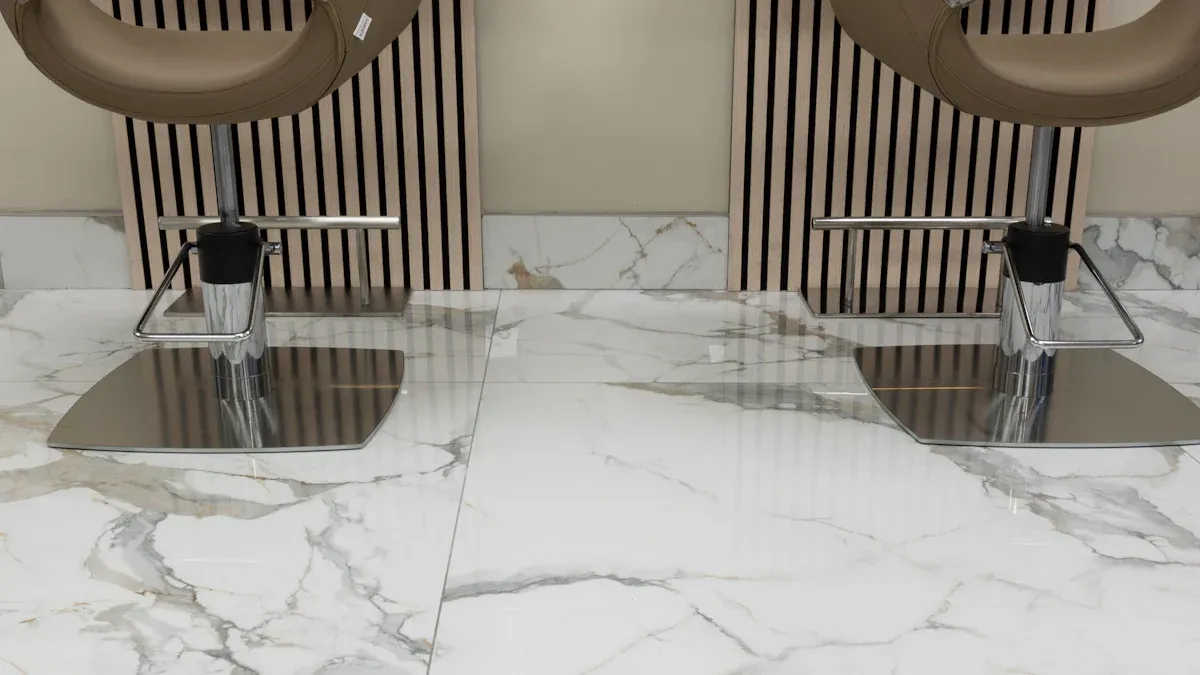
If you want the most cost-effective flooring, vinyl usually wins over tile. You pay less for both materials and installation. For example, luxury vinyl installation often costs around $900 for 200 square feet, while tile usually costs more. When you compare tile vs vinyl cost, you see that vinyl fits many homeowners’ budgets better. Think about your budget, how much you want to spend, and how long you want your floors to last.
Upfront Flooring Costs: Tile vs Vinyl Cost
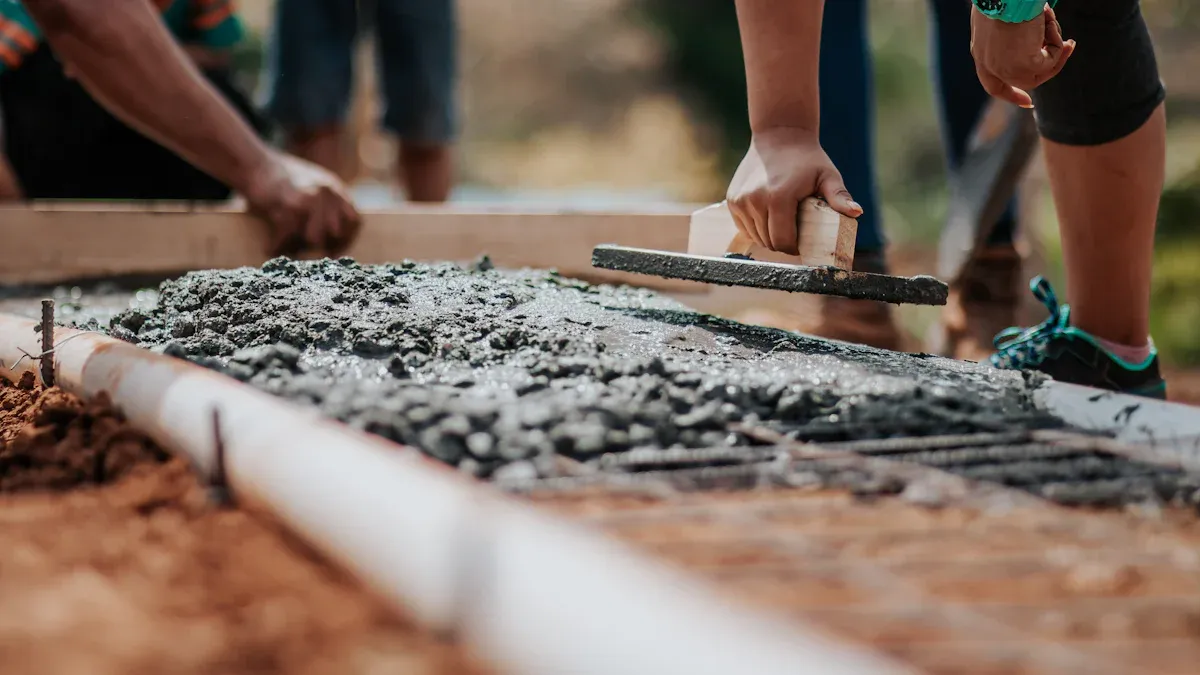
Tile Flooring Material Costs
When you look at tile flooring, you see a wide range of prices. The cost of tiles depends on the type, size, and design. You may pay as little as $0.50 per square foot for basic tiles, but some high-end options can reach up to $45 per square foot. Most homeowners spend between $10 and $15 per square foot for quality tile flooring. The table below shows the typical price ranges for different types of tile:
| Type of Tile Flooring | Price Range per Square Foot |
|---|---|
| General Tile | $0.50 – $15 |
| Ceramic/Porcelain Tile | $13.50 – $63 |
| Most Homeowners’ Spending | $10 – $15 |
| Maximum Tile Cost | Up to $45 |
| Minimum Tile Cost | As low as $1 |
Several factors affect the cost of tile flooring. You need to consider the type of tile, the size and shape, and the complexity of the installation. If your subfloor needs repair, this adds to the total cost. Removing old flooring or choosing a complex pattern can also increase your expenses. Here is a quick overview:
| Factor | Description |
|---|---|
| Type of Tile | Ceramic, porcelain, stone, or glass tiles have different prices. |
| Tile Size and Shape | Larger or custom shapes may cost more. |
| Subfloor Preparation | Uneven subfloors need extra work. |
| Installation Complexity | Simple patterns cost less than complex designs. |
| Labor Costs | Skilled installers may charge more. |
| Additional Materials | Grout and mortar add to the total. |
| Removal of Existing Floor | Old flooring removal increases labor fees. |
Tip: If you want to save money, choose standard ceramic tiles and simple patterns.
Vinyl Flooring Material Costs
Vinyl flooring gives you a more budget-friendly option. You can choose from sheet vinyl, vinyl tile, or luxury vinyl planks. Sheet vinyl is the most affordable, with prices starting at $1 per square foot. Luxury vinyl planks and luxury vinyl tiles cost more, but they still stay below most tile prices. The table below shows the average costs for each type:
| Vinyl Type | Average Cost per Square Foot (Materials Only) |
|---|---|
| Luxury Vinyl Plank | $2 – $7 |
| Sheet Vinyl | $1 – $5 |
| Vinyl Tile | $2 – $6 |
- Luxury vinyl flooring usually costs between $2 and $4 per square foot.
- Some specialty stores may charge up to $7 per square foot for luxury vinyl planks.
- Standard sheet vinyl remains the cheapest choice for most homeowners.
When you compare vinyl vs. tile, you see that vinyl flooring materials cost much less. This makes vinyl a popular choice for those who want to keep flooring costs low.
Installation Costs for Tile vs. Vinyl
Installation costs can make a big difference in your total budget. Tile flooring usually costs more to install because it takes more time and skill. You may pay between $12.99 and $17.99 per square foot for tile installation. Vinyl flooring installation costs much less, usually between $3.99 and $5.99 per square foot for vinyl composition tile.
| Flooring Type | Installation Cost (per s/f) |
|---|---|
| Tile | $12.99 – $17.99 |
| Vinyl Composition Tile | $3.99 – $5.99 |
Several things can raise the installation costs for both tile and vinyl. You might need to level the floor, fix moisture problems, or remove old flooring. You may also pay extra for door transitions, adhesives, or moving furniture.
Note: Tile vs vinyl cost differences become clear when you add up both materials and costs for installation. Vinyl flooring often gives you a lower total price, especially if you choose standard options.
When you compare vinyl vs. tile, you see that luxury vinyl flooring offers a good balance between price and style. Luxury vinyl tiles and luxury vinyl planks cost more than basic vinyl, but they still cost less than most tile flooring. For many homeowners, vinyl flooring provides the best value for upfront costs.
DIY vs. Professional Installation
When you decide between DIY and professional installation for tile or vinyl flooring, you need to weigh both the potential savings and the possible challenges. Many homeowners want to save money by doing the work themselves. You can often cut costs, but you also take on more responsibility.
How Much Can You Save With DIY Installation?
You can save a significant amount by installing flooring yourself. Here is what you might save:
- You can save between $2 to $8 per square foot by choosing DIY installation for tile or vinyl.
- For a 500-square-foot room, you could keep $1,000 to $4,000 in your pocket.
- If you remove old flooring yourself, you can save another $1 to $3.50 per square foot on demolition.
💡 Tip: If you have the time and basic skills, DIY installation can help you stay within your budget.
Common Challenges With DIY Flooring Projects
DIY flooring projects come with their own set of hurdles. You need to prepare for these before you start. The table below shows the most common challenges you might face:
| Challenge | Description |
|---|---|
| Subfloor preparation | You must meet specific requirements. Problems like unevenness or moisture can cause big issues. |
| Accurate measurements | Small mistakes can waste materials or leave you short. You need to measure carefully. |
| Handling unexpected structural issues | You might find hidden water damage or pests. These can stop your project. |
| Managing tools and equipment | You need the right tools. Renting or buying them can be expensive and confusing. |
| Planning for potential delays | DIY projects often take longer than you expect. Disruptions can slow you down. |
You might also run into these problems:
- Overestimating your skills can lead to expensive mistakes.
- Skipping research before you start can cause you to miss important steps.
- If you do not prepare the subfloor correctly, your new floor may end up uneven or damaged.
⚠️ Note: If you feel unsure about your skills or the project seems too complex, hiring a professional can save you time and stress.
Professional Installation: What Do You Get?
When you hire a professional, you pay more, but you get expert results. Professionals know how to handle tricky subfloors, measure accurately, and solve problems quickly. They also finish the job faster and often provide warranties for their work.
Which Option Should You Choose?
If you want to save money and feel confident in your skills, DIY installation can work for you. If you want peace of mind and a flawless finish, professional installation is the safer choice. Always consider your budget, your timeline, and your comfort level with home improvement projects before you decide.
Long-Term Flooring Costs: Vinyl vs. Tile
Maintenance Expenses Over Time
When you choose new floors, you need to think about long-term maintenance. Both tile and vinyl flooring have different needs. You want to know how much you will spend each year to keep your floors looking good. The table below shows the average annual maintenance costs for each type:
| Flooring Type | Annual Cost (over lifespan) |
|---|---|
| Sheet Vinyl | $12 – $50 |
| Luxury Vinyl Tile | $15 – $65 |
| Ceramic Tile | $13 – $56 |
You can see that vinyl and tile have similar yearly costs. Sheet vinyl usually costs less to maintain than luxury vinyl tile or ceramic tile. If you want to keep your costs low, you might pick sheet vinyl.
Cleaning and sealing also matter for long-term maintenance. Vinyl tile is easy to clean. You only need to sweep and mop with a damp cloth. You do not need to seal vinyl often, but the protective layer can wear down over time. Ceramic tile needs more care. You must scrub grout lines if the seal wears off. Grout lines need resealing every few years to keep out stains and moisture.
Tip: If you want less work, vinyl flooring gives you an easier cleaning routine. Tile floors need more attention, especially in kitchens and bathrooms.
Repair and Replacement Costs
Floors can get damaged. You might drop something heavy or see scratches from pets. When this happens, you want to know how much it will cost to fix or replace your flooring. Vinyl floor repair costs depend on the type. Vinyl sheet repairs cost between $3.50 and $5.00 per square foot. Vinyl planks and tiles cost more, usually $9.50 to $12.00 per square foot.
| Vinyl Flooring Type | Average Repair Cost (Per Sq. Ft.) |
|---|---|
| Vinyl Sheet | $3.50–$5.00 |
| Vinyl Plank | $9.50–$12.00 |
| Vinyl Tile | $9.50–$12.00 |
For small repairs, you might pay $20 to $90. If you need to fix a mid-sized area, the cost can range from $50 to $225. Large repairs may cost $100 to $450. Vinyl tiles are easy to replace if you damage one or two pieces. You can swap out the damaged tiles without redoing the whole floor.
Tile repairs can be more complex. If a tile cracks, you need to remove and replace it. Matching the color and pattern can be hard if your tile is older. Grout repairs and resealing add to the cost. You may also need a professional to fix tile, which increases the price.
Note: Vinyl vs. tile repairs show that vinyl is easier and faster to fix. Tile repairs can take more time and may cost more if you need to hire a pro.
Lifespan and Durability Comparison
You want your floors to last. The lifespan of your flooring depends on the material and how you care for it. The table below compares the average lifespan for tile and vinyl flooring:
| Flooring Type | Average Lifespan |
|---|---|
| Tile | Over 50 years |
| Vinyl | 10 to 20 years |
Tile flooring gives you the longest lifespan. Many tile floors last more than 50 years if you keep up with long-term maintenance. Vinyl flooring usually lasts 10 to 20 years. If you pick high-quality vinyl, you might get closer to 20 years.
Durability matters for busy homes. The durability of vinyl depends on the wear layer. Standard vinyl works well for most homes, but heavy use can cause scratches or dents. Commercial-grade vinyl has a thicker wear layer and lasts longer in high-traffic areas.
Tile flooring has a high durability rating. PEI 3 tiles work well in kitchens and dining rooms. PEI 4 tiles are strong enough for shops and other commercial spaces. Tile resists scratches and dents, but it can crack if you drop something heavy.
| Flooring Type | Durability Rating | Suitable Use |
|---|---|---|
| Tile (PEI 3) | Heavy residential | Kitchens, dining rooms |
| Tile (PEI 4) | Commercial | Retail shops |
| Vinyl | 12-20 mil wear | Residential use |
| Vinyl (Commercial) | 20 mil+ wear | High foot traffic |
Callout: If you want the best longevity, tile flooring is the top choice. Vinyl flooring gives you good durability and maintenance for everyday use, but it will not last as long as tile.
When you compare vinyl vs. tile, you see that tile wins for longevity and quality. Vinyl flooring offers easier long-term maintenance and lower repair costs. Homeowners who want a balance between cost, quality, and easy care often choose vinyl. If you want a floor that lasts for decades and can handle heavy use, tile gives you the best value for long-term flooring costs.
Factors Affecting Flooring Costs
Location and Regional Price Differences
Where you live can change how much you pay for new floors. Regional price differences affect both tile and vinyl flooring. In some places, like Southern California, you will see higher installation costs than the national average. This happens because labor costs and material availability are different in each area. If you live in a city, you might pay more for skilled workers and materials. In rural areas, you may find lower labor rates, but getting the right materials can be harder and sometimes more expensive. Always check local prices before you start your project.
Room Type and Usage Impact
The type of room you want to update also affects your flooring costs. Some rooms need more work and special materials. For example:
- Kitchens and bathrooms cost more to install because they have complex layouts. Workers need more time and skill.
- You may need to level the subfloor or remove old flooring, which adds to your total cost.
- The total price for kitchen flooring depends on the material, room size, labor rates, and any subfloor repairs.
- Vinyl and laminate floors are budget-friendly choices. Tile and natural stone cost more but last longer.
- Floor tiles are usually cheaper to install than wall tiles. Durable tiles for kitchens and bathrooms cost more because they must resist water.
If you want to choose the best flooring for high-moisture areas, look at this table:
| Flooring Type | Pros | Cons |
|---|---|---|
| Waterproof Laminate | Affordable, realistic wood appearance, scratch-resistant | Not fully waterproof, limited design options |
| Luxury Vinyl Plank (LVP) | Fully waterproof, highly durable, wide range of styles | Slightly more costly, may feel cold without underlayment |
| Luxury Vinyl Tile (LVT) | Fully waterproof, comfortable underfoot, easy to maintain | Can feel cold without underlayment, limited color selection |
| Engineered Hardwood | Aesthetic appeal of real wood, better humidity resistance | Not fully waterproof, higher price point compared to LVP |
| Bamboo Flooring | Eco-friendly, durable, moisture-resistant | Requires relatively dry basement, can scratch under heavy traffic |
Labor Availability and Rates
Labor costs play a big role in your flooring budget. The price you pay for installation depends on where you live and how many skilled workers are available. In cities, labor rates are higher because living costs and demand for experts are greater. In rural areas, you might pay less for labor, but finding the right materials can be a challenge. Homeowners should always compare local labor rates before making a decision. This helps you plan your budget and avoid surprises.
Tip: Ask for quotes from several installers in your area. This gives you a better idea of the true cost and helps you find the best value.
Flooring Costs Comparison Table: Tile vs Vinyl

When you compare tile and vinyl flooring, you see important differences in cost, durability, and long-term value. You want to make a smart choice for your home, so it helps to look at the facts side by side. The table below gives you a clear view of how tile and vinyl stack up in the most important areas:
| Feature | Vinyl Flooring | Tile Flooring |
|---|---|---|
| Installation Cost | Lower | Higher |
| Material Cost | $1–$7 per sq. ft. | $0.50–$45 per sq. ft. |
| Lifespan | 10–20 years | 20+ years |
| Maintenance | Low | Moderate |
| Repair Cost | Lower | Higher |
| Replacement Cycle | More frequent | Less frequent |
| Comfort | Softer underfoot | Harder surface |
| Water Resistance | High | Very high |
📝 Tip: Use this table to compare the main features before you decide which floor fits your needs best.
You might notice that vinyl flooring costs less to install and maintain. You also get a softer feel underfoot, which many people like in bedrooms or living rooms. Tile flooring lasts longer and stands up well to heavy use, especially in kitchens and bathrooms. Over a 10-year period, you may spend more on vinyl because you might need to replace it sooner. Tile has a higher upfront price, but you save money in the long run because you do not need to replace it as often.
When you look at total ownership costs, you see that the initial price is only part of the story. For example, luxury vinyl tile may seem cheaper at first, but over 10 years, the total cost can add up. This happens because you pay for repairs, cleaning, and possible replacement. Tile and luxury vinyl both offer durability, but tile often wins for long-term savings.
If you want to keep your flooring costs low now, vinyl is a good choice. If you want a floor that lasts for decades, tile gives you better value over time.
Additional Cost Considerations: Vinyl vs. Tile
Durability and Wear Over Time
You want your floors to last as long as possible. Tile flooring stands out for its long-term durability. With proper care, tile can last for decades. Vinyl flooring does not last as long and may need replacement sooner. The table below shows how durability affects your overall costs:
| Feature | Tile Flooring | Vinyl Flooring |
|---|---|---|
| Durability | Lasts for decades with proper care | Less durable, may require replacement |
| Initial Cost | Higher initial cost | More affordable |
| Long-term Cost | Lower long-term cost due to durability | Higher long-term cost due to replacements |
Over time, you may notice different types of wear on each floor:
- Vinyl flooring can become discolored from sunlight or chemicals.
- High-traffic areas may cause vinyl to wear thin or show scuffs.
- Vinyl may develop minor rips or scratches, especially after accidents.
- Tile flooring resists most scratches and stains but can crack if you drop something heavy.
- Older or lower-quality tiles may show small scratches or cracks.
Tip: If you want a floor that handles heavy use and lasts for many years, tile is a strong choice.
Comfort and Daily Use
Comfort matters when you spend a lot of time standing or walking on your floors. Vinyl flooring feels softer and more flexible underfoot than tile. Many homeowners like vinyl because it has more give and feels warmer, especially in bedrooms or living rooms.
- Vinyl flooring provides a cushioned feel, which can help if you stand for long periods.
- Tile flooring feels hard and cold, which some people find less comfortable.
- In a recent survey, 61% of homeowners still preferred the feel of tile over vinyl, showing that personal preference plays a big role.
Note: If you want a softer, warmer floor, vinyl may suit you better. If you prefer a solid, cool surface, tile could be your pick.
Impact on Home Resale Value
Flooring can affect how much your home sells for. Real estate data shows that hardwood floors add the most value, but both tile and luxury vinyl have their own benefits.
- Hardwood flooring is the top choice for boosting home value.
- Luxury vinyl flooring appeals to buyers who want style and value at a lower price.
- Tile flooring is popular for its durability and design options, especially in kitchens and bathrooms.
Buyers often look for floors that last and look good. If you plan to sell your home, choosing tile or luxury vinyl can help attract more interest and possibly raise your selling price.
When you compare tile vs vinyl cost, you see clear differences. Homeowners often choose vinyl for a home remodel because it is affordable and easy to install. Tile flooring gives you durability and style, but costs more upfront. If you want flooring options for high-traffic areas, porcelain tile works well. Vinyl suits moisture-prone rooms and keeps your home remodel budget low. When choosing the right flooring, think about how it affects resale value and daily life. Homeowners should look at cost, maintenance, and long-term value before choosing the right flooring for their home remodel.
You can use this table to match flooring options with your needs during a home remodel:
| Flooring Type | Cost | Suitability | Maintenance |
|---|---|---|---|
| Vinyl | Most affordable | Moisture-prone areas | Minimal |
| Porcelain | Higher upfront cost | High-traffic, outdoor spaces | Minimal |
FAQ
What is the cheapest flooring option for most rooms?
You usually find vinyl flooring costs less than tile. Sheet vinyl gives you the lowest price. You can install it in bedrooms, living rooms, or basements. Vinyl works well if you want to save money on materials and installation.
Can you install tile or vinyl flooring yourself?
You can install both tile and vinyl flooring yourself. Vinyl is easier for beginners. Tile needs more skill and special tools. If you want a quick project, vinyl is a good choice. Tile takes more time and care.
How long does vinyl flooring last compared to tile?
Vinyl flooring lasts about 10 to 20 years. Tile flooring can last over 50 years with proper care. If you want a floor that lasts for decades, tile gives you the best value.
Does flooring type affect home resale value?
You can boost your home’s resale value with tile or luxury vinyl. Tile works best in kitchens and bathrooms. Luxury vinyl appeals to buyers who want style and easy maintenance. Both options help your home stand out.




