
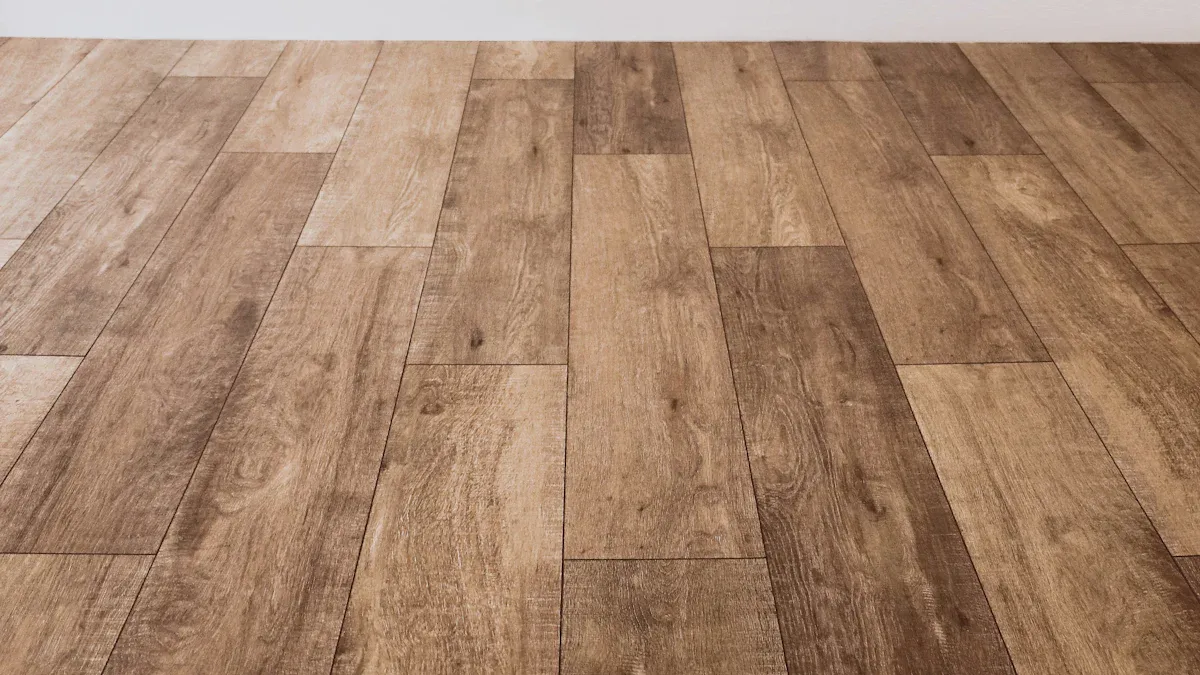
Gluing down click lock vinyl flooring can enhance stability in specific situations. Many users report that gluing helps prevent seam separation, especially in areas with significant temperature changes. If you live in a high-traffic area or have an RV, you might find added stability beneficial. However, this method may not suit everyone. So, can you glue down click lock vinyl floor? Before deciding, consider your unique circumstances and the benefits of gluing down your flooring.
Understanding Click Lock Vinyl Flooring

Click lock vinyl flooring stands out for its unique installation method. This type of flooring features a click-lock system that allows you to assemble the planks without adhesives. This user-friendly approach appeals to DIY enthusiasts, as it requires minimal tools and effort. In contrast, luxury vinyl tile (LVT) typically requires adhesive installation, which can be more complex and often needs professional help.
The locking mechanism in click lock vinyl flooring secures the planks together effectively. Here’s how it works:
- You start by sliding the butt joint into place, inserting the tongue into the groove.
- Hold the plank at a steep angle and lower it to a flat position, sliding the long part into the groove.
- Alternatively, you can slide the long joint into place first, then lay the plank down into the butt joint.
Typically, you insert the long edge of a plank at an angle into the long edge of the previously installed plank. After lowering it, align the short end of the new plank with the adjacent plank and press down. Sometimes, a light tap with a mallet helps secure it. However, keep in mind that the short-end lock is often less robust than the long-end angle lock, making it more susceptible to disengagement under stress.
This innovative design makes click lock vinyl flooring a popular choice for many homeowners. It combines ease of installation with durability, making it a practical option for various spaces. Whether you are renovating your home or installing new flooring, understanding these features can help you make an informed decision.
Can You Glue Down Click Lock Vinyl Floor?
You might wonder if you can glue down click lock vinyl flooring. While it is technically possible, manufacturers generally do not recommend this method. Click lock vinyl flooring is designed to be installed as a floating floor without adhesives. This design simplifies the installation process and allows for easy removal or replacement.
Here are some key points to consider:
| Recommendation Type | Details |
|---|---|
| Installation Method | Click lock flooring is designed to be installed as a floating floor without adhesives. |
| Ease of Installation | The interlocking system simplifies the installation process, often without the need for adhesives. |
| Suitable Subfloor Types | Can be installed over plywood, concrete, and existing flooring, provided the surface is flat. |
| Not Recommended for | Heavy traffic commercial areas and uneven surfaces. |
| Special Considerations | Not ideal for spaces that support rolling loads, as it may lead to shifting and damage. |
If you decide to glue down your click lock vinyl flooring, be aware of potential risks. For instance, a builder shared his experience in a video, explaining how gaps formed in his glue-down vinyl flooring after four years. He faced difficulties in cleaning and expressed dissatisfaction with the product’s performance. He attributed these issues to improper installation and warned that using glue could void the warranty.
Many manufacturers, like Mannington, provide a lifetime residential warranty for their products. However, this warranty becomes void if you use glue. Their flooring is specifically designed for loose lay floating installation, which requires angle/angle installation.
If you still consider gluing down your flooring, you should know about the types of adhesives available. Here are some options:
- Pressure-Sensitive Adhesive: User-friendly and allows repositioning. It has good initial tack but may be less durable in high-traffic areas.
- Hard-Set Adhesive: Provides a strong, long-lasting bond. It is durable and moisture-resistant but less flexible and has a longer curing time.
- Epoxy-Based Adhesive: Offers an extremely strong bond and is moisture and chemical resistant. However, it requires proper mixing and can be more expensive.
Gluing down click lock vinyl flooring can improve its performance in high-traffic areas. This method ensures a strong and stable installation, preventing shifting and lifting. It also enhances moisture protection and sound absorption, contributing to a quieter and more durable flooring solution.
In 2025, innovations in adhesives and installation techniques continue to evolve. Recent advancements include the use of sustainable materials and improved click-lock systems that eliminate the need for glue or nails. This means you can enjoy effortless installation without the hassle of adhesives.
Ultimately, while you can glue down click lock vinyl flooring, it is essential to weigh the pros and cons. Consider your specific needs and the manufacturer’s guidelines before making a decision.
Pros of Gluing Down Click Lock Vinyl Flooring

Gluing down click lock vinyl flooring offers several advantages that can enhance your flooring experience. Here are some key benefits to consider:
-
Increased Stability: When you glue down your vinyl flooring, the adhesive creates a strong bond with the subfloor. This stability is especially beneficial in environments where heavy items are frequently moved. You reduce the risk of damage that can occur with floating installations.
-
Durability in High-Traffic Areas: Glue-down vinyl flooring excels in durability compared to floating installations. The adhesive ensures that the planks remain securely attached to the subfloor. This feature is crucial in high-traffic areas, as it minimizes movement or shifting. You can expect your flooring to withstand heavy foot traffic and the weight of large furniture without damage.
-
Moisture Resistance: Gluing down your vinyl flooring improves its performance in moisture-prone environments. The adhesive creates a barrier that minimizes the risk of water damage. Unlike floating floors, which may have gaps that allow water infiltration, glue-down installations reduce this risk significantly.
-
Enhanced Sound Insulation: Using a high-performance rubber underlayment, like Duraquiet 3mm, can significantly improve sound insulation when you glue down your flooring. This underlayment provides excellent resilience and sound insulation, enhancing the acoustic performance of your flooring system. You will notice a quieter environment, making it more comfortable for daily living.
-
Long-Term Investment: The long-term durability of glue-down vinyl flooring makes it an excellent investment for both residential and commercial settings. You can enjoy peace of mind knowing that your flooring can handle the demands of everyday life.
-
Eco-Friendly Options: Many manufacturers now offer eco-friendly adhesive options that are low in volatile organic compounds (VOCs). These adhesives help improve indoor air quality while still providing the benefits of a glue-down installation. You can choose products certified by organizations like FloorScore, ensuring they meet strict standards for VOC emissions.
Cons of Gluing Down Click Lock Vinyl Flooring
While gluing down click lock vinyl flooring has its advantages, you should also consider the potential downsides. Here are some common disadvantages to keep in mind:
-
Difficult Installation: The installation process becomes more complicated when you use glue. You must apply adhesive evenly and ensure proper alignment. This added complexity can lead to mistakes, especially for DIYers.
-
Visible Imperfections: If your subfloor has any imperfections, they may become noticeable after installation. Glue-down vinyl is typically thinner than floating LVP, which means it may not hide uneven surfaces well.
-
Harder Underfoot: Glued floors can feel harder underfoot compared to floating or click-lock options. This firmness may not be comfortable for everyone, especially if you spend long hours standing.
-
Challenges with Repairs: If you need to repair or replace a damaged plank, gluing down can complicate the process. Removing glued planks often leads to damage, making it necessary to replace them entirely. Additionally, adhesive residue can remain on the subfloor, complicating reinstallation.
-
Increased Costs: The costs associated with glue-down installations can be higher than other methods. While glue-down planks may seem cheaper per square foot, you must factor in the costs of adhesive and professional installation. The table below summarizes the cost implications of different installation methods:
| Installation Method | Cost Implications |
|---|---|
| Glue-Down Installation | More expensive due to labor intensity and adhesive costs. |
| Click-Lock Installation | Less labor-intensive and generally more cost-effective. |
| Loose Lay Installation | Quickest and often the cheapest method, requiring no adhesive or locking. |
Scenarios Where Gluing is Beneficial
Gluing down click lock vinyl flooring can be particularly advantageous in several scenarios. Here are some environments where this method shines:
-
High-Traffic Areas: If you have busy hallways or kitchens, gluing down your flooring provides stability. The adhesive keeps the planks securely attached, allowing them to withstand heavy foot traffic without shifting or showing wear.
-
Moisture-Prone Spaces: Areas like bathrooms and laundry rooms often experience spills and humidity. Gluing down your vinyl flooring helps create a moisture-resistant barrier. This installation method ensures that water does not seep underneath, reducing the risk of damage.
-
Larger Rooms: In expansive spaces, joint instability can become an issue. Gluing down your flooring minimizes this risk. You will enjoy a more solid feel underfoot, which enhances comfort and durability.
-
Commercial Spaces: If you manage a busy commercial area, glue-down installations can handle the demands of constant use. This method ensures that your flooring remains intact, even under the pressure of heavy equipment and foot traffic.
In high-moisture environments, gluing down click lock vinyl flooring is often recommended. This method provides a stable and permanent installation, especially in areas where floating floors may not perform well.
Here’s a summary of the benefits of glue-down installations in various environments:
| Environment Type | Benefits of Glue-Down LVT |
|---|---|
| High-Traffic Areas | Provides stability and can handle heavy foot traffic. |
| Moisture-Prone Spaces | Offers moisture resistance, ideal for kitchens and bathrooms. |
| Larger Rooms | Ensures less joint instability compared to click LVT. |
| Commercial Spaces | Handles demands of busy households and commercial use. |
By considering these scenarios, you can make an informed decision about whether gluing down your click lock vinyl flooring is the right choice for your space.
Expert Opinions on Gluing Down
Experts have mixed opinions about gluing down click lock vinyl flooring. Many professionals recommend this method for specific situations, especially in commercial settings. They emphasize the importance of understanding your environment before making a decision.
In residential applications, experts often suggest using click-lock systems. These systems allow for easier installation and maintenance. However, they acknowledge that gluing down can provide added stability in high-traffic areas.
In commercial settings, the consensus shifts. Experts agree that glue-down installations offer superior durability and stability. They highlight that commercial vinyl planks often feature thicker wear layers and greater overall thickness. This design helps them withstand heavy foot traffic and frequent use.
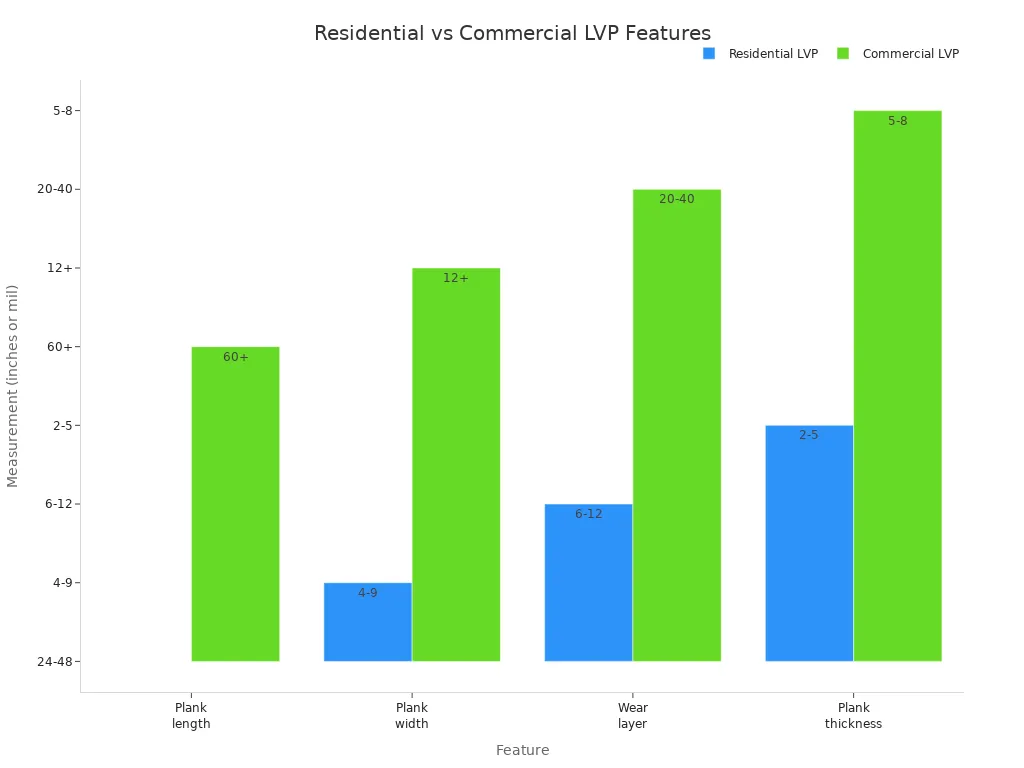
Here’s a comparison of key features between residential and commercial glued click lock vinyl flooring:
| Feature | Residential LVP | Commercial LVP |
|---|---|---|
| Common plank lengths | 24 to 48 inches | Sometimes exceeding 60 inches |
| Typical plank widths | 4 to 9 inches | Up to 12 inches or more |
| Wear layer thickness | 6 mil to 12 mil | 20 mil to 40 mil or higher |
| Overall plank thickness | 2mm to 5mm | 5mm to 8mm or more |
| Installation method | Click-lock systems | Glue-down installations |
| Durability | Designed for home use | Built for high foot traffic |
| Stability | Adequate for residential use | Superior stability in high-traffic areas |
| Maintenance | Low-maintenance | More robust, easier upkeep |
Alternative Installation Methods
When considering click lock vinyl flooring, you have several alternative installation methods besides gluing down. Each method has its own advantages and disadvantages. Here’s a breakdown of some popular options:
| Installation Method | Advantages | Disadvantages |
|---|---|---|
| Floating, but with some glue | Tight seams, no drama | No longer available |
| Click together with attached pad | Fewer steps, cost-efficient | Getting the seams perfect |
| Click together without an attached pad | Price-friendly, readily available, good-looking | Not easily re-installed |
Floating installations are a popular choice. They resemble a puzzle assembly, making them easier to install. You won’t need adhesives, which keeps the process cleaner and faster. Floating floors can adapt to humidity changes, expanding and contracting as needed. However, they may wear out faster due to thinner materials. These floors are not suitable for high-traffic commercial spaces.
If you choose to install click lock vinyl flooring without glue, you can expect lower costs. Here’s a quick overview of typical costs associated with floating installations:
| Item | Typical Cost |
|---|---|
| Materials | $1 – $5 per square foot |
| Underlayment | $0.30 – $0.60 per square foot |
| Tools & Miscellany | $100 – $200 (one-time purchase) |
| Installation (optional) | $2 – $5 per square foot |
Maintenance Considerations for Glued Floors
Maintaining glued down click lock vinyl flooring requires some specific attention. While upkeep is generally straightforward, you should be aware of a few key factors.
Maintenance Requirements
| Installation Type | Maintenance Requirements |
|---|---|
| Glued Down Click Lock | Maintenance is straightforward, but repairs are challenging due to the need for adhesive removal for replacement. |
| Floating Installation | Repairs are easier, as individual damaged planks or tiles can be replaced without extensive adhesive removal. |
You will find that cleaning glued down vinyl floors can be different from floating installations. The choice of adhesive and cleaning methods plays a crucial role in maintaining your flooring’s appearance. Using incorrect cleaning products can lead to dullness and even damage.
Cleaning Tips
To keep your glued down vinyl flooring looking its best, consider these cleaning tips:
- Use a pH neutral floor cleaner or a homemade solution of one cup of vinegar per gallon of water.
- Regularly vacuum or sweep to remove debris before wet cleaning.
- Mop with hot water and the appropriate cleaner, ensuring the mop is well-wrung to avoid excess water.
- For scuffs, use a damp microfiber cloth or a baking soda paste.
- Avoid using steel wool, abrasive cleaners, wax, or ammonia-based solutions.
By following these guidelines, you can maintain the beauty and longevity of your glued down vinyl flooring. Remember, proper care will help you enjoy your flooring for years to come!
Gluing down click lock vinyl flooring can provide benefits in certain situations. However, you must carefully consider the pros and cons before deciding. Here are some important factors to keep in mind:
- Installation Method: Glue down offers a reliable installation, while click lock allows for a DIY-friendly option.
- Durability: Glue down is often preferred in high-traffic areas for its stability.
- Maintenance: Think about how easy it will be to maintain each type based on your lifestyle.
- Application Suitability: Glue down works better for commercial settings, while click lock suits residential use.
- Specific Needs: Assess your budget and installation capabilities to find the best fit.
By evaluating these factors, you can make an informed choice that meets your needs.
FAQ
What is click lock vinyl flooring?
Click lock vinyl flooring features a unique interlocking system. This design allows you to install the planks without adhesive. You can easily assemble and disassemble the flooring, making it a popular choice for DIY projects.
Can I install click lock vinyl flooring over existing floors?
Yes, you can install click lock vinyl flooring over existing floors, provided they are flat and in good condition. This method saves time and effort, as you won’t need to remove the old flooring.
How do I clean glued down vinyl flooring?
To clean glued down vinyl flooring, use a pH-neutral cleaner or a vinegar-water solution. Regularly sweep or vacuum to remove debris. Avoid abrasive cleaners to maintain the floor’s appearance.
Is gluing down vinyl flooring worth it?
Gluing down vinyl flooring can enhance stability and durability, especially in high-traffic areas. However, consider your specific needs and the potential challenges of installation and repairs before deciding.
How long does glued down vinyl flooring last?
Glued down vinyl flooring can last 10 to 20 years with proper care. Factors like foot traffic, maintenance, and environmental conditions can affect its lifespan. Regular cleaning and timely repairs can help extend its durability.




